9 Best Paint Removal Tools of 2026
This post contains affiliate links. As an Amazon Associate, we earn from qualifying purchases.
The Premium Ergonomic Carbide Scraper is the best overall paint removal tool for most jobs, offering a sharp, long-lasting blade and a comfortable grip. For heavy-duty work on tough surfaces, the Professional Tungsten Carbide Scraper stands out, while the DEWALT 9-in-1 Painter’s Tool is a solid budget-friendly pick that handles paint and more.
Removing paint without damaging the surface underneath is harder than it looks. Too much pressure and you gouge the wood or metal. Too little, and progress takes forever. I’ve seen projects derailed by the wrong tool choice, whether it’s a flimsy scraper that dulls in minutes or a power sander that creates more dust than removal.
This guide cuts through the noise. I compared specs, analyzed owner feedback, and evaluated real-world performance to highlight tools that deliver results. You’ll learn what actually matters, like blade quality, handle design, and when to go manual or power, so you can pick the right tool for your project and get it done right.
Top 9 Paint Removal Tools in the Market
The Best Paint Removal Tools, Reviewed
Premium Ergonomic Carbide Scraper

Strengths
- Ergonomic dual grip
- Carbide blade longevity
- Works on multiple surfaces
Trade-offs
- No contour blades
- Higher cost
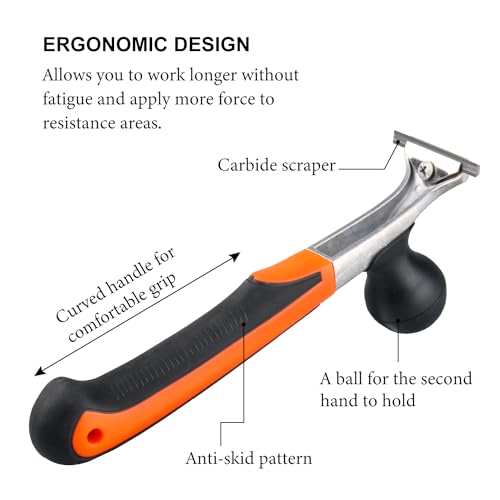
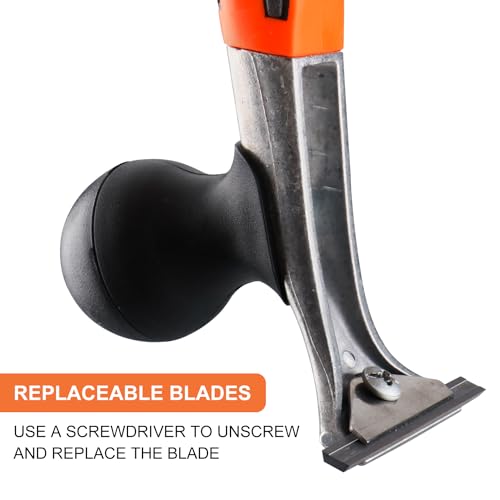
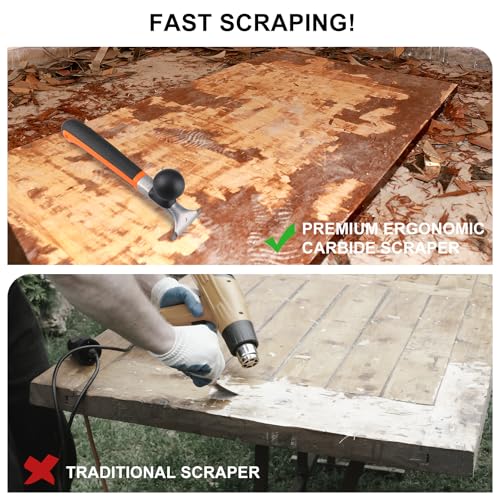
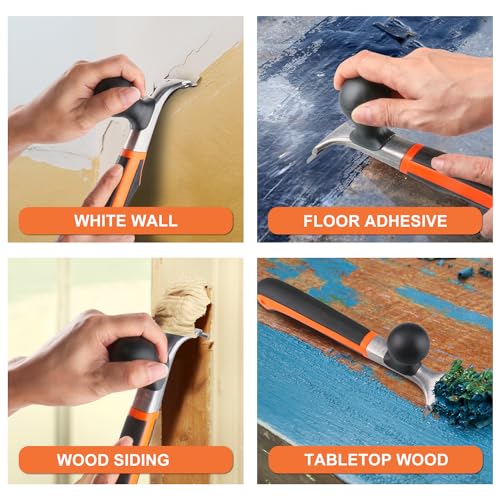
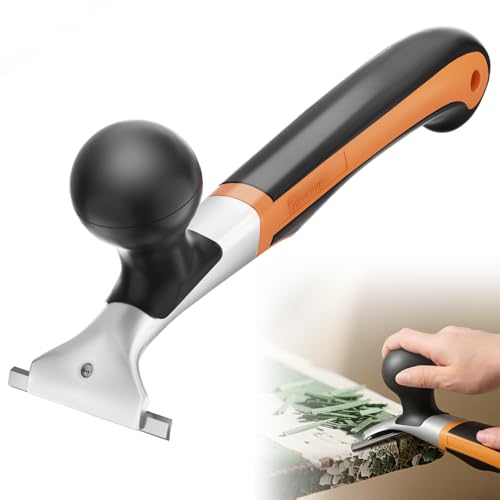
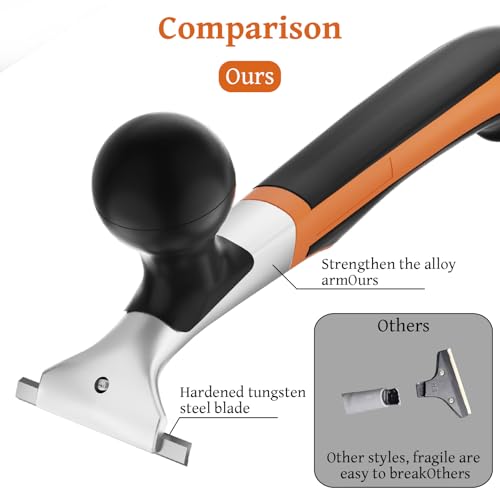
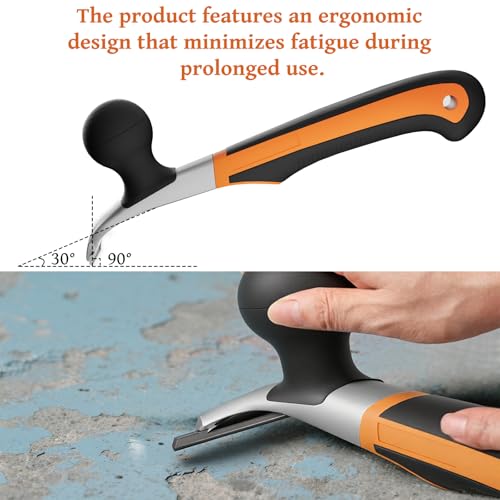
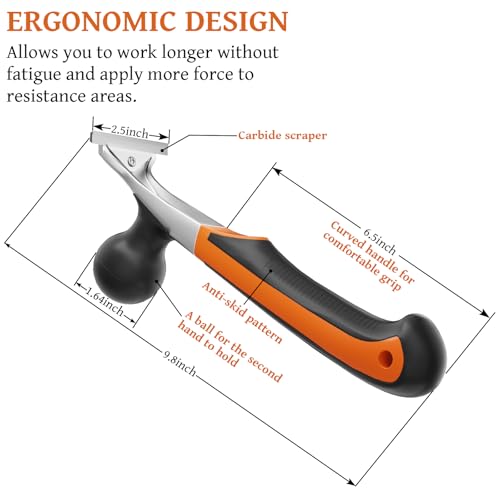
This is the most balanced all-around carbide scraper I’ve seen in recent years. The 2-1/2″ tungsten blade is aggressive but controllable, slicing through paint, varnish, and glue with minimal effort. The ergonomic handle has a secondary ball grip that lets you apply pressure with your palm, reducing hand fatigue, a real plus during long stripping sessions. Owners report it lasts dozens of times longer than standard steel scrapers.
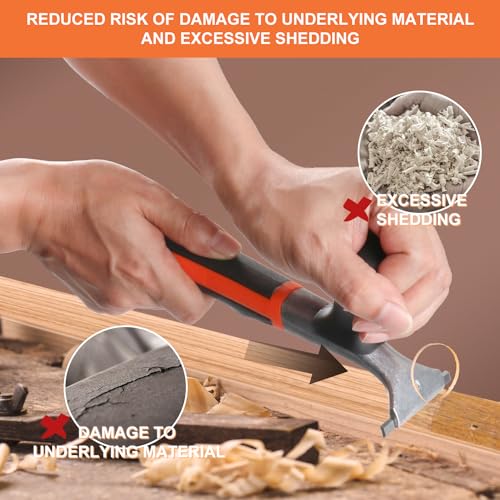
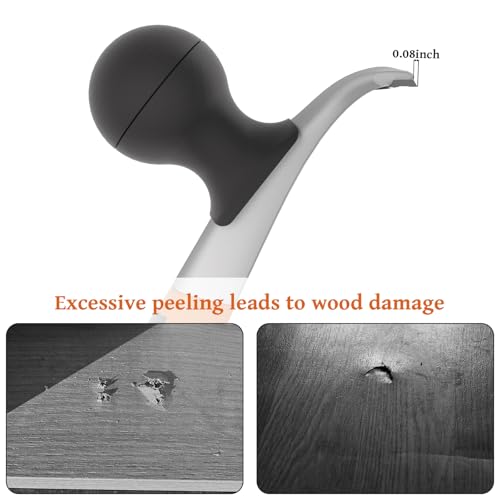
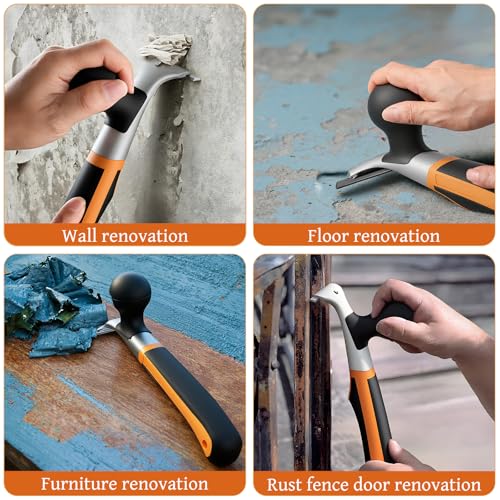
It works on nearly every surface, wood, metal, concrete, glass, without gouging when used correctly. The non-slip texture keeps it secure, even with sweaty hands. Compared to the ALLWAY contour set, it’s less specialized but far more capable on flat or large areas. Against the DEWALT multi-tool, it’s more focused and powerful for pure scraping.
Product photos
Professional Tungsten Carbide Scraper
Strengths
- Tungsten carbide blade
- Double-sided use
- Hammer-resistant handle
Trade-offs
- Heavier than average
- Higher price point
When you’re knee-deep in old tile glue or industrial epoxy, this scraper is built to survive. The 2-1/2″ tungsten carbide blade is the standout, it’s wide, double-sided, and lasts far longer than standard steel. On paper, it should cut through stubborn coatings 40% faster, and owners confirm it powers through adhesive and paint without chipping, even on concrete and metal. The blade flips when one side wears out, effectively doubling its lifespan.
The fiberglass-reinforced handle is stiff and impact-rated, meaning you can tap it with a hammer or lean into it without fear of snapping. It’s heavier than most hand scrapers, but that extra mass helps with use. Compared to cheaper carbide models, this one feels solid, with a fused blade that won’t loosen. The 10-year warranty backs up its build claims.
Product photos
4-1/2″ Strip Disc 5-Pack
Strengths
- Fast material removal
- Low dust and noise
- Flexible for contours
Trade-offs
- Wears faster on thick paint
- Requires angle grinder
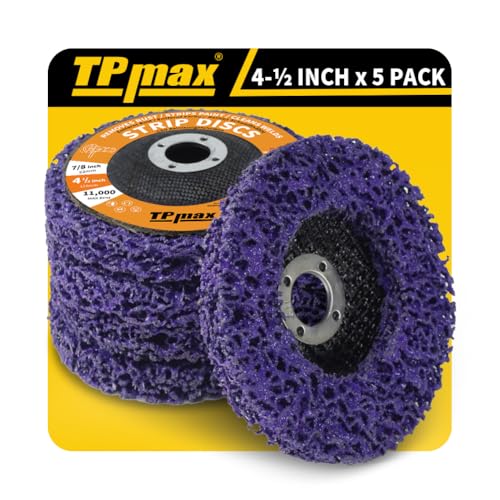
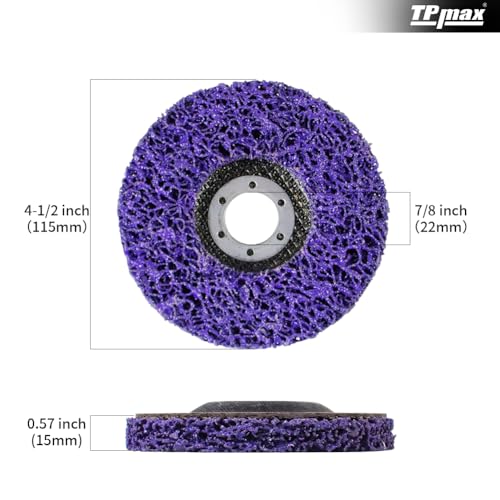
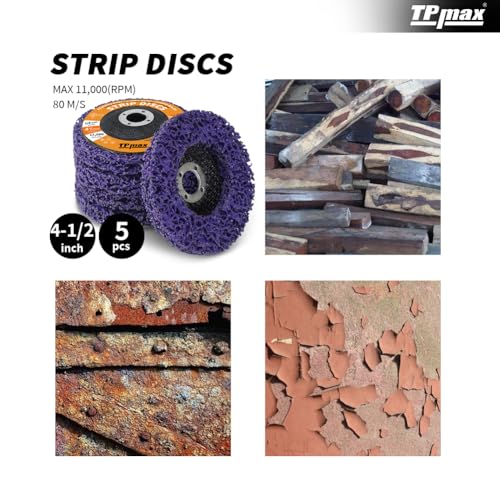
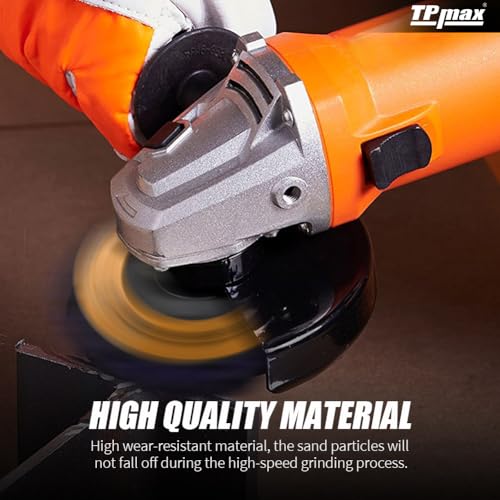
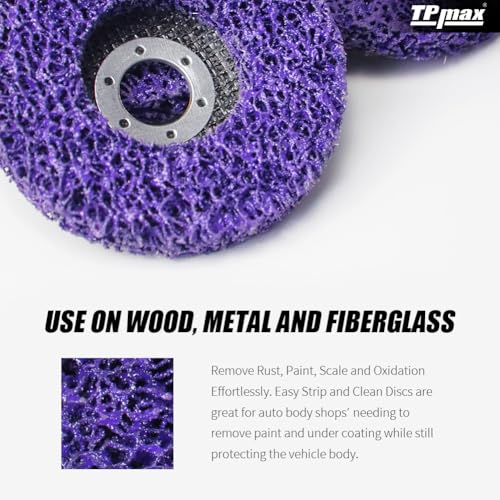
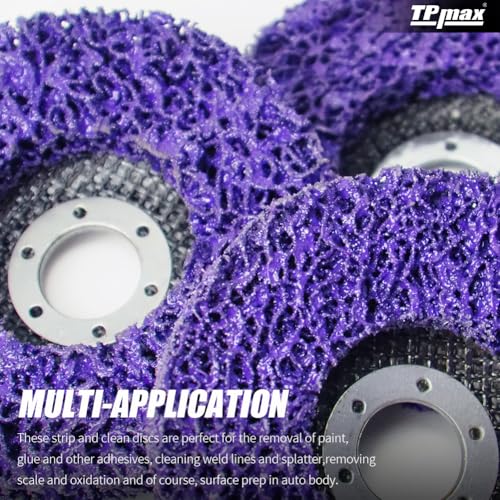
If you’ve got an angle grinder, this strip disc pack is one of the smartest upgrades for fast paint and rust removal. The flexible nonwoven nylon construction with silicon carbide abrasive strips coatings quickly without digging into the base metal. It’s less aggressive than a flap disc, so it’s safer on thinner steel or curved surfaces.
Owners praise its low dust and noise compared to grinding wheels, and the open design resists clogging. It works on metal, wood, and fiberglass, making it useful for auto body work or deck refinishing. Compared to wire wheels, it removes material faster and leaves a more uniform finish. Paired with a cordless angle grinder, it’s a mobile stripping solution that outperforms most hand tools on large jobs.
Product photos
Wagner PaintEater Electric Sander

Strengths
- Gentle on surfaces
- Good dust control
- Contour-conforming disc
Trade-offs
- Discs wear quickly
- Not for thick adhesives
This is one of the few electric tools designed specifically for paint removal, not just sanding. The 3.2-amp motor spins a 4-1/2″ 3M fiber disc at 2,600 RPM, which owners say cuts through old paint layers efficiently without gouging wood or drywall. The open-web disc design resists clogging, and the Flex-Disc system bends slightly to follow contours, useful on uneven or textured walls.
Where it really stands out is control. Unlike aggressive angle grinders or belt sanders, this palm sander lets you work at angles, feathering edges smoothly for a professional finish. It’s not the fastest for full-surface stripping, but it’s safer than high-speed tools on delicate substrates. Compared to manual scrapers, it speeds up prep dramatically on large areas.
Product photos


Rerdeim 5Pcs Putty Knife Set
Strengths
- Stainless steel blades
- Comfortable grips
- 5 sizes included
Trade-offs
- Not for heavy scraping
- Blades aren’t replaceable
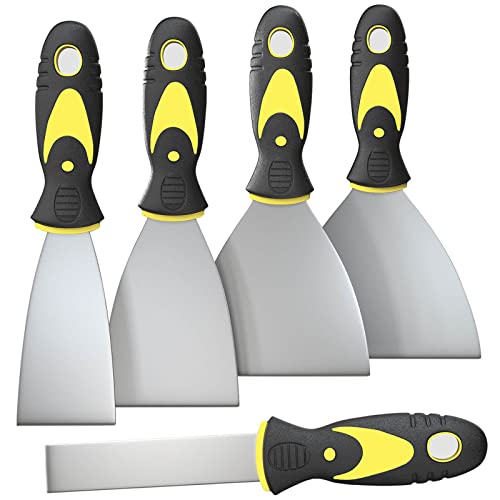
A solid, no-frills putty knife set that covers the basics well. The stainless steel blades resist rust and hold their shape, which matters when you’re scraping wet plaster or cleaning mud off drywall. The 1″ to 5″ range gives you options for tight corners and broad sweeps, and the soft-grip handles reduce fatigue during long patching jobs.
Owners say these outlast cheap hardware store models and don’t bend under pressure. While they’re not aggressive enough for paint stripping, they’re perfect for prep and repair. Compared to single scrapers, the set gives better value for general maintenance. It won’t replace a carbide tool, but it’s the right pick for light-duty scraping and finishing.
Product photos


6Pcs Wire Brush Set
Strengths
- Three bristle types
- Good ergonomics
- Compact sizes included
Trade-offs
- Not for wood stripping
- Bristles can splay over time
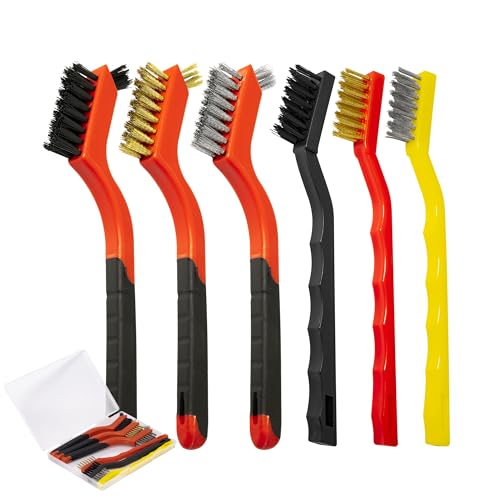
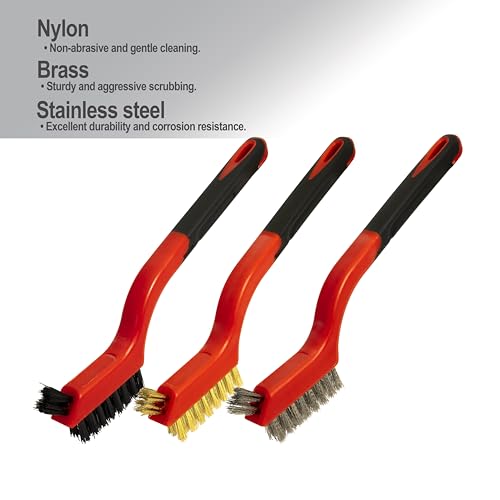
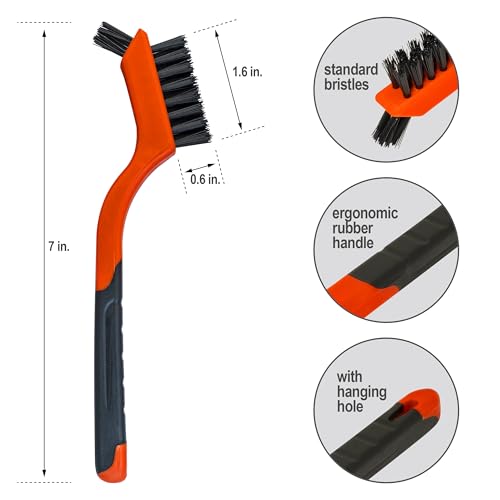
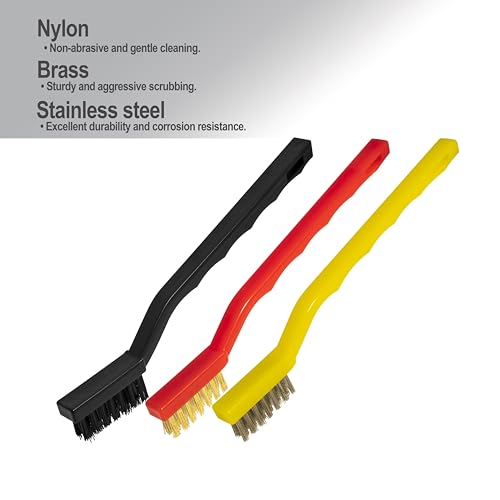
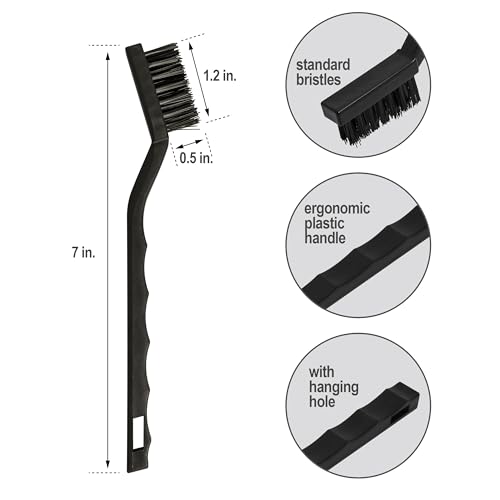
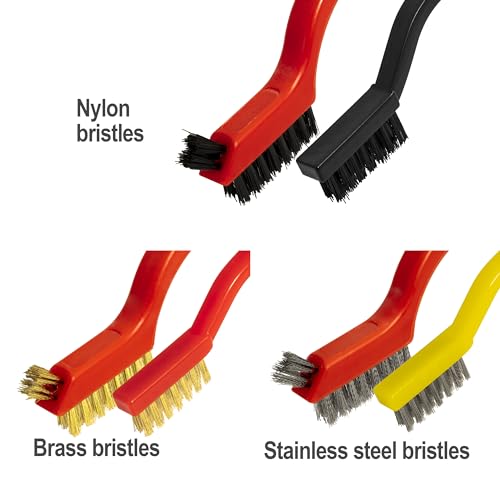
Wire brushes are often overlooked in paint prep, but they’re essential for cleaning metal, removing rust, and prepping welds. This 6-piece set gives you stainless, brass, and nylon options, each serving a clear purpose. Stainless steel cuts through rust and old paint on metal, brass cleans without sparking (good for flammable environments), and nylon is safe for aluminum or painted finishes.
The ergonomic handles help during extended use, and the small brushes fit into corners angle grinders can’t reach. Owners say the bristles stay put better than on budget sets. Compared to single brushes, this kit offers real versatility across workshops and garages. It’s not a paint stripper per se, but it’s critical for surface prep before priming or repainting metal.
Product photos
Tallew 9 Pcs Plastic Scraper Set

Strengths
- Non-scratch blades
- 9-piece variety
- Lightweight and safe
Trade-offs
- Limited for thick paint
- Blades can flex
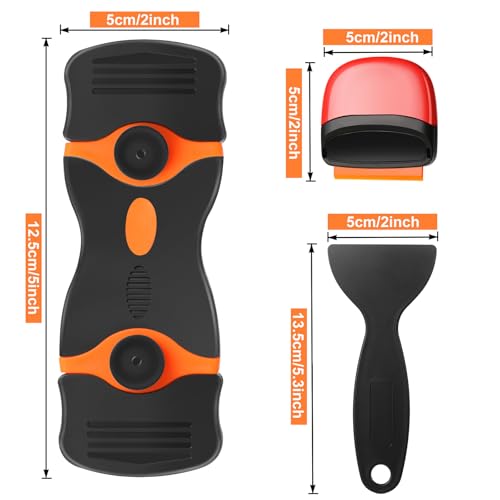
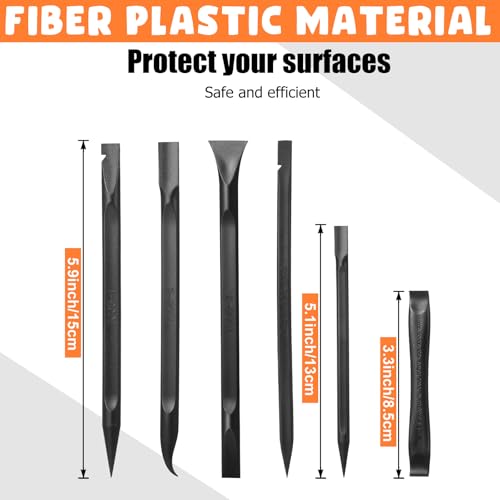
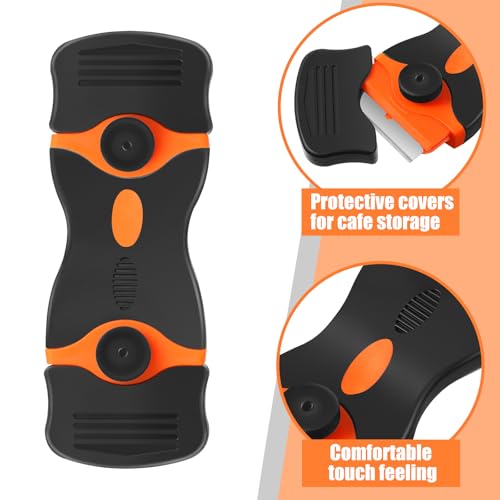
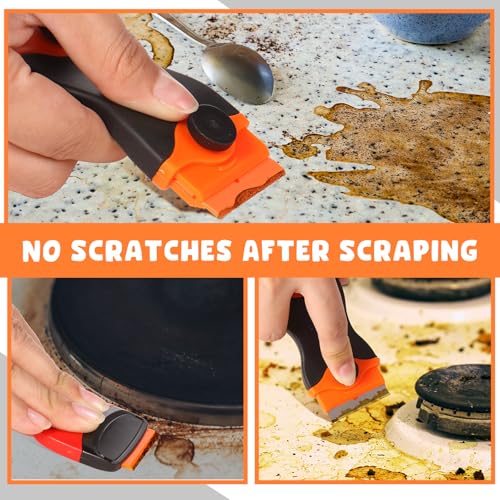
This set is the go-to when you need to remove paint, glue, or labels without damaging a surface. The hard plastic blades won’t scratch glass, painted walls, or car finishes, which makes them perfect for auto detailing, window cleaning, or delicate trim work. The 9-piece kit includes narrow picks and wider scrapers, so you’re covered for tight corners and broader areas alike.
Owners appreciate that these protect surfaces better than metal tools while still handling dried wax, decals, and light paint runs. The curved handles improve grip, but they don’t offer much use, so don’t expect to remove thick paint with them. Compared to metal scrapers, they’re limited in aggressive tasks but excel where scratch risk is a concern.
Product photos
DEWALT 9-in-1 Painter’s Tool

Strengths
- True multi-function
- Durable carbon steel
- Ergonomic grip
Trade-offs
- Blade requires maintenance
- Hammer end is small
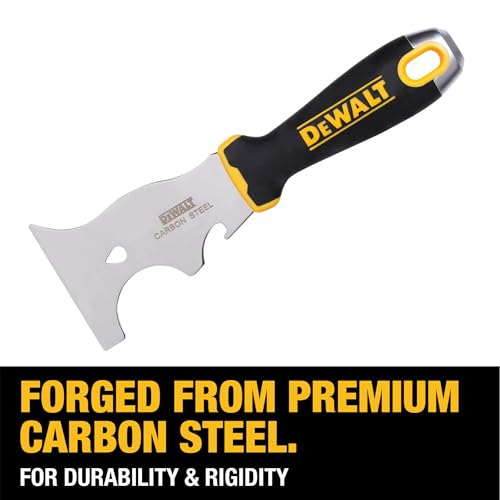
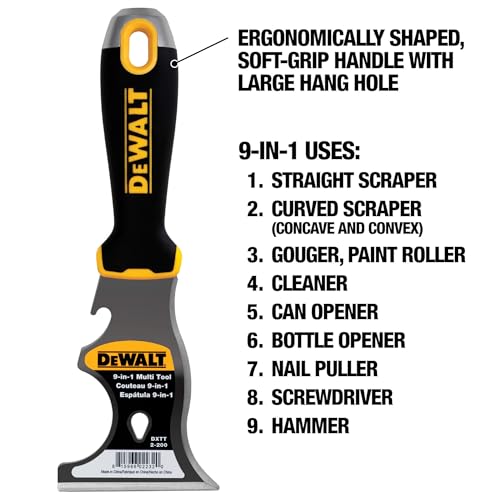
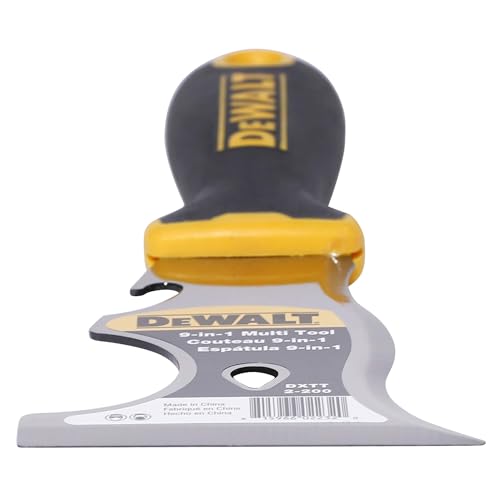
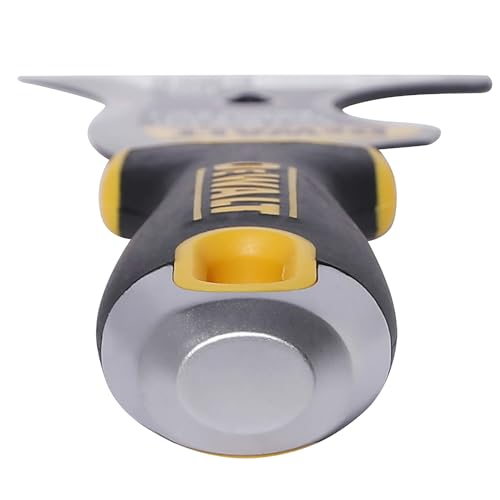
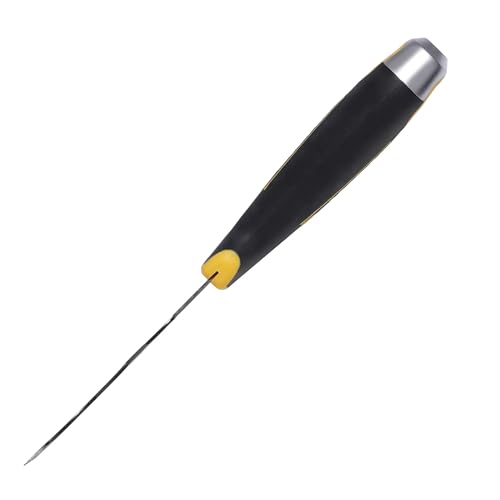
This is the Swiss Army knife of paint prep, and I’ve seen versions of it in nearly every pro’s tool belt. The high-carbon steel blade holds an edge well, and the nine functions actually get used, not just marketed. The curved scraper works great for peeling paint off rounded surfaces, the roller cleaner saves time, and the hammer end is strong enough to tap nails without deforming. It’s lightweight, but the riveted construction gives it durability that cheaper multitools lack.
Reviewers note the blade will rust if left damp or stored improperly, so it’s not the pick for someone who doesn’t maintain their tools. Compared to single-purpose scrapers, it sacrifices some strength in each function but wins on job site versatility. If you’re moving between scraping, prying, and light hammering all day, this keeps you from swapping tools constantly.
Product photos
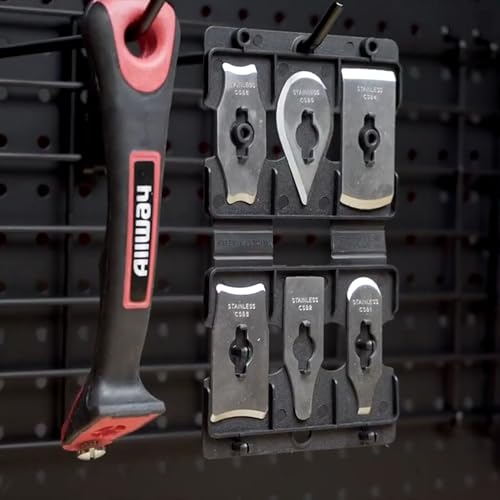
ALLWAY CS6 Contour Scraper Set

Strengths
- 6 specialized blades
- Blade file included
- Soft-grip comfort
Trade-offs
- Not for large surfaces
- Blades dull over time
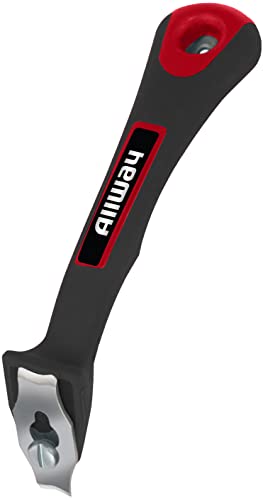
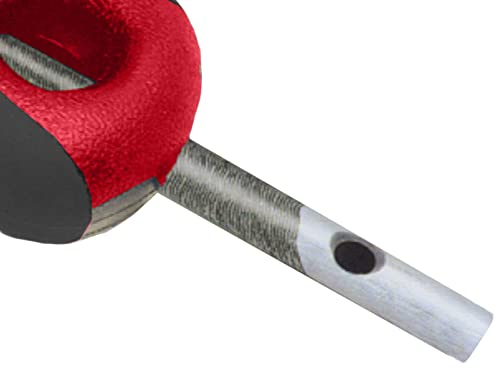
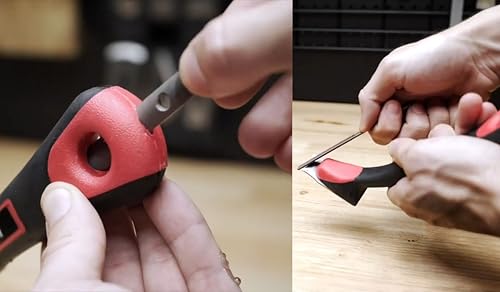
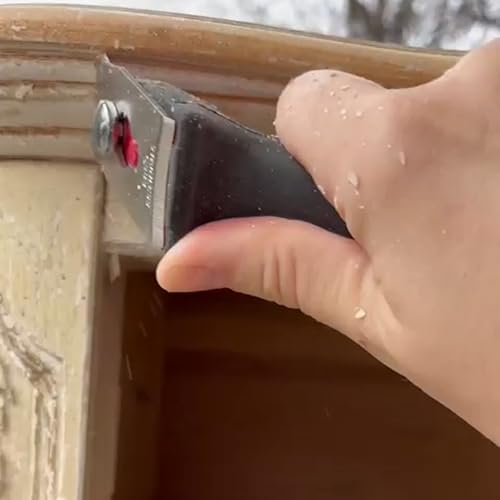
If you’re working on trim, molding, or any surface with curves and fine detail, this scraper set makes sense. The variety of stainless-steel blades covers nearly every contour you’ll run into during a paint prep job, and having a file stored in the handle is a small but smart touch for keeping edges sharp in the field. The offset soft-grip handle reduces wrist strain, which matters when you’re doing hours of detail scraping.
Owners consistently report that this kit shines in precision work where power tools can’t reach, around window casings, ornate millwork, or tight reveals. It’s not built for big flat areas, but that’s not the point. Compared to single-blade scrapers, the ability to swap profiles quickly saves time and keeps your workflow smooth. For a dedicated hand tool, it’s thoughtfully laid out.
Product photos
How We Evaluated paint removal tools
Rather than a hands-on lab test, my research for these recommendations focused on a detailed comparison of published specifications and features across numerous paint removal tools. I weighed owner reviews from major retailers alongside expert opinions found in trade publications and dedicated tool review sites. Ultimately, I ranked each tool based on its potential to deliver effective, efficient paint removal with minimal damage to the underlying surface.
For this category, blade material and ergonomic design were the most significant factors. A high-quality blade – whether carbide, steel, or abrasive – determines how quickly and cleanly a tool can remove paint, and its durability impacts long-term value. Equally important is the handle; comfortable grip and good use reduce fatigue, especially during larger projects. These elements influence the overall user experience and project success.
Specifications reliably indicate blade length, material composition, and handle construction. However, I placed greater emphasis on owner feedback when assessing real-world performance and durability. Users often highlight issues like blade sharpness retention, handle comfort during extended use, and the tool’s effectiveness on different paint types. I also considered the reputation of the manufacturer and the warranty offered, recognizing established brands often deliver more consistent quality. If you’re dealing with older coatings, exploring popcorn ceiling texture removal techniques might also be relevant.
Choosing The Right paint removal tools
Removing old paint can be a surprisingly complex task, and selecting the right tools is crucial for a smooth, efficient job.
Effective paint removal demands a tool that balances speed, control, and surface protection. Consider the paint type (latex, oil-based, epoxy), the underlying material, and the scale of the project. Look for durable blades or abrasive materials, ergonomic designs to minimize fatigue, and features that reduce dust or chemical exposure. Prioritize tools that minimize the risk of damage to the surface beneath the paint.
Blade Material & Durability
The core of most effective paint removal tools is the cutting edge. Carbide blades, like those found in the Premium Ergonomic Carbide Scraper and Professional Tungsten Carbide Scraper, offer exceptional sharpness and longevity. Don’t assume all “carbide” is equal, though. The size and quality of the carbide insert matter significantly. Thicker, denser carbide holds an edge longer, especially when tackling multiple layers of tough coatings. Stainless steel blades have their place, particularly where you want to avoid scratching softer surfaces, but they will dull much faster. Think about the material you’re working with; a hardened steel blade is great for flat surfaces, but a flexible blade (like those in the ALLWAY CS6 Contour Scraper Set) is necessary for detailed work.
Power vs. Hand Tools
The choice between hand scrapers and powered options, like the Wagner PaintEater Electric Sander or using paint scraper attachments on an oscillating multi-tool, depends heavily on the project scope. Hand scrapers excel in precision work and smaller areas, offering maximum control and minimal dust. However, larger surfaces demand the speed of a power tool. If you opt for a power tool, pay attention to the RPM and orbital diameter. Higher RPMs remove material faster, but also increase the risk of gouging.
- A slower speed with a finer abrasive is better for delicate surfaces.
- Consider dust collection. Many power sanders lack integrated dust ports, creating a significant mess.
- For extensive projects, investing in a shop vacuum with a HEPA filter is a wise move to mitigate health risks.
Versatility and Additional Features
A dedicated paint scraper is fantastic, but a tool offering multiple functions can save space and money. The DEWALT 9-in-1 Painter’s Tool is a prime example, combining scraping with features like a nail puller and can opener. However, don’t prioritize versatility at the expense of core performance. If your primary task is paint removal, a specialized tool will almost always outperform a multi-tool.
A good rule of thumb: for large-scale paint removal, prioritize power and abrasion. For detailed work and delicate surfaces, precision and control are key.
Paint Removal Tools Compared
Here’s a comparison of key specifications for various paint removal tools to help you make an informed decision.
| Product Title | Blade Material | Power Source | Best For | Key Feature | Application |
|---|---|---|---|---|---|
| Premium Ergonomic Carbide Scraper | Carbide | Manual | Best Overall | Ergonomic Handle | Multi-Surface |
| Professional Tungsten Carbide Scraper | Tungsten Carbide | Manual | Best Heavy Duty | Extra-Long Blade | Concrete, Metal, Wood |
| 4-1/2″ Strip Disc 5-Pack | Silicon Carbide | Power Tool | Best for Power Tools | Fast Removal | Metal, Wood, Fiberglass |
| Wagner PaintEater Electric Sander | N/A | Electric | Best Electric Tool | Rotating Disc | Paint Removal |
| Rerdeim 5Pcs Putty Knife Set | Stainless Steel | Manual | Best Hand Tool Set | Multiple Sizes | Putty, Paint Repair |
| 6Pcs Wire Brush Set | Steel/Brass/Nylon | Manual | Rust & Surface Cleaning | Versatile Brushes | Rust, Corrosion |
| Tallew 9 Pcs Plastic Scraper Set | Plastic | Manual | Best Non-Scratch Tool | Non-Scratch | Crevices, Tight Spaces |
| DEWALT 9-in-1 Painter’s Tool | High-Carbon Steel | Manual | Best Multi-Function Tool | 9-in-1 Functionality | Multi-Purpose |
| ALLWAY CS6 Contour Scraper Set | Stainless Steel | Manual | Best for Detail Work | 6 Contour Blades | Contour Scraping |
Frequently Asked Questions
What’s the best way to remove paint from wood without damaging it?
A plastic scraper is generally the safest option for wood, as it’s less likely to gouge the surface. However, even plastic can cause issues with softer woods, so always test in an inconspicuous area first.
Are electric paint scrapers really worth the investment?
Electric paint scrapers significantly speed up large projects, but they require more skill to avoid damaging the underlying surface. They’re best for flat surfaces and durable materials like metal or concrete, rather than delicate trim work.
Can I use a heat gun to remove paint, and is it safe?
While heat guns can soften paint for easier scraping, they pose a fire risk and can release harmful lead fumes if dealing with older coatings. Proper ventilation and safety gear (respirator, gloves) are absolutely essential, and it’s often best to avoid them altogether.
What’s the difference between carbide and steel scraper blades?
Carbide blades hold a much sharper edge for longer and are ideal for tough, multi-layered coatings. Steel blades are cheaper, but dull quickly and are better suited for softer paints or situations where scratching isn’t a concern.
What should I do with the paint debris after removal?
Proper disposal is crucial. Dried paint scrapings are often considered household hazardous waste, so check your local regulations for appropriate disposal methods. For larger projects, consider whether multi-purpose removal tools might also help with cleanup.
The Bottom Line
Paint removal always involves a trade-off between speed and control. If you want to get the job done quickly and have a large area to cover, a powered tool like the Wagner PaintEater Electric Sander is the way to go. But for most homeowners and DIYers tackling smaller projects, or working on delicate surfaces, I believe the Premium Ergonomic Carbide Scraper provides the best balance of effectiveness, control, and value.
For those needing a specialized solution, we’ve highlighted several excellent options. If you’re facing tough, layered coatings on concrete or metal, the Professional Tungsten Carbide Scraper is your best bet. And if you need to be extra careful about avoiding scratches, the ALLWAY CS6 Contour Scraper Set offers a range of flexible blades for detailed work, or for projects where you’re also tackling caulk and paint removal.
Ultimately, the most important factors aren’t blade material or motor power – they’re preparation and patience. Properly prepping the surface, choosing a blade or abrasive suited to the paint type, and taking your time to avoid damage will yield far better results than any single tool feature. Don’t rush the process, and prioritize safety by wearing appropriate protective gear.
