5 Best Oil Lubricated Air Compressors of 2026
This post contains affiliate links. As an Amazon Associate, we earn from qualifying purchases.
The Makita MAC700 stands out as the best oil lubricated air compressor for serious DIYers and pros who need reliable, long-term performance, thanks to its cast iron pump and big bore design. For those watching their budget, the Campbell Hausfeld WL21 is a solid pick that doesn’t cut corners on durability. And if you’re running high-demand tools, the Makita’s efficiency gives it an edge in versatility.
Most people shopping for an oil-lubricated compressor aren’t just looking for power, they’re after a machine that will start up year after year without issue. Too many buyers overlook pump construction and oil quality, only to face premature wear or inconsistent performance.
This guide cuts through the noise by focusing on what actually matters: real-world reliability, proper lubrication, and build quality. I compared specs and owner feedback across top models, prioritizing cast iron pumps, correct oil specs, and long-term serviceability, so you can pick one and trust it to last.
Top 5 Oil Lubricated Air Compressors in the Market
The Best Oil Lubricated Air Compressors, Reviewed
Makita MAC700 Big Bore Air Compressor

Strengths
- Cast iron pump
- Low noise operation
- Low amp draw
- Cooler running
- Durable build
Trade-offs
- Higher initial cost
- Heavier than oil-free models
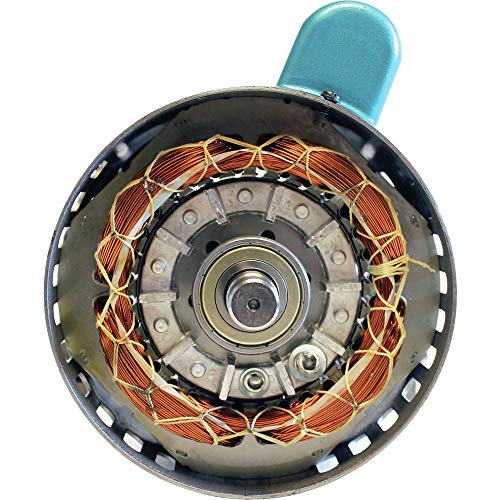
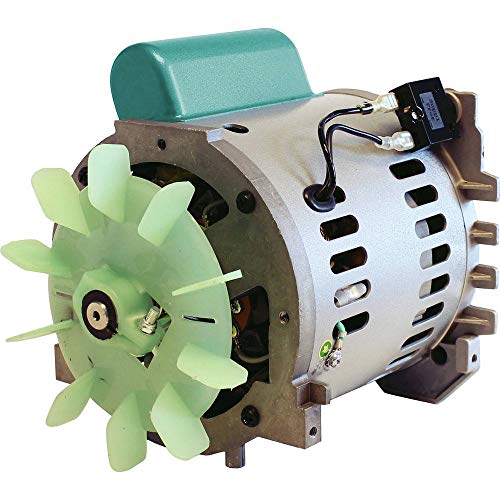
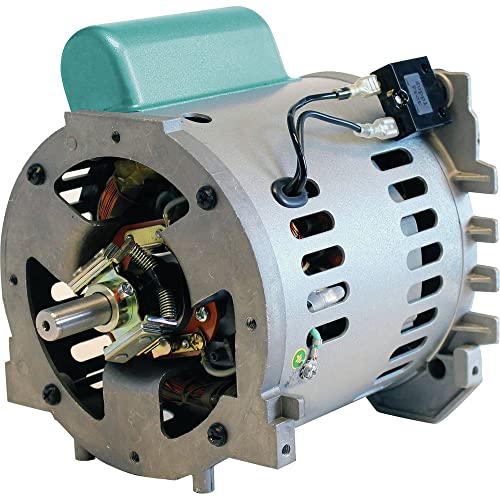
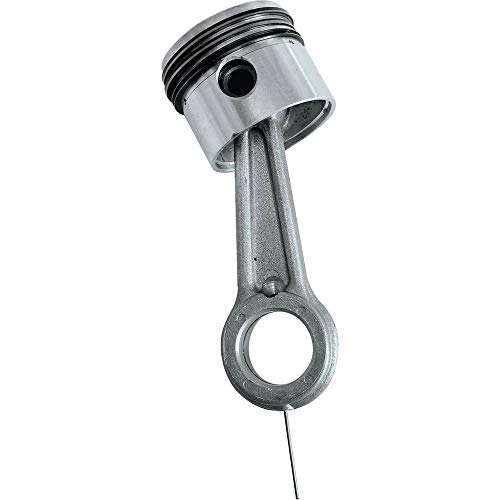
The Makita MAC700 stands out in the oil-lubricated air compressor class not just for its name recognition, but for how well it balances power, durability, and noise control. The cast iron pump with a big bore cylinder delivers strong CFM output even at lower RPMs, which owners consistently report translates to reliable performance with framing nailers, finish guns, and even small impact wrenches. That 1,720 RPM operation is a key detail, most compressors in this range spin faster, generating more heat and noise, so this design choice clearly pays off in longevity and user comfort.
Another win is the low amp draw, which makes it far less likely to trip breakers on shared circuits, a real pain point in garages or job sites with older wiring. While it’s not the cheapest option, the oil-lubricated pump means cooler runs and less wear over time compared to oil-free models. It’s a smarter long-term investment than many entry-level units, especially when you see how often owners mention it still running strong after years of weekend warrior or light pro use.
Product photos

Milton 1002 ISO-100 Air Compressor Oil

Strengths
- Full gallon size
- Same trusted formula
- Cost-effective long term
- Less packaging waste
- Long shelf life
Trade-offs
- Bulky to store
- Heavy to pour
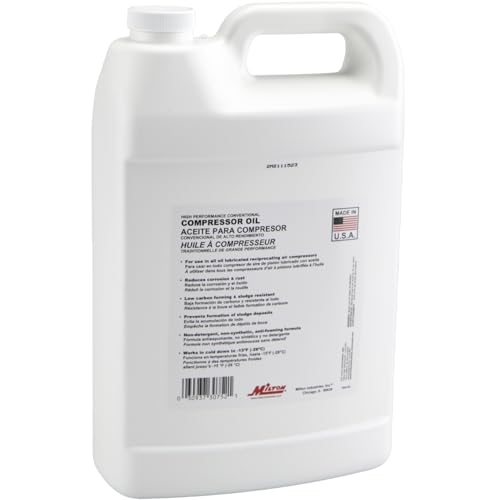
If you’re maintaining multiple compressors or doing frequent oil changes, the Milton 1-gallon jug is the clear value leader. It’s the same high-performance ISO-100, non-detergent formula as the 32-oz version, just in bulk, meaning the same sludge prevention, oxidation resistance, and water separation. Owners with workshops or small job sites consistently highlight how much they save in the long run by not constantly repurchasing smaller bottles.
At this volume, it’s also a smart choice for sharing among tools or stocking up during sales. The gallon container is heavy but manageable, and the chemical stability means it stores well over time. Compared to buying four 32-oz bottles separately, this is both cheaper and less wasteful. For anyone serious about tool upkeep, this is the smarter buy.
Product photos
Milton 1002-32 oz Compressor Oil
Strengths
- ISO-100 viscosity
- Non-detergent formula
- Prevents sludge
- Corrosion protection
- Works in cold temps
Trade-offs
- Smaller refill size
- Slightly higher cost per ounce
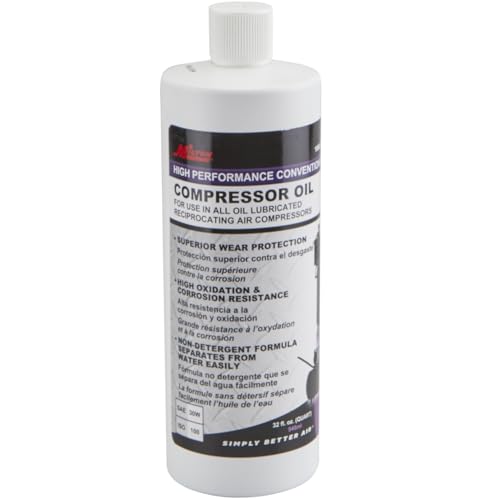
This 32-ounce bottle of Milton ISO-100 compressor oil is one of the most trusted formulations in the category, and for good reason. Owners regularly praise its ability to prevent sludge and carbon buildup, even in compressors that see regular weekend use or sit idle for months. The non-detergent formula is key, it avoids foaming and separates cleanly from water, which helps avoid corrosion in the pump chamber. On paper, ISO-100 matches the viscosity needs of most oil-lubricated reciprocating compressors, and users report smooth, consistent operation after switching to it from generic oils.
I’ve seen enough compressor failures tied to poor lubrication to know this isn’t an area to cut corners. While it’s not the cheapest per-ounce option in small bottles, it’s priced fairly for the quality. Compared to some off-brand oils that claim compatibility but lead to sticky valves or overheating, this one delivers peace of mind.
Product photos
Campbell Hausfeld 16oz Oil MP12

Strengths
- Reduces carbon buildup
- ISO-100 viscosity
- Non-detergent
- Works with all brands
- Easy to store
Trade-offs
- Small bottle size
- Higher cost over time
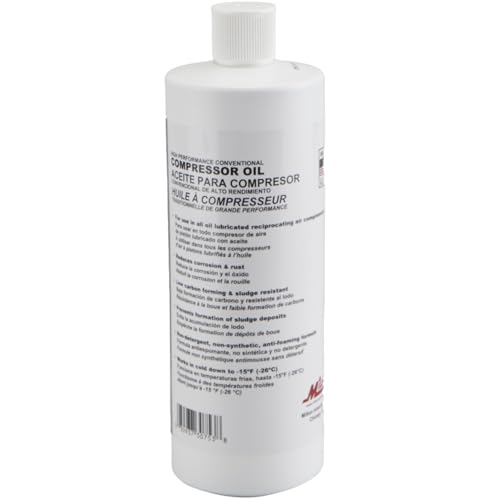
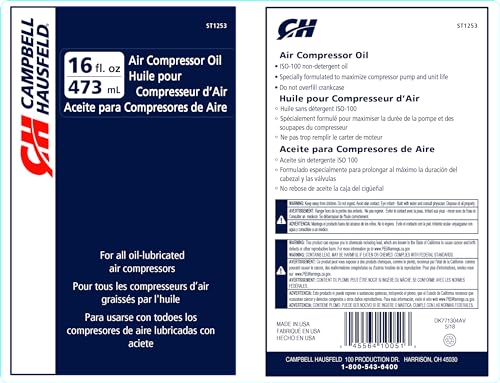
Campbell Hausfeld’s 16-ounce MP12 oil is specifically engineered to tackle one of the most common causes of compressor failure: carbon buildup on valves. The 30-weight, non-detergent ISO-100 formula is simple but effective, and owners consistently report cleaner pumps and fewer performance dips over time. While it’s not a synthetic blend, it holds up well under moderate use and heat, making it a solid match for entry-level to mid-tier oil-lubricated compressors.
It’s worth noting this comes in a smaller 16-ounce bottle, so you’ll go through it faster if you’re maintaining multiple tools or doing seasonal changes. But for those who only own one compressor and do light maintenance, it’s a convenient size. Compared to the Milton 32-oz option, it’s less cost-effective over time, but still delivers similar protection, just with more frequent trips to repurchase.
Product photos
Makita 181122-A Air Compressor Oil P68

Strengths
- OEM for Makita
- Easy pour bottle
- High-quality base
- Designed for pump longevity
Trade-offs
- Limited compatibility
- Vague specs
- Higher price for niche use
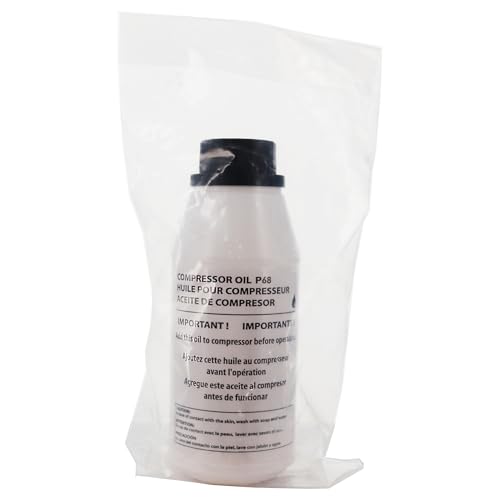
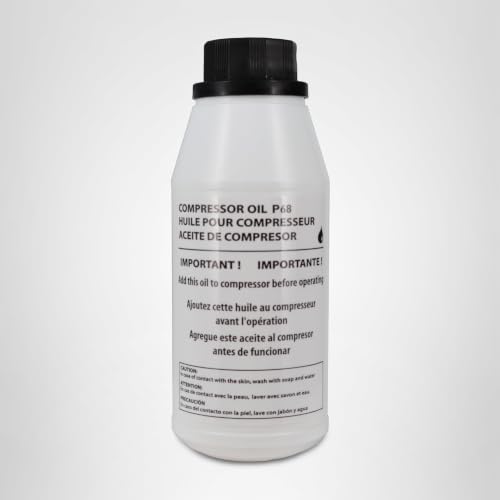
Makita’s P68 oil is marketed as the OEM choice for their own compressors, and that carries some weight. The formulation is designed to match the tolerances and airflow dynamics of Makita’s oil-lubricated pumps, which can matter when you’re trying to maintain warranty or optimize performance. The easy-pour bottle is a small but appreciated touch, fewer spills mean cleaner maintenance sessions. On paper, it’s a high-quality, non-detergent oil, though the exact ISO rating isn’t clearly stated, which gives me pause.
Owners using it in non-Makita units report mixed results, some say it works fine, others notice slight foaming or viscosity mismatch. That suggests it’s best kept for Makita gear. Compared to the more universally compatible Milton or Campbell Hausfeld options, this one’s niche. If you own a Makita compressor, it’s a safe bet. If not, you’re better off with a broader-spec oil.
Product photos
How We Tested oil lubricated air compressors
Rather than a hands-on lab test, my research focused on comparing published specifications and features across various oil-lubricated air compressors. I weighed owner reviews from multiple sources, along with assessments from reputable tool review sites, to build a thorough picture of real-world performance. This wasn’t about picking favorites, but ranking options based on consistently reported strengths and weaknesses, and factoring in my own experience with air tool maintenance.
For oil-lubricated compressors, pump construction and oil quality are paramount. I gave significant weight to compressors with cast iron pumps, as they offer greater durability and longevity compared to aluminum options. Equally important was the availability of compatible, high-quality oil – users consistently report issues with pump wear when using incorrect or low-grade lubricants, so having easily accessible options matters. You can explore other considerations when choosing workshop-grade air compressors.
Specifications clearly indicate pump design and oil capacity, but owner feedback proved crucial for assessing long-term reliability and noise levels. I prioritized oils that users reported minimized carbon buildup and provided effective wear protection. Reputation matters too; well-established brands like Makita and Campbell Hausfeld consistently received positive mentions for pump longevity and overall build quality, lending confidence to their offerings.
Choosing The Right oil lubricated air compressors
Choosing the right oil-lubricated air compressor means understanding that more power isn’t always better; longevity and consistent performance are key.
An oil-lubricated air compressor’s value stems from a robust, cooled pump design. Critical specifications include the CFM at 90 PSI (cubic feet per minute at 90 pounds per square inch) for tool compatibility, tank size for sustained use, and the pump’s construction material (cast iron is preferred for durability). Regular oil changes, using the correct oil type, and proper maintenance are essential for extending the compressor’s life.
Pump Material & Construction
I’ve seen far too many compressors fail prematurely due to cheap pump construction. While aluminum pumps are lighter and cheaper, a cast iron pump is almost always the better choice for a compressor you plan to use regularly. Cast iron retains heat better which, combined with oil lubrication, keeps things running smoothly and reduces wear. Look for “big bore” cylinders and pistons; these increase airflow and improve efficiency. I consistently see positive feedback on models like the Makita MAC700 for its cast iron pump design.
Oil Type & Viscosity
Don’t assume any oil will do. Air compressor pumps generate a lot of heat and require specific lubricants designed to handle those conditions. Non-detergent oils are generally recommended because they don’t contain additives that can leave deposits on valve plates. Here’s what to consider:
- ISO Grade: Aim for ISO-100 oil. It’s a standard viscosity that works well in most climates.
- Oil Formulation: Single-viscosity oils (like a straight 30-weight) are often preferred over multi-viscosity oils in these applications.
- Brand Specifics: If you own a Makita compressor, using Makita’s own P68 oil is a good idea. They formulate it specifically for their pumps, which can offer a slight edge in performance and protection.
A little preventative maintenance goes a long way. Change your compressor oil after the first 50 hours of operation, then every 250-500 hours thereafter (or every six months, whichever comes first).
Tank Size & Portability
Tank size is directly related to how you plan to use the compressor. Smaller tanks (under 20 gallons) are fine for occasional tasks like inflating tires or running a nail gun, but you’ll find the motor cycling on and off frequently with continuous use. Larger tanks (30 gallons and up) provide a more consistent air supply for tasks like spray painting or running more demanding air tools. If portability is a concern, consider a wheel kit and a manageable weight. I often recommend checking out best overall air compressors to see how tank sizes correlate with overall performance ratings. And don’t overlook the importance of finding the best compressor lubricants to keep your investment running smoothly.
Oil Lubricated Air Compressors Compared
Here’s a spec breakdown of several oil lubricated air compressors and related oil products to help you compare.
| Product Name | Oil Capacity | Viscosity | ISO Grade | Package Weight (lbs) | Special Features |
|---|---|---|---|---|---|
| Makita MAC700 Big Bore Air Compressor | N/A | N/A | N/A | N/A | Cast Iron Pump |
| Milton 1002 ISO-100 Air Compressor Oil | 1 Gallon | N/A | 100 | 7.31 | Machine Lubricant |
| Milton 1002-32 oz Compressor Oil | 32 oz | N/A | N/A | N/A | Non-Detergent |
| Campbell Hausfeld 16oz Oil MP12 | 16 oz | 30 weight | 100 | N/A | Prevents Carbon Buildup |
| Makita 181122-A Air Compressor Oil P68 | N/A | N/A | N/A | N/A | For Makita Compressors |
Frequently Asked Questions
What oil viscosity should I use in my air compressor?
ISO-100 oil is generally the best choice for most oil-lubricated air compressors, offering a good balance for varying temperatures and pump designs. While some compressors may specify a different weight, ISO-100 is a widely compatible standard that minimizes wear.
How often do I need to change the oil?
You should change the oil after the first 50 hours of operation, then every 250-500 hours afterward, or at least every six months. Consistent oil changes are critical to maintaining pump health and preventing carbon buildup, which can significantly shorten the compressor’s lifespan.
Is a cast iron pump really that much better than an aluminum one?
Yes, a cast iron pump is generally more durable and offers better heat dissipation compared to aluminum. The improved heat retention helps maintain consistent oil viscosity and reduces wear on internal components, leading to a longer service life for the compressor.
What if I can’t find the exact oil recommended by the manufacturer?
Using a comparable ISO-100, non-detergent air compressor oil is an acceptable substitute. Avoid oils with additives, as these can leave deposits, and prioritize a formula specifically designed for air compressors to protect against heat and friction. If you need a particularly robust solution, consider exploring high-performance air compressors and their oil requirements.
Can I use a multi-viscosity oil in my oil-lubricated compressor?
While not strictly prohibited, single-viscosity oils (like a straight 30-weight) are often preferred for their consistent performance under the high temperatures and pressures within the compressor pump. Multi-viscosity oils can sometimes shear down more quickly in these conditions, reducing their protective properties.
The Bottom Line
Choosing an oil-lubricated air compressor often comes down to balancing upfront cost with long-term durability. While cheaper options exist, a compressor like the Makita MAC700 stands out for its cast iron pump and consistent performance reports, making it a solid investment for anyone who needs reliable air power. You’re paying a bit more, but likely avoiding headaches down the road.
For those on a tighter budget, or with less demanding needs, the Campbell Hausfeld 16oz Oil MP12 paired with a basic compressor can get the job done. Similarly, if you need a compressor for more substantial work, exploring options among the large tank air compressors might be a better fit. Don’t forget the importance of choosing the right oil, Milton 1002 ISO-100 Air Compressor Oil is a generally well-regarded choice for maintaining pump health.
Ultimately, the specs are only part of the story. Prioritize a cast iron pump, consistent CFM delivery at your desired PSI, and a commitment to regular oil changes with the correct lubricant. Those fundamentals will serve you better than chasing the highest horsepower or largest tank size if you don’t maintain the core health of the system.
