
7 Best Gas Chainsaws for Cutting Trees 2026
This post contains affiliate links. As an Amazon Associate, we earn from qualifying purchases.
The Husqvarna 460 Rancher stands out as the best overall gas chainsaw for cutting trees, offering serious power and reliability for demanding jobs. For those on a tighter budget, the VEVOR 62CC 20-Inch Gas Chainsaw delivers strong performance at a lower price, while the Husqvarna 455 Rancher strikes a smart balance for homeowners needing a versatile, durable saw without overspending.
If you’re cutting down trees, you need a saw that can handle tough hardwoods without bogging down, but also won’t wear you out after ten minutes. Too many people buy based on engine size alone and end up with a saw that’s too heavy, too hard to start, or a maintenance nightmare.
This guide cuts through the noise. I focused on real-world usability, reliability, and value, pulling from specs, owner experiences, and years of seeing what actually works in the field. These picks are based on what matters most: power delivery, bar length practicality, vibration control, and long-term durability.
Top 7 Gas Chainsaws For Cutting Trees in the Market
The Best Gas Chainsaws For Cutting Trees, Reviewed
Husqvarna 460 Rancher 24-Inch Gas Chainsaw

Strengths
- 60.3cc high-torque engine
- 24-inch bar capacity
- Automatic oil pump
Trade-offs
- Higher price
- Heavier than mid-size saws
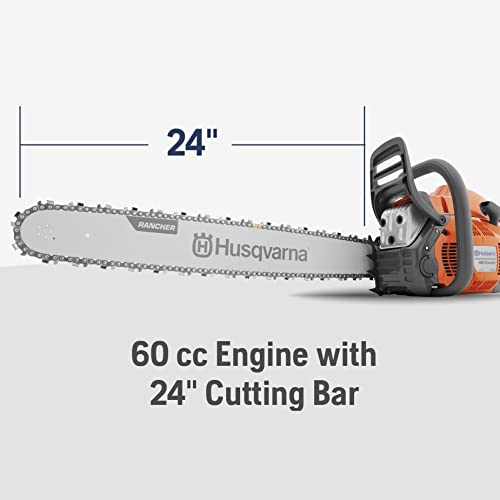
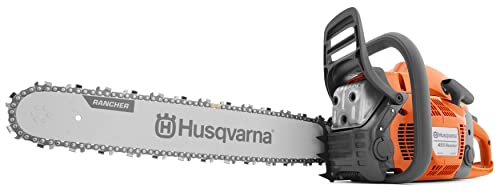
If you’re looking for the best all-around gas chainsaw here, the Husqvarna 460 Rancher is the one to beat. With a 60.3cc X-Torq engine and 3.6 HP, it delivers smooth, consistent power even at low RPMs, critical when you’re bucking through a gnarly knot or pinched log. The 24-inch bar lets you handle massive trunks in a single pass, and the automatic oil pump adjusts lubrication on the fly, reducing waste and wear.
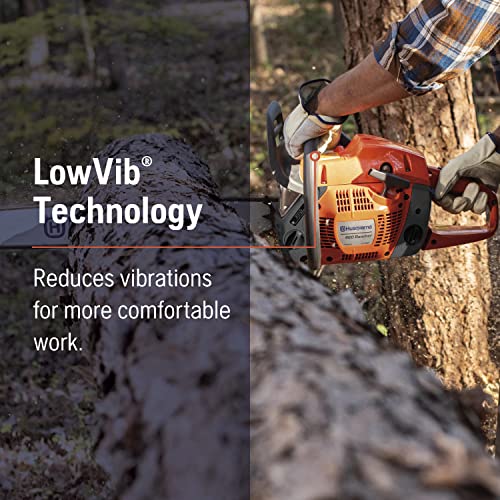
Owners consistently report fewer clogged filters thanks to Air Injection, and the LowVib system makes long cuts far less taxing. It’s heavier than smaller models, but the weight is well-distributed, and the offset handle improves control. Compared to the 455 Rancher, it’s more capable; compared to budget 62cc saws, it’s far more reliable. This is the saw I’d buy if I researched wooded property and cut firewood every winter.
Product photos



Husqvarna 455 Rancher 20-Inch Gas Chainsaw
Strengths
- Reliable Smart Start
- Low vibration
- X-Torq efficiency
Trade-offs
- Manual oil adjustment
- Slightly heavy
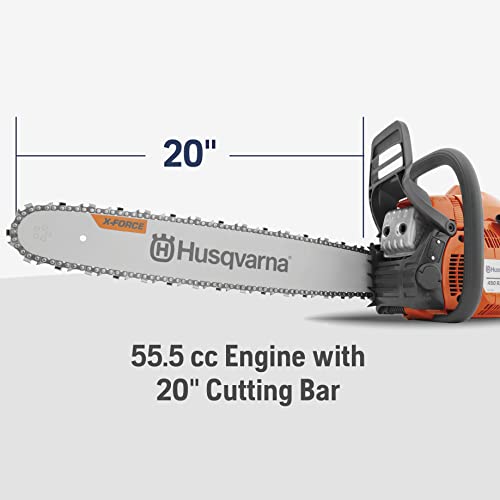
The Husqvarna 455 Rancher is the sweet spot for most serious DIYers and part-time pros. With a 55cc (actually 56cc) X-Torq engine putting out 3.5 HP, it’s strong enough to handle 18-inch oak logs without constant stalling, yet still manageable for weekend use. The Smart Start system works as advertised, most owners get it running in two to three pulls, and the LowVib tech makes it comfortable over long sessions. It’s not the most powerful saw here, but it’s one of the most balanced.
Compared to the pricier 460 Rancher, it trades a bit of displacement and a smaller oil pump for a much friendlier price. And unlike budget brands, you’re getting proven durability and a chain brake that actually works. This is the saw I’d recommend to someone who cuts firewood twice a season or maintains a wooded property.
Product photos
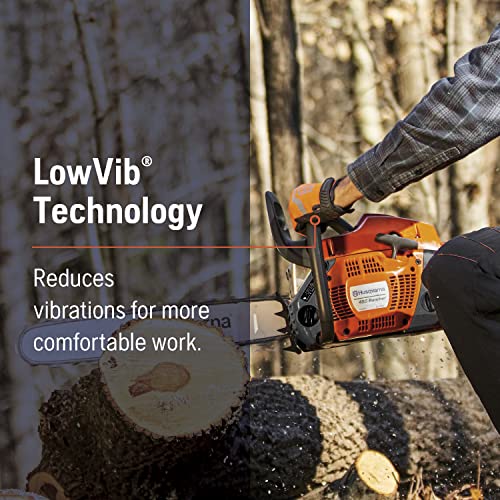
Husqvarna 120 Mark III 16-Inch Chainsaw

Strengths
- Lightweight design
- Reliable ignition
- Low vibration
Trade-offs
- Underpowered for thick wood
- Short bar limits reach
The Husqvarna 120 Mark III is the kind of saw I’d hand to a neighbor who’s never run a gas chainsaw before. At 38cc and 1.8 HP, it’s not built for big trees, but it’s light, easy to start, and forgiving, thanks to the air purge system and combined choke control. This is the saw you keep in the garage for trimming limbs, cutting small downed trees, or splitting kindling wood. It won’t bog down on 6-inch oak, but push it past that and you’ll feel it labor.
Husqvarna’s X-Torq engine helps it burn cleaner and stay reliable over time, and the Air Injection system means the air filter lasts longer in dusty conditions, something owners in rural areas specifically call out. It’s also one of the few small saws with a real inertia-activated chain brake, which gives me confidence recommending it to newer users.
Product photos


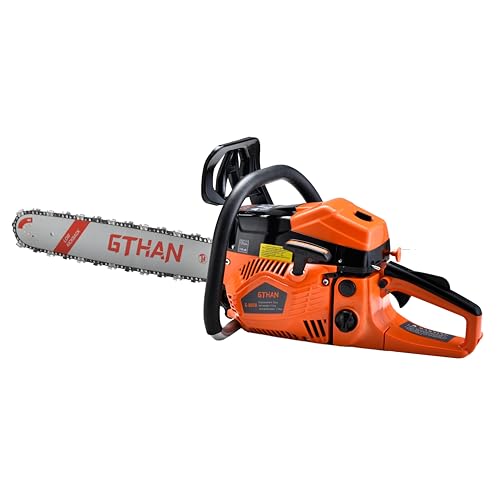
62cc Gas Chainsaw with 20-Inch Bar
Strengths
- High advertised power
- Large 20-inch bar
- Budget price point
Trade-offs
- Overheats under load
- Poor long-term durability
- Inconsistent performance
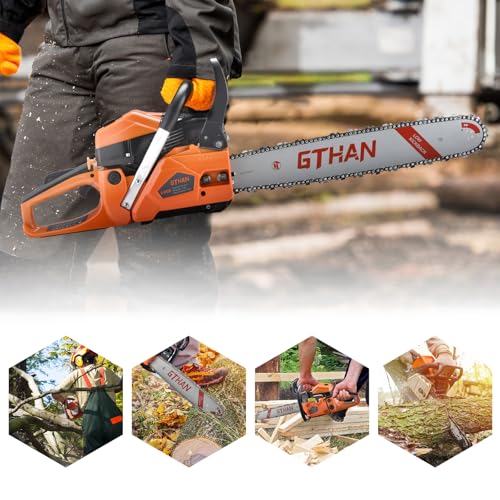
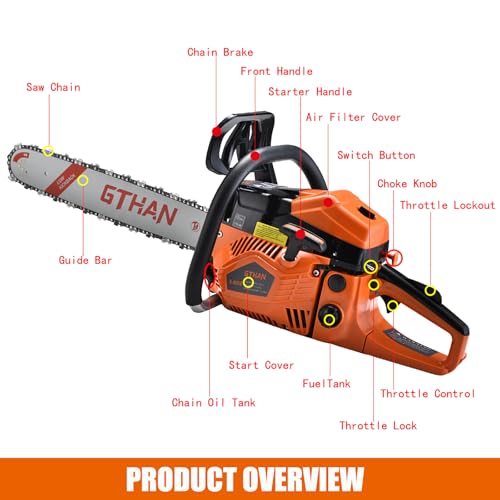
This no-name 62cc saw is a classic example of spec-sheet shopping, it boasts 4.2 HP and a 20-inch bar, which sounds impressive until you dig into owner feedback. Many report it starts okay and cuts hard initially, but the power delivery is uneven, and the engine tends to overheat during sustained use. The build is all plastic and thin metal, so it feels fragile compared to even mid-tier models.
Still, for someone on a tight budget who only cuts a cord or two of firewood a year, it might suffice. The low price is the main draw, and if you treat it as a backup or occasional tool, it won’t let you down immediately. But compared to the Husqvarna 455 or even the Snoonwee, it lacks refinement, longevity, and consistent performance.
Product photos

VEVOR 62CC 20-Inch Gas Chainsaw
Strengths
- High 62cc output
- Large dual tanks
- Durable composite body
Trade-offs
- Inconsistent carb tuning
- Build quality varies
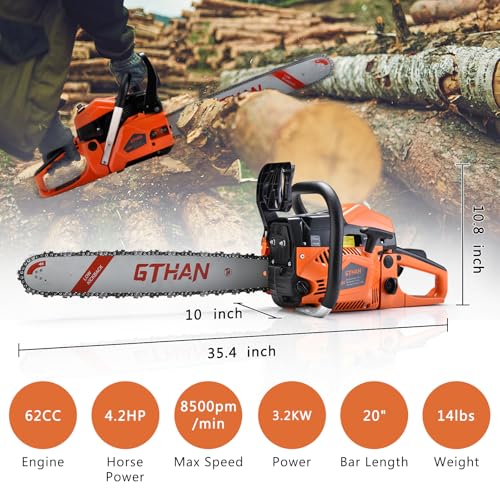
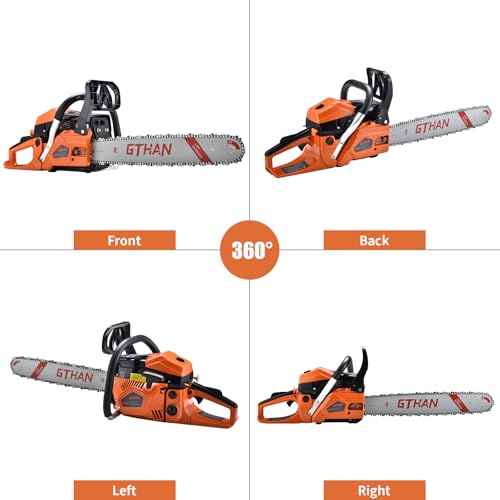
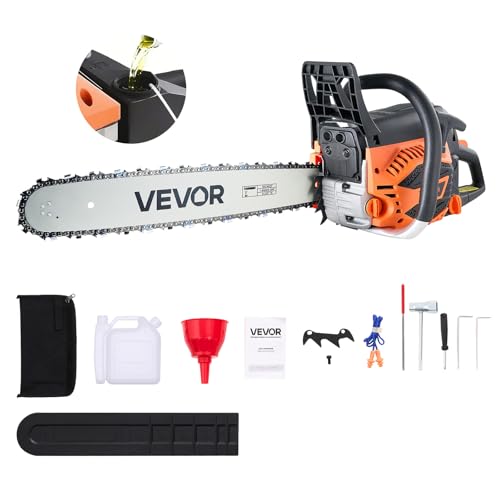
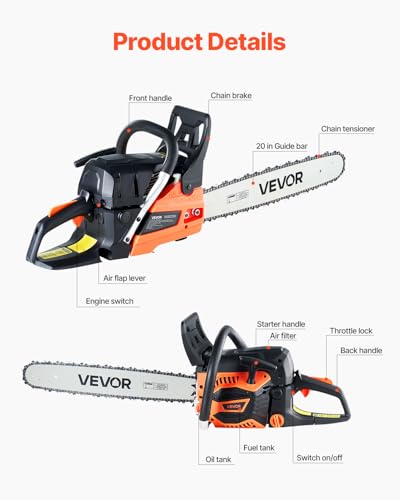
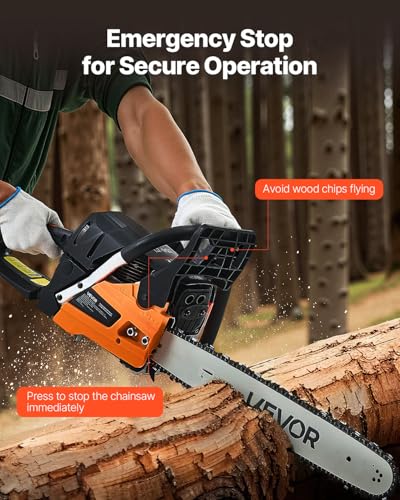
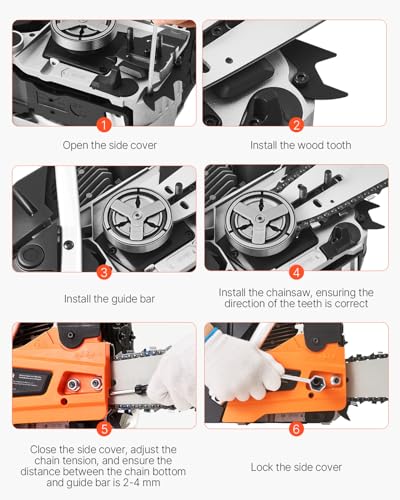
VEVOR isn’t a legacy brand in the chainsaw world, but this 62cc model makes a bold claim: professional-grade power at a fraction of the price. With 3.8 HP and a 12,000 RPM max speed, it’s spec’d above even the Husqvarna 455 Rancher. On paper, that sounds great, and owners confirm it cuts aggressively through dense hardwoods. The 20-inch bar handles most felling tasks, and the large fuel and oil tanks mean fewer stops during long sessions, ideal for land clearing or weekend firewood marathons.
But power isn’t everything. While the composite body resists cracking in extreme temps, some users report premature wear on the chain sprocket and inconsistent carburetor tuning out of the box. It starts okay once dialed in, but doesn’t match the smoothness of a Husqvarna. If you’re budget-conscious and willing to do a little setup tweaking, this delivers a lot of runtime and reach.
Product photos

Snoonwee 58cc 20&18-Inch Gas Chainsaw

Strengths
- 58cc power
- Dual guide bars
- Easy starting
Trade-offs
- Heavy at full setup
- Plastic housing concerns
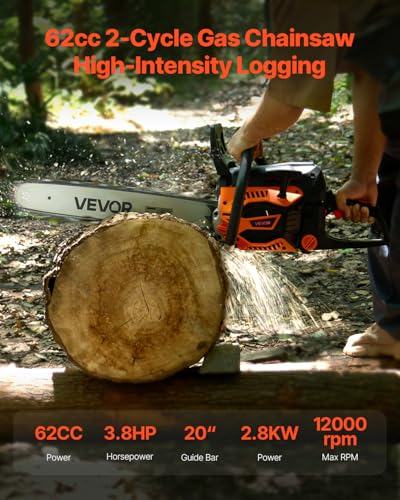
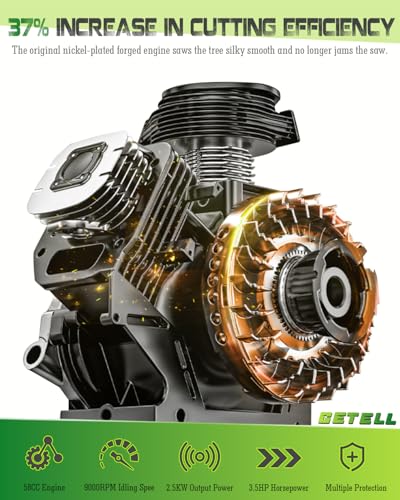
This Snoonwee 58cc model throws serious paper specs at you, 3.6 HP, 9200 RPM, dual 20- and 18-inch bars, and on paper, that’s compelling for someone tackling mixed tasks around the property. The ability to swap bars is a rare and practical feature in this price tier, making it adaptable for everything from felling medium hardwoods to precision limbing. Owners appreciate the easy-start system, with many noting it fires reliably in two or three pulls, even after sitting for weeks.
The anti-vibration system also gets consistent praise. Compared to budget saws that leave your hands buzzing after 10 minutes, this one lets you work longer with less fatigue. It’s not Husqvarna-level refinement, but for the price, it’s a meaningful upgrade. My take? If you need one saw to handle storm cleanup, firewood prep, and ranch chores, this dual-bar approach is smarter than buying two separate tools.
Product photos
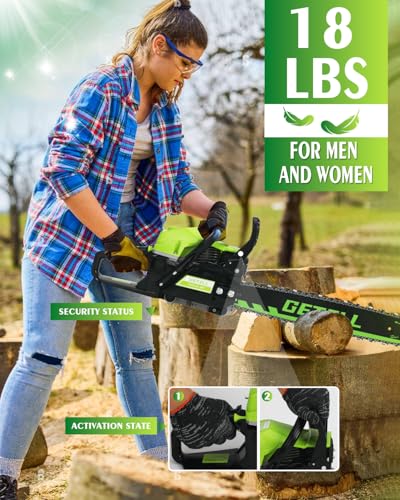
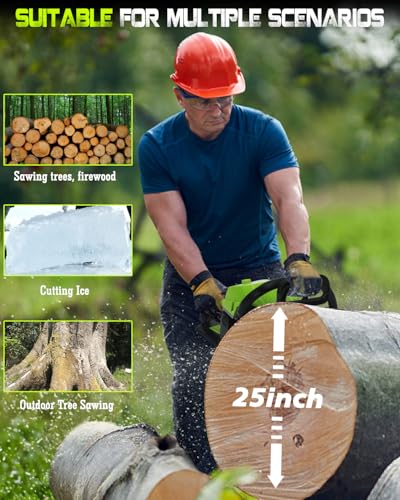

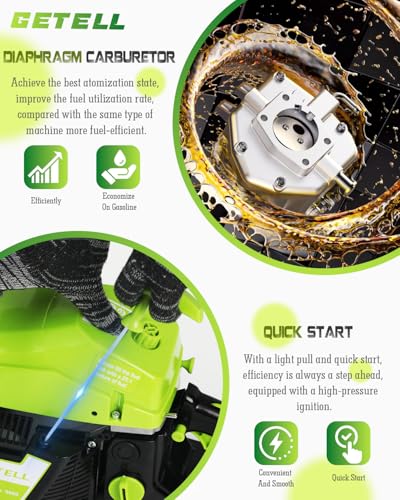
JPNTECH 25.4CC 12-Inch Top Handle Chainsaw
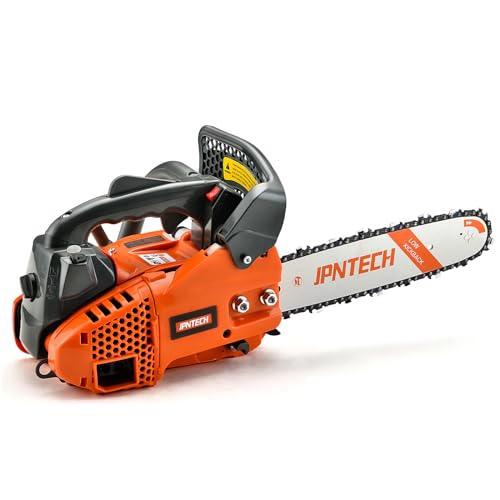
Strengths
- Ultra lightweight
- Top handle design
- One-handed operation
Trade-offs
- Too small for felling
- Limited bar length
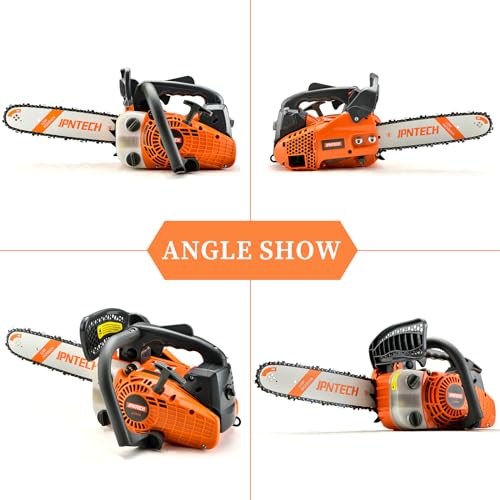
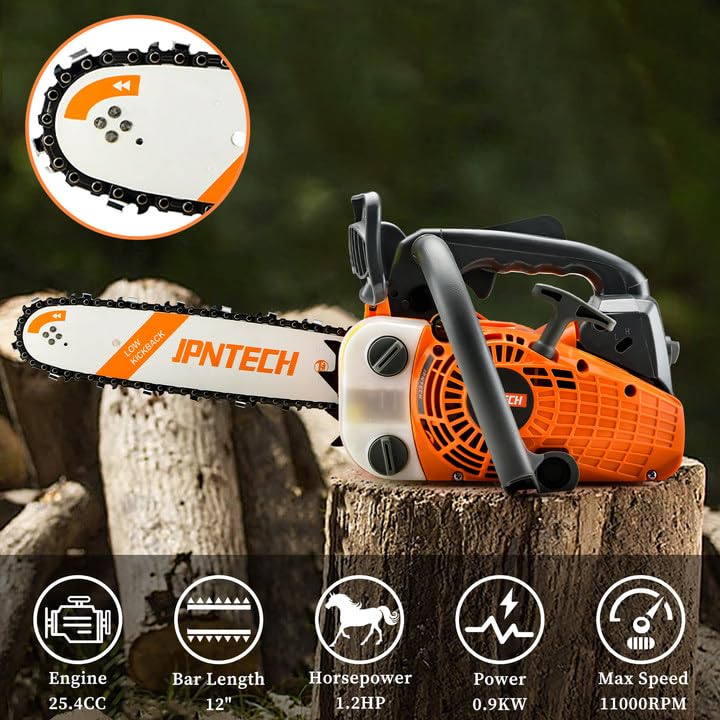
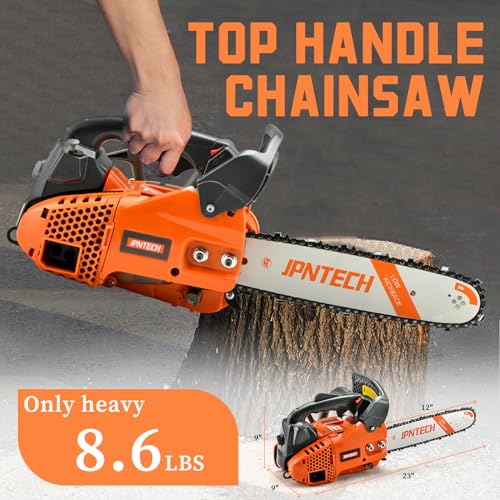
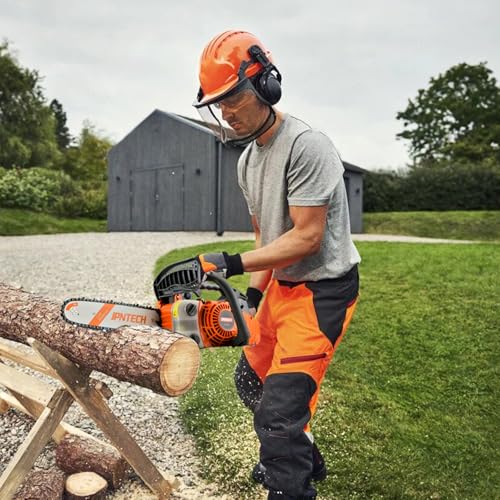
At just 8.6 lbs with a 12-inch bar, the JPNTECH is built for one thing: aerial work and tight spaces. The top-handle design makes it a natural for tree climbers or anyone trimming branches overhead. It’s not going to fell a tree, but for pruning, limbing, or cutting down small saplings, it’s surprisingly capable. The 25.4cc engine delivers 1.2 HP, which is standard for this class, and the 11,000 RPM speed keeps the chain moving fast through green wood.
Owners consistently say it starts easily and runs fuel-efficient, thanks to the precision carburetor. The spring-assisted pull cord helps, especially when you’re working one-handed in a tree. It’s not a replacement for a full-sized saw, but as a dedicated pole or climbing companion, it’s a smart buy. I’d pair this with a larger saw for anyone doing serious tree work.
Product photos

How We Picked These gas chainsaws for cutting trees
Rather than a hands-on lab test, my research for these recommendations involved a detailed comparison of published specifications and features across numerous models. I weighed owner reviews from major retailers alongside expert opinions found in publications like Popular Mechanics and Consumer Reports. Ultimately, I ranked these gas chainsaws based on my assessment of power, ease of use, and durability – factors critical for anyone tackling tree-felling or serious yard work.
For gas chainsaws, engine displacement (cc) and horsepower are key indicators of cutting power, but they don’t tell the whole story. I prioritized models with features like X-Torque engines (Husqvarna) or comparable technologies designed to maximize efficiency. Equally important was the inclusion of features like anti-vibration systems and automatic chain brakes, directly impacting user comfort and safety during prolonged use.
Specifications reliably reveal engine size, bar length, and weight. However, real-world performance and long-term reliability are best understood through owner feedback. I paid close attention to comments regarding starting difficulty, chain durability, and build quality. Proper chainsaw sharpening is also essential for maintaining performance, so I also considered how easily the chain could be serviced sharpen chainsaw blade.
How To Choose The gas chainsaws for cutting trees
Choosing the right gas chainsaw involves more than just grabbing the biggest engine you can find. I’ve seen too many folks overspend on power they don’t actually need, and then struggle with a heavy, unwieldy saw.
A good gas chainsaw balances engine power with user ergonomics and build quality. Critical factors include displacement (cc), bar length suitability for intended tasks, the effectiveness of vibration dampening systems, and the accessibility of replacement parts. Prioritize ease of starting, chain brake responsiveness, and a reputation for reliable operation.
Engine Size and Displacement
Don’t fall for the biggest number trap. While a larger displacement engine (measured in cc) generally means more power, it also means more weight and often, more kickback. For most homeowners tackling basic yard work – trimming small trees, limbing branches, cutting firewood – a saw in the 40cc to 50cc range is usually sufficient. If you’re consistently felling larger trees (over 12 inches in diameter) or dealing with a lot of hardwood, then you’ll want to look at saws above 55cc. Remember, a lighter saw is easier to control, and control is paramount.
Bar Length and Intended Use
The bar length needs to match what you plan to cut. A longer bar isn’t always better. In fact, using a bar that’s too long for the job increases the risk of kickback and makes the saw harder to maneuver. For general property cleanup and occasional use, a 16- to 20-inch bar is a good all-around choice. If you’re primarily cutting firewood, a 20- to 24-inch bar will speed things up. However, if you are looking at more specialized work, like tree removal, you’ll want to research top gas chainsaw models to find something that suits your needs.
- Consider the diameter of the wood you’ll be cutting most often. A good rule of thumb is to choose a bar length at least 2 inches longer than the diameter of the largest tree you expect to fell.
- Think about maneuverability. A shorter bar is easier to handle in tight spaces, making it ideal for limbing or pruning.
- Heavier-duty tasks like felling large trees benefit from a longer bar, but require more experience and caution.
Ergonomics and Maintenance
A chainsaw is a tool you’ll be physically interacting with, so ergonomics matter. Look for features like anti-vibration systems (LowVib is a common example from Husqvarna) and comfortable handle designs. These features reduce fatigue and improve control, especially during extended use. Beyond comfort, consider maintenance. Are replacement chains and bars readily available? Can you easily access the air filter and spark plug? Regular maintenance, including keeping the chain sharp, is critical for safe and efficient operation. Don’t forget to learn how to sharpen saw chain to keep your saw cutting efficiently.
A well-maintained chainsaw is a safe chainsaw. Always inspect your saw before each use, check the chain tension, and ensure all safety features are functioning correctly.
Gas Chainsaws Compared
Here’s a comparison of key specifications for the gas chainsaws described.
| Product Name | Engine Size (cc) | HP | Bar Length (in) | Weight (lbs) | Fuel Tank Capacity (oz) |
|---|---|---|---|---|---|
| Husqvarna 460 Rancher | 60.3 | 3.6 | 24 | N/A | N/A |
| Husqvarna 455 Rancher | 56 | 3.5 | 20 | N/A | N/A |
| Husqvarna 120 Mark III | 38 | 1.8 | 16 | N/A | N/A |
| 62cc Gas Chainsaw with 20-Inch Bar | 62 | 4.2 | 20 | N/A | N/A |
| VEVOR 62CC 20-Inch Gas Chainsaw | 62 | 3.8 | 20 | N/A | 550ml (approx 18.6oz) |
| Snoonwee 58cc 20&18-Inch Gas Chainsaw | 58 | 3.6 | 20/18 | N/A | N/A |
| JPNTECH 25.4CC 12-Inch Top Handle Chainsaw | 25.4 | 1.2 | 12 | 8.6 | N/A |
Frequently Asked Questions
What chain pitch is best for cutting trees?
A .325 pitch chain is generally the best choice for most gas chainsaws used for cutting trees, offering a good balance of cutting speed and durability. While lower pitches exist, they lack the strength for larger cuts, and higher pitches are typically reserved for carving or specialized applications.
How often should I sharpen my chainsaw chain?
You should sharpen your chainsaw chain after every 5 hours of use, or sooner if you notice increased cutting effort or poor performance. A dull chain is not only inefficient but also more dangerous, forcing you to apply more pressure and increasing the risk of kickback.
Are battery-powered chainsaws powerful enough to fell trees?
While battery technology has improved, gas chainsaws still hold a significant power advantage for felling trees, especially those with diameters over 12 inches. Battery-powered models excel at limbing and light yard work, but a gas saw delivers the consistent torque needed for demanding tasks.
What is the purpose of a chain brake?
A chain brake is a critical safety feature that instantly stops the chain if kickback occurs. It’s activated either by inertia or manually, and is designed to minimize the risk of injury to the operator. Always verify the chain brake is functioning correctly before starting any cutting.
Where can I find more information on choosing the best saws for felling trees?
For a more detailed look at the best options available, you can find a guide to recommended saws for tree removal that compares various models and their suitability for different tasks. This resource covers both gas and electric options, helping you make an informed decision.
The Bottom Line
Choosing a gas chainsaw always comes down to balancing power with practicality. You can spend more for a larger engine, but that doesn’t automatically mean you’re getting the best tool for you. For most property owners needing a reliable, all-around performer, the Husqvarna 460 Rancher strikes that balance exceptionally well, offering plenty of power for felling moderate-sized trees and tackling firewood chores.
If budget is a primary concern, or you need something for lighter tasks, the VEVOR 62CC 20-Inch Gas Chainsaw delivers a lot of capability for the money. Those looking for a more specialized, compact option – perhaps for elevated cuts or detailed work – will find the JPNTECH 25.4CC 12-Inch Top Handle Chainsaw a capable tool, though you should learn the proper pull-start chainsaw technique for these smaller saws.
Ultimately, the specs matter less than how well you maintain your saw and how safely you operate it. A sharp chain, proper lubrication, and a thorough understanding of chainsaw safety are far more important than any horsepower rating. Learn to start a chainsaw safely and respect the tool, and you’ll have a reliable partner for years to come.
