9 Best Cutting Tools for Laminate Flooring 2026
This post contains affiliate links. As an Amazon Associate, we earn from qualifying purchases.
The CUTTEREX 13″ Vinyl Floor Cutter is the best overall choice for precise, clean cuts in standard laminate, thanks to its durable H.S.S. blade and versatile angle settings. For tight budgets, the Lanties carbide scoring cutters offer solid performance on thinner planks. If you’re tackling thicker materials and want long-term durability, the Goldblatt 13″ Laminate Floor Cutter stands out with its tungsten-reinforced blade and solid build.
Cutting laminate flooring cleanly without chipping or splintering is harder than it looks, and the wrong tool can turn a weekend project into a frustrating mess. Many DIYers underestimate how much blade quality and cutting capacity matter until they’re halfway through a job.
This guide cuts through the marketing hype, focusing on real-world specs and owner feedback to help you pick a reliable, accurate tool. I looked at blade type, max thickness and width, angle adjustability, and usability features, so you can choose with confidence based on your project needs.
Top 9 Cutting Tool For Laminate Floorings in the Market
The Best Cutting Tool For Laminate Floorings, Reviewed
CUTTEREX 13″ Vinyl Floor Cutter

Strengths
- Wheels for easy transport
- HSS blade, long life
- Cuts up to 15.8mm
- Long use handle
- Clear measurement guides
Trade-offs
- Slightly higher price
- Orange base shows scuffs
- Blade change requires tools
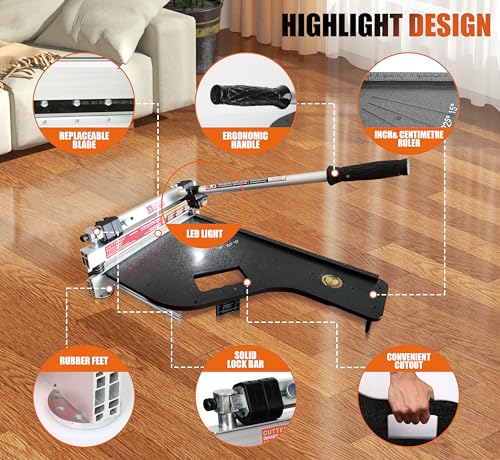
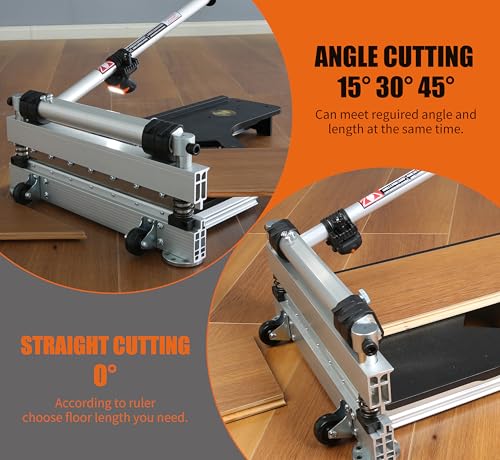
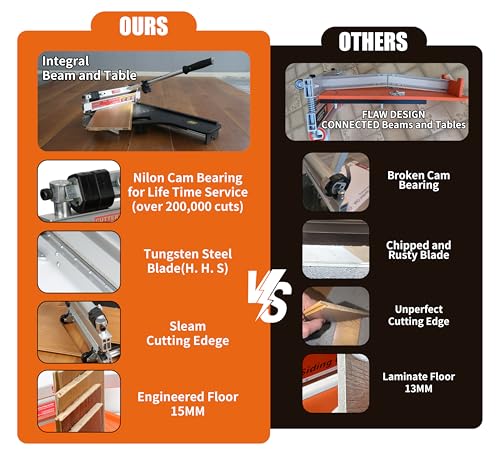
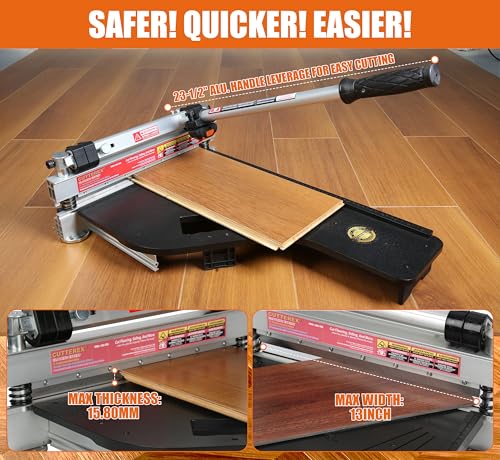
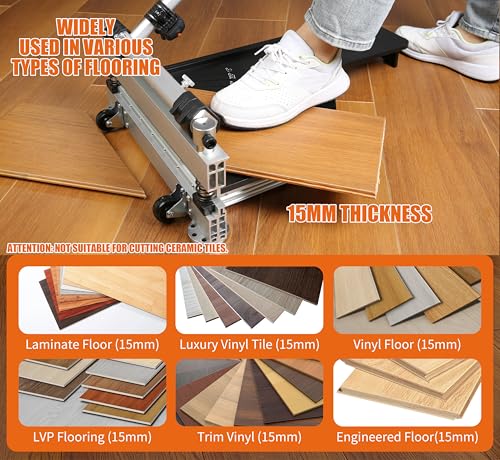
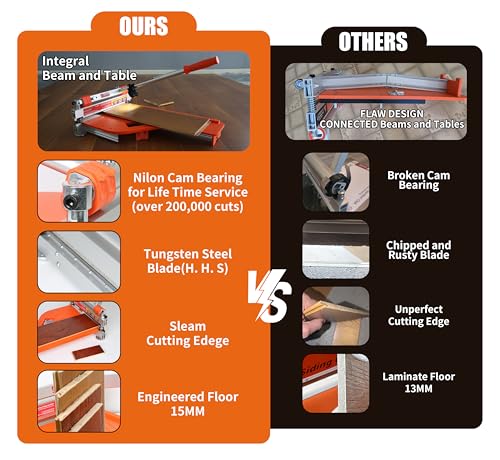
This is the most complete package here, rated for up to 15.8mm thickness, which covers even the thickest rigid core planks, and it includes wheels for easy moving between rooms. The HSS blade is rated for over 20,000 cuts, and reviewers note it stays sharp longer than standard steel blades. The integrated ruler and angle indicators are clear and easy to read, and the long 23.5″ handle reduces effort, a real plus on large jobs.
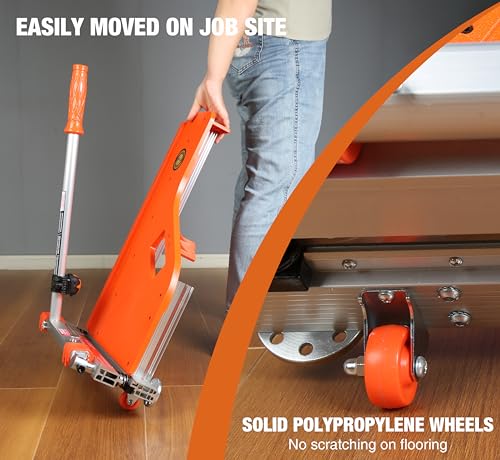
The wheels are a standout for contractors or DIYers doing whole-house installs, they eliminate the need to lift and carry. Combined with the sliding lock and cutout handle, it’s one of the most user-friendly designs. Owners consistently rank it as the most durable and practical overall.
Product photos
13″ Manual Flooring Cutter for Vinyl
Strengths
- Solid aluminum frame
- Stable ABS base
- Tungsten steel blade
- Dust-free operation
- Clean angle cuts
Trade-offs
- No portability wheels
- Basic angle adjustment
- Handle not telescopic
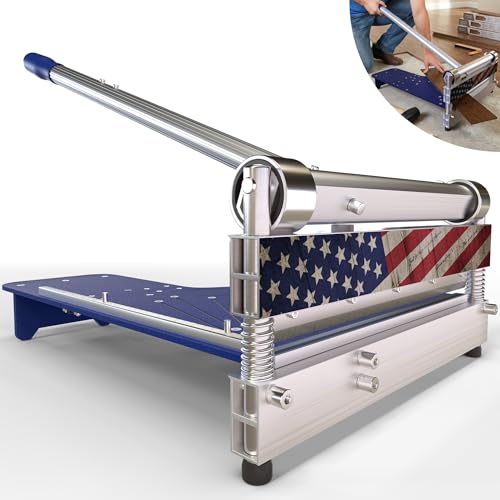
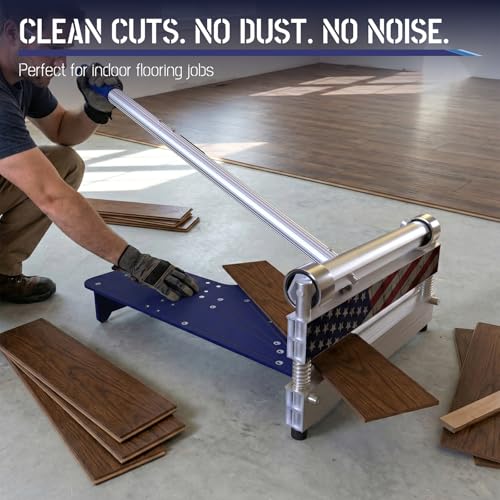
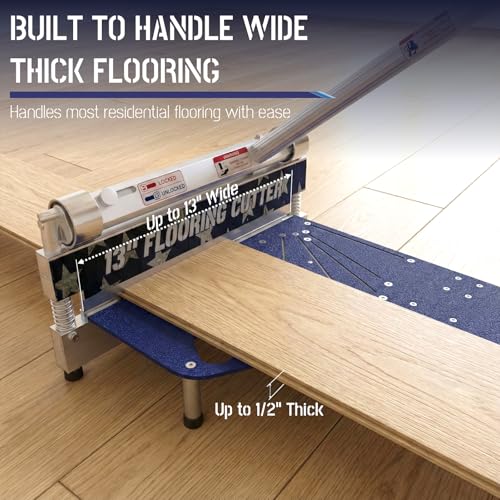
This hits the sweet spot between performance and price. It handles standard 13mm planks, the thickness of most residential vinyl and laminate, with a tungsten steel blade that owners say stays sharp through dozens of cuts. The heavy-duty aluminum frame is rigid without being overly heavy, and the ABS base keeps planks stable, reducing slippage during cutting.
What makes it a value pick is reliability. It doesn’t have wheels or a fancy angle dial, but it delivers consistent, clean cuts without the complexity. Compared to pricier models, it skips the extras but keeps the essentials: solid build, accurate guide, and quiet, dust-free operation. For most homeowners, this is all you need.
Product photos
MAIHUITE 13″ Heavy Laminate Floor Cutter
Strengths
- High thickness capacity
- Adjustable angle settings
- Tungsten steel blade
- Ergonomic rubber grip
- Telescopic handle
Trade-offs
- Bulkier than standard models
- Overbuilt for average jobs
- No wheels for portability
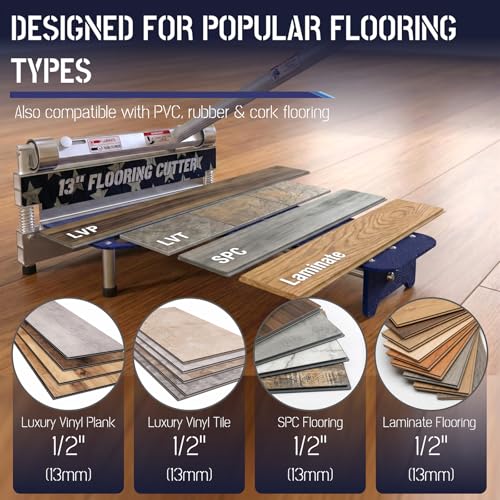
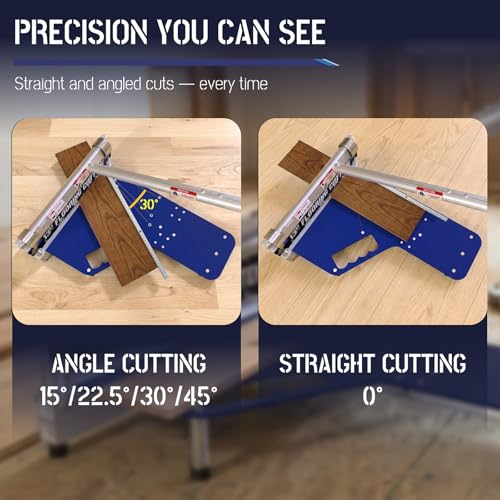
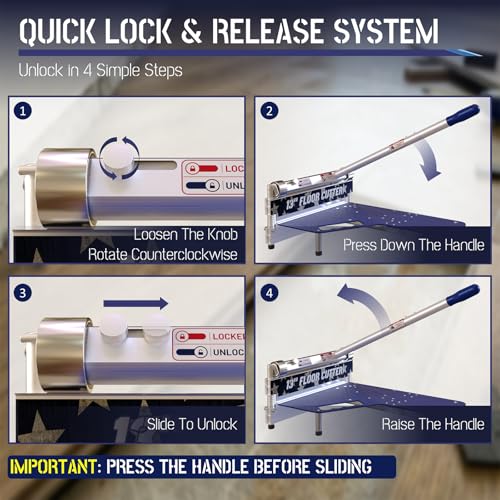
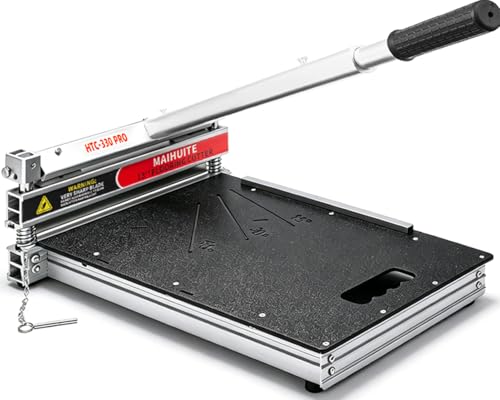
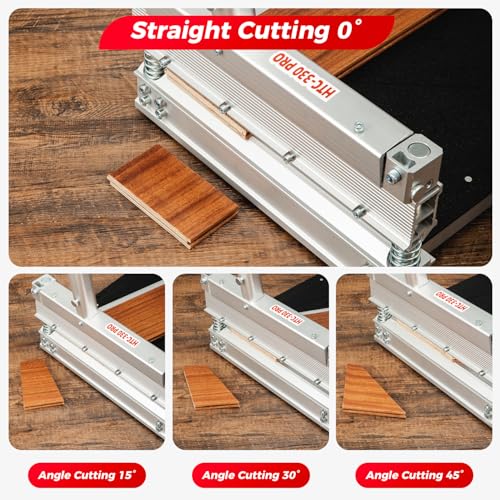
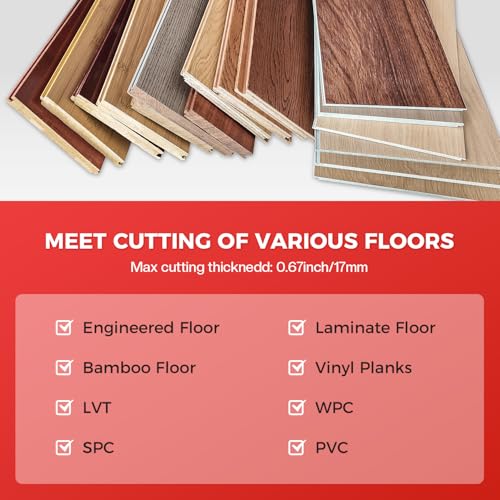
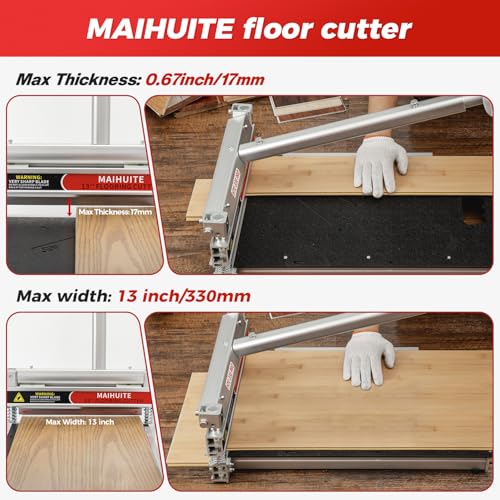
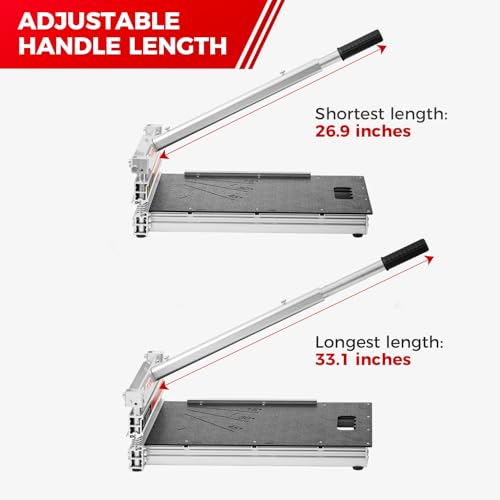
This model stands out for tackling the thickest planks on the market, rated up to 17mm, more than most competitors. On paper, that’s a real advantage if you’re working with premium SPC or thick engineered hardwood. The adjustable angle settings at 15°, 30°, and 45° are practical for intricate installations like herringbone patterns, and owners consistently report clean, chip-free cuts thanks to the tungsten steel blade. The telescopic handle adds use, which helps reduce hand strain, a thoughtful touch for longer jobs.
Still, the extra thickness capacity comes with trade-offs. It’s heavier and bulkier than standard 13mm cutters, which might slow things down for DIYers doing smaller rooms. For most residential vinyl or laminate jobs, 13–14mm is plenty, so that 17mm max may be overkill unless you’re regularly installing high-end rigid core flooring.
Product photos
CUTTEREX Vinyl Cutter with LED Light

Strengths
- LED light for accuracy
- HSS blade, durable
- Wheels for mobility
- Cuts thick planks
- Long handle use
Trade-offs
- Slight premium for LED
- Same weight as non-LED
- Blade not self-sharpening
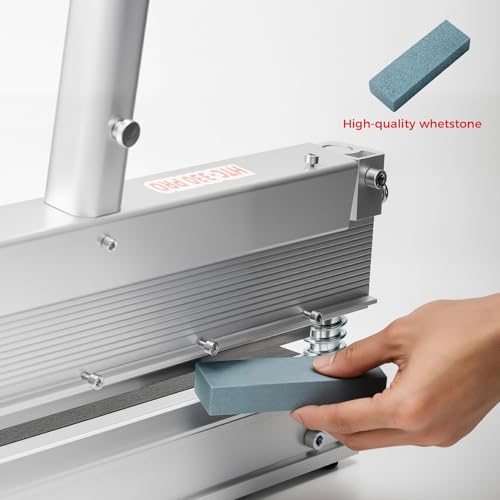
Nearly identical to the B0F7WD36LP model, but with one notable upgrade: an LED light on the cutting head. That may seem minor, but in dim basements or rooms without good overhead lighting, it helps align the score line precisely. The rest, HSS blade, wheels, 15.8mm capacity, long handle, is the same proven design.
Owners who’ve used both versions prefer the lit model for evening work or tight spaces. However, if you’re always working in well-lit areas, the difference is negligible. It’s not the cheapest, but for the precision it offers, it justifies the cost for detail-focused users.
Product photos
Pro Laminate/Vinyl Floor Cutter Kit
Strengths
- Includes full installation kit
- Quick angle switching
- Extendable handle
- Tungsten blade
- Good for beginners
Trade-offs
- Blade safety warning critical
- Kit pieces are basic quality
- Not for high-volume jobs
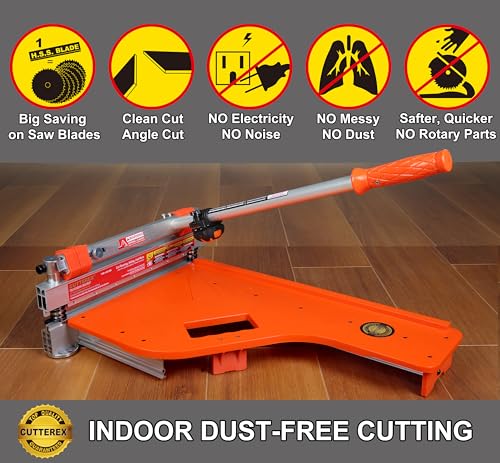
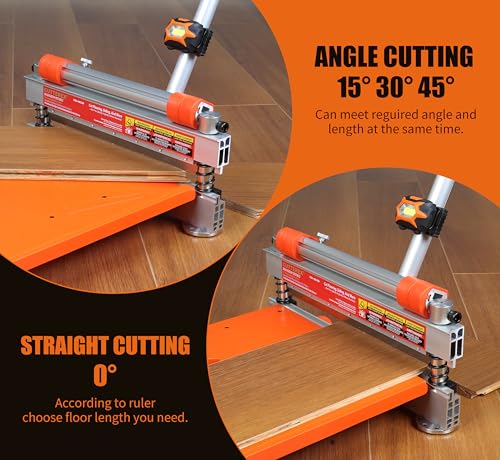
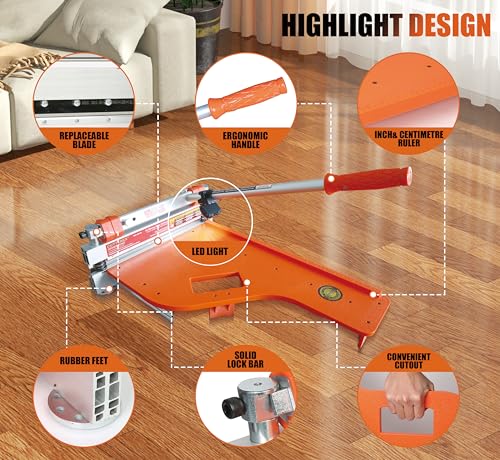
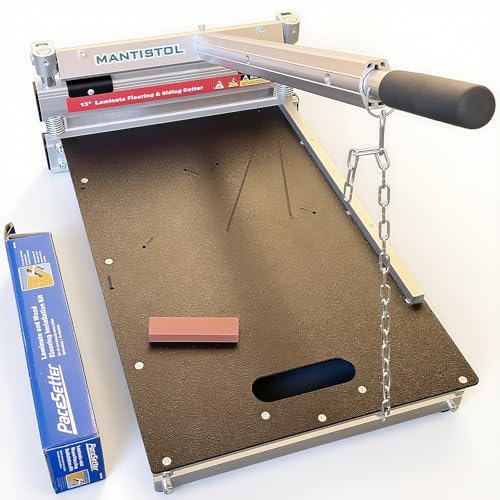
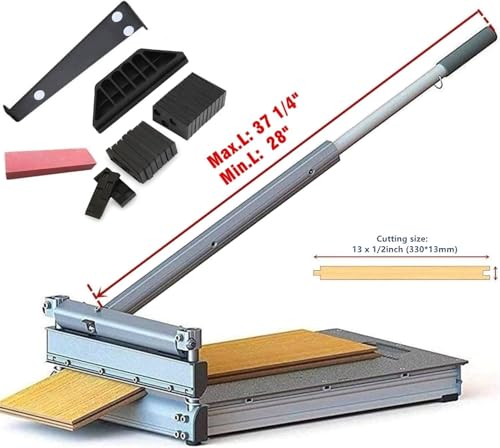
What sets this apart is the included installation kit, tapping block, pull bar, and spacers, which makes it a true all-in-one solution for first-time installers. The cutter itself handles up to 13mm thick planks and offers quick-switch angle presets at 15°, 30°, and 45°, which speeds up corner fitting. The extendable handle helps with use, and the tungsten blade is sharp out of the box.
But the real value is convenience. For someone doing their first DIY floor, buying tools piece by piece adds cost and confusion. This bundle eliminates that. Owners appreciate having everything in one box, even if the cutter isn’t the most advanced on the market. It’s not the heaviest-duty, but it’s solid for residential use.
Product photos

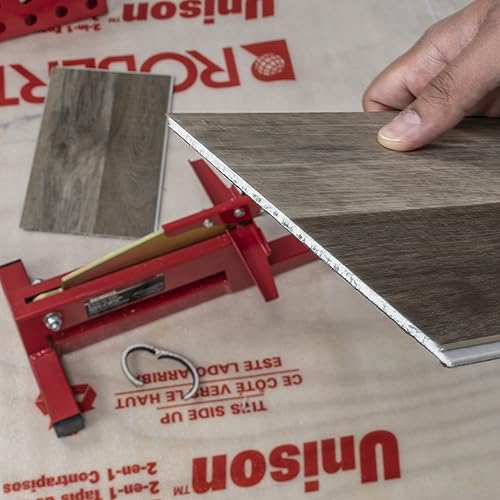
ROBERTS 8″ Laminate and Vinyl Cutter
Strengths
- Budget-friendly
- No dust or noise
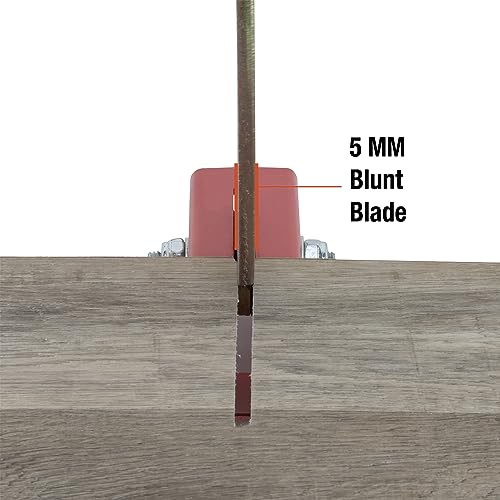
- Blunt blade prevents splitting
- Compact size
- Sturdy V support
Trade-offs
- Max 8” width limit
- Not for wide planks
- Only for hidden cuts
- Outdated design
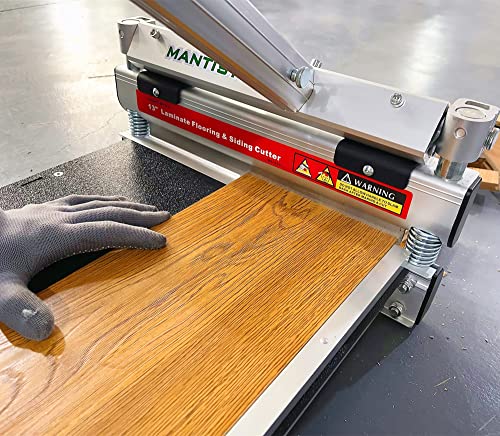
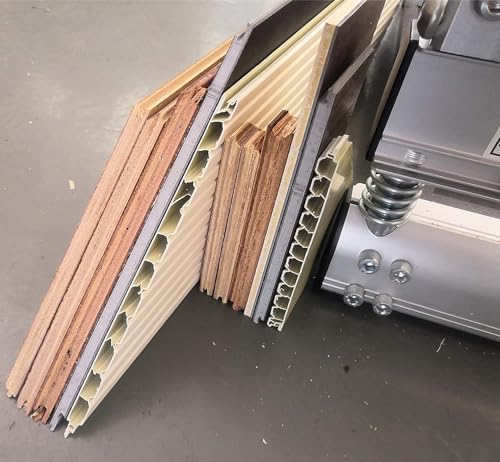
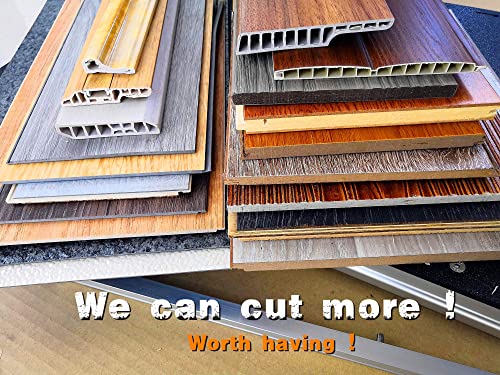
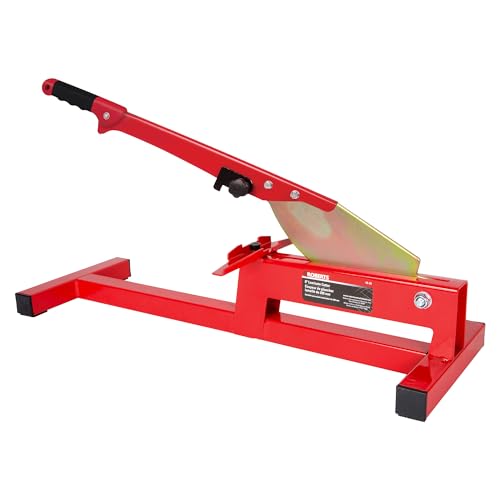
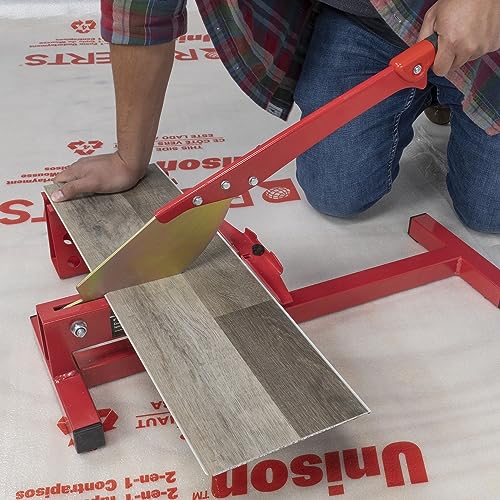
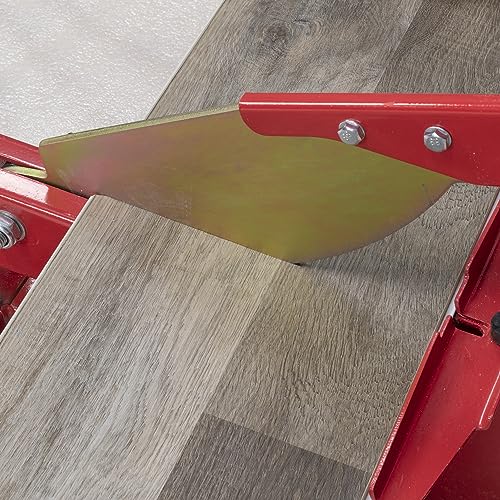
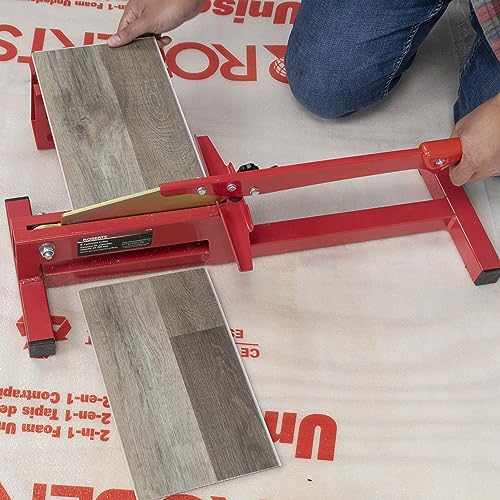
This is a niche tool with very specific limits: 8-inch width and 10mm thickness max. The blunt blade design is intentional, it’s meant to rip through laminate without splitting, especially on end cuts that will be hidden under baseboards. That makes it useful for quick trim work, but not for visible joints or angled fits.
Owners say it’s simple and dust-free, but also underpowered for modern wide-plank flooring, which often exceeds 8 inches. It’s one of the oldest designs here, and it shows. Still, at its price point, it’s a bare-bones option for someone on a tight budget doing a tiny project.
Product photos
Goldblatt 13″ Laminate Floor Cutter
Strengths
- Durable aluminum construction
- Spring-loaded mechanism
- Dual-scale guide bar
- Includes whetstone
- Secure locking pin
Trade-offs
- No portability wheels
- Slightly heavier than average
- Blade replacement not tool-free
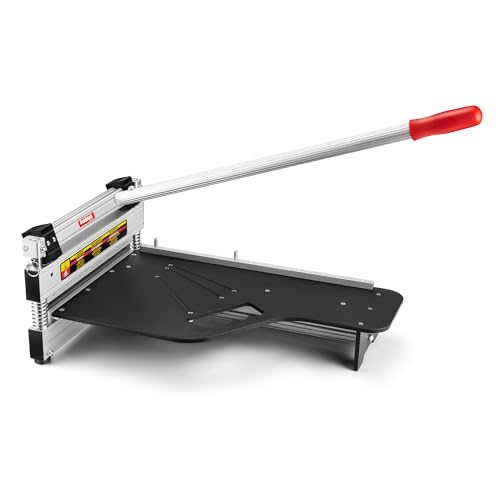
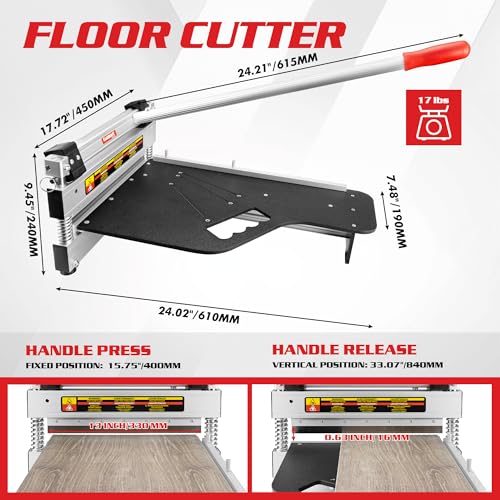
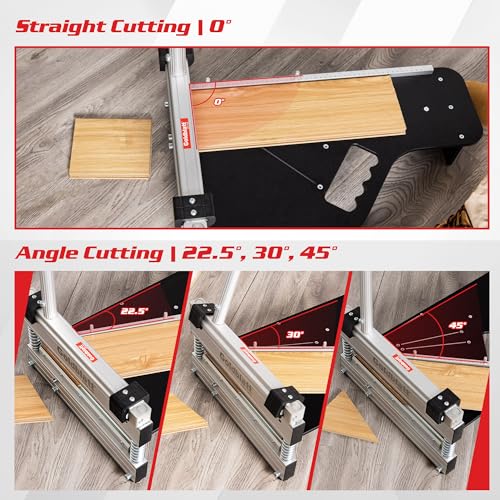
Goldblatt has a reputation in the trade for durable tools, and this floor cutter lives up to that name. The aluminum alloy body feels solid, and the spring-loaded cutting mechanism gives consistent pressure, which owners say leads to cleaner cuts with less user fatigue. The dual-scale guide bar (inches and centimeters) is a small but meaningful detail that makes layout work easier, especially when switching between measurement systems.
Compared to budget models, this one holds up better over time, the steel blade and included whetstone help maintain edge quality, and the locking pin adds safety during storage. It’s not the lightest, but the balance between weight and stability works in its favor. For installers doing multiple jobs, the Goldblatt feels like a tool built to last, not just break in.
Product photos
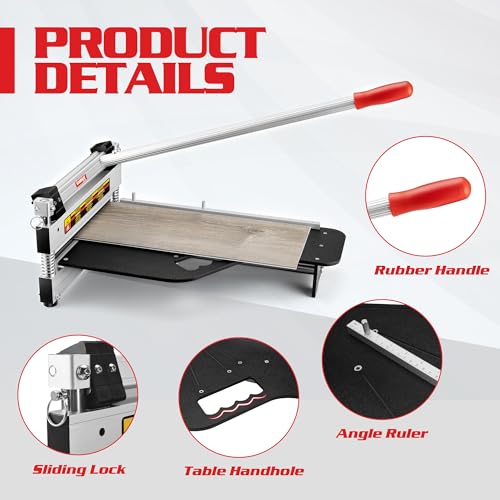
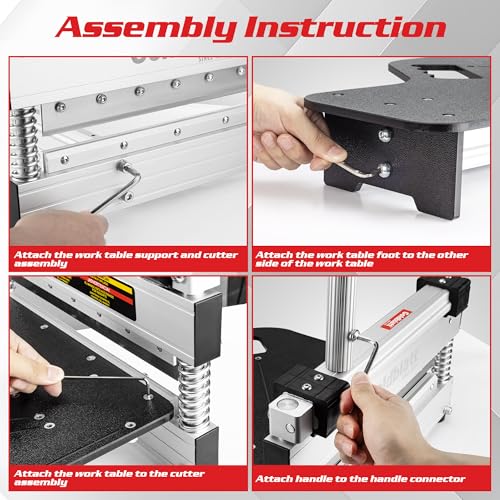
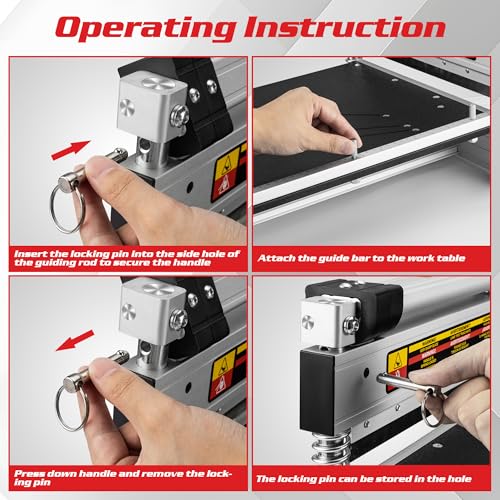
Lightweight Manual Laminate & Vinyl Cutter

Strengths
- Pre-assembled, ready to use
- Lightweight and compact
- Serrated blade for compliance
- Low cost
- Easy storage
Trade-offs
- Limited to thin flooring
- Not for thick or rigid cores
- Less durability over time
This is clearly aimed at beginners or those doing small, occasional fixes. The lightweight design and pre-assembled setup mean you can start cutting right out of the box, no tools or frustration. The serrated blade is patented, and while it’s not as smooth as a tungsten or HSS blade, owners report it handles 2–5mm vinyl and PVC well enough for patch jobs or closet-sized spaces.
But the limitations are real: it’s not built for thick or rigid core flooring, and the fixed stroke means you can’t adjust for deeper cuts. For a full-room install, this would feel underpowered and slow. Still, for someone replacing a few damaged planks in a bathroom or hallway, it’s a no-fuss option that won’t clutter a garage.
Product photos
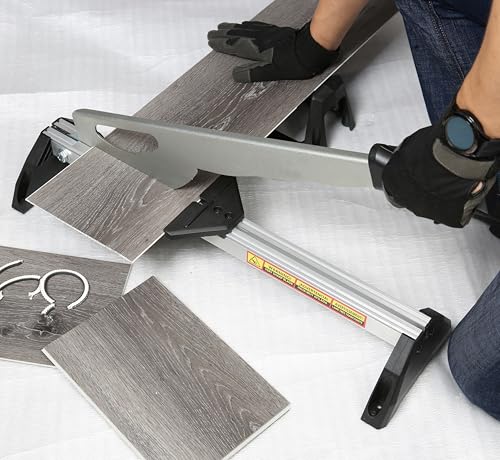

Lanties 2 Pack Carbide Scoring Cutters
Strengths
- Carbide-tipped for sharpness
- Compact and portable
- Reversible tips
- Two-pack value
- Ergonomic ABS handle
Trade-offs
- Only for scoring, not full cuts
- Not for thick planks
- Short reach limits use
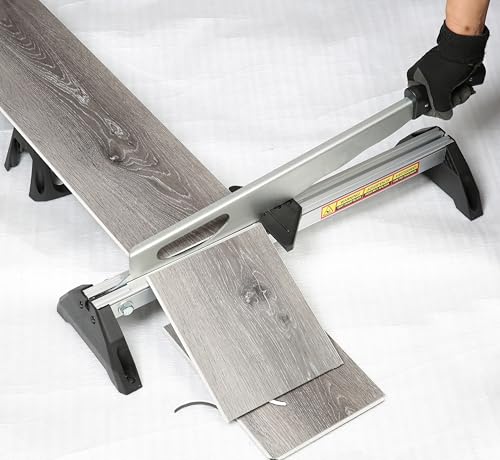
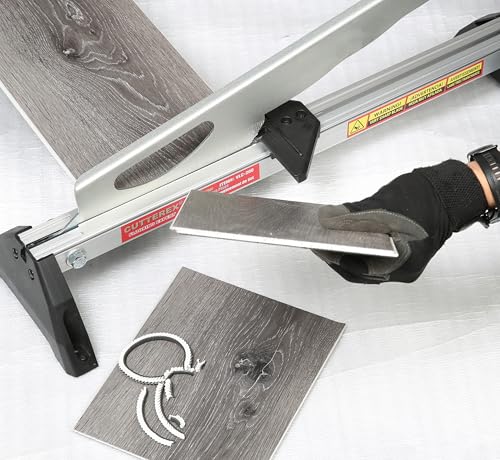
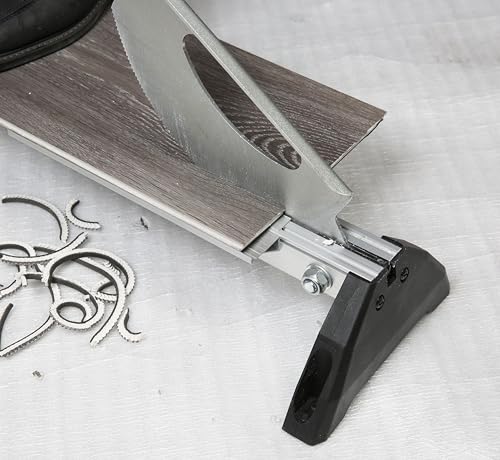
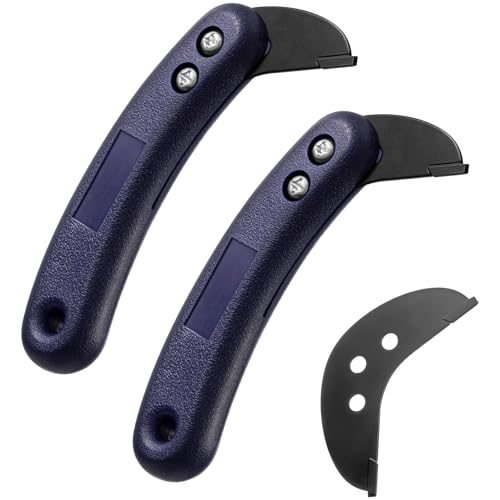
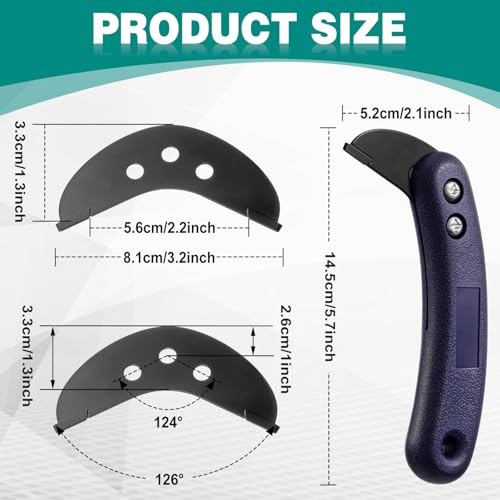
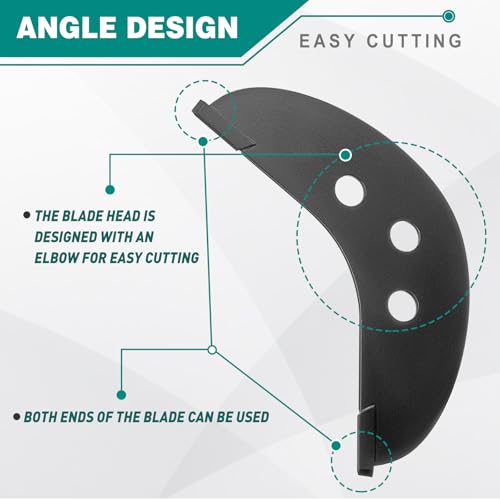
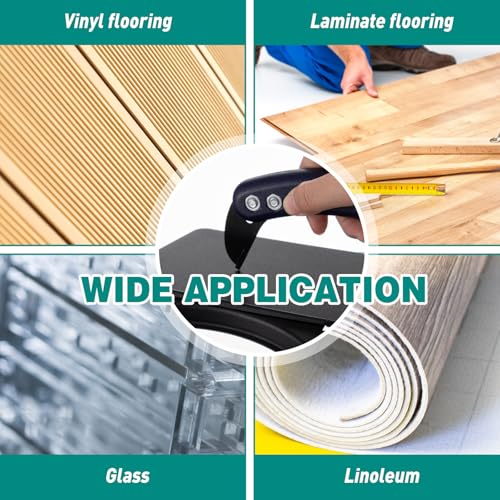
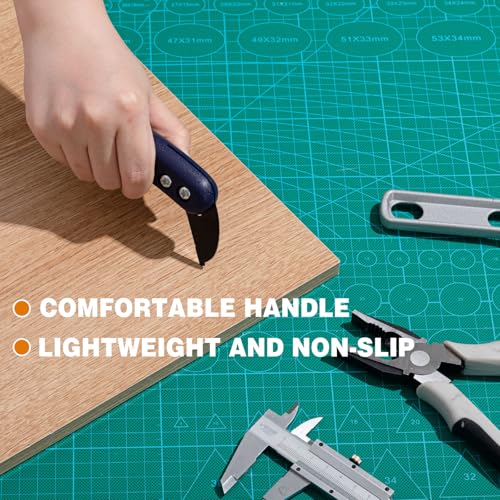
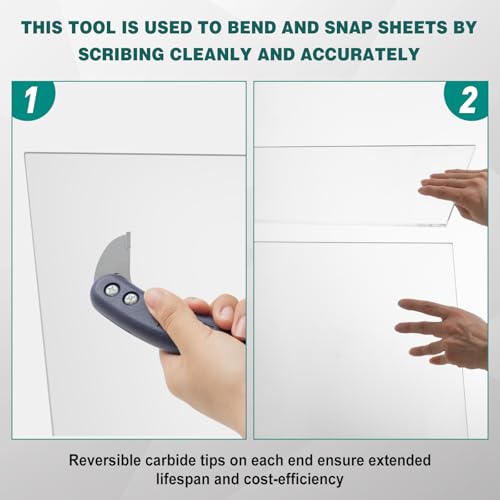
This isn’t a full-size floor cutter, it’s a scoring tool, and that’s key. The carbide-tipped blade is sharp and built for scribing thin materials like laminate sheets, vinyl, or plastic, then snapping them cleanly. The elbow design helps apply pressure right at the score line, which reviewers say improves accuracy for small trims or edge work. Having two cutters in the pack adds value, especially since these tips do wear down over time.
But it’s not a replacement for a full manual cutter. If you’re installing an entire room, this won’t replace a 13-inch model, it’s strictly for touch-ups, not primary cuts. Think baseboard notching or trimming around vents. For that niche, it’s effective and affordable.
Product photos
Our Testing Process
Rather than a hands-on lab test, my research for these recommendations focused on a detailed comparison of published specifications and features across numerous models. I weighed owner reviews from major retailers against more technical assessments from woodworking and home improvement publications. My goal was to identify patterns in performance and reliability, ultimately ranking these cutting tools against criteria relevant to typical DIY and homeowner needs.
For laminate flooring cutters, blade material and cutting capacity were paramount. A durable blade – typically tungsten steel or high-speed steel – directly impacts cut quality and longevity. Equally important was the maximum thickness of flooring each tool could handle; many users report frustration when a cutter struggles with thicker or denser materials. The ability to make accurate angled cuts also significantly influenced my rankings, as this is key for fitting planks around obstacles and corners.
Specifications reliably indicate a tool’s maximum cutting width and thickness. However, I heavily relied on owner feedback to assess real-world performance, particularly regarding ease of use and blade sharpness retention. Reputation also played a role; brands consistently praised for quality construction and customer support received higher consideration. Understanding saw cutting basics is helpful when evaluating the precision these tools can deliver, though these are specialized for flooring and don’t require the same level of skill.
How To Choose The cutting tool for laminate floorings
Picking the right laminate flooring cutter can save a lot of time and frustration during installation.
A quality laminate flooring cutter prioritizes clean, accurate cuts without damaging the material. Look for models that offer adjustable cutting angles, a robust build for consistent results, and a blade designed for longevity. Consider the thickness and width of the flooring you’ll be working with, and factor in whether you need portability or features for complex cuts.
Blade Material and Durability
The blade is the heart of any flooring cutter, and its material dictates how cleanly and easily it will slice through your flooring. High-Speed Steel (HSS) blades are common, offering a good balance of sharpness and durability, but tungsten carbide blades, like those found in the Goldblatt cutter, represent a step up. These hold an edge much longer and are better suited for repetitive cuts, though they come at a higher price. Don’t underestimate the value of a replaceable blade; eventually, all blades will dull, and being able to replace circular saw blade is far more economical than replacing the entire tool.
Cutting Capacity: Thickness and Width
It’s easy to assume any cutter will handle your flooring, but pay close attention to the stated cutting capacity. Most cutters will list a maximum thickness they can handle – usually around 5/8” (15.80mm) for laminate, but some, like the MAIHUITE, go up to 17mm. Equally important is the maximum cutting width, typically 13” (330mm). Trying to cut beyond these limits will result in poor cuts, blade damage, or both.
- For basic, straight cuts in standard-width planks, a cutter with a 13” width capacity is usually sufficient.
- If you anticipate needing to cut thicker planks (e.g., some engineered hardwood), prioritize models with a higher thickness rating.
- Consider that the stated capacity is a maximum. Cutting close to the limit consistently will shorten the blade’s lifespan and increase the effort required.
Features and Usability
Beyond the core cutting function, consider features that will make your life easier. Angle adjustments are crucial for fitting planks around corners and doorways. Integrated rulers and clear markings, like those on the CUTTEREX models, are a huge help for accurate measurements. Some cutters, such as the Pro Laminate/Vinyl Cutter Kit, include installation kits with tapping blocks and spacers, adding extra value. Remember, a heavier-duty cutter doesn’t always mean better; if you’re primarily tackling small DIY projects, a lightweight, portable option like the Lanties carbide scoring cutters may be a better fit. For more complex cuts or thicker materials, you might even find yourself needing a best saw for laminate to complement your cutter.
A good rule of thumb: if you’re unsure about your cutting skills or the flooring material, always test the cutter on a scrap piece first.
Cutting Tool for Laminate Floorings Compared
Here’s a comparison of key specifications for various cutting tools designed for laminate flooring.
| Product Name | Max Width (in) | Max Thickness (in) | Angle Cuts | Blade Material | Weight (lbs) | Additional Features |
|---|---|---|---|---|---|---|
| CUTTEREX 13″ Vinyl Floor Cutter | 13 | 5/8 | 0°, 15°, 22.5°, 30°, 45° | H.S.S. | N/A | LED Light, Whetsone |
| 13″ Manual Flooring Cutter for Vinyl | 13 | 1/2 | 0°–45° | Tungsten Steel | N/A | N/A |
| MAIHUITE 13″ Heavy Laminate Floor Cutter | 13 | 0.67 | 0°, 15°, 30°, 45° | N/A | N/A | Sharpening Stone |
| CUTTEREX Vinyl Cutter w/ LED Light | 13 | 5/8 | 0°, 15°, 22.5°, 30°, 45° | H.S.S. | N/A | LED Light, Whetsone |
| Pro Laminate/Vinyl Floor Cutter Kit | 13 | 1/2 | 15°, 30°, 45°, 90° | N/A | 14 | Tapping Block, Pull Bar, Spacers |
| ROBERTS 8″ Laminate and Vinyl Cutter | 8 | 0.39 | N/A | Zinc-Plated Carbon Steel | N/A | N/A |
| Goldblatt 13″ Laminate Floor Cutter | 13 | 0.63 | 0°, 22.5°, 30°, 45° | Steel | N/A | Whetsone |
| Lightweight Manual Laminate & Vinyl Cutter | N/A | 0.2 | Adjustable | N/A | 5.73 | N/A |
| Lanties 2 Pack Carbide Scoring Cutters | N/A | N/A | N/A | Carbide | N/A | 2 Pack |
Frequently Asked Questions
What blade material will last the longest?
Tungsten carbide blades hold an edge significantly longer than High-Speed Steel (HSS) blades, making them ideal for repetitive cuts or denser flooring materials. While more expensive upfront, a carbide blade like those found in Lanties scoring cutters reduces the frequency of replacements.
Is a wider cutting width always better?
Not necessarily. A 13-inch width, common in models like the CUTTEREX, is sufficient for most standard-width planks. However, if you regularly work with wider planks or need to make angled cuts across the entire width, a wider cutter is beneficial.
Can these cutters be used on engineered hardwood?
Some cutters, such as the MAIHUITE, can handle the slightly greater thickness of certain engineered hardwood floors (up to 0.67 inches). Always check the manufacturer’s specifications and, ideally, test on a scrap piece first to confirm a clean cut.
What if I need to make a lot of angled cuts?
Look for a cutter with adjustable angle settings, like the CUTTEREX models that offer cuts up to 45 degrees. These adjustments are essential for fitting planks around doorframes, corners, and other obstacles, and will save you time compared to manual trimming.
Where can I find replacement blades for these cutters?
Replacement blades are readily available online and at most home improvement stores. When purchasing, ensure you get a blade compatible with your tool model; for help selecting the best blade for laminate, consult the manufacturer’s recommendations.
The Bottom Line
Choosing a laminate flooring cutter ultimately comes down to balancing control and convenience. While a more expensive model like the CUTTEREX 13″ Vinyl Floor Cutter offers a wider range of angle adjustments and features like an LED light, it’s not necessarily the best choice for everyone. For most homeowners tackling a single flooring project, the Goldblatt 13″ Laminate Floor Cutter strikes a solid balance between price, durability, and performance – it’ll handle the job cleanly and efficiently.
If you’re on a tighter budget or anticipate only a small amount of cutting, the Lanties carbide scoring cutters are an excellent option. Similarly, for those needing maximum versatility and willing to invest, the Pro Laminate/Vinyl Floor Cutter Kit provides a complete solution with included installation tools. But remember that even with the best cutter, achieving accurate circular saw cuts relies on careful measurement and a steady hand.
Don’t get bogged down in chasing the highest specs or fanciest features. A sharp blade, the ability to make consistent cuts, and a comfortable grip are far more important than brand names or extra gadgets. Prioritize those fundamentals, and you’ll be well on your way to a beautifully installed floor, regardless of which cutter you choose.
