8 Best Beginner Welders of 2026
This post contains affiliate links. As an Amazon Associate, we earn from qualifying purchases.
The TOOLIOM 4-in-1 MIG stands out as the best overall beginner welder for its versatility and dual-voltage capability, while the BILT HARD 135A offers the most beginner-friendly package with a full kit. If you’re working primarily with thicker materials outdoors, the HONE 205Amp Stick is a solid, portable option.
Starting your welding journey means facing real decisions, how much power you need, which process to learn first, and what you can afford without sacrificing reliability. It’s easy to get lost in specs that sound impressive but don’t translate to real usability.
This guide cuts through the noise by focusing on machines that actual beginners have found easy to set up and run, based on owner feedback, build quality, and practical features like synergic control and included accessories. I looked at what matters most when you’re just starting: simplicity, safety, and room to grow.
Top 8 Beginner Welders in the Market
The Best Beginner Welders, Reviewed
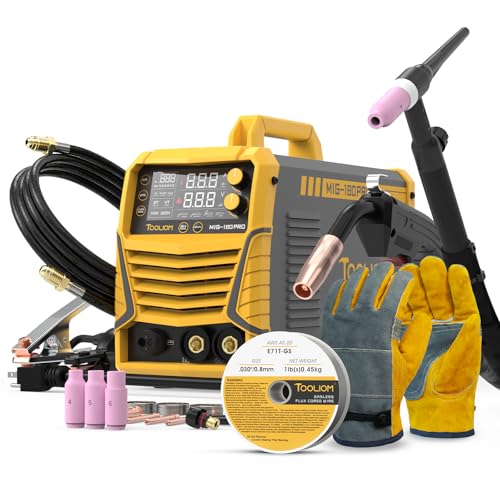
TOOLIOM 4-in-1 MIG Welder
Strengths
- High 180A output
- Dual voltage support
- Synergic MIG control
- Includes Lift TIG torch
- Thorough kit
Trade-offs
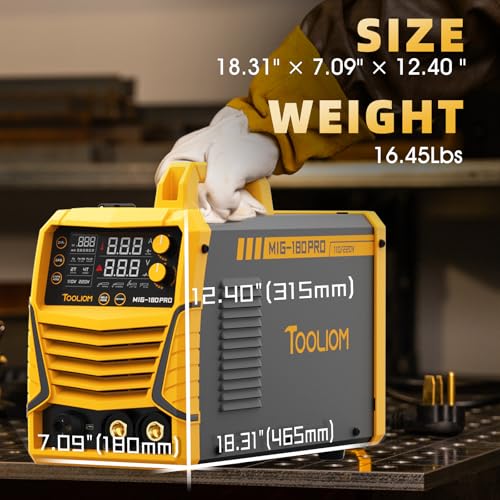
- Heavier than most
- Higher learning curve
- Pricier than entry models
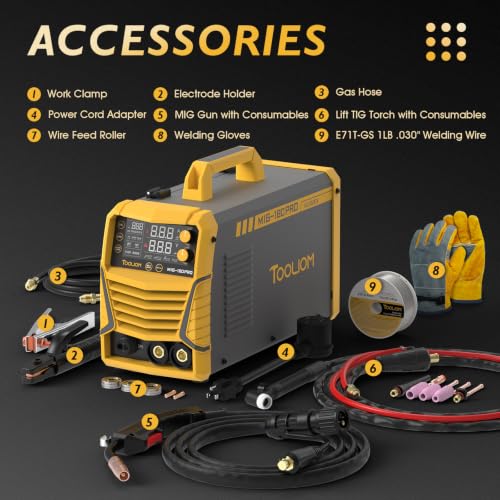
This is the most versatile beginner welder on the list, and on paper, it stands out for good reason. With true 180A output and dual voltage (110V/220V), it gives you real headroom for thicker materials and longer welds, something most 135A units can’t match. The synergic MIG technology is a major plus for new users, as it auto-matches voltage to wire feed speed, taking the guesswork out of settings. Owners consistently report clean, spatter-free welds even on thin steel, which speaks to how well the system manages arc stability.
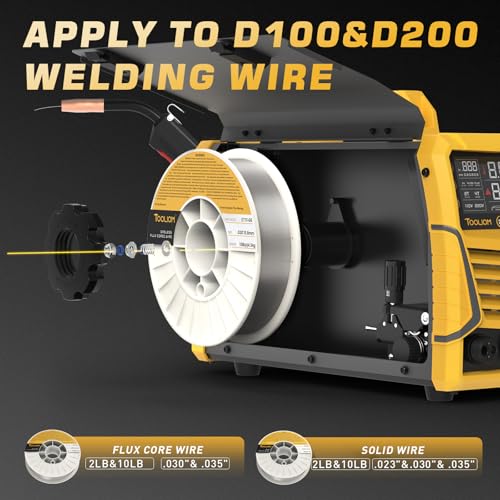
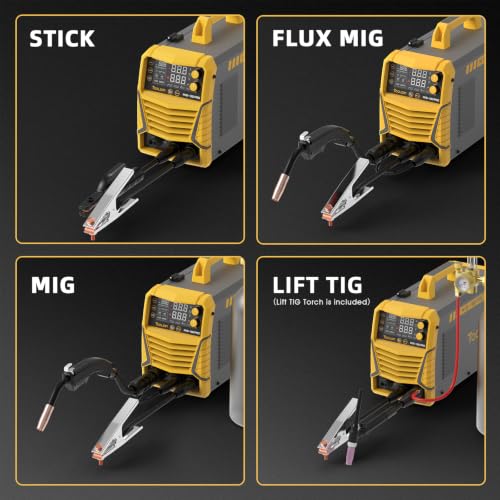
It’s also the only one here offering full Gas MIG, Flux MIG, Stick, and Lift TIG right out of the box, with the Lift TIG torch included. That kind of multi-process flexibility is rare at this level, and the fact that it comes with gloves and flux wire means you can start welding immediately. For someone who wants one machine to grow into, this is a solid long-term pick.
Product photos

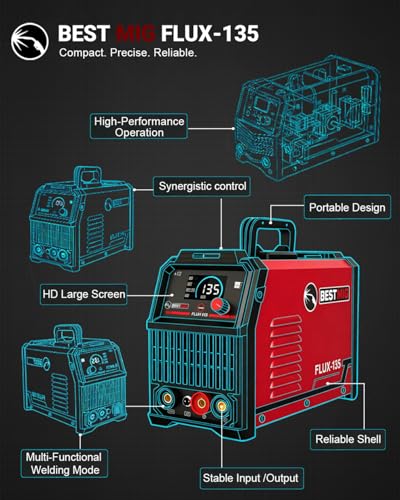
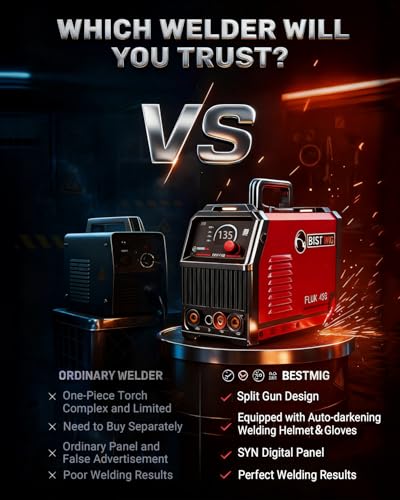
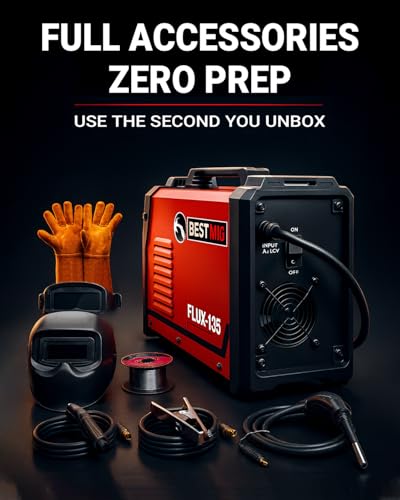
BESTMIG 135A MIG Welder
Strengths
- Low entry cost
- Auto-darkening helmet
- Simple digital interface
- Good for thin to medium steel
- Includes safety gear
Trade-offs
- No dual voltage
- TIG torch not included
- Limited process options
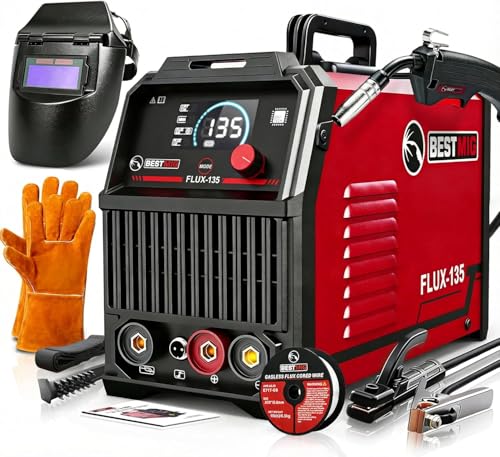
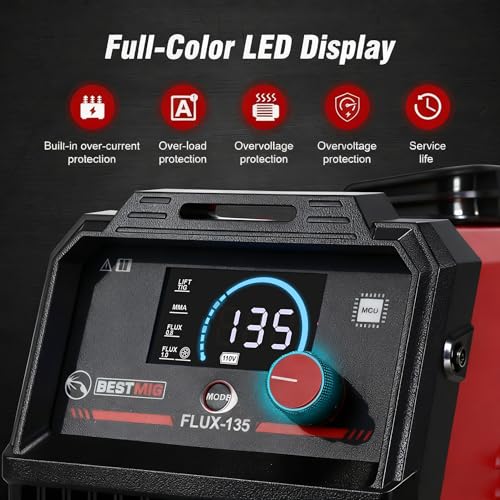
As a pure budget pick, the BESTMIG 135A delivers where it counts: simplicity and safety. It’s not the most advanced machine, but it’s built with beginner-friendly digital tech that auto-adjusts settings based on current input, no need to memorize charts or tweak fine controls. The full-color LED display is bright and easy to read, and owners appreciate how quickly they can get started with just a wire spool loaded.
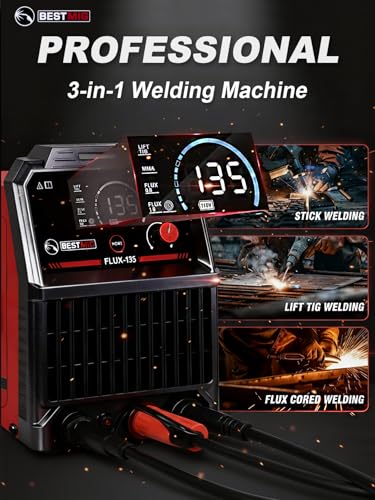
It handles up to 1/8-inch steel, which is standard for this class, and the included auto-darkening helmet and gloves mean you’re protected from day one. That said, it’s strictly flux-core MIG and Stick, no gas MIG or TIG torch support. If you’re only doing occasional repairs or small projects, that’s fine. But don’t expect to grow much beyond basic welding.
Product photos
HONE 205Amp Stick Welder
Strengths
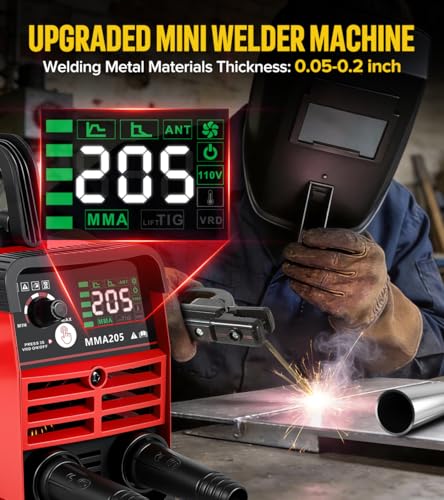
- Strong 205A output
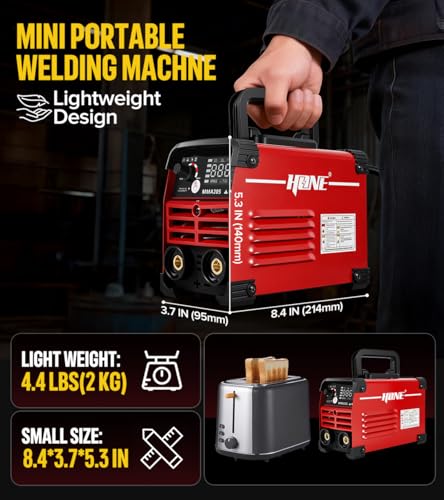
- Compact and lightweight
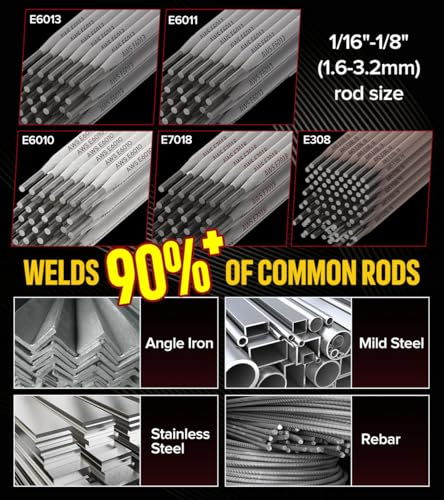
- Handles diverse rods
- Good arc stability
- Includes full accessories
Trade-offs
- No TIG torch included
- Stick-only focus
- Not ideal for thin metal
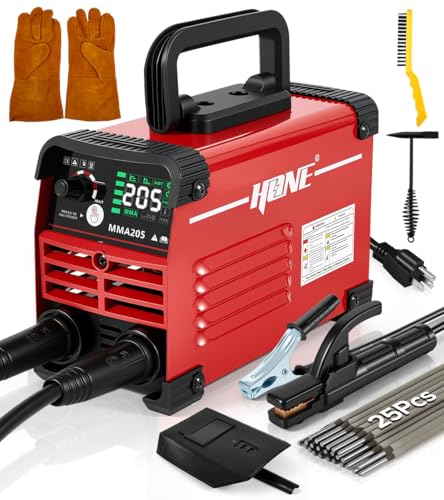
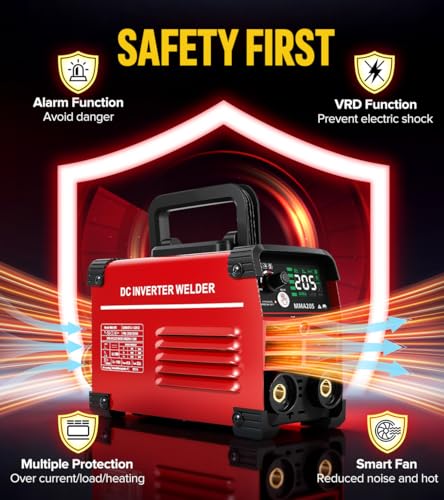
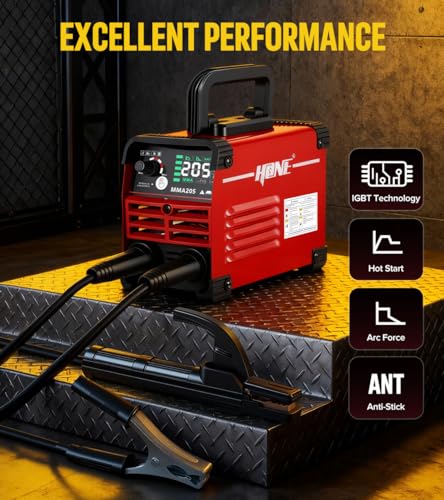
If you’re mainly working with thicker steel or doing outdoor repairs where gas bottles and wire feeders are impractical, this HONE 205A Stick welder makes a lot of sense. The IGBT inverter tech delivers stable arcs even on rusty or painted metal, and the 205A max output punches above its class for a 110V machine. Owners say it strikes a reliable arc with E6010 and E7018 rods, something not all budget inverters handle well.
It’s also impressively compact at just 4.4 lbs, so it’s easy to stash in a truck or carry up a ladder. The 2-in-1 Stick/Lift TIG mode is a nice bonus, though the TIG torch isn’t included, which limits immediate usability. Still, with 25 rods, gloves, and tools in the box, it’s a complete starter kit for someone focused on stick welding.
Product photos
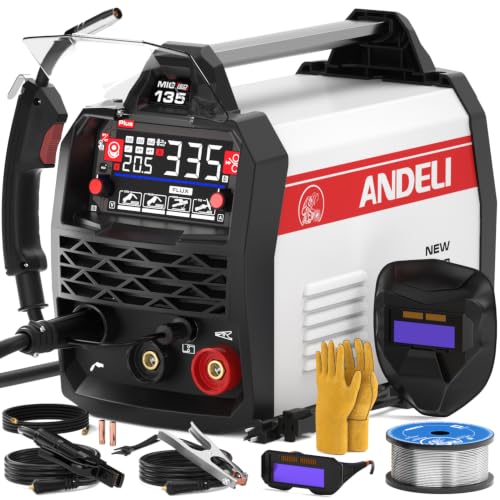
ANDELI 135A Dual-Voltage MIG
Strengths
- 110V/220V switchable
- PULSE MIG mode
- Large protected display
- Lightweight and portable
- Smooth arc performance
Trade-offs
- TIG torch sold separately
- Slightly higher price
- 220V outlet required for full power
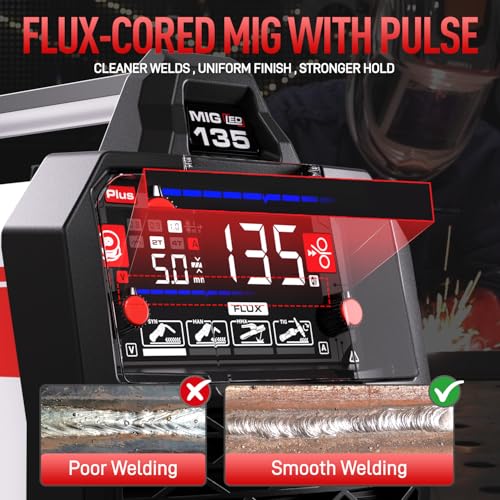
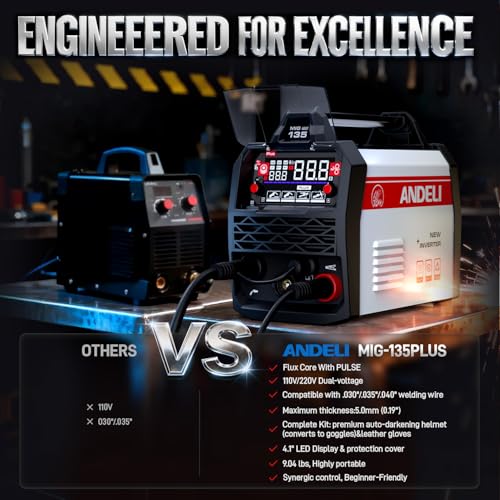
The ANDELI stands out for one key reason: dual voltage. If you ever plan to move from garage tinkering to more serious fabrication, being able to switch to 220V gives you better performance, deeper penetration, and longer duty cycles. The PULSE-enabled flux-core MIG is another differentiator, it smooths out the arc and reduces spatter, which owners say results in cleaner, more professional-looking beads.
At just 9 lbs, it’s also one of the lightest dual-voltage units available. The large 4.1-inch LED display is easy to read even with a helmet on, and the protective cover helps it survive job site abuse. While it doesn’t include a TIG torch, the Lift TIG function is ready to go if you add one later. For someone who might upgrade their power setup down the line, this is the smarter long-term buy over 110V-only models.
Product photos

YESWELDER 135A MIG Welder
Strengths
- Smooth wire feeding
- Bonus flux core wire
- Clear digital display
- Good arc stability
- Lightweight design
Trade-offs
- No dual voltage
- TIG torch not included
- Stick-only TIG option
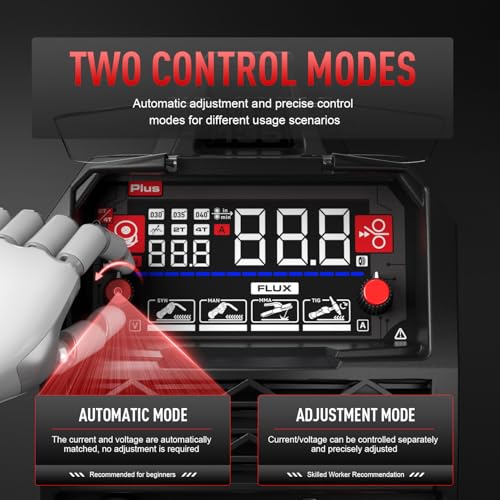
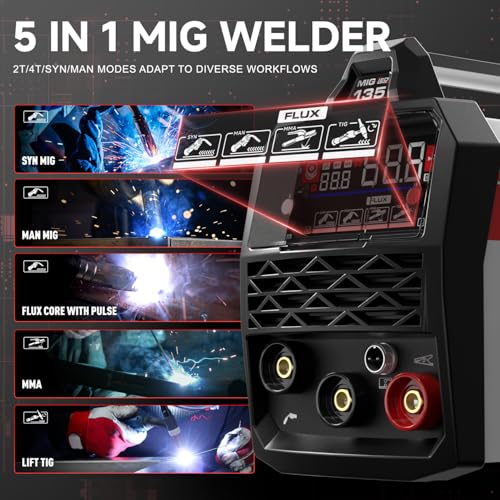
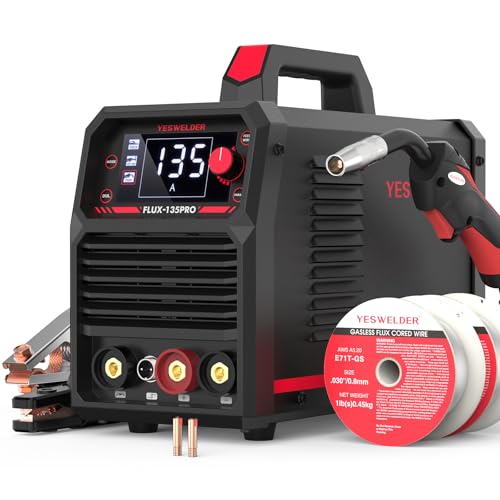
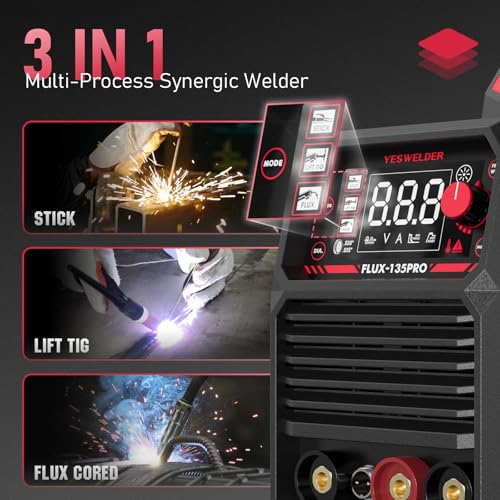
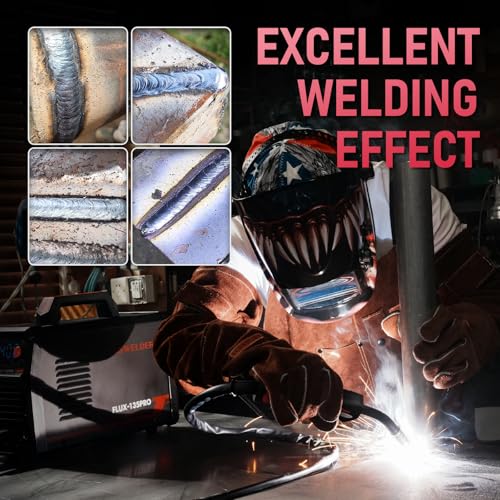
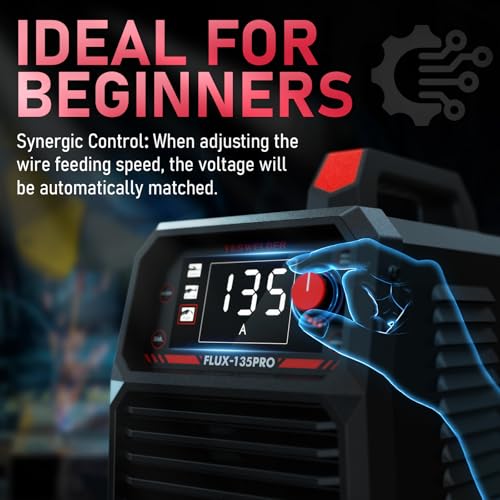
The YESWELDER stands out for its clean weld quality and portability. At 11.4 lbs, it’s not the lightest, but the carrying handle makes it easy to move between jobs. The synergic control system works well, adjust wire speed and voltage auto-matches, with fine-tuning available for when you want more control. Reviewers note fewer restarts and smoother arcs, especially with the included E71T-GS flux wire, which feeds reliably and produces minimal spatter.
It’s strictly a 110V, gasless MIG/Stick machine, so it’s not for someone planning to explore TIG or gas-shielded welding. But for quick repairs, fencing, or light fabrication, it’s efficient and dependable. The digital display is helpful for monitoring current, and the safety protections prevent damage during brownouts or overuse.
Product photos


Hpoouo 200Amp Mini Stick
Strengths
- Extremely lightweight
- Fits in a backpack
- Reliable arc ignition
- Includes full starter set
- Affordable price
Trade-offs
- Stick welding only
- No TIG or MIG capability
- Not for precision work
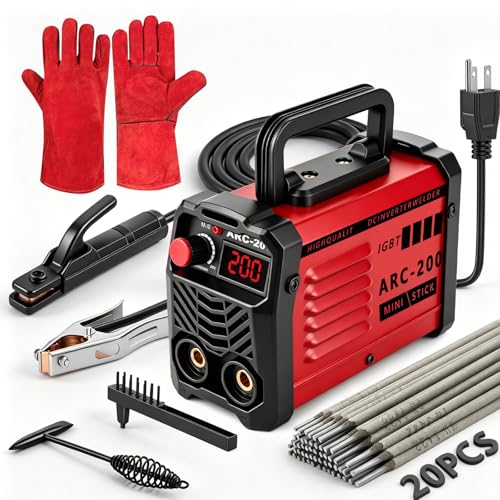
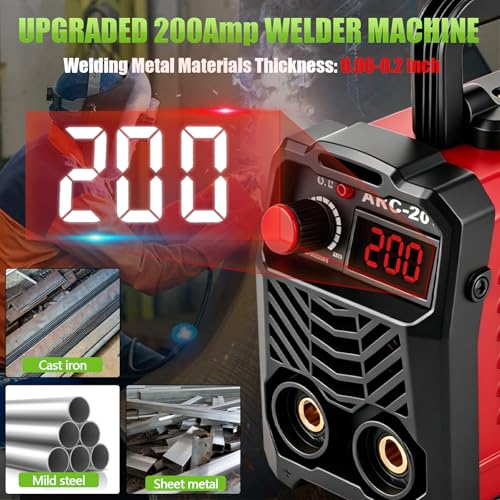
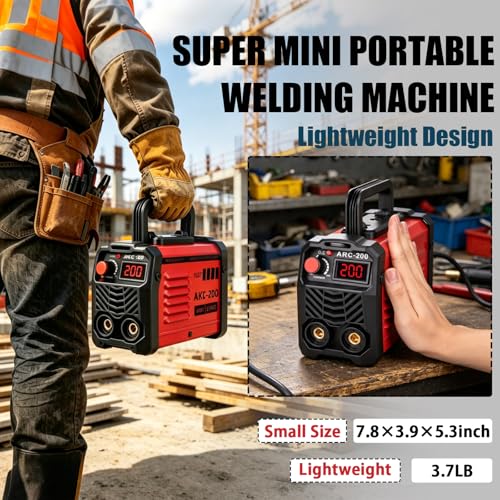
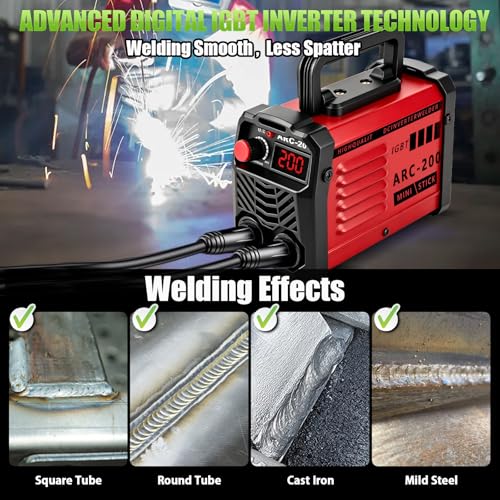
This Hpoouo mini stick welder is the ultimate grab-and-go tool for quick fixes. At just 3.7 lbs, it’s the lightest option here, and the compact size means it fits in a backpack or tool tote with room to spare. With 200A output and IGBT inverter tech, it holds a stable arc on both thin and thick steel, owners report success welding everything from broken brackets to farm equipment.
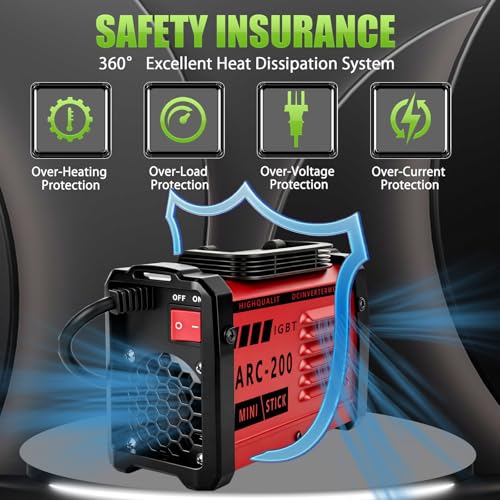
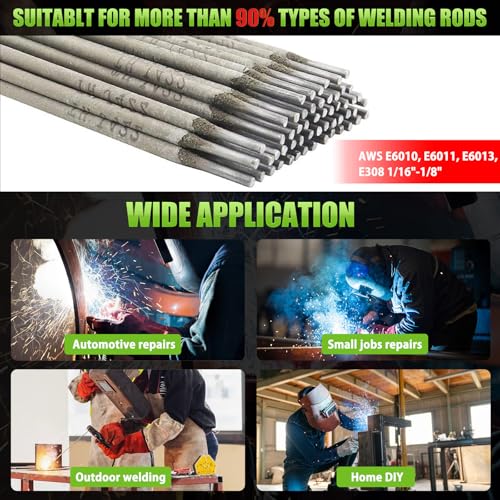
The hot start and anti-stick features make it surprisingly user-friendly for a stick machine, which matters when you’re just learning. It comes with 20 rods, gloves, and chipping tools, so it’s ready to use immediately. While it won’t replace a MIG for clean, fast welds, it’s perfect for emergency repairs or working in windy or dirty conditions where gas shielding fails.
Product photos
ARCCAPTAIN 135A MIG Welder
Strengths
- Truly beginner-friendly
- Large clear display
- Smooth arc starts
- Lightweight with strap
- Good duty cycle
Trade-offs
- No 220V option
- TIG torch not included
- Limited advanced controls
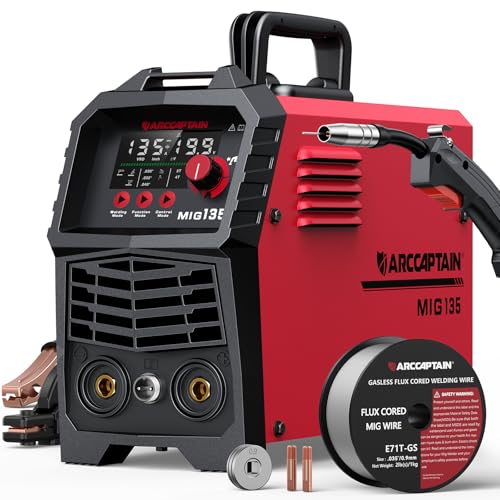
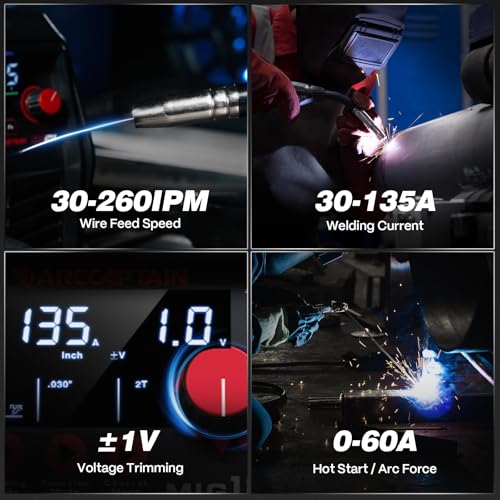
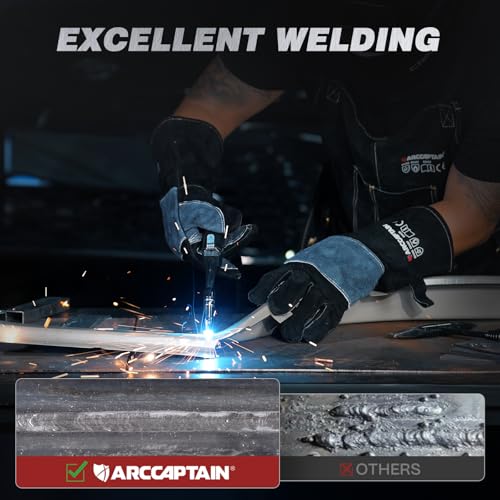
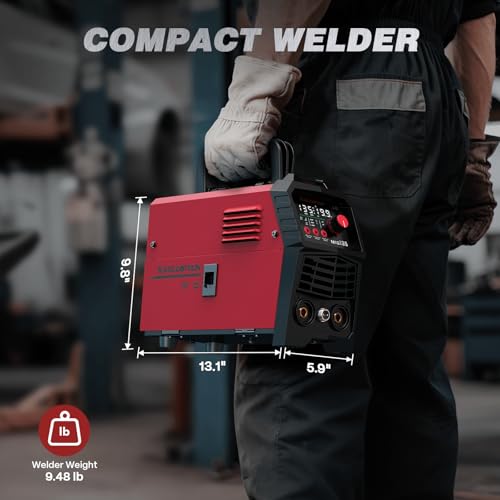
If I had to recommend one welder purely for new users, it’d be this ARCCAPTAIN. The beginner-friendly interface removes the intimidation factor, just input your wire size and material thickness, and it auto-matches voltage and feed speed. Owners consistently praise how easy it is to dial in good welds on the first try, which is huge when you’re just starting out.
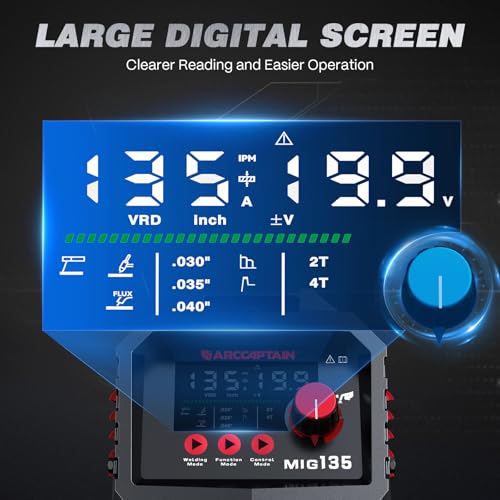
The large LED display is crisp and visible in sunlight, and the 30% better arc starts claim holds up in user feedback, fewer stutters, less wire sticking. It’s also lightweight at 9.5 lbs and comes with a shoulder strap, so it’s easy to move around. While it doesn’t offer dual voltage, the 110V performance is solid for up to 1/8-inch steel. For someone who wants to learn MIG without drowning in settings, this is the ideal starting point.
Product photos
BILT HARD 135A 3-in-1
Strengths
- Full accessory kit
- Solar welding helmet
- Synergic control
- Clear LED display
- Good for beginners
Trade-offs
- 110V only
- No gas MIG option
- TIG torch not included
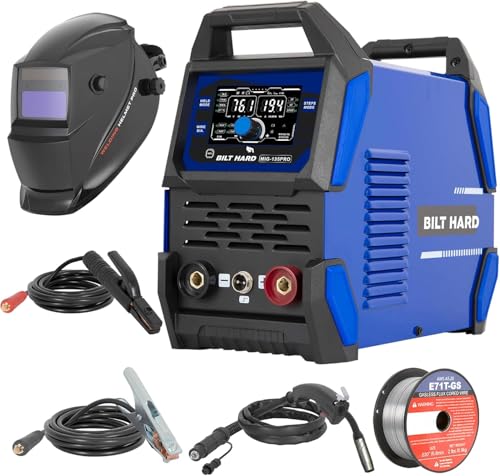
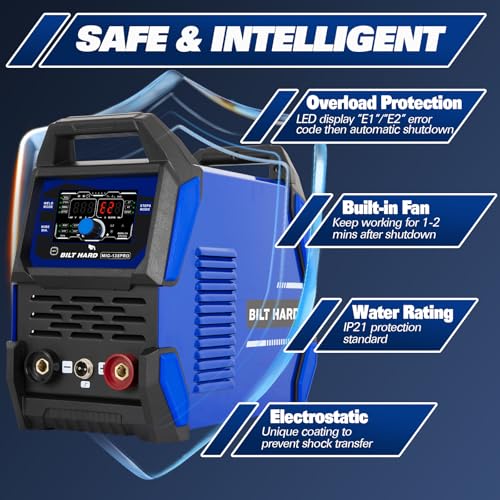
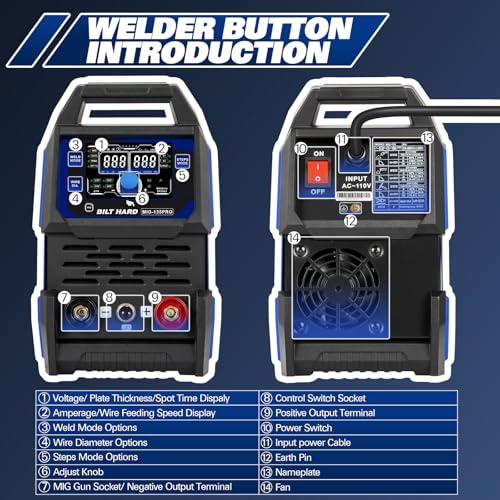
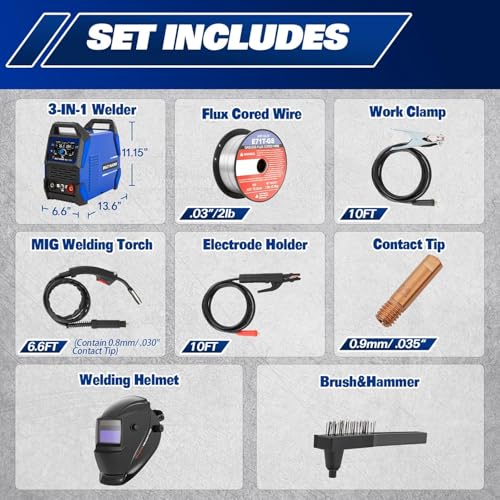
This BILT HARD unit hits the sweet spot between capability and cost, which is why it earns the “Best Value” tag. At 135A, it’s not the most powerful, but it’s more than enough for typical DIY tasks like trailer repairs, gates, or small fabrications. The synergic control simplifies setup, just pick your wire and thickness, and the machine dials in the settings. Reviewers note it’s especially forgiving for first-time welders who aren’t ready to tweak voltage and inductance manually.
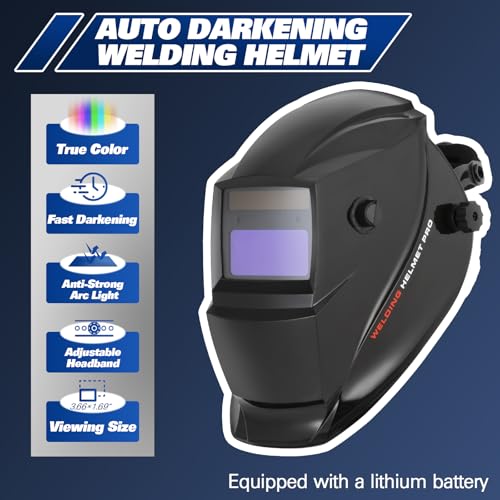
One standout is the inclusion of a solar-powered auto-darkening helmet, which isn’t something every kit offers at this level. The LED display is clear and shows real-time parameters, helping users learn as they go. While it doesn’t have dual voltage, the 110V-only design keeps things simple and affordable.
Product photos
How We Chose These beginner welders
To recommend the best beginner welders, I researched published specifications and features across numerous models. I then weighed owner reviews from major retailers alongside expert opinions found in industry publications and welding forums. My analysis focused on identifying machines that balance capability with ease of use, crucial for those new to the craft. Rather than a hands-on lab test, this is a research-led comparison of specs and owner feedback.
For beginner welders, I prioritized versatility and usability. A machine that can handle multiple processes (MIG, Stick, TIG) offers the most learning opportunities, while features like synergic control – which automatically adjusts settings – significantly reduce the learning curve. Portability and a complete accessory kit also ranked highly, as these make getting started much easier and more convenient. Finding reliable machines at reasonable prices was also a key consideration, making welding accessible to more people.
Specifications reliably indicate a welder’s maximum output and input voltage requirements. However, I heavily relied on owner feedback to assess real-world performance – particularly regarding arc stability, ease of setup, and the quality of included accessories. Reputation matters, too; brands consistently praised for durability and customer support received greater consideration. If you’re looking for even more options, you can explore a broader range of entry-level MIG welders on our site.
How To Choose The beginner welders
Choosing a welder can feel overwhelming, especially for first-timers. There are a lot of options, and the specs can be confusing.
A good welder balances power with usability. Look for a machine suited to the materials you’ll work with most often, prioritizing consistent arc control, a reliable duty cycle, and safety features. Beginners should favor synergic control and automatic adjustments, while experienced users will want more manual control over parameters like inductance and arc force. Consider the type of welding you’ll primarily do – MIG, Stick, or TIG – and choose a machine that excels in that area.
Understanding Welding Processes
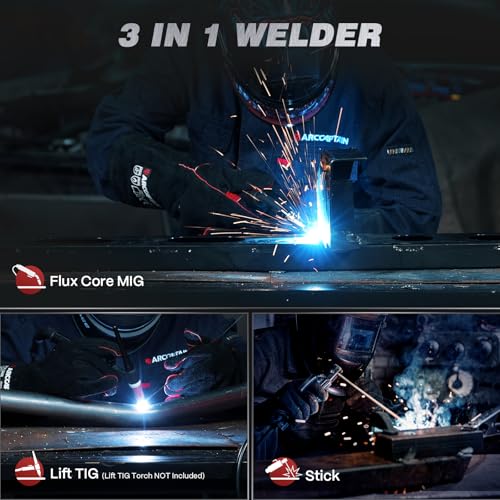
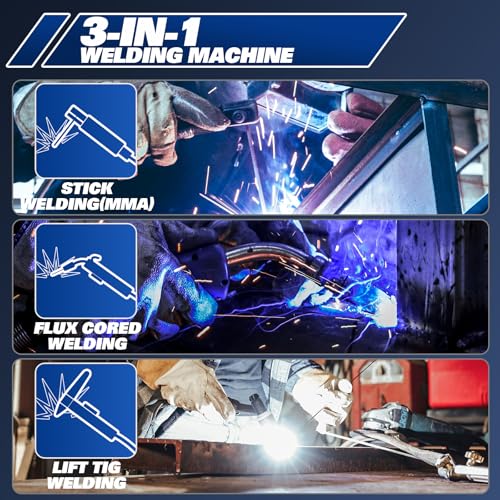
The first thing to nail down is the type of welding you’ll be doing. While many welders offer multiple processes, they don’t all do them equally well. MIG (Gas Metal Arc Welding) is generally the easiest to learn, making it popular for auto repair and general fabrication. Stick (Shielded Metal Arc Welding) is extremely versatile and good for thicker materials and outdoor work. TIG (Gas Tungsten Arc Welding) provides the cleanest, most precise welds, but has a steeper learning curve. If you’re unsure, starting with a MIG welder is a safe bet. Many entry-level machines are 3-in-1, offering MIG, Stick, and Lift TIG capabilities.
Duty Cycle and Power Input
A welder’s duty cycle is a critical spec often overlooked. It tells you how long you can weld continuously at a given amperage before the machine needs to cool down. A 60% duty cycle at 180A means you can weld for 6 minutes out of every 10 at 180 amps before risking overheating. Consider your project needs; if you’ll be doing long, continuous welds, a higher duty cycle is essential. Also, pay attention to the power input (voltage). Many welders are dual-voltage (110V/220V), offering flexibility for different outlets. If you only have a standard 110V outlet, a dual-voltage welder will still work but may have reduced output. Don’t assume a higher amperage rating automatically means a better welder; a well-designed 135A machine can often outperform a poorly built 200A model.
Features for Beginner and Experienced Users
Beyond the core welding process, consider the features that will make your life easier. Synergic control, like found in the BESTMIG 135A, is a huge benefit for beginners. This automatically adjusts parameters based on wire speed, simplifying the setup process. For those with more experience, manual controls over voltage, inductance, and arc force allow for fine-tuning and greater control. A digital display is also incredibly helpful, providing real-time feedback on welding parameters. If you’re just starting out, you’ll want to consider investing in some essential beginner tools to get you up and running safely and efficiently.
A welder is only as good as its accessories. Don’t skimp on quality gloves, a helmet, and appropriate welding rods or wire.
If you’re new to welding, you might also find a kit with everything included – like the BILT HARD 135A – a great way to get started without hunting for individual components. And if you are looking for some affordable beginner welders to get started, there are many options available.
Beginner Welders Compared
Here’s a comparison of key specifications for several beginner-level welding machines.
| Product Name | Amperage | Welding Processes | Voltage | Duty Cycle | Portability |
|---|---|---|---|---|---|
| TOOLIOM 4-in-1 MIG | 180A | MIG, Stick, TIG, Flux | 110V/220V | 60% | Moderate |
| BESTMIG 135A MIG | 135A | MIG, TIG, Stick | 110V | N/A | Moderate |
| HONE 205Amp Stick | 205A | Stick, TIG | 110V | N/A | High |
| ANDELI 135A Dual-Voltage | 135A | MIG, TIG, Stick | 110V/220V | N/A | Moderate |
| YESWELDER 135A MIG | 135A | MIG, TIG, Stick | 110V | N/A | Moderate |
| Hpoouo 200Amp Mini Stick | 200A | Stick, TIG | 110V | N/A | Very High |
| ARCCAPTAIN 135A MIG | 135A | MIG, TIG, Stick | 110V | N/A | Moderate |
| BILT HARD 135A 3-in-1 | 135A | MIG, TIG, Stick | 110V | N/A | Moderate |
Frequently Asked Questions
What amperage is sufficient for a beginner welder?
Around 135 amps is generally enough for most beginner projects, like auto body repair or small home fabrication. Higher amperage machines (like 205A) are useful for thicker materials, but can be harder to control when you’re learning.
Can I run a welder on a standard household outlet?
Many welders, particularly those around 135 amps, can operate on a standard 110V outlet. However, you may experience reduced performance, and running a welder on a 15-amp circuit requires careful attention to avoid tripping breakers. Consider looking into 120-volt welding machines if you’re limited to standard outlets.
What’s the difference between MIG, Stick, and TIG welding for a beginner?
MIG welding is typically the easiest to learn due to its simpler setup and more forgiving arc. Stick welding is more versatile for outdoor projects and thicker materials, but requires more practice to master. TIG welding offers the highest quality welds but has the steepest learning curve.
Is a dual-voltage welder really necessary?
A dual-voltage (110V/220V) welder offers flexibility and potentially better performance. While you can run many welders on 110V, a 220V connection allows the machine to draw more power, resulting in a stronger and more stable arc, especially for thicker materials.
What accessories are essential when starting out?
Beyond the welder itself, you’ll absolutely need a welding helmet with an auto-darkening lens, a pair of sturdy welding gloves, and appropriate welding consumables (rods, wire, or tungsten) for the process you’ll be using. Investing in quality safety gear is crucial for protecting yourself; many kits are geared toward hobbyist welders and include these essentials.
The Bottom Line
Choosing a welder often comes down to balancing control with convenience. You can spend hours tweaking settings to get the perfect weld, or you can opt for a machine that simplifies the process. For a strong all-around pick that strikes that balance beautifully, I recommend the BESTMIG 135A MIG welder. It’s a great starting point with its user-friendly features and solid performance.
If you’re on a tighter budget, the Hpoouo 200Amp Mini Stick welder offers impressive power in a highly portable package. For those wanting maximum versatility, the TOOLIOM 4-in-1 MIG welder stands out, offering MIG, Stick, TIG, and Flux Core capabilities. And if you’re specifically looking at options for 110-volt setups, exploring a range of 110-volt MIG welders will help narrow your search.
Ultimately, the specs matter less than a solid understanding of the fundamentals. Focus on safety first – proper gear and ventilation are crucial. Then, prioritize a consistent arc, a reliable duty cycle for your typical projects, and a machine that feels comfortable and intuitive to operate. A good welder is a tool, but skill and practice are what truly deliver quality results.
