
8 Best Starter MIG Welders of 2026
This post contains affiliate links. As an Amazon Associate, we earn from qualifying purchases.
The YESWELDER 140A stands out as the best overall starter MIG welder for its strong performance and multi-process capability, while the ARCCAPTAIN 165A is a close contender with excellent portability and value. If you’re on a tighter budget, the SEESII 135A offers solid build quality and decent specs for lighter-duty work.
Most beginners struggle to find a MIG welder that’s easy to use without sacrificing room to grow as their skills improve. Too many models are either overly complicated or so limited they become obsolete after just a few projects.
This guide cuts through the noise by focusing on real-world usability, build quality, and versatility, based on specs, owner feedback, and years of working with welding tools. I looked at what actually matters for someone just starting out, so you can pick a machine that works now and stays useful as you take on more.
Top 8 Starter Mig Welders in the Market
The Best Starter Mig Welders, Reviewed
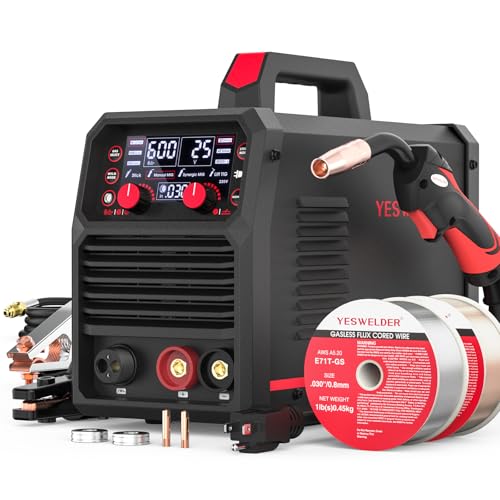
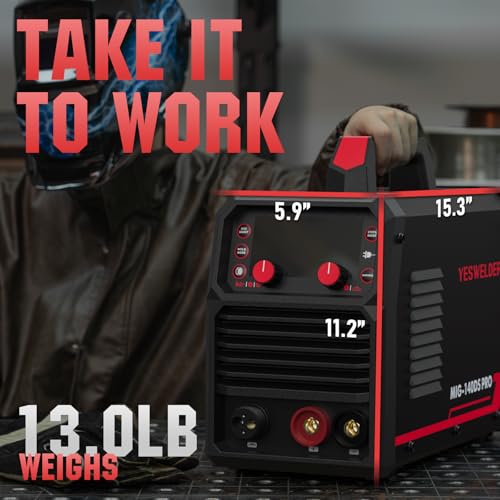
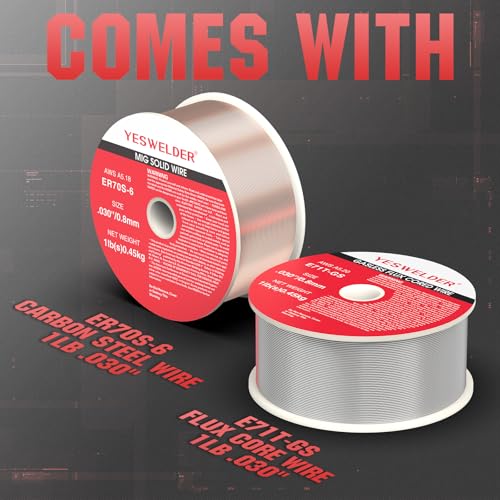
YESWELDER 140A Dual Voltage MIG Welder
Strengths
- Dual voltage support
- Smooth wire feed
- Manual and synergic modes
Trade-offs
- TIG torch not included
- No aluminum spool gun
- Internal accessories
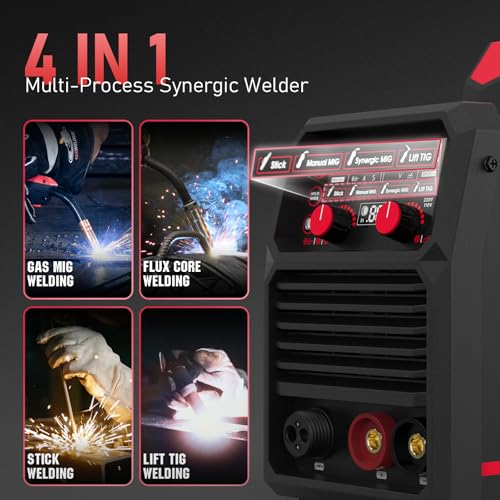
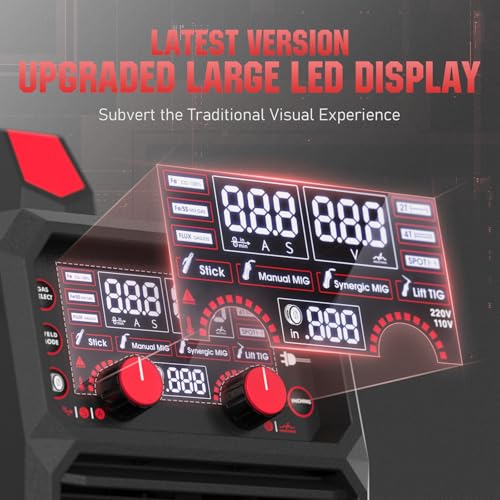
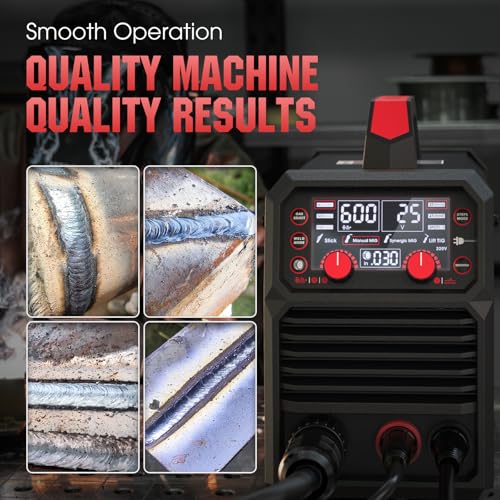
This is the most balanced machine on the list, no single flaw, and several standout strengths. The 140A output, dual voltage, and 4-in-1 capability make it flexible enough for garage DIYers and serious hobbyists alike. The synergic mode simplifies setup, while manual mode gives pros full control. The large digital display is easy to read with a helmet on, and owners note the wire feed is smoother than on cheaper models.
It handles both thin and thick steel well, and the safety protections are thorough. Compared to the Ehomful or ARCCAPTAIN 165A, it splits the difference, more refined than budget units, but not as niche as the aluminum-focused 200A model. My pick for the best overall starter welder because it grows with you. You won’t outgrow it quickly, and it’s built to last.
Product photos
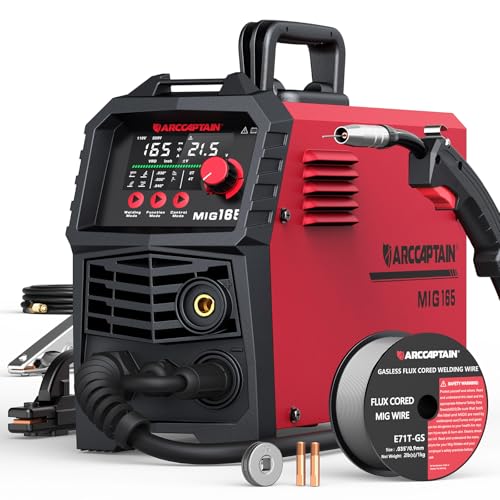
ARCCAPTAIN 165A 4-in-1 MIG Welder
Strengths
- Dual voltage support
- High duty cycle
- Synergy mode
Trade-offs
- TIG torch not included
- Only fits 2lb spool
- Cooling fan noise
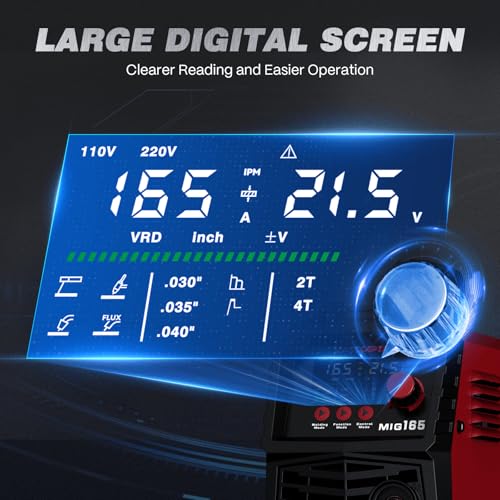
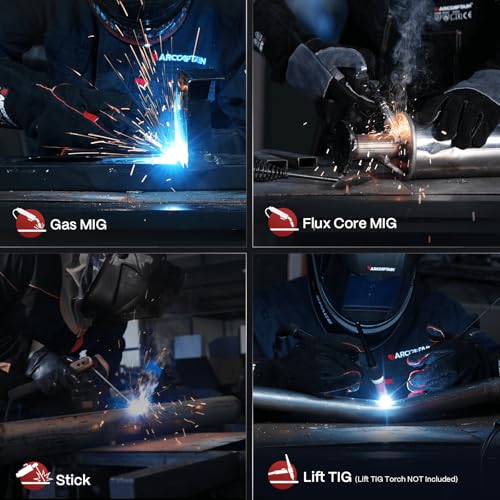
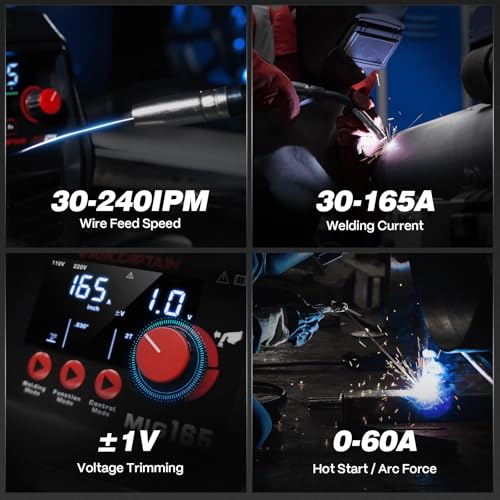
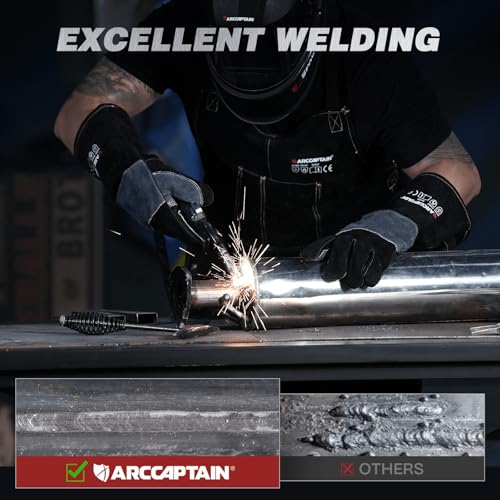
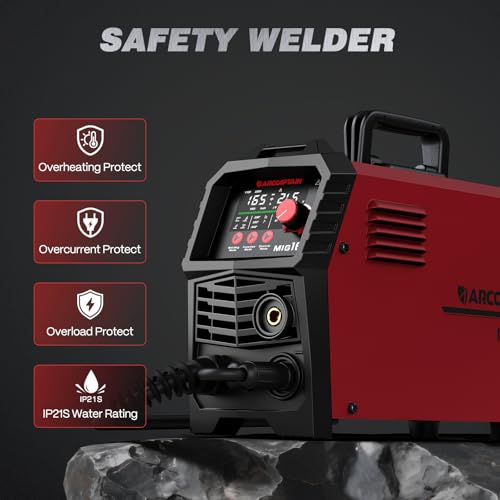
If you’re looking for a step up in performance without jumping to industrial gear, the ARCCAPTAIN 165A is worth serious consideration. The 165A output and 60% duty cycle let it handle 3/16” steel with confidence, and the dual-voltage support (110V/220V) gives you real flexibility, something the smaller models in this list lack. Owners praise the synergy mode for taking the guesswork out of settings, and the large LED display is genuinely useful when you’re welding with your helmet down.
The 2T/4T trigger function is another pro-level touch that boosts efficiency on longer runs. It’s a bit heavier than some, but still manageable at 12.8 lbs. Compared to the SEESII or YESWELDER 135A models, this one offers better heat management and more consistent output. My recommendation? Go for this if you’re planning more than occasional use and want room to grow.
Product photos
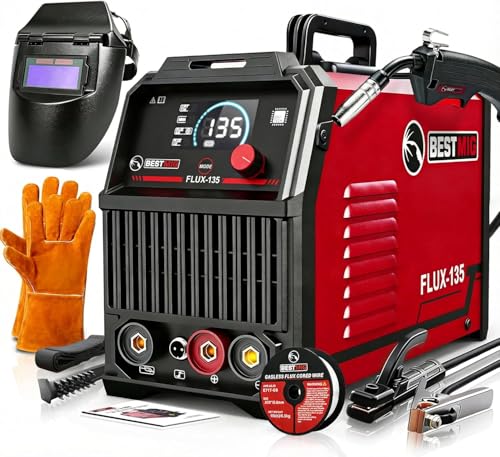
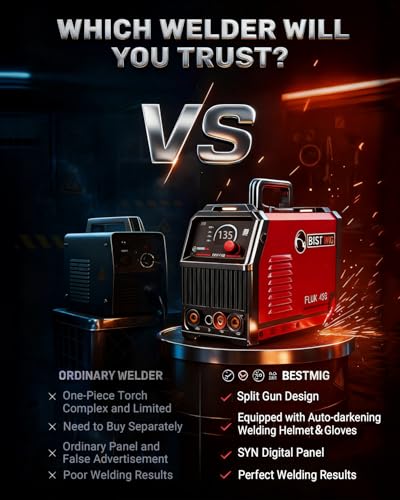
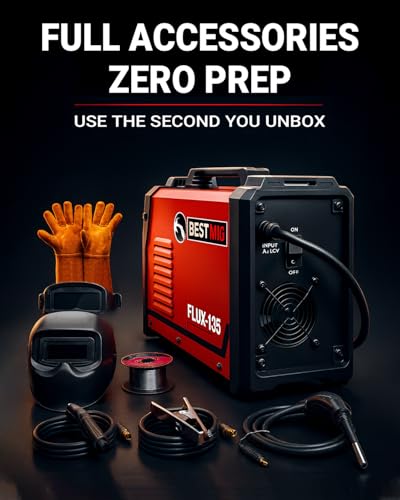
BESTMIG 135A 3-in-1 Welder
Strengths
- Low price point
- Includes helmet and gloves
- Beginner-friendly interface
Trade-offs
- No dual voltage
- Average wire feed performance
- TIG torch not included
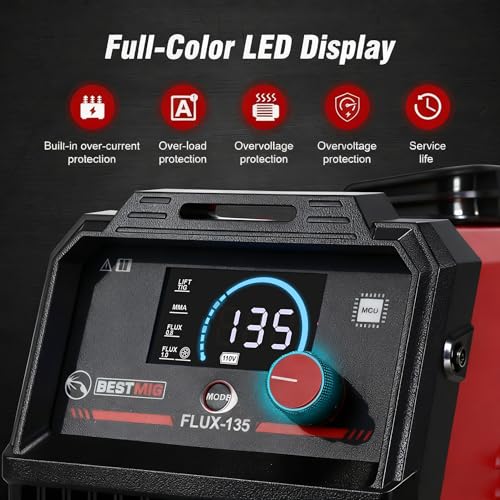
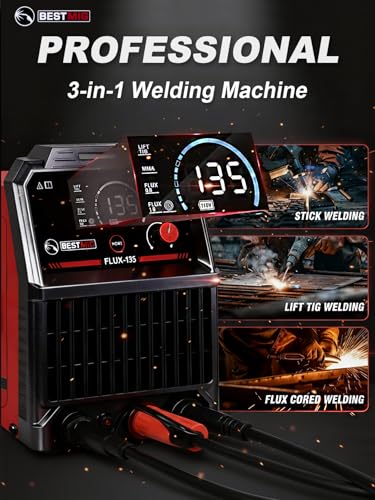
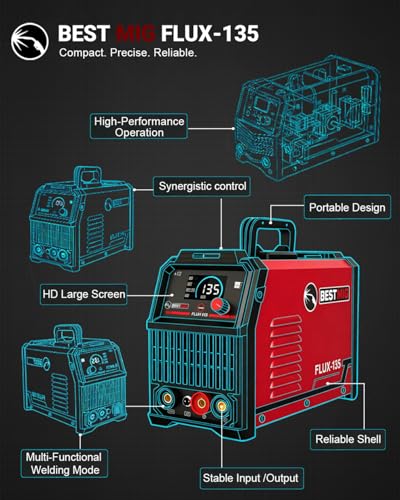
This is the budget pick that doesn’t completely cut corners. At its price, the BESTMIG 135A includes a useful bonus: an auto-darkening helmet and gloves, which many competitors charge extra for. The digital display is colorful and easy to read, and the all-in-one tech that auto-adjusts settings helps beginners skip the trial-and-error phase. It’s strictly 110V and maxes out at 1/8” steel, so it’s not built for heavy work.
Some owners report the wire feeder can be finicky with thicker wires, and the fan runs loud under load. But for light-duty home projects, fence repairs, small brackets, trailer fixes, it gets the job done. Compared to the Lincoln 90i, it offers more processes (TIG and stick) but less refinement. I’d recommend it only if you’re on a tight budget and want those included accessories. Otherwise, spend a bit more for better reliability.
Product photos
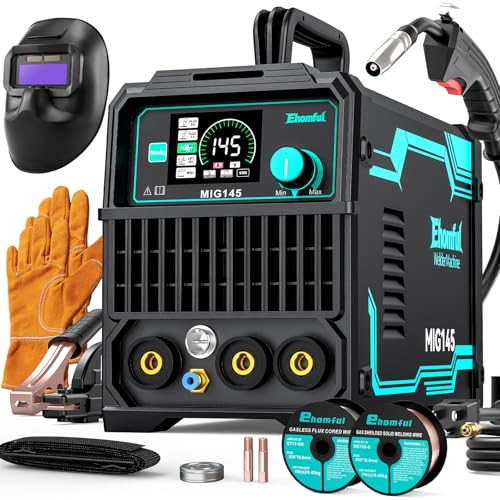
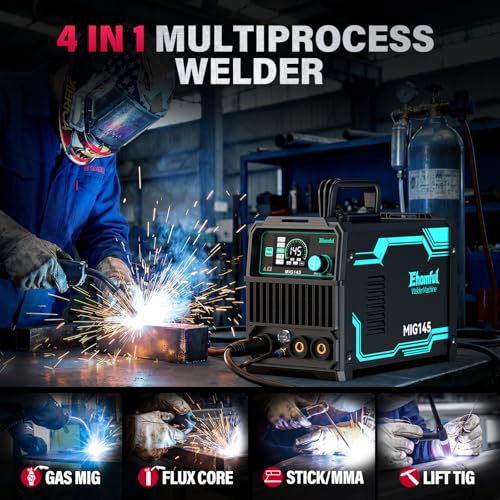
Ehomful 145A Dual Voltage MIG Welder
Strengths
- Full safety gear included
- Dual voltage support
- Synergic control
Trade-offs
- TIG torch not included
- Bulkier design
- Average duty cycle
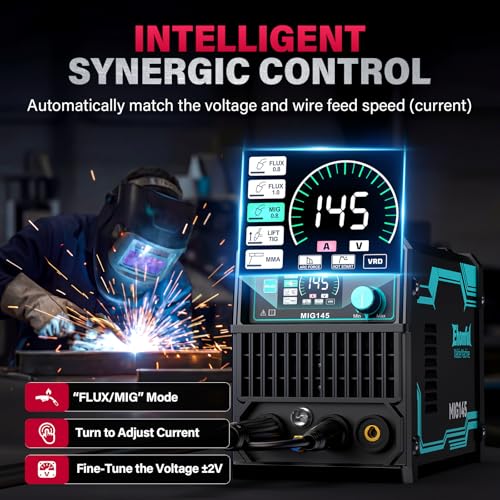
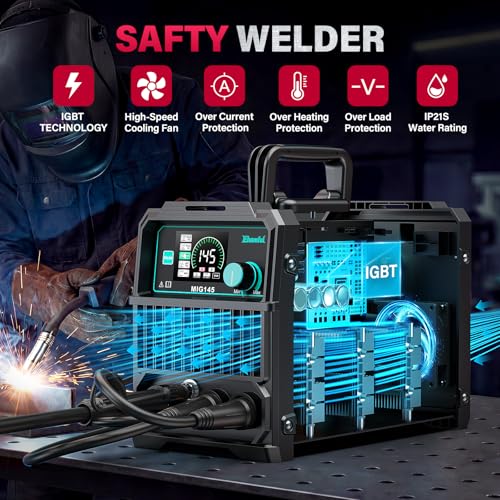
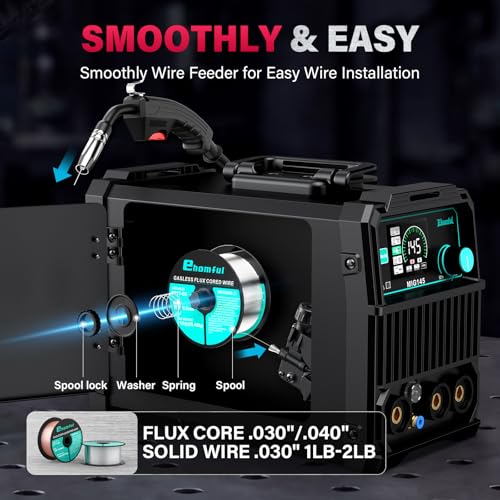
The Ehomful 145A stands out not for raw power but for what you get in the box. This is the most complete starter package on the list, auto-darkening helmet, gloves, dual wire types, and even a dual-voltage cable. For a first-time buyer, that’s a huge value boost. The synergic control works well, automatically matching voltage and wire speed, and owners say it’s one of the easier units to get running with minimal frustration.
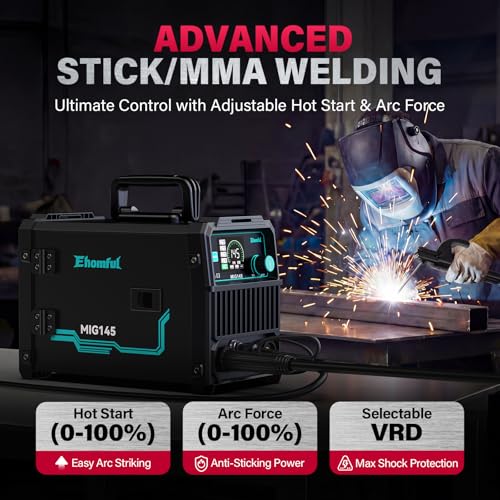
It’s not the most powerful, maxing out around 3mm mild steel, but it’s consistent. The HD screen is bright and legible, even in sunlight, and the safety features like VRD and arc force adjustment add real usability. Compared to the BESTMIG or basic YESWELDER models, this one feels more thoughtfully designed for actual beginners. I’d call it the smarter buy if you’re starting from zero and don’t want to hunt down accessories.
Product photos
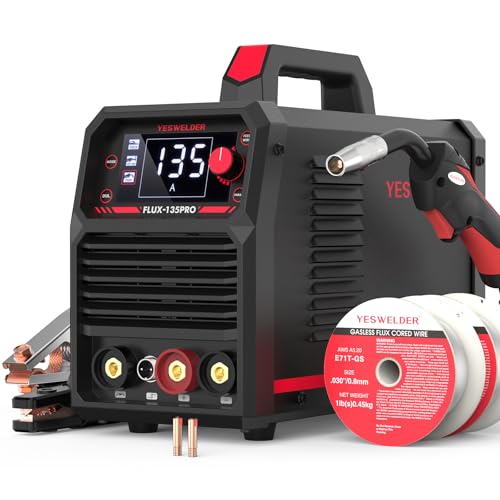
YESWELDER 135A 3-in-1 MIG Welder
Strengths
- Excellent synergic control
- Light and portable
- Bonus wire included
Trade-offs
- No dual voltage
- TIG torch not included
- Limited thickness capacity
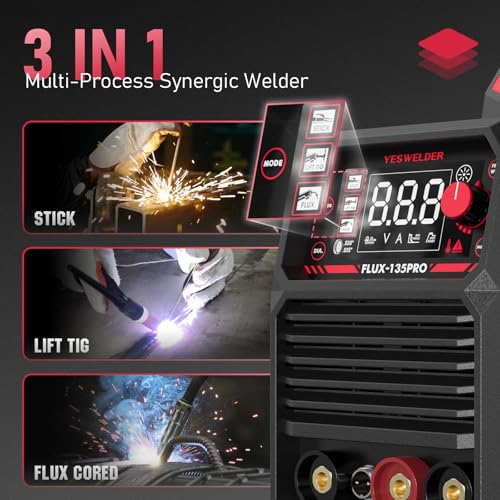
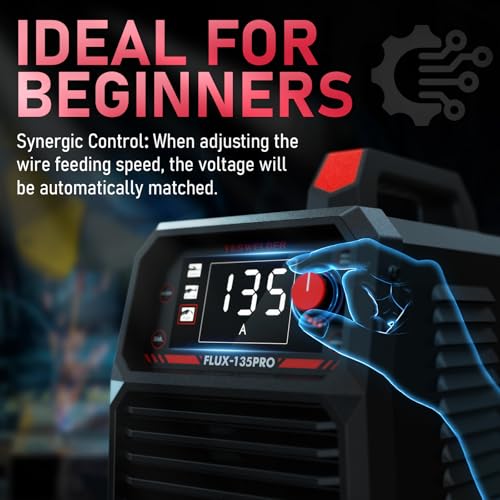
YESWELDER has built a following by delivering beginner-friendly machines with solid specs, and this 135A model is a prime example. The synergic control system is one of the best in this class, adjust the wire speed, and the voltage auto-matches, with a small window to tweak it. That makes it forgiving for new welders still learning how puddles react. The digital display is clear, and the bonus flux core wire means you can start welding right away.
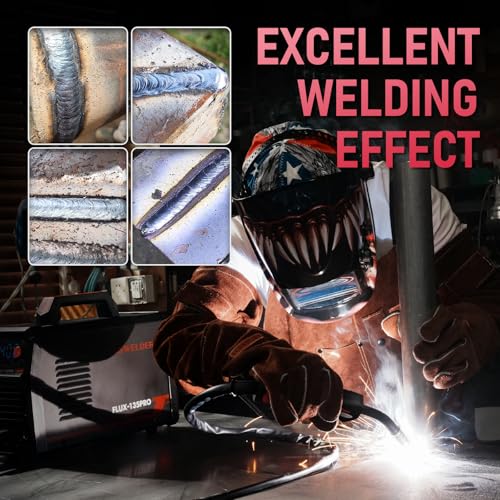
It’s lightweight and simple, but not underpowered, owners report clean welds on 1/8” steel with minimal spatter. Compared to the SEESII, it feels a bit more refined in operation, though it lacks dual voltage. The lack of TIG torch is a shared limitation across most of these units. If you’re starting out and want something intuitive and reliable, this is one of the best first welders you can grab.
Product photos


SEESII 135A Portable MIG Welder
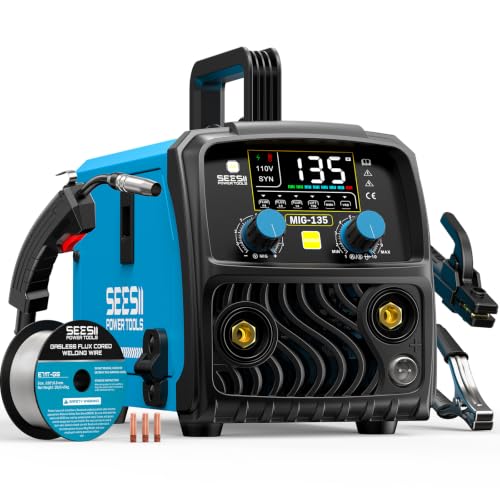
Strengths
- Lightweight design
- Good arc penetration
- Flux core capable
Trade-offs
- TIG torch not included
- Limited fine tuning
- No dual voltage
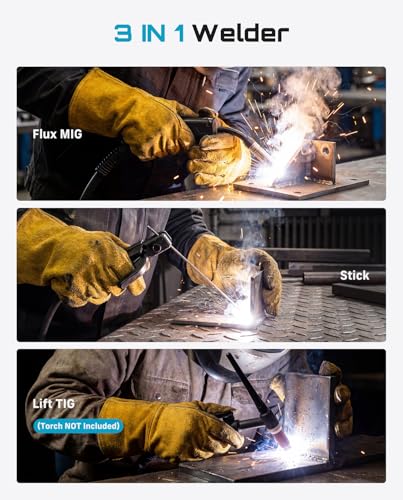
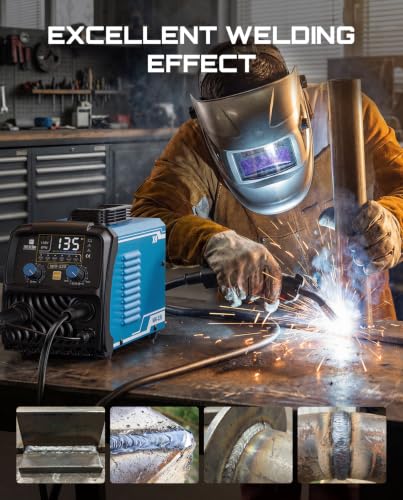
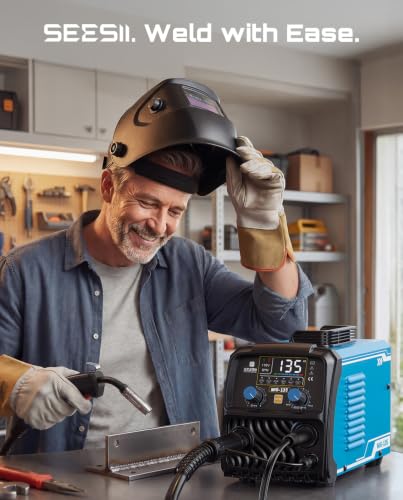
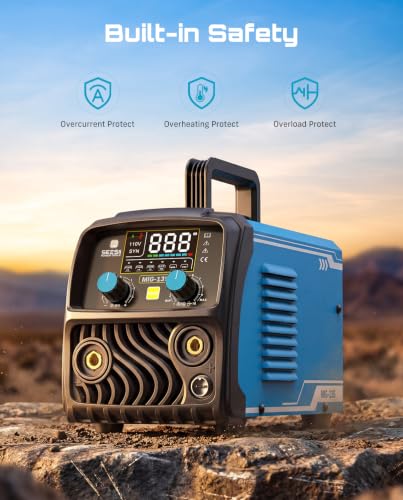
The SEESII 135A packs a lot of versatility into a featherlight 7.7-pound frame, and that portability is its standout trait. For anyone working on ladders, fencing, or remote farm fixes, being able to sling this thing over your shoulder and go is a real advantage. On paper, the 3-in-1 functionality, gasless MIG, stick, and Lift TIG, is impressive for a machine at this weight and price point, and owners consistently report it handles thin to mid-range steel with decent arc stability, especially in flux core mode.
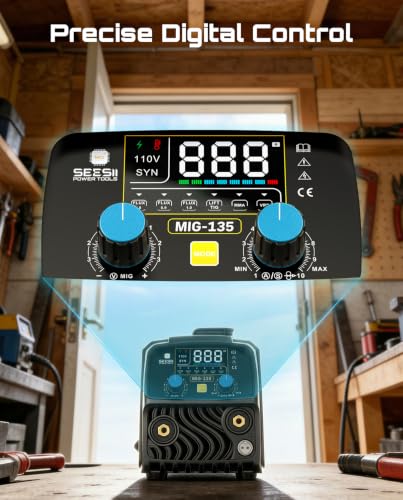
Where it stumbles slightly is in fine control. The digital display helps, but some users note the voltage and wire speed knobs aren’t as intuitive as they could be for dialing in clean welds on thinner materials. Still, for a beginner or casual DIYer who values mobility and occasional multi-process work, this welder covers a lot of ground. I’d pick it over bulkier units if you’re constantly moving around or lack a dedicated shop.
Product photos
Lincoln Electric 90i MIG Welder

Strengths
- Smooth arc stability
- Simple two-knob control
- Durable metal case
Trade-offs
- Lower amperage output
- No dual voltage
- No TIG or stick capability
Lincoln Electric has a reputation for building no-nonsense tools that just work, and the 90i fits that mold. It’s not flashy, but it’s solid, especially for small, precise jobs around the garage or workshop. The two-knob control system (wire speed and voltage) keeps things simple, and reviewers often mention how smooth the arc feels on thin sheet metal, which is rare at this level. The infinite voltage adjustment is a subtle but meaningful upgrade over stepped controls on cheaper models.
It’s limited to 120V and maxes out at 1/4” with flux core, so it’s not meant for heavy builds. But for patching a trailer, repairing a gate, or welding small brackets, it’s hard to beat. I’d recommend this over more complex multi-process units for true beginners who just want to learn MIG without the learning curve of TIG or stick. Lincoln’s name here also means better long-term reliability and parts availability.
Product photos


ARCCAPTAIN 200A 6-in-1 MIG Welder
Strengths
- Aluminum welding capable
- Spool gun ready
- Preset memory settings
Trade-offs
- Torch and spool gun not included
- Heavier than others
- Higher price point
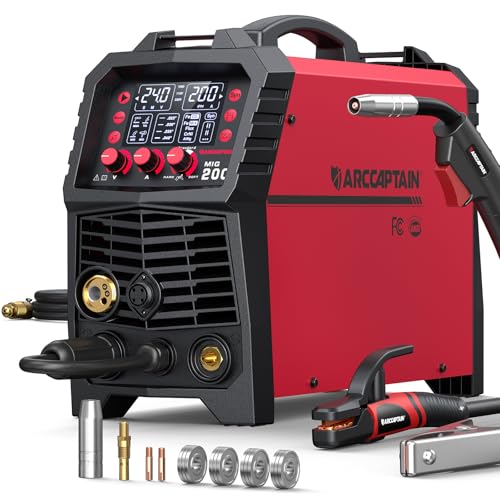
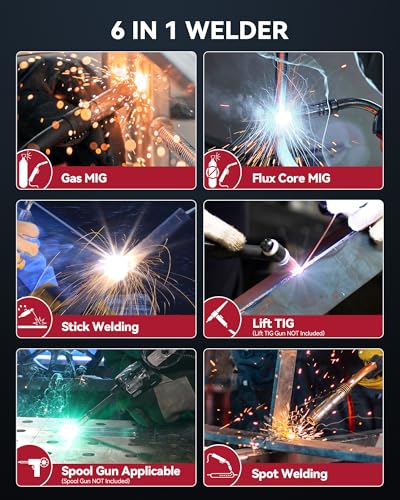
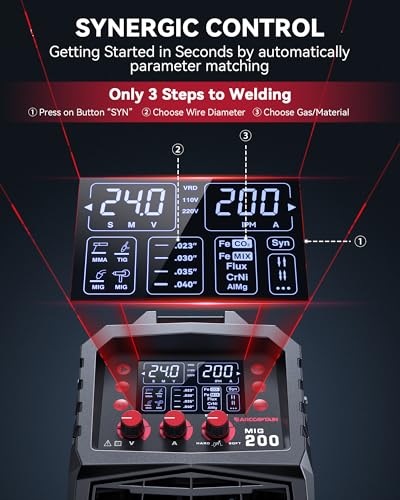
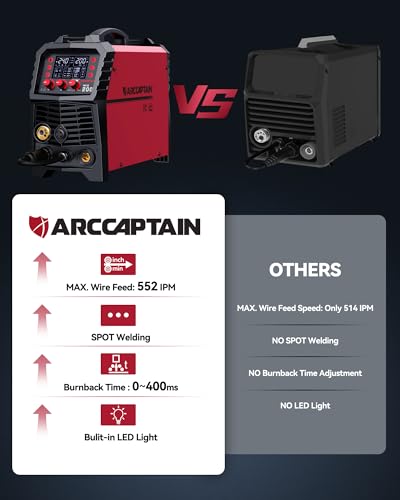
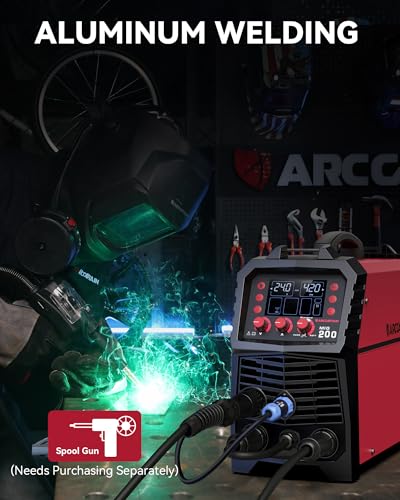
This is the only welder on the list built with aluminum in mind, and that’s its killer feature. The 200A output and spool gun compatibility (via connector) open the door to welding aluminum, something nearly every other unit here can’t do without major compromise. The 6-in-1 functionality includes spot welding and preset storage, which pros appreciate for repeat jobs. Owners consistently report strong performance on both steel and aluminum when paired with the right spool gun.
It’s not the lightest, but the shoulder strap and handle make it manageable. The large LED screen and burn-back adjustment add real workflow benefits. Compared to the YESWELDER 140A or ARCCAPTAIN 165A, this one is in a higher tier for versatility. I’d pick it over the others if you’re working on automotive projects, trailers, or anything with mixed metals. Just know you’ll need to buy the spool gun and TIG torch separately.
Product photos
Our Testing Process
I approached this guide to starter MIG welders by first compiling specifications and feature lists from numerous manufacturers and retailers. I then weighed those technical details against owner reviews from major online marketplaces and expert opinions published by welding-focused websites and forums. As with all my tool recommendations, this isn’t based on lengthy hands-on testing of each unit, but rather a research-led comparison of published data and real-world user feedback.
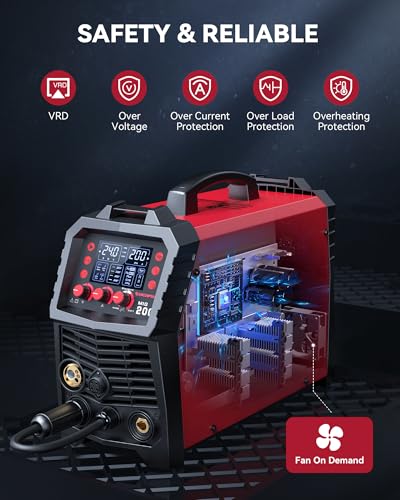
For starter MIG welders, the most important factors are versatility and ease of use. A welder capable of handling multiple processes (MIG, Stick, TIG) offers the most bang for your buck, especially for beginners still exploring different welding techniques. Equally critical is a user-friendly interface; features like synergic control, which automatically adjusts settings, dramatically reduce the learning curve. I also prioritized safety features, like over-current and overheat protection, as these are essential for anyone new to welding.
Specifications reliably tell you about a welder’s maximum output amperage and duty cycle, giving a sense of its capacity for thicker materials and sustained use. However, I leaned heavily on owner feedback to assess real-world performance, particularly regarding arc stability, ease of setup, and the quality of included accessories. Many users also comment on the robustness of the build quality and the clarity of the digital displays, things specs don’t often convey. If you’re looking for even more options, you might also be interested in our guide to light-duty MIG welders.
Choosing The Right starter mig welders
Choosing a MIG welder can feel overwhelming, but focusing on a few key features will help you find the right machine for your needs.
A good MIG welder balances affordability with the ability to handle the materials and thicknesses you’ll typically work with. Look for stable arc performance, reliable safety features, and a user interface that matches your skill level. Consider the duty cycle (the percentage of time it can weld continuously at a given amperage) and whether you’ll need features like pulse welding or spool gun compatibility.
Understanding Amperage and Material Thickness
The amperage output of a MIG welder directly dictates the thickness of metal it can effectively join. Don’t overspend on a high-amperage machine if you’re primarily working with sheet metal. For most DIY projects and auto body repair, a 130-140 amp welder will suffice. However, if you plan to tackle heavier fabrication, like thicker steel for trailers or farm equipment, you’ll want to step up to a 180-200 amp model. Remember that thicker materials will require more amperage and potentially multiple passes.
Considering Synergic vs. Manual Control
Synergic control is a huge benefit for beginners. These machines automatically adjust voltage based on wire speed and material thickness, taking much of the guesswork out of welding. If you’re new to MIG welding, I strongly recommend starting with a synergic model. However, experienced welders may prefer the full control offered by manual settings, allowing them to fine-tune parameters for specific applications and achieve more precise results.
- A synergic control means less time spent adjusting settings and more time actually welding.
- Manual control provides the flexibility to dial in exactly the settings you need for specialized projects, but requires significantly more skill.
- Many welders offer both synergic and manual modes, providing the best of both worlds and allowing you to grow with the machine.
Portability and Accessory Packages
Weight and size matter, especially if you anticipate moving your welder around a shop or taking it to job sites. If you need a machine that’s easy to carry, look at the portable MIG welding units available. Beyond the welder itself, pay close attention to what’s included. A complete package with a welding gun, ground clamp, electrode holder, and sample welding wire will save you money and get you up and running faster. Don’t assume a “ready to weld” kit includes everything; always double-check the contents. For those just starting out, consider a beginner-friendly MIG machines to ease the learning curve.
A welder’s duty cycle is as important as its amperage. A higher duty cycle means you can weld for longer periods without overheating the machine.
Starter MIG Welders Compared
Here’s a comparison of key specifications for various starter MIG welders to help you make an informed purchase.
| Product | Amperage | Voltage (Input) | Processes | Material Thickness (Steel) | Weight (lbs) | Synergic Control |
|---|---|---|---|---|---|---|
| YESWELDER 140A | 140A | 110V/220V | MIG, Flux, TIG, Stick | Up to N/A | N/A | Yes |
| ARCCAPTAIN 165A | 165A | 110V/220V | MIG, Flux, TIG, MMA | Up to 3/16″ | 12.8 | Yes |
| BESTMIG 135A | 135A | 110V | MIG, TIG, Stick | Up to 1/8″ | N/A | Yes |
| Ehomful 145A | 145A | 110V/220V | MIG, Flux, TIG, Stick | Up to 3mm (2/5″) | N/A | Yes |
| YESWELDER 135A | 135A | 110V | MIG, Stick, TIG | Up to 3/32″ | 11.4 | Yes |
| SEESII 135A | 135A | 110V | MIG, MMA, TIG | Up to 5/16″ | 7.7 | N/A |
| Lincoln Electric 90i | N/A | 120V | MIG, Flux | Up to 3/16″ | 15 | N/A |
| ARCCAPTAIN 200A | 200A | 110V/220V | MIG, Flux, TIG, MMA, Spot | Up to N/A | N/A | Yes |
Frequently Asked Questions
What input power is typically required for a starter MIG welder?
Most starter MIG welders run on standard 120V household current, but many offer the flexibility of 240V input for increased power and performance. Choosing a 220V/240V compatible machine gives you more options if you upgrade later or need to weld thicker materials.
What’s the difference between flux-core and MIG welding?
MIG welding uses shielding gas to protect the weld pool, while flux-core welding relies on a flux-cored wire that generates its own shielding. For those interested in flux-core MIG machines, this makes them more suitable for outdoor use or situations where shielding gas isn’t readily available.
How much shielding gas will I use with a MIG welder?
Gas consumption varies depending on welding parameters and technique, but a typical 80 cubic foot cylinder will last for several projects. Expect to use around 15-20 cubic feet per hour of welding time, so larger projects will require refills or a larger cylinder.
Are starter MIG welders capable of TIG welding?
Some starter MIG welders are marketed as multi-process machines, adding TIG (Tungsten Inert Gas) and Stick welding capabilities. However, the TIG functionality on these entry-level machines is often basic and may not offer the same level of control as a dedicated TIG welder.
What maintenance is involved with a MIG welder?
Regular maintenance includes cleaning the welding gun nozzle, checking the wire feed rollers for wear, and inspecting the ground clamp and work cable for damage. Keeping the machine free from dust and debris is also essential for optimal performance and longevity; consider portable flux-core welders if your shop is dusty.
The Bottom Line
Choosing a welder always involves balancing what you want to do with what you’re willing to spend and learn. If you’re just starting out and want the most straightforward experience, the YESWELDER 140A stands out as a solid all-around performer. It offers a good mix of features, processes, and positive owner feedback, making it an excellent entry point without breaking the bank.
For readers on a tighter budget, the BESTMIG 135A is a great choice. It still provides the essential MIG, TIG, and Stick capabilities, and its synergic control simplifies the welding process. Those who anticipate a wider range of projects, or who need more power for thicker materials, will find the ARCCAPTAIN 200A a worthwhile investment – it’s a versatile machine ready for almost anything. If you’re looking for reliable 120-volt MIG welders for smaller projects, it’s also a good option.
Ultimately, specs and features are less crucial than developing good technique and understanding welding fundamentals. Focus on mastering proper safety procedures, practicing consistent arc control, and learning to read the metal. A solid foundation in these areas will serve you far better than any single machine, regardless of price or capability.
