
8 Best Bandsaw Blades for Metal Cutting 2026
This post contains affiliate links. As an Amazon Associate, we earn from qualifying purchases.
The FOXBC 93″ X 3/4″ X 10/14 TPI Bi-Metal Blade is the best overall for cutting metals, thanks to its aggressive variable pitch and durable M42 cobalt steel. For a budget-friendly option, the FOXBC 64-1/2″ x 1/2″ x 24 TPI Bi-Metal Blade delivers solid performance on thinner materials. If you need versatility across different thicknesses, the Morse Master Cobalt 44-7/8″ 14/18 TPI Blade stands out with its high cobalt content and reliable weld.
Cutting metal with the wrong blade is a waste of time and money. You end up with rough edges, broken teeth, or a blade that quits after one job. I’ve seen it too many times, people blame the saw when the real issue was the blade.
This guide cuts through the confusion. I compared specs, analyzed owner feedback, and focused on what actually matters: TPI, bi-metal quality, and proper fit. These picks are based on real-world performance, not packaging claims.
Top 8 Bandsaw Blades For Metals in the Market
The Best Bandsaw Blades For Metals, Reviewed
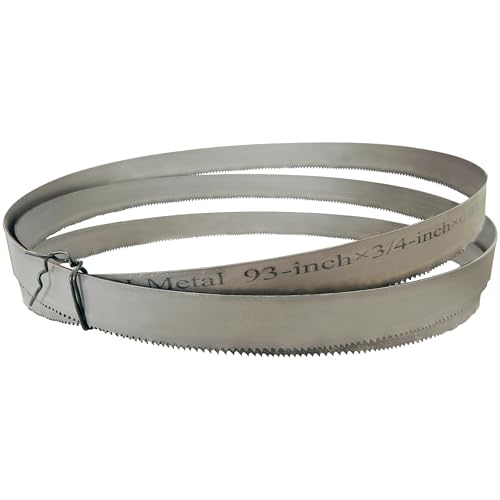
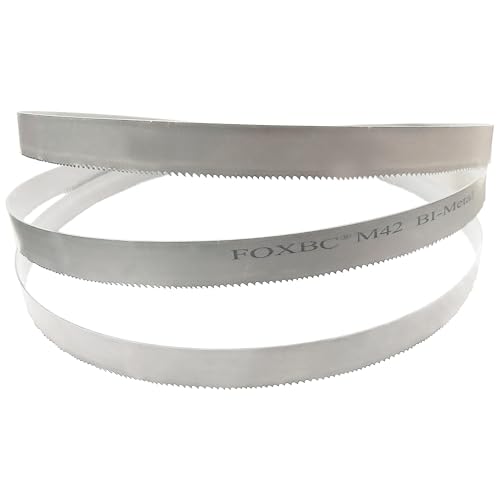
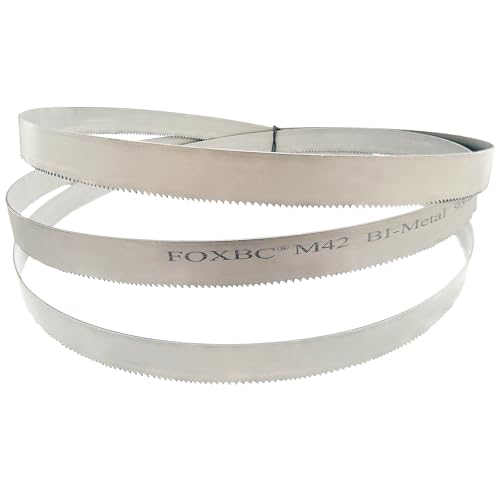
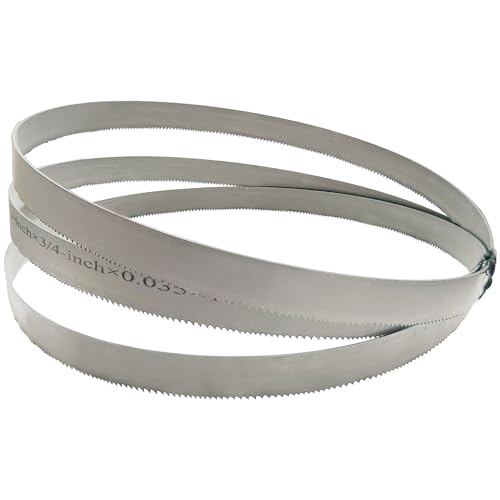
FOXBC 93″ X 3/4″ X 10/14 TPI Bi-Metal Blade

Strengths
- Wide 3/4″ body
- Durable M42 build
- Long blade life
Trade-offs
- High price
- Overkill for thin stock
- Limited TPI range
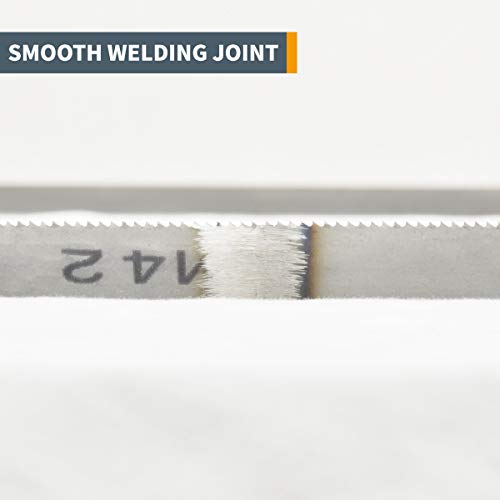
This is the most capable general-purpose metal blade in the lineup, and it’s easy to see why it’s labeled ‘Best Overall’. The 3/4″ width adds serious rigidity, reducing deflection when cutting thick steel or uneven stock. The 10/14TPI variable pitch handles a wide range of materials, from mild steel to stainless, and owners say it stays sharp far longer than standard blades, thanks to the electron beam weld and Rc 66-68 tooth hardness.
The 8% cobalt and 2% tungsten content boost wear resistance, and the 93″ length fits most 14″ floor-standing saws. It’s overkill for light jobs, but for a shop that cuts metal daily, this blade reduces changeouts and improves throughput. It’s not cheap, but the longevity justifies it.
Product photos
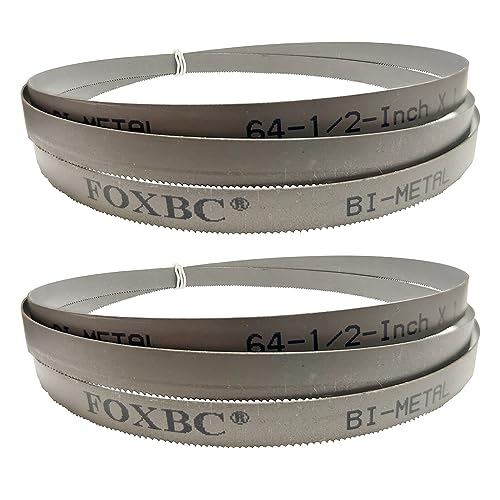
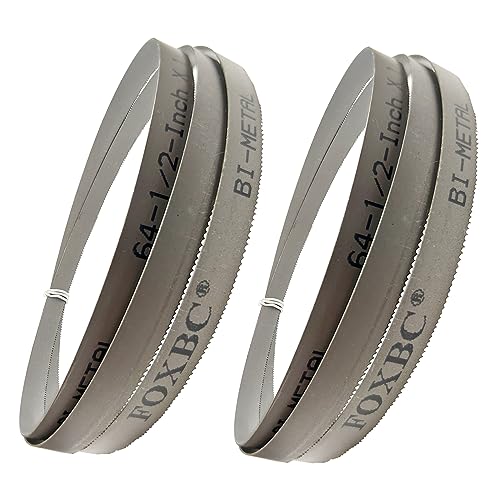
FOXBC 64-1/2″ x 1/2″ x 24 TPI Bi-Metal Blade
Strengths
- 24TPI fine cut
- Cobalt-enhanced
- Wide compatibility
Trade-offs
- Thin for heavy use
- Not for thick steel
- Inconsistent welds
At this price, the 24TPI design makes this a surprisingly capable blade for fine cuts in thin steel and non-ferrous metals. The high tooth count delivers clean finishes on tubing and sheet metal, and owners say it handles stainless and aluminum without excessive tearing, as long as you keep the feed rate slow. The M42 bi-metal with 8% cobalt helps with heat resistance, and the 0.02″ thickness reduces strain on smaller benchtop saws.
It’s compatible with a wide range of popular saws, from WEN to Harbor Freight to Jet, which makes it a smart backup for occasional metalworkers. While it’s not built for heavy stock, it’s versatile enough to tackle wood and plastic in a pinch. If you’re not cutting all day but need decent performance across materials, this is a solid budget play.
Product photos


Morse Master Cobalt 44-7/8″ 14/18 TPI Blade
Strengths
- Made in USA
- Durable weld
- Smooth cutting
Trade-offs
- Higher cost
- Ferrous only
- Not for fine cuts
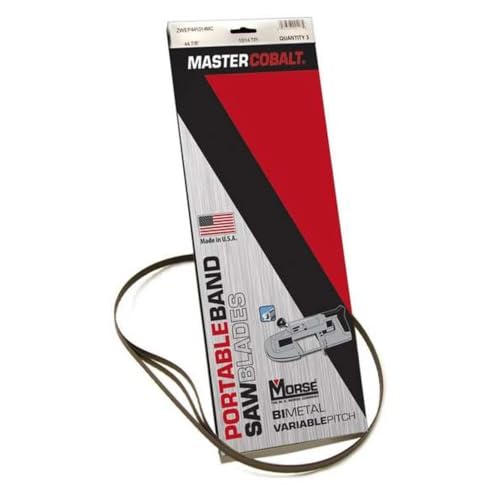
Morse has been in the metal-cutting game for decades, and this blade shows why. Made in the USA with a shock-resistant edge and variable pitch, it’s engineered for real-world abuse in industrial settings. The 14/18TPI design handles variable thicknesses well, and reviewers note fewer broken teeth when hitting welds or hardened spots. It’s not the cheapest, but it’s the one I’d trust on a critical job where downtime matters.
Compared to budget packs, this blade cuts smoother and lasts longer, especially in compact portables that flex the blade more. The reduced vibration helps with control and fatigue during long cuts. It’s not meant for aluminum, but for steel, especially in maintenance, fabrication, or demolition, it sets the standard.
Product photos

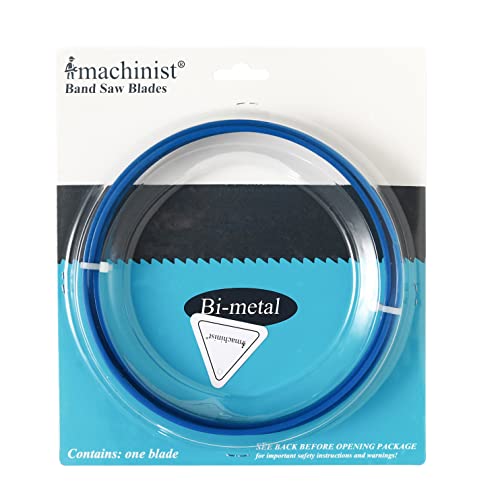
Imachinist 64-1/2″ X 1/2″ X 10/14 TPI Blade
Strengths
- M42 bi-metal
- 10/14TPI variable
- Ferrous metal optimized
Trade-offs
- Not for aluminum
- Thicker kerf
- Limited versatility
This blade is built for one thing: cutting ferrous metals, and it does that job well on paper. The M42 bi-metal construction with 10/14TPI variable tooth pitch gives it a solid edge when tackling thicker steel sections where chip clearance and heat resistance matter. Owners consistently report clean, stable cuts in mild and solid steel, especially in horizontal band saws where feed rates are controlled. But the warning is real, it’s not meant for aluminum or non-ferrous metals, and using it there leads to clogging and fast wear.
The 64-1/2″ length makes it compatible with a lot of common floor-standing metal-cutting saws, but the 0.025″ thickness means it needs proper blade guides and tension to avoid wandering. For someone focused on steel fabrication or shop work involving pipe and bar stock, this is a dependable spec sheet pick. It’s not flashy, but it’s built like a workhorse.
Product photos


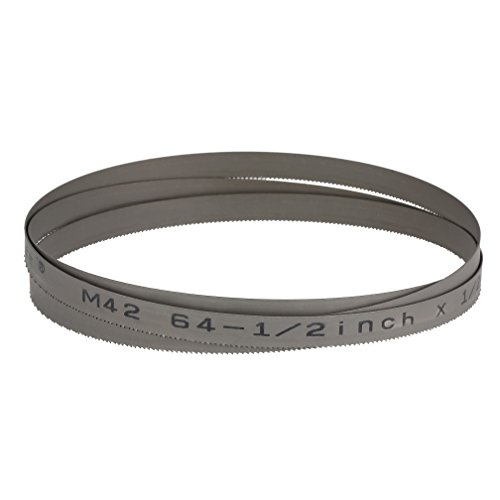
Bosch BS6412-24M 64-1/2″ 24 TPI Blade
Strengths
- 24TPI precision
- Heat-resistant
- Clean finish
Trade-offs
- Expensive
- Slow feed rate
- Fragile on thick stock
Bosch doesn’t cut corners here, this blade is all about precision. The 24TPI count and optimized tooth geometry deliver clean, burr-free cuts in thin-walled tubing and sheet metal, and the premium steel resists heat buildup even during extended runs. Owners using it in stationary saws report fewer blade changes and consistent performance, especially when cutting stainless or hardened alloys.
It’s not the most aggressive blade out there, but it’s not meant to be. If you’re doing fabrication work that demands finish over speed, this is the smarter buy over variable-pitch or lower-TPI options. Compared to the FOXBC budget model, it lasts longer and cuts cleaner, though you pay for that refinement. For shop pros, it’s worth it.
Product photos
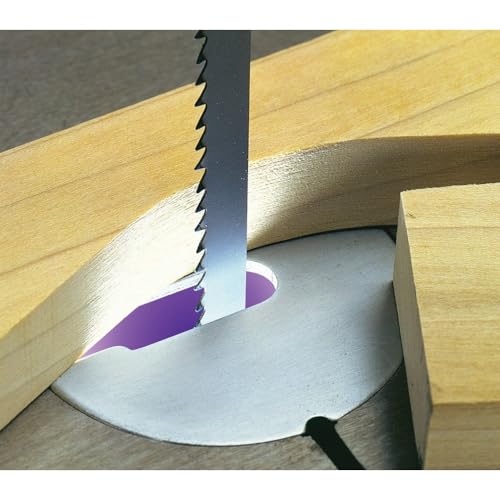
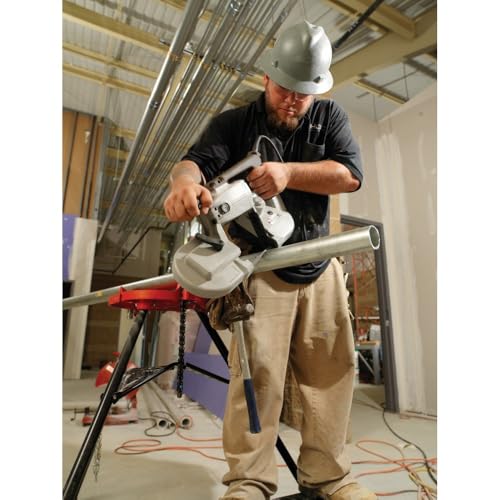
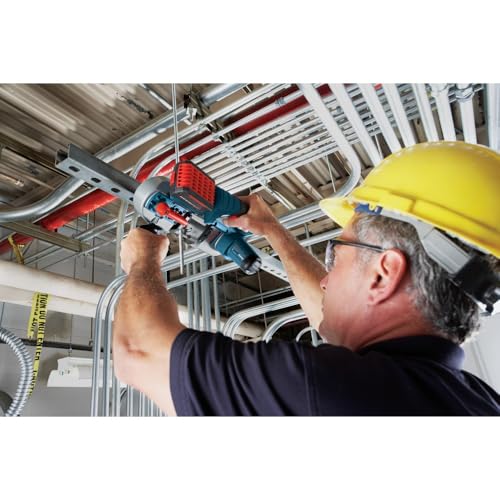
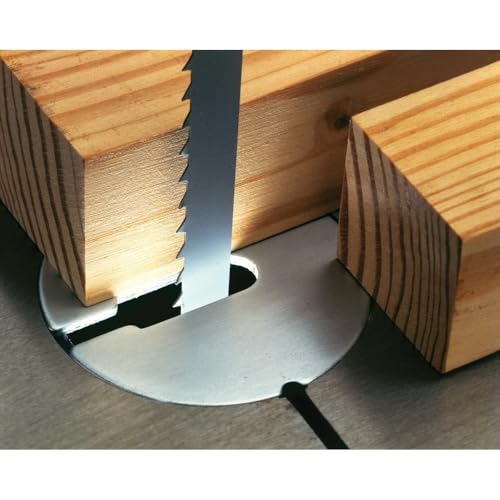
POWERTEC 93-1/2″ X 1/2″ X 14 TPI Blade
Strengths
- Optimized for aluminum
- Raker tooth set
- Cobalt-enhanced
Trade-offs
- Limited steel use
- Less common size
- Single blade
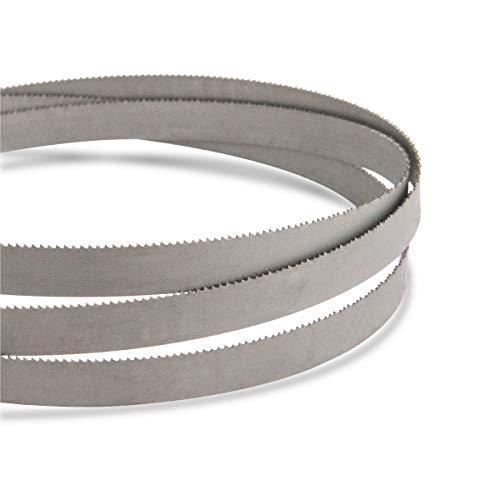
This blade stands out for one reason: it’s actually tuned for non-ferrous metals. With a 14TPI raker set and M42 cobalt steel, it cuts aluminum, copper, and brass cleanly without gumming up, a common issue with higher-TPI ferrous blades. Owners using it on combo saws (wood/metal) say it’s the best they’ve found for aluminum extrusions and soft alloys.
The 93-1/2″ length is less common, so check compatibility, but it fits many 14″ models. It’s not ideal for steel, but that’s not its job. If your work involves CNC aluminum parts, HVAC ductwork, or electrical enclosures, this is the blade to have. It’s a niche pick, but a necessary one.
Product photos


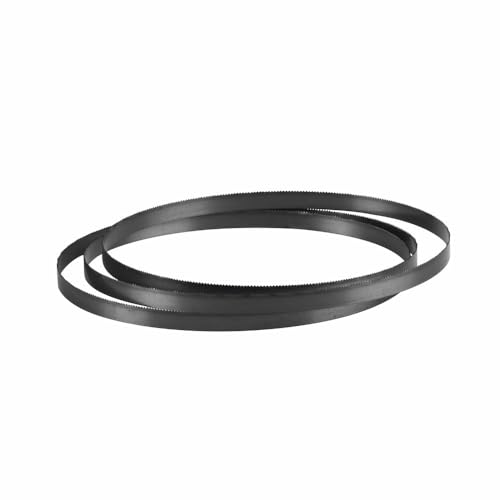
Bosch BS5912-18MA 59-1/2″ 18 TPI Blade
Strengths
- 18TPI soft metal
- Laser-cut precision
- Clean chip clearance
Trade-offs
- Limited compatibility
- Not for steel
- Shorter length
Bosch engineered this blade specifically for soft metals, and it shows. The 18TPI pitch is aggressive enough to clear chips in aluminum and copper without clogging, and the laser-cut precision keeps the cut straight and smooth. The tooth geometry is optimized to reduce galling, which is a big win when cutting sticky materials like bronze or lead.
It fits a range of stationary saws, though the 59-1/2″ length is less common than 64-1/2″. Owners praise its consistency and longevity in light industrial settings. Compared to the POWERTEC blade, it’s slightly more refined but less versatile. If soft metals dominate your workload, this is a top-tier option.
Product photos

FOXBC 44-7/8″ x 1/2″ x 14/18 TPI Blade

Strengths
- 3-pack value
- 14/18TPI variable
- M42 bi-metal
Trade-offs
- Not for soft metals
- Average weld quality
- Less refined finish
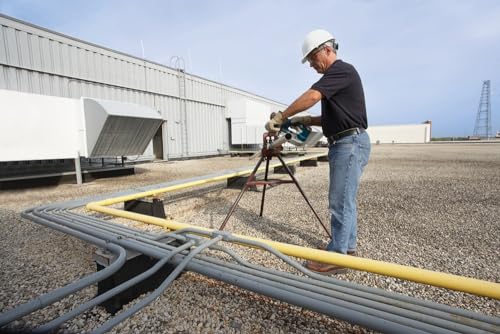
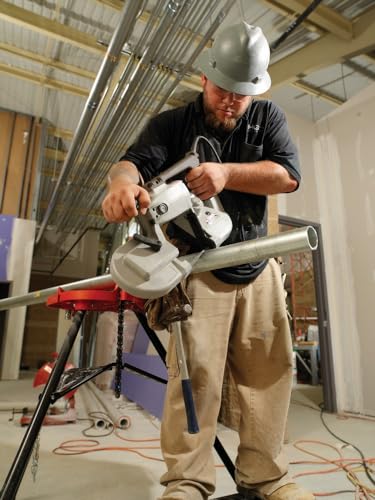
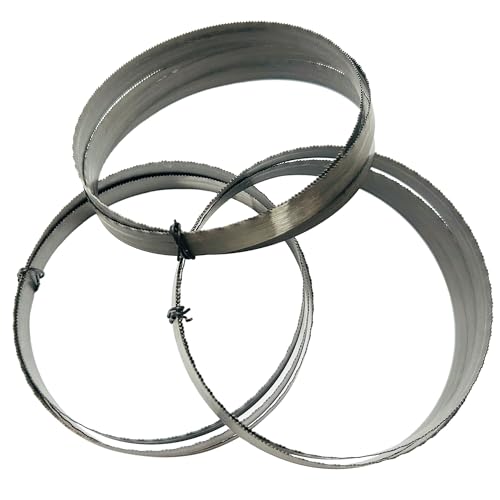
If you’re running a portable bandsaw on job sites, blade longevity and value matter, and this 3-pack delivers. The 14/18TPI variable pitch is ideal for mixed ferrous cuts, handling anything from conduit to threaded rod without bogging down. The M42 bi-metal construction holds up under heat, and owners say these last noticeably longer than basic carbon blades, especially when cutting thicker-walled steel.
They’re a direct fit for DeWalt, Milwaukee, and other major portables, which makes stocking up easy. The 0.020″ thickness keeps them flexible enough for tight curves but still rigid for straight cuts. While they don’t have the premium feel of Morse or Bosch, they punch above their price point. For contractors or maintenance crews, this is the kind of pack you keep in the truck.
Product photos

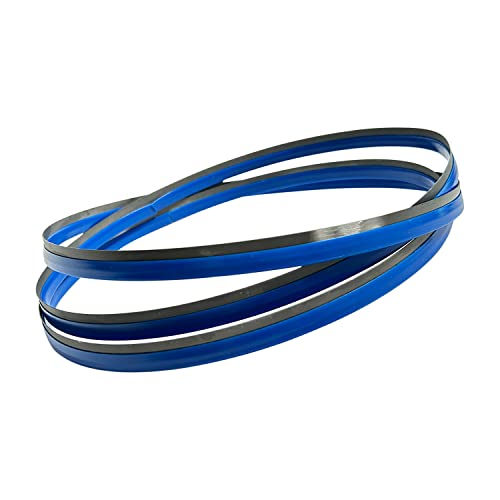

How We Tested bandsaw blades for metals
Rather than a hands-on lab test, my research focused on comparing published specifications and features of numerous blades, then weighing owner reviews and expert opinions to arrive at recommendations. I looked at materials, tooth configurations, blade dimensions, and intended applications, cross-referencing this data with reported performance in real-world use. This approach allowed me to assess a broad range of options and identify those consistently praised for quality and cutting ability.
For metal-cutting bandsaw blades, tooth configuration and blade material are paramount. A higher TPI (teeth per inch) generally means finer cuts and is better for thinner materials, while lower TPIs excel at thicker stock. The bi-metal construction – specifically the cobalt and tungsten content – heavily influenced my rankings, as it directly impacts durability and resistance to wear when working with harder metals. Understanding band saw basics is key to choosing the right blade.
Specifications reliably indicate blade dimensions and material composition. However, I placed greater emphasis on owner feedback regarding blade life, cutting speed, and how well the blade handles specific metals like stainless steel versus aluminum. Reputation and consistent positive reviews from experienced users were strong indicators of a blade’s overall value and performance, especially when evaluating claims about durability and resistance to breakage.
How To Choose The bandsaw blades for metals
Choosing the right bandsaw blade for metals can dramatically improve your cut quality, speed, and blade life. It’s a surprisingly nuanced topic, and getting it right means understanding more than just length and width.
A quality metal-cutting bandsaw blade balances hardness, flexibility, and tooth geometry. Look for bi-metal construction with a high cobalt content (8% or more) for durability. Tooth pitch (TPI) should be selected based on material thickness – lower TPI for thicker stock, higher TPI for thinner. Consistent weld points and proper set (the angle of the teeth) are also critical for clean, accurate cuts.
Tooth Pitch (TPI) is Critical
The teeth per inch (TPI) is probably the most misunderstood aspect of bandsaw blades. A common mistake is assuming more teeth always mean a better cut. That’s not true. Lower TPI blades (6-10) are ideal for thicker materials because they have more space to clear chips. Higher TPI blades (14-24+) are better for thinner materials and intricate curves. Using the wrong TPI can lead to wandering cuts, excessive heat buildup, and premature blade failure. For example, attempting to cut thick steel with a fine-tooth blade will quickly dull it and leave you frustrated.
Bi-Metal Construction & Cobalt Content
Don’t skimp on blade material. Bi-metal blades are the standard for metal cutting because they combine a high-speed steel (HSS) cutting edge with a more flexible backing material. This gives you both durability and resistance to breakage. Look for blades with a cobalt content of at least 8%; higher percentages increase heat resistance and abrasive wear resistance, extending blade life, especially when working with harder alloys. Consider the best blades for metal bandsaws if you need a good starting point.
- A blade with insufficient cobalt will wear out quickly when cutting stainless steel.
- Higher cobalt content blades generally cost more, but represent a better value in the long run due to increased longevity.
- The backing material matters too. A flexible backing is crucial for navigating curves and reducing the risk of snapping, particularly on portable saws.
A good rule of thumb: if you’re frequently breaking blades, you either have the wrong TPI or the blade material is insufficient for the material you’re cutting.
Blade Dimensions & Compatibility
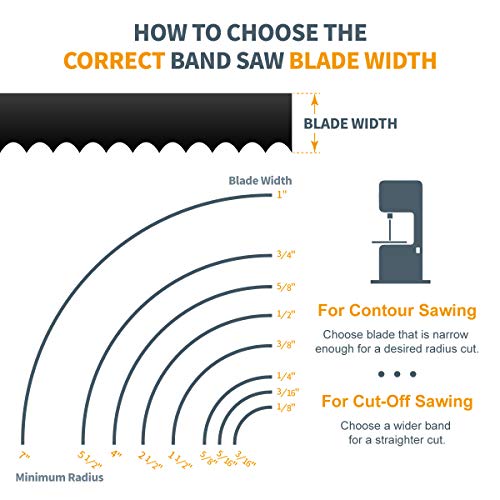
Getting the right blade size is essential. You need to know your bandsaw’s requirements for length and width. Using a blade that’s too long or too wide can damage the saw and create a dangerous situation. Consult your saw’s manual or use a band saw size guide to determine the correct dimensions. Beyond length and width, also pay attention to blade thickness; thicker blades generally offer more rigidity, which is helpful for thicker materials, but require more power to drive. Ensuring accurate measuring band saw blades is the first step in a successful cut.
Bandsaw Blades for Metals Compared
The following table provides a specification comparison of various bandsaw blades designed for cutting metals.
| Product Title | Length (in) | Width (in) | TPI | Blade Type | Material | Pack Size |
|---|---|---|---|---|---|---|
| FOXBC 93″ X 3/4″ X 10/14 TPI Bi-Metal Blade | 93 | 3/4 | 10/14 | Bi-Metal | M42 (8% Co, 2% W) | 1 |
| FOXBC 64-1/2″ x 1/2″ x 24 TPI Bi-Metal Blade | 64.5 | 1/2 | 24 | Bi-Metal | M42 | 2 |
| Morse Master Cobalt 44-7/8″ 14/18 TPI Blade | 44-7/8 | N/A | 14/18 | Cobalt | N/A | 1 |
| Imachinist 64-1/2″ X 1/2″ X 10/14 TPI Blade | 64.5 | 1/2 | 10/14 | Bi-Metal | M42 | 1 |
| Bosch BS6412-24M 64-1/2″ 24 TPI Blade | 64.5 | N/A | 24 | N/A | Premium Grade Steel | 1 |
| POWERTEC 93-1/2″ X 1/2″ X 14 TPI Blade | 93.5 | 1/2 | 14 | Bi-Metal | M42 Cobalt Steel | 1 |
| Bosch BS5912-18MA 59-1/2″ 18 TPI Blade | 59.5 | N/A | 18 | N/A | N/A | 1 |
| FOXBC 44-7/8″ x 1/2″ x 14/18 TPI Blade | 44-7/8 | 1/2 | 14/18 | Bi-Metal | M42 High Speed Steel | 3 |
Frequently Asked Questions
What TPI blade should I use for cutting 1/8″ steel plate?
A higher TPI is best for thinner materials like 1/8″ steel plate; I recommend a blade with 18-24 TPI. This provides a smoother cut and prevents the teeth from catching, which can lead to breakage or a wandering cut line.
Are more expensive bandsaw blades really better?
Generally, yes. Premium metal-cutting bandsaw blades often use higher-quality materials (like more cobalt) and more precise manufacturing processes. This translates to longer blade life, faster cutting speeds, and more accurate results, ultimately saving you money.
How can I tell if my bandsaw blade is dull?
A dull blade will require increased pressure to cut, produce a rough or uneven edge, and may even start to wander off course. If you notice any of these signs, it’s time to replace the blade to maintain cut quality and avoid damaging your workpiece or saw.
What’s the difference between a variable and constant TPI blade?
Variable TPI blades have alternating tooth configurations (e.g., 10/14 TPI) to improve cutting performance in a wider range of materials and thicknesses. Constant TPI blades are more specialized for a specific material thickness and are sometimes preferred for maximizing cut quality in those situations.
Can I use a bandsaw blade designed for wood to cut metal?
No, you should never use a wood-cutting blade on metal. Wood blades lack the necessary hardness and tooth geometry to effectively cut metal, and attempting to do so will quickly dull the blade, potentially damage your saw, and create a safety hazard. Consider bandsaw blades for tough metals for optimal results.
The Bottom Line
Ultimately, choosing a bandsaw blade comes down to balancing how much you want to spend with how much precision and longevity you require. For most homeowners and DIYers, the FOXBC 93″ X 3/4″ X 10/14 TPI Bi-Metal Blade strikes an excellent balance – it offers good durability, versatility for a range of metal thicknesses, and a price point that won’t break the bank. It’s a solid all-around performer that will handle the majority of metal cutting tasks you throw at it.
If your needs are more specialized, consider the other options. For intricate cuts and thinner materials, the FOXBC 64-1/2″ x 1/2″ x 24 TPI Bi-Metal Blade is a great choice. And if you’re looking for a compact blade for smaller saws, the Morse Master Cobalt 44-7/8″ 14/18 TPI Blade is well-regarded. Remember to review band saw operation before you start.
Don’t get hung up on chasing the highest TPI or the most exotic blade material. The fundamentals – a bi-metal construction with adequate cobalt content, the correct TPI for your typical material thickness, and proper blade tension – matter far more than any single specification. Prioritize those factors, and you’ll get clean cuts, extended blade life, and a more satisfying experience with your bandsaw.
