
7 Best 30 Gallon Air Compressors 2026
This post contains affiliate links. As an Amazon Associate, we earn from qualifying purchases.
The DEWALT 30 Gallon Electric stands out as the best overall choice for most users, delivering reliable performance with solid CFM output and brand trust. For those needing serious power on remote job sites, the Albott 13HP Gas is a strong pick, while the Dewalt 2 HP Vertical offers a space-saving design without sacrificing core functionality.
If you’re shopping for a 30-gallon air compressor, you’re likely tired of small tanks cutting your workflow short or struggling to run multiple tools. These larger units promise more air and less waiting, but not all deliver the same reliability or value.
After comparing the field and weighing specs against owner feedback, I focused on models that consistently meet real-world demands, whether that’s matching tool requirements, offering durable pumps, or fitting into a home garage or job site. This guide breaks down what actually matters so you can pick one that works as hard as you do.
Top 7 30 Gallon Air Compressors in the Market
The Best 30 Gallon Air Compressors, Reviewed
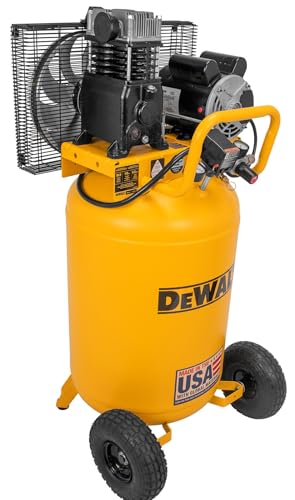
DEWALT 30 Gallon Electric Air Compressor
Strengths
- High-flow regulator
- 23% quieter
- Pneumatic wheels
Trade-offs
- Same pump as budget Dewalt
- Slightly heavier
- No dual-volt option
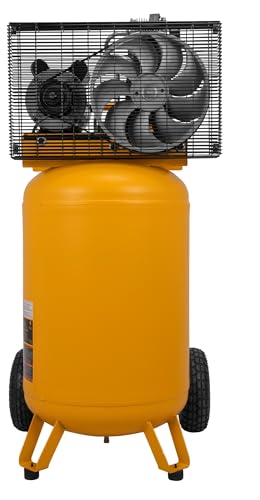
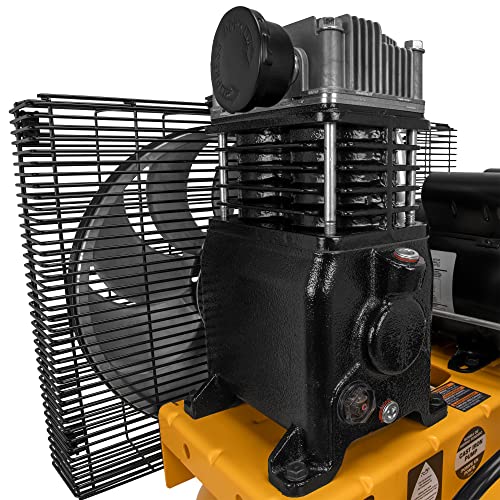
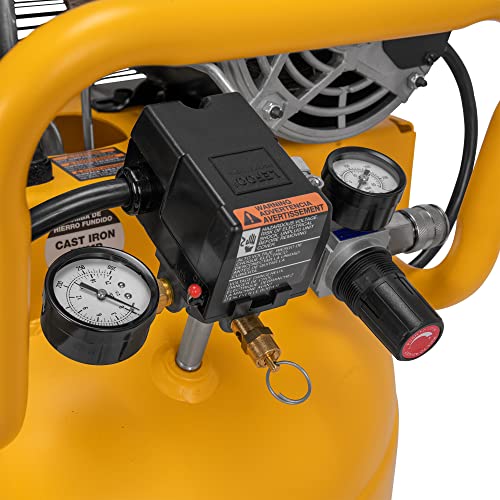
DEWALT nailed the balance here, strong specs, solid build, and real attention to user comfort. The 6.2 SCFM at 90 PSI matches top performers, and owners say it keeps up with framing guns and finish nailers without strain. What really sets it apart is the high-flow regulator, which DEWALT claims delivers 65% more usable pressure to the tool. That’s not just marketing fluff, users report fewer pressure drops during rapid firing.
It’s also noticeably quieter than older models and competitors like the Campbell Hausfeld B071911K35. Pair that with the heavy-duty pneumatic wheels, and you’ve got a compressor that’s genuinely easy to move around a job site. For most buyers, this is the easy pick over the nearly identical Dewalt B0B8DWRTR4, it’s the same core performance but with better noise and airflow tuning.
Product photos
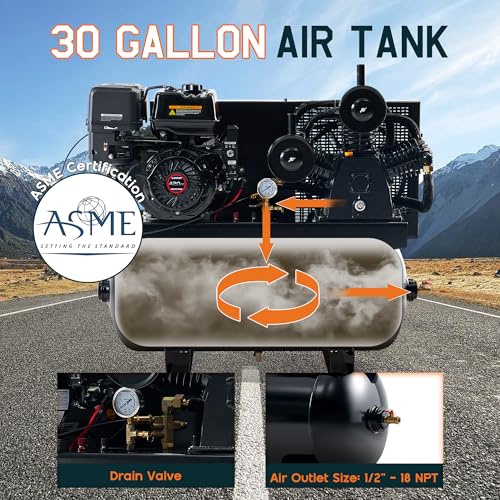
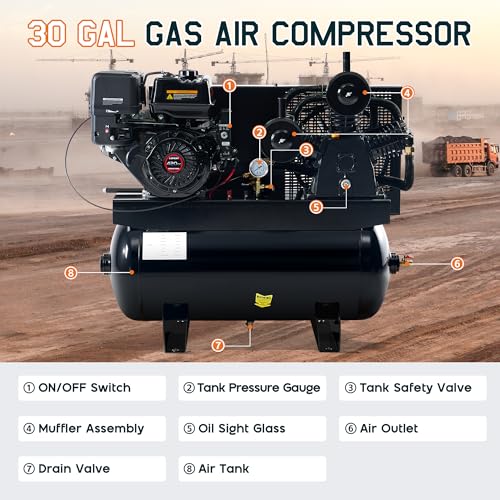
Albott 13HP Gas Air Compressor

Strengths
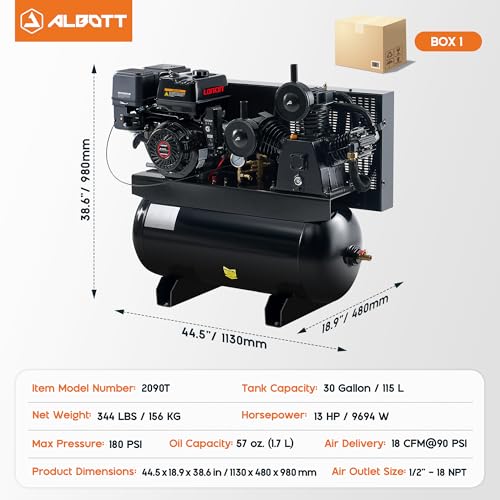
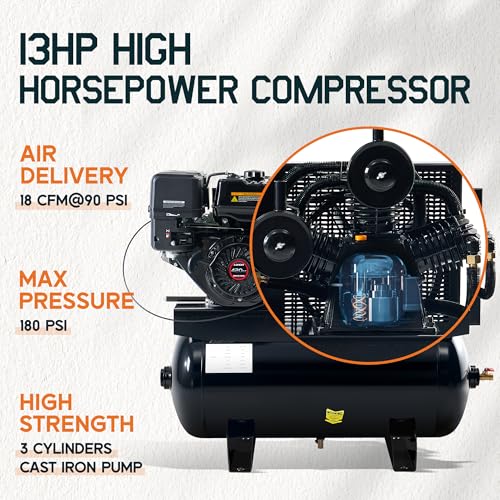
- 180 PSI max pressure
- ASME-certified tank
- Cast iron 3-cylinder pump
Trade-offs
- 18 CFM less than VEVOR
- Gas models are always noisy
- Higher maintenance than electric
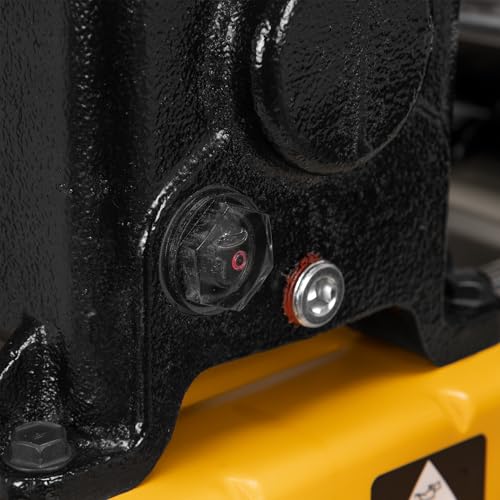
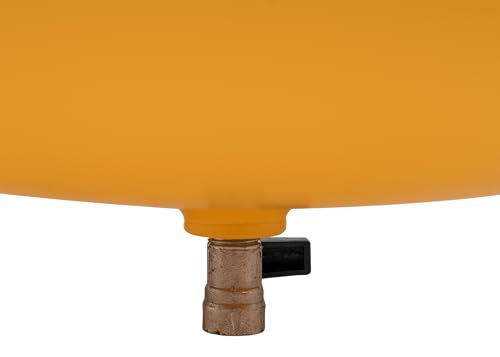
The Albott hits a sweet spot in the gas-powered class, 180 PSI max pressure is rare for gas models, and it gives this unit an edge over the VEVOR when running high-pressure tools like impact wrenches or sand blasters. The 18 CFM at 90 PSI isn’t class-leading in volume, but it’s more than enough for most job site tasks. Owners appreciate the ASME-certified tank and large sight glass, which add real peace of mind for safety and maintenance.
The 3-cylinder cast iron pump is built to last, and the automatic safety valve adds reliability. It’s not as loud as the VEVOR, and it’s easier to transport thanks to its horizontal layout. When compared to the VEVOR, this one trades some CFM for higher pressure and better build refinement.
Product photos

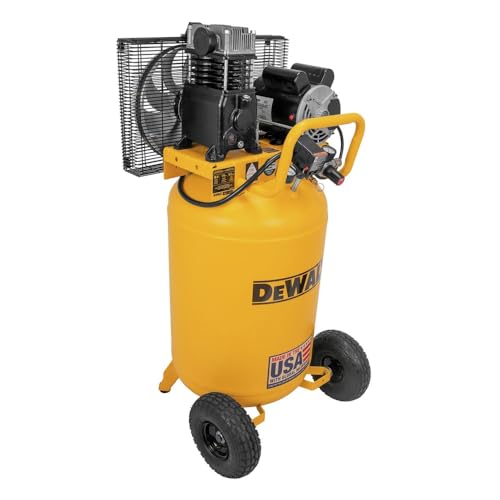
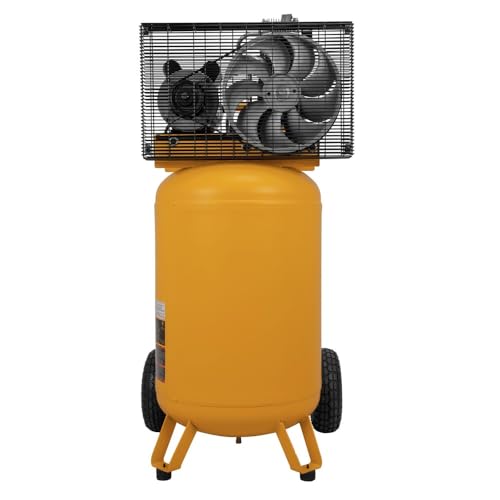
Dewalt 2 HP Vertical Air Compressor

Strengths
- Affordable price
- Oil-lubed durability
- Compact vertical design
Trade-offs
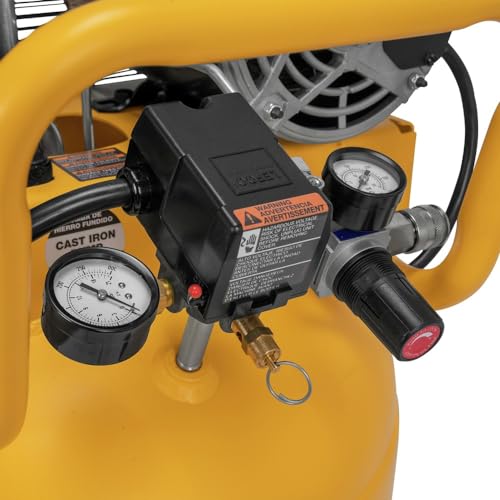
- No high-flow regulator
- Louder than premium Dewalt
- Same pump, fewer features
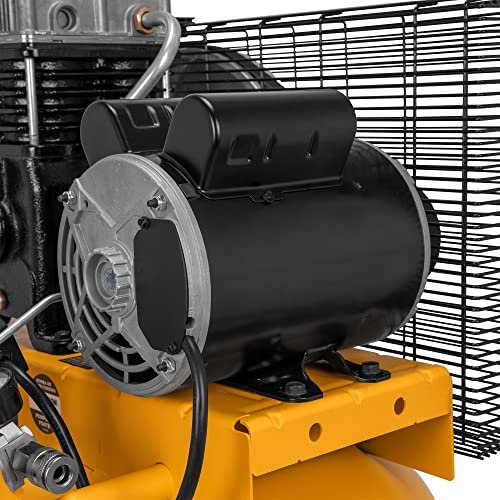
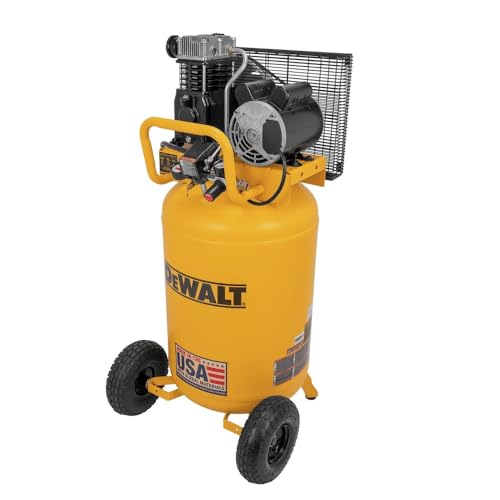
This Dewalt is essentially the budget twin of the B0G873T38J, same 2 HP motor, same 6.2 SCFM at 90 PSI, same oil-lubed belt drive. On paper, they’re nearly identical, and owner feedback confirms similar performance. The main difference? This one lacks the high-flow regulator and is slightly noisier. It still delivers strong, consistent air for framing, nailing, and inflating, and the vertical design saves floor space in a home garage.
For DIYers on a tighter budget, this is a solid compromise. But if you can stretch for the B0G873T38J, the upgrade in regulator performance and noise reduction is worth it. Still, this model beats the Campbell Hausfeld on airflow and beats the CRAFTSMAN oil-free on durability.
Product photos
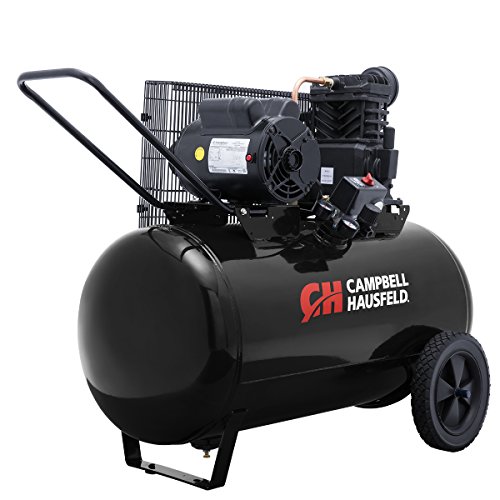
Campbell Hausfeld 3.7 HP Air Compressor
Strengths
- 3.7 HP motor
- Oil-lubed pump
- Semi-pneumatic wheels
Trade-offs
- 135 PSI max pressure
- 230V only
- Lower SCFM than competitors
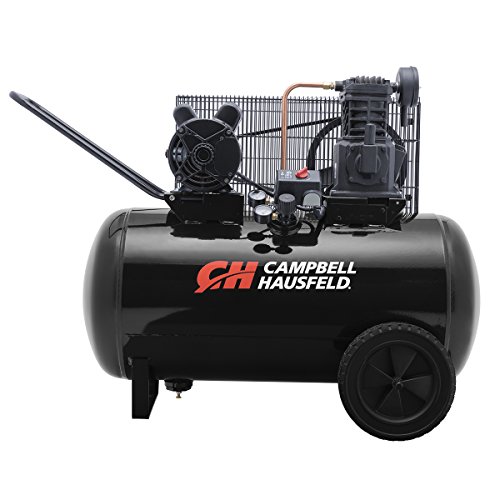
Campbell Hausfeld went all-in on motor power with a 3.7 HP single-stage pump, but the 135 PSI max pressure holds it back compared to 175 PSI rivals. That lower pressure means it might struggle with high-demand tools like sanders or impacts that need full psi to operate efficiently. Still, the horizontal layout makes it stable and easy to wheel around the shop, and the oil-lubed pump promises long life with proper care.
Owners say it’s durable and consistent for light to medium tasks, great for painting, nailing, or inflating. But when stacked against the DEWALT B0G873T38J or Craftsman B0BZDTP2SJ, it falls short on both pressure and SCFM. The 230V-only requirement also limits flexibility for users without matching shop power.
Product photos

VEVOR 15HP Gas Powered Air Compressor

Strengths
- 33 CFM output
- Gas-powered portability
- Dual outlets
Trade-offs
- Max 115 PSI
- Noisy operation
- Heavy and bulky
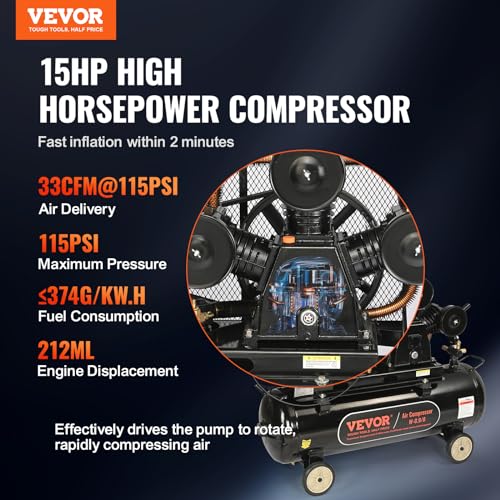
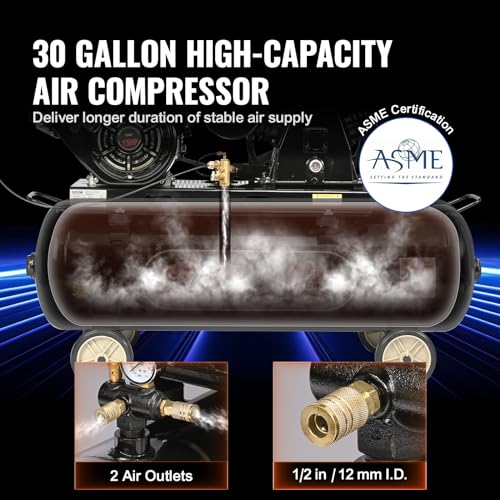
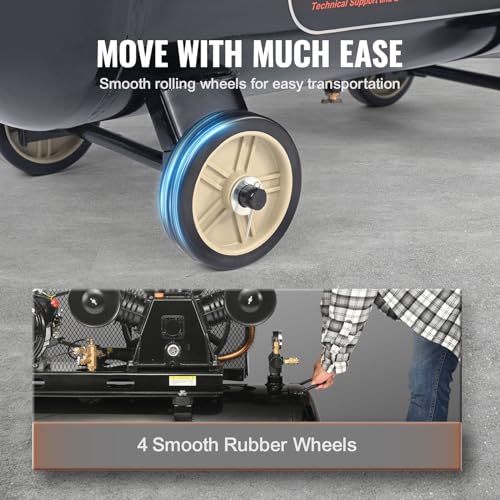
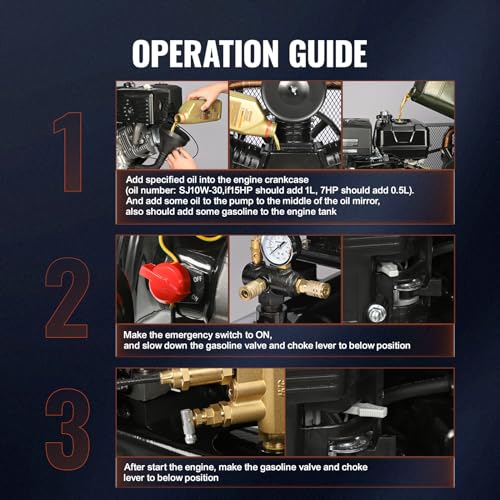
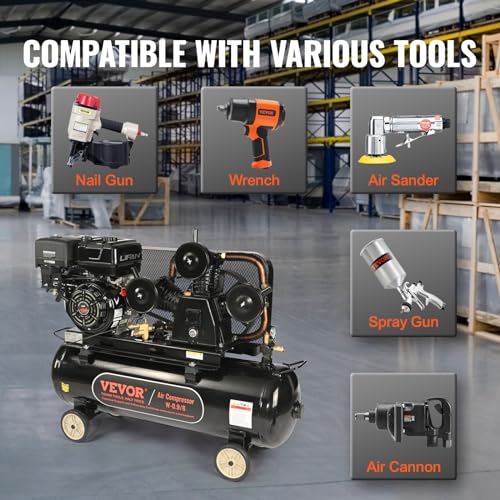
If raw output is your priority, the VEVOR stands alone. 33 CFM at 115 PSI is massive, this thing can run multiple heavy tools all day with no lag. The 15HP gas engine makes it perfect for remote job sites without reliable power. Contractors working on framing, roofing, or concrete formwork will appreciate the dual outlets and rapid recovery. Owners say it fires up easily and holds steady under load, though some note it’s loud and bulky.
But that max pressure of 115 PSI is a limitation. Compared to the 175–180 PSI units like the Dewalt or Albott, it can’t drive high-pressure tools as effectively. So while it delivers huge volume, it’s not ideal for tools that need high PSI. Still, for off-grid work where CFM rules, this is a workhorse.
Product photos
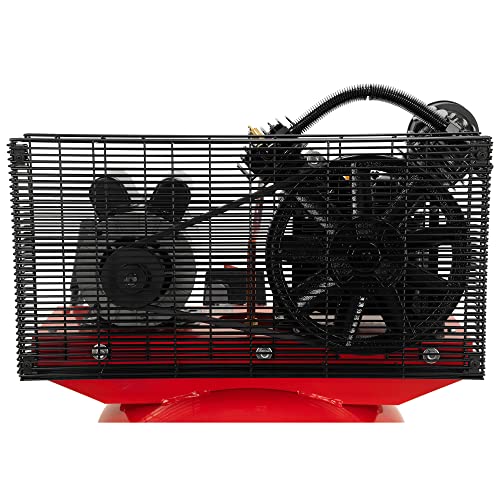
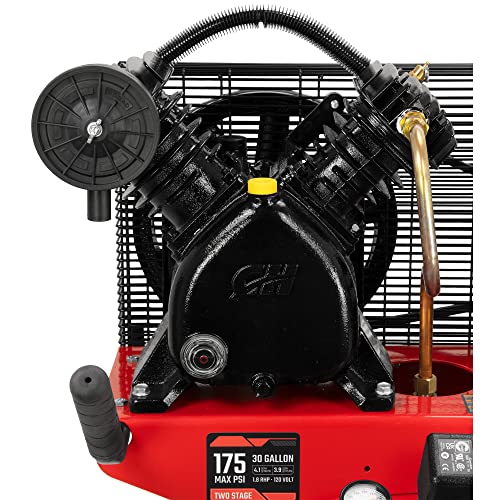
Craftsman Two Stage Oil Lube Compressor

Strengths
- Two-stage pump
- Dual-volt motor
- Cast iron durability
Trade-offs
- Heavy
- Not as portable
- Rewiring needed for 240V
This Craftsman is built like a tank and spec’d like a pro machine. The two-stage cast iron pump stands out immediately, it’s a serious upgrade in efficiency and durability over single-stage units, especially when you’re running air-hungry tools all day. Owners consistently report fewer cycles and cooler operation, which tells me this one’s engineered for endurance. The dual-volt motor is a smart touch, letting serious users rewire to 240V for better performance under load.
The 175 PSI max pressure and included high-flow regulator mean you’ll get strong, steady airflow to demanding tools like impact wrenches or sanders. On paper, it outpaces many in this class, and reviewers back that up with real-world praise for reliability. Compared to the DEWALT B0G873T38J, this Craftsman trades some portability for raw workshop capability.
Product photos
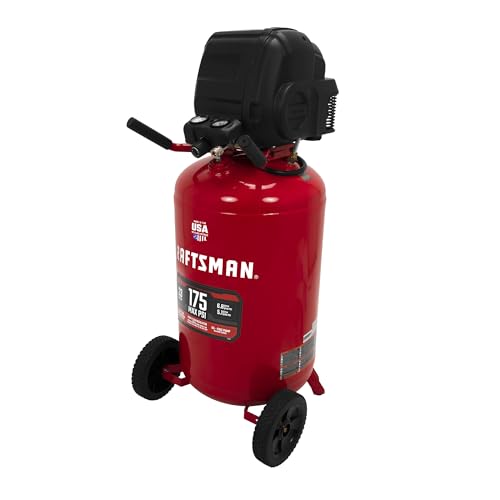
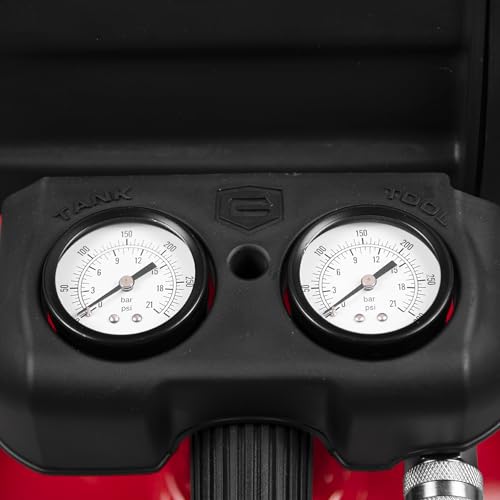
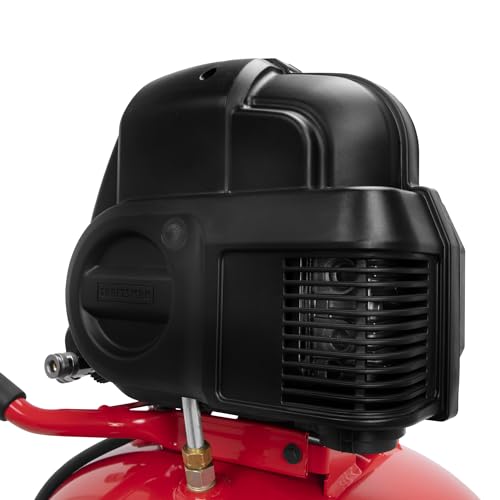
CRAFTSMAN 33 Gallon Air Compressor

Strengths
- 33 gallon tank
- Oil-free pump
- Dual quick couplers
Trade-offs
- Lower SCFM than rivals
- Oil-free = shorter lifespan
- Noisier under load
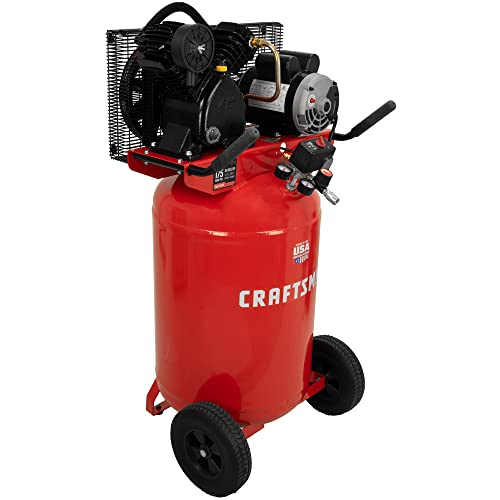
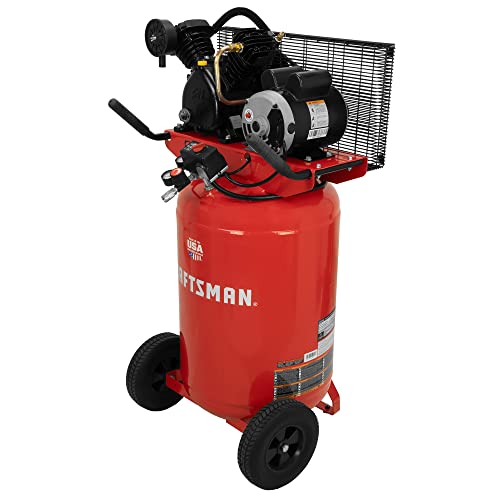
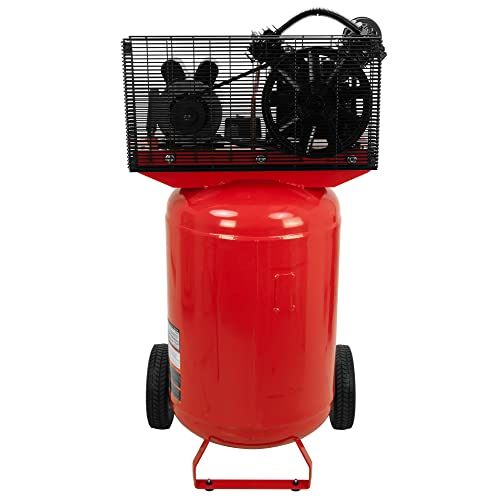
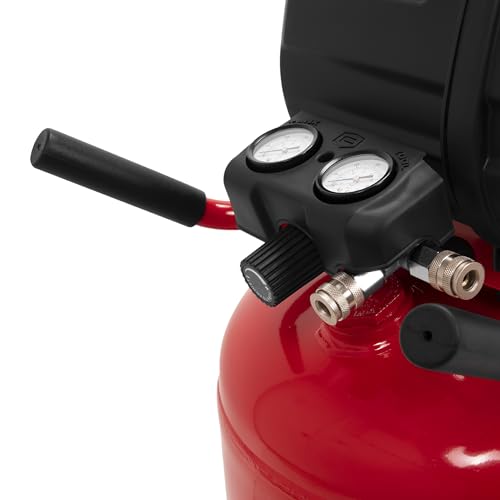
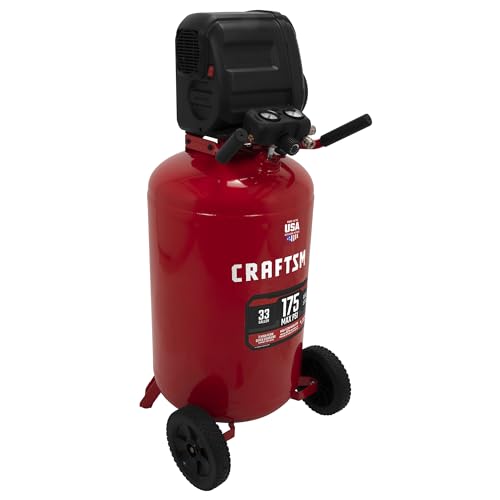
The extra 3 gallons over standard 30s might not sound like much, but in practice, owners say it translates to fewer motor starts and longer tool run times, especially useful if you’re running multiple tools or doing long spray jobs. The oil-free pump is a big selling point for low maintenance, though I’d temper expectations on longevity compared to oil-lubed units like the Craftsman B0BZDTP2SJ. Oil-free is convenient, but it runs hotter and doesn’t last as long under heavy use.
It delivers 5.1 CFM at 90 PSI, which is solid but not class-leading. Still, the dual quick couplers are a thoughtful addition, letting two users work at once, something most 30-gallon units don’t offer. When compared to the DEWALT B0G873T38J, this one trades a bit of airflow for tank size and convenience.
Product photos
How We Picked These 30 gallon air compressors
Rather than a hands-on lab test, my research for these recommendations centered on a detailed comparison of published specifications and features across numerous models. I weighed owner reviews from multiple sources – including major retailers and dedicated tool forums – alongside assessments from reputable reviewers. This process allowed me to build a picture of real-world performance and reliability beyond manufacturer claims. My background maintaining workshops and working with tools informed the final ranking.
For 30-gallon air compressors, sustained air delivery (CFM) and maximum PSI are paramount. These figures directly impact what tools you can run, and for how long. Beyond that, the durability of the pump – whether oil-lubricated or oil-free – heavily influenced my choices. Oil-lubricated models generally offer longer lifespans and quieter operation, while oil-free options require less maintenance. Considering the potential need for more robust performance, I also looked closely at options like heavy-duty air compressors.
Specifications reliably indicate a compressor’s potential output and tank capacity. However, owner feedback proved crucial for assessing real-world noise levels, build quality, and long-term reliability. I paid close attention to reports of overheating or premature pump failure. Reputation and brand history also played a role; established brands with strong service networks often signal a better ownership experience, particularly when considering more complex options like dual-stage air compressors.
What To Look For In 30 gallon air compressors
Finding the right air compressor for your needs can feel overwhelming. There are a lot of specs to consider, and the price range is wide.
A good 30-gallon air compressor balances portability with sufficient air storage for most DIY and workshop tasks. Key factors include the CFM (cubic feet per minute) delivered at 90 PSI, the motor’s horsepower (HP), tank material (steel is standard), and whether it’s oil-lubricated or oil-free. Prioritize CFM to match your tool’s requirements; a higher CFM rating means the compressor can power air tools for longer stretches.
Understanding CFM and PSI Requirements
The two most important numbers you’ll encounter are CFM and PSI. It’s easy to get hung up on horsepower, but CFM – the volume of air delivered – is what truly determines if a compressor can run your tools effectively. PSI (pounds per square inch) indicates the maximum pressure the compressor can build, but your tools will dictate the required PSI. Don’t overspend on a compressor with a much higher PSI than you’ll ever use. Before you even start looking, make a list of the air tools you plan to operate (nailers, impact wrenches, spray guns) and note their CFM and PSI requirements. Then, add those numbers together and choose a compressor that comfortably exceeds them.
Oil-Lubricated vs. Oil-Free Operation
Oil-lubricated compressors generally offer longer lifespans and quieter operation than oil-free models. The oil reduces friction within the pump, leading to less wear and tear. However, they require regular oil checks and changes, adding to maintenance. Oil-free compressors are lower maintenance, but they tend to be louder and may not last as long under heavy use.
Here’s a breakdown to help you decide:
- Light Duty: Occasional use for inflating tires or running a brad nailer.
- Moderate Duty: Regular use for DIY projects, including nail guns, staplers, and some spray painting. An oil-free model may suffice.
- Heavy Duty: Frequent use in a workshop setting with multiple tools running simultaneously. An oil-lubricated compressor is the better choice.
A rule of thumb: if you’re running air tools for more than 30 minutes at a time, an oil-lubricated compressor is almost always the better investment.
Portability and Power Source
Consider where you’ll be using the compressor and what power source is available. Electric compressors are convenient for indoor use and typically quieter than gas-powered models. However, they require access to a suitable electrical outlet. Gas-powered compressors offer portability and are ideal for job sites without electricity, but they produce exhaust fumes and require fuel. If you’re prioritizing portability, look for a compressor with heavy-duty wheels and a handle. If you need a versatile option, consider one of the best-value air compressors that balances price and performance. For a wide variety of options, you can explore our guide to the top-rated air compressors.
30 Gallon Air Compressors Compared
Here’s a comparison of specifications for various 30-gallon air compressors to help you make an informed decision.
| Product Name | HP | Max PSI | CFM @ 90 PSI | Voltage | Gas Powered | Tank Type |
|---|---|---|---|---|---|---|
| DEWALT 30 Gallon Electric | 2 | 175 | 6.2 | 120V | No | Standard |
| Albott 13HP Gas | 13 | 180 | 18 | N/A | Yes | ASME |
| Dewalt 2 HP Vertical | 2 | 175 | 6.2 | 120V | No | Standard |
| Campbell Hausfeld 3.7 HP | 3.7 | N/A | N/A | 230V | No | Standard |
| VEVOR 15HP Gas | 15 | 115 | 33 | N/A | Yes | Standard |
| Craftsman Two Stage Oil Lube | N/A | 175 | N/A | 120/240V | No | Standard |
| CRAFTSMAN 33 Gallon | N/A | 175 | 5.1 | 120V | No | Standard |
Frequently Asked Questions
What size air compressor do I really need for most DIY projects?
A 30-gallon compressor strikes a good balance for DIYers; it’s large enough to power most tools for reasonable periods, yet still portable enough to move around the garage or job site. However, if you anticipate running multiple tools simultaneously, or tools with high CFM demands, you may want to consider a larger tank.
Are oil-free compressors loud?
Yes, oil-free compressors generally produce more noise than oil-lubricated models. The lack of oil to dampen vibrations contributes to this increased noise level, which can be a concern if you plan to use the compressor in a confined space or near neighbors.
How often do oil-lubricated compressors require maintenance?
Oil-lubricated compressors require oil changes typically every 300 to 500 hours of operation, or at least annually. Checking the oil level before each use is also recommended. Proper maintenance extends the life of the pump and ensures consistent performance.
Can I use a 30-gallon air compressor for automotive work?
Yes, a 30-gallon compressor can handle many automotive tasks like inflating tires, running impact wrenches, and operating spray guns. However, for extensive bodywork or paint jobs, a larger tank or a two-stage compressor may be more appropriate to maintain consistent air pressure and prevent the motor from cycling on and off frequently. For a wider variety of options, explore our guide to the best garage air compressors.
What is the difference between single-stage and two-stage compressors?
Single-stage compressors compress air in one stroke, while two-stage compressors compress it in two stages, resulting in higher pressure and efficiency. Two-stage compressors are generally more durable and suited for heavy-duty, continuous use, but they also come at a higher price point.
The Bottom Line
Choosing an air compressor often comes down to balancing upfront cost with long-term durability and performance. While many options exist, the DEWALT 30 Gallon Electric compressor strikes a sweet spot for most homeowners and DIYers, providing a reliable blend of power and portability for a wide range of tasks. It delivers enough CFM for common air tools without the ongoing maintenance of an oil-lubricated model.
For those with more demanding needs, or those who frequently run tools for extended periods, the Craftsman Two Stage Oil Lube model is an excellent choice. If you need to run multiple tools or tackle heavy-duty applications, investing in one of the top 2-stage compressors will pay off in the long run. Similarly, if you require portability and aren’t near a power source, the Albott 13HP Gas compressor offers substantial power for job sites.
Ultimately, remember that CFM and matching the compressor to your tools’ requirements are more critical than any single headline specification. Don’t get caught up in horsepower numbers; focus on sustained airflow and build quality. A well-chosen compressor, and understanding your air tool needs, will save you frustration and provide years of reliable service.
