
7 Best Reciprocating Saw Blades for Metal (2026 Guide)
This post contains affiliate links. As an Amazon Associate, we earn from qualifying purchases.
After comparing specs and owner feedback, the EZARC Carbide R678HM stands out as the best overall reciprocating saw blade for metals, delivering reliable performance on tough materials. For budget-conscious buyers, the AMARTISAN 6″ Heavy Metal offers solid value, while the HORUSDY 9″ Bi-Metal is a strong pick for longer cuts in thicker stock.
Cutting metal with the wrong blade leads to frustration, excessive heat, broken teeth, and wasted time. As someone who’s seen too many DIYers burn through cheap blades on stainless steel or struggle with binding in thick pipe, I know how much the right choice matters.
This guide breaks down the top options based on tooth count, material, and real-world durability. I looked at specs, user reports, and brand reputation to find blades that actually hold up when cutting steel, iron, and other common metals.
Top 7 Reciprocating Saw Blades For Metals in the Market
The Best Reciprocating Saw Blades For Metals, Reviewed
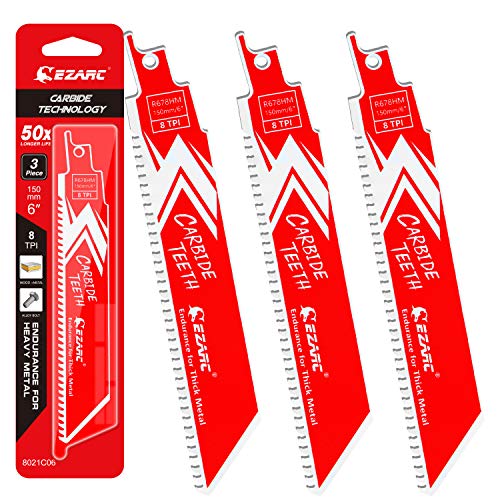
EZARC Carbide Reciprocating Saw Blade R678HM
Strengths
- 50x longer life than bi-metal
- Precision carbide teeth
- Universal 1/2” shank
Trade-offs
- Fewer blades per pack
- Not ideal for thin sheet metal
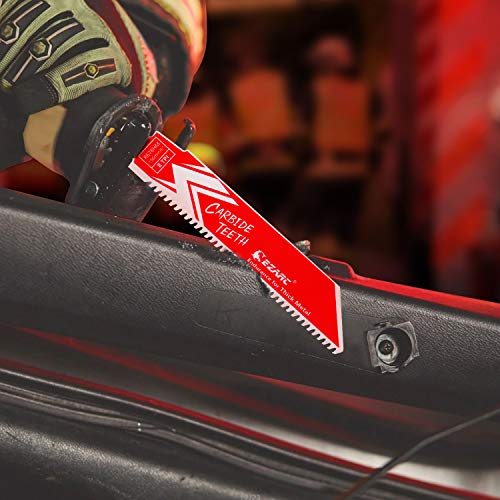
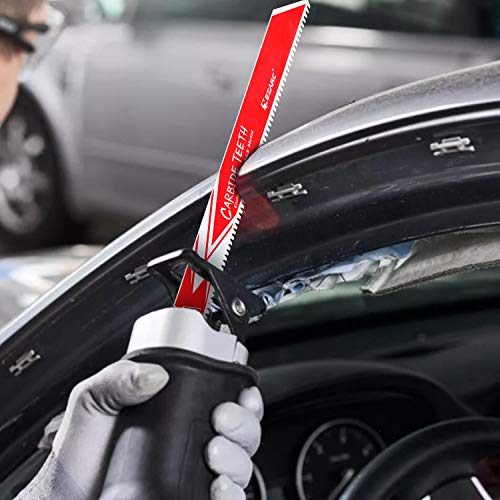
This 3-pack from EZARC is, in my view, the smartest overall choice for serious metal cutting. Like the Diablo, it uses full carbide teeth with precision grinding and individual welding, key for impact resistance during demolition. The 8 TPI design handles everything from rebar to car beams, and owners report it slicing through stainless and high-alloy steels where bi-metal blades stall or dull fast.
What pushes it ahead of others in this category is the balance: strong durability, solid performance, and a price that doesn’t demand a pro budget. It’s nearly as tough as the Diablo but often more accessible. The 6-inch length and universal shank ensure compatibility with every major saw brand. For most users tackling thick or hardened metal regularly, this is the go-to.
Product photos


Diablo Steel Demon Carbide Teeth Blade

Strengths
- Carbide tips for extreme metals
- Perma-SHIELD coating
- Stable 1” blade body
Trade-offs
- Higher upfront cost
- Overkill for thin metal
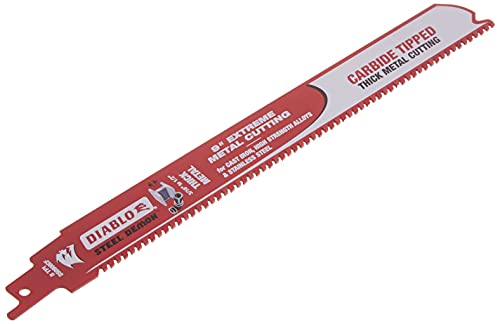
When you’re up against cast iron, high-strength alloys, or thick stainless steel, the Diablo Steel Demon isn’t just better, it’s in a different class. These carbide-tipped blades are engineered for extreme metal cutting, and the specs back it up: TiCo Hi-Density carbide, Perma-SHIELD coating, and an oversized 1” body for stability. Owners consistently report cuts that are cleaner and vibration-free, even in tough conditions.
The 8 TPI design is optimized for 3/16” to 9/16” materials, and the 50X longer life claim (vs. bi-metal) holds weight in real-world feedback, especially on pipe and structural steel. While it’s pricier than standard blades, the durability makes it cost-effective over time. I’d pick this over bi-metal any day when working on demolition jobs involving hardened metals.
Product photos
BOSCH RESM6X2 6″ 8/10 TPI Edge Blade

Strengths
- Turbo-Teeth for longevity
- Swiss-made precision
- 8/10 TPI variable grind
Trade-offs
- Not for hardened alloys
- No carbide edge
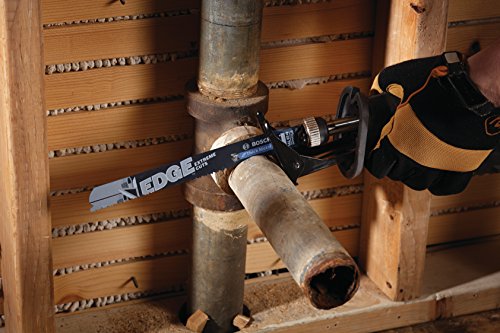
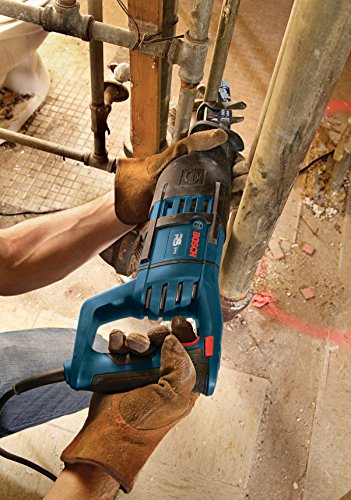
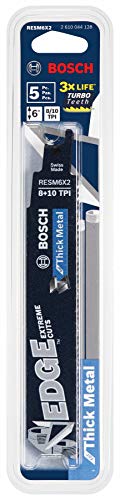
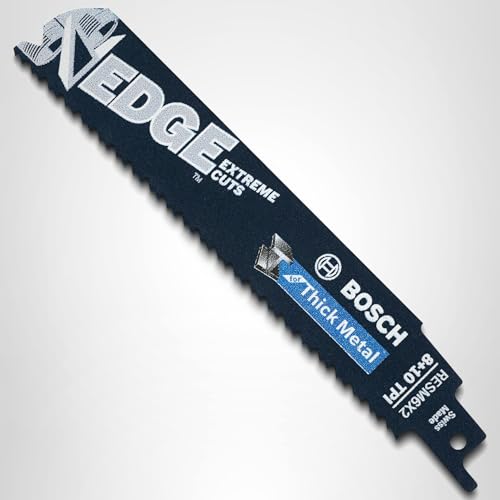
Bosch’s RESM6X2 blades are engineered for thick metal, and they show it. The 8/10 TPI variable tooth pattern helps reduce vibration while maintaining aggressive cutting speed, and the Turbo-Teeth technology, backed by Swiss-made precision, delivers up to 3X longer life than standard bi-metal blades. Owners note they stay sharper longer, especially when cutting through heavy steel or conduit.
The gold coating isn’t just cosmetic; it adds heat and wear resistance, which matters during extended cuts. While not as extreme as carbide, these outperform most bi-metal packs in durability. Compared to the Caliastro or AMARTISAN options, this is a step up in build quality and consistency, worth it if you’re doing frequent, demanding cuts.
Product photos
Bosch RM618 6″ 18T Metal Cutting Blade
Strengths
- 18 TPI for clean cuts
- Thin-kerf 0.035” body
- Pair-setting teeth
Trade-offs
- Too fragile for thick metal
- Not for rebar or pipe
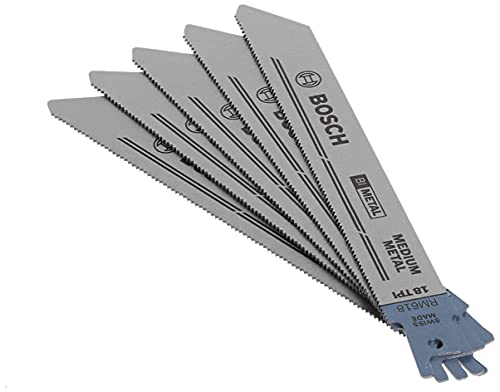
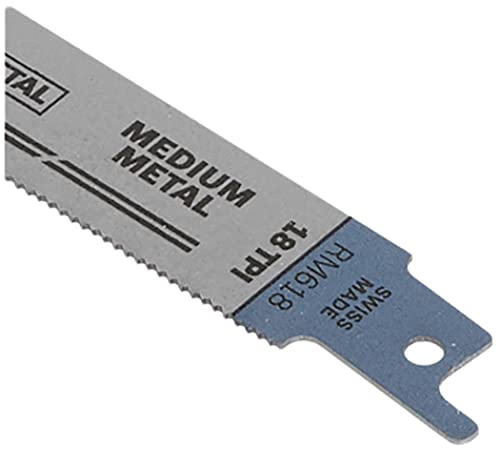
The Bosch RM618 is purpose-built for one thing: clean, fast cuts in sheet metal. With an 18 TPI count, 0° hook angle, and a thin 0.035” kerf, it’s optimized for ferrous and non-ferrous sheets from 10 to 16 gauge. The pair-setting tooth geometry, two left, two right, helps maintain blade life while speeding up cuts, and owners consistently praise the smooth start and reduced chatter.
Compared to thicker bi-metal blades, this one flexes more but delivers accuracy where it matters. The 3/4” blade height improves straightness, and the blue coating adds a touch of corrosion resistance. If you’re trimming ductwork, cutting HVAC panels, or working on auto body repairs, this is the blade I’d reach for over a heavy-duty option.
Product photos

AMARTISAN 6″ 14TPI Heavy Metal Blade
Strengths
- Affordable 5-pack
- 14TPI efficient design
- Universal shank fit
Trade-offs
- Shorter lifespan on hard metals
- No anti-corrosion coating
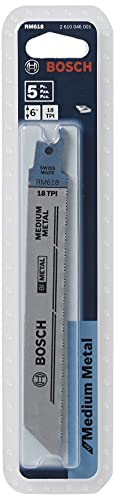
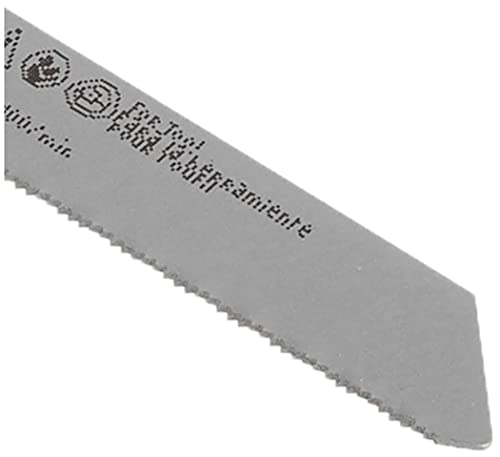
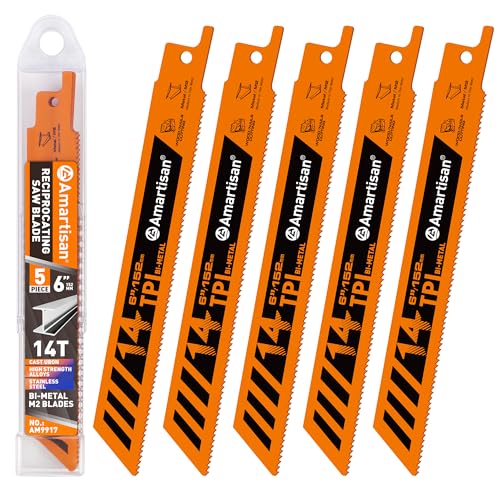
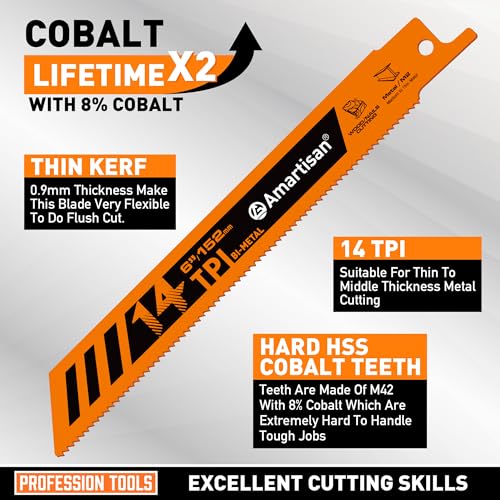
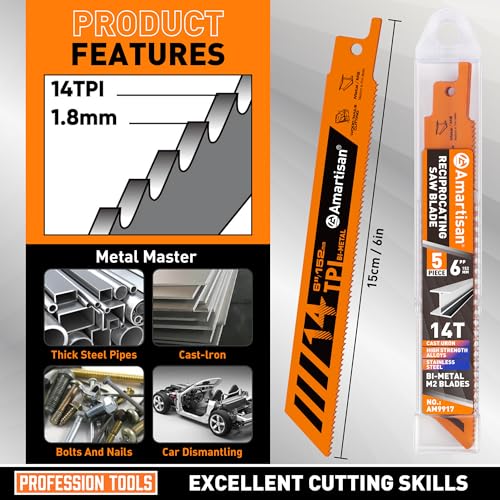
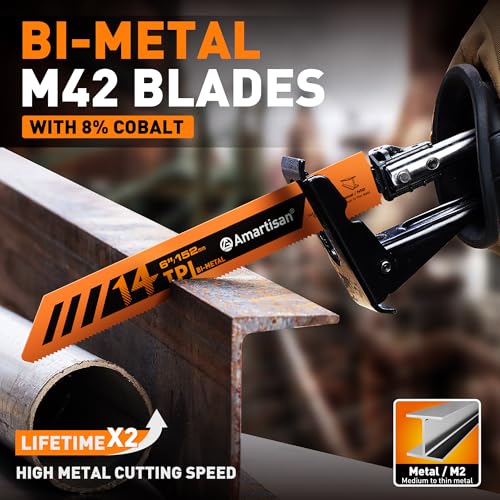
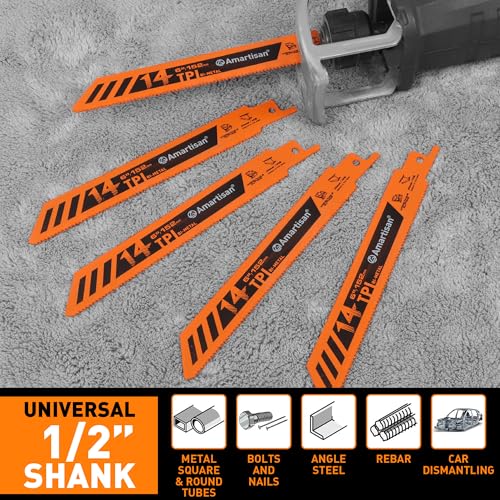
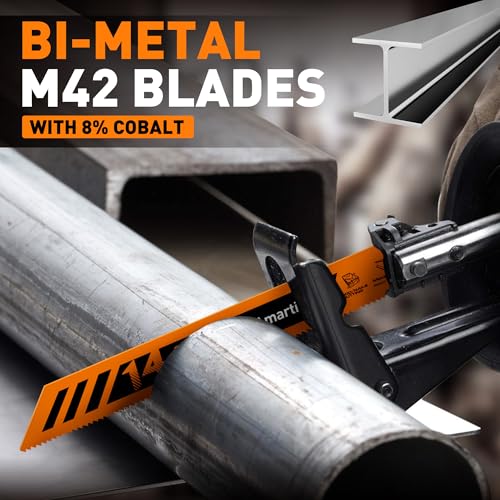
If you’re looking for a no-frills, budget-friendly set that still delivers decent performance on medium-thickness metal, this AMARTISAN pack fits the bill. The 14TPI bi-metal blades are designed for materials like metal sheet and pipe, and reviewers note they hold up reasonably well under moderate use. The tooth geometry helps reduce binding, and the universal shank ensures compatibility across most major saw brands.
It’s not a premium offering, there’s no advanced coating or proprietary tech, but for homeowners doing occasional repairs or light fabrication, it’s a practical set. Compared to single-blade buys, getting five for the price makes it a sensible choice. Just don’t expect marathon life on stainless or rebar; these are best reserved for softer or thinner metals.
Product photos
HORUSDY 9″ 14TPI Bi-Metal Reciprocating Blade
Strengths
- 9-inch reach for deep cuts
- 14TPI smooth cut
- Sturdy storage case
Trade-offs
- More flex than 6-inch blades
- Not for hardened steel
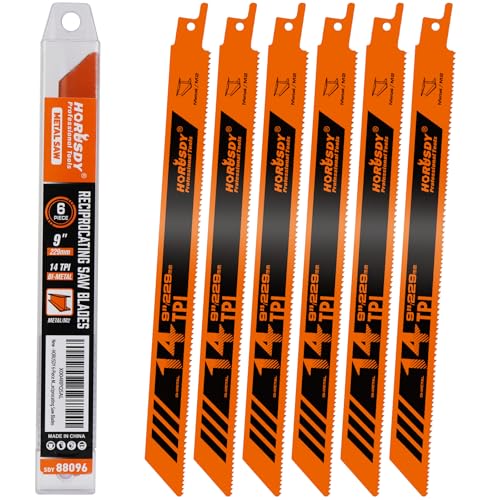
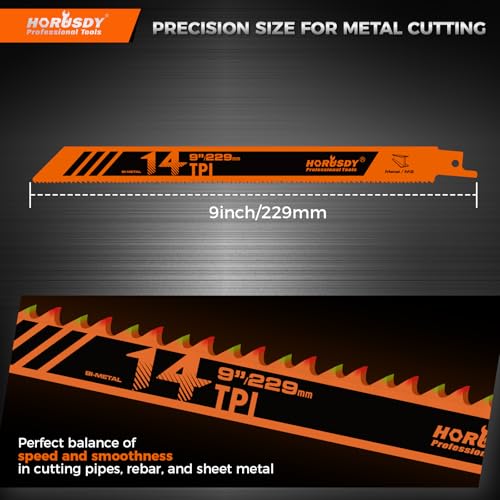
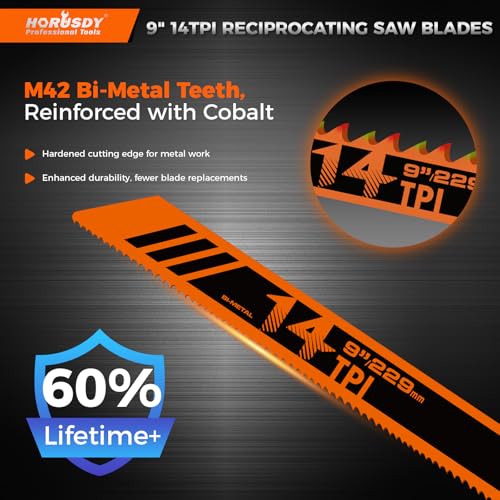
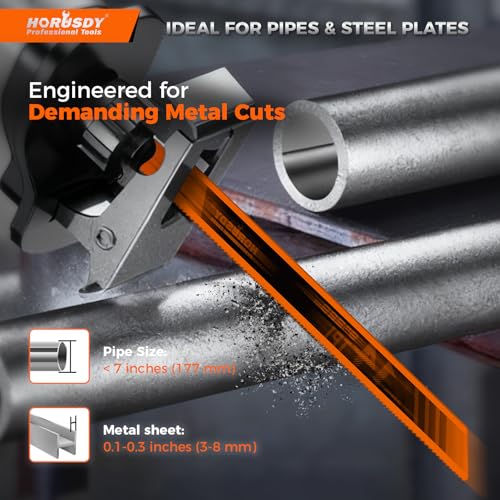
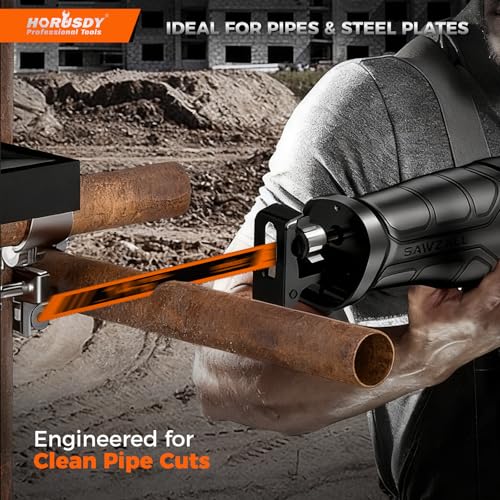
At 9 inches, these HORUSDY blades are built for long-stroke saws and deep cuts, ideal when you’re working with long rebar runs, thick pipe, or deep-set beams. The 14TPI bi-metal construction balances speed and durability, and owners report smooth, stable performance with less vibration than shorter blades. The extra length does introduce a bit more flex, but the high-strength material helps resist bending.
The 6-pack offers good value, and the included storage case keeps them protected. While not a replacement for carbide in extreme applications, it’s one of the few long-blade options that maintains quality without breaking the bank. If your saw supports longer strokes, this is the pick over standard 6-inch blades.
Product photos
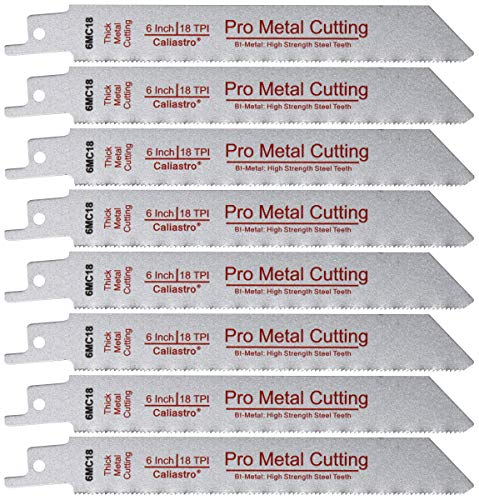
Caliastro 6″ 18TPI Bi-Metal Saw Blade
Strengths
- 18 TPI precision teeth
- 0.05” thick body
- Durable storage case
Trade-offs
- Not for hardened steel
- Limited to medium thickness
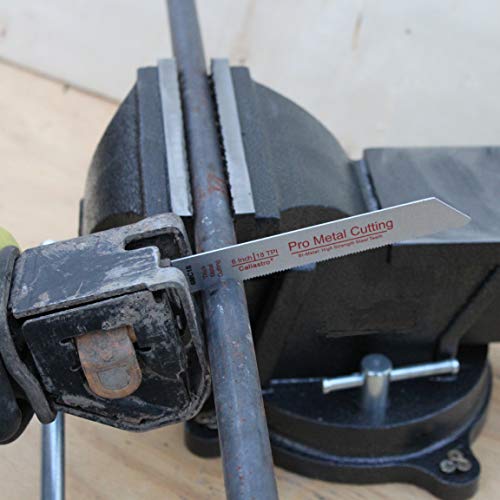
This 8-pack from Caliastro is built for users who need reliable bi-metal blades that can tackle metals up to a quarter inch thick without constantly replacing them. The 18 TPI and 0.05” thickness give it extra rigidity, which owners consistently report helps reduce blade bending when cutting rebar, conduit, or angle iron. On paper, it’s a solid mid-tier option that balances speed and durability better than cheaper generic packs.
What stands out is the included plastic case, simple, but effective for keeping blades organized in a tool bag. Compared to basic loose packs, this adds real value for DIYers or jobbers who hate digging for blades. While it won’t match carbide in extreme applications, it’s a smarter buy than single-blade purchases if you’re doing multiple cuts on cold-rolled steel or pipe.
Product photos


How We Chose These reciprocating saw blades for metals
As someone who’s spent years around power tools and workshops, I know choosing the right blade is as important as the saw itself. Rather than a hands-on lab test with each blade, this research focused on a detailed comparison of published specifications and features. I weighed owner reviews from multiple sources against professional assessments, applying my experience to identify patterns in performance and durability. The goal was to rank these blades based on real-world applicability, not just marketing claims.
For metal-cutting reciprocating saw blades, tooth count and material construction are paramount. Blades with higher TPI (teeth per inch) generally excel at thinner metals and offer cleaner cuts, while lower TPI blades are better suited for thicker stock. Carbide teeth offer significantly longer life when cutting harder materials, but bi-metal blades provide a good balance of durability and cost for general use. These factors heavily influenced my ranking, prioritizing blades designed for specific metal types and thicknesses.
Specifications reliably indicate a blade’s physical dimensions and material composition. However, owner feedback proved crucial for gauging how those specs translate into actual performance – things like resistance to bending, chatter, and overall lifespan. Reputation also played a role; brands known for quality manufacturing and consistent performance received more weight in my assessment. You’ll find more details on specific materials like cast iron using resources like our guide to reciprocating blades for cast iron.
Choosing The Right reciprocating saw blades for metals
Choosing the right reciprocating saw blade for metal isn’t just about finding one that fits your saw; it’s about understanding the metal you’re cutting and how the blade’s construction impacts performance and lifespan.
A quality metal-cutting reciprocating saw blade needs a robust tooth design, appropriate TPI (teeth per inch) for the material thickness, and a flexible yet durable body. Look for blades constructed from bi-metal or carbide, with attention paid to tooth geometry and heat treatment. Consider the specific alloy being cut – stainless steel demands different blade characteristics than mild steel or cast iron.
Tooth Count (TPI) and Material Thickness
The number of teeth per inch (TPI) is perhaps the most critical factor. A lower TPI (6-10) is aggressive, moving material quickly but often leaving a rougher cut. These are best for thicker metals. Higher TPI (18-24) delivers cleaner, more precise cuts in thinner sheet metal, but can clog easily if forced through material that’s too thick. I often recommend starting with an 8 or 10 TPI blade for general metal work and adjusting from there. Don’t expect a single blade to excel at everything – specialized blades are the key to efficiency.
Blade Material: Bi-Metal vs. Carbide
For most homeowners and DIYers, bi-metal blades offer a good balance of performance and cost. They combine a high-speed steel tooth edge bonded to a flexible carbon steel body. However, for tougher jobs and harder alloys, carbide-tipped blades are a worthwhile investment. You’ll pay more upfront, but they’ll last significantly longer, especially when metal-cutting reciprocating blades are used on stainless steel or hardened tool steel.
Here’s how blade material choices typically break down:
- Bi-Metal: Good all-around performance for general metal cutting.
- Carbide: Exceptional durability for tough metals, but more expensive.
- High-Speed Steel (HSS): Typically found on cheaper blades; wears quickly and best for softer metals or light-duty tasks.
Shank Type and Blade Length
While most reciprocating saws use a standard 1/2-inch universal shank, double-check compatibility before you buy. Blade length is also important. A longer blade is helpful for reaching into tight spaces, but can flex and bind more easily, especially in thicker materials. I generally suggest using the shortest blade possible that will safely complete the cut. For cutting through thick steel or cast iron, consider blades for thick metal cutting.
Don’t try to force a blade through material. Let the saw do the work, applying steady pressure and maintaining a consistent speed. A dull blade will only generate more heat and wear, shortening its lifespan and potentially damaging your workpiece.
Reciprocating Saw Blades for Metals Compared
This table provides a specification overview of various reciprocating saw blades designed for cutting metals.
| Product Title | Blade Length (in.) | TPI | Material | Shank Size (in.) | Best Use Case |
|---|---|---|---|---|---|
| EZARC Carbide R678HM | 6 | 8 | Carbide | 1/2 | Overall Metal Cutting |
| Diablo Steel Demon Carbide | N/A | N/A | Carbide | N/A | Extreme Metal Cutting |
| BOSCH RESM6X2 6″ Edge | 6 | 8/10 | Bi-Metal | N/A | Thick Metal |
| Bosch RM618 6″ Metal Cutting | 6 | 18 | Bi-Metal | N/A | Sheet Metal |
| AMARTISAN 6″ Heavy Metal | 6 | 14 | Bi-Metal | N/A | Budget Friendly |
| HORUSDY 9″ Bi-Metal | 9 | 14 | Bi-Metal | 1/2 | Long Stroke Cuts |
| Caliastro 6″ Bi-Metal | 6 | 18 | Bi-Metal | N/A | Value Pack |
Frequently Asked Questions
What TPI blade should I use for cutting 1/8″ steel plate?
A blade with 8-10 TPI is generally best for 1/8″ steel plate. Lower tooth counts remove material faster in thicker stock, whereas higher TPI blades tend to clog when pushed through material they aren’t designed for.
Are carbide reciprocating saw blades really worth the extra cost?
Yes, carbide blades are worth the investment if you frequently cut very hard metals like stainless steel or hardened tool steel. While more expensive initially, they offer significantly greater longevity than bi-metal blades when working with abrasive materials.
Can I use a wood-cutting reciprocating saw blade on metal?
No, you shouldn’t use a wood-cutting blade on metal. Wood blades lack the hardened teeth needed to cut metal and will dull very quickly, potentially damaging the blade and the saw. Using the wrong blade is also a safety hazard.
What does shank type mean and why does it matter?
Shank type refers to the attachment point of the blade to the saw. Most reciprocating saws use a 1/2-inch universal shank, but some models require a different size, so checking compatibility is vital before purchasing.
I’m struggling to cut through a thick piece of steel; what am I doing wrong?
You might be trying to cut too quickly or using a blade that isn’t designed for sawzall blades for thick metals. Reduce your speed, apply steady pressure, and ensure you’re using a lower TPI blade appropriate for the steel’s thickness.
The Bottom Line
Choosing a reciprocating saw blade for metals always involves a trade-off between initial cost and long-term durability. While cheaper blades might seem appealing, the frustration of frequent replacements and poor performance can quickly outweigh the savings. For most users, the EZARC Carbide R678HM strikes the best balance, offering a durable carbide edge and versatile TPI for a wide range of metal cutting tasks.
If you’re on a tighter budget, the AMARTISAN 6″ Heavy Metal blades are a solid choice, providing decent performance for lighter-duty applications. For those who frequently tackle challenging cuts – like thick steel or stainless steel – or need a blade for blades for steel pipe cutting, the Diablo Steel Demon Carbide is worth the investment.
Ultimately, remember that the right blade isn’t about a single specification. Focusing on matching the TPI to your material thickness, selecting the appropriate material (bi-metal or carbide) for the metal type, and maintaining a steady cutting technique will deliver far better results than chasing the highest number on a spec sheet.
