
8 Best Beginner Welders of 2026
This post contains affiliate links. As an Amazon Associate, we earn from qualifying purchases.
The ARCCAPTAIN 160A MIG Welder stands out as the best overall choice for beginners, offering solid performance and multi-process flexibility. If you’re on a tight budget, the Sakerplus Handheld Welder 110V delivers strong value in a compact design. For those who want versatility across MIG, TIG, and Stick, the 135A MIG Welder 3-in-1 is a smart alternative.
Most new welders struggle with machines that are either too complicated or too underpowered to handle basic projects. It’s easy to waste money on something that overheats quickly or can’t strike a reliable arc. I’ve spent years helping DIYers find the right tools, and I know how important it is to start with a welder that’s forgiving, safe, and built for real learning.
This guide cuts through the noise by focusing on models that deliver where beginners need it most: ease of use, consistent performance, and essential safety features. We based our picks on specs, owner feedback, and years of experience with entry-level welding gear.
Top 8 Beginner Welders in the Market
The Best Beginner Welders, Reviewed
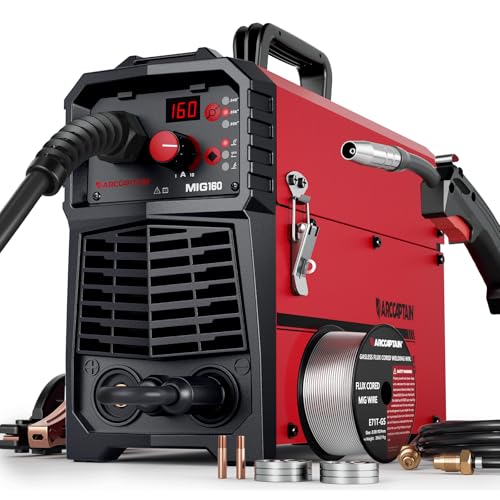
ARCCAPTAIN 160A MIG Welder
Strengths
- Dual voltage support
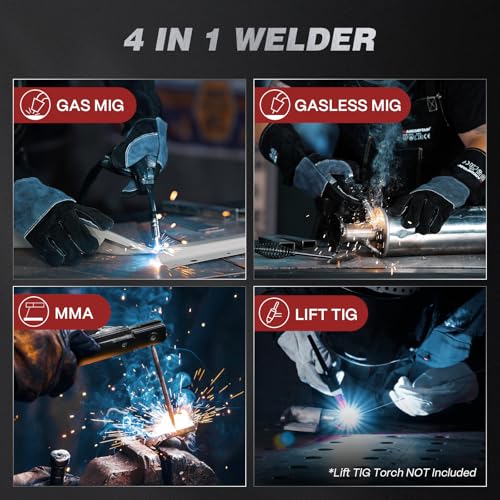
- 4-in-1 welding modes
- High amp output
Trade-offs
- Lift TIG torch sold separately
- Slightly bulkier than others
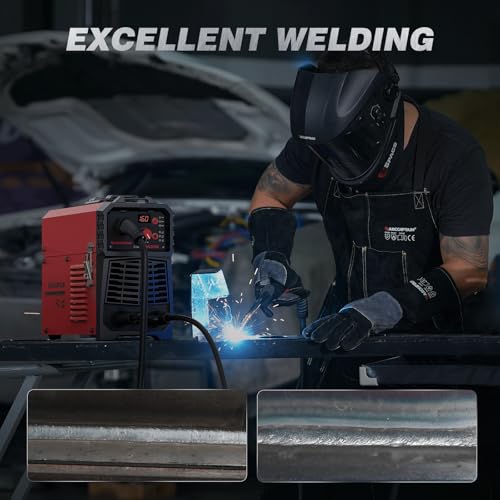
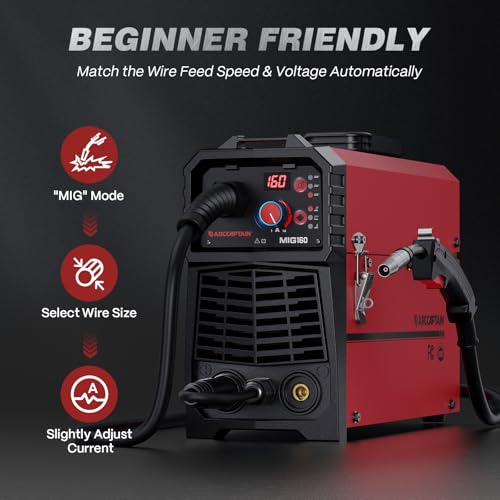
This is the most complete beginner-ready welder on the list. The 160A output on dual voltage (110V/220V) means it can grow with your skills, start on household current, then upgrade your outlet for thicker welds later. The 4-in-1 capability (gas MIG, gasless MIG, lift TIG, stick) is rare at this price, and synergy control takes the guesswork out of settings. Owners report clean, spatter-free welds even on rusty or painted metal, which is huge for real-world DIY use.
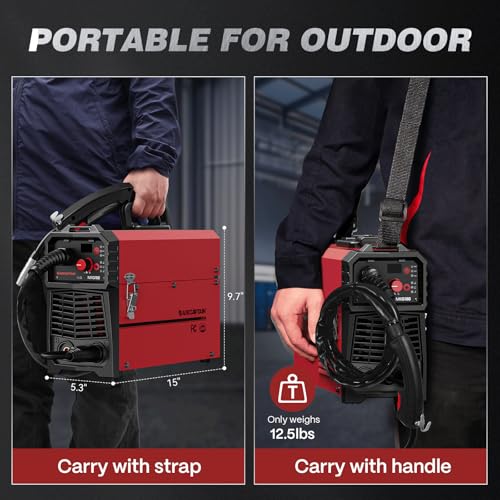
It’s not the lightest, but 11.8 lbs is manageable, and the shoulder strap helps. Compared to the YesRight 120A, this one offers more power and voltage flexibility. If you’re serious about learning to weld and want one machine that does it all, this is the smarter long-term investment.
Product photos
Wrdlosy MINI 250Amp Stick Welder
Strengths
- 250A output
- Complete starter kit
- Extremely compact
Trade-offs
- No MIG or TIG capability
- Overheats on extended use
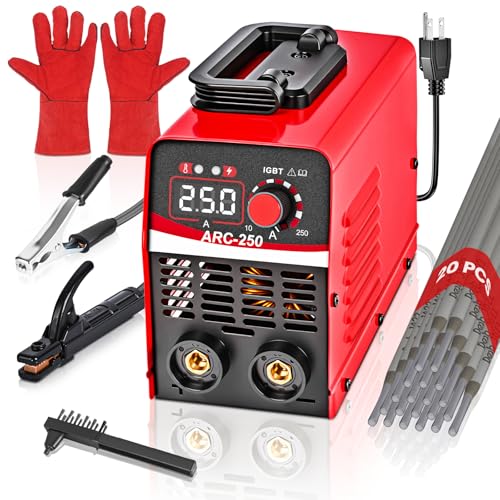
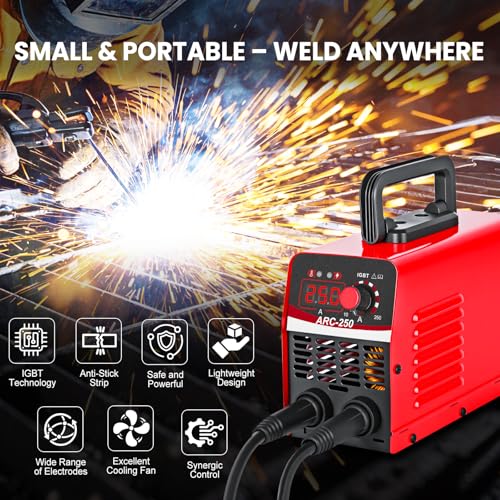
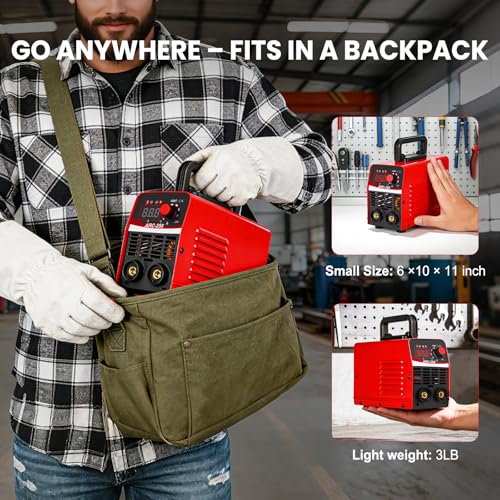
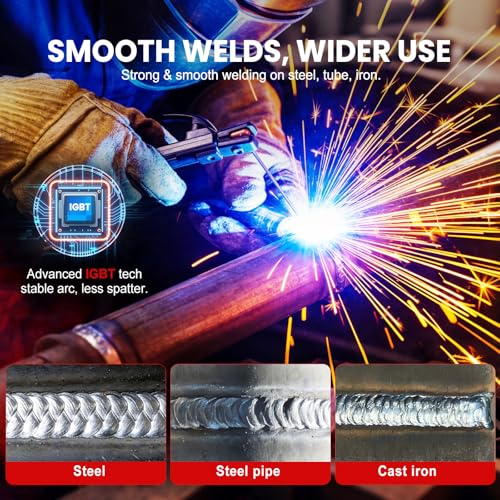
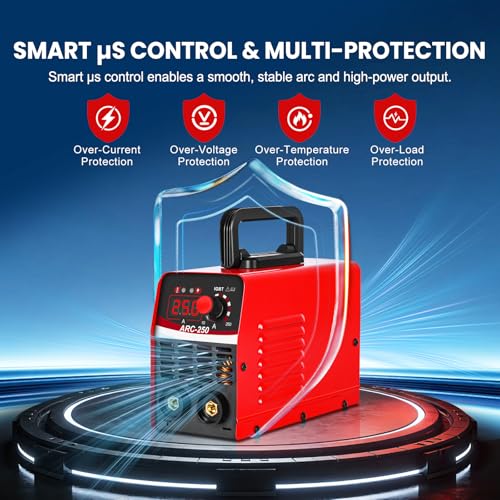
For pure budget value, this 250A mini stick welder is hard to beat. It delivers serious amperage in a 3 lb package, and owners love how easily it starts arcs and handles everything from thin sheet metal to 0.2” steel. The included kit, 20 rods, gloves, brush, and clamp, means you’re ready to weld right out of the box, which is perfect for first-timers.
The trade-off is simplicity: it’s stick-only, and the small size means it can overheat on long runs. But for patch jobs, fence fixes, or weekend builds, it’s impressively capable. Compared to the Sakerplus model, it offers higher max amps but less refined current control. If you want raw power without spending much, this is the pick.
Product photos

135A MIG Welder 3-in-1
Strengths
- VRD safety system
- Large LED display
- Supports 10lb wire spools
Trade-offs
- Slightly heavier than rivals
- No 220V option
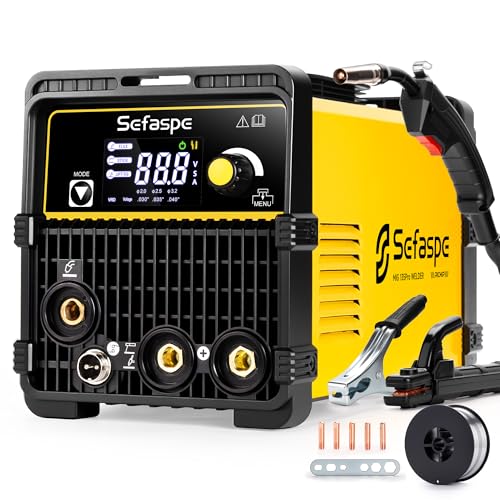
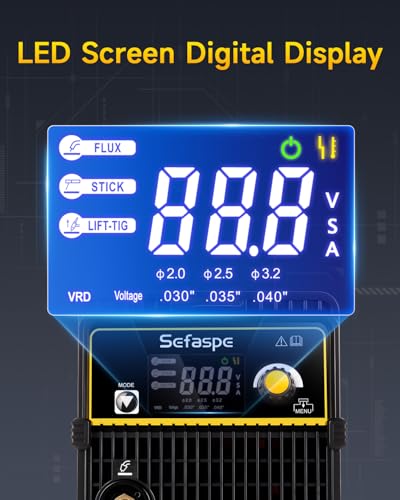
For a beginner-friendly 110V welder, this 135A unit stands out with its large LED display and smart synergy control that simplifies setup. The VRD safety feature is a rare and welcome inclusion at this level, it actively lowers no-load voltage, which is a real advantage in damp or tight spaces where shock risk is higher. On paper, it’s nearly identical to other 3-in-1 models, but the emphasis on safety and usability gives it an edge.
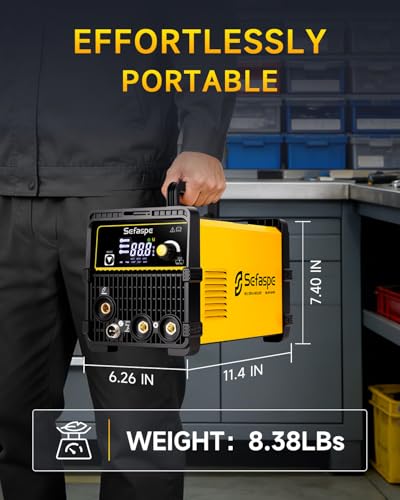
Owners note smooth arc starts and consistent performance with .035″ wire, and the ability to run 10lb spools cuts down on reloading. Compared to the AWT 140A, it’s slightly heavier but offers better long-term consumable efficiency. If you’re just starting out and want peace of mind with smart safety built in, this is a smarter buy than most budget picks.
Product photos
Sakerplus Handheld Welder 110V
Strengths
- 5 preset current levels
- Ultra-lightweight
- Complete kit with case
Trade-offs
- Stick welding only
- No digital display
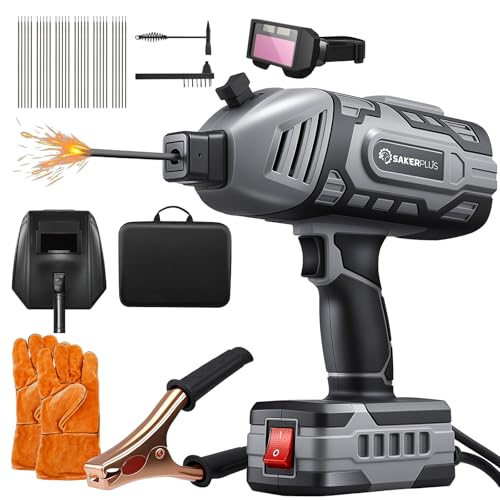
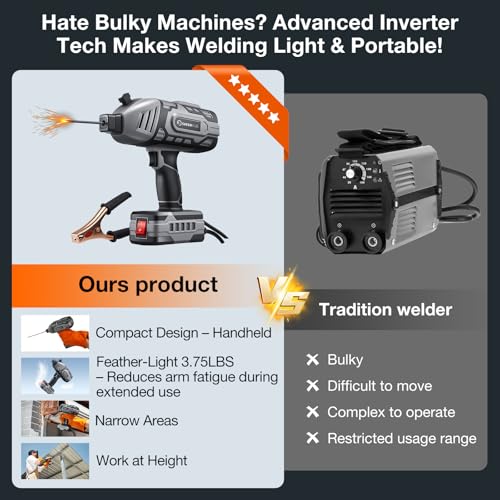
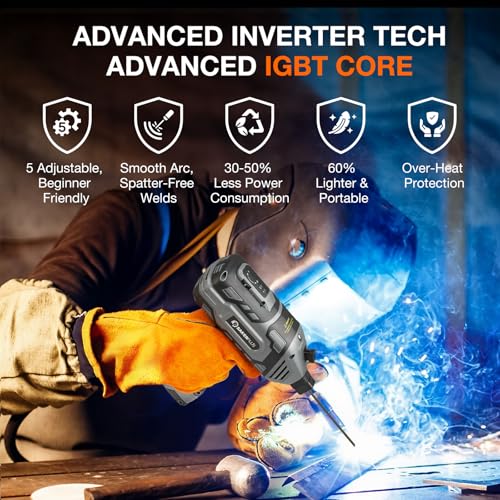
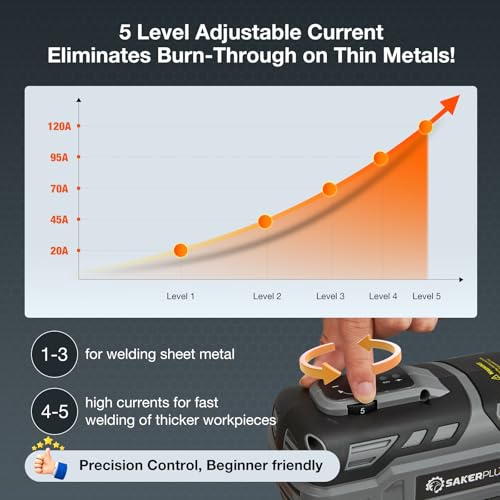
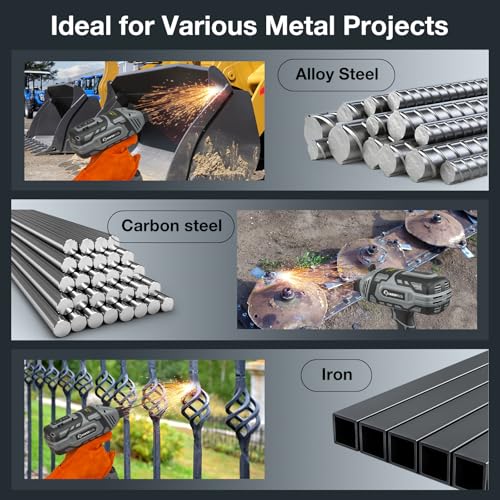
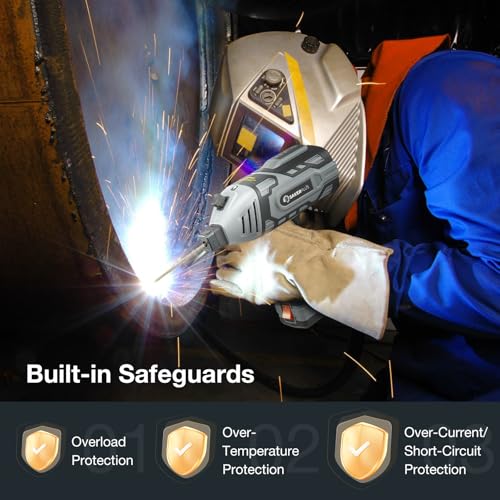
At 3.75 lbs, this is one of the most portable stick welders you’ll find, and the 5 preset current settings make it incredibly beginner-friendly. The ability to dial in precise heat, from 20A for thin metal to 120A for thicker steel, helps prevent burn-through, a common pain point for new welders. IGBT tech ensures stable output, and owners consistently report clean, spatter-free welds.
The full kit, including helmet, gloves, case, and 30 rods, makes it a true plug-and-play solution. It’s not a MIG, but for portability and ease of use, it beats most in its class. Compared to the Wrdlosy model, it offers more refined control and better heat management.
Product photos
130A Mini Arc Welder
Strengths
- Very lightweight
- Anti-stick function
- Ready-to-use kit
Trade-offs
- No MIG/TIG support
- Basic accessories
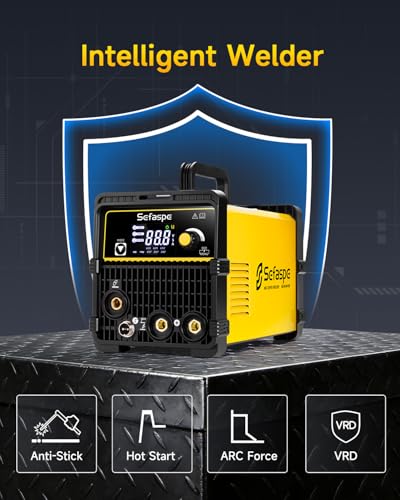
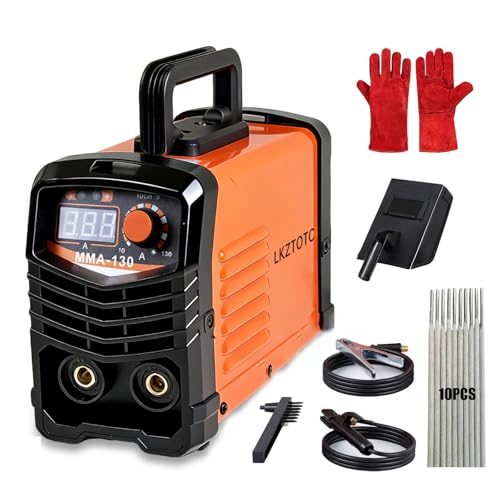
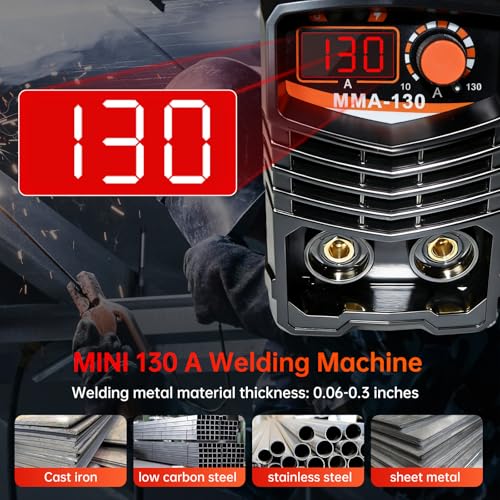
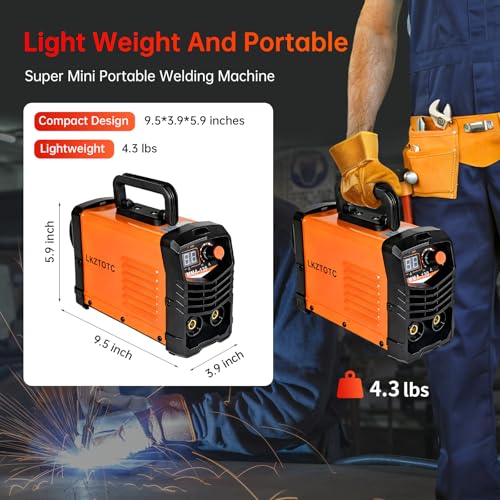
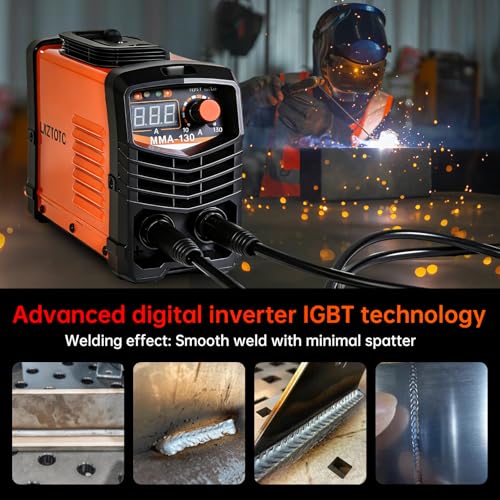
This 4.3 lb stick welder hits the sweet spot between portability and performance. The IGBT inverter tech delivers precise current control, and features like anti-stick and arc-force push make it forgiving for novices. It handles common rods like E6013 and E6010 with ease, and the quick-start function means fewer frustrating false starts.
The included accessories, mask, gloves, rods, brush, are basic but functional, and the compact size makes it easy to store or carry. It’s not as flashy as the Sakerplus, but it’s reliable and well-priced. For someone who wants a no-frills, lightweight starter welder, this is a solid, under-the-radar pick.
Product photos
YesRight 120A Mig Welder
Strengths
- Full tool bundle included
- IGBT stability
- Easy setup for beginners
Trade-offs
- Lower max amperage
- Lift TIG torch not included
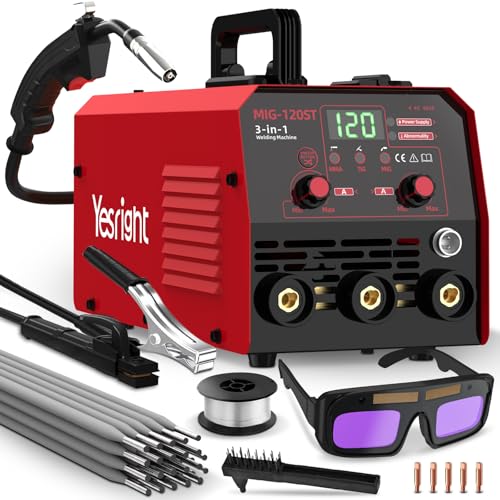
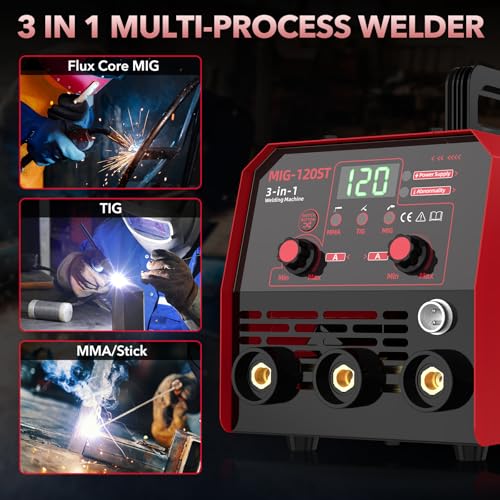
This welder stands out for one reason: the full accessory bundle. You get goggles, rods, wire, tips, and clamps, all quality enough to start welding immediately. The 3-in-1 functionality (MIG, stick, lift TIG) covers most beginner needs, and IGBT tech ensures stable arcs and smooth wire feed. Owners report solid performance on thin to medium steel, especially with flux core wire.
It’s not the most powerful, 120A limits heavy-duty work, but for home repairs and small projects, it’s more than capable. Compared to the ARCCAPTAIN 160A, it lacks dual voltage, but the included gear makes it the better starter kit. If you’re new and don’t want to hunt down extras, this is the easiest path to your first weld.
Product photos

AWT 140Amp MIG Welder

Strengths
- 140A output
- 3-in-1 capability
- Robust metal housing
Trade-offs
- No 220V option
- Lift TIG requires extra torch
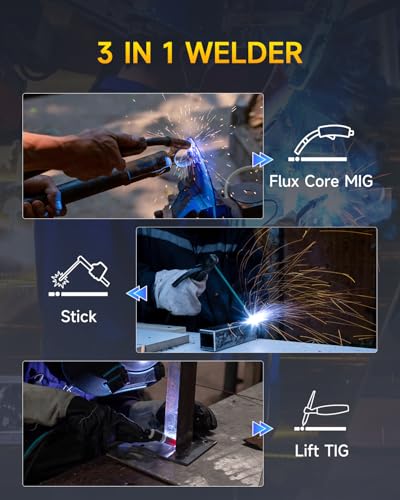
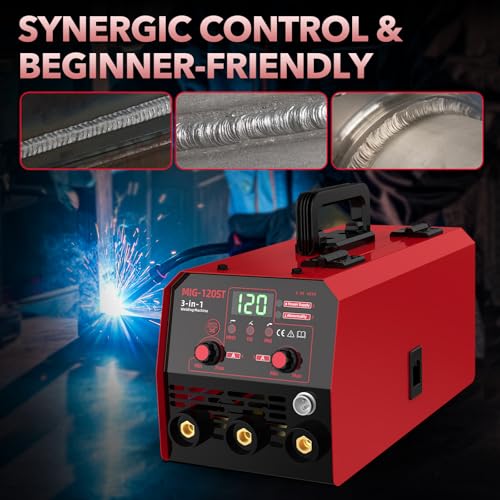
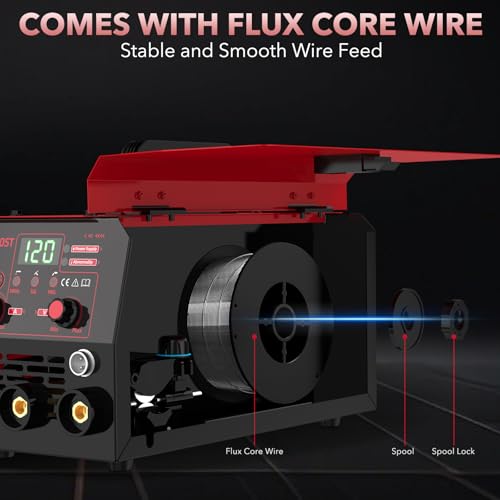
This 3-in-1 MIG welder packs a solid 140A output on 110V, making it a strong contender for DIYers who want more welding depth without stepping up to 220V. The ability to run flux core, stick, and lift TIG gives it real versatility, and owners consistently report clean starts and stable arcs, especially on mild steel up to 4mm thick. The synergy IGBT inverter tech helps beginners by auto-tuning parameters for common wire sizes, which reduces the learning curve.
Still, the real win here is the metal case and built-in safety systems, including VRD and thermal overload protection, features usually seen on pricier units. That rugged build makes it a smart pick for outdoor or farm use where conditions get rough. I’d compare it closely with the ARCCAPTAIN 160A model, but this one falls short on dual voltage support.
Product photos


ARCCAPTAIN Stylish Handheld Welder
Strengths
- Ultra-lightweight design
- Easy arc starting
- Auto-darkening goggles included
Trade-offs
- Stick only (no MIG/TIG)
- Limited to 120A max
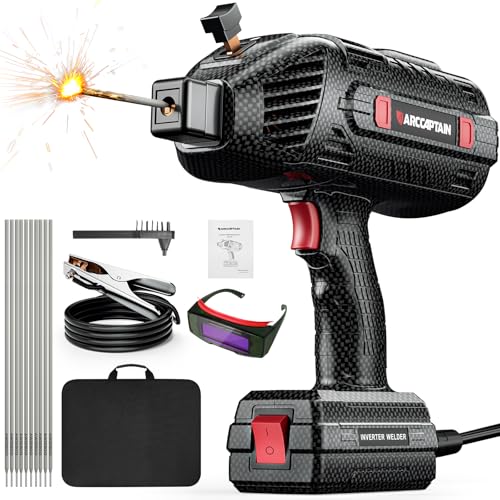
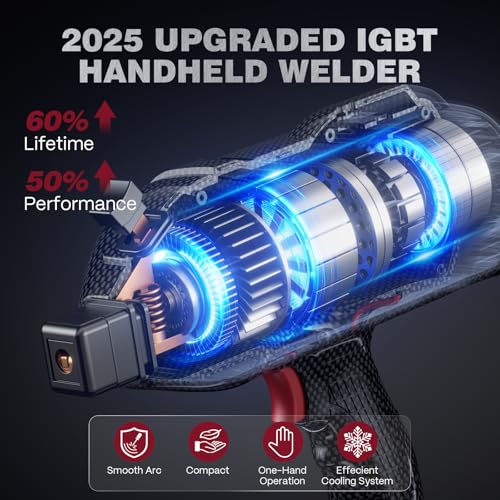
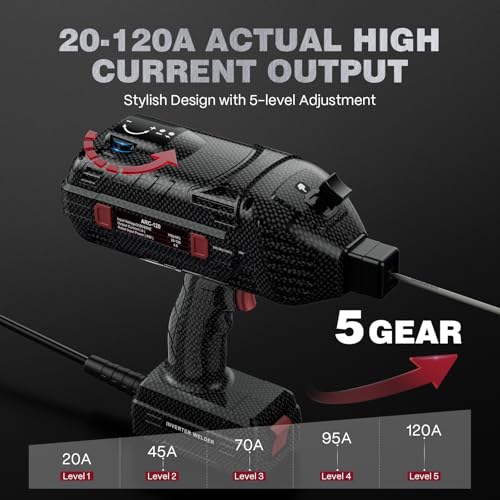
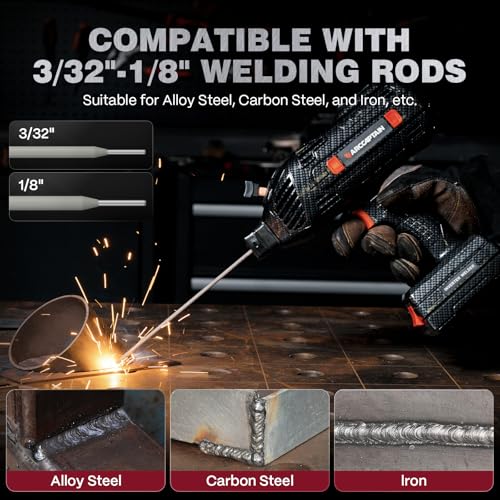
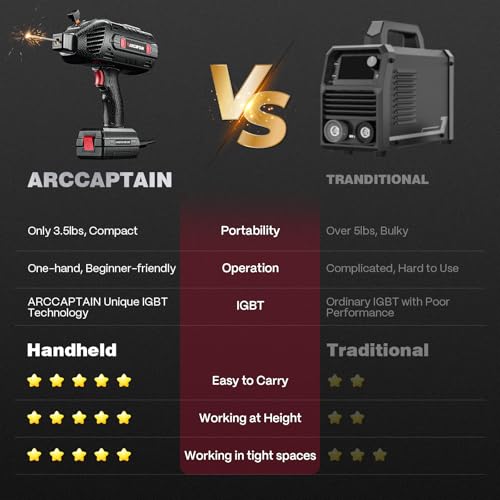
At just 3.5 lbs, this handheld stick welder is built for mobility and tight-space work, think overhead repairs or welding inside a car frame. The 20-120A range is modest, but it’s more than enough for thin to medium steel, and the 5-level current knob makes dialing in the right heat intuitive. IGBT tech delivers stable arcs, and owners consistently praise the easy starts and low spatter, even for first-time users.
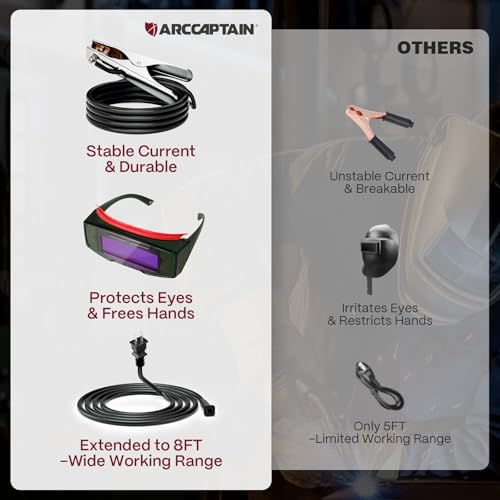
What really sets it apart is the design: carbon fiber finish, compact footprint, and included auto-darkening goggles make it feel like a modern tool, not a garage afterthought. It won’t replace a full-sized MIG, but for quick fixes and light fabrication, it’s one of the most user-friendly stick welders in this class.
Product photos
How We Chose These beginner welders
I’ve spent over 15 years working with power tools and helping people choose the right equipment for their needs. Rather than a hands-on lab test of each machine, this selection is a research-led comparison of published specifications, features, and – most importantly – owner and expert feedback. We prioritized identifying models that consistently receive positive reviews for usability and performance from those new to welding. This allowed us to rank these units against clear criteria for beginners.
For beginner welders, consistent arc starting, ease of use, and built-in safety features are paramount. We heavily weighted those factors, as a frustrating or dangerous experience can quickly discourage a new welder. Portability was also a key consideration, as many beginners will be working in garages or on outdoor projects where moving a large machine isn’t practical. These elements directly impact how quickly someone can learn and feel confident with the process.
Specifications reliably tell you about maximum amperage and duty cycle, but understanding real-world performance requires digging into owner feedback. We carefully analyzed reviews to gauge how well each welder performs for thin materials, how easily it handles common welding rods, and whether the included accessories are truly useful. Reputation and expert reviews helped validate claims and identify potential long-term reliability concerns – something crucial when considering best MIG welders for beginners.
What To Look For In beginner welders
Choosing a welder for the first time can feel overwhelming, but understanding a few key factors will set you up for success.
A good welder balances portability, ease of use, and the ability to handle the materials and thicknesses you’ll typically work with. Consider the power source requirements (110V vs. 220V), the types of welding processes supported (MIG, Stick, TIG), and built-in safety features to protect both you and the machine. Prioritize amperage output based on your project needs, and look for models with adjustable controls for precise welding.
Power and Process Considerations
The biggest decision you’ll make upfront is what kind of welding you plan to do. Stick welding (SMAW) is the most versatile and forgiving, good for rusty or dirty metal, and doesn’t require shielding gas. MIG welding (GMAW) is faster and cleaner, ideal for thinner materials and beginners, but requires gas. TIG welding (GTAW) is the most precise and produces the cleanest welds, but has a steeper learning curve. Many welders now offer multi-process capabilities, but often at a compromise – a “3-in-1” might not excel at any single process. Don’t overbuy process capability you won’t use. If you’re primarily focused on auto body repair or thin sheet metal, a dedicated MIG welder will likely serve you better than a multi-process unit.
Duty Cycle and Amperage
Amperage determines the welding power, while duty cycle tells you how long you can weld continuously at a given amperage before the machine needs to cool down. Don’t get hung up on the highest amperage number; focus on what you need. A 120-amp welder is plenty for most home repairs and light fabrication. However, a lower duty cycle means more downtime.
Here’s how to think about it: * A low duty cycle (20% or less) is fine for occasional tack welds. * A moderate duty cycle (30-60%) is good for most DIY projects. * A high duty cycle (60%+) is essential if you plan to weld for extended periods.
A welder’s duty cycle is stated as a percentage. For example, a 60% duty cycle at 100 amps means you can weld for 6 minutes out of every 10 minutes at that amperage before the machine overheats.
Portability and Features for New Welders
For a first welder, portability is often a huge plus. A lighter machine is easier to maneuver, especially if you’re working overhead or in tight spaces. Many of the newer handheld models, like the Sakerplus, weigh under 4 pounds. Beyond weight, consider included accessories. A complete kit with a helmet, gloves, clamps, and rods will save you money and time. Look for welders with safety features like overheat protection and voltage reduction devices (VRD) – especially if you’re new to welding. If you’re just starting out, exploring beginner-friendly welders can help narrow your options. Many people also find that starting with top starter welders provides a good basis for learning the ropes.
Beginner Welders Compared
Here’s a comparison of key specifications for several beginner-level welding machines.
| Product Title | Amperage (Max) | Welding Processes | Portability | Weight (lbs) | Safety Features |
|---|---|---|---|---|---|
| ARCCAPTAIN 160A MIG Welder | 160A | MIG, TIG, Stick | High | 11.8 | Overload, Overheat, Overvoltage |
| Wrdlosy MINI 250Amp Stick Welder | 250A | Stick | Very High | 3 | Over-Current, Over-Heat, etc. |
| 135A MIG Welder 3-in-1 | 135A | MIG, TIG, Stick | High | 11 | VRD, Overload |
| Sakerplus Handheld Welder 110V | 120A | Stick | Very High | 3.75 | 5 Current Settings |
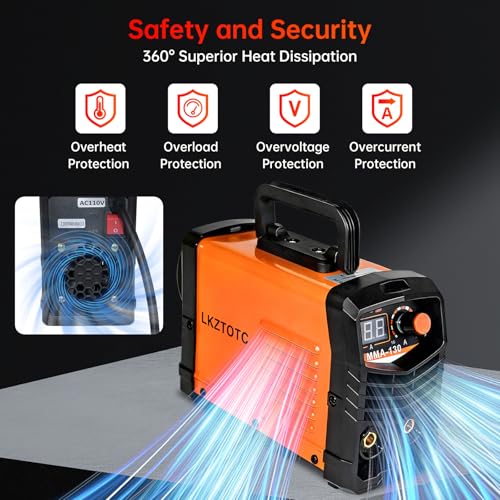
| 130A Mini Arc Welder | 130A | Stick | High | 4.3 | Overvoltage, Overcurrent |
| YesRight 120A Mig Welder | 120A | MIG, TIG, Stick | High | 7.98 | Overload, Overheat |
| AWT 140Amp MIG Welder | 140A | MIG, TIG, Stick | High | 10 | VRD, Overload |
| ARCCAPTAIN Stylish Handheld Welder | 120A | Stick | Very High | 3.5 | Overheat Protection |
Frequently Asked Questions
What’s the difference between MIG, TIG, and Stick welding for a beginner?
Stick welding (SMAW) is generally the most forgiving and cheapest to get started with, requiring no shielding gas. MIG welding (GMAW) is faster and cleaner but needs gas, while TIG (GTAW) offers the highest precision but has a steeper learning curve. For most beginners, I recommend starting with Stick or MIG.
How much amperage do I really need in a beginner welder?
A 120-amp welder is sufficient for most home repairs, auto body work, and light fabrication projects. Don’t get caught up in chasing the highest amperage number, as duty cycle and usability are more important for new welders.
What duty cycle should I look for when buying a beginner welder?
A duty cycle of 30-60% is usually good for DIY projects and occasional use. If you plan on doing a lot of welding continuously, look for a higher duty cycle (60% or greater) to avoid overheating and downtime.
Are multi-process welders a good choice for someone just starting out?
While convenient, multi-process welders often compromise on performance in each individual process. If you know you’ll only use one type of welding, like MIG for auto repair, a dedicated machine will likely give you better results. You can find excellent best 120-volt welders that focus on a single process.
What safety features are most important on a welder for a beginner?
Overheat protection is essential, as is a Voltage Reduction Device (VRD) which lowers the voltage when the electrode isn’t actively being used, reducing the risk of shock. Look for welders that also have overload protection and, ideally, automatic shut-off features.
The Bottom Line
Welding, like any skill, requires a balance. You can spend a lot to get a machine packed with features you may not need, or you can opt for something simpler and focus on developing your technique. For most beginners, I recommend the ARCCAPTAIN 160A MIG Welder. It offers a good blend of versatility with MIG, TIG, and stick processes, solid safety features, and consistently positive feedback regarding ease of use – a crucial factor for those just starting out.
If budget is your primary concern, the Wrdlosy MINI 250Amp Stick Welder is a standout. It’s incredibly portable and surprisingly capable for its size and price, though you’ll be limited to stick welding. For those needing a compact and portable option specifically for 110V outlets, exploring the top 110-volt MIG welders is a smart move, and the Sakerplus Handheld Welder is a strong contender.
Ultimately, amperage and duty cycle numbers are less important than consistent arc starts and a machine that feels comfortable to use. Focus on mastering the fundamentals – proper safety procedures, good metal preparation, and consistent technique – and you’ll get far more out of any welder than chasing the highest specs.
