8 Best Dust Collection Systems of 2026
This post contains affiliate links. As an Amazon Associate, we earn from qualifying purchases.
The WEN DC1300 stands out as the best overall dust collection system for most home workshops, delivering strong airflow and solid capacity. For budget-conscious builders, the POWERTEC 1 HP offers reliable performance and excellent filtration at a lower price. If you need something highly portable for a smaller space, the DEWALT 10 Gal. is a no-fuss option that gets the job done.
Every woodworker knows the frustration of a dusty shop, poor visibility, clogged tools, and the constant cleanup. Worse, long-term exposure to fine particulate is a real health risk that many DIYers overlook.
This guide cuts through the noise by focusing on what actually matters: CFM, filtration quality, and real-world usability. I researched top models based on specs, owner feedback, and brand reputation to help you find the right system for your shop size, tools, and workflow.
Top 8 Dust Collection Systems in the Market
The Best Dust Collection Systems, Reviewed
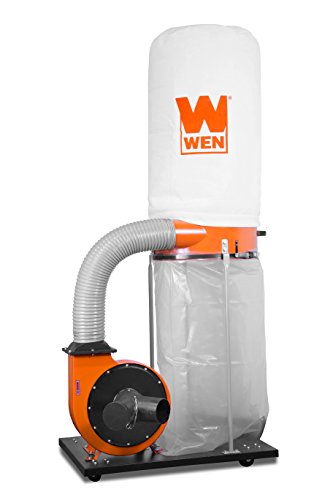
WEN DC1300 14-Amp Dust Collector
Strengths
- 1,300 CFM output
- Dual 4-inch inlets
- 50-gallon bag
- Mobile base
- Steel impeller
Trade-offs
- High noise level
- 5-micron filtration
- Large footprint
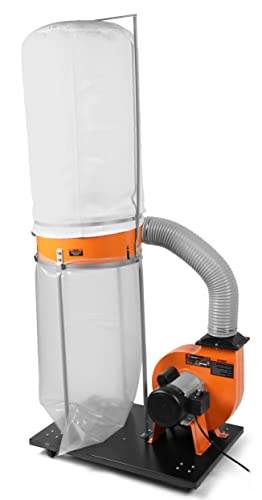
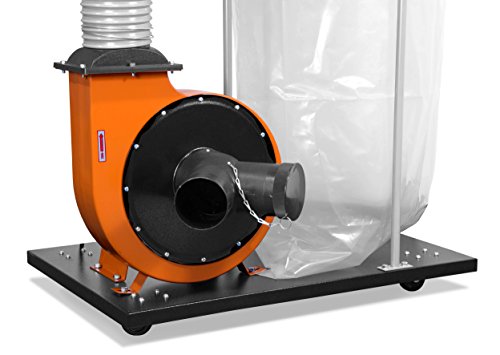
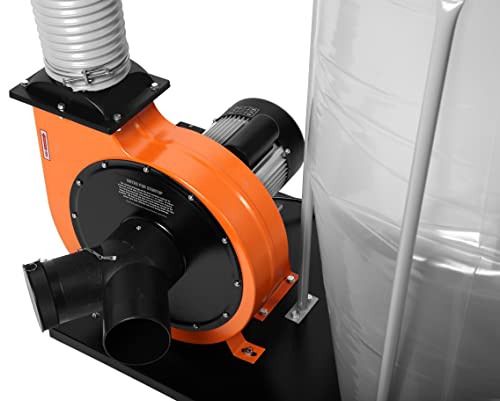
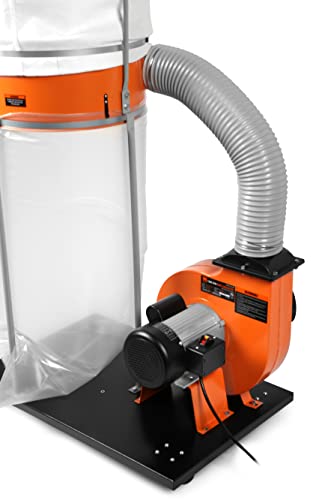
When people ask for the best all-around performer without going industrial, the WEN DC1300 is the answer. The 1,300 CFM output is massive for its class, and the 14-amp motor spins a 10-inch steel impeller at full speed to keep up with demanding tools. The dual 4-inch inlets are a major win, run your table saw and jointer at the same time without suction drop.
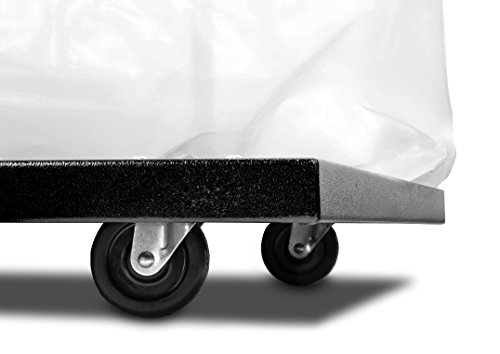
The 50-gallon vertical bag cuts down on emptying, and the mobile base with swivel casters makes it easy to reposition. It’s loud, and the filtration is only 5-micron, but for sheer airflow and versatility, nothing else here matches it. Based on owner feedback and specs, this is the most balanced pick for a serious home shop.
Product photos
POWERTEC 1 HP Wall Mount Collector

Strengths
- Wall-mountable
- 1-micron reusable bag
- Dual voltage
- Vortex base
- Compact footprint
Trade-offs
- Port grate requires maintenance
- Lower CFM than larger units
- Not mobile
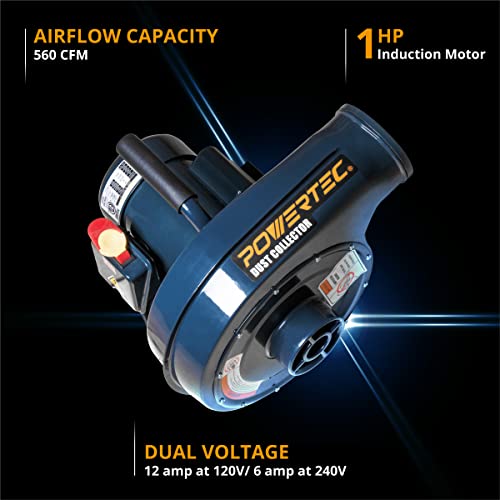
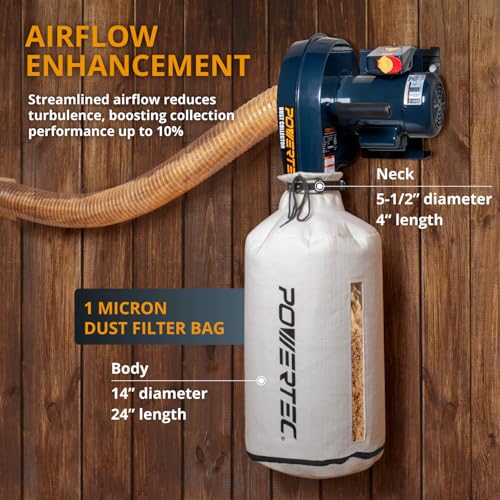
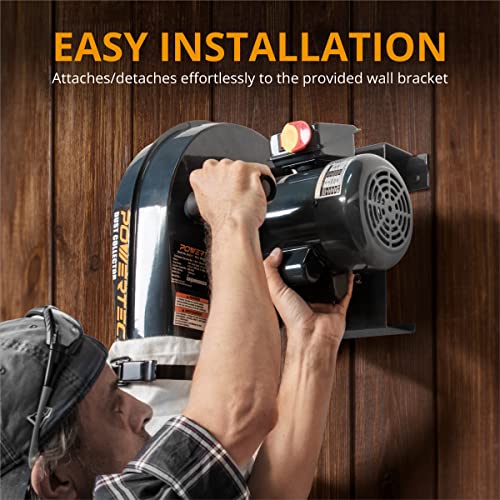
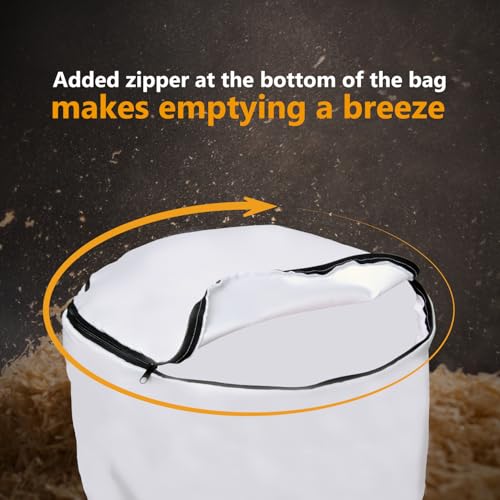
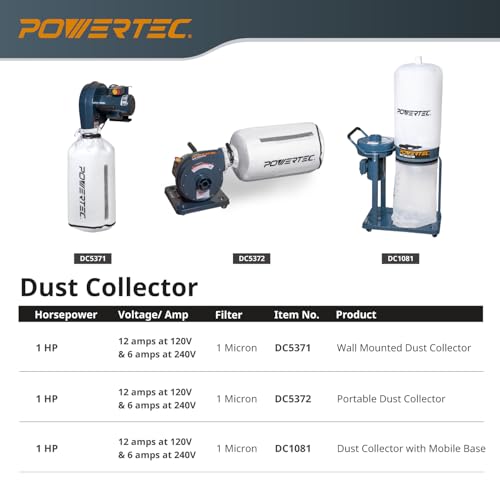
This POWERTEC unit is a quiet standout for small shops where floor space is at a premium. The 1 HP motor delivers 560 CFM, enough for benchtop tools or a single stationary machine, and the wall-mount design keeps it out of the way. The 1-micron reusable bag with viewing window is a thoughtful touch, and the vortex base does improve airflow efficiency as claimed.
One thing owners mention is the side port grate, while it protects the impeller, it can collect debris over time and needs regular checking. But overall, the dual voltage (120V/240V) makes it flexible for different shop setups. For a compact unit, it’s one of the more thoughtful designs in terms of engineering and usability.
Product photos
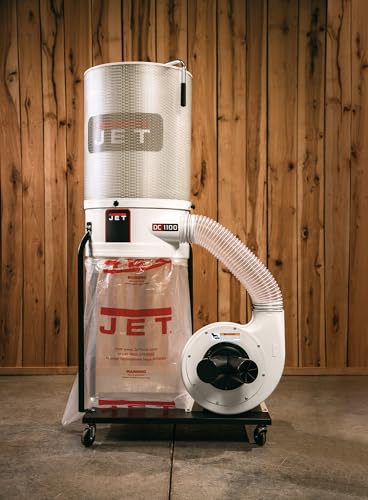
JET Vortex Cone 1.5 HP Collector

Strengths
- 2-micron canister filter
- Vortex Cone separation
- Continuous-duty motor
- Industrial-grade controls
- Four casters
Trade-offs
- Higher price point
- Heavier build
- Single-stage design
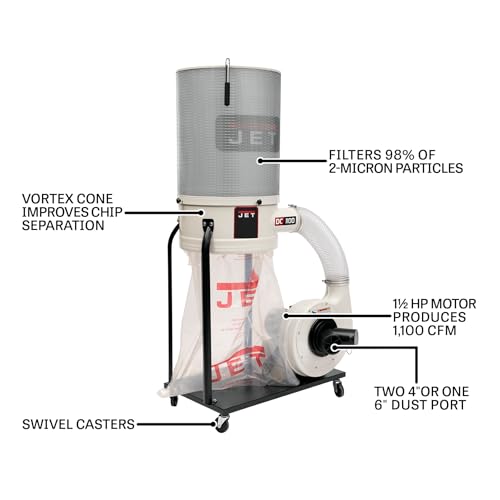
The JET DC-1100VX-CK stands out in filtration, and that’s where it earns its keep. The 2-micron canister filter is rare at this level and makes a real difference in air quality, owners in finishing-heavy shops specifically call this out. The Vortex Cone tech improves chip separation and keeps the bag from packing too tightly, which helps maintain airflow over time.
It’s also built like a tank. The enclosed motor is rated for continuous duty, and the industrial controls feel like they’ll last decades. At 1.5 HP, it’s not the most powerful, but efficiency matters more than raw CFM when you’re filtering fine sanding dust. I’d take this over higher-CFM models with weaker filters if I were setting up a finishing or cabinet shop.
Product photos



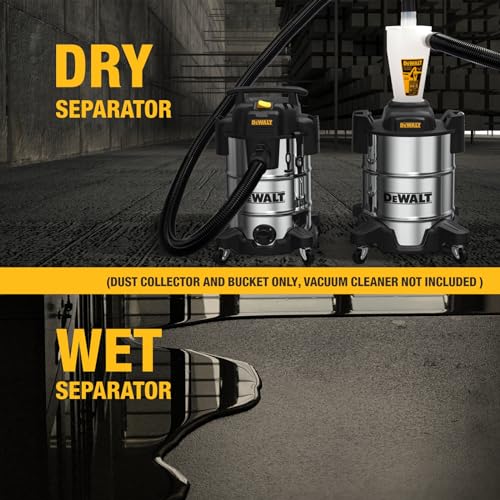
DEWALT 10 Gal. Stainless Dust Separator

Strengths
- 99.5% separation efficiency
- Stainless steel tank
- Dual port sizes
- Four-caster base
- 3-year warranty
Trade-offs
- No motor included
- Smaller capacity
- Vacuum not included
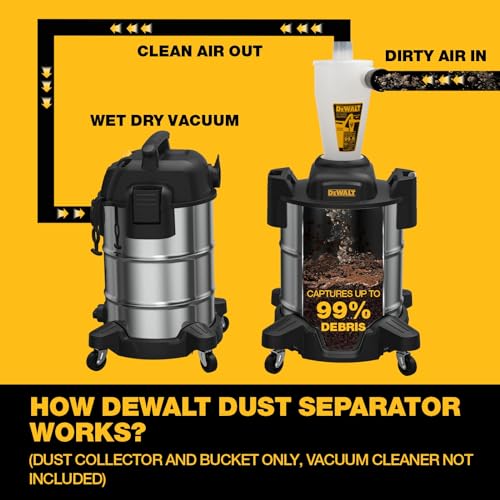
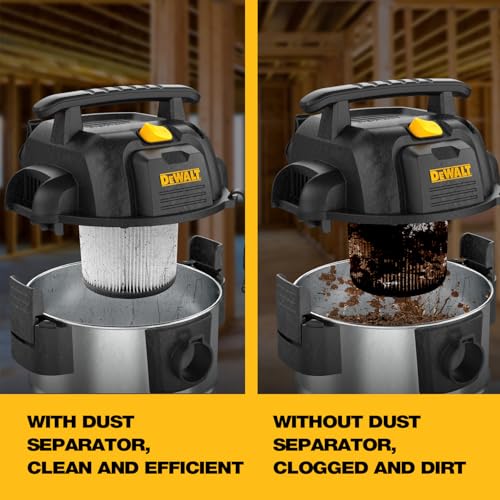
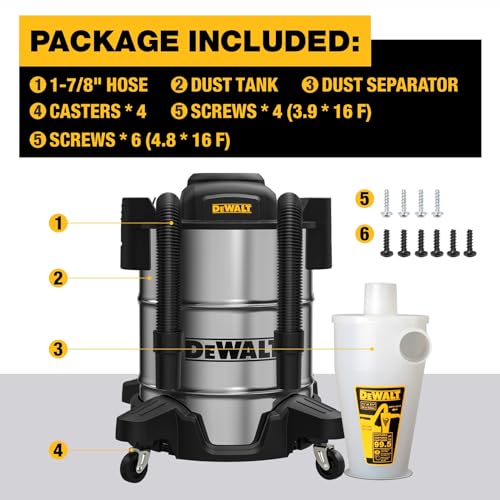
The DEWALT DXVCS003 isn’t a collector, it’s a filter protector, and it does that job exceptionally well. The stainless steel 10-gallon tank feels rugged, and the cyclone design separates 99.5% of debris before it hits your shop vac. That means less filter cleaning, fewer clogs, and sustained suction.
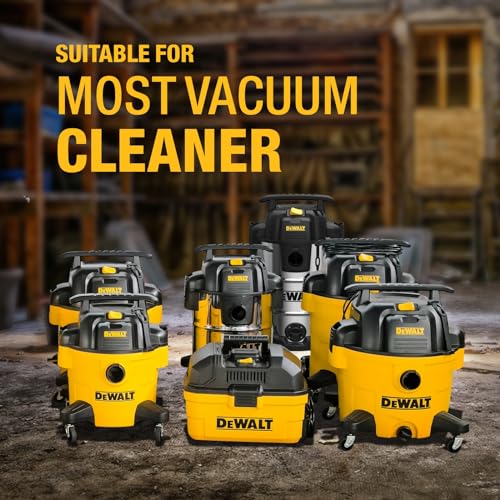
Owners love the stability from the four-caster base and the ease of emptying the tank. The dual-port compatibility (1-7/8” and 2-1/2”) means it works with most vacs, and the 3-year warranty shows DEWALT stands behind it. If you’re tired of replacing vacuum bags every few weeks, this is the upgrade you need.
Product photos
Mullet High-Speed Cyclone Collector
Strengths
- Over 99% debris separation
- Parabolic airflow design
- Airtight PVC connection
- Universal vac compatibility
- Made in USA
Trade-offs
- Requires shop vac
- No built-in motor
- Limited capacity
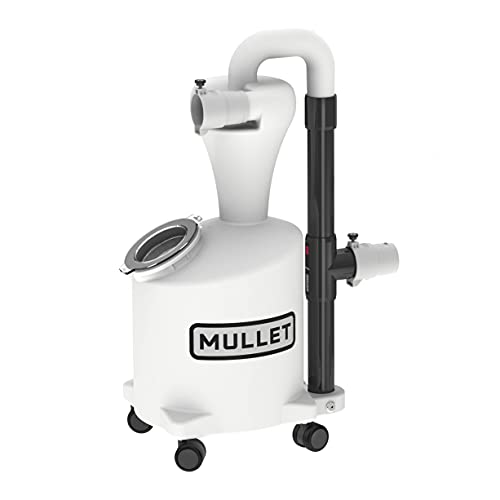
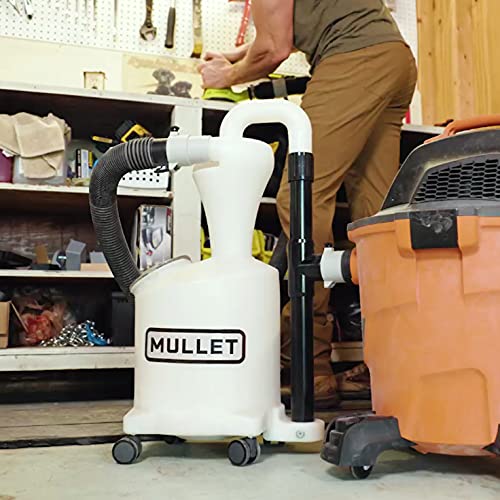
If your shop vac keeps clogging and losing suction, the Mullet cyclone is a smart upgrade. It’s not a standalone collector, but it does exactly what it promises, pre-separates over 99% of debris before it hits your vacuum’s filter. The parabolic design creates a faster spin than flat-walled DIY buckets, and reviewers note a dramatic improvement in filter life and suction consistency.
The rigid PVC connection is a standout for long-term setup stability, no more duct tape and wobbly hoses. It’s compatible with nearly every major shop vac brand, and being made in the USA adds a layer of quality confidence. For anyone serious about protecting their vacuum investment, this is the smarter buy over jury-rigged separators.
Product photos


SHOPMAX 20 Gal. 6.3-Amp Collector

Strengths
- 677 CFM airflow
- 20-gallon capacity
- 5 hose adapters
- Sturdy frame
- Easy transport
Trade-offs
- Basic filtration
- Noticeable noise
- No wall-mount option
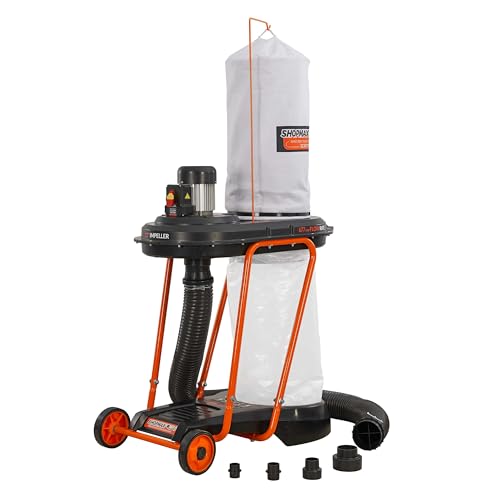
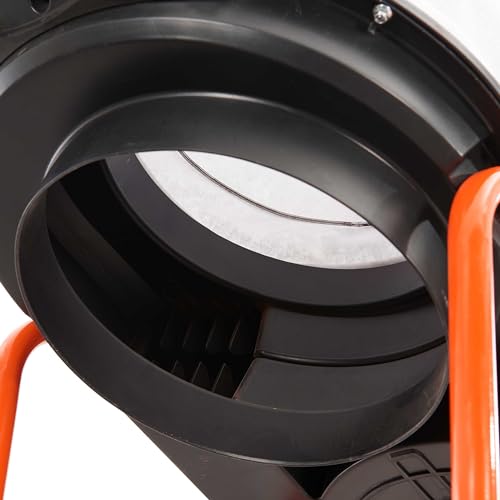
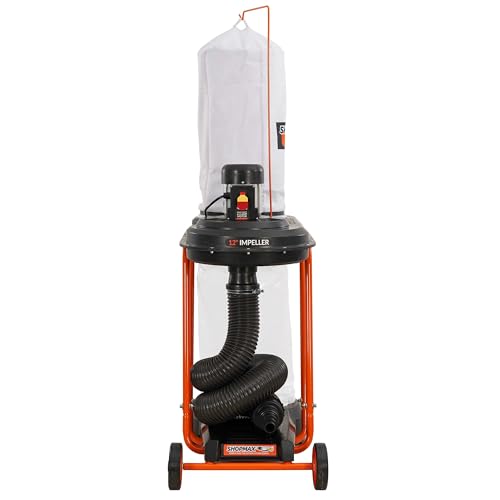
On paper, the SHOPMAX 20 Gal. unit looks like a solid contender for DIYers who need decent suction without stepping into industrial territory. With 677 CFM and a 12” impeller, it pushes air well enough to handle routine shop cleanup from jointers, planers, and table saws. The 20-gallon capacity is practical, and owners consistently report it cuts down on emptying frequency compared to smaller bags.
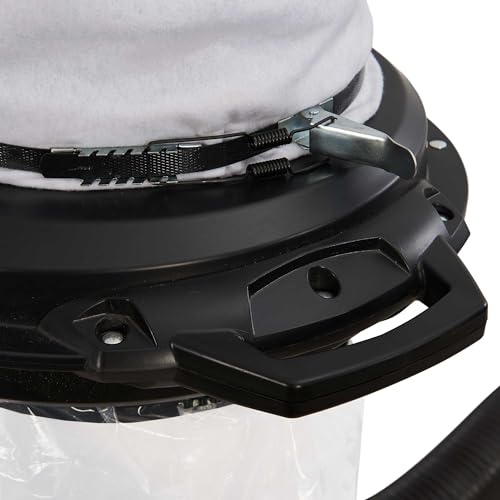
What stands out more is the build and mobility, dual wheels and a carry handle make repositioning manageable, and the 5 included hose adapters mean you’re not scrambling to rig up connections. It’s not the quietest, and the filtration isn’t HEPA-level, but for mid-range use, it balances performance and convenience. I’d pick this over similarly sized units with weaker motors or flimsier frames.
Product photos
WEN 7.4-Amp 15-Gallon Collector

Strengths
- Affordable entry point
- Swivel casters
- 5-micron bag
- Wall-mount option
- Two-year warranty
Trade-offs
- Plastic housing
- Moderate suction
- Bag not reusable
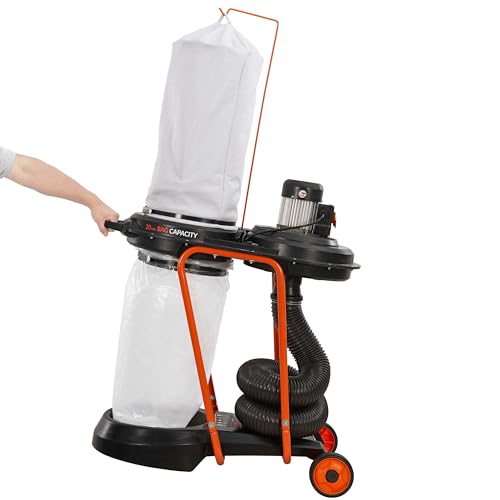
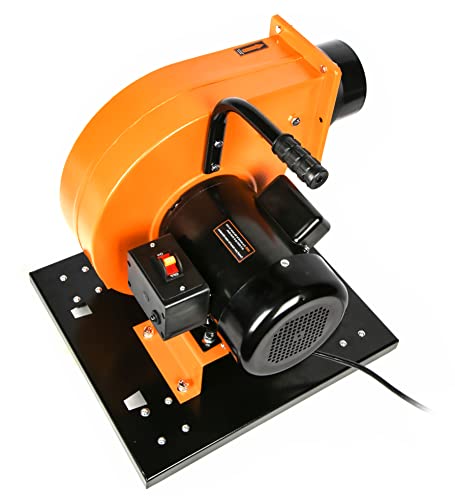
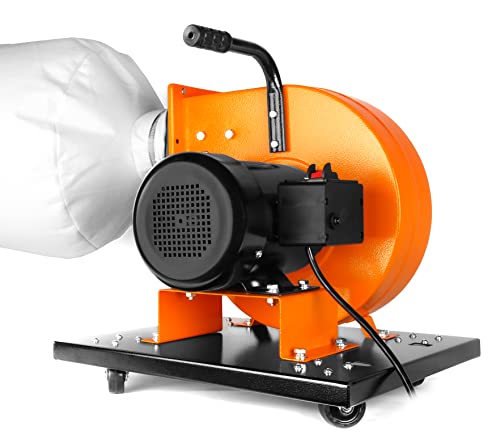
WEN has a reputation for value, and the DC3474 delivers on that. The 7.4-amp induction motor isn’t the strongest here, but 600 CFM is enough for light to moderate use in a home garage or hobby shop. What I like more is the mobility, the swivel casters and compact footprint make it easy to tuck behind a workbench or roll out when needed.
The 15-gallon zippered bag is simple but effective, and the 5-micron filtration catches most fine dust. It’s not built for all-day use, and the plastic housing isn’t as durable as steel alternatives, but owners praise its reliability for the price. Compared to pricier models, this one makes sense if you’re not running multiple machines at once.
Product photos
VEVOR 1.6-HP Sandblaster Dust Collector

Strengths
- 1.6 HP for strong suction
- Media reclamation
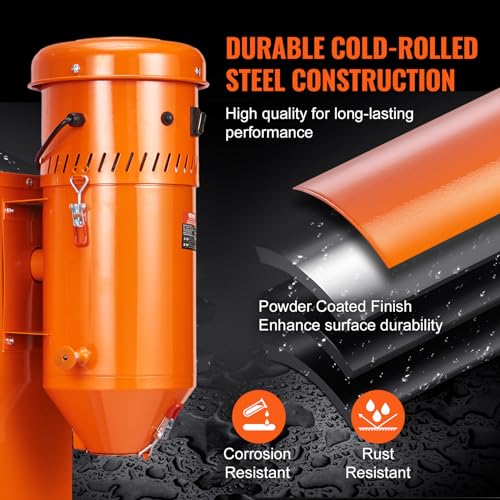
- Rust-resistant steel
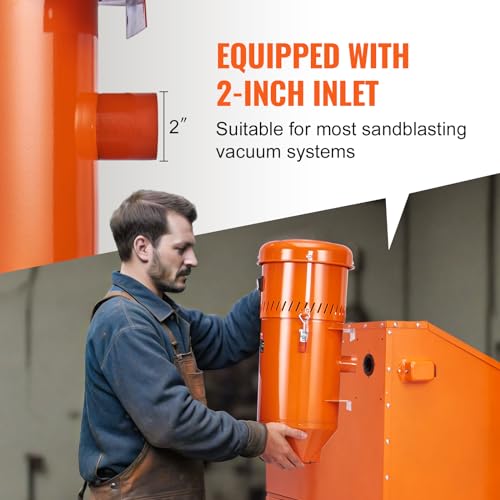
- Universal 2-inch inlet
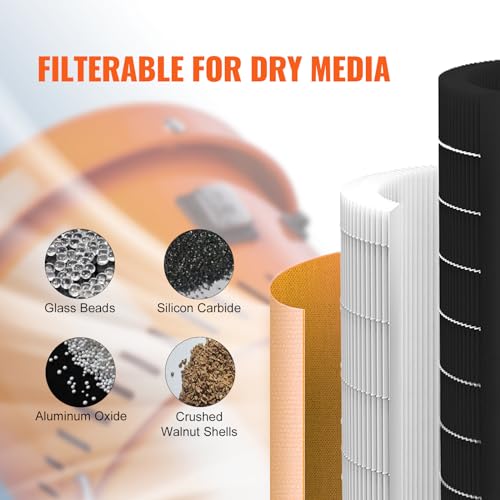
- Filters multiple media types
Trade-offs
- Very small capacity
- Niche application
- Not for wood dust
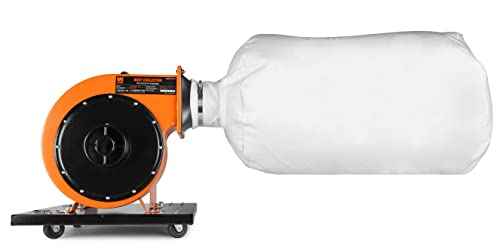
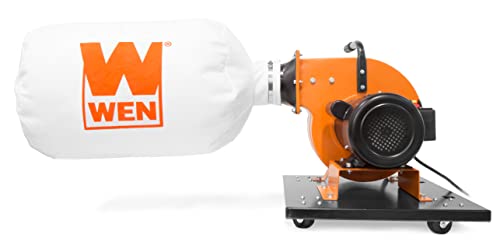
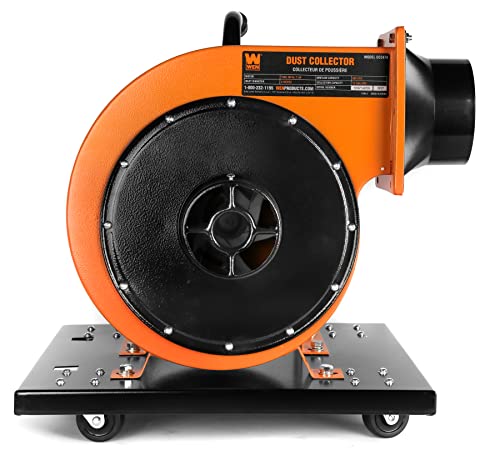
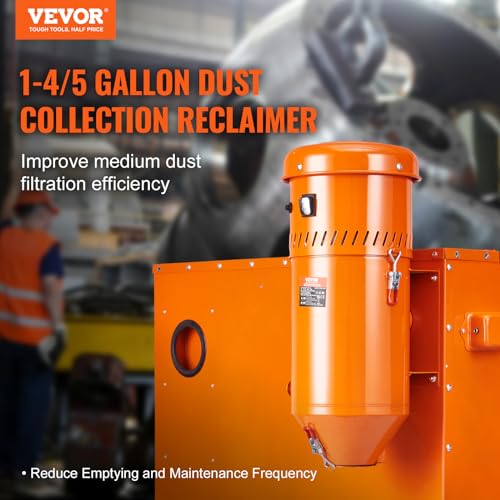
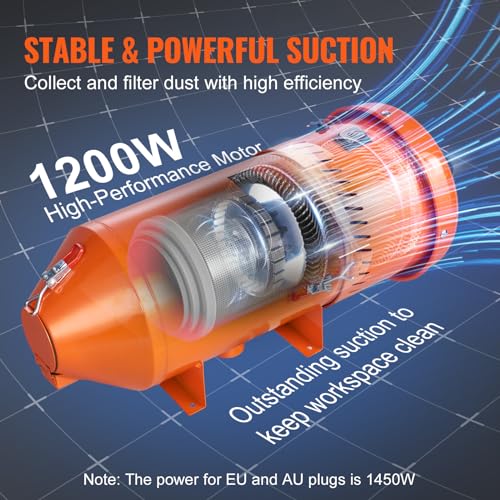
This VEVOR unit is built for one purpose, sandblasting, and it nails it. The 1.6 HP motor generates strong suction to pull in fine media dust while reclaiming usable abrasive material like glass beads or aluminum oxide. The 1.8-gallon capacity is small, but that’s typical for this niche; you’re not collecting sawdust, you’re filtering fine particles in short bursts.
The cold-rolled steel housing with powder coating resists rust and wear, which matters in abrasive environments. Universal 2-inch inlet means it fits most cabinets, and owners note it keeps their blasting visibility clear. It’s not for general woodworking, but for media blasting, it’s the only one here that fits the job.
Product photos
How We Evaluated dust collection systems
As someone who’s spent years in workshops of all sizes, I know a good dust collection system isn’t just about power – it’s about creating a healthier, more efficient workspace. Rather than a hands-on lab test of each unit, this research-led comparison focused on published specifications and, crucially, owner and expert reviews. I weighed features, airflow capacity (CFM), filtration levels, and build quality to rank these systems. My goal was to identify the best options for different shop setups and budgets.
For dust collection, consistent airflow and effective filtration are paramount. I prioritized CFM ratings because they directly impact how quickly a system clears airborne particles. Equally important was the quality of the filtration; a system that recirculates fine dust defeats the purpose. Finally, portability and ease of emptying the collection bag significantly impacted rankings – a cumbersome system won’t get used consistently. You’ll find our expanded look at optimized dust systems for woodshops helpful if you’re narrowing your search.
Specifications reliably indicate airflow capacity and motor horsepower, giving a good baseline for performance. However, real-world effectiveness often hinges on factors like impeller design and bag material, where owner feedback proved invaluable. Reputation matters too, particularly for brands known for durability and customer support. I carefully considered both professional reviews and user experiences to assess long-term reliability and identify potential drawbacks.
How To Choose The dust collection systems
Choosing the right dust collection system can dramatically improve your shop’s air quality and your overall woodworking experience.
A good dust collection system efficiently removes airborne particles at the source, improving visibility, reducing health risks, and preventing dust buildup. Key specs to consider include airflow (CFM), static pressure (for longer hose runs), filtration level (micron rating), and collection capacity (bag or drum size). Look for systems with robust motors, durable construction, and compatibility with your existing tools.
Motor Power and Airflow
The horsepower and CFM (cubic feet per minute) rating are the first numbers you should look at when comparing systems. A larger shop, or one where you do a lot of sanding, will require a more powerful motor and higher CFM. Don’t just chase the highest number, though. Consider the type of woodworking you do. For fine dust from sanding, you need strong airflow and good filtration. A system with a powerful motor but a poor filter bag won’t do much good. I find that a motor around 1.5 HP is a good sweet spot for many home workshops, but if you’re running larger machines like planers or jointers, you’ll likely need to step up to 2 HP or more.
Filtration and Bag Capacity
Filtration is where many systems fall short. A basic collection bag might only catch larger chips, letting fine dust pass through and recirculate. Look for systems with 2-micron or even 1-micron filters. These filters trap much smaller particles, improving air quality significantly. Consider canister filters as well; they often offer better filtration and are reusable. Bag capacity is also important. Larger bags mean fewer trips to empty them, but they can also become too heavy to manage when full.
Here’s what I recommend when thinking about bag capacity: * Small Shops (under 200 sq ft): 5-10 gallon capacity is usually sufficient. * Medium Shops (200-500 sq ft): 15-20 gallon capacity provides a good balance. * Large Shops (500+ sq ft): 20+ gallon capacity or even a drum-style collector is best, especially if you’re running multiple machines.
Don’t assume a larger collection container automatically means better performance. Prioritize filtration quality first; a smaller container with a high-efficiency filter is preferable to a large container with a basic filter.
Portability and Hose Compatibility
Think about how you’ll move the system around your shop. Some are designed to be wall-mounted, which saves floor space but limits flexibility. Others have casters and a mobile base, making them easy to reposition. Pay close attention to the inlet port size and shape. Most tools have 4-inch ports, but some may be different. Adapters are available, but it’s easier to start with a system that’s compatible with your existing tools. If you’re considering a cyclone-style dust collector, be sure to check out our guide to powerful cyclone collectors for shops to learn more about their advantages. I often suggest people look at the top shop dust collectors as a starting point for their research.
Dust Collection Systems Compared
This table provides a specification overview of the discussed dust collection systems to aid in comparing their features.
| Product Title | Motor HP | Airflow (CFM) | Filter Micron | Capacity (Gal) | Voltage (V) |
|---|---|---|---|---|---|
| WEN DC1300 | N/A | 1300 | N/A | 50 | N/A |
| POWERTEC 1 HP | 1 | 560 | 1 | N/A | 120/240 |
| JET Vortex Cone 1.5 | 1.5 | N/A | 2 | N/A | 115/230 |
| DEWALT 10 Gal. | N/A | N/A | N/A | 10 | N/A |
| Mullet High-Speed | N/A | N/A | N/A | N/A | N/A |
| SHOPMAX 20 Gal. | 6.3-amp | 677 | N/A | 20 | N/A |
| WEN 7.4-Amp 15-Gal | N/A | 600 | 5 | 15 | N/A |
| VEVOR 1.6-HP | 1.6 | N/A | N/A | 1.8 | N/A |
Frequently Asked Questions
What CFM is sufficient for a one-car garage workshop?
For a one-car garage workshop, around 600 to 800 CFM is generally adequate. This provides enough airflow to capture dust from most common power tools without overwhelming the system, though larger machines may still require supplemental dust extraction.
Are canister filters really better than standard bag filters?
Yes, canister filters typically offer superior filtration compared to standard bag filters. They often achieve a 1-micron or even finer filtration level, capturing much more dust and improving air quality, whereas bags often let finer particles escape.
What does “static pressure” mean in dust collection, and why should I care?
Static pressure measures the system’s ability to maintain airflow through longer hose runs and restrictive filters. Higher static pressure is crucial if you plan to connect to tools located further from the collector, as it prevents a significant drop in suction power.
Can I use a dust collector with tools that have different port sizes?
You can, but you’ll likely need adapters. Most dust collectors come with a 4-inch inlet, which fits many tools, but adapters are readily available for 2.5-inch or other port sizes. I recommend checking compatibility before purchase to minimize the need for extra parts.
Where can I find more in-depth comparisons of dust collectors?
If you’re looking for more detailed information, you’ll find woodworking dust collector comparisons helpful. They offer a closer look at various models and their performance characteristics, allowing you to pinpoint the best fit for your specific needs.
The Bottom Line
Choosing a dust collection system always involves trade-offs – balancing the desire for maximum control over dust with the reality of shop space and budget. Overall, for most workshops, the JET Vortex Cone 1.5 offers a strong combination of airflow, filtration, and build quality. It’s not the cheapest option, but it delivers performance that justifies the investment for serious woodworkers.
If you’re on a tighter budget, the WEN DC1300 is a solid entry point. And for those needing maximum portability and flexibility in a smaller space, look at compact dust collectors. The DEWALT 10 Gal. system provides decent collection without taking up too much room, while the SHOPMAX 20 Gal. is a good pick for those needing larger capacity.
Ultimately, the CFM and filter micron ratings are important, but remember they’re just numbers. The most effective system is the one you’ll actually use consistently, and that relies on a good fit for your shop size, the types of tools you use, and your personal workflow. Don’t get lost in the specs; focus on creating a cleaner, healthier workspace.
