8 Best Rotary Tools of 2026
This post contains affiliate links. As an Amazon Associate, we earn from qualifying purchases.
The Dremel 4300-5/40 stands out as the overall best rotary tool for most users, combining reliable power, precision, and a broad accessory range. If you’re watching your budget, the WEN 23103 delivers solid performance and includes a flex shaft, a rare find at this price. For cordless freedom, the Fanttik F2 Master Mini offers strong portability and build quality.
Rotary tools promise endless versatility, but too many fail when you need consistent power, smooth speed control, or long-term durability. I’ve seen DIYers burn through cheap models trying to tackle simple grinding or cutting tasks, only to end up frustrated and out more money.
This guide cuts through the noise. Based on specs, owner feedback, and years of hands-on experience with the category, I’ve identified the models that actually deliver where it matters: motor performance, accessory compatibility, and build quality you can count on.
Top 8 Rotary Tools in the Market
The Best Rotary Tools, Reviewed
Dremel 4300-5/40 Rotary Tool Kit
Strengths
- Most powerful Dremel motor
- Pivot light attachment
- Replaceable brushes
Trade-offs
- Higher price point
- Corded only
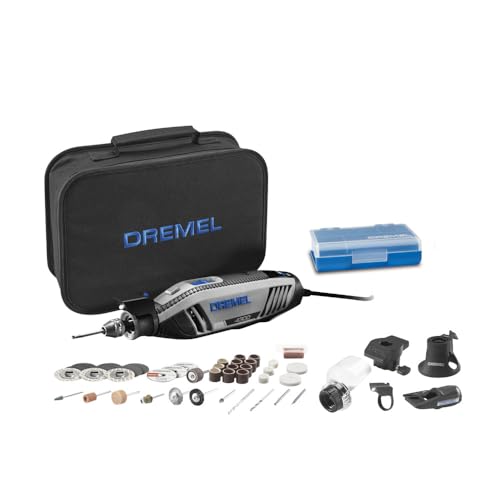
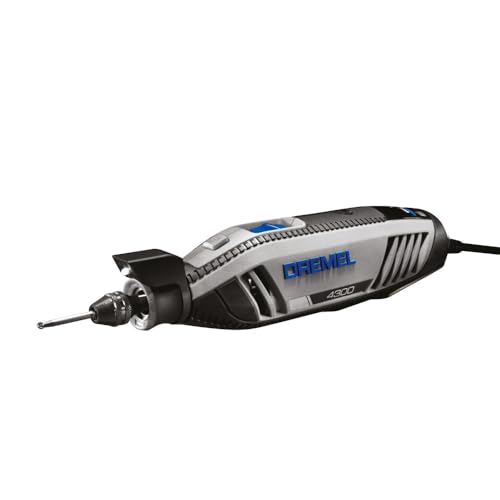
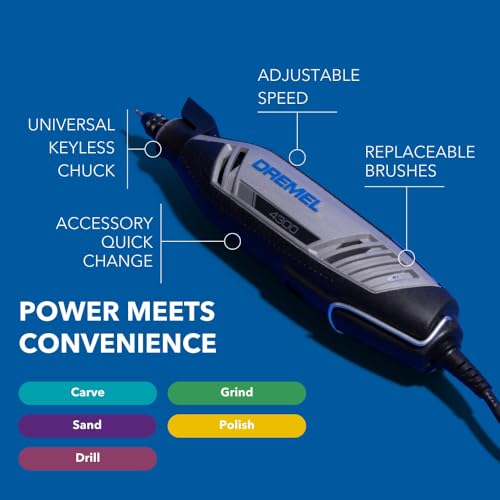
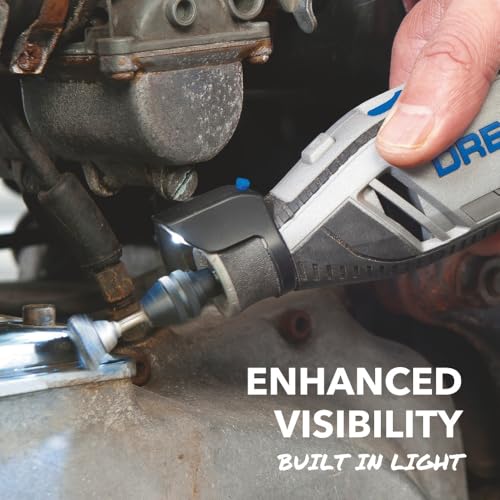
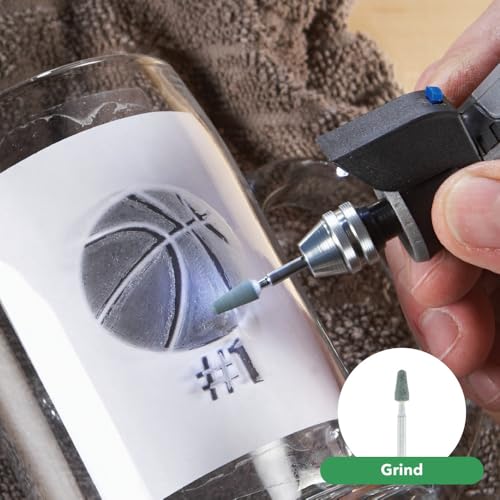
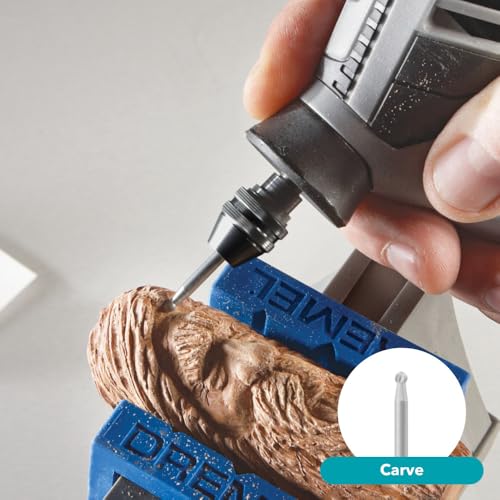
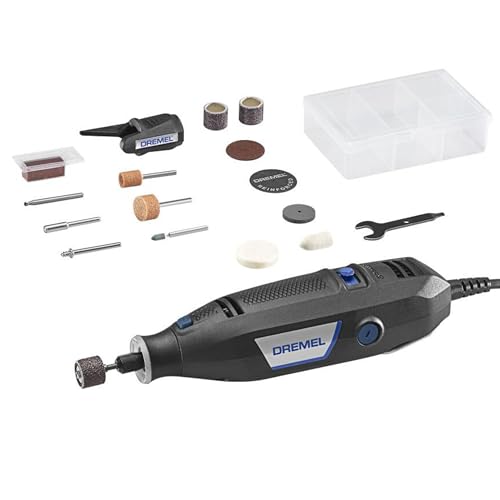
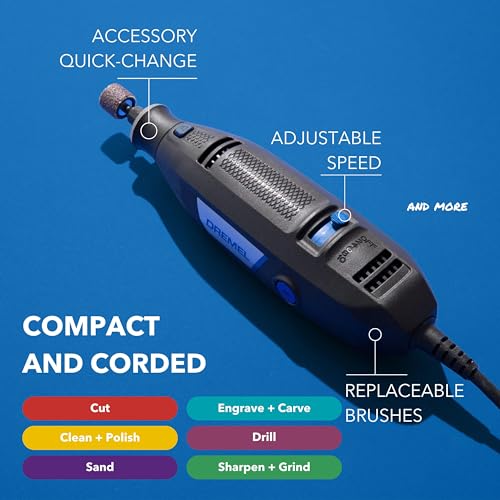
This is the model I’d recommend to most people if they’re willing to invest. The most powerful motor in Dremel’s line, paired with electronic feedback and a 5,000–35,000 RPM range, means it handles everything from hardwood carving to tile engraving without bogging down. The pivot light is a small feature that makes a big difference, especially when working under cabinets or in shadowed areas.
It also has replaceable motor brushes, which extends its life significantly compared to sealed units. The 40 included accessories and 5 attachments (like the flex shaft and right-angle grip) make it incredibly versatile. Yes, it’s pricier, but for anyone doing more than occasional tinkering, this is the best overall balance of power, precision, and expandability.
Product photos
Dremel 3100-1/15 Variable Speed Tool
Strengths
- Strong 1.2-amp motor
- Cool-running design
- Recycled housing material
Trade-offs
- Few included accessories
- No attachments
The Dremel 3100 feels like a smart middle ground, more power than the old 200 series, better cooling than the 3000, and priced to move. Its 1.2-amp motor and 5,000–35,000 RPM range make it capable across sanding, cutting, and engraving. The optimized airflow system is a real upgrade; owners report less heat buildup during longer runs, which matters when you’re smoothing wood edges or cleaning rust.
It’s not the most feature-rich kit, with only 15 accessories, but they’re solid basics. I’d still recommend upgrading to a full Dremel accessory set later. Still, for someone wanting a trusted brand without paying top dollar, this is the smartest value pick from Dremel right now, better than stepping up to the 4300 unless you need attachments.
Product photos
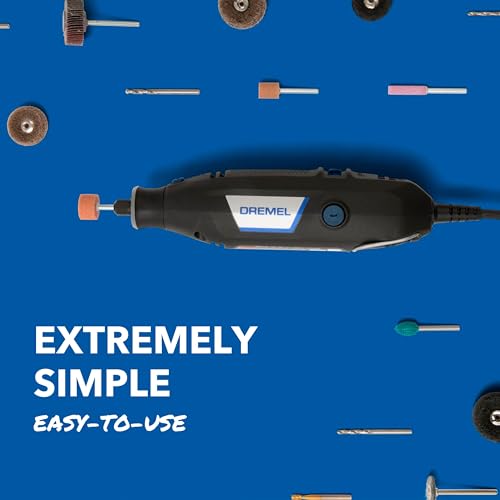


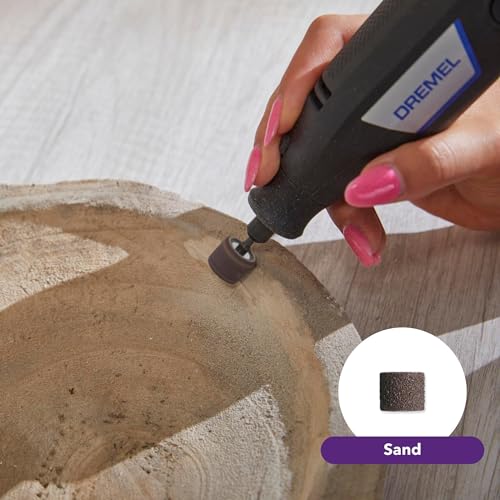
PHALANX 180W Rotary Tool Kit

Strengths
- High 180W power
- Includes flex shaft
- 213 accessories
Trade-offs
- Bulky design
- Noise level high
With an 180W motor and 6-speed stability, this is the closest thing here to a heavy-duty rotary tool. The keyless chuck and multiple collets make bit changes fast and secure, and the flex shaft adds serious versatility. It’s overkill for light crafts, but for someone grinding welds, shaping metal, or carving deep into wood, it holds up.
The 213-piece kit is massive, and while not all bits are high-end, it covers nearly every need. Reviewers note it runs hotter than Dremel models, but the ventilation design helps. If you’re doing serious fabrication and want one tool to do it all, this is the best pick for power and range, just don’t expect the finesse of a Dremel.
Product photos


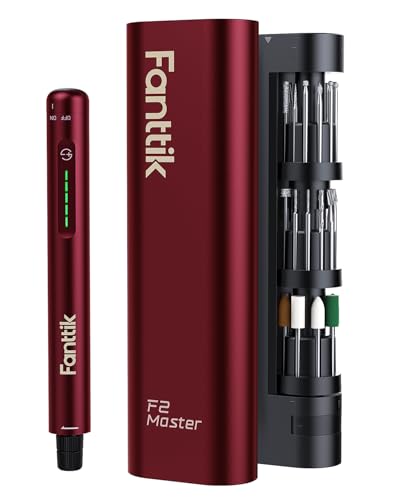
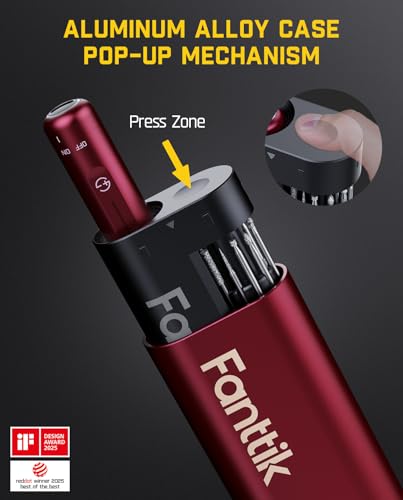
Fanttik F2 Master Mini Cordless Tool
Strengths
- Brushless motor
- Magnetic accessory hub
- USB-C charging
Trade-offs
- Limited collet size
- No replaceable battery
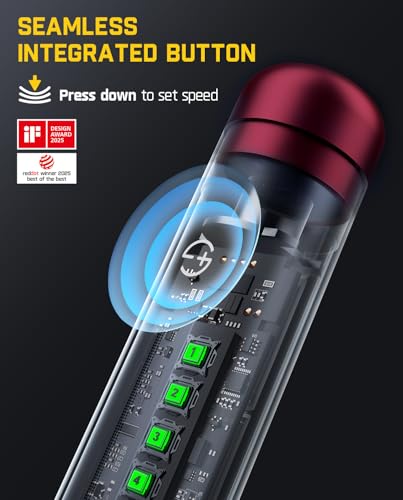
The brushless motor and 25,000 RPM max speed make the Fanttik F2 punch above its size. It’s whisper-quiet compared to brushed rivals, and the 360° magnetic Revostor hub is genius, no more digging through bags for bits. The 3/32-inch collet limits accessory compatibility, but it’s precise for fine work.
Owners praise its balance and the real-time LED speed indicator, which helps maintain control during delicate tasks like 3D print sanding or engraving. At just 0.22 pounds, it’s ultra-portable. It’s not for grinding metal, but for precision and convenience, it beats every other cordless option here. The USB-C charging is a nice modern touch, too.
Product photos


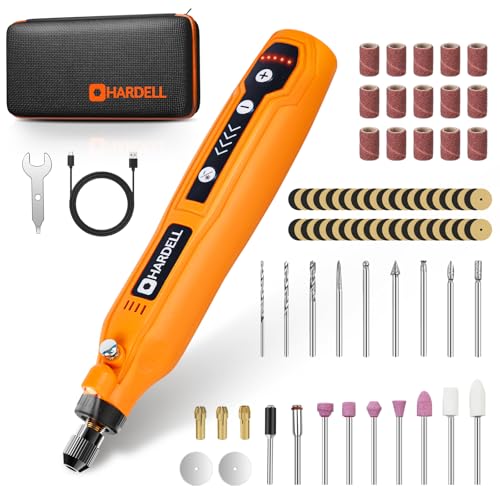
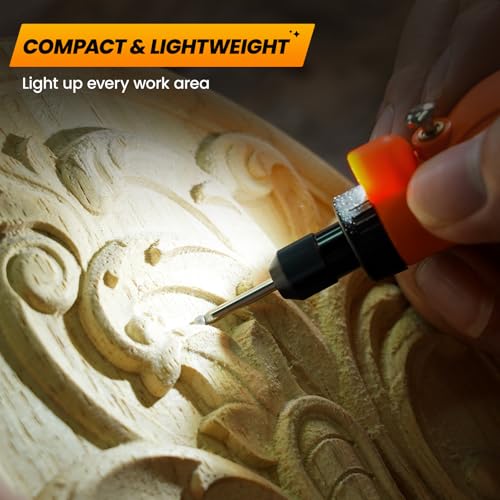
HARDELL Mini Cordless Rotary Tool
Strengths
- Ultra lightweight
- USB rechargeable
- LED lighting
Trade-offs
- Low power output
- Plastic build
- Short duty cycle
This is clearly built for beginners and light crafters. The pen-like grip and 5-speed settings up to 18,000 RPM make it easy to control, and the LED blind spot lighting is a thoughtful touch for working in tight spaces. It’s not powerful, 3.7V shows, but for resin shaping, bead polishing, or cleaning small parts, it gets the job done.
Owners like the 200-minute runtime and USB charging, though some note the motor stalls under pressure. The 69 accessories are decent for basic tasks, but don’t expect them to last through heavy use. Compared to the Fanttik F2, it’s less refined, but also much cheaper. If you’re on a tight budget and want something cordless for weekend crafts, this is a fair start.
Product photos



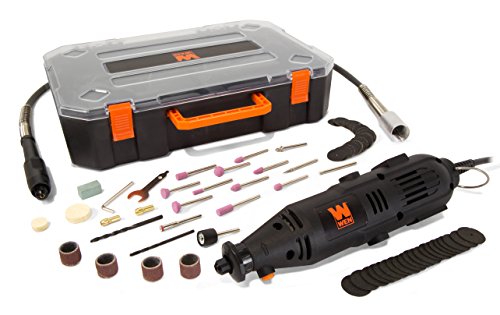
WEN 23103 Rotary Tool with Flex Shaft
Strengths
- Includes flex shaft
- 100+ accessories
- Carrying case included
Trade-offs
- Inconsistent bit quality
- Motor overheats under load
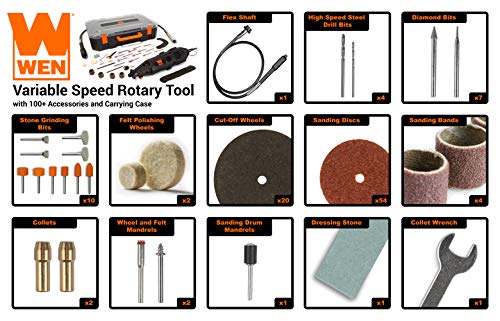
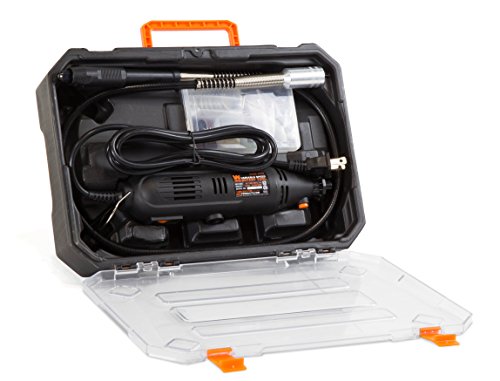
If you’re doing detailed work like jewelry repair or model building, the included 3-foot flex shaft makes this WEN model stand out. It transforms the tool into something closer to a professional engraver or jeweler’s motor, letting you work with wrist-like precision. The motor is modest at 1-amp, but the 10,000–32,000 RPM range is sufficient for most light tasks.
The 100+ accessories are a big plus, though quality varies. Reviewers note some bits dull quickly, but having so many options means you can experiment without buying extras. For beginners or hobbyists, this kit offers incredible flexibility at a low entry cost. It won’t match a Dremel 4300 in power, but the flex shaft gives it a niche no other model in this list truly fills.
Product photos


Enventor 130W Rotary Tool with 204pcs
Strengths
- Massive 204-piece kit
- Keyless chuck
- 6 speed options
Trade-offs
- Overheats quickly
- Build quality inconsistent
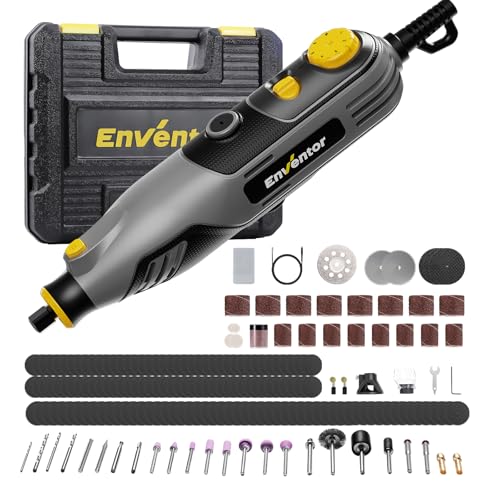
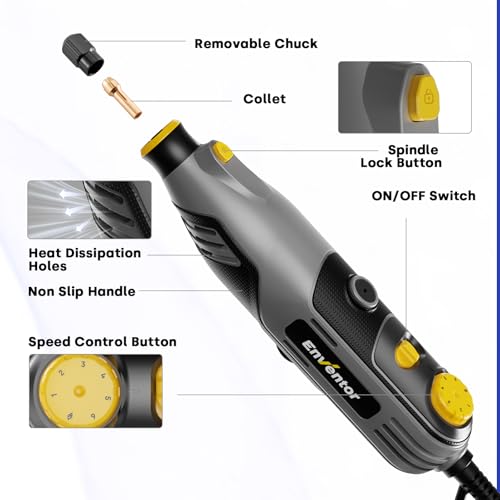
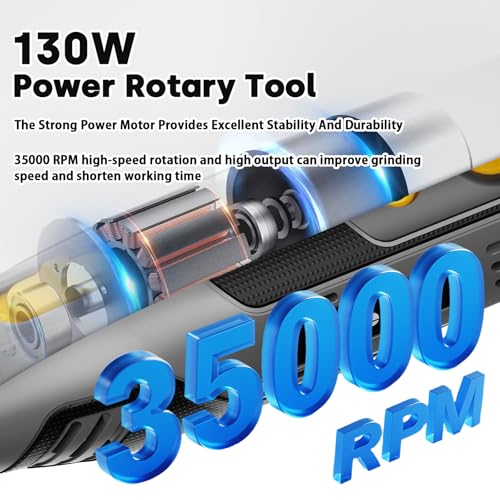
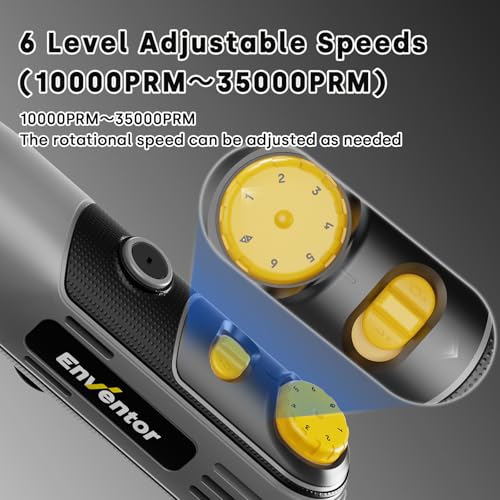
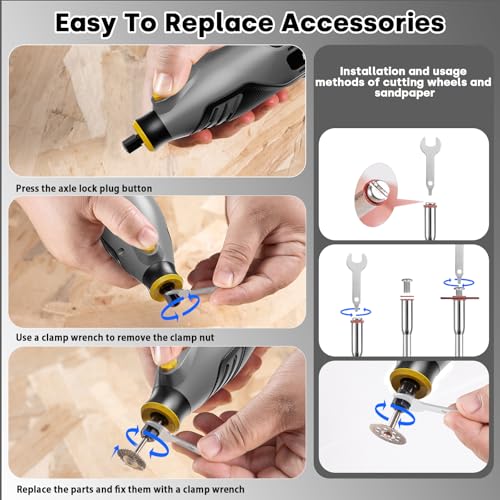
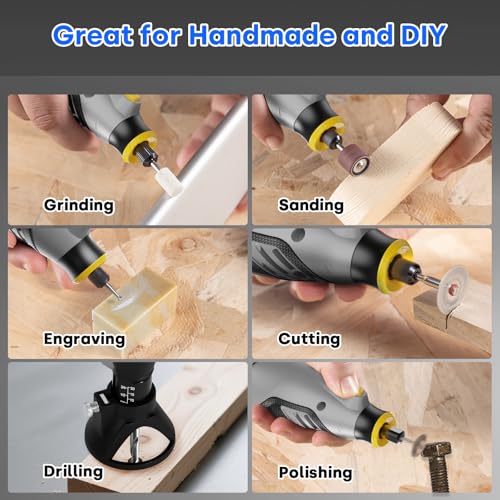
Let’s be clear, this is an accessory play. With 204 pieces, including 80 abrasive discs and 66 cutting wheels, it’s overkill for most people, but great if you hate buying bits one at a time. The 130W motor and 6-speed dial give decent control, and the keyless chuck is a step up from basic collets.
But owners report the tool heats up fast, and the housing isn’t as durable as Dremel’s. Still, for hobbyists who want one kit to cover every possible task, this delivers. It’s not as polished as the Dremel 4300, but for the sheer volume of included parts, it’s hard to beat. Just don’t expect pro-grade performance.
Product photos
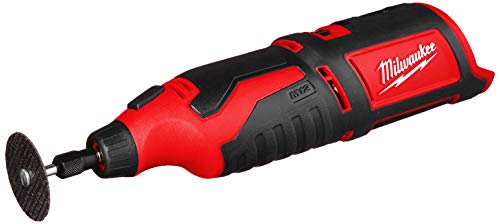
Milwaukee 12.0V Cordless Rotary Tool
Strengths
- Durable construction
- 1/8-inch collet
- 10X tool life claim
Trade-offs
- Heavier than rivals
- Less precise at low speeds
Milwaukee’s reputation for rugged tools holds up here. This 12V cordless rotary tool isn’t the most powerful on paper, but the build quality stands out. Owners consistently report it surviving drops, dust, and long project cycles without issue. The protected front bearing and grinder-style exhaust ports aren’t just marketing, they’re real durability upgrades you don’t see in budget models.
It runs at 5,000–32,000 RPM, which is competitive, and the 1/8-inch collet keeps accessory compatibility broad. But I wouldn’t pick this for intricate detail work. It’s better suited for tradespeople who need a rotary tool that can take a beating on a job site. Compared to Dremel’s corded models, it trades some precision for toughness.
Product photos


How We Chose These rotary tools
I’ve spent years working with rotary tools, from light hobby work to more demanding projects around the shop. Rather than a hands-on lab test of each model, this guide is a research-led comparison of published specifications, owner reviews, and expert opinions. I focused on identifying key features and performance indicators, then weighed those against real-world feedback to rank these tools. My goal was to pinpoint which models consistently deliver the best value and performance for various needs.
For rotary tools, motor power and speed control are paramount. I gave significant weight to these factors, as they directly impact the tool’s ability to handle different materials and tasks. A wider speed range offers versatility, while sufficient power ensures consistent performance even under load. Durability also played a huge role; owner reports regarding long-term reliability and build quality were carefully considered. Understanding proper tool care, like learning about safely using a hole saw for certain applications, can extend a tool’s life too.
Specifications reliably tell you about motor wattage, RPM ranges, and included accessories. However, owner feedback and expert reviews were crucial for assessing real-world performance, noise levels, and long-term durability. I paid close attention to comments regarding vibration, ease of use, and the quality of included accessories. Reputation and brand trust factored in, especially when evaluating cordless models and battery performance claims.
How To Pick The Right rotary tools
I’ve spent years around these tools, and one thing is clear: a rotary tool’s versatility is only as good as its ability to handle the tasks you need it for. Don’t fall for the “one tool does all” marketing.
A good rotary tool balances power with control. Look for variable speed options, a comfortable grip, and accessory compatibility. Motor amperage indicates power, while collet size determines which accessories it can accept. Build quality and ventilation are also critical for longevity, especially during extended use.
Motor Power and Speed Control
The motor is the heart of any rotary tool, and you’ll find a significant range in power output. Lower-powered models (under 1 amp) are fine for light hobby work like engraving or polishing small items. But if you anticipate cutting metal, working with thicker materials, or demanding consistent performance, I recommend stepping up to a tool with at least 1.2 amps or higher. Don’t immediately equate high RPM with better performance; a tool with a wider, controllable speed range is far more useful. Variable speed is essential, allowing you to match the RPM to the material and task at hand.
Collet and Accessory Compatibility
The collet is what holds the accessories, and its size dictates what you can use. Most rotary tools come with a 1/8-inch collet standard, but some include additional sizes like 1/16-inch or 3/32-inch for greater versatility. It’s frustrating to buy a set of accessories only to find they don’t fit, so check this before you buy.
- A basic 1/8-inch collet is sufficient for many common tasks.
- Having multiple collet sizes (1/16″, 3/32″) broadens accessory options, particularly for detailed work.
- Consider a tool compatible with Dremel accessories, as they’re widely available and offer a huge selection, even if you end up exploring top cordless rotary tools from other brands.
Build Quality and Ergonomics
Rotary tools can generate heat and vibration, especially during prolonged use. A well-built tool will have features to mitigate both. Look for models with ventilation systems to prevent overheating and ergonomic designs with comfortable grips. Don’t underestimate the importance of a balanced tool; it will reduce fatigue and make more precise work possible. A flimsy housing or a poorly designed switch can be a sign of lower quality. If you plan on doing a lot of detail work, consider a model with a flex shaft attachment – it provides greater control and maneuverability, though learning reciprocating saw fundamentals can be helpful for larger cutting jobs.
Don’t skimp on the tool to save a few dollars. A quality rotary tool will last longer, perform better, and ultimately be a more satisfying investment.
Rotary Tools Compared
Here’s a comparison of key specifications for several rotary tools to help you make an informed decision.
| Product Name | Power (W) | Speed (RPM) | Cordless | Accessories | Chuck Type | Flex Shaft |
|---|---|---|---|---|---|---|
| Dremel 4300-5/40 | N/A | 5,000 – 35,000 | No | 40 | Universal 3-Jaw | N/A |
| Dremel 3100-1/15 | 1.2 | 5,000 – 35,000 | No | 15 | N/A | N/A |
| PHALANX 180W | 180 | 8,000 – 35,000 | No | 213 | Keyless | N/A |
| Fanttik F2 Master Mini | N/A | Up to 25,000 | Yes | 35 (2.3mm) | 2.3mm | N/A |
| HARDELL Mini Cordless | N/A | 5,000 – 18,000 | Yes | 69 | N/A | N/A |
| WEN 23103 | 1 | 10,000 – 32,000 | No | 100+ | N/A | Yes |
| Enventor 130W | 130 | 10,000 – 35,000 | No | 204 | Keyless | N/A |
| Milwaukee 12.0V Cordless | N/A | 5,000 – 32,000 | Yes | N/A | 1/8-inch | N/A |
Frequently Asked Questions
What’s the main difference between corded and cordless rotary tools?
Cordless models offer portability and convenience, running on rechargeable batteries, while corded tools provide consistent power and don’t require charging or battery replacement. Battery life and voltage are key considerations with cordless options; for serious use, a higher voltage (12V or more) is preferable.
What do the numbers in an RPM range (like 5,000-35,000) actually mean?
That range indicates the tool’s rotational speed in revolutions per minute. A wider range provides greater versatility; lower speeds are ideal for polishing and delicate work, while higher speeds are needed for cutting and grinding. Variable speed control allows you to select the optimal RPM for the material and task.
Are Dremel accessories universal, or are they proprietary?
While Dremel was the original innovator, many manufacturers now make accessories compatible with Dremel’s collet size. However, the quality can vary, so I suggest sticking with Dremel-branded accessories, or reputable brands, for consistent performance, especially when considering rotary tools from Dremel.
What collet size should I prioritize when buying a rotary tool?
A 1/8-inch collet is the most common and will handle a wide variety of accessories. If you anticipate doing a lot of very detailed work, a tool that also includes 1/16-inch and 3/32-inch collets offers more flexibility and precision, giving you access to smaller bits.
How can I extend the life of my rotary tool?
Regular cleaning to remove dust and debris is essential. Avoid applying excessive pressure, which can strain the motor and bearings. Also, proper ventilation during use prevents overheating, and storing the tool in a dry place protects it from corrosion.
The Bottom Line
Choosing a rotary tool often comes down to balancing immediate cost with long-term capability. While many options exist, the Dremel 4300-5/40 stands out as the strongest all-around performer. Its proven reliability, wide accessory compatibility, and significant power make it a worthwhile investment for both beginners and experienced users.
For those on a tighter budget, the PHALANX 180W delivers an impressive kit with a huge accessory count at a very competitive price. If cordless convenience is your priority, the Milwaukee 12.0V Cordless offers solid performance and the benefit of being part of a larger, compatible tool system. Remember that mastering jig saw cutting tips can expand your workshop capabilities alongside a new rotary tool.
Ultimately, the specs matter less than understanding how you’ll use the tool. Prioritize variable speed control, a comfortable grip, and the ability to accept the accessories you’ll actually need. A little extra investment upfront in a quality rotary tool will pay dividends in performance, durability, and project satisfaction.
