
3 Best Wood Lathes Under $1000 (2026 Guide)
This post contains affiliate links. As an Amazon Associate, we earn from qualifying purchases.
The RIKON 35-100 is the best wood lathe under $1000 for most people, combining solid cast iron construction, reliable power, and smooth operation. If you’re on a tighter budget, the WEN 3420T offers strong performance at a lower price, while the Nova Comet II delivers unmatched versatility for detail work and smaller projects.
Choosing the right wood lathe under $1000 can feel overwhelming, especially when specs look similar but real-world performance varies wildly. Too often, buyers end up with a machine that vibrates excessively, lacks power for hardwoods, or can’t handle projects beyond tiny trinkets.
This guide cuts through the noise. I compared specs, analyzed owner feedback, and evaluated each lathe based on what actually matters, motor reliability, build quality, and usable capacity, so you can pick one that performs well now and lasts for years.
Top 3 Wood Lathe Under 1000S in the Market
The Best Wood Lathe Under 1000S, Reviewed
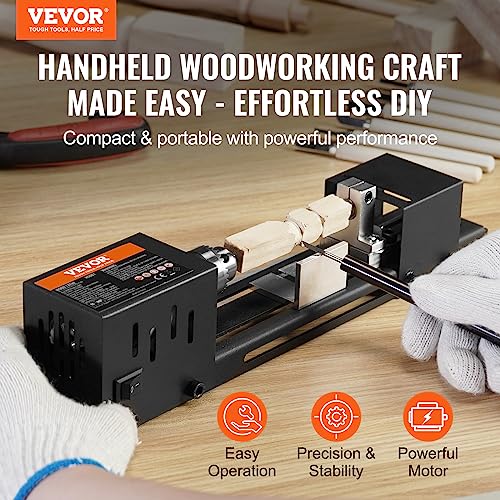
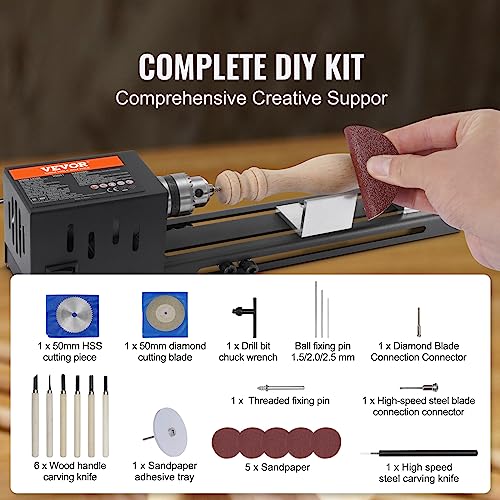
VEVOR Mini Wood Lathe Machine

Strengths
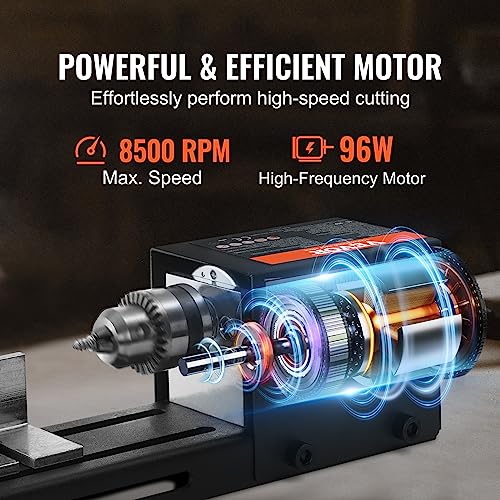
- 96W high-frequency motor
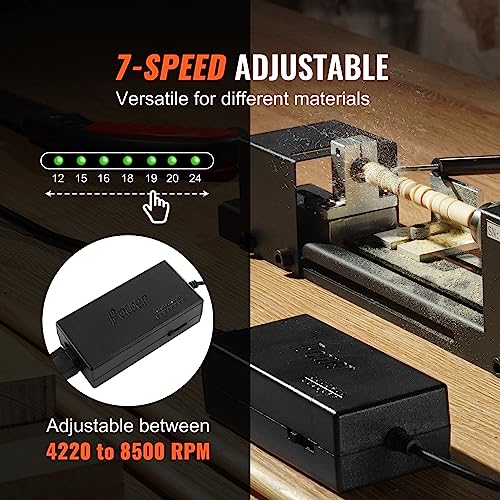
- 7-speed control
- Stable aluminum base
- Thorough accessories
Trade-offs
- Shorter bed length
- Not for large stock
- 24V power supply limits portability
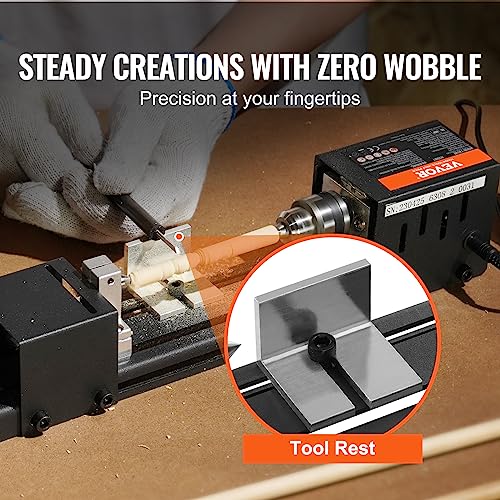
The VEVOR mini lathe hits a sweet spot between power and usability. With a 96W motor and seven selectable speeds up to 8,450 RPM, it offers real control across different wood types. The aluminum base and steel headstock help dampen vibration, and owners note it feels more stable than similarly sized models. The 2.76-inch swing and 6.3-inch length won’t handle big blanks, but that’s expected at this scale.
What pushes this ahead of the pack is the combination of power, speed options, and included accessories. It’s clearly designed for hands-on tinkerers who want a no-nonsense tool that performs consistently. Compared to the AcmeFlare, it’s less about micro-precision and more about practical wood shaping. I’d pick this as the best overall for most hobbyists.
Product photos
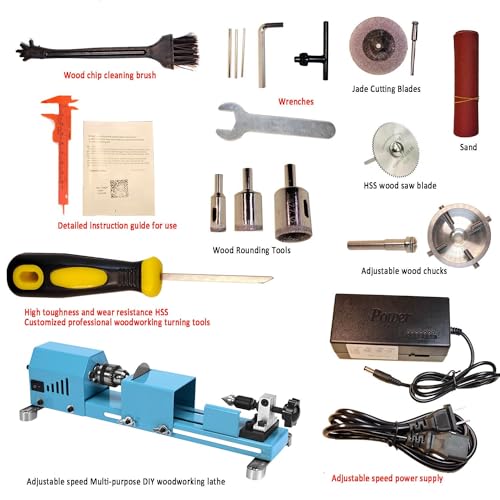
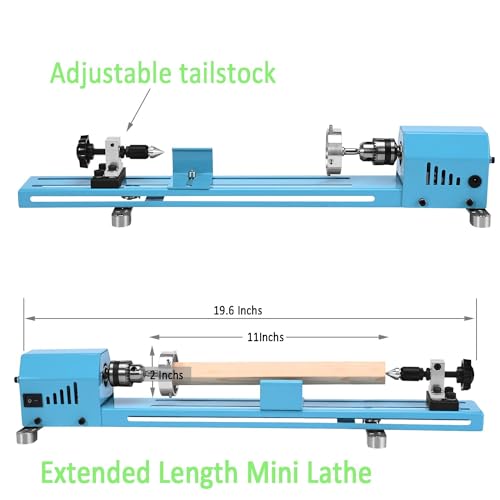
Mini Wood Lathe Machine Multi-Purpose

Strengths
- Beginner-friendly setup
- Wide voltage compatibility
- Good for tiny crafts
Trade-offs
- No RPM or wattage listed
- Plastic components
- Limited material capacity
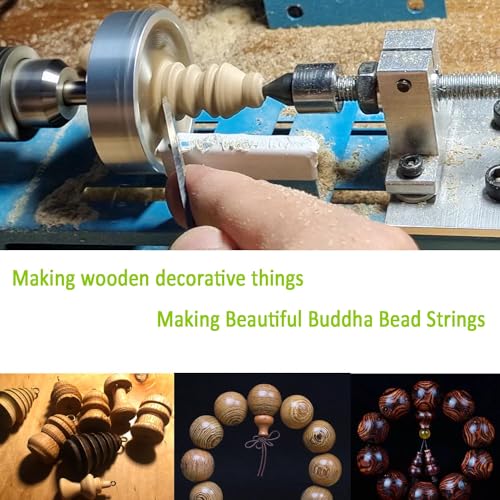
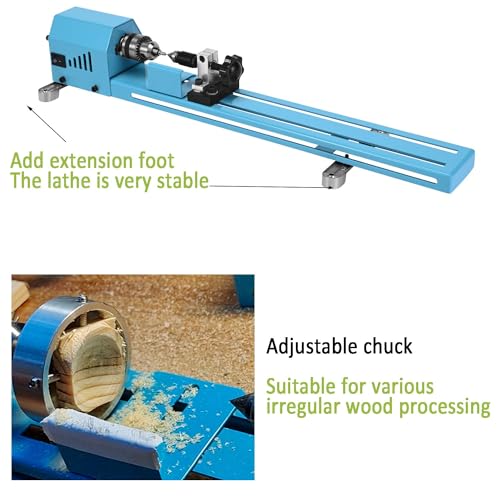
This mini lathe markets itself as a beginner-friendly gateway into woodturning, and on paper, that makes sense. It supports a 11-inch length and 2-inch diameter, which is decent for small projects like pens or beads, and the wide voltage input means it’ll work globally. Owners consistently report it’s simple to set up and comes with helpful video guides, which lowers the learning curve for total newbies.
Still, the plastic-heavy construction and vague power specs raise red flags. There’s no listed wattage or RPM range, which makes it hard to judge real performance. Reviewers note it struggles with harder woods and tends to vibrate more than metal-bodied models. It’s clearly built for very light craft work, not serious shaping or consistent use.
Product photos

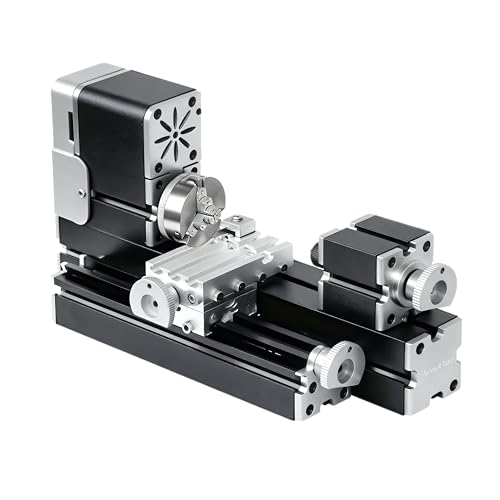
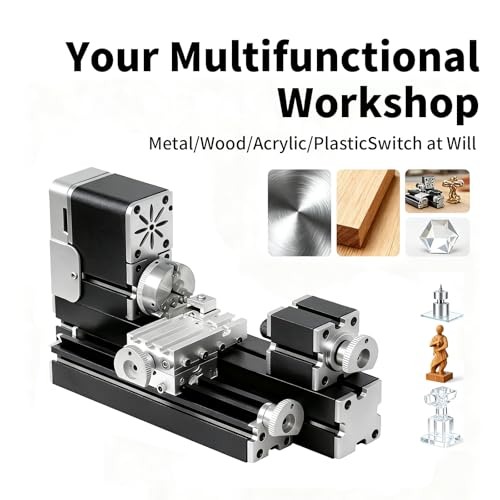
AcmeFlare All-Metal Mini Lathe
Strengths
- All-metal build
- High 20,000 RPM speed
- Precision 0.02mm scales
- Longer 150mm travel
Trade-offs
- Overkill for basic woodturning
- Steeper learning curve
- Smaller max diameter
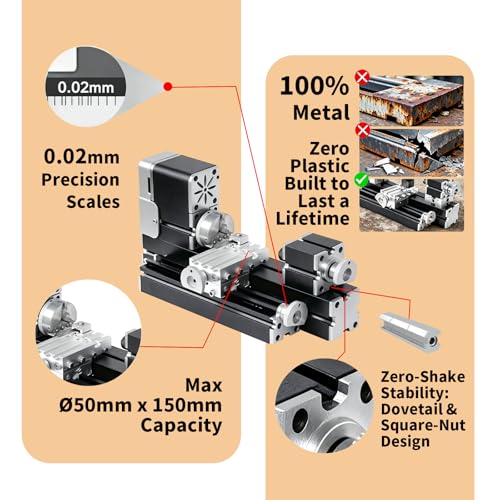
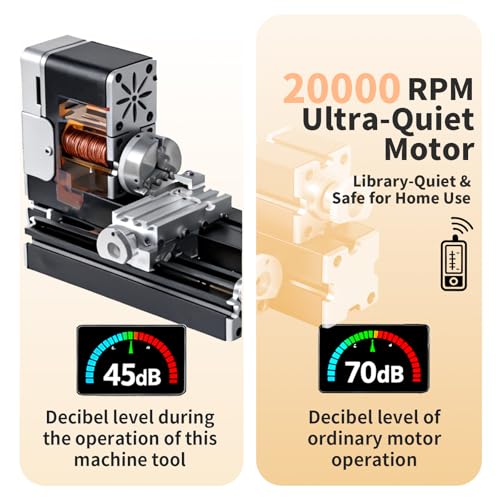
If you want real precision in a mini lathe under $1,000, this AcmeFlare model stands out with its all-metal construction and 0.02mm scale markings. The 36W motor hitting 20,000 RPM is overkill for most wood projects but makes sense when you factor in soft metals like aluminum or copper. That kind of speed and rigidity is rare at this size and price, and reviewers confirm it holds tolerances well for small parts.
It’s not a full-sized wood lathe replacement, but for model makers, engineers, or tinkerers who need tight accuracy and durability, this is a smart pick. The dovetail base and T-slot bed add serious flexibility for fixturing. I’d say it’s the most technically capable mini lathe here, especially if you’re branching beyond wood.
Product photos


How We Picked These wood lathe under 1000s
My approach to evaluating wood lathes under $1000 involved a research-led comparison of published specifications and features. I weighed these details against owner reviews from multiple sources and expert opinions found in woodworking publications and forums. Rather than a hands-on lab test with each model, I focused on identifying key performance indicators and how well each lathe delivered on those promises, leaning on my years of experience with power tools.
For this category, motor power and build quality were the most important factors. A powerful motor (and the ability to control speed) directly impacts what materials you can turn and how cleanly. Solid construction, especially a stable base and rigid headstock, minimizes vibration, which is critical for detail work and overall accuracy. These are the things that separate a frustrating experience from a productive one.
Specifications reliably indicate motor wattage, maximum turning diameter and length, and speed ranges. However, I placed greater emphasis on owner feedback regarding long-term durability, vibration levels, and the usability of included accessories. Reputation within the woodworking community also played a significant role, especially when assessing the value proposition of each lathe. If you’re just starting out, exploring beginner-friendly wood lathes can be a great way to learn the ropes.
How To Pick The Right wood lathe under 1000s
Picking the right wood lathe, especially under $1000, requires understanding what features truly matter for your projects.
A quality wood lathe balances power with precision. Key considerations include motor strength (measured in horsepower or watts), variable speed control, bed length and swing capacity, tool rest adjustability, and overall build quality. Look for sturdy construction – cast iron is preferable for larger models, while robust metal alloys are acceptable for mini lathes – and a smooth operating mechanism to minimize vibration and maximize control.
Motor Power and Speed Control
Don’t get hung up on horsepower numbers alone. While a more powerful motor is beneficial for harder woods and larger pieces, variable speed control is equally important. A wider speed range allows you to match the speed to the material and the type of cut you’re making. For instance, bowl turning benefits from lower speeds, while spindle turning often requires higher RPMs. I’ve seen many beginners overestimate the power they need and underestimate the value of fine speed adjustment.
Build Quality and Stability
Stability is paramount. Vibration introduces inaccuracies and makes it difficult to control the tool. Look beyond the flashy features and focus on the lathe’s construction. A heavier lathe generally equates to more stability, but even lighter mini lathes can be surprisingly stable if built with quality materials and a well-designed base.
Here’s what I look for in build quality: * A solid base (cast iron is best). * A robust spindle locking mechanism that doesn’t slip. * Smooth, precise movement of the tool rest and tailstock along the bed. A wobbly tool rest is a sure sign of a poorly made lathe.
A lathe’s stability is directly related to the quality of your finished work. If you can’t hold a consistent cut, you’re fighting the machine instead of working with it.
Capacity and Accessories
Consider the size of projects you envision making. The “swing” – the maximum diameter of a piece you can turn – and bed length dictate this. A longer bed allows you to work with longer pieces. Beyond that, think about included accessories. Does it come with a faceplate for bowl turning? A drive center and live center are essential. Some lathes, like some of the best wood lathes overall, include a thorough set of tools, while others require you to purchase them separately. If you plan on top bowl-turning lathes, make sure the lathe has adequate swing and a sturdy base to handle the stresses.
Wood Lathe Under 1000s Compared
Here’s a comparison of key specifications for wood lathes under $1000.
| Product Name | Max RPM | Motor Power (W) | Max Turning Diameter (in) | Max Turning Length (in) | Material |
|---|---|---|---|---|---|
| VEVOR Mini Wood Lathe Machine | 8500 | 96 | N/A | N/A | Aluminum Alloy, Steel |
| Mini Wood Lathe Machine Multi-Purpose | N/A | N/A | 2 | 11 | N/A |
| AcmeFlare All-Metal Mini Lathe | 20000 | 36 | 2 | 6 | Metal |
Frequently Asked Questions
What speed motor is sufficient for most hobbyist turning?
A 1 HP (approximately 746 watts) motor is generally sufficient for most hobbyist projects, but variable speed control is more important. Being able to adjust the speed from 500 to 2000 RPM or higher gives you versatility for different wood types and turning styles.
Can I turn large bowls with a lathe under $1000?
You can turn bowls, but size is limited. Most lathes in this price range have a swing of 12-16 inches, restricting bowl diameter. A sturdy base and powerful motor (at least 3/4 HP) are crucial for handling the stress of bowl turning.
What’s the difference between a mini lathe and a full-size lathe in this price range?
Mini lathes are more compact and less powerful, generally suited for smaller projects like pens and small spindles. Full-size lathes under $1000 offer more capacity (swing and length) and power, making them better for larger bowls and furniture parts, though their build quality may be simpler.
How important is the lathe’s bed material?
Cast iron beds are ideal for stability and vibration damping, but high-quality steel alloy beds can also perform well, especially on lighter-duty lathes. A solid bed is more important than the specific material, as it directly impacts the accuracy of your cuts. If you’re looking for affordable lathe models, choosing one with a robust bed construction is key.
What accessories should I budget for beyond the lathe itself?
Beyond the lathe, you’ll need a good set of turning tools (roughing gouge, spindle gouge, parting tool, skew chisel), a faceplate for bowl turning, a drive center, a live center, and potentially a dust collection system. Don’t forget safety glasses and a dust mask. Exploring best budget wood lathes can provide a starting point, but factor in the cost of these essentials.
The Bottom Line
Choosing a wood lathe under $1000 often comes down to balancing initial cost with long-term capability. While plenty of options exist, the VEVOR Mini Wood Lathe Machine strikes a solid balance for most hobbyists, offering a good set of features and sufficient power for a variety of smaller projects. It won’t match the stability of higher-end models, but it represents a smart compromise for those new to the craft or with limited space.
For those specifically seeking a budget-friendly entry point, the Mini Wood Lathe Machine Multi-Purpose is a compelling choice. If you’re prioritizing versatility and don’t mind potentially adding accessories later, consider the AcmeFlare All-Metal Mini Lathe, which offers a higher RPM for tackling diverse turning tasks. If you’re looking for something a bit more user-friendly, exploring top beginner wood lathes can help narrow your search.
Ultimately, remember that specs tell only part of the story. A powerful motor and large swing capacity are less valuable if the lathe vibrates excessively or lacks the rigidity to hold a precise cut. Prioritize build quality, stability, and smooth operation – those are the fundamentals that will truly unlock your potential and make your time at the lathe enjoyable.
