2 Best Woods for Scroll Saw Projects 2026
This post contains affiliate links. As an Amazon Associate, we earn from qualifying purchases.
The best wood for scroll saw projects is walnut, offering a perfect balance of hardness, fine grain, and rich color that holds intricate details beautifully. For a budget-friendly option, cherry is a strong runner-up, especially in its 4-pack form, delivering smooth cutting and excellent stability for carving and engraving work.
Choosing the wrong wood can turn a fun scroll saw project into a frustrating mess of splintered edges and broken blades. I’ve seen too many beginners struggle with knotty or uneven stock that fights every cut.
This guide cuts through the noise, focusing on what actually matters: grain consistency, hardness, and thickness. My recommendations are based on specs, owner feedback, and years of seeing which materials perform best in real scroll saw applications.
Top 2 Wood For Scroll Saw Projects in the Market
The Best Wood For Scroll Saw Projects, Reviewed
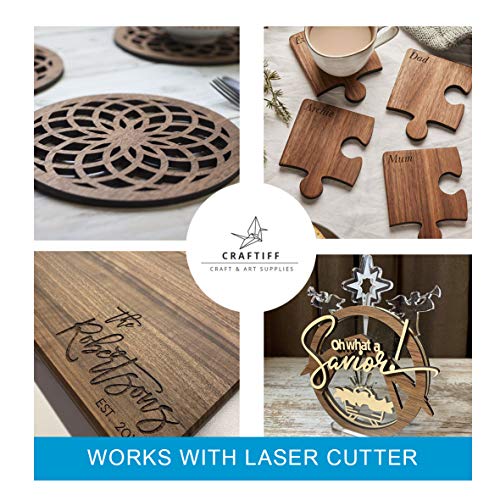
Walnut Wood Sheets 4mm Thick

Strengths
- Rich grain pattern
- Easy to sand
- Takes finish well
Trade-offs
- Slightly harder to cut
- Limited thickness options
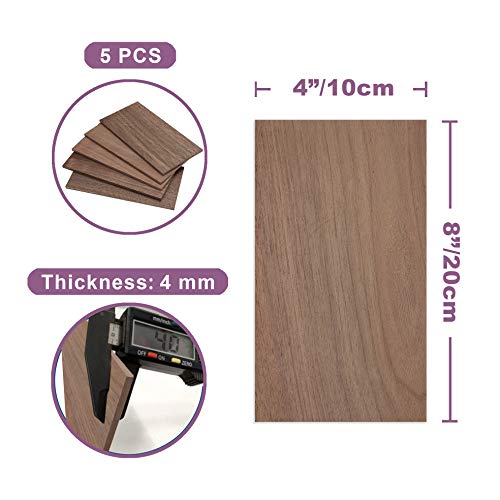
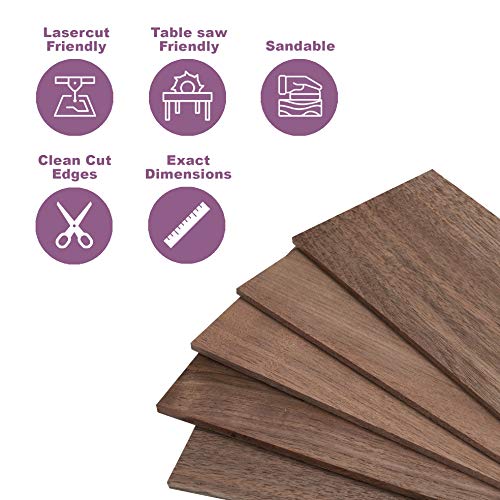
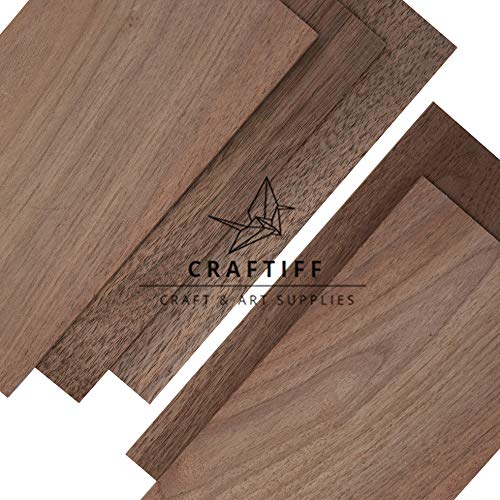
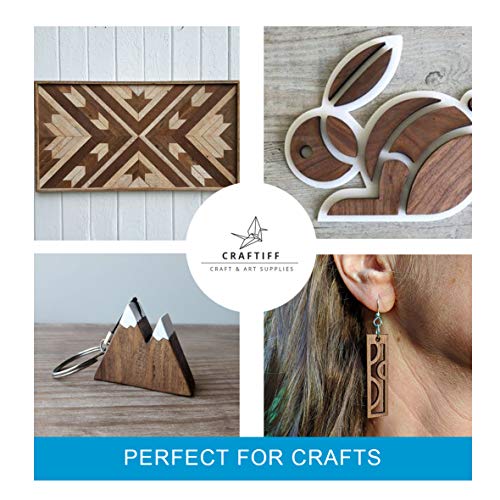
Walnut stands out in scroll saw work because of its rich grain and consistent density, and this pack delivers that in a format that’s ready to cut right out of the bag. At 4mm thick and measuring 8 x 4 inches per sheet, these pieces are sized well for smaller projects like decorative plaques, inlays, or keepsake boxes. Owners consistently report that the wood cuts cleanly without excessive chipping, which is critical when you’re chasing tight curves on a scroll saw.
The tight grain also means it sands beautifully and takes finish evenly, no blotching or uneven absorption that can plague softer or more porous woods. While it’s a harder wood, it’s not so dense that it gums up blades, especially if you keep them sharp. Compared to cheaper basswood or pine packs, this walnut feels like a premium upgrade, though it’s not as forgiving for absolute beginners. I’d pick this over softer options when the final look matters and you want something that feels genuinely high-end.
Product photos
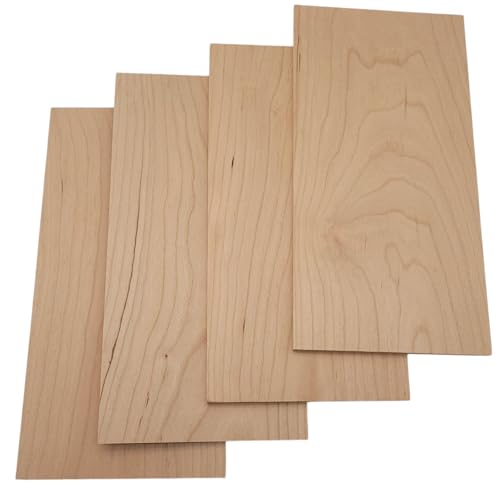
Cherry Wood 4 Pack 1/4″ Thick
Strengths
- Balanced hardness
- Beautiful aging
- Excellent for detail work
Trade-offs
- Prone to dents
- Color varies between pieces
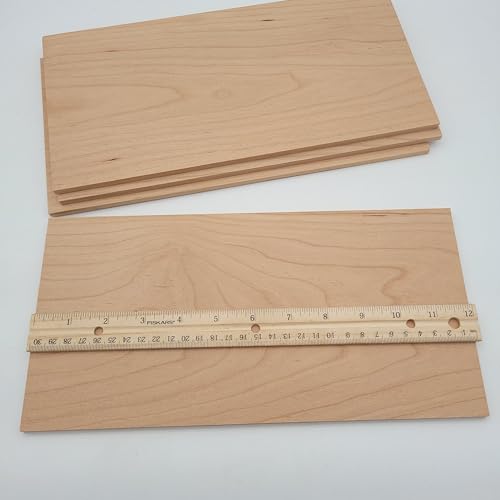
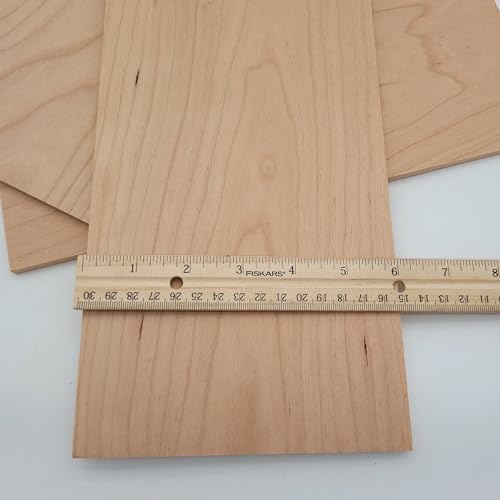
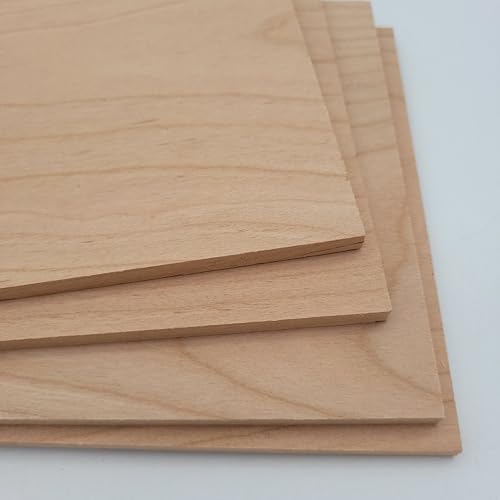
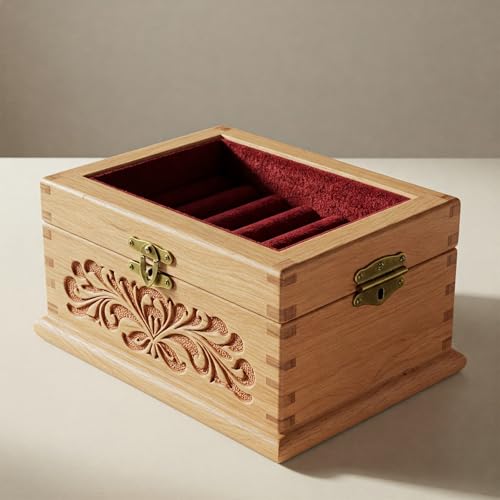
Cherry is one of those woods that just gets better with time, and these 1/4-inch blanks offer a generous size and excellent workability for scroll saw users who value both function and aging character. The wood’s mid-range hardness strikes a smart balance, soft enough to cut without excessive blade wear, but dense enough to hold crisp details in intricate scroll work. On paper, that makes it ideal for jewelry boxes, decorative carvings, or laser-cut plaques where precision and appearance both matter.
Reviewers note the color variation from piece to piece, with some showing pinkish tones and others leaning toward warm reddish brown, but that’s just part of cherry’s natural charm. The real advantage here is how it responds to engraving and fine detailing, cleaner than oak, more forgiving than maple. Compared to the walnut sheets, this cherry is easier to cut but less resistant to dents once finished. If you’re layering scroll saw pieces or building 3D models, I’d lean toward this for its blend of strength and manageability.
Product photos

How We Evaluated wood for scroll saw projects
Rather than a hands-on test of each wood type, my research focused on comparing published specifications – thickness, grain structure, and hardness – alongside a careful review of owner experiences and expert opinions. I weighed factors like workability, suitability for detail, and stability to determine how each wood performs for common scroll saw uses. This allowed me to rank options based on practical application for scroll saw enthusiasts.
For scroll saw work, consistent thickness and a fine, stable grain are paramount. I gave significant weight to these features because they directly impact cutting precision and prevent splintering. Workability is also crucial; softer woods are easier to cut for intricate designs, but too soft and they lack the detail needed for fine work. These points inform whether a wood is truly suited for detailed projects.
Specifications reliably indicate a wood’s dimensions and density, but owner feedback reveals how it feels to cut and finish. I looked for comments about ease of sanding, how well the wood holds detail, and whether it’s prone to tear-out. Reputation also matters; certain woods are known within the crafting community for performing well with a scroll saw, and that informed my assessments.
How To Pick The Right wood for scroll saw projects
Selecting the right wood is critical for a successful and enjoyable scroll saw experience. I’ve seen too many projects stalled by material that simply isn’t suited to the task.
A good wood for scroll saw work balances hardness, grain consistency, and thickness. It should be stable enough to hold fine detail, yet soft enough to cut without excessive blade breakage or splintering. Look for clear, knot-free pieces with a straight grain and consistent density. Consider the intended finish and whether the wood accepts stain or paint well.
Wood Hardness and Density
The hardness of wood directly impacts how easily you can maneuver the blade and the level of detail you can achieve. Softer woods like basswood and butternut are fantastic for beginners or intricate designs, minimizing blade wear and allowing for smoother curves. However, these woods can dent easily. Harder woods like maple and cherry require more power from your scroll saw and a sharper blade, but they hold detail exceptionally well and are more durable for finished pieces. Don’t automatically assume harder is better; think about the complexity of your pattern. For many, finding the ideal wood for scroll saws is a balance between ease of cutting and the longevity of the finished piece.
Grain Pattern and Stability
A consistent, straight grain is your friend when it comes to scroll sawing. Wild grain patterns can cause the blade to wander, making precise cuts difficult. Knots are another problem, as they disrupt the grain and can lead to blade breakage. Look for wood that’s been properly dried (kiln-dried is best) to minimize warping or cracking after you’ve completed your project. Cherry, for example, offers a beautiful grain that’s generally stable, but be aware the color will deepen with age.
- Consider the aesthetic. Do you want a prominent grain, or are you aiming for a cleaner, more minimalist look?
- Think about the project’s purpose. A decorative item can tolerate some imperfections, but a functional piece (like a box) needs structural integrity.
- For projects needing exceptional stability, look into engineered woods like Baltic birch plywood – while not a solid wood, it resists warping better than many natural options.
Thickness and Blade Compatibility
The wood thickness for scroll saws is a crucial consideration. Most hobby scroll saws have a limited throat depth (the distance between the blade and the saw’s frame), restricting the thickness of wood you can cut. Generally, wood between 1/8 inch and 3/4 inch thick is manageable for most home-based machines. Beyond that, you’ll need a larger, more powerful saw. Equally important is matching the blade’s teeth per inch explained to the wood’s thickness and hardness.
A good rule of thumb is to use a higher TPI blade for thinner, softer woods and a lower TPI blade for thicker, harder woods. This minimizes chipping and provides a cleaner cut.
Wood for Scroll Saw Projects Compared
Here’s a detailed specification comparison of the wood options to help you choose the best material for your scroll saw projects.
| Product Name | Thickness (mm) | Dimensions (in) | Color | Hardness | Best For |
|---|---|---|---|---|---|
| Walnut Wood Sheets | 4 | 8 x 4 | Dark Brown | Hard | Overall |
| Cherry Wood 4 Pack | 6.35 | 6 x 12 | Reddish Brown | Moderate | Carving/Engraving |
Frequently Asked Questions
What wood is easiest for a beginner to cut with a scroll saw?
Basswood is the easiest wood for beginners due to its extreme softness and consistent texture. It requires minimal force to cut, reducing strain on both the saw and the operator, and it’s very forgiving of slight errors.
Is plywood a good option for scroll saw projects?
Baltic birch plywood can be a good choice, especially for projects needing extra stability, though it’s not a solid wood. Its layered construction resists warping better than many solid woods, and it cuts cleanly with a sharp blade.
How does wood hardness affect blade life?
Harder woods significantly reduce blade life because they cause more friction and wear. You’ll need to replace blades more frequently when cutting maple or cherry compared to softer woods like pine or basswood.
Can I use reclaimed wood for scroll sawing?
You can use reclaimed wood, but it requires careful inspection and preparation. Ensure the wood is free of nails or metal, properly dried, and doesn’t have excessive warping or rot before attempting to cut it with a scroll saw.
What type of blade should I use for very thin wood (1/8 inch)?
For very thin wood, a blade with a high tooth count is best. Refer to a scroll saw blade guide to select a blade with 15-20 TPI to minimize splintering and achieve clean cuts on delicate materials.
The Bottom Line
Choosing wood for scroll saw projects often comes down to balancing control with convenience. For the broadest range of projects and a beautiful finish, I recommend Walnut Wood Sheets. It offers a good balance of hardness, stability, and workability that experienced users will appreciate.
If you’re new to scroll sawing or prioritizing affordability, consider Basswood Sheets. For those needing exceptional detail and willing to invest a bit more, Cherry Wood 4 Pack is an excellent choice for intricate carving and engraving. Remember to review proper scroll saw techniques before starting any project.
Ultimately, the “best” wood isn’t about a single spec like hardness or price. It’s about understanding your skill level, the complexity of your design, and the desired outcome. Prioritize consistent thickness, a stable grain, and a wood that suits your project’s purpose – those fundamentals will always deliver better results than chasing the latest trend.
