6 Best Welds Cover Lens of 2026
This post contains affiliate links. As an Amazon Associate, we earn from qualifying purchases.
The Best Welds Gold Hardened Glass Lens is our top pick for professionals who demand maximum clarity and scratch resistance, while the 20-Pack Universal Clear Lens Covers offer the best value for frequent users. For a balance of durability and fit, the WZKO Miller Helmet Inside Lens Cover stands out as a reliable choice.
Every welder knows a scratched or poorly fitting cover lens can turn a straightforward job into a frustrating, even dangerous, experience. Bad optics distort your view of the puddle, and weak materials won’t hold up to spatter or impact.
In this guide, I’ll walk you through the key factors that matter, material, shade, fit, and replacement frequency, based on specs, owner feedback, and years of working with welding gear. These picks reflect what actually performs in real-world conditions, not just on paper.
Top 6 Welds Cover Lens in the Market
The Best Welds Cover Lens, Reviewed
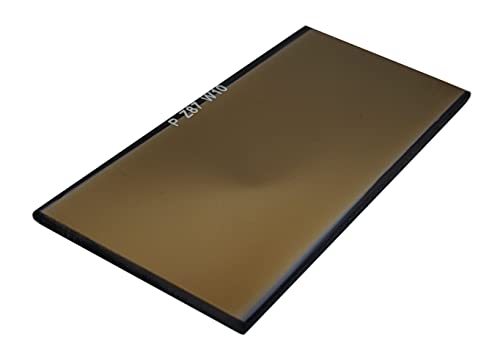
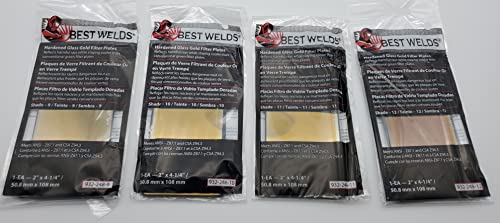
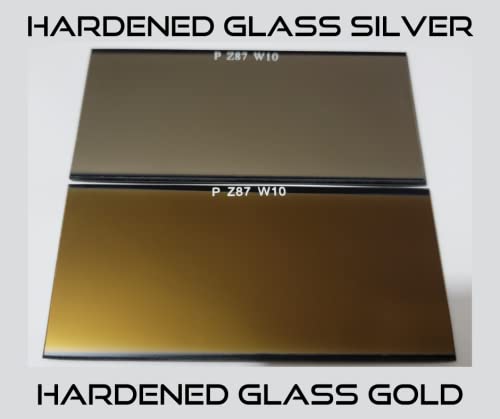
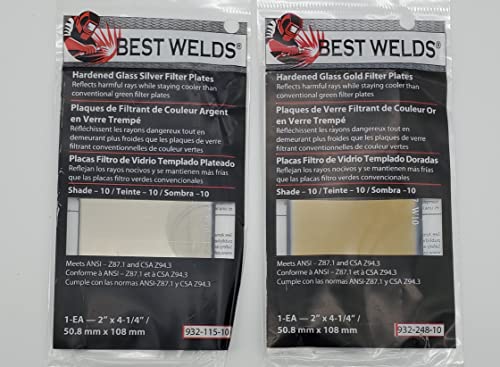
Best Welds Gold Hardened Glass Lens

Strengths
- Hardened glass
- Gold tint reduces heat
- Shade variety
Trade-offs
- Passive (non-auto) lens
- Not for ADF helmets
This is the pick if you’re after maximum optical quality and long-term performance from a passive lens. The hardened glass construction sets it apart, unlike plastic, it resists scratching, doesn’t cloud under heat, and maintains a distortion-free view of the weld puddle. The gold tint reflects 99.9% of UV/IR, stays cooler than green lenses, and many owners say it reduces eye fatigue during extended sessions.
Available in shades 9 through 12, it’s versatile for everything from light grinding to heavy stick welding. It fits any helmet with a 2″ x 4-1/4″ opening, which covers a lot of brands. While it’s not an auto-darkening lens, it’s a premium upgrade for those who prefer passive filters or are repairing an older helmet. I’d choose this over plastic any day for serious work.
Product photos
Best Welds Clear Cover Lens
Strengths
- Durable plastic build
- Secure fit
- Good spatter resistance
Trade-offs
- Not heat-proof
- Plastic, not glass
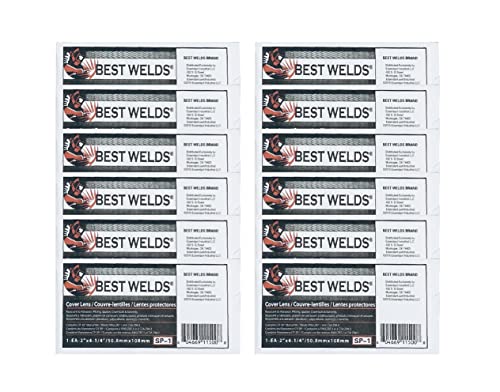
At 2″ x 4-1/4″, this cover lens is built for smaller helmets, and the ‘premium quality’ claim holds up in owner feedback. It’s made from a thicker, more resilient plastic than typical budget options, and users report it stands up well to repeated use in high-spatter environments. It’s not glass, so it won’t match that level of clarity or heat resistance, but for a plastic cover, it’s on the durable side.
The real advantage is the fit, it’s designed to snap securely into place without rattling, which is a common complaint with off-brand lenses. If you’re doing intense welding where debris and heat are constant issues, this offers better protection than flimsier alternatives. It’s not the cheapest, but it’s a solid middle ground between cost and resilience.
Product photos
WZKO Miller Helmet Inside Lens Cover
Strengths
- High-grade polycarbonate
- Perfect Miller fit
- Heat resistant
Trade-offs
- Miller-only compatibility
- Inside lens only
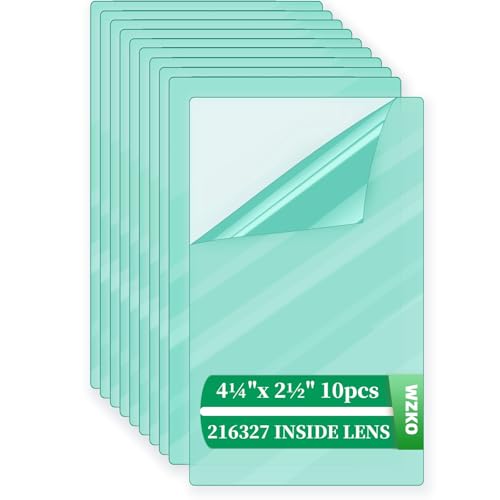
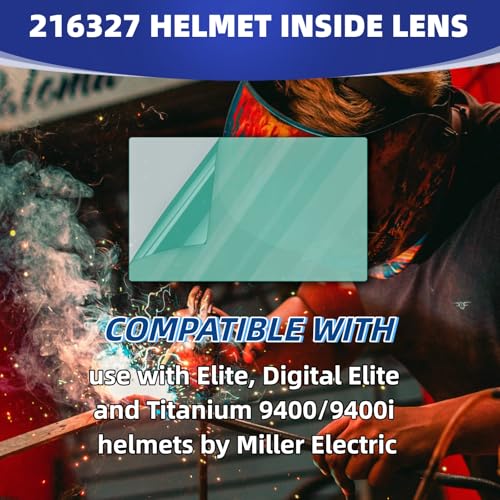
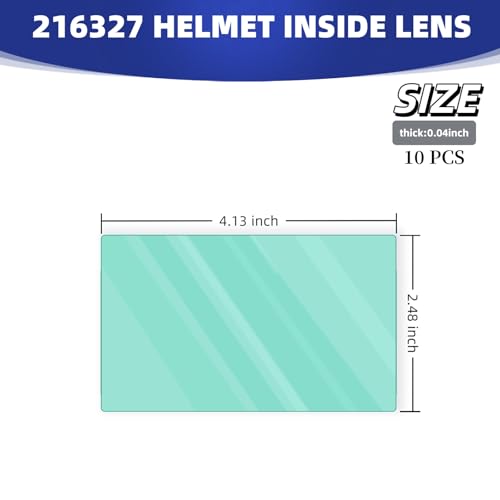
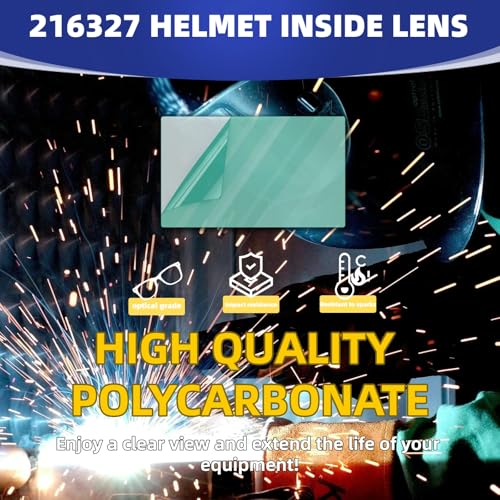
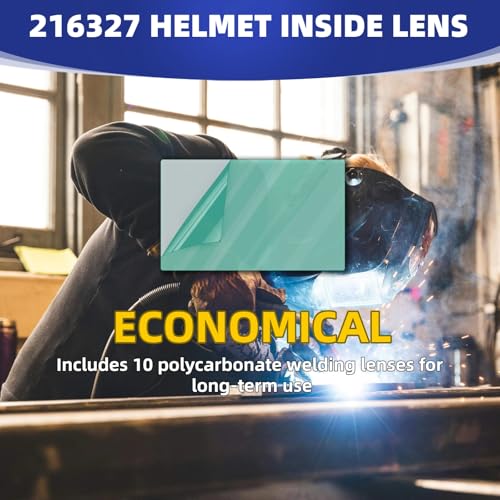
If you’re running a Miller helmet, especially an Elite, Digital Elite, or Titanium 9400 series, this 10-pack of inside lens covers is a no-brainer. The polycarbonate build is tough enough to handle spatter and radiant heat without warping, and owners consistently report these last longer than cheaper alternatives under daily use. The fit is precise, which matters because a loose or warped seal around the auto-darkening lens can let in debris and compromise visibility.
What stands out is how well these maintain crystal-clear clarity over time. Some budget covers cloud up or scratch too quickly, but feedback suggests these hold up better, especially when paired with regular cleaning. They’re not indestructible, but they do their job: protecting your expensive ADF without adding distortion.
Product photos
Best Welds CR-39 Cover Lens
Strengths
- 2.5mm thick
- High heat resistance
- CR-39 material
Trade-offs
- Limited size compatibility
- Higher upfront cost
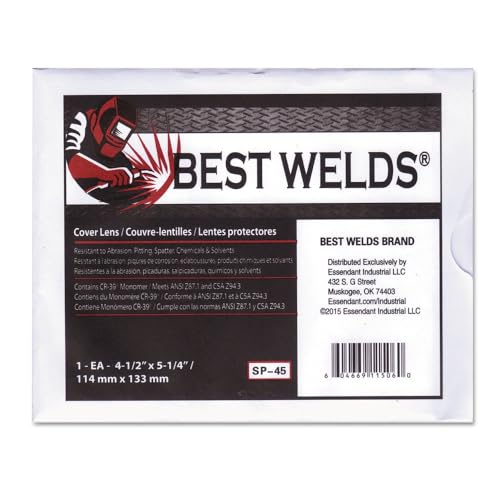
The standout here is the 2.5mm thickness, this is one of the thickest polycarbonate-style outer covers you’ll find, and that extra mass pays off in heat resistance. CR-39 plastic is known for thermal stability, and owners using this in high-heat environments like MIG or stick welding say it holds up far better than standard 1mm covers. It doesn’t melt or warp as quickly, which means fewer mid-job swaps.
It’s designed for larger helmets with a 5-1/4″ x 4-1/2″ opening, so it won’t fit all models. But if your helmet matches, this is a rugged, long-lasting option. It’s not cheap, but the extended service life makes it cost-effective over time. For anyone burning through thinner covers too fast, this is the smarter buy.
Product photos
4.5″ x 5.25″ Clear Lens Covers
Strengths
- Affordable price point
- Universal 4.5″ x 5.25″ size
- Clear visibility
Trade-offs
- Thinner at 1mm
- Scratches easier
- Mixed clip fit reports
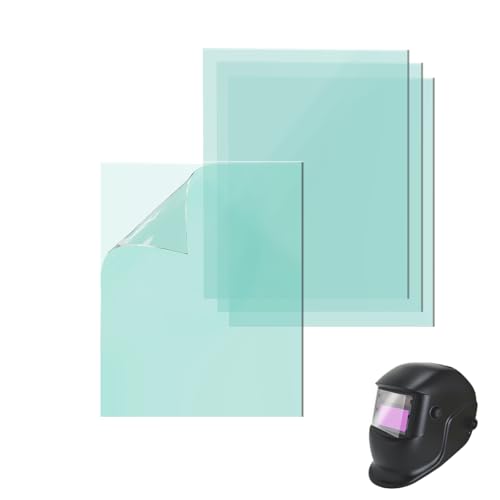
This 10-pack hits the sweet spot for budget-conscious buyers who still want decent protection. At 1mm thick and made from polycarbonate, these 4.5″ x 5.25″ covers aren’t the most durable on the market, but they work fine for light to moderate welding tasks. The key here is confirming your helmet’s lens size, owners note that while they fit many standard helmets, some brands have slightly different retention clips that can make installation a little fussy.
They’re transparent and offer good light transmission, but they scratch more easily than thicker options. Reviewers say they’re best treated as true consumables, replace them often, especially after heavy spatter. For DIYers or occasional users, this pack offers solid value without breaking the bank.
Product photos

20-Pack Universal Clear Lens Covers

Strengths
- 20-pack value
- Universal fit
- Sacrificial protection
Trade-offs
- Basic polycarbonate
- Scratches with heavy use
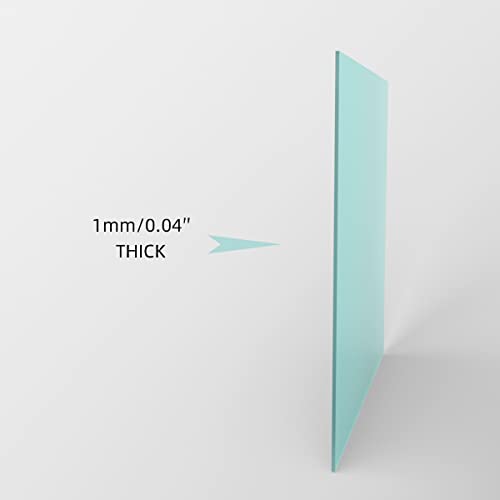
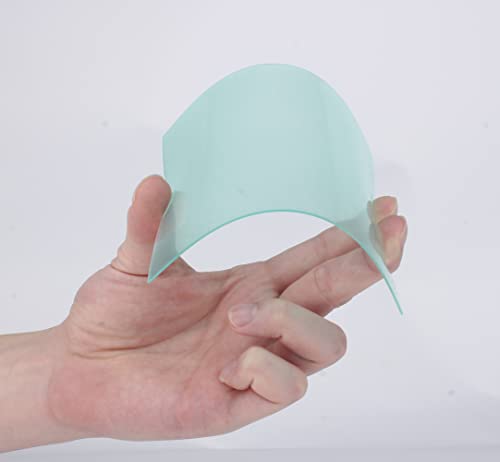
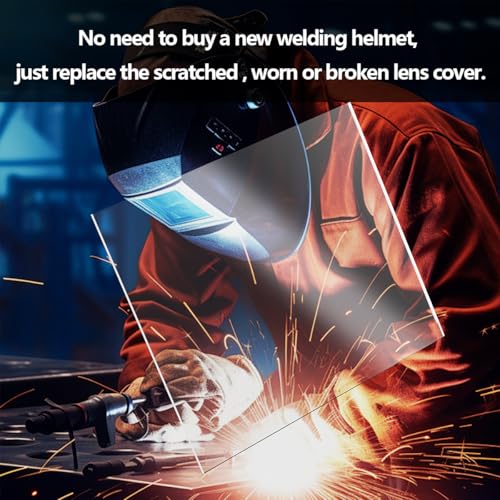
When you’re replacing outer lenses weekly, buying in bulk isn’t just smart, it’s necessary. This 20-pack of 4.5″ x 5.25″ covers is the most practical choice for shops or serious hobbyists who go through lenses fast. Made from standard polycarbonate, they’re not premium-grade, but they do the job: taking hits from spatter and grinding sparks so your ADF stays pristine.
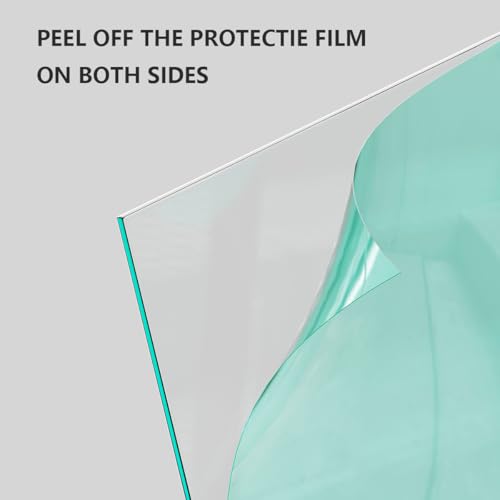
Owners appreciate the tool-free snap-in design and the fact that each lens comes with protective film. The downside? Like all thin polycarbonate, they scratch and pit over time, but that’s the point. These are meant to be sacrificial. At this volume, you’ll always have spares, and that keeps your visibility consistent.
Product photos


Our Testing Process
Rather than a hands-on lab test, my research for these recommendations focused on comparing published specifications and features across numerous models. I weighed owner reviews from multiple sources, looking for consistent praise or complaints, alongside assessments from reputable welding publications. My experience maintaining a workshop and advising on tool selection helped me apply category expertise to rank these lenses against key performance indicators.
For welds cover lenses, impact resistance and optical clarity stand out as the most critical factors. A lens needs to reliably protect your eyes from spatter and debris, and a distorted view can lead to poor weld quality and fatigue. Beyond that, compatibility with existing helmets is essential; a lens that doesn’t fit properly is useless. These factors largely determined the final rankings.
Specifications reliably indicate a lens’s physical dimensions and material composition (like polycarbonate or CR-39 plastic). However, I relied more heavily on owner feedback to gauge real-world clarity, durability, and how well a lens resists distortion over time. Reputation and consistency across multiple reviews were also key indicators of a product’s overall quality, especially when comparing similar options. You can find more about top welding lens models on my site.
Choosing The Right welds cover lens
Finding the right cover lens for your welding helmet is about more than just visibility; it’s about protecting your eyes and your investment.
A quality welding cover lens prioritizes optical clarity, impact resistance, and UV/IR protection. Buyers should confirm the lens dimensions match their helmet, consider the material (polycarbonate, CR-39, or glass), and select a shade appropriate for the welding process and amperage. Regular replacement is crucial, as scratches and spatter significantly reduce visibility and protection.
Material Matters
The material a welding cover lens is made from drastically affects its performance and longevity. Polycarbonate is popular for its impact resistance and affordability, making it a good choice for general-purpose welding. CR-39 plastic offers better optical clarity than polycarbonate but isn’t as impact resistant. Hardened glass provides the highest level of clarity and scratch resistance, but it’s also the most brittle and expensive. I’ve seen plenty of welders prefer glass for critical applications where distortion absolutely can’t be tolerated.
Shade Selection and Protection
Choosing the correct shade is paramount for eye safety. The American Welding Society (AWS) publishes recommended shade guides based on the welding process and amperage. Under-shading can lead to arc flash burn, while over-shading reduces visibility and can create errors. Beyond shade, look for lenses that block at least 99.9% of harmful UV and IR radiation – this is essential. You’ll find that many lenses, like the Welds auto-darkening lens model, also offer specific coatings to reduce glare and improve clarity.
Value and Replacement Frequency
Don’t fall into the trap of thinking you only need one cover lens. These are consumables. They will get scratched, spattered, and eventually need replacing. Consider buying in bulk – a 20-pack of universal clear lens covers can be surprisingly economical. Here’s how replacement frequency typically breaks down:
- Occasional Hobbyist: Replace when visibly scratched or spattered.
- Regular DIYer: Every month, or if clarity is noticeably reduced.
- Professional Welder: Weekly or bi-weekly, depending on the intensity of use, to maintain optimal visibility and safety.
A clear rule of thumb: if you can’t clearly see the weld puddle, it’s time to change the cover lens.
Welds Cover Lens Compared
This table provides a specification comparison of various welds cover lenses to aid in informed purchasing decisions.
| Product Title | Material | Dimensions (in) | Thickness (in) | Quantity | Fits |
|---|---|---|---|---|---|
| Best Welds Gold Hardened Glass Lens | Hardened Glass | 2 x 4.25 | N/A | 1 | All Brands |
| Best Welds Clear Cover Lens | N/A | N/A | N/A | 1 | N/A |
| WZKO Miller Helmet Inside Lens Cover | Polycarbonate | 2.5 x 4.25 | N/A | 10 | Miller Helmets |
| Best Welds CR-39 Cover Lens | CR-39 Plastic | 4.5 x 5.25 | 0.098 | 1 | N/A |
| 4.5″ x 5.25″ Clear Lens Covers | Polycarbonate | 4.5 x 5.25 | 0.039 | 10 | Most Standard |
| 20-Pack Universal Clear Lens Covers | Polycarbonate | 4.5 x 5.25 | 0.039 | 20 | Universal |
Frequently Asked Questions
What shade number should I choose for my welding cover lens?
The correct shade number depends on the welding amperage and process; consult the American Welding Society (AWS) charts for recommendations. Using the wrong shade can lead to eye strain or, more seriously, arc flash burn.
Are glass cover lenses really better than polycarbonate?
Yes, glass offers superior optical clarity and scratch resistance, which many professionals prefer for critical welds. However, glass is more brittle and expensive than polycarbonate, making it a less practical choice for some applications.
How often should I replace my welding cover lens?
Replacement frequency depends on usage. Occasional hobbyists should replace lenses when visibly damaged, while professional welders might need to change them weekly to maintain optimal visibility.
Will any cover lens fit my welding helmet?
Not necessarily. While many lenses are marketed as “universal,” it’s always best to verify dimensions against your helmet’s specifications. You can find 2×4 lens replacement options that will fit most standard helmets.
What’s the difference between CR-39 and polycarbonate lens materials?
Polycarbonate is more impact resistant and affordable, making it suitable for general-purpose welding. CR-39 plastic provides better clarity but is more prone to damage from impacts, offering a trade-off between visibility and durability.
The Bottom Line
Choosing a welding cover lens often comes down to balancing upfront cost with long-term clarity and protection. While hardened glass offers the best optical quality, the Best Welds Gold Hardened Glass Lens represents a premium investment. For most welders, a good polycarbonate lens strikes the right balance – and regularly replacing them is far more practical than trying to maintain a single, expensive glass lens.
If you’re on a tighter budget or simply need a reliable supply on hand, the 20-Pack Universal Clear Lens Covers are an excellent choice. Those prioritizing versatility and a clear view for detailed work should look at the Best Welds CR-39 Cover Lens, even if it means replacing it a bit more often. And for those seeking top-rated auto-darkening lenses, a quality cover lens is still essential to maintaining peak performance.
Ultimately, the specifications matter less than consistent replacement and choosing a shade appropriate for your work. Don’t skimp on eye protection, and remember that a clear view of the weld puddle, not the highest number of layers or the fanciest material, is what leads to quality welds and a safe work environment.
