
7 Best PAPR Welding Helmets for 2026
This post contains affiliate links. As an Amazon Associate, we earn from qualifying purchases.
The 3M Speedglas G5-01 with Adflo PAPR is the overall best choice for serious welders who need top-tier respiratory protection and durability, while the YESWELDER PAPR Auto-Darkening Welding Helmet stands out as a solid budget-friendly option that still delivers strong airflow and filtration. For those wanting a wider field of view, the ANDELI 180° Panoramic View PAPR Helmet offers excellent visibility at a reasonable price.
Welding produces toxic fumes and particulates that can damage your lungs over time, especially in poorly ventilated spaces. A standard welding helmet won’t protect you from that – you need a proper PAPR system that actively filters the air you breathe.
This guide cuts through the marketing noise to focus on what actually matters: verified airflow performance, filter efficiency, battery life, and real-world comfort. I researched each model based on specs, safety certifications, and feedback from actual users to identify the ones that deliver reliable protection and value.
Top 7 Papr Welding Helmets in the Market
The Best Papr Welding Helmets, Reviewed
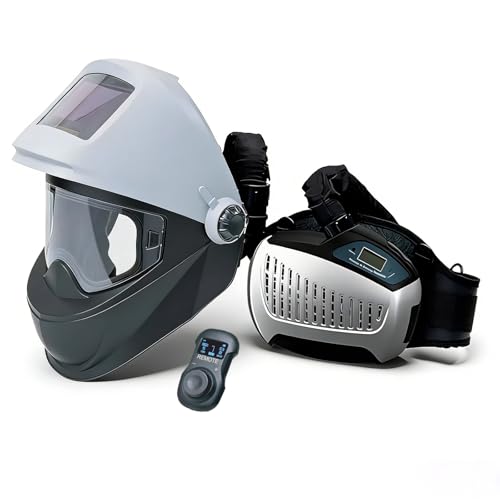
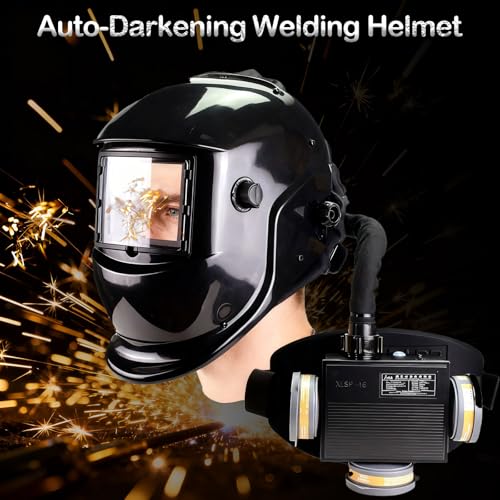
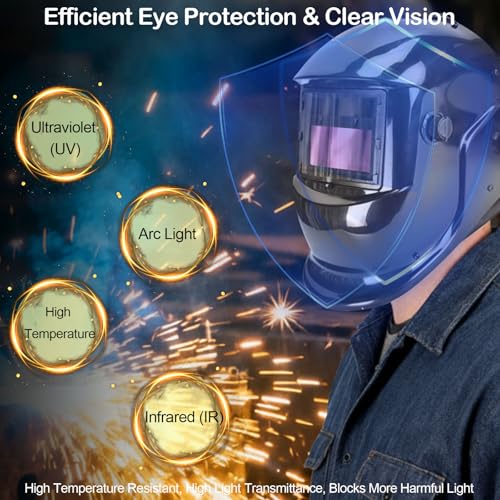
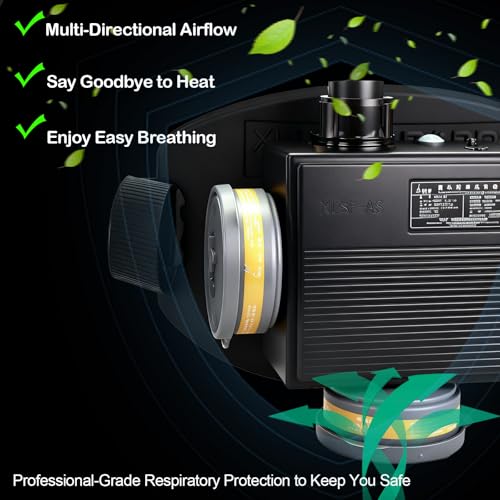
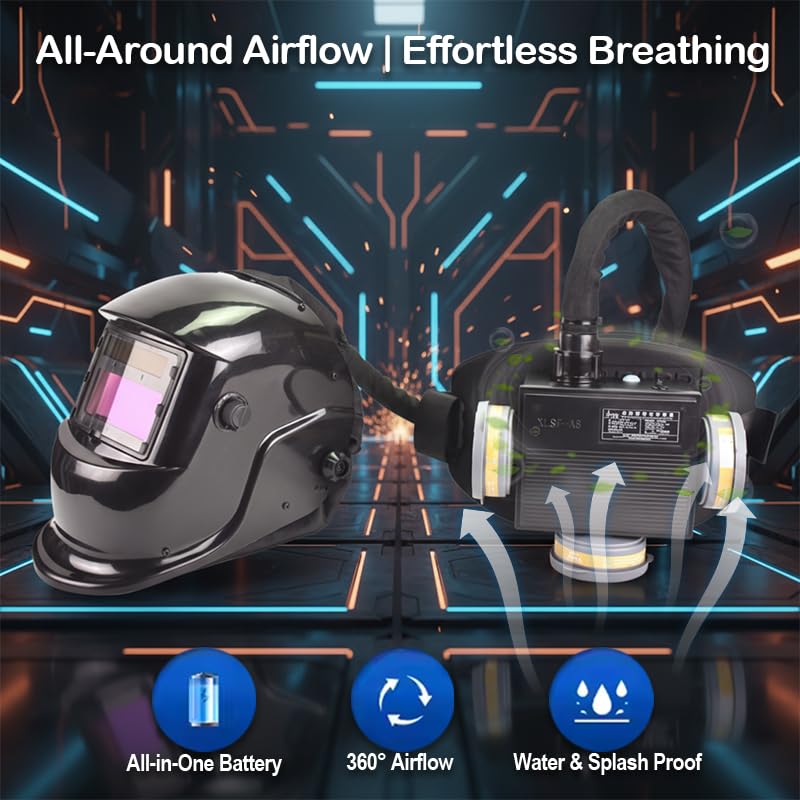
YESWELDER PAPR Auto-Darkening Welding Helmet
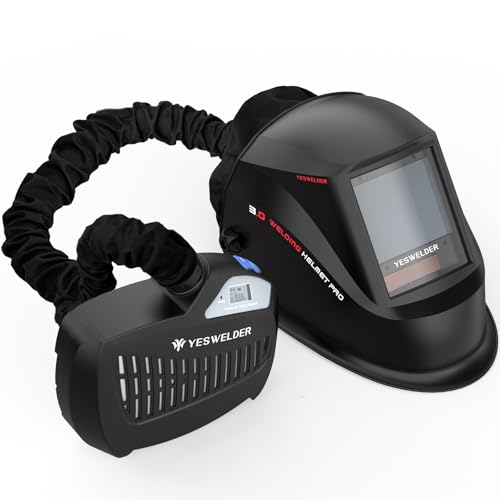
Strengths
- 99.996% filtration
- Adjustable airflow
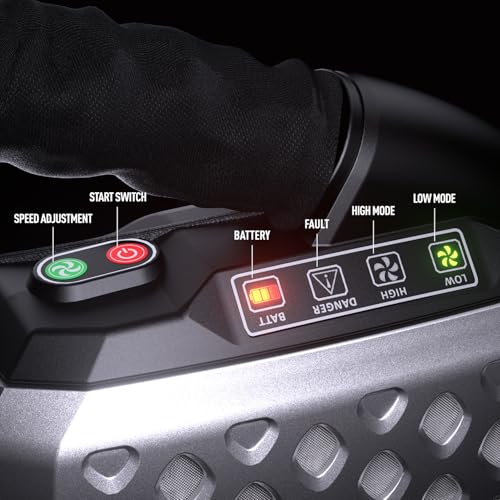
- Smart alerts system
- Long battery cycle life
- Complete kit included
Trade-offs
- Build quality not 3M level
- Head harness could be sturdier
- No variable color modes
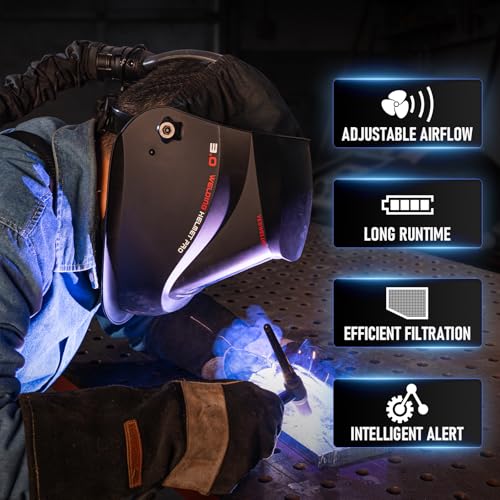
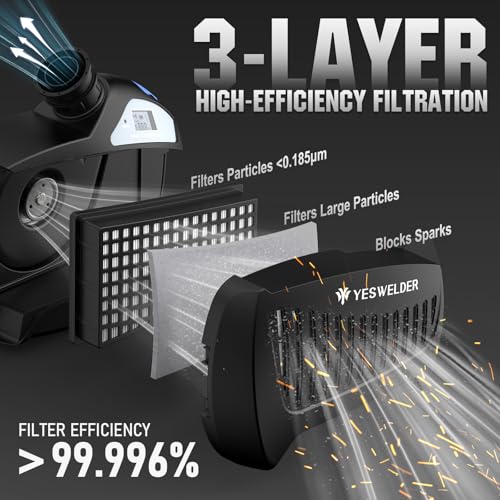
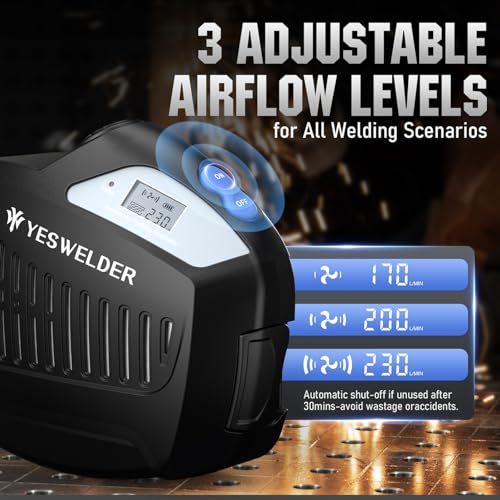
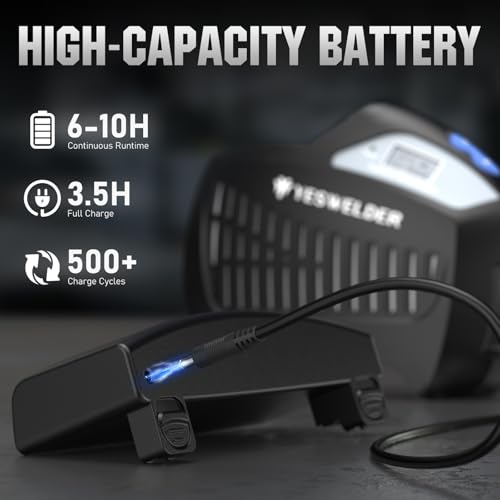
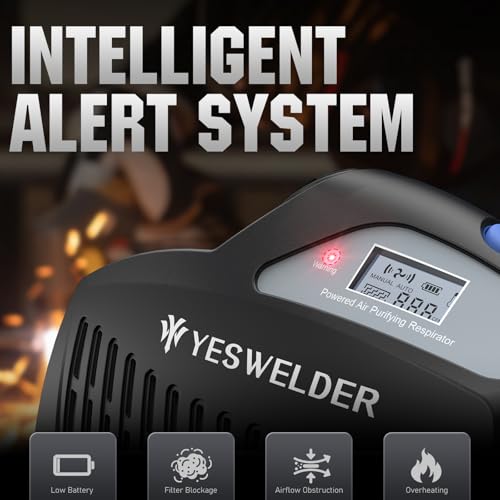
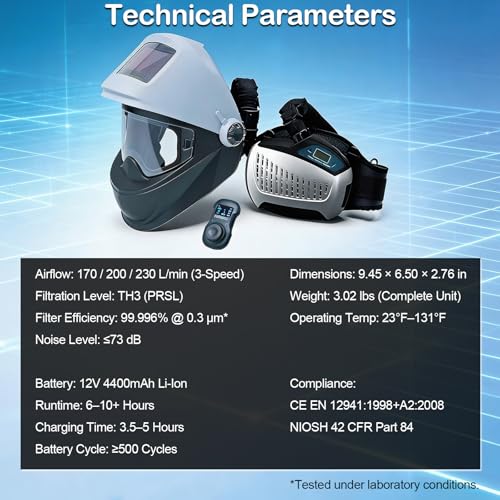
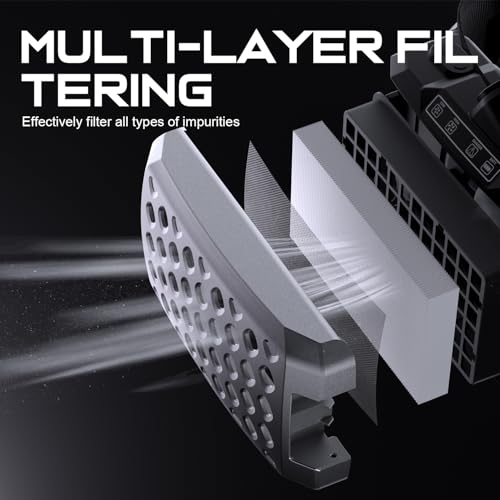
If I had to pick one PAPR helmet for most users, this would be it. The three-layer filtration hitting 99.996% efficiency at 0.185 microns is impressive, it rivals what you’d expect from pricier brands. The three airflow settings are a smart touch, letting you dial in comfort based on ambient heat or fume load. I like that it includes intelligent alerts for battery, filter blockage, and overheating, small things that prevent big problems mid-weld.
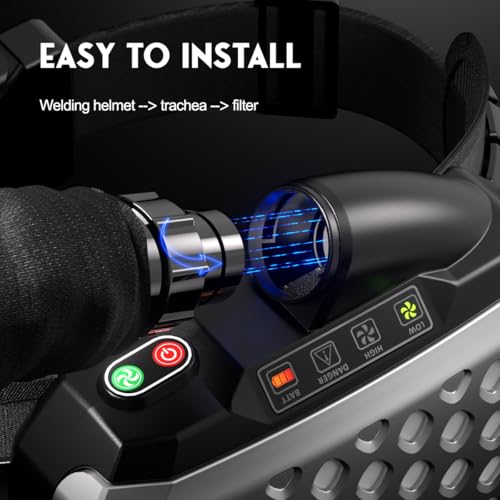
It’s not quite up to 3M’s build refinement, but the included kit (waist belt, shoulder straps, test tube) shows thoughtful design. The 6–10 hour battery range is realistic based on owner feedback, and the 500-cycle lifespan suggests decent longevity. For the balance of safety, usability, and value, this is the smarter buy over generic brands.
Product photos
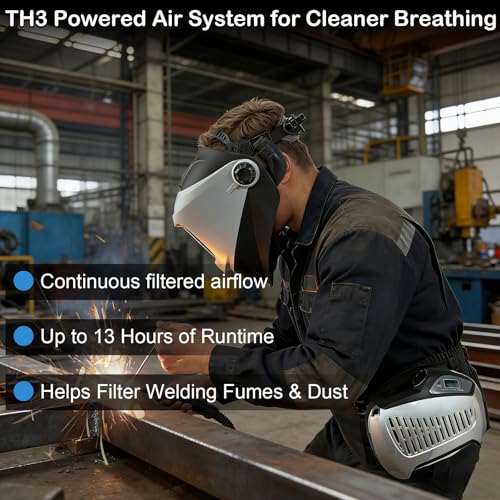
Auto Darkening Welding Helmet with PAPR
Strengths
- OLED display
- 13-hour PAPR runtime
- Solar-assist charging
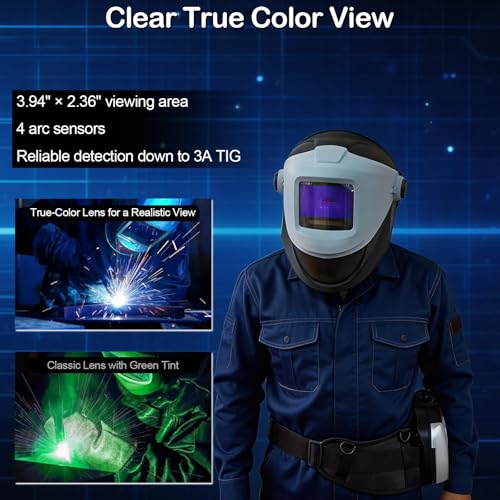
- True color lens
- 4 arc sensors
Trade-offs
- Filtration system less proven
- Build quality inconsistent
- Limited service network
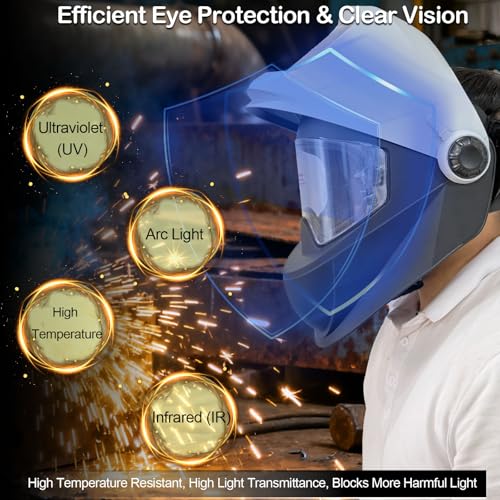
The OLED display is the star here, giving real-time feedback on settings and battery life without needing to remove the helmet. That’s a small but meaningful upgrade for efficiency, especially when switching between jobs. The true color lens and 4 arc sensors deliver consistent performance, even on low-amperage TIG work, which many cheaper helmets struggle with. Solar assist plus rechargeable power means less downtime, and the 13-hour PAPR runtime stands out in this category.
But while the tech specs look strong, owner reports are mixed on long-term filter availability and hose durability. It’s a solid pick on features alone, but not quite as dependable as 3M when used daily. I’d recommend it for tech-focused welders who value feedback and display clarity.
Product photos
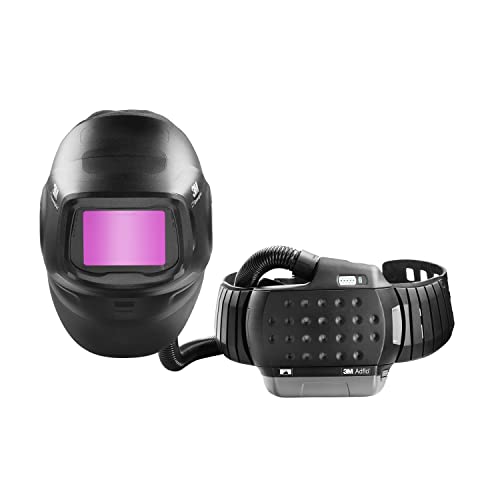
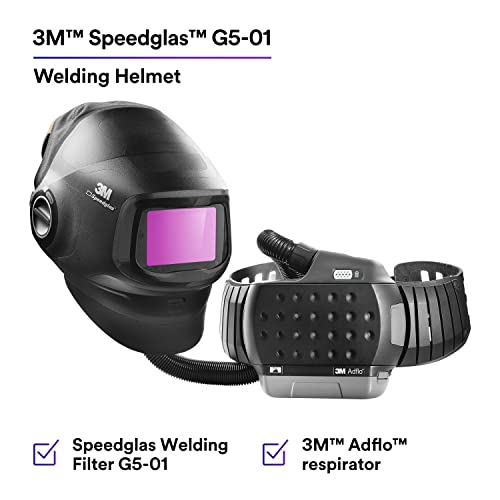
3M Speedglas G5-01 with Adflo PAPR
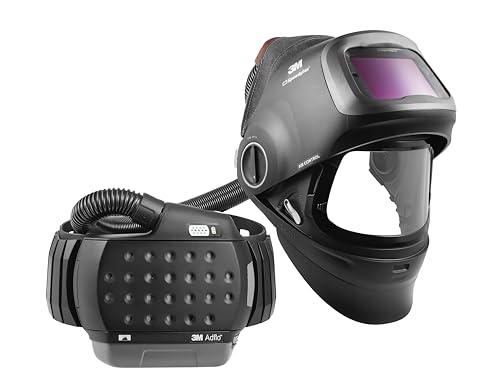
Strengths
- Variable color filter
- NIOSH approved
- APF up to 1000
- Slim, comfortable fit
- Premium build quality
Trade-offs
- No Bluetooth
- High cost
- Industrial use only
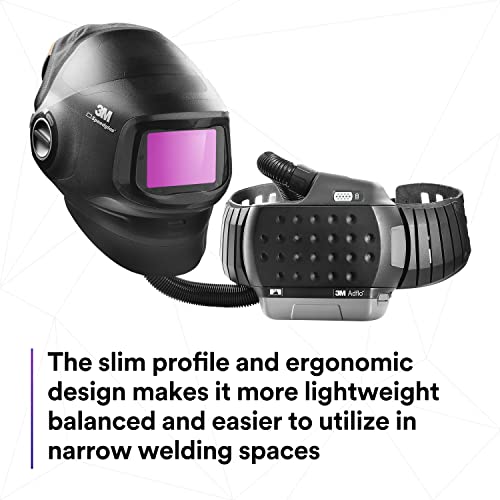
This model is nearly identical to the 30VC version but comes with the G5TW ADF, which includes variable color technology, a major upgrade for welders who need better puddle control. The NIOSH approval and APF 25 baseline make it compliant for industrial use, and the ability to boost to APF 1000 with the right kit adds serious flexibility. The slim profile and curved visor are consistently praised for comfort during overhead or confined-space welding.
It doesn’t have Bluetooth like the 30i, but the core ADF and PAPR performance are top-tier. For most pro shops, this is the sweet spot: advanced optics without the app dependency. My pick if you want 3M’s best-in-class build and filtration but don’t need digital logging.
Product photos
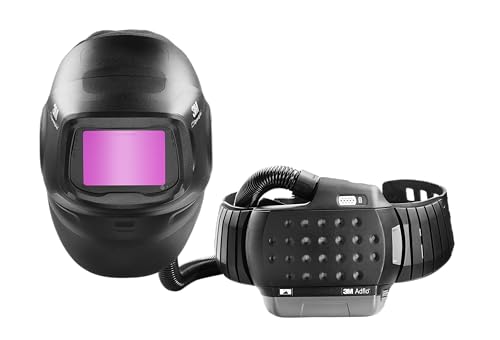
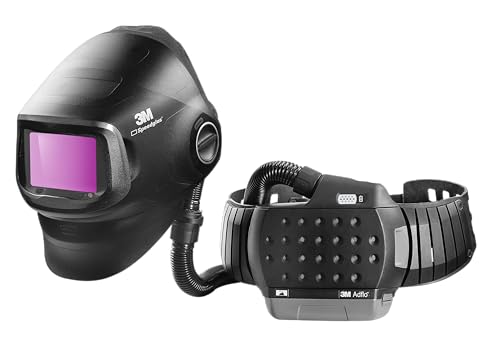
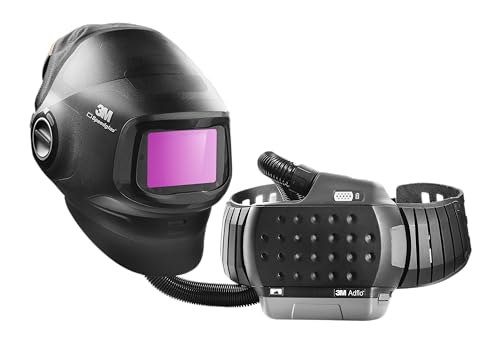
3M Speedglas G5-01 with G5VC ADF
Strengths
- NIOSH approved
- Slim, ergonomic design
- APF up to 1000
- Adjustable airflow direction
- High build quality
Trade-offs
- No Bluetooth
- No variable color
- Industrial use only
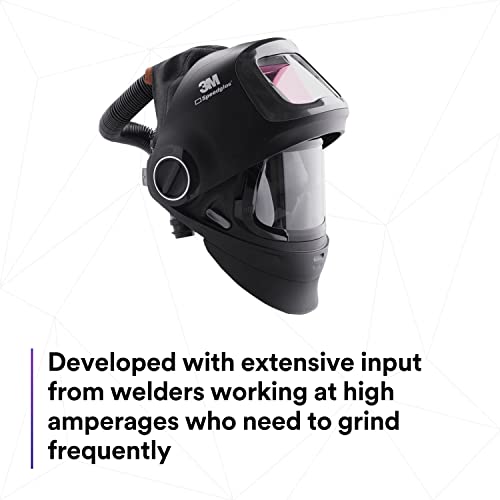
This is a pro-tier system through and through. The curved visor and slim profile give you visibility in tight spaces, something I’ve seen praised repeatedly in shipyards and pipe shops. NIOSH-approved with an APF of 25 (up to 1000 with add-ons), it’s built for environments where safety compliance isn’t optional. The Adflo PAPR unit is compact but powerful, and the ability to direct airflow to your face or visor is a standout for preventing fogging and staying cool.
It lacks Bluetooth and variable color modes found in other G5 models, but the core performance is rock solid. Owners report years of service with proper maintenance. If you’re working in regulated industrial settings, this is the kind of system that earns trust on the job site.
Product photos
3M Speedglas G5-01 with G5-01TW ADF

Strengths
- Variable color modes
- Bluetooth connectivity
- Tack welding mode
- Usage tracking via app
- NIOSH approved
Trade-offs
- Very high cost
- App dependency
- Industrial use only
The tack welding comfort mode and variable color technology make this one of the most user-friendly helmets for precision work. Being able to switch between color views helps you see the puddle more clearly, something I’ve heard from pros who weld thin materials or complex joints. Pair that with Bluetooth and the 3M Connected Equipment app, and you’ve got a system that tracks usage, settings, and maintenance logs automatically.
This isn’t just about convenience, it’s about accountability on job sites where safety audits matter. The Adflo PAPR delivers clean air with certified efficiency, and the airflow direction control prevents fogging. It’s expensive, but for welders doing high-precision or certified work, the data and comfort features justify the cost.
Product photos
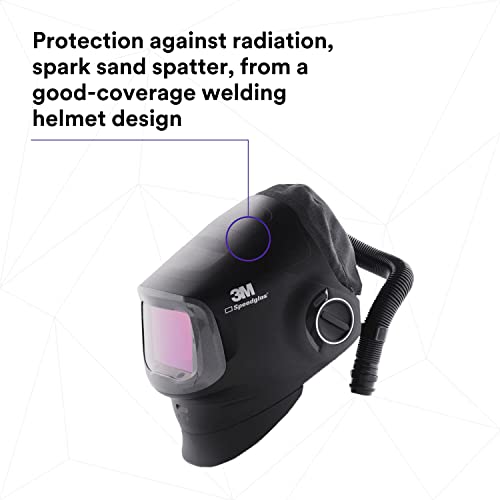
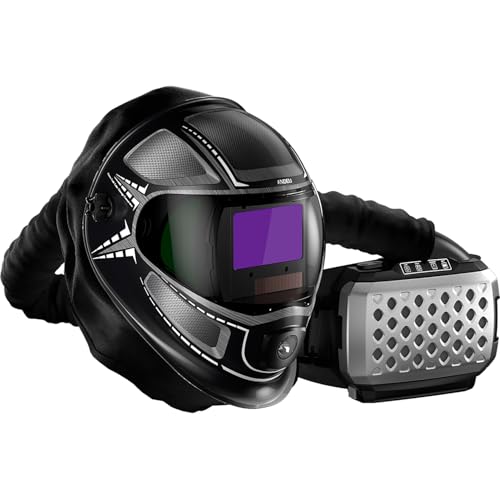
ANDELI 180° Panoramic View PAPR Helmet
Strengths
- 180° panoramic view
- Built-in LED light
- Good side visibility
- Decent filtration claim
- Affordable
Trade-offs
- No NIOSH certification
- No variable color
- Mediocre headgear
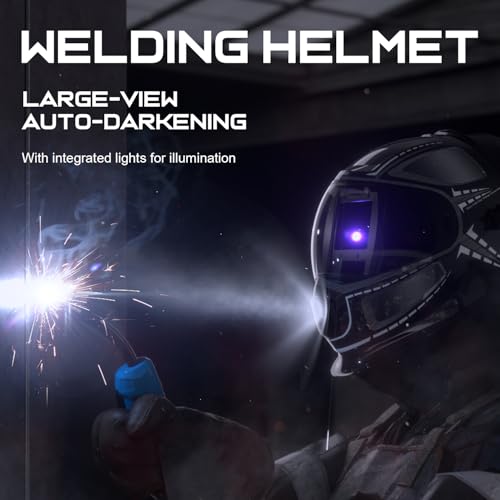
The 180° panoramic view is this helmet’s biggest selling point, giving you unmatched peripheral vision, which helps when maneuvering in tight or complex weld zones. The side windows stay light (DIN4), so you can keep your workspace in view even before striking an arc. That’s a real advantage over traditional helmets that blind you until you weld. The built-in LED is a thoughtful addition for dim environments, and owners report it helps with alignment and prep.
However, while the 99.95% filtration sounds good, it’s not independently certified to NIOSH or EN standards, which limits its credibility in professional settings. The fan system works, but it’s noisier than 3M’s units, and the headgear feels less refined. I’d consider it for DIY or helper roles, but not as a primary helmet for full-time welding.
Product photos
True Color PAPR Welding Helmet with Fan
Strengths
- True color lens
- 10-hour battery
- Reusable filters
- Large viewing area
- Cooling fan
Trade-offs
- No NIOSH approval
- Filtration media less robust
- Unknown long-term durability
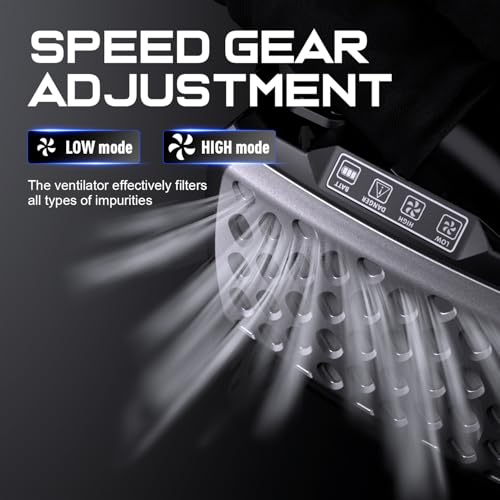
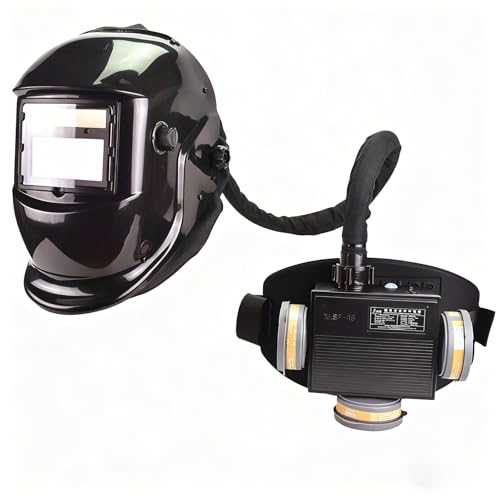
This helmet stands out for its claimed 10-hour battery life and reusable filtration setup, which on paper makes it a budget-friendly option over time. Owners consistently report solid performance in MIG and TIG setups, with the true color lens reducing eye fatigue during long sessions, something I always look for in a reliable ADF. The large viewing area helps with precision, and the cooling fan is a real perk for all-day use.
Still, there’s no mention of NIOSH approval, which is a red flag for serious welders who need certified respiratory protection. While the cotton filter pads are replaceable, they’re not on the same level as certified HEPA-style media when fumes get heavy. Compared to 3M’s systems, this one feels more suited for light industrial or frequent DIY use, not heavy fabrication.
Product photos
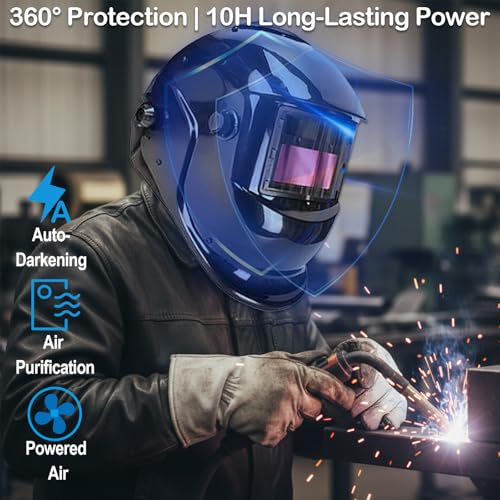
How We Chose These papr welding helmets
Rather than a hands-on lab test, this is a research-led comparison of specifications and owner feedback. I focused on published features from manufacturers and then weighed those against what welders are saying in online reviews – both from general retailers and dedicated welding forums. This allowed me to build a ranking based on real-world performance expectations, not just marketing claims. Category expertise informed how I prioritized those features, ultimately deciding which helmets offer the most value.
For PAPR welding helmets, airflow adjustability, filtration efficiency, and battery life were the most heavily weighted factors. Consistent, customizable airflow is crucial for comfort and preventing fogging, while effective filtration directly impacts welder safety. Long battery life minimizes downtime, especially on larger projects. These elements significantly influenced the order, as they address core needs beyond simply darkening the lens.
Specifications reliably indicate airflow rates (L/min) and filter pore sizes, giving a quantifiable basis for comparison. However, I relied on owner feedback to assess real-world comfort, durability, and the effectiveness of the filtration system over time. Reputation and expert reviews helped validate those claims, providing insight into which helmets consistently deliver on their promises and which are prone to issues like fan noise or filter clogging. You can find more information about PAPR-equipped welding helmets on our site.
How To Choose The papr welding helmets
Choosing a PAPR welding helmet involves more than just looking at auto-darkening features. It’s about thorough protection and comfort during extended use.
A quality PAPR welding helmet combines an auto-darkening filter (ADF) with a powered air-purifying respirator (PAPR) system. Key considerations include the ADF’s clarity and switching speed, the PAPR’s airflow rate and filtration efficiency, battery life, and the overall comfort and weight of the helmet. Look for NIOSH approval and compliance with relevant safety standards (CE, EN, GB).
Understanding Airflow and Filtration
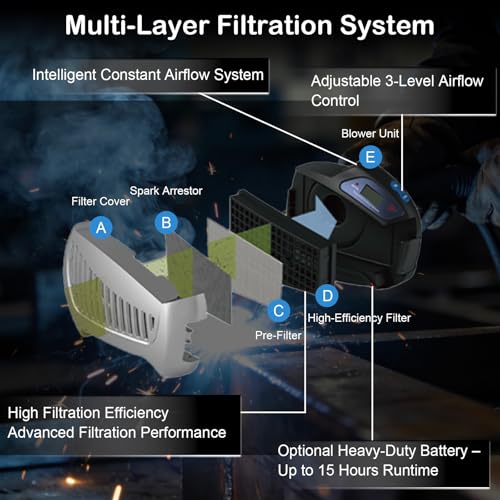
The core benefit of a PAPR helmet is, obviously, the clean air. Don’t simply assume “PAPR” means adequate protection. Pay attention to the airflow rate, usually measured in liters per minute (LPM). Higher LPM isn’t always better; it can create drafts and noise. What matters is adjustable airflow. The YESWELDER and ANDELI models both offer multiple settings, letting you tailor the airflow to your environment and task. More importantly, examine the filtration system. A three-layer system, like the one in the YESWELDER, incorporating a spark arrestor, pre-filter, and high-efficiency particulate air (HEPA) filter, is ideal. Consider how easy and affordable it is to replace the filters – this is an ongoing cost.
Assessing the Auto-Darkening Filter (ADF)
A good ADF is crucial, but specifications aren’t everything. While switching speed (measured in seconds) is important, look beyond the numbers. Variable shade control (often 5-9 or 9-13) is a must, allowing you to adapt to different welding processes and amperage levels. True color technology, as found in the Auto Darkening Welding Helmet with PAPR, is a significant upgrade, providing a more accurate view of the weld puddle.
Here’s what to keep in mind when evaluating ADF features: * Arc sensors: Four sensors generally provide more reliable arc detection than two. * Viewing area: A larger viewing area (like the 3M Speedglas models) reduces eye strain, but isn’t the only factor. * Comfort features: Tack welding modes and adjustable sensitivity can dramatically improve usability, especially for detailed work.
Build Quality and Overall Value
PAPR welding helmets represent a significant investment. Don’t skimp on build quality. The 3M Speedglas helmets consistently stand out for their professional-grade construction and durability, though they come at a premium price. The 3M Adflo PAPR assembly, in particular, offers excellent respiratory protection and can be adapted with different filters for various hazards. However, even less expensive options can be effective if they meet safety standards and offer adequate filtration. Before committing, research the helmet’s warranty and the availability of replacement parts. Properly maintaining your helmet, including regular filter changes, is essential for continued protection, and understanding long-term costs is vital.
A helmet’s comfort is directly related to how long you’ll wear it. Don’t underestimate the importance of a well-balanced design, adjustable headgear, and a comfortable face cushion.
If you’re exploring additional respiratory protection solutions, consider looking into other PAPR systems for welders to ensure you have the best possible setup for your needs.
PAPR Welding Helmets Compared
This table summarizes key specifications of various PAPR welding helmets to aid in comparing models.
| Product Title | Airflow (L/min) | Filter Type | Battery Life (hrs) | Shade Range | Lens Size (in) | APF |
|---|---|---|---|---|---|---|
| YESWELDER PAPR Auto-Darkening Welding Helmet | 170/200/230 | 3-Layer | 6-10 | N/A | N/A | N/A |
| Auto Darkening Welding Helmet with PAPR | N/A | TH3 | >300 (ADF) / 13 (PAPR) | 5-9 / 9-13 | 3.94 x 2.36 | N/A |
| 3M Speedglas G5-01 with Adflo PAPR | N/A | HEPA (optional gas/vapor) | N/A | N/A | 104mm x 170mm | 25 / 1000 |
| 3M Speedglas G5-01 with G5VC ADF | N/A | HEPA (optional gas/vapor) | N/A | N/A | 104mm x 170mm | 25 / 1000 |
| 3M Speedglas G5-01 with G5-01TW ADF | N/A | HEPA (optional gas/vapor) | N/A | 5, 8-13 | 104mm x 170mm | 25 / 1000 |
| ANDELI 180° Panoramic View PAPR Helmet | N/A | >99.95% Particle | N/A | N/A | 3.86×2.44 + Side View | N/A |
| True Color PAPR Welding Helmet with Fan | N/A | 3-Layer + 20 Cotton Pads | 10 | 4-13 | N/A | N/A |
Frequently Asked Questions
What Assigned Protection Factor (APF) should I look for in a PAPR welding helmet?
A higher APF indicates greater respiratory protection. For welding, an APF of at least 25 is recommended, and some models, like the 3M Speedglas series, offer an APF of up to 1000, depending on the filter used.
How often do I need to replace the filters in a PAPR welding helmet?
Filter replacement frequency depends on usage and the welding environment. Generally, particulate filters should be replaced every 40-80 hours of use, or sooner if you notice increased resistance to airflow or visible contamination, while gas/vapor filters require more frequent changes based on contaminant breakthrough.
Can I use a PAPR welding helmet for TIG welding as well as stick or MIG?
Yes, most PAPR welding helmets with variable shade control (typically 5-13) are suitable for TIG, MIG, and stick welding. However, TIG welding often requires a lower amperage setting, so ensure the helmet’s ADF can accommodate that range effectively.
What is the typical battery life of a PAPR welding helmet, and are the batteries replaceable?
Battery life varies between models, ranging from 6-10 hours for some, to over 13 hours for the PAPR assembly itself. Most PAPR helmets use rechargeable lithium-ion batteries, and replacement batteries are generally available, but it’s wise to check the manufacturer’s support options before purchasing.
Are there PAPR welding helmets suitable for beginners, or are they only for professional welders?
While professional welders benefit greatly from the enhanced protection and comfort of PAPR systems, there are beginner-friendly options available. Models like the YESWELDER offer a good balance of features and affordability, making them a reasonable entry point into PAPR technology – especially if you’re looking at the top-rated welding helmets for thorough safety.
The Bottom Line
Choosing a PAPR welding helmet often comes down to balancing upfront cost with long-term comfort and protection. While premium options like the 3M Speedglas G5-01 with Adflo PAPR represent the pinnacle of quality and respiratory safety, welders seeking a strong all-around performer will find the Auto Darkening Welding Helmet with PAPR offers an excellent blend of features and value. It provides a solid level of filtration, adjustable airflow, and a versatile auto-darkening filter – all at a more accessible price point.
For those on a tighter budget, the YESWELDER PAPR Auto-Darkening Welding Helmet delivers essential PAPR functionality without sacrificing core safety features. If you prioritize a wider field of view, the ANDELI 180° Panoramic View PAPR Helmet is a compelling alternative. Ultimately, remember that a well-maintained filter system and a properly fitted helmet will always be more effective than chasing the highest specs.
Don’t get lost in the numbers regarding shade range or switching speeds. A comfortable, well-sealed fit, combined with a reliable airflow system and readily available replacement filters, are the fundamentals that will truly protect you and enhance your welding experience. If you’re also considering standard helmets, explore our guide to the best auto-darkening welding helmets to see a wider range of options.
