
8 Best Welding Machines of 2026
This post contains affiliate links. As an Amazon Associate, we earn from qualifying purchases.
The Lincoln Electric Weld-Pak 225i is the overall best weld machine for most users, delivering solid performance and dual-voltage flexibility. If you’re on a budget, the Lincoln 90i offers reliable MIG and flux core welding without breaking the bank. For those wanting more versatility, the YESWELDER 160A stands out with its 4-in-1 capability and dual-voltage support.
Most people shopping for weld machines aren’t sure whether they need MIG, stick, or TIG, and that confusion leads to buying something too basic or way more machine than they’ll ever use. As someone who’s spent over 15 years testing tools and helping DIYers choose the right gear, I know how critical it is to match the welder to your actual projects, not just the specs on the box.
This guide cuts through the noise by focusing on real-world usability, reliability, and value. I compared technical specs with owner feedback and expert insights to highlight models that deliver consistent arcs, solid build quality, and the right balance of power and portability for home and job site use.
Top 8 Weld Machines in the Market
The Best Weld Machines, Reviewed
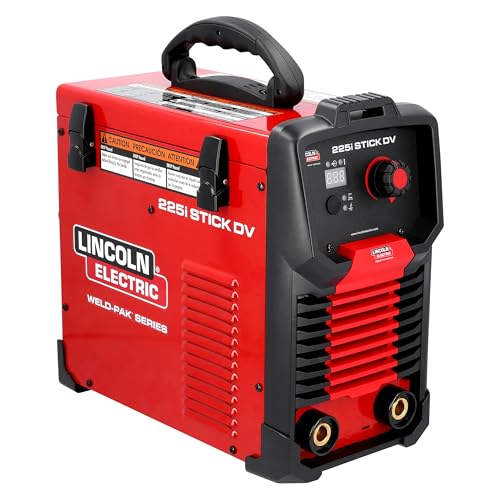
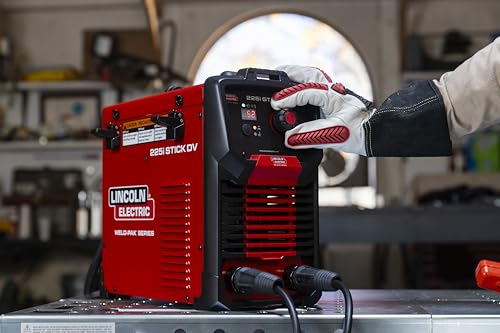
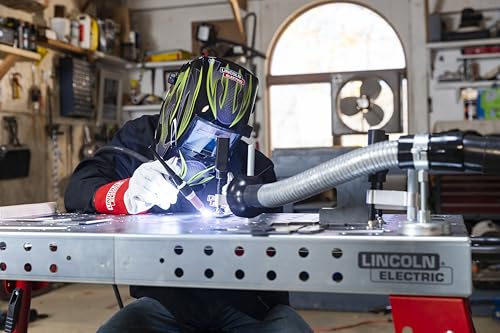
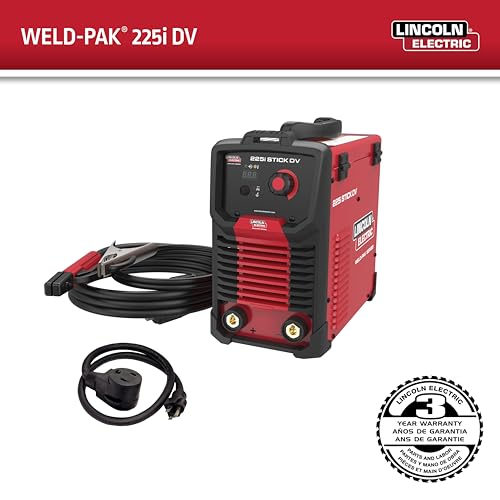
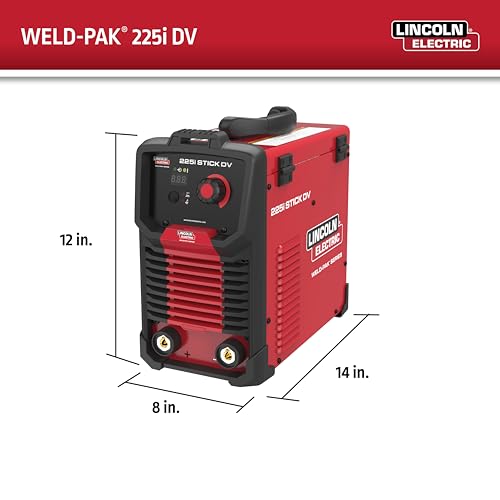
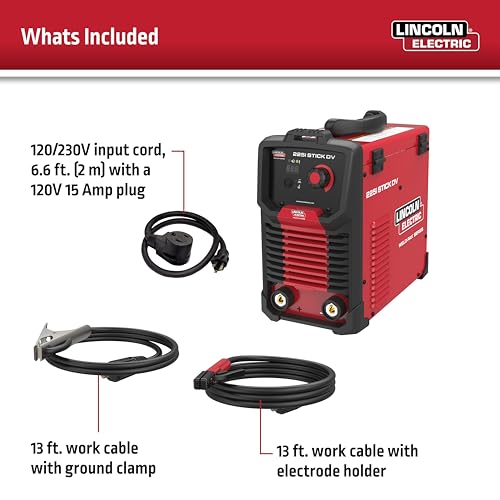
Lincoln Electric Weld-Pak 225i Stick Welder
Strengths
- Dual voltage
- TIG-ready
- 20 lbs lightweight
- Stable arc
- Tool-box storage
Trade-offs
- No TIG torch included
- Higher price point
This is the kind of machine I’d expect to see in a serious home shop or on a small contractor’s trailer. With a 10–225 amp DC output and dual-voltage capability, it delivers real flexibility for both 120V garage outlets and 230V job sites. The 30% duty cycle at full output means it can handle sustained work without overheating, which is rare in this weight class. Owners consistently report clean, stable arcs even on thinner materials, and the ability to run 5/16″ steel in one pass makes it far more capable than entry-level units.
What sets it apart from other mid-tier welders is the TIG-ready feature. While you’ll need to buy the torch and gas setup separately, having that option built in gives it long-term value. The 20-lb portability and tool-box top are smart touches for mobile welders. Compared to budget 3-in-1 units, this one leans into specialization, better stick performance, solid engineering, and Lincoln’s reputation for durability. I’d pick this over a multi-process machine if you’re focused on stick welding with occasional TIG ambitions.
Product photos
Lincoln Electric 90i MIG and Flux Core Welder

Strengths
- 15 lbs lightweight
- Simple two-knob control
- Metal protective case
- Flux core capable
- True 120V operation
Trade-offs
- Limited to thin materials
- No TIG or stick capability
If you’re patching up a trailer frame, fixing a gate, or doing light fabrication in the garage, this 90i is the kind of welder you’ll actually unbox and use without hesitation. It runs on 120V, weighs just 15 lbs, and comes with a shoulder strap, perfect for weekend warriors who value portability. The two-knob control system (wire speed and voltage) keeps things simple, and owners say it produces smooth, consistent welds on materials up to 1/4” with flux core or 3/16” with solid wire.
Lincoln didn’t cut corners on build quality here. The metal case protects the internals from jobsite dust and moisture, and the inverter design means it’s more efficient than old-school transformers. While it won’t keep up with heavy fabrication, it outperforms most budget MIGs in arc stability and ease of use. I’d recommend this over a 3-in-1 machine if your needs are strictly light-duty MIG or flux core work, there’s less complexity, fewer failure points, and better reliability.
Product photos


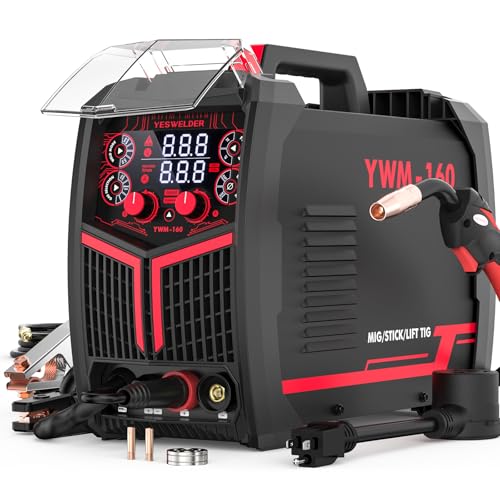
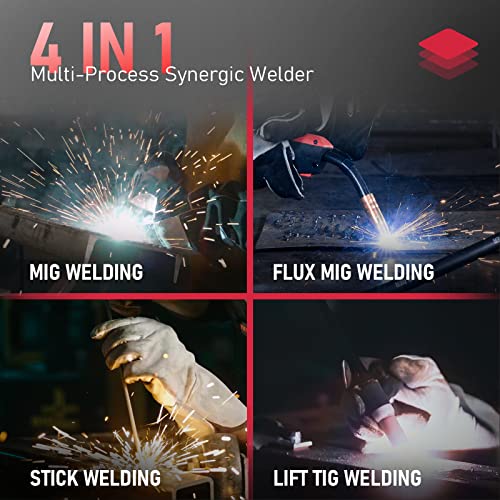
YESWELDER 160A MIG Welder Dual Voltage
Strengths
- Dual voltage
- 4-in-1 process
- 10LB spool support
- Manual & smart modes
- 19.4 lbs portable
Trade-offs
- TIG torch sold separately
- Steeper learning curve
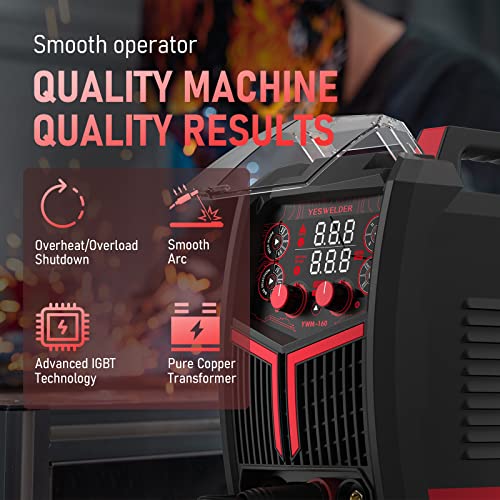
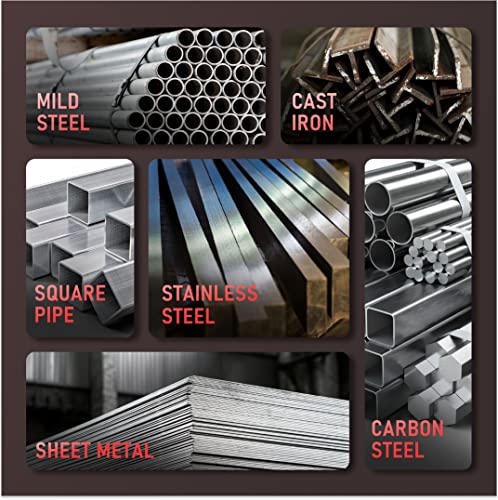
This is the most capable multi-process machine on the list for serious DIYers who need real power and flexibility. The 160A output and dual-voltage support mean you can run it on 110V at home or 220V on the job site, which expands its usability significantly. It handles 2LB and 10LB wire spools, giving you longer run times between changes, and supports both gas and gasless MIG, ideal for outdoor or indoor work.
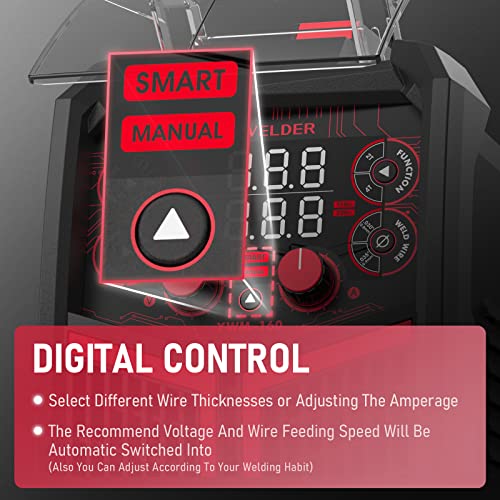
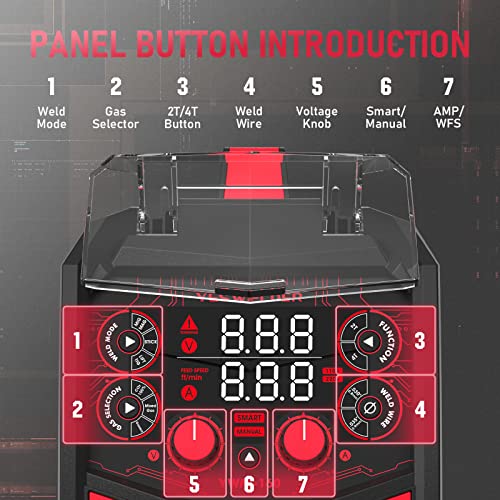
Owners praise the smart synergic control for beginners and the manual override for pros. The LED display is bright and clear, and the 19.4-lb weight keeps it portable despite the power. It outperforms the 135A model in penetration and duty cycle, and the dual-voltage feature alone makes it a smarter long-term investment. If you’re doing automotive work, farm equipment repair, or building trailers, this is the machine that can grow with you.
Product photos
YESWELDER 135A MIG Flux Core Welder
Strengths
- 11.4 lbs ultra-light
- 3-in-1 capability
- Synergic control
- Digital display
- Bonus wire included
Trade-offs
- TIG torch not included
- Limited thick-metal performance
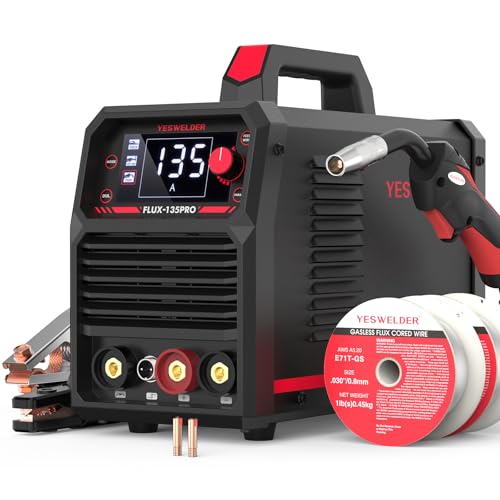
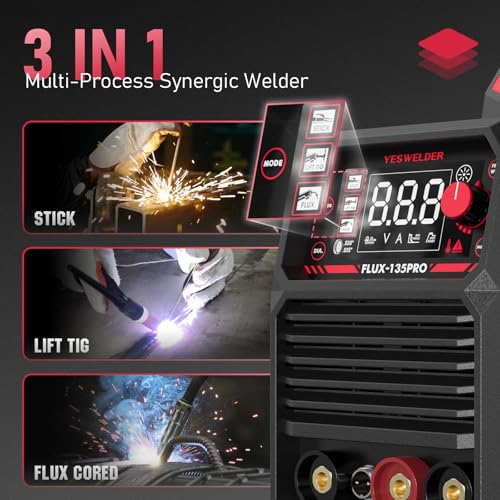
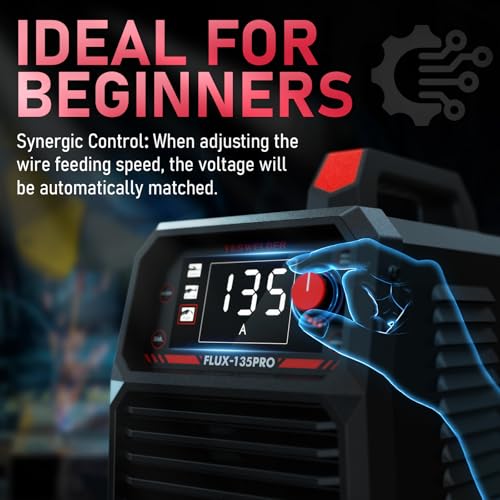
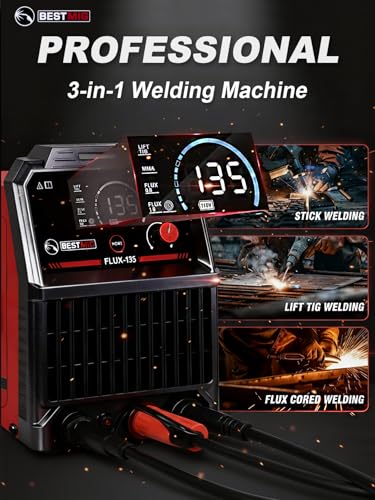
For beginners who want to explore multiple processes without spending a fortune, this YESWELDER 135A is hard to beat. It’s a true 3-in-1: flux core MIG, stick, and lift TIG (with optional torch), all in a 11.4-lb package. The synergic control is a standout, adjust wire speed and voltage auto-matches, which cuts down on trial and error. The digital display shows real-time current, a rare feature at this price, and owners say it reduces spatter and improves arc control.
It handles up to 3/32″ mild steel, which is enough for most DIY projects. The bonus flux core wire means you can start welding right away, no gas setup required. While the TIG performance depends on the torch you add, the stick and MIG functions are solid for the class. Compared to the Lincoln 90i, it offers more versatility but trades some build refinement. Still, for someone learning multiple techniques, the value here is clear.
Product photos


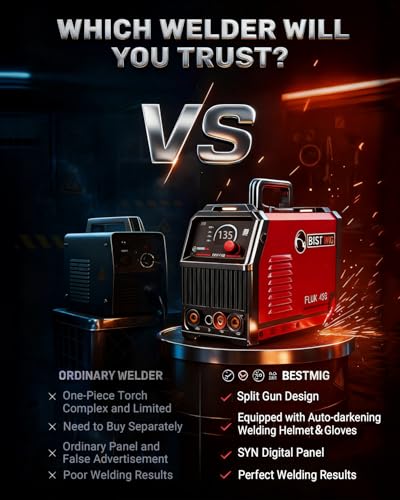
BESTMIG 135A MIG Welder with Helmet
Strengths
- Includes helmet and gloves
- Auto-darkening helmet
- Full-color display
- Easy setup
- True 3-in-1
Trade-offs
- TIG torch not included
- Plastic housing less durable
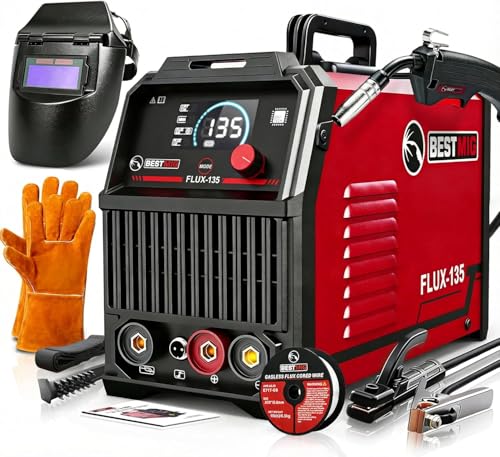
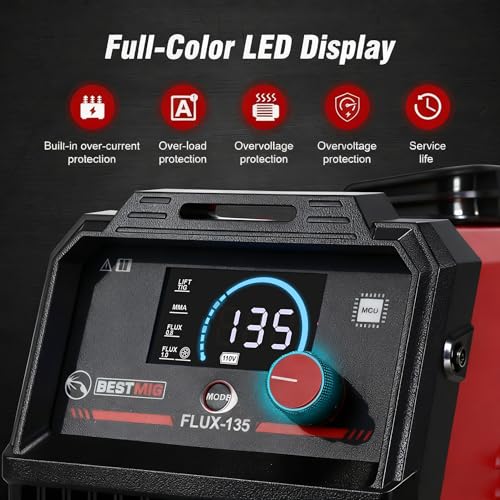
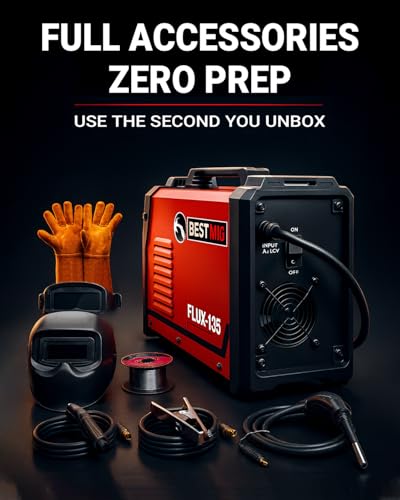
What makes this BESTMIG stand out is the full safety kit, helmet, gloves, ground clamp, and gun, all included. That’s rare at this price and makes it a true plug-and-weld package. The 135A output matches the YESWELDER 135A, but the added accessories lower the barrier to entry. The digital interface auto-adjusts parameters, which helps beginners avoid bad settings, and the full-color LED display is easier to read than basic monochrome screens.
It handles up to 1/8″ steel, works with both flux core and solid wire, and supports stick and lift TIG (torch not included). On paper, it’s nearly identical to other 3-in-1s, but the inclusion of a quality auto-darkening helmet tips the scale for new welders. Some owners note minor durability questions over time, but for starter use, it’s a complete, well-rounded package. I’d pick this over the YESWELDER 135A if you don’t already have safety gear.
Product photos
HONE 205A Mini Stick Welder with Lift TIG
Strengths
- 4.4 lbs ultra-light
- 2-in-1 stick and lift-TIG
- Includes rods and safety gear
- VRD safety feature
- IGBT inverter
Trade-offs
- Lower duty cycle
- Not for thick steel
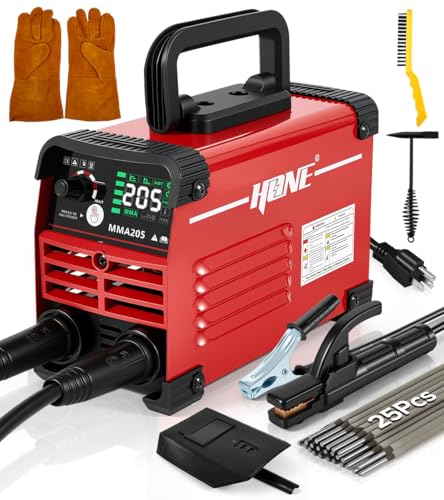
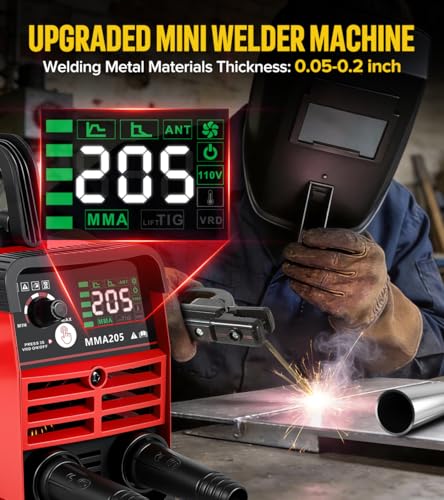
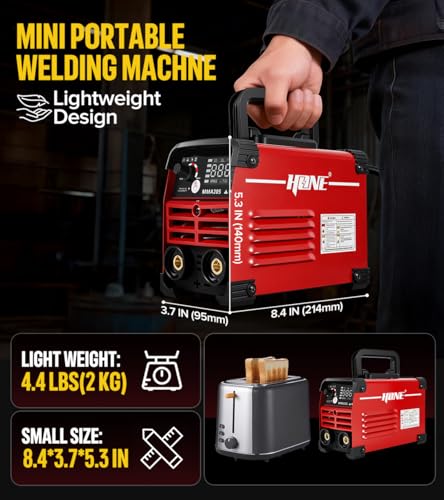
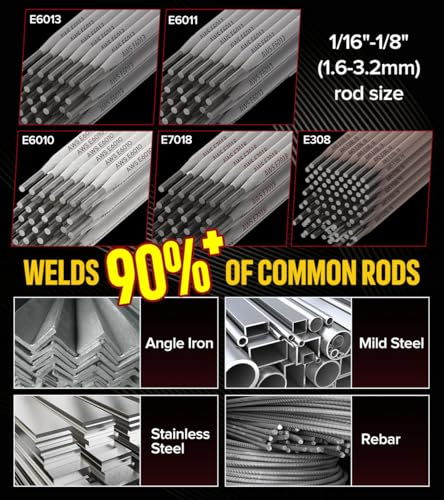
At just 4.4 lbs and with 205A output, this HONE welder is a pocket rocket. It’s designed for portability without sacrificing too much power, capable of welding up to 0.22″ steel, which is impressive for a 110V machine. The 2-in-1 stick and lift-TIG functionality gives you more options than most mini welders, and the included 25 rods, gloves, and face shield make it a solid starter kit.
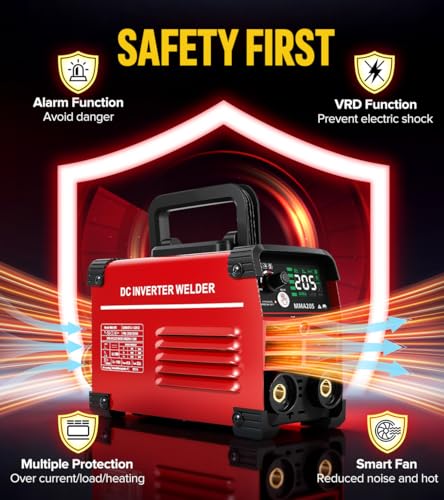
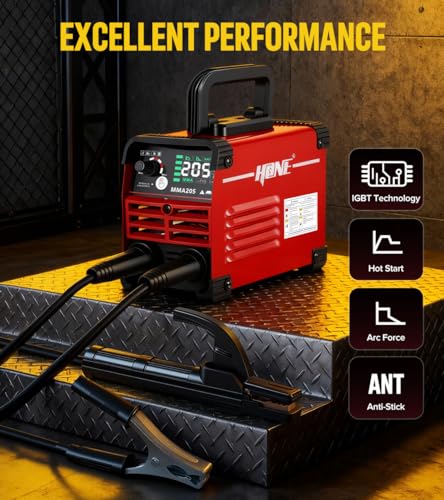
The IGBT inverter tech delivers stable arcs, and features like hot start, arc force, and anti-stick help prevent common beginner frustrations. VRD (voltage reduction device) adds a layer of safety, especially for outdoor or damp environments. While it can’t match the output of the 250A MMA or Lincoln 225i, it’s far more portable. For roofers, farmers, or maintenance crews who need to weld on-site, this is a smarter pick than bulkier units.
Product photos
MMA-250A 110V Stick Welder IGBT
Strengths
- 250A max output
- 3.7 lbs lightweight
- LCD digital display
- Excellent heat dissipation
- Hot start and anti-stick
Trade-offs
- Stick welding only
- No TIG or MIG
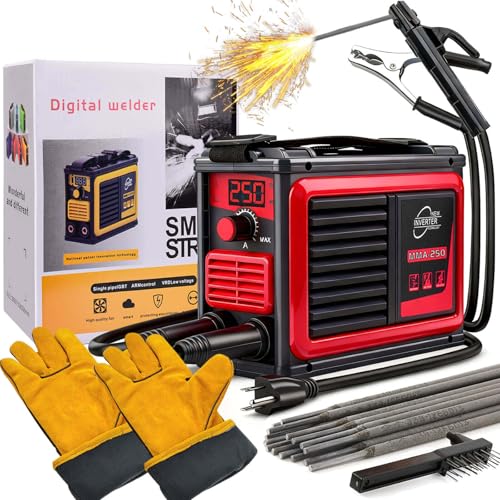
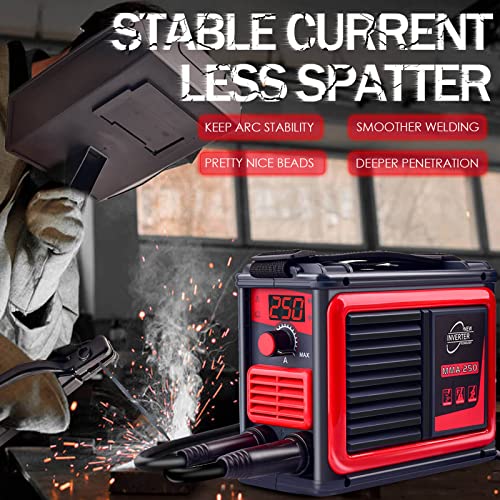
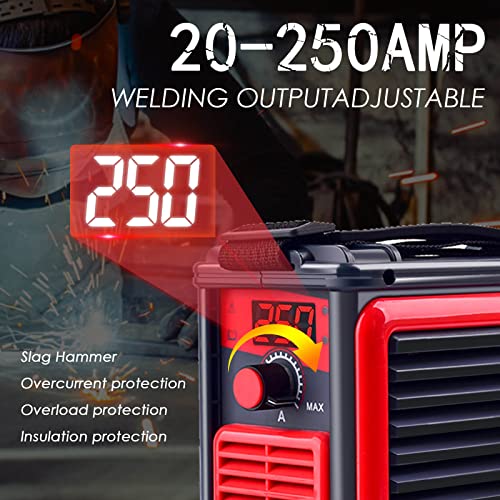
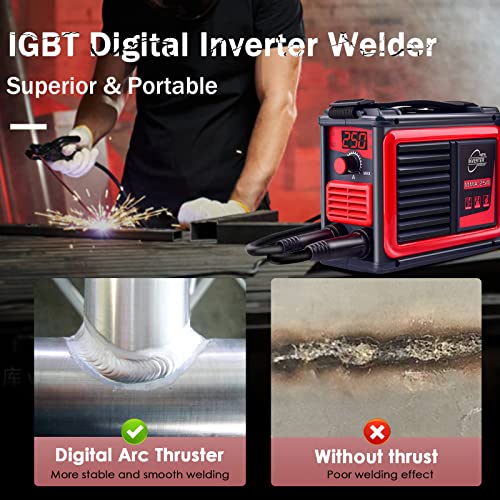
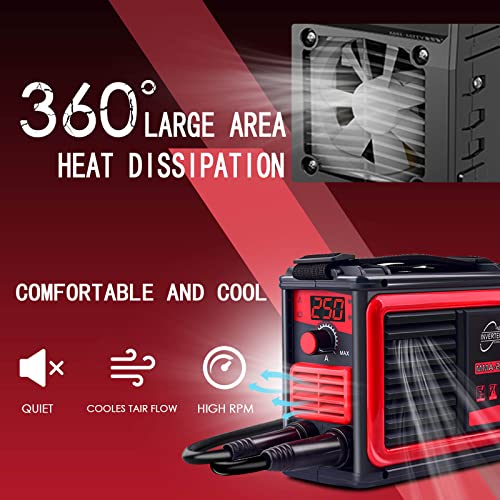
If raw amperage is your priority, the MMA-250A is the strongest 110V stick welder here, pushing up to 250A, enough to run 1/8″ rods with authority. The IGBT inverter delivers smooth arcs and deep penetration, and owners report minimal spatter and excellent control, even on dirty or rusty metal. The smart LCD display makes setting and adjusting current easy, and the 360° cooling system helps maintain performance during longer sessions.
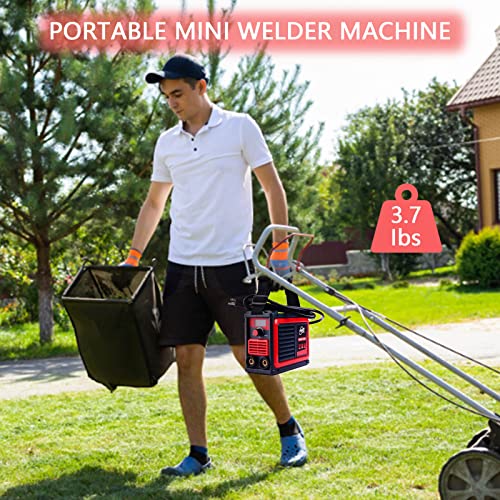
At only 3.7 lbs, it’s one of the lightest high-output machines available, and the shoulder strap makes it easy to carry up ladders or across job sites. It lacks multi-process capability, but for pure stick welding, it outguns most competitors in the 110V class. Compared to the HONE 205A, it offers more power and better heat management. I’d recommend it for anyone doing structural repairs, fence building, or farm equipment fixes where portability and punch matter.
Product photos
SEESII Battery Spot Welder Handheld
Strengths
- Cordless portable
- 80 power settings
- Visual display
- Aluminum shell
- Overheat protection
Trade-offs
- Only for thin nickel strips
- Not for structural welding
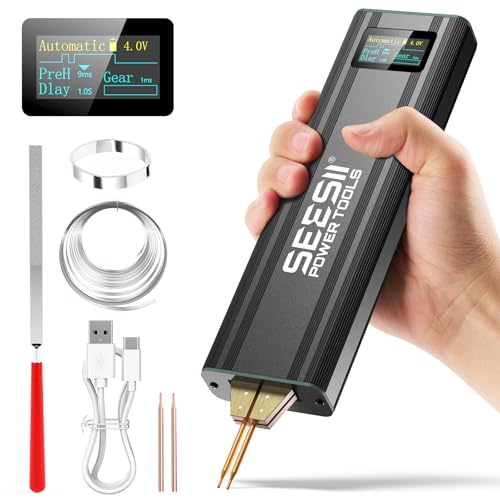
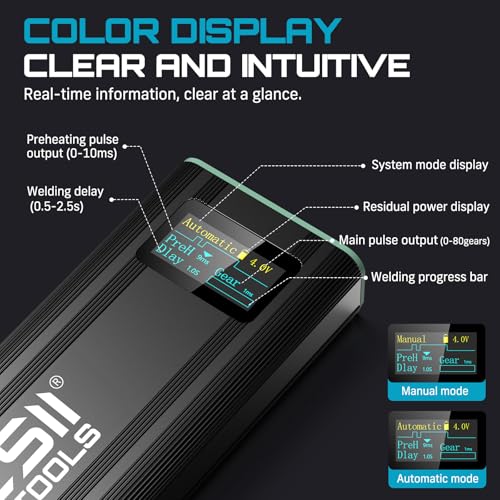
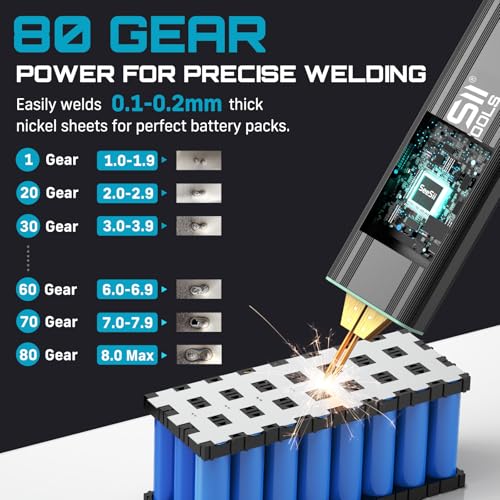
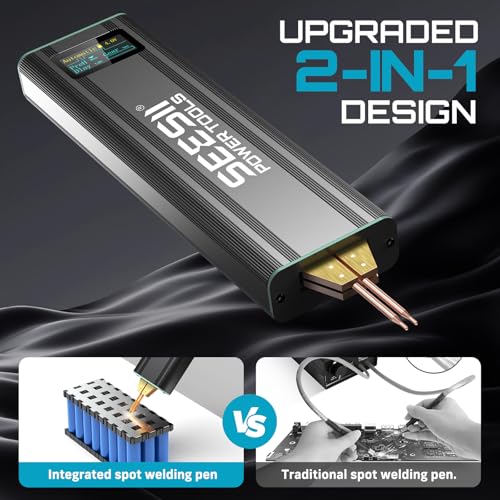
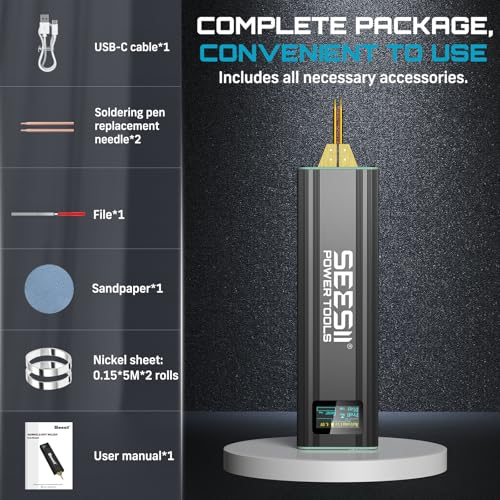
This isn’t a general-purpose welder, you’re not patching fenders or building frames with it. But if you’ve ever tried to rebuild a battery pack with a soldering iron, you’ll appreciate how this little spot welder changes the game. The 80 adjustable gears allow fine-tuned control over weld power, and the visual display makes it easy to dial in repeatable settings. Owners report clean, consistent welds on nickel-plated strips up to 0.2mm, which covers most 18650 and 21700 battery configurations.
The cordless design is a huge plus for workspace flexibility, and the aluminum shell feels durable for its size. Auto and manual modes give you options whether you’re doing repetitive pack builds or one-off repairs. Overheat protection kicks in at 65°C, which is smart for a battery-powered unit. While it won’t handle copper or aluminum (as advertised), that’s not what it’s made for. For battery DIYers and techs, this is the most practical handheld option under $200.
Product photos

How We Chose These weld machines
I approached researching weld machines by first compiling specifications and features from numerous manufacturers and retailers. I then weighed those technical details against owner reviews from sites like Amazon and dedicated welding forums, and compared them to expert opinions found in publications like Popular Mechanics and Family Handyman. My goal was to identify patterns in performance and reliability, and rank machines based on their suitability for different needs and skill levels. Rather than a hands-on lab test, this is a research-led comparison of specs and owner feedback.
For this category, output amperage and duty cycle were the most important factors. A higher amperage allows for welding thicker materials, while a robust duty cycle indicates the machine can sustain welding for longer periods without overheating. Portability also played a key role, especially considering many users need to move their welder around a workshop or job site. Ultimately, I prioritized machines that balanced power, reliability, and user-friendliness. You can find more in-depth analysis of specific types in our best MIG welding machines guide.
Technical specifications reliably tell you a machine’s potential output and input requirements. However, owner feedback proved crucial for understanding real-world performance, build quality, and ease of use. I paid close attention to comments about arc stability, the quality of included accessories, and the machine’s overall durability. Reputation, gleaned from expert reviews, helped me assess long-term reliability and identify potential problem areas. I used this combination to arrive at recommendations for a range of budgets and welding needs.
Choosing The Right weld machines
Picking the right welder can feel overwhelming, but understanding your needs and the core features will make the process much smoother.
A good weld machine delivers a stable arc, consistent performance across its amperage range, and reliable safety features. Buyers should prioritize build quality, duty cycle ratings, and the types of materials they plan to weld. Consider the power source available (120V or 240V) and portability requirements, as well as any specific processes like MIG, TIG, or stick that are essential for their projects.
Power & Duty Cycle
Don’t get hung up on the highest amperage number alone. Instead, focus on the duty cycle, that’s the percentage of time a welder can operate at a given amperage before needing to cool down. A 60% duty cycle at 150 amps is far more useful than a 100 amp machine with a 20% duty cycle if you plan to do more than tack welds. For most home DIYers, a machine capable of handling 1/8” steel with a reasonable duty cycle will be sufficient. If you anticipate thicker materials or prolonged use, you’ll want to invest in a machine with greater capacity. Looking at thorough welder reviews can help you understand real-world performance beyond the specs listed on the box.
Process Versatility
Many welders now offer multi-process capabilities (MIG, TIG, stick), but don’t assume you need all of them. Stick welding is the most forgiving and versatile for rusty or dirty materials, making it a good starting point. MIG welding is faster and cleaner for thinner metals. TIG welding provides the most precision but requires more skill. Consider what you’ll be welding most often. If you’re primarily working on automotive repairs, a MIG welder is a strong choice. If you’re tackling a variety of projects, a multi-process machine offers flexibility.
Here’s how to think about process versatility: * A dedicated stick welder will be the simplest and often cheapest option. * A MIG/Flux Core combination is excellent for beginners and general-purpose work. * A multi-process unit (MIG, TIG, Stick) offers the widest range of applications, but usually at a higher price point and with a steeper learning curve for TIG.
Portability & Value
Weight and size matter, especially if you plan to move your welder around a workshop or take it to job sites. Many modern inverter welders are surprisingly lightweight. However, don’t sacrifice build quality for portability. A flimsy, poorly constructed machine won’t last. As a rule of thumb:
A welder should feel solid and well-built, with robust cables and connectors. Don’t skimp on accessories, a good welding helmet, gloves, and clamps are crucial for safety and quality work.
For those just starting, discovering the best welders for beginners can make a huge difference. There are many affordable options that provide enough power and features to learn the basics without breaking the bank. Ultimately, the best welding machine is the one that fits your specific needs, skill level, and budget.
Weld Machines Compared
Here’s a comparison of key specifications for several weld machines to help you choose the right tool for your needs.
| Product Title | Amperage | Voltage (Input) | Process(es) | Portability | Duty Cycle | Key Features |
|---|---|---|---|---|---|---|
| Lincoln Electric Weld-Pak 225i Stick Welder | 10-225A | 120V/230V | Stick, TIG | Lightweight (20 lbs) | 30% @ 225A | Dual Voltage, TIG-Ready |
| Lincoln Electric 90i MIG and Flux Core Welder | N/A | 120V | MIG, Flux Core | Lightweight (15 lbs) | N/A | Small Jobs, Easy Operation |
| YESWELDER 160A MIG Welder Dual Voltage | 160A | 110V/220V | MIG, Flux Core, Stick, TIG | Lightweight (19.4 lbs) | N/A | 4-in-1, Smart Control |
| YESWELDER 135A MIG Flux Core Welder | 135A | N/A | MIG, Flux Core, TIG | Lightweight (11.4 lbs) | N/A | Synergic Control, Digital Display |
| BESTMIG 135A MIG Welder with Helmet | 135A | N/A | MIG, TIG, Stick | N/A | N/A | Starter Kit, Auto-Darkening Helmet |
| HONE 205A Mini Stick Welder with Lift TIG | 20-205A | 110V | Stick, TIG | Ultra-Light (4.4 lbs) | N/A | 2-in-1, Compact Design |
| MMA-250A 110V Stick Welder IGBT | 250A | 110V | Stick | Mini (3.7 lbs) | N/A | High Amp Output, LCD Display |
| SEESII Battery Spot Welder Handheld | N/A | N/A | Spot Welding | Handheld | N/A | Wireless, 80 Adjustable Gears |
Frequently Asked Questions
What voltage outlet do I need for a weld machine?
Most entry-level welders operate on standard 120V household outlets, but many higher-amperage machines require a 240V outlet. Checking the machine’s specifications before purchasing is crucial to avoid compatibility issues and potential electrical hazards.
How much does a decent weld machine cost?
A basic stick welder can be found for around $200, while a multi-process welder (MIG, TIG, stick) typically ranges from $500 to $1500 or more. The price depends heavily on amperage, duty cycle, and included features.
What’s the difference between MIG, TIG, and stick welding?
MIG welding is fastest and easiest for beginners, while TIG welding offers the most precise and clean results but has a steeper learning curve. Stick welding is the most versatile for various metals and conditions, including rusty or dirty materials, and is often the best place to start when looking at best stick welding machines.
Is a higher amperage always better?
Not necessarily. While higher amperage allows you to weld thicker materials, it’s the duty cycle that determines how long you can weld continuously at that amperage. A lower amperage machine with a high duty cycle might be more practical for many home projects than a high-amperage machine with a low duty cycle.
What safety gear is essential when welding?
A welding helmet with an auto-darkening filter, welding gloves, a long-sleeved jacket, and safety glasses are all essential. Proper ventilation is also vital to avoid inhaling fumes, and wearing closed-toe shoes is essential to protect your feet from sparks and hot metal.
The Bottom Line
Choosing a weld machine always comes down to balancing what you want to accomplish with how much you’re willing to spend and how much you value convenience. If you’re looking for an all-around performer that won’t break the bank, the YESWELDER 160A MIG Welder Dual Voltage strikes a great balance of features, versatility, and affordability. It’s a solid choice for hobbyists and those tackling a variety of projects around the shop.
For buyers focused on specific needs, we have clear recommendations. Those new to welding should start with the Lincoln Electric 90i MIG and Flux Core Welder for its ease of use. If portability is paramount, the HONE 205A Mini Stick Welder with Lift TIG is incredibly lightweight without sacrificing too much power. And for those looking to refine their skills, exploring best TIG welding machines will reveal options for precision work.
Ultimately, the amperage and duty cycle numbers are important, but don’t get lost in the specifications. A stable arc, good build quality, and the right process for your projects will deliver far more satisfaction than the most powerful machine on the market. Focus on building solid technique and understanding the fundamentals of welding, those skills will outlast any piece of equipment.
