
7 Best WDT Tools of 2026
This post contains affiliate links. As an Amazon Associate, we earn from qualifying purchases.
The Normcore WDT Tool V3 is the best overall pick for its proven durability and consistent performance, while the 6-Needle Walnut WDT Tool stands out as a reliable, ergonomic choice for those who value craftsmanship. If you’re watching your budget but still want solid results, the MHW-3BOMBER WDT Tool delivers strong build quality without the premium price.
Most people don’t realize how much a flimsy or poorly designed WDT tool can undermine an otherwise perfect espresso setup. A tool that bends, clogs easily, or is awkward to hold defeats the purpose of using one in the first place.
After comparing the field based on specs, owner feedback, and design fundamentals, I focused on what actually matters: needle quality, ease of cleaning, and long-term reliability. This guide cuts through the hype to show you which tools perform consistently and why.
Top 7 Wdt Tools in the Market
The Best Wdt Tools, Reviewed
Normcore WDT Tool V3

Strengths
- 9-prong precision
- Durable anodized build
- Funnel prevents spillage
Trade-offs
- No spare needles
- Fixed needle count
- No advanced features
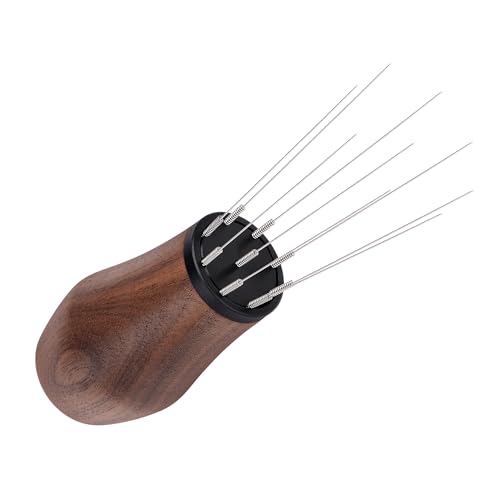
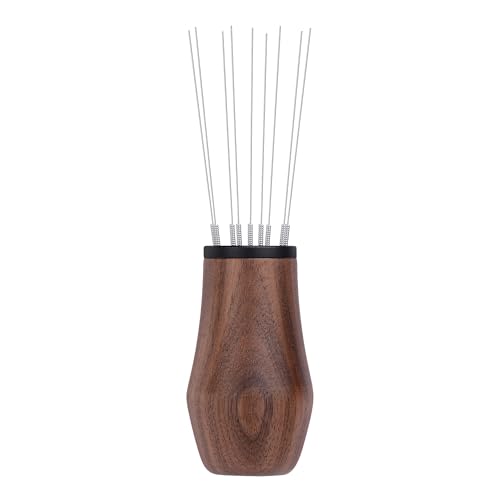
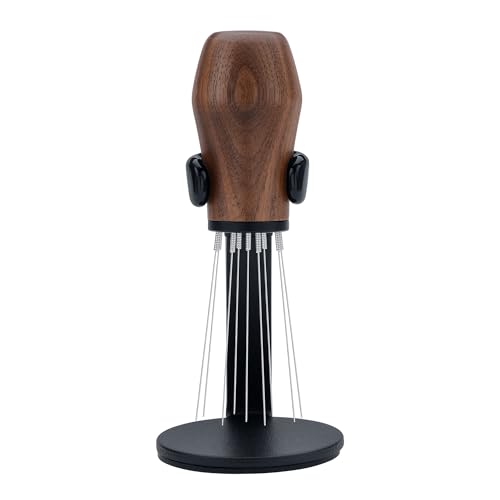
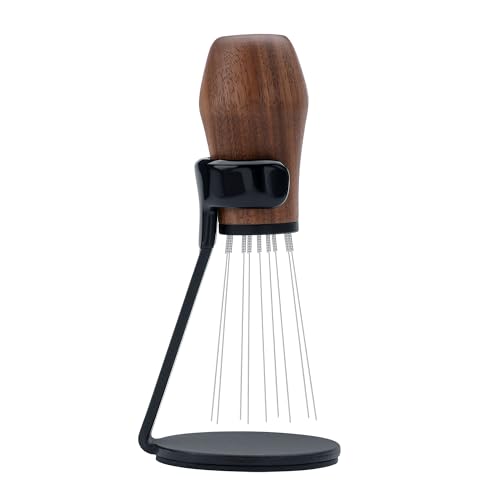
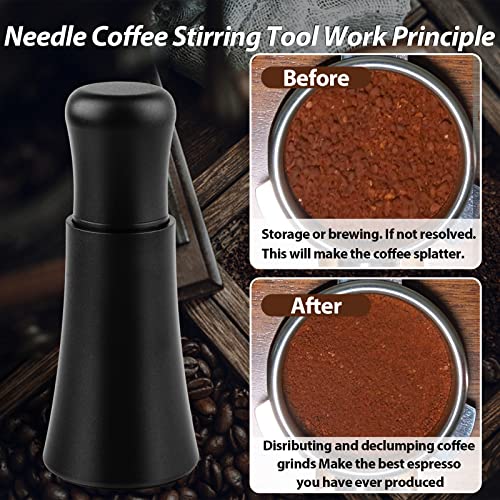
This is the most balanced all-rounder in the lineup. The 9-prong 304 stainless steel needles are spaced well for even coverage across 58mm portafilters, and the anodized aluminum handle feels robust in hand, no creaks, no wobble. Owners report consistent puck preparation and fewer channels, especially when paired with a good tamp.
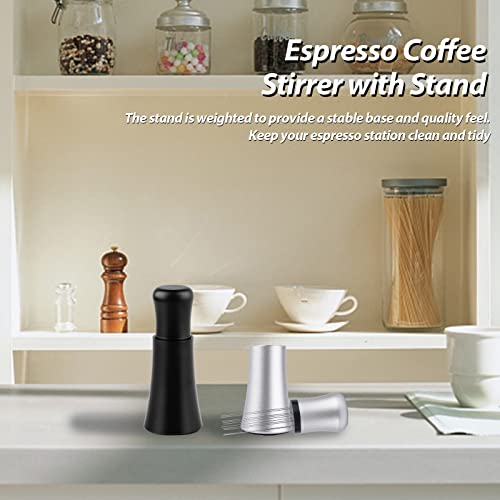
The funnel above the portafilter is a small but meaningful detail, it catches stray grounds and keeps your setup clean. The stand is simple but functional. While it lacks flashy features like magnetic mounts or built-in brushes, it doesn’t need them. Everything works exactly as it should. If I were recommending one tool to a friend new to WDT, this would be it.
Product photos
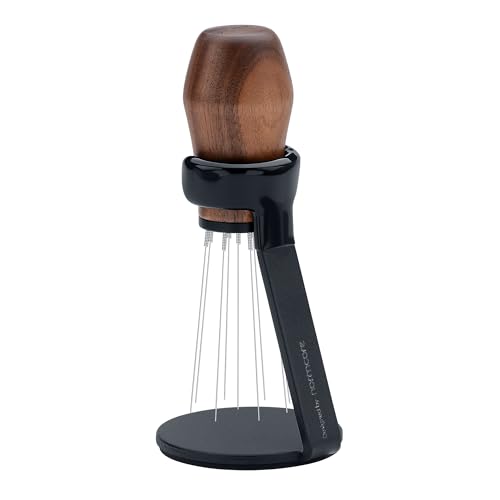
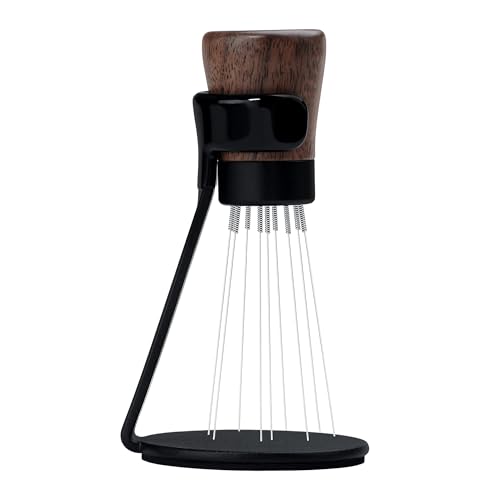
Normcore WDT Tool V2.1
Strengths
- Thinner 0.23mm needles
- 16 spare needles included
- Magnetic release
Trade-offs
- Wood handle needs care
- Slight learning curve
- No cleaning brush
At first glance, this looks nearly identical to the V3, but there’s a key difference: thinner 0.23mm needles. That makes it better suited for finer grinds or lighter touch distribution, which some advanced users prefer. The thinner wires glide through dense puck beds with less disruption, which can help maintain even density.
It also includes 16 spare needles and a magnetic release system, which the V3 lacks. That’s a big plus for longevity and convenience. The American walnut wood handle adds a touch of class, and the CNC-machined aluminum body feels solid. Given the similar price point, this version offers more value than the V3, especially if you grind daily. My recommendation? Skip the V3 and go straight to this one if you want better specs for less.
Product photos
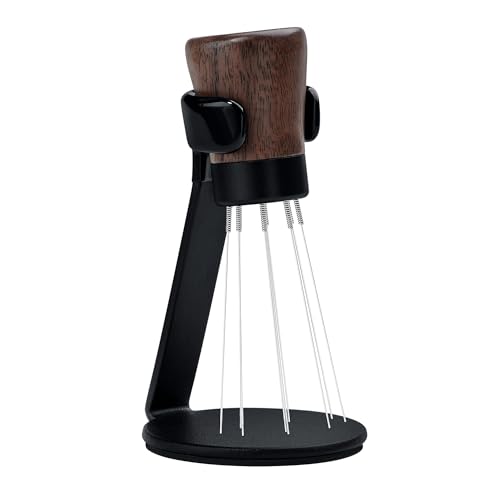
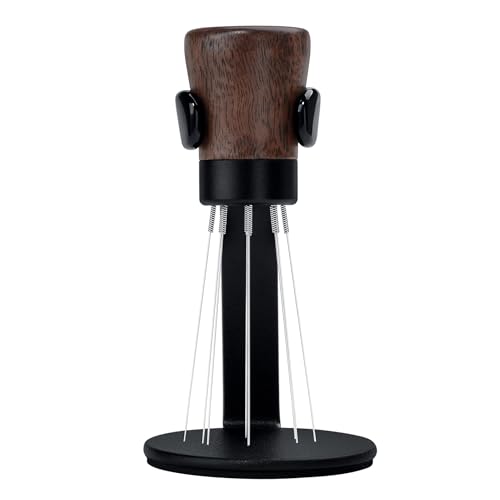
Nessus WDT Tool with Brush

Strengths
- Built-in cleaning brush
- Configurable needle count
- Stable silicone base
Trade-offs
- Brush requires maintenance
- Slight learning curve
- No magnetic hold
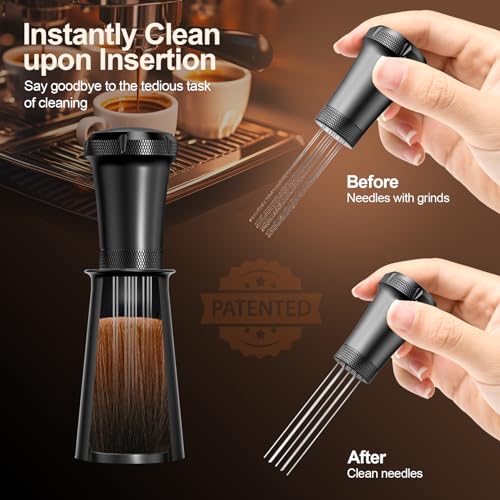
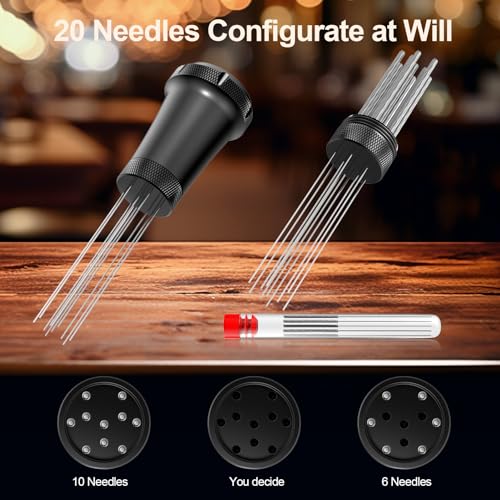
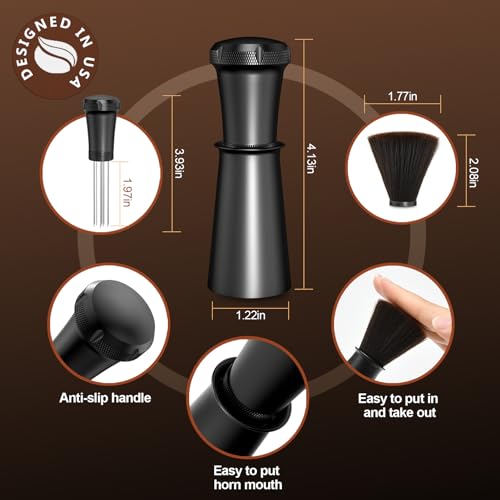
Cleaning a WDT tool is usually a pain, strands of coffee stick between needles, and wiping them clean feels imprecise. That’s why the built-in brush system in the Nessus model is such a smart upgrade. Owners love the quick pull-through cleaning method: you just insert the needles into the base, pull, and most residue is gone. It’s not magic, but it cuts cleaning time in half.
The 10 x 0.35mm needles offer solid coverage, and the ability to customize down to 5–9 needles adds flexibility. The aluminum handle is comfortable, and the silicone-bottomed stand stays put. My only gripe? The brush eventually needs cleaning itself, and pushing it out from the base isn’t always smooth. But for daily users, this is one of the most practical designs out there.
Product photos


Subminimal Flick WDT Tool

Strengths
- Retractable needles
- Magnetic mounting
- Fun, interactive design
Trade-offs
- Bulkier than most
- Higher price
- Mechanism may wear
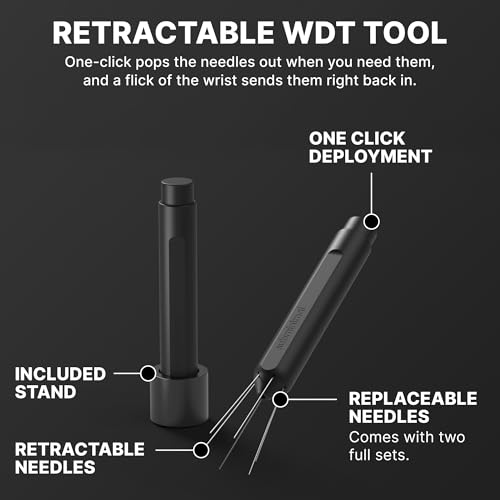
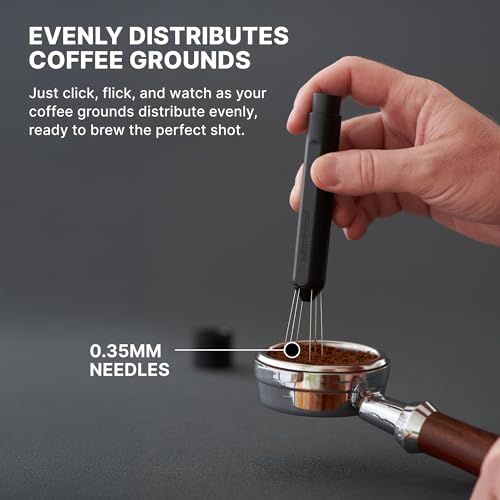
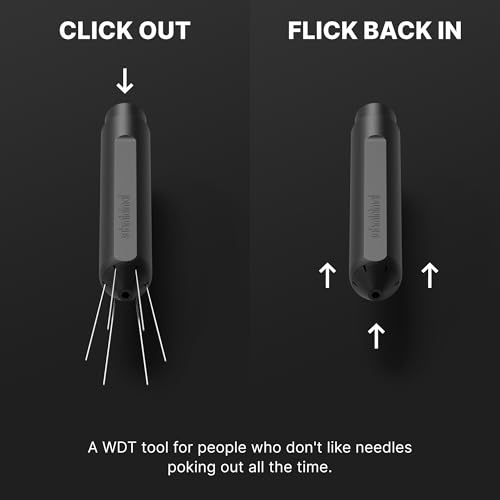
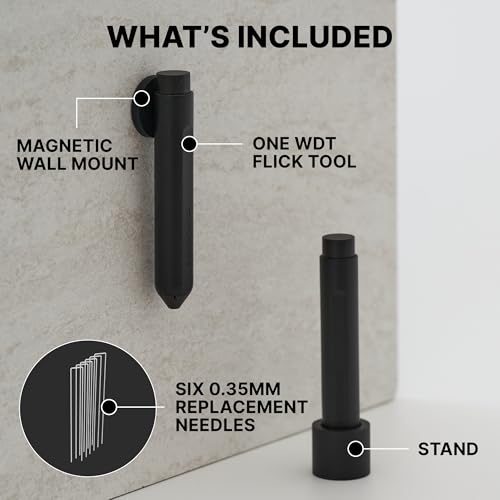
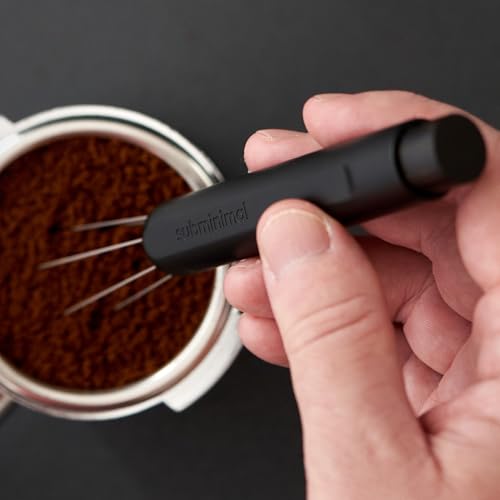
This is the most fun to use, no other way to put it. The retractable needles deploy with a satisfying click, and you never have to worry about exposed sharp tips sitting on your counter. That alone makes it safer than most WDT tools, especially in a shared kitchen. The magnetic base lets you stick it to your machine or a wall, keeping it within reach and out of the way.
Owners love the fidget-like spinning action, it’s not just functional, it’s engaging. But let’s be clear: it’s not the most utilitarian. The needles are 0.35mm, which works, but the mechanism adds bulk. If you’re all about efficiency, this might feel like overkill. But if you enjoy the ritual of coffee making, this tool enhances the experience. I’d pick it for its innovation, not its raw performance.
Product photos
MHW-3BOMBER WDT Tool

Strengths
- Strong magnetic stand
- Adjustable needle spread
- Durable metal build
Trade-offs
- Thicker 0.4mm needles
- Slightly heavier
- No cleaning brush
The magnetic stand here is a standout for workflow. You can yank the tool off the base one-handed, use it, and snap it back, no fumbling, no caps. It’s built for speed and repetition, which is why some semi-pro users lean into this model. The 8 x 0.4mm stainless steel needles are thicker than average, but owners say they’re flexible without bending, even after months of use.
The adjustable spread lets you widen the needle arc to cover more ground in larger portafilters, which helps with even distribution. And the full metal build gives it a heft that feels durable. The only downside? The thicker needles may disturb the puck more than finer ones, so it takes a lighter touch. But for someone pulling multiple shots a day, this is one of the most practical options.
Product photos


10-Needle WDT Tool Black

Strengths
- Removable needles
- 10 spare needles included
- Adjustable needle count
Trade-offs
- Base may loosen with use
- No cleaning aid
- Minimal grip texture
This is the pick if you like to tweak your setup. The ability to remove or reconfigure needles, running 4, 6, or 8 instead of all 10, is a rare feature, and reviewers who’ve experimented with WDT techniques appreciate the control. The 0.35mm stainless steel needles are thin enough to glide through grounds without excessive resistance, and the included 10 spares mean you’re covered for the long haul.
The matte black aluminum alloy handle feels durable and modern, and the stand keeps things tidy. But some owners note the needle base can loosen over time if not handled carefully. It’s not flashy, but it’s smartly built for tinkerers who want to dial in their distribution. I’d choose this over fixed-needle models if I were testing different agitation patterns.
Product photos


6-Needle Walnut WDT Tool
Strengths
- Walnut wood aesthetic
- Compact and lightweight
- Built-in wood stand
Trade-offs
- No needle adjustability
- No spare needles
- Wood requires maintenance
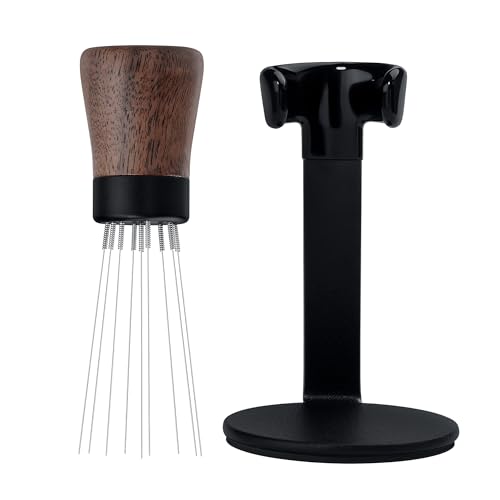
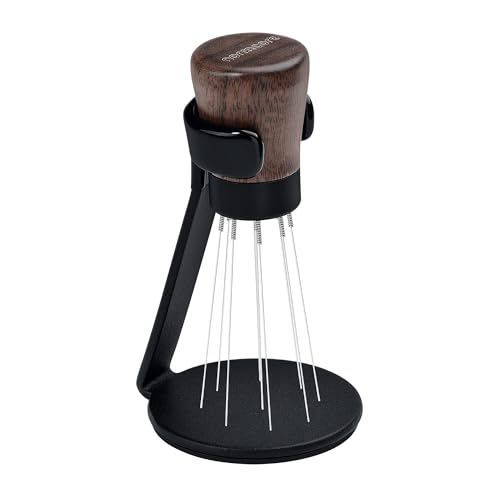
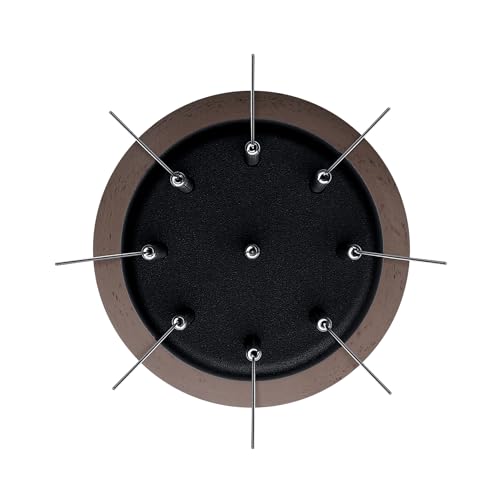
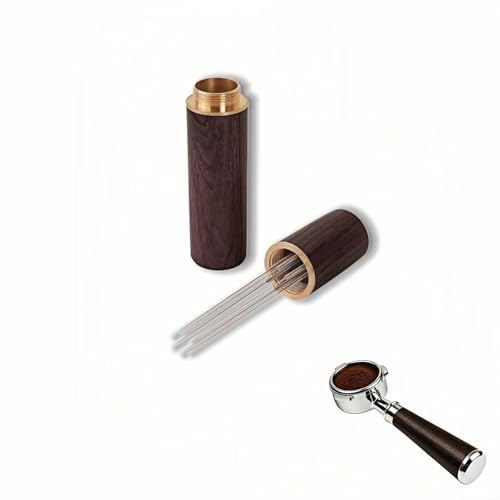
I’ll say this upfront: if you care about how your coffee tools look on the counter, this one stands out. The walnut wood handle has a warmth and craftsmanship that most metal tools lack, and it feels like it belongs in a well-curated kitchen. On paper, the 6 x 0.35mm stainless steel needles are solid for breaking up clumps, and owners consistently report smoother tamping and fewer channels in their puck.
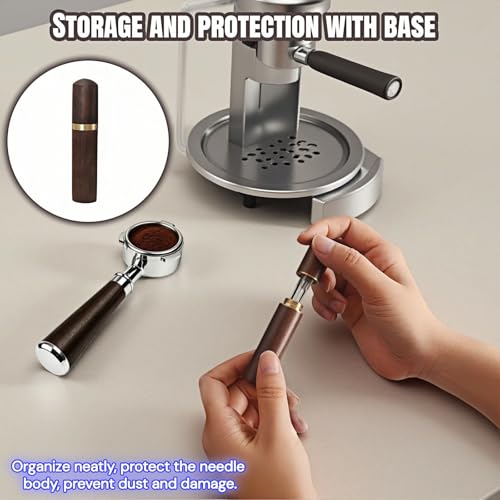
Still, it’s a minimalist design with fixed needles, no adjustability, no extras beyond the basics. You get what you see. The included wood stand is a nice touch for organization, but doesn’t offer any functional upgrades like magnetic hold or cleaning aids. For someone who values form as much as function, this is a strong contender. But if you want flexibility or durability under heavy use, other models offer more.
Product photos




How We Evaluated wdt tools
Rather than a hands-on lab test, this is a research-led comparison of specs and owner feedback. I focused on compiling detailed feature lists for each WDT tool, then weighed those against what current owners are saying about performance and durability. I also drew on my experience with espresso preparation and understanding of the factors that contribute to a good extraction to assess the likely effectiveness of each design.
For WDT tools, consistency and ease of cleaning were the most important factors. A tool is useless if it bends or breaks, or if cleaning it is a major hassle. Needle gauge and material also played a big role; thinner, flexible stainless steel needles are generally preferred. Finally, build quality and ergonomics matter – a comfortable grip and secure stand make the process more enjoyable.
Specifications reliably tell you about needle count, diameter, and materials used. However, I leaned heavily on owner reviews to assess needle flexibility (do they bend easily?), long-term durability, and how well the tool actually performs in practice. Reputation and brand recognition were considered, but ultimately, consistent positive feedback from a large number of users carried the most weight. Figuring out how to [replace trimmer line] on your string trimmer might seem unrelated, but that’s another example of a tool where thoughtful design and user experience are key.
How To Choose The wdt tools
Finding the right WDT (Weiss Distribution Technique) tool can really elevate your espresso game. It’s about more than just breaking up clumps; it’s about consistency and control.
A quality WDT tool features a durable handle, typically made from aluminum or wood, and a set of fine needles (usually stainless steel) ranging from 0.3mm to 0.4mm in diameter. Needle count varies, but 5-10 is common. Proper construction prevents bending, and ease of cleaning is crucial for long-term use and hygiene.
Needle Count & Diameter
The number of needles and their diameter significantly impact how thoroughly you can distribute the coffee grounds. While more needles can mean more even distribution, it’s not always better. I’ve seen folks get hung up on needing the highest needle count, but a well-designed tool with 6-8 needles, around 0.35mm in diameter, often performs just as well as one with 10. Thinner needles (0.3mm) are great for very fine grinds, but may bend more easily. Sturdier, slightly thicker needles (0.4mm) hold up better with coarser grinds. Consider the type of coffee you’re using and how finely you grind it when making your choice.
Handle Material & Ergonomics
Don’t underestimate the importance of a comfortable handle. You’ll be using this tool with some force, and a poorly designed handle can lead to fatigue and inconsistent results. Aluminum handles offer a sleek, modern feel and are easy to clean. Wood handles, like those found on the 6-Needle Walnut WDT Tool, provide a warmer, more natural grip. If you’re already tackling projects like learning how to restring string trimmer around the yard, you know how important a comfortable grip can be.
Cleaning & Storage Solutions
Cleaning a WDT tool is essential to prevent buildup and maintain hygiene. Some tools, like the Nessus WDT Tool with Brush, incorporate a built-in cleaning mechanism which is a huge convenience. Others require manual cleaning. Pay attention to how easily the needles can be accessed and cleaned. Storage is equally important. A dedicated base, like those offered with several models, keeps the needles protected and prevents them from being damaged or causing injury. For more serious tool maintenance, you’ll find the same attention to detail applies to keeping your top oscillating multi-tools in good working order.
A clean WDT tool is a happy WDT tool. Always clean the needles after each use to prevent clogging and ensure consistent performance.
WDT Tools Compared
Here’s a comparison of key specifications for various WDT tools to help you choose the right one.
| Product Name | Needle Count | Needle Diameter (mm) | Handle Material | Stand/Storage | Needle Flexibility |
|---|---|---|---|---|---|
| Normcore WDT Tool V3 | 9 | N/A | Aluminum | N/A | N/A |
| Normcore WDT Tool V2.1 | 9 | N/A | Aluminum | N/A | N/A |
| Nessus WDT Tool w/ Brush | 10 | 0.35 | N/A | Built-in Brush | Adjustable |
| Subminimal Flick WDT Tool | N/A | N/A | Aluminum | Magnetic | Retractable |
| MHW-3BOMBER WDT Tool | 8 | 0.4 | Aluminum | Magnetic | N/A |
| 10-Needle WDT Tool Black | 10+10 | 0.35 | Aluminum | Included | Removable |
| 6-Needle Walnut WDT Tool | 6 | 0.35 | Walnut | Included | N/A |
Frequently Asked Questions
What needle diameter is best for a dark roast espresso?
A slightly thicker needle, around 0.4mm, generally works best with dark roasts. Darker roasts tend to clump less and require a bit more force to break up, so a sturdier needle prevents bending and ensures consistent distribution.
Can I adjust the depth of the needles on most WDT tools?
Some tools, like the Nessus WDT Tool with Brush, offer adjustable needle depth, allowing you to customize the distribution based on your grinder and coffee. Most others have a fixed depth, so consider this if you anticipate experimenting with different grind sizes.
How often should I replace a WDT tool?
With proper care, a quality WDT tool should last for years. However, if you notice needles bending permanently or the handle developing cracks, it’s time to replace it to maintain consistent results.
Are magnetic stands really necessary for WDT tools?
Magnetic stands aren’t strictly necessary, but they are incredibly convenient. They keep the needles organized, protected from damage, and prevent accidental pokes, and can be a real benefit if you also use [top cordless oscillating tools] for other workshop tasks.
What’s the best way to clean a WDT tool with fixed needles?
Use a small, soft brush (like a toothbrush) and warm water to gently clean between the needles. Ensure the tool is completely dry before storing it to prevent rust, and avoid harsh chemicals that could damage the needles or handle.
The Bottom Line
Choosing a WDT tool really comes down to how much control you want versus how much fuss you’re willing to deal with. For most people, the Normcore WDT Tool V3 offers the best balance of quality, durability, and straightforward performance. It’s a solid, reliable choice that will help you consistently distribute your grounds without breaking the bank or requiring constant maintenance.
If you’re on a tighter budget, the 6-Needle Walnut WDT Tool delivers excellent value with a comfortable, natural grip. For those who prioritize versatility and convenience, the Nessus WDT Tool w/ Brush stands out thanks to its integrated cleaning system. But remember, these are all tools designed to achieve the same basic goal.
Ultimately, the needle count and material are less crucial than developing a consistent technique. Focus on getting a feel for how the tool interacts with your coffee, and practice a methodical stirring pattern. A little patience and attention to detail will yield far better results than chasing the latest specs or highest needle count.
