8 Best Tennis Training Tools of 2026
This post contains affiliate links. As an Amazon Associate, we earn from qualifying purchases.
The TopspinPro Tennis Training Aid stands out as the best overall for building consistent topspin and stroke mechanics, while the MOOJAY Magnetic Resistance Swing Trainer is my pick for delivering the clearest feedback on technique. For young players or those just starting out, the MOVEMATE Wilson Tennis Trainer Set offers the most user-friendly introduction to solo practice.
Most players struggle to translate practice time into real improvement. Hitting ball after ball without direction doesn’t fix flaws, it can reinforce them. The right training tool should do more than keep you busy. It should guide your body into the correct motions and help you feel the difference between good and bad form.
This guide cuts through the noise by focusing on tools that deliver measurable value. I researched each based on how well it supports muscle memory, provides feedback, and holds up over time, all informed by product specs, owner experiences, and what coaches say actually works. These are the ones that come up again and again as effective, no-nonsense choices for players who want to get better, not just spend more.
Top 8 Tennis Training Tools in the Market
The Best Tennis Training Tools, Reviewed
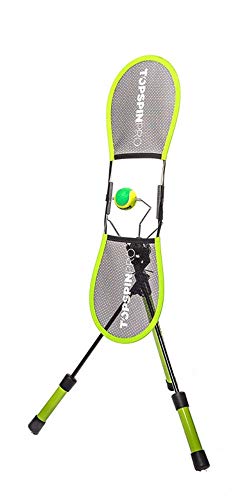
TopspinPro Tennis Training Aid
Strengths
- Teaches correct swing path
- Adjustable for all ages
- Proven by coaches
Trade-offs
- Limited to topspin mechanics
- Not for serve or volleys
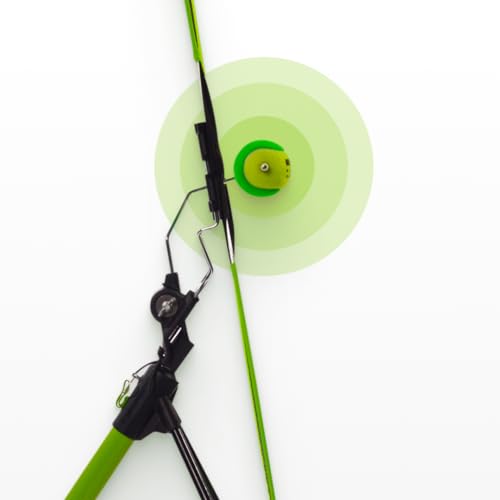
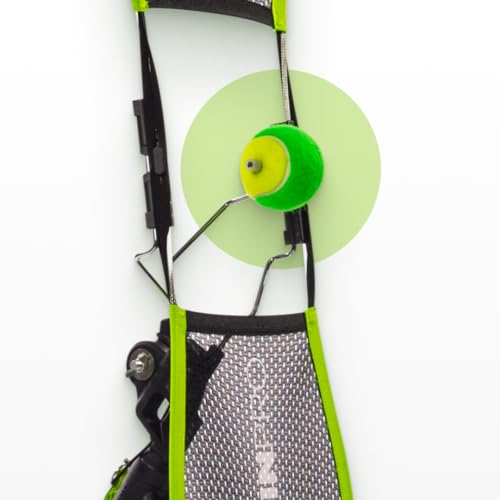
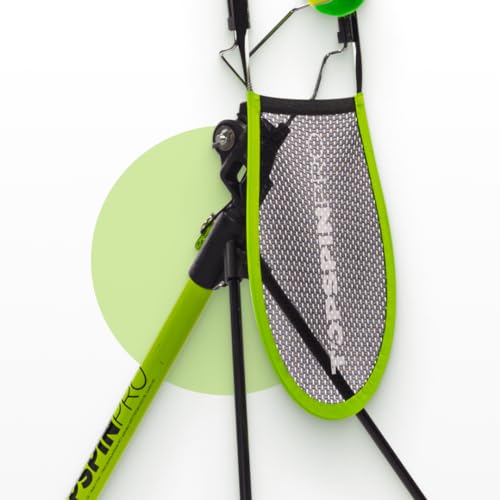
Of all the stroke-specific trainers, the TopspinPro is the one I’d recommend first to someone serious about leveling up their ground game. It’s not flashy, but the design forces the low-to-high swing path that defines real topspin. Owners report feeling a noticeable difference in their on-court strokes within days, especially in their forehand consistency and ability to stay aggressive without overhitting.
The adjustability is a big plus, it works for players of all sizes and skill levels. And the fact that it’s used by over 500,000 players and coaches suggests it’s not just a fad. While it’s not a full-body resistance tool like some others, its focus is narrow and effective: teach the topspin motion correctly, and do it repeatedly. The included 60-day money-back guarantee lowers the risk, making it a safe bet for hesitant buyers.
Product photos


MOOJAY Magnetic Resistance Swing Trainer
Strengths
- Real-time sound feedback
- Adjustable magnetic resistance
- Authentic racket grip feel
Trade-offs
- Higher price point
- Requires clean technique to trigger snap
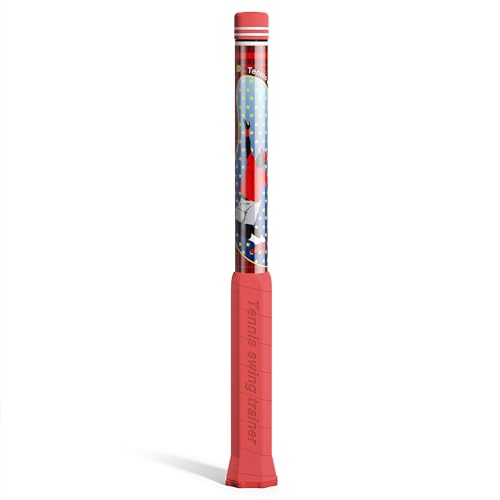
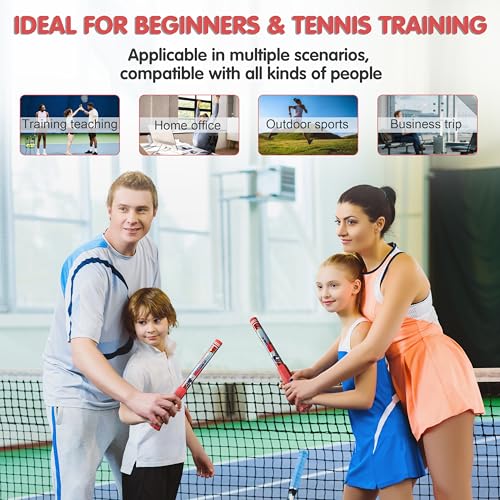
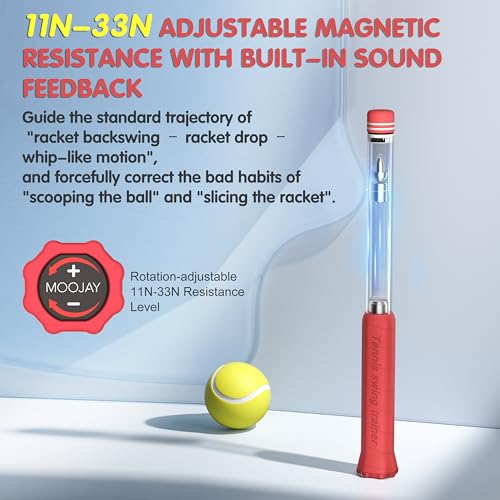
This MOOJAY trainer is one of the few tools that combines resistance and real-time feedback in a way that actually feels useful. The magnetic resistance (11–33N) is adjustable, which means beginners can start light and pros can push their limits. But the standout feature is the snap sound, owners consistently mention that hearing that sharp ‘click’ when the swing is correct helps lock in the right motion faster than silent drills.
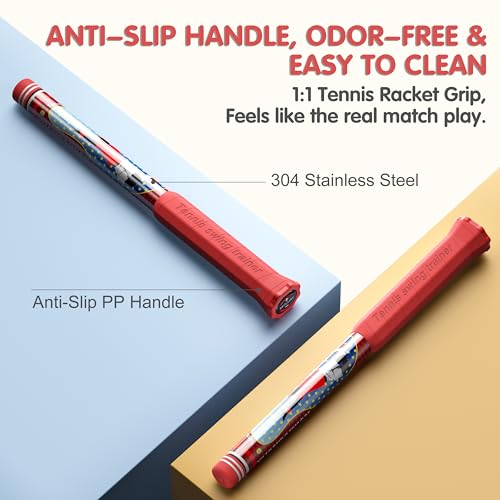
It’s clearly designed with the kinetic chain in mind: load, lag, snap. That makes it especially helpful for players who tend to ‘chop’ at the ball instead of using full-body mechanics. The 1:1 grip feels like a real racket, and the PP material holds up well to sweat and repeated use. Compared to basic swing rods, this one gives measurable feedback, and that’s a big win for solo training.
Product photos

VAIIO Professional Solo Rebounder
Strengths
- Stable metal base
- High-elasticity balls
- Easy cord storage
Trade-offs
- Rebound takes getting used to
- Balls swing widely at first
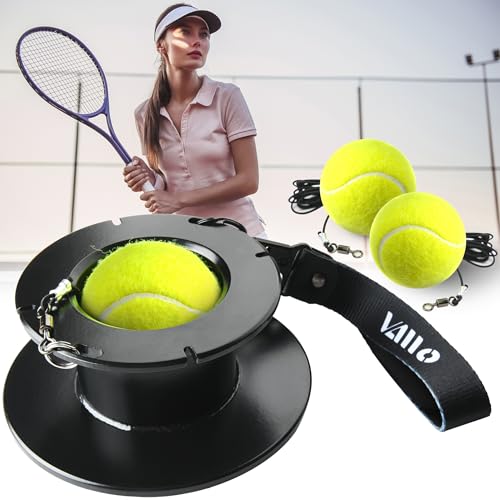
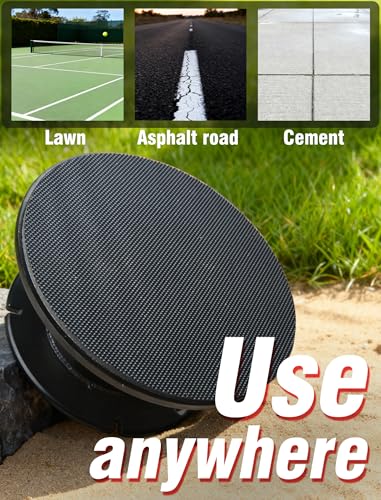
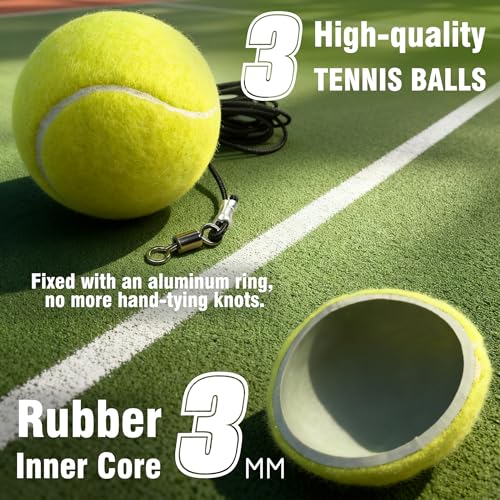
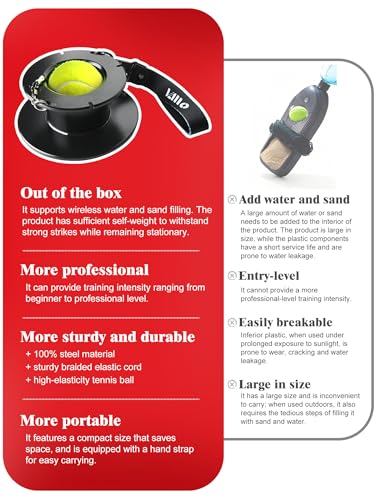
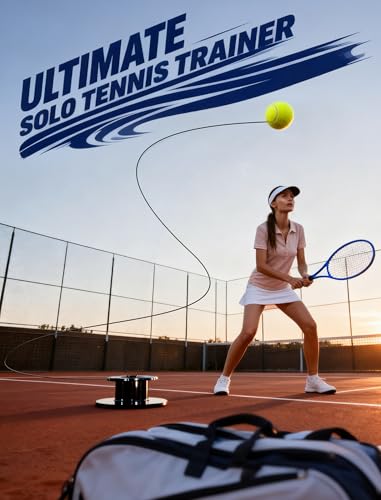
For players who want realistic solo practice without a partner, the VAIIO rebounder is one of the most reliable options out there. The full metal base weighs in at 3 pounds and stays put, even on hard swings, owners praise how it doesn’t tip or slide, unlike cheaper models that need sandbags. The 3mm rubber core balls offer better bounce and durability, and the 3.5m elastic ropes are thick enough to handle repeated stress.
One of the biggest wins is storage, the groove in the base lets you wrap the cords neatly, so you’re not fighting knots every time. The rebound angle depends on your hit, which mimics real play better than fixed-return trainers. Compared to wall hitting, this gives more variability and better reaction training. It’s not perfect, the ball can swing unpredictably at first, but with practice, it becomes a solid stand-in for a hitting partner.
Product photos

Force Grip Resistance Training Aid
Strengths
- Builds racket head speed
- Strengthens kinetic chain
- Reduces injury risk
Trade-offs
- Requires anchor point
- Setup takes time
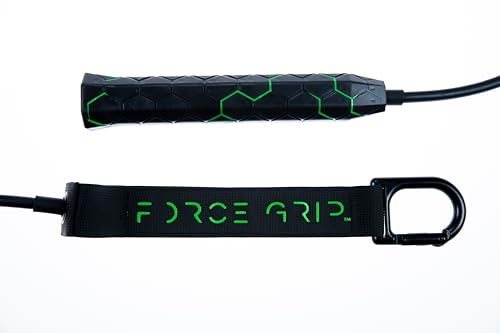
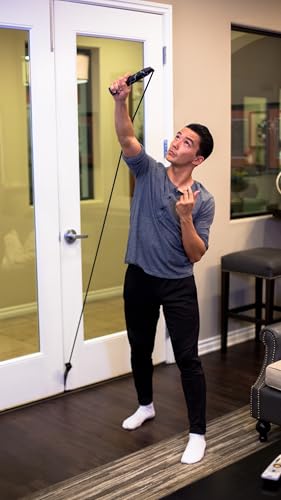
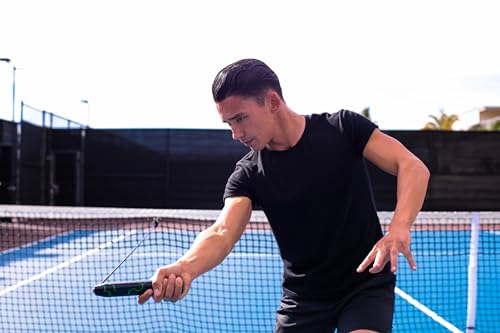
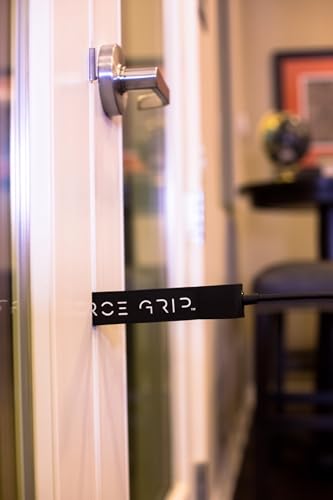
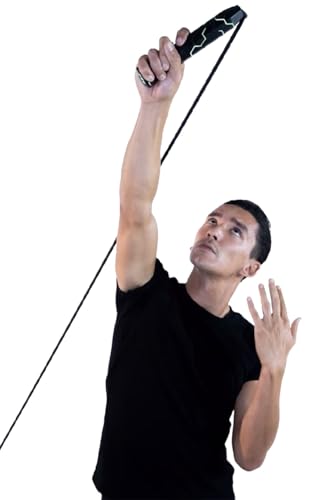
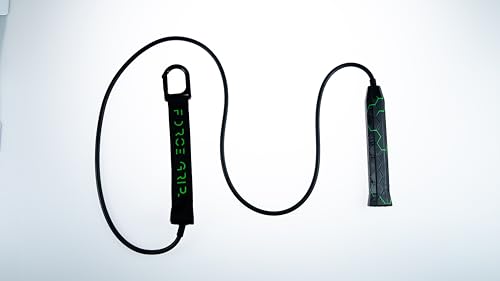
If you’re looking to build real power and racket head speed, the Force Grip is one of the few tools that actually mimics on-court resistance at the point of contact. It attaches to a door or post and uses elastic tension to simulate the feel of driving through the ball. Owners say it translates directly to harder serves and heavier groundstrokes, which makes sense, it’s engaging the full kinetic chain from core to wrist.
The design also helps prevent injury by strengthening the forearm, wrist, and shoulder stabilizers, which is a major win for players prone to tennis elbow. Compared to static swing trainers, this one builds functional strength. It’s also cross-compatible with pickleball and padel, which adds value for multi-sport players. The only downside is setup time, but most users say it’s worth the effort.
Product photos
MOVEMATE Wilson Tennis Trainer Set
Strengths
- Kid-friendly design
- Durable ball and base
- Includes training videos
Trade-offs
- Limited control for advanced players
- Ball return is inconsistent
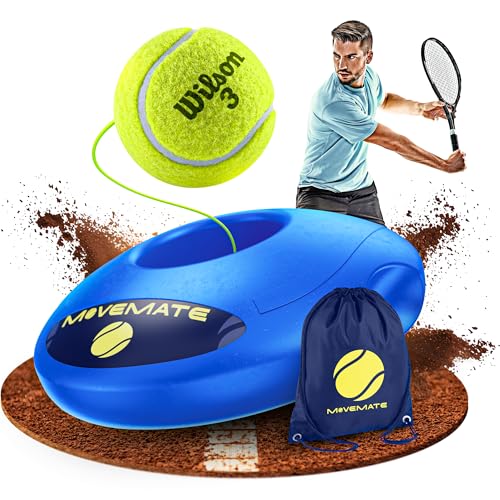
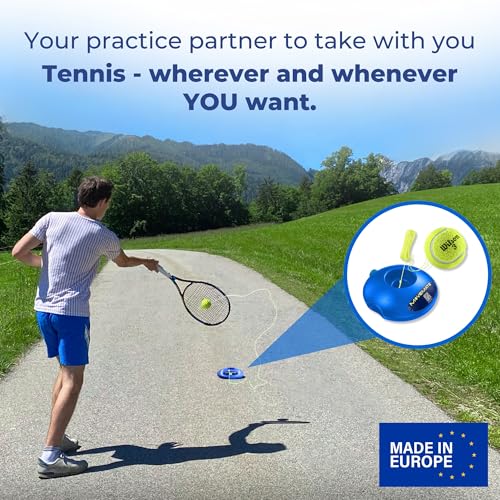
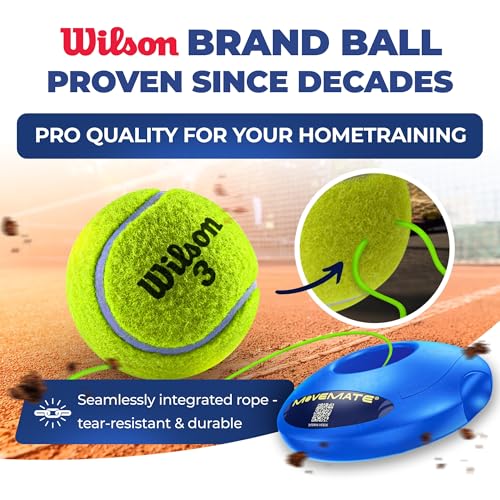
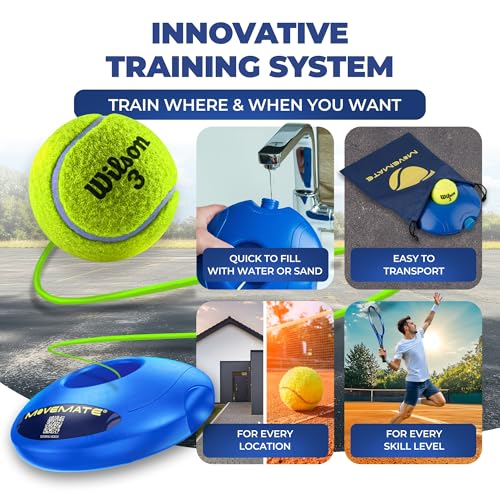
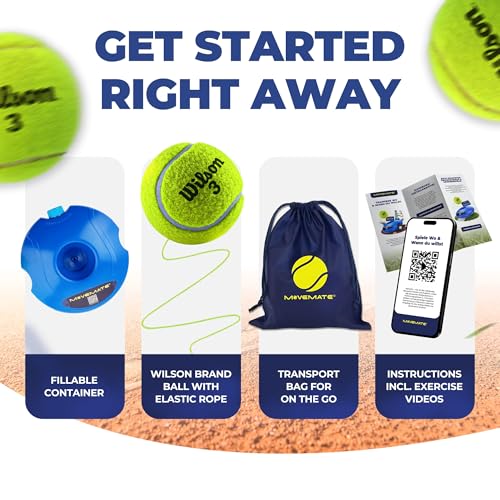
The MOVEMATE set is clearly built with fun and accessibility in mind, which makes it a standout for kids and absolute beginners. The Wilson-branded ball with the integrated rubber cord is durable, and owners say it survives heavy use in backyards and driveways. The water-fillable base keeps it stable, and the lack of setup hassle means kids can grab it and play immediately.
The included exercise videos help bridge the learning gap, and parents report their children stay engaged longer than with traditional drills. While it won’t replace court time for serious players, it’s a great way to build hand-eye coordination and basic stroke patterns in a low-pressure environment. Compared to solo rebounders, it’s less precise but more forgiving, and that’s exactly what beginners need.
Product photos

GHB Pro Agility Ladder

Strengths
- Durable plastic rungs
- Adjustable spacing
- Includes carrying bag
Trade-offs
- Not for rough surfaces
- Straps may loosen over time
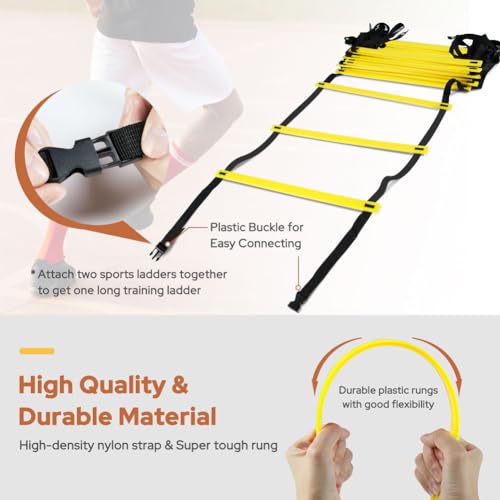
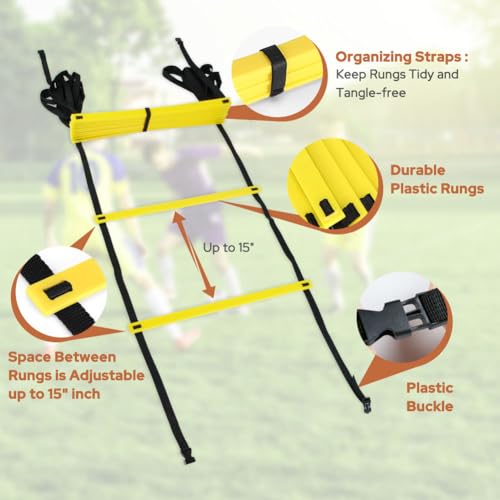
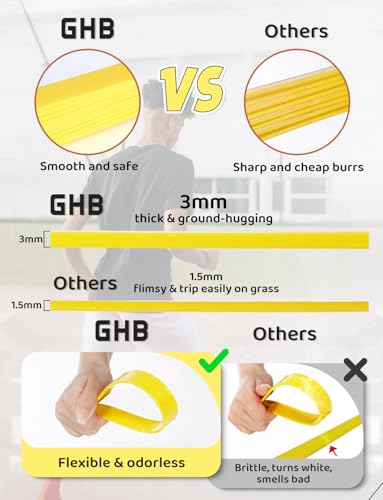
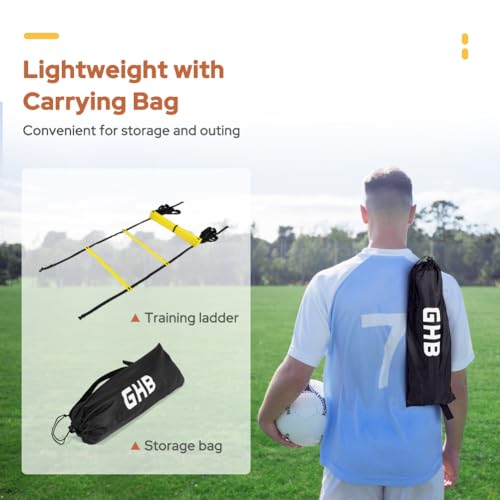
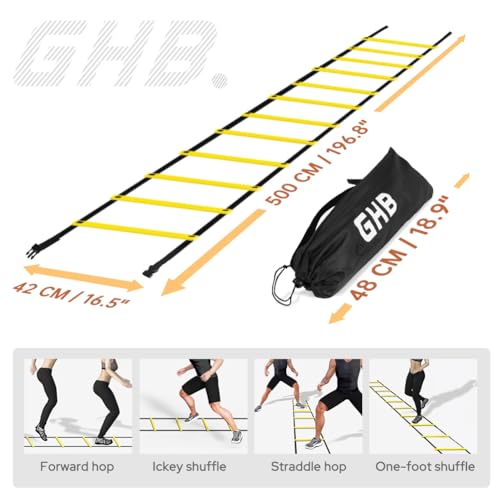
If you’re serious about improving foot speed and court coverage, agility ladders are a no-brainer, and the GHB Pro model delivers exactly what it promises. With 12 rungs and a full 20-foot length, it gives you plenty of real estate for ladder drills that actually challenge your coordination. The adjustable spacing is a smart touch, owners consistently report being able to customize the gaps for different drills, whether they’re working on quick stutter steps or explosive lateral movements.
The nylon straps feel durable, and the included carrying bag makes this a solid pick for anyone who trains in different locations. While it’s not going to survive being dragged across gravel every day, on grass or turf it holds up well according to long-term user feedback. It’s also used across sports like soccer and basketball, which speaks to its versatility. For tennis players, this is a low-cost way to build the fast-twitch footwork that wins points.
Product photos
Master Athletics TR40 Training Racket
Strengths
- Improves stroke precision
- Lightweight for fast reps
- Adjustable balance
Trade-offs
- Small head size takes getting used to
- Not for live ball practice
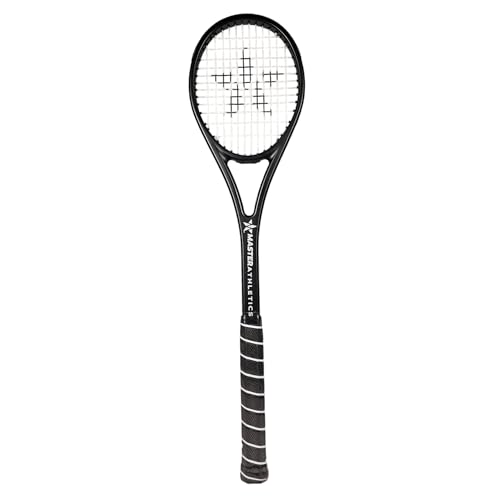
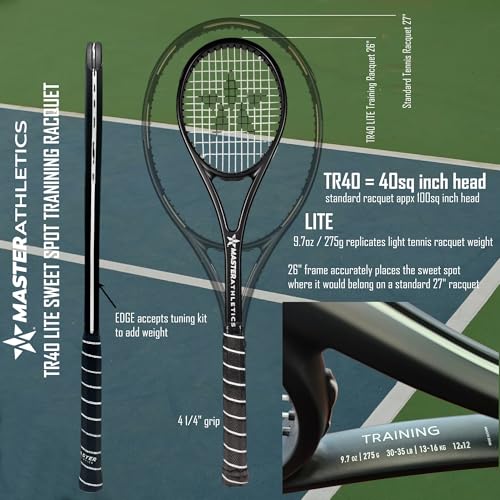
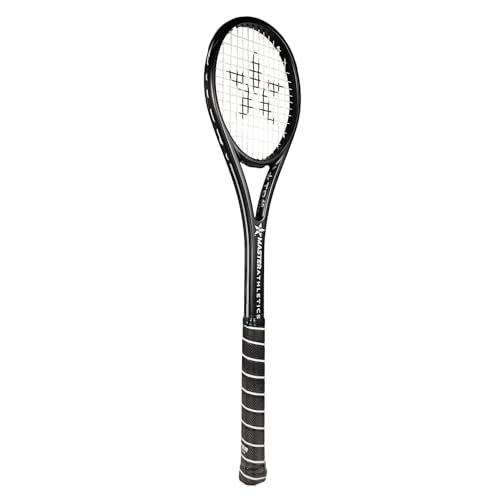
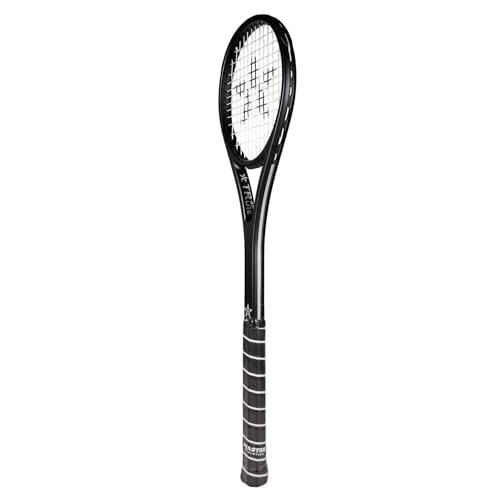
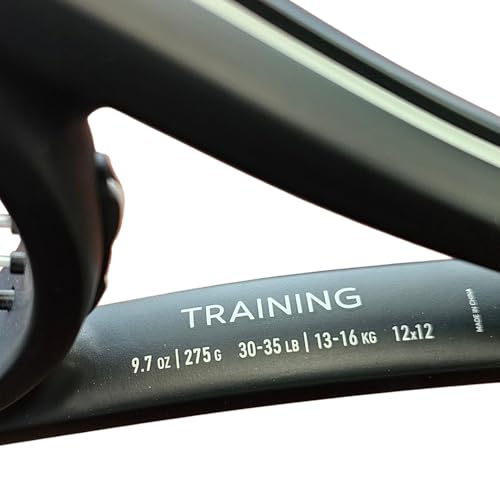
The TR40 Lite is a niche but brilliant tool for players who understand the value of warm-up specificity. At 9.7oz, it’s lighter than a standard racket, which makes it perfect for high-rep shadow swings without fatigue. The 40 in² head forces precision, owners say it sharpens hand-eye coordination and sweet-spot contact, which carries over to full-size rackets.
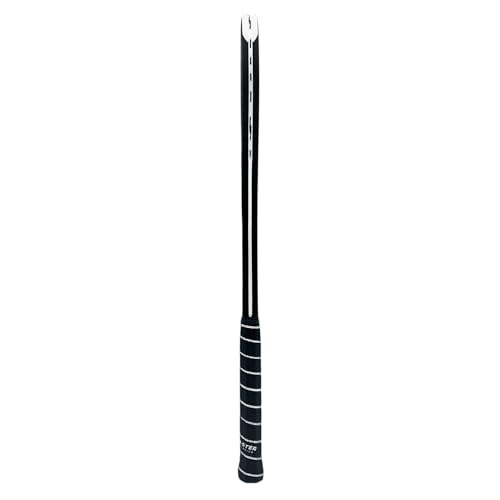
The adjustable balance via Edge Technology is a pro-level touch, letting players tweak the feel to match their stroke style. It’s not meant for live ball hitting, but that’s not the point. Used for 5–10 minutes before a session, it primes timing and stroke rhythm better than most dynamic stretches. Compared to other warm-up rackets, this one feels more intentional and performance-focused.
Product photos
The Total Serve ServeMaster
Strengths
- Teaches proper serve mechanics
- Portable and lightweight
- Useful for multiple strokes
Trade-offs
- No resistance or feedback sound
- Basic build, not for power training
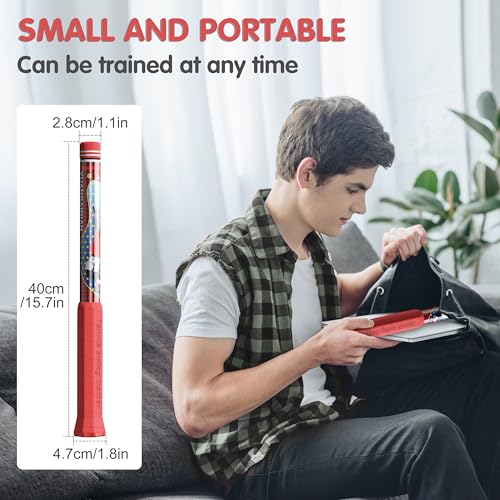
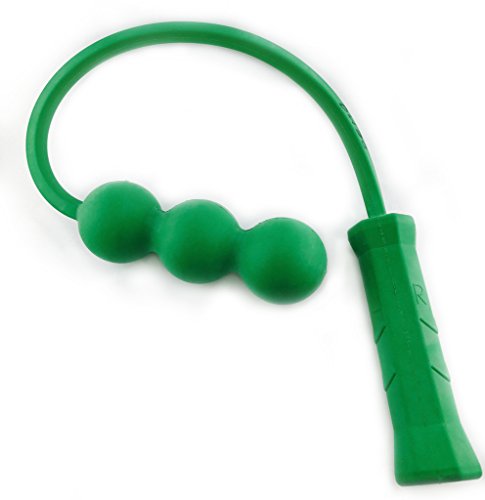
The ServeMaster stands out in a category full of gimmicks because it actually addresses the kinesthetic learning gap so many players struggle with. On paper, it’s a simple rod with markings for grip placement, but owners say it helps lock in the continental grip and groove the full kinetic sequence of the serve. That tactile feedback, feeling how the arm leads, how the toss aligns, is something you can’t get from videos or coaching alone.
It’s not just for serves. Many users report using it for shadow swings on groundstrokes and overheads, which makes it a surprisingly versatile training aid. The lightweight build means you can toss it in a bag and drill mechanics anywhere, which is huge for players without daily court access. Compared to resistance-based trainers, this one’s about form over force, and that makes it a smart complement to other tools.
Product photos


How We Chose These tennis training tools
I approached this guide to tennis training tools by first compiling a detailed list of available options, then comparing their published specifications and features side-by-side. Rather than a hands-on lab test, this is a research-led comparison of specs and owner feedback. I then weighed those specs against what current players – from beginners to more advanced competitors – are saying in online reviews and what tennis coaches recommend in reputable publications. This process allowed me to build a ranked list based on real-world usability and potential effectiveness.
For tennis training tools, the factors I weighted most heavily were the ability to build consistent muscle memory and the capacity to provide actionable feedback. A tool that simply lets you hit balls isn’t as valuable as one that guides you toward proper technique. Equally important was durability; tennis is a demanding sport, and equipment needs to withstand repeated use without falling apart. These aspects directly impact the return on investment for players looking to improve their game.
Published specifications are reliable for understanding basic build quality – materials, dimensions, weight – but owner feedback proved crucial for assessing real-world performance. Specs tell you about rope thickness, but reviews reveal if it actually holds up during intense training. Similarly, product descriptions highlight features, but user accounts clarify whether those features translate into noticeable improvement. For thorough athlete recovery devices, see our other guide.
Choosing The Right tennis training tools
Finding the right tennis training tool can be a real advantage, but with so many options out there, it’s easy to get overwhelmed.
A good tennis training tool focuses on repeatable mechanics, provides clear feedback on technique, and adapts to different skill levels. Consider the specific aspects of your game you want to improve – whether it’s topspin, serve consistency, footwork, or overall power – and then look for a tool designed to address those needs. Durability and portability are also key factors for long-term use and convenience.
Focus on Feedback Mechanisms
A lot of tennis training tools promise improvement, but the ones that really deliver provide actionable feedback. Simply hitting against a wall is okay, but it doesn’t tell you why a shot went wrong. Tools like the MOOJAY Magnetic Resistance Swing Trainer, with its audible snap feedback, give you immediate confirmation of correct form. That instant feedback loop builds muscle memory far faster than just repetition. Don’t settle for tools that just let you hit balls; look for ones that actively teach you something about your swing.
Consider Your Training Environment
Where are you planning to practice most frequently? If you have consistent court access, a rebounder like the VAIIO Professional Solo Rebounder makes a lot of sense. But if you’re often limited to practicing in your driveway or backyard, something more compact and self-contained, such as the TopspinPro Tennis Training Aid, will be more practical. It’s easy to fall into the trap of buying the “best” tool overall, but the best tool is the one you’ll actually use consistently.
- For beginners or kids, a simpler tool is often best. They don’t need complex resistance adjustments or detailed performance metrics.
- Intermediate players can benefit from tools that isolate specific aspects of their game, like serve technique (The Total Serve ServeMaster) or swing speed (Force Grip Resistance Training Aid).
- Advanced players might look for tools that combine multiple training elements and allow for highly customized drills, focusing on fine-tuning their existing skills.
Prioritize Skill-Specific Tools
Don’t spread yourself too thin. Instead of trying to improve everything at once, focus on one or two key areas. If your serve is your weakness, investing in a dedicated serve training aid is a better use of your money than a general-purpose rebounder. Footwork is often overlooked, but it’s fundamental to success. That’s where agility ladders, like the GHB Pro Agility Ladder, come in. Remember, improving your tennis game isn’t just about hitting the ball harder; it’s about building a well-rounded skillset. And if you’re looking to improve overall athleticism, consider other [volleyball practice equipment] to cross-train footwork and agility.
A dedicated tool for a specific skill will always yield faster results than a general-purpose solution.
Tennis Training Tools Compared
This table provides a side-by-side comparison of key specifications for various tennis training tools.
| Product Title | Best For | Key Feature | Resistance Level | Skill Level | Price (USD) |
|---|---|---|---|---|---|
| TopspinPro Tennis Training Aid | Best Overall | Topspin Stroke Development | N/A | Beginner/Intermediate | N/A |
| MOOJAY Magnetic Resistance Trainer | Best Technique Feedback | Magnetic Resistance | 11-33N | All Levels | N/A |
| VAIIO Professional Solo Rebounder | Best Solo Practice Tool | Full Metal Base | N/A | All Levels | N/A |
| Force Grip Resistance Aid | Best for Power & Speed | Racket-Style Handle | Variable | All Levels | N/A |
| MOVEMATE Wilson Tennis Trainer Set | Best for Beginners & Kids | Wilson Ball & Rubber Cord | N/A | Beginner/Youth | N/A |
| GHB Pro Agility Ladder | Best for Footwork & Agility | 12-Rung Adjustable Ladder | N/A | All Levels | N/A |
| Master Athletics TR40 Trainer | Best Warm-Up Tool | Compact 40in² Head | N/A | All Levels | N/A |
| The Total Serve ServeMaster | Best for Serve Training | Continental Grip Trainer | N/A | All Levels | N/A |
Frequently Asked Questions
What level player will benefit most from a tennis training tool?
All skill levels can benefit, but beginners and intermediate players often see the fastest improvements. These tools help establish correct form and build foundational skills before bad habits develop.
Are these tools a substitute for professional coaching?
No, they are best used as a supplement to coaching. A tool can provide repetitive practice and feedback, but a coach offers personalized instruction and strategic guidance.
How much space do I need to effectively use these tools?
That varies greatly. Rebounders require a full court or large open area, while smaller aids like resistance bands can be used in a driveway or even indoors with sufficient clearance.
What’s the typical lifespan of a tennis training tool?
Durability depends on usage and material quality, but most quality tools should last several years with regular use. Look for models constructed with durable materials like steel or reinforced polymers.
Can these tools help improve my serve?
Yes, several tools specifically target serve technique, like The Total Serve ServeMaster. These aids help refine grip, swing path, and consistency, leading to a more powerful and accurate serve.
The Bottom Line
Choosing tennis training tools often comes down to balancing focused improvement with convenience. You can spend a lot on sophisticated rebounders and resistance systems, or you can make significant gains with simpler, more affordable options. For overall effectiveness and adaptability across skill levels, I believe the TopspinPro Tennis Training Aid provides the best value.
If you have a specific area you want to address, the choices become clearer. Players focused on technique will appreciate the immediate feedback of the MOOJAY Magnetic Resistance Swing Trainer, while those building power will find the Force Grip Resistance Aid useful. Beginners and young players should start with something simple like the MOVEMATE Wilson Tennis Trainer Set, and anyone serious about footwork should consider adding a GHB Pro Agility Ladder to their routine. Don’t underestimate the importance of [forearm strength tools] for overall power and control.
Ultimately, the most important thing isn’t the price tag or the number of features. It’s about consistent practice and a focus on fundamentals. A tool can guide you, but it can’t play the game for you. Prioritize tools that reinforce proper technique, build muscle memory, and make practice enjoyable, so you’ll stick with it long enough to see real results.
