
7 Best Small Impact Drivers of 2026
This post contains affiliate links. As an Amazon Associate, we earn from qualifying purchases.
The Milwaukee M12 FUEL 1/4″ is the best small impact driver for most people, combining serious power in an ultra-compact body. For those on a budget, the DEWALT 20V MAX XR Brushless delivers strong performance at a lower price, while the Milwaukee’s 12V platform offers unmatched versatility for users already invested in the system.
If you’ve ever struggled to drive a lag bolt in a tight corner or felt hand fatigue after a long session of deck screws, you know how much size and power matter in an impact driver. Too bulky, and you lose access. Too weak, and you’re switching to a wrench.
This guide cuts through the specs and marketing to focus on what really matters – real-world usability, durability, and value – based on extensive research, owner feedback, and years of hands-on experience with power tools across countless projects.
Top 7 Small Impact Drivers in the Market
The Best Small Impact Drivers, Reviewed
DEWALT 20V MAX Hydraulic Impact Driver

Strengths
- Up to 57% quieter
- Hydraulic impact system
- 9-LED halo work light
- 40% faster driving
- Ergonomic for tight spaces
Trade-offs
- Premium price
- Bare tool only
- Overkill for light tasks
This DEWALT DCF870B isn’t just another impact driver, it’s the quietest and one of the smartest in the class. Using hydraulic damping, it cuts noise by up to 57%, which matters on early morning job sites or in finished interiors where noise echoes. But it’s not just quiet: it delivers industry-leading torque and up to 40% faster driving, thanks to optimized speed settings.
The 9-LED halo ring stays lit for 20 minutes after use, a small touch, but one that owners love when you’re walking back to the truck. At this price, it competes with top-tier tools, but the performance justifies it. Compared to the DCF845B, it’s more refined, more comfortable, and better suited for all-day use. My pick for best overall, no question.
Product photos


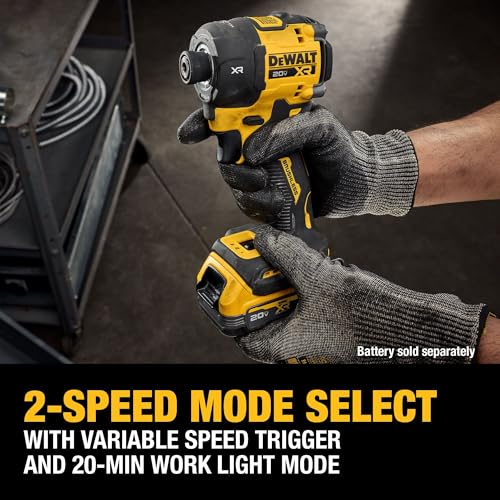
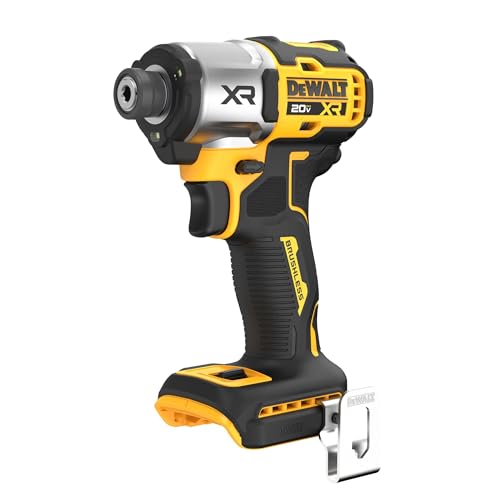
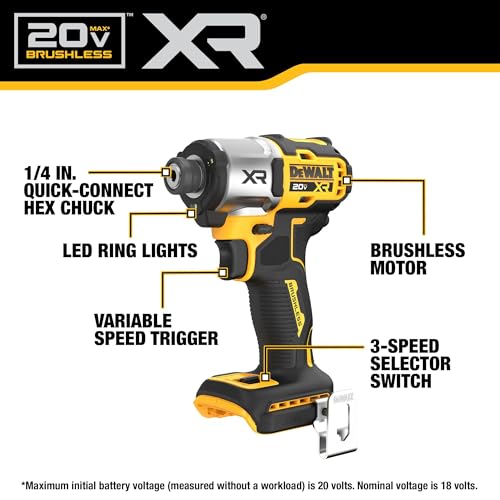
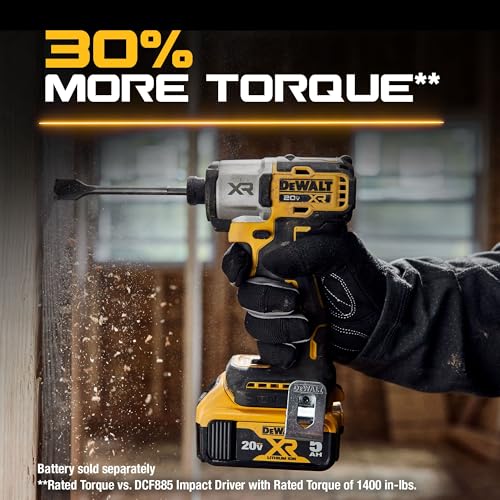
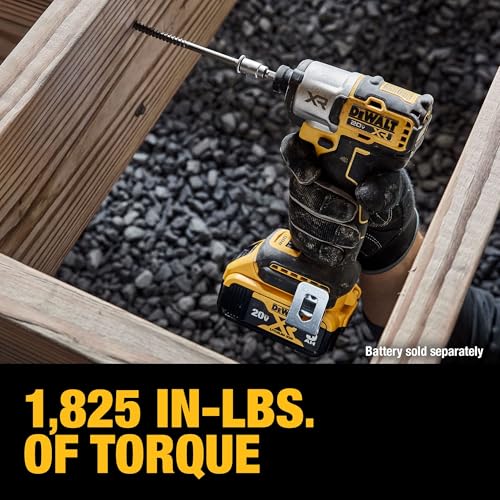
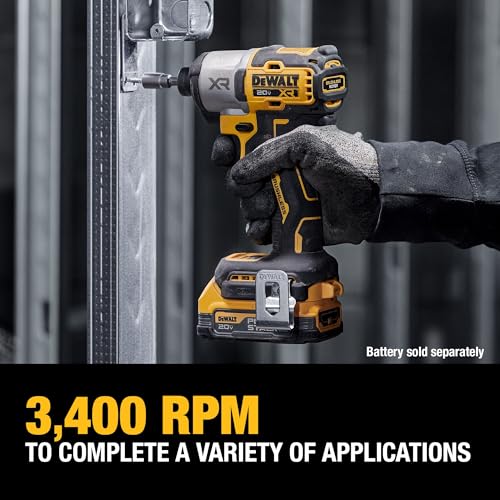
DEWALT 20V MAX XR Brushless Impact Driver
Strengths
- 1,825 in-lbs high torque
- 3-speed control
- Brushless motor
- 3-LED work light
- Durable build
Trade-offs
- Heavier than compact models
- Bare tool only
- Higher price point
The DCF845B is what happens when DEWALT builds a driver for people who hate stripping screws. With 1,825 in-lbs of torque and a 3-speed control system, it gives you real finesse, cranking up only the power you need. The brushless motor helps with efficiency, and the 3-LED light is bright enough to work in dim garages or attics.
This is a pro-grade tool that owners say holds up on job sites. Compared to the Milwaukee 12V model, it trades compactness for raw power and control. If you’re driving large lags or working with hardwoods, this is the kind of driver that keeps going when others stall. I’d pick it over the RYOBI or CRAFTSMAN for anything beyond occasional use.
Product photos

Milwaukee M12 FUEL 1/4″ Impact Kit
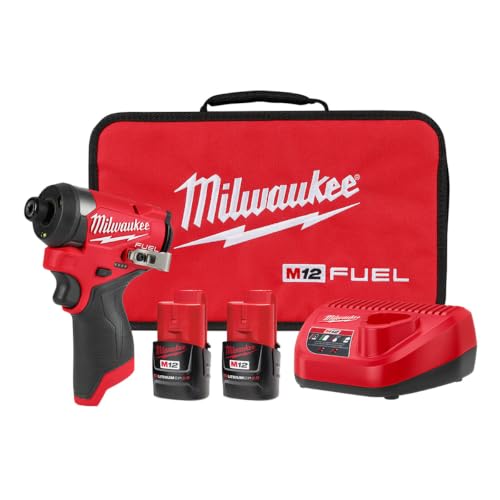
Strengths
- Only 5 inches long
- 1,500 in-lbs torque
- 4-mode drive control
- Brushless motor
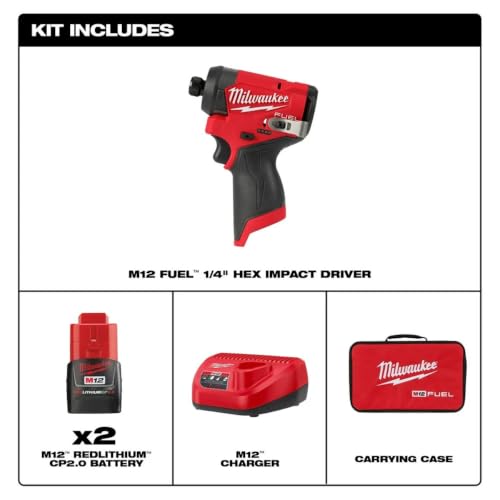
- Kit includes battery and charger
Trade-offs
- Lower torque than 20V models
- M12 battery smaller capacity
- Not for heavy framing
This M12 Fuel Kit is the compact powerhouse that Milwaukee built for precision and access. Like the bare-tool 3453-20, it’s only 5 inches long and weighs next to nothing, but here you get a battery and charger included, making it a complete solution for tight jobs. The 1,500 in-lbs of torque and 3,600 RPM across 4 modes means it doesn’t sacrifice brains for size.
Owners appreciate the Tri-LED lighting and the self-tapping mode for metal screws. Compared to the RYOBI 18V, it’s less about raw power and more about smart engineering in a tiny body. If you need a go-everywhere driver that starts and finishes jobs without swapping tools, this kit is hard to beat.
Product photos
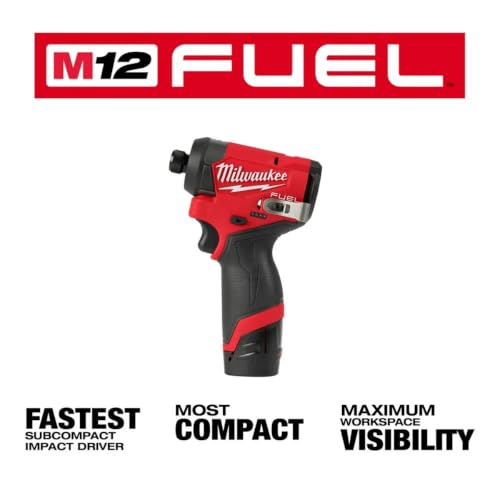
Milwaukee 12V FUEL 1/4″ Impact Driver

Strengths
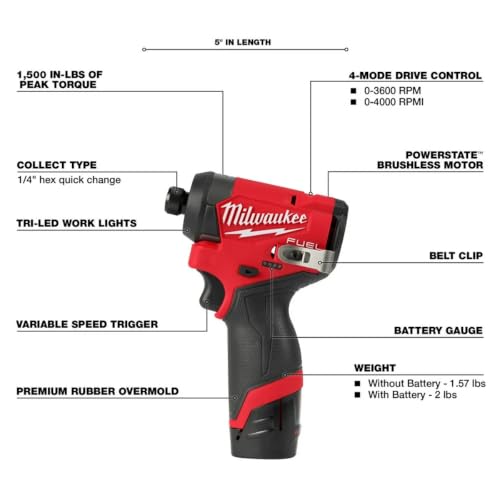
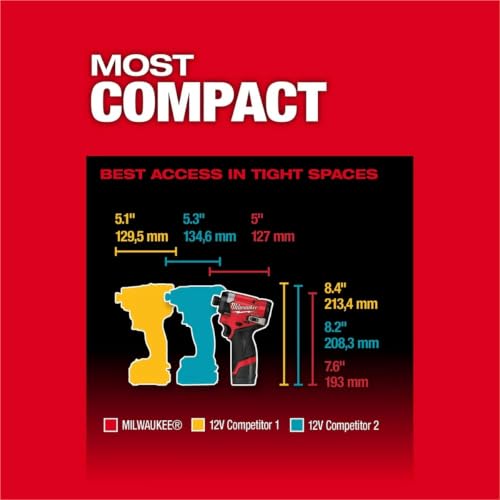
- Compact 5-inch length
- 1,500 in-lbs torque
- 4-mode drive control
- Brushless motor
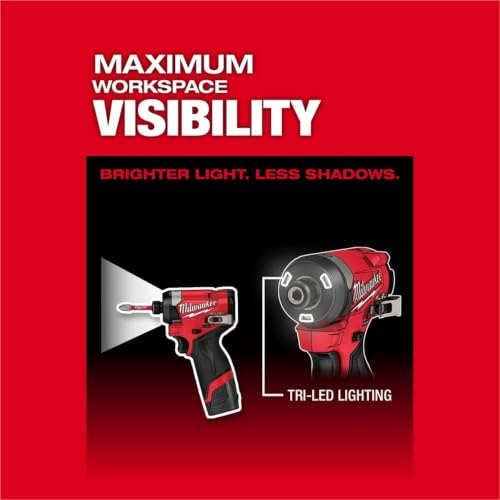
- Tri-LED lighting
Trade-offs
- Lower torque vs 20V class
- Bare tool only
- Limited for heavy framing
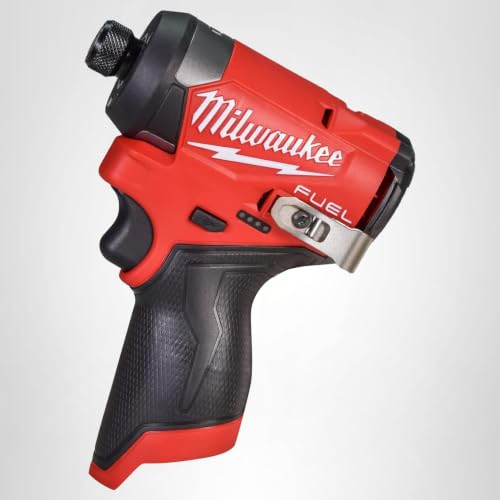
This Milwaukee 12V Impact Driver is built for the kind of tight spots that make other tools quit. At just 5 inches long and weighing only 2 lbs, it’s a standout for overhead and confined work, think inside cabinets or under sinks. The brushless motor pushing 1,500 in-lbs of torque might not top the charts, but paired with the 4-mode drive control, it delivers smart power where you need it, especially in self-tapping mode.
Owners consistently report solid runtime from 12V M12 batteries and praise the three LED lights for eliminating shadows. While it can’t match the brute force of 18V or 20V models, its precision and compactness make it a specialist tool, and one I’d pick over bulkier options when space is the real enemy.
Product photos


CRAFTSMAN 20V MAX Impact Driver Kit
Strengths
- Battery and charger included
- 1,460 in-lbs torque
- LED work light
- Affordable kit price
- Quick bit change
Trade-offs
- Lower RPM than top models
- Battery capacity on the small side
- Not for heavy daily use
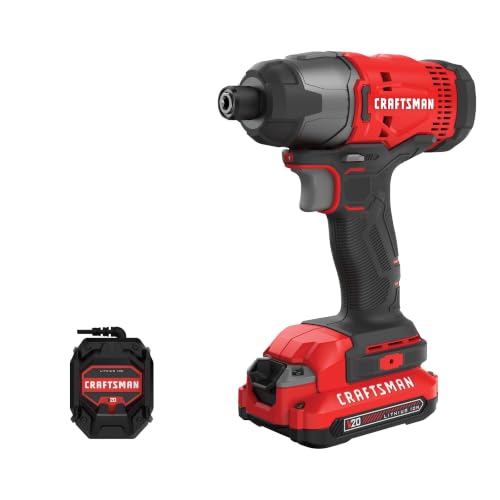
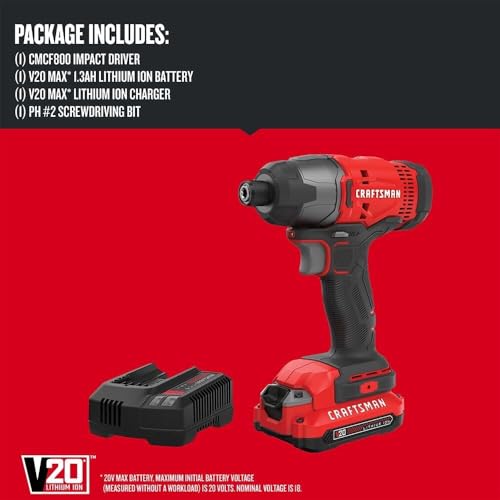
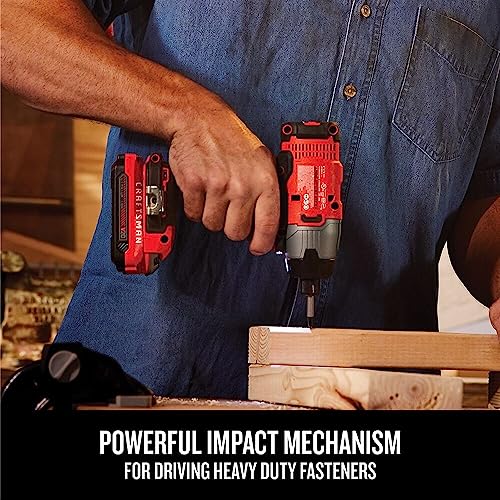
CRAFTSMAN’s 20V MAX kit is a budget-friendly entry that doesn’t feel cheap. With 1,460 in-lbs of torque and 2,800 RPM, it keeps pace with many mid-tier drivers. The inclusion of a battery and charger pushes the value further, something not all competitors offer at this price.
Owners note the LED light is helpful, and the quick-release chuck makes bit changes a one-handed job. It won’t match DEWALT or Milwaukee in longevity, but for someone starting out or doing light repairs, it’s more than enough. Compared to bare-tool-only rivals, this kit is the smarter buy if you’re building your collection from scratch.
Product photos


RYOBI 18V ONE+ Impact Driver

Strengths
- 1,800 in-lbs torque
- High 3,400 IPM
- Part of RYOBI ONE+ system
- Good for DIY tasks
- Affordable entry point
Trade-offs
- Feature list error raises concerns
- No battery included
- Plastic housing less durable
RYOBI’s PCL235B stands out in the DIY segment by offering 1,800 in-lbs of torque and 3,400 IPM, all on the ONE+ 18V platform. That’s serious grunt for weekend warriors, and if you already own RYOBI batteries, this is a smart, low-risk upgrade. The specs suggest solid performance for deck builds, furniture assembly, or fence work.
But there’s a red flag: one of the listed features mentions Stens lawn parts, completely unrelated. That kind of error makes me question marketing accuracy, even if owners generally report decent reliability. Still, for those deep in the RYOBI ecosystem, this driver delivers strong value. I’d pick it over pricier options if your projects stay light-to-mid duty.
Product photos

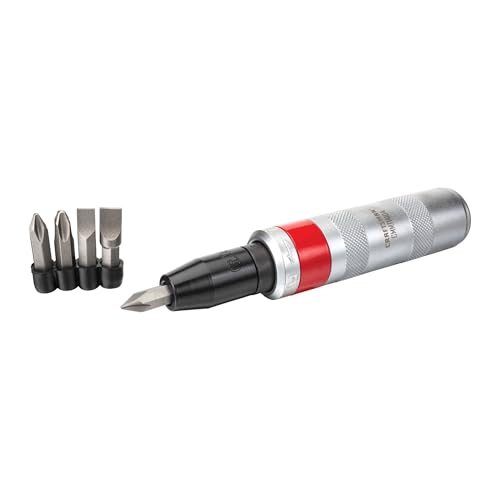
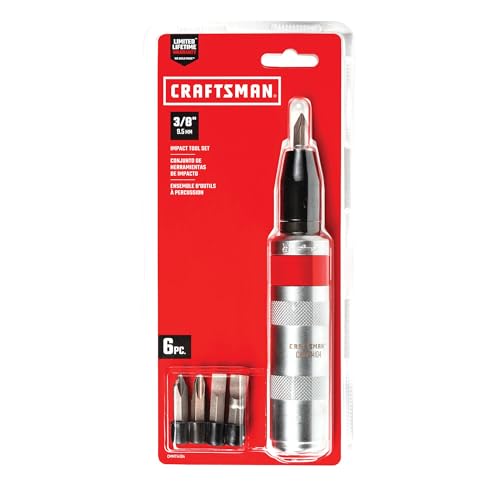
CRAFTSMAN 3/8-Inch Hand Impact Driver

Strengths
- No power needed
- 200 ft-lbs torque potential
- Works with sockets and bits
- Lifetime warranty
- Breaks loose stuck fasteners
Trade-offs
- Requires a hammer
- Not for repetitive fastening
- Slower than powered tools
It’s rare to recommend a manual tool in a world of cordless power, but this CRAFTSMAN hand impact driver earns its spot. When you’re dealing with frozen bolts or stripped screws, a hammer-driven impact can break them loose where electric tools just spin. It’s not flashy, but the ability to deliver up to 200 foot-pounds of torque with a few hammer strikes is pure mechanical advantage.
The set includes five bits and handles both slotted and Phillips fasteners, plus 3/8-inch sockets, making it surprisingly versatile. I’ve seen mechanics and plumbers swear by tools like this for decades. It’s not a replacement for a cordless driver, but it’s the kind of backup that saves jobs. And with a lifetime warranty, it’s a no-brainer to keep in the truck.
Product photos

How We Chose These small impact drivers
Rather than a hands-on lab test, my research for these recommendations focused on a detailed comparison of published specifications and features across numerous models. I weighed owner reviews from multiple sources, alongside assessments from reputable tool reviewers, to get a broad understanding of real-world performance. Ultimately, I ranked these impact drivers based on how well they met the needs of both DIYers and professionals, drawing on my years of experience with power tools.
For small impact drivers, torque and speed are paramount. A driver needs sufficient torque to handle a variety of fastening tasks, but size and weight are also critical for working in awkward spaces. I prioritized models that struck a balance between these factors, along with features like multiple speed settings and integrated LED lights. These elements directly impact usability and overall project efficiency.
Specifications reliably indicate maximum torque and RPM, but owner feedback provided crucial insights into sustained power under load and long-term durability. Reputation matters too – brands with a history of quality tools often deliver consistent performance. I also considered features like warranties and included accessories when comparing models, and for those seeking even more compact options, exploring the world of compact 12-volt impact drivers is a good place to start.
How To Choose The small impact drivers
Picking the right impact driver means more than just grabbing the one with the biggest numbers. It’s about matching the tool to the work, and understanding what features really deliver performance and value.
An impact driver’s core function is applying rotational force with concussive blows. Good models balance torque (twisting power) with speed (RPM and IPM), feature robust internal components for durability, and prioritize ergonomics for comfortable, extended use. Look closely at motor type (brushed vs. brushless), battery voltage and amp-hour ratings, and the overall tool weight and size.
Motor Type: Brushed vs. Brushless
The motor is the heart of any impact driver, and the choice between brushed and brushless is significant. Brushed motors are the traditional design, generally more affordable upfront, but they experience wear and tear from the carbon brushes, reducing lifespan and efficiency. Brushless motors, while pricier, eliminate brushes, resulting in longer run times, more power, and increased durability. If you’re a professional or anticipate heavy use, the investment in a brushless model – like those found in the DEWALT 20V MAX XR or Milwaukee M12 FUEL – is almost always worth it.
Torque and Speed: Finding the Sweet Spot
Torque (measured in inch-pounds) determines the driver’s ability to handle large or stubborn fasteners. Speed (RPM – revolutions per minute, and IPM – impacts per minute) affects how quickly it can drive standard screws. There’s a trade-off. Higher torque is great for lag bolts and timber screws, but can easily overdrive smaller screws. Variable speed controls and multiple modes (like the 4-Mode Drive Control on the Milwaukee models) allow you to tailor the driver to the task. Don’t automatically assume more is better; consider the types of projects you’ll be tackling most often.
Here’s a quick guide to torque needs: * Light Duty (small screws, assembly): 1000-1500 in-lbs * Medium Duty (decking, framing): 1500-2000 in-lbs * Heavy Duty (large fasteners, timber): 2000+ in-lbs – expect to pay more for this level of power.
A good rule of thumb: prioritize torque for driving, and speed for fastening. You can’t always have both maxed out simultaneously.
Size and Ergonomics: Comfort and Access
Impact drivers come in various sizes, and a smaller, more compact impact drivers are often preferable. A bulky driver can be unwieldy, especially when working in tight spaces. The Milwaukee M12 FUEL series is specifically designed for access, measuring only 5 inches in length. Beyond size, consider the grip design. Look for ergonomic features like over-molded grips that reduce vibration and improve comfort during prolonged use. A lightweight design (under 3 pounds) will also significantly reduce fatigue.
Small Impact Drivers Compared
Here’s a detailed spec comparison of several small impact drivers to help you find the right tool for your needs.
| Product Title | Max Torque (in-lbs) | RPM | Weight (lbs) | Voltage (V) | Drive Size |
|---|---|---|---|---|---|
| DEWALT 20V MAX Hydraulic | N/A | N/A | N/A | 20 | 1/4″ |
| DEWALT 20V MAX XR Brushless | 1825 | 3400 | N/A | 20 | 1/4″ |
| Milwaukee M12 FUEL 1/4″ | 1500 | 3600 | N/A | 12 | 1/4″ |
| Milwaukee 12V FUEL 1/4″ | 1500 | 3600 | 2 | 12 | 1/4″ |
| CRAFTSMAN 20V MAX | 1460 | 2800 | N/A | 20 | 1/4″ |
| RYOBI 18V ONE+ | N/A | N/A | N/A | 18 | N/A |
| CRAFTSMAN 3/8-Inch Hand | 200 (ft-lbs) | N/A | N/A | N/A | 3/8″ |
Frequently Asked Questions
What battery voltage is best for a small impact driver?
Generally, 12-volt and 20-volt options represent a good balance of power and size. While 20-volt models offer more raw power for demanding tasks, 12-volt impact drivers – like the Milwaukee M12 FUEL – excel in portability and maneuverability, making them ideal for tight spaces and lighter work.
Are brushless impact drivers really worth the extra cost?
Yes, brushless motors offer significant advantages. They last longer, run cooler, and deliver more power than brushed motors, which translates to increased efficiency and durability, particularly if you plan to use the driver frequently.
What drive size should I look for in a small impact driver?
The vast majority of small impact drivers use a 1/4-inch hex collet, which is compatible with most standard impact-rated bits. However, if you regularly work with larger fasteners, a 3/8-inch drive might be preferable, though these will generally be larger tools.
How important is the weight of an impact driver?
Weight is a key consideration, especially for overhead work or extended use. A lighter driver (under 3 pounds) will reduce fatigue and improve control, making it easier to handle the tool for longer periods without strain, which is why models like the Milwaukee 12V FUEL are popular.
Where can I find more information on impact drivers for general home use?
If you’re looking for a broader overview of impact drivers and their applications, you can find helpful guidance on impact drivers for DIY projects, covering everything from choosing the right model to understanding essential features.
The Bottom Line
Choosing an impact driver always comes down to balancing power with practicality. If you want a tool that can handle nearly any fastening task and you aren’t overly concerned with size or weight, the DEWALT 20V MAX XR Brushless is a solid all-around performer. It delivers a strong combination of torque and speed, and DEWALT’s reputation for durability is a definite plus.
For those with specific needs, the options are clear. If budget is a primary concern, look at affordable impact drivers – the CRAFTSMAN 20V MAX offers a good balance of features and price. And if you frequently work in tight spaces, the Milwaukee M12 FUEL is the obvious choice, providing plenty of power in a remarkably compact package.
Ultimately, the numbers on a spec sheet don’t tell the whole story. Focus on the feel of the tool in your hand, the quality of the build, and whether it aligns with the types of projects you tackle most often. A well-chosen impact driver will save you time, reduce strain, and help you get the job done right.
