4 Best Ryobi Impact Drivers of 2026
This post contains affiliate links. As an Amazon Associate, we earn from qualifying purchases.
The Ryobi ONE+ HP Brushless Impact Driver is my top pick for most users, delivering strong, efficient performance thanks to its brushless motor. If you’re after a budget-friendly starter kit, the Ryobi ONE+ HP Compact Brushless Impact Kit offers excellent value with two batteries and a charger. For basic jobs on a tight budget, the Ryobi ONE+ 18V Impact Driver Kit still gets the job done.
Most people don’t realize how much motor type and battery compatibility affect real-world performance until they’re mid-project and running out of power. I’ve seen too many DIYers grab the wrong tool, only to struggle with stripped bits or weak torque.
This guide cuts through the clutter by focusing on what actually matters, brushless efficiency, kit value, and reliable bit retention, based on specs, owner feedback, and years of working with power tools. I’ll show you which models stand out and why they’re worth your time.
Top 4 Ryobi Impact Drivers in the Market
The Best Ryobi Impact Drivers, Reviewed
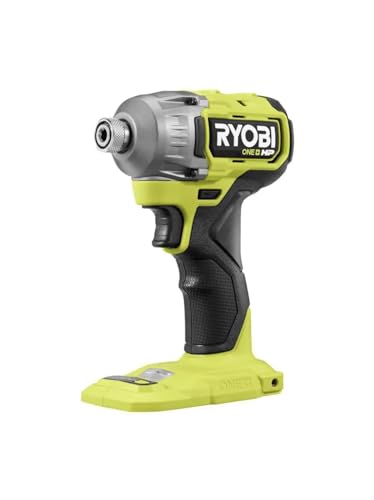
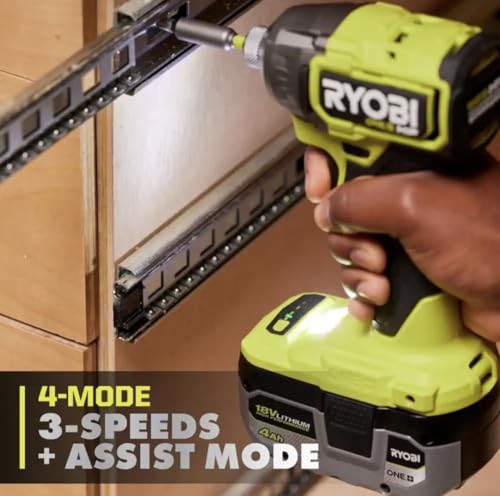
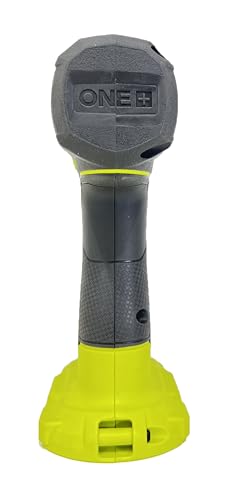
Ryobi ONE+ HP Brushless Impact Driver
Strengths
- Four drive modes
- High torque output
- Brushless efficiency
Trade-offs
- No battery or charger
- Higher cost than basic models
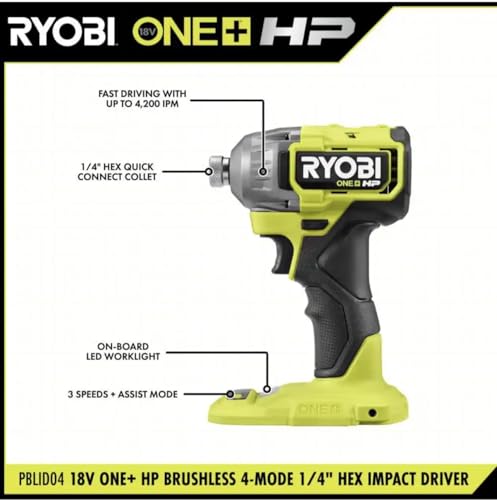
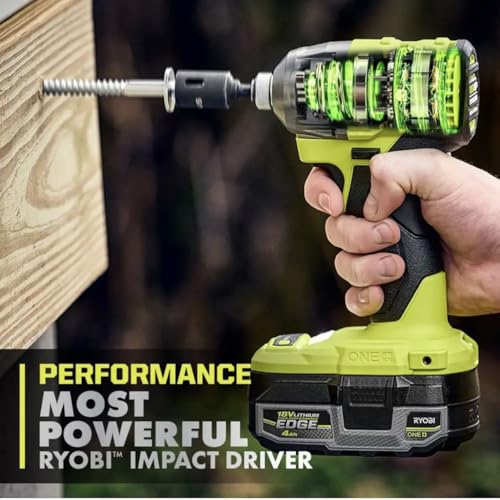
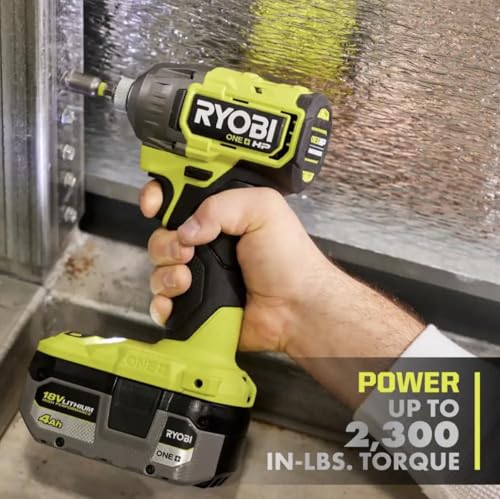
This is the most advanced tool in Ryobi’s current impact driver lineup, and on paper, it shows. With four drive modes, including dedicated settings for precision work and fastener removal, it gives users far more control than typical single or dual-mode rivals. The brushless motor pushes up to 2,000 in./lbs. of torque, which is serious power for a Ryobi, enough to handle heavy-duty lags or stubborn bolts without bogging down. Owners consistently report it holds its own against higher-end brands, especially when working with the full ONE+ ecosystem.
The lack of included battery and charger keeps the upfront cost low, but that also means you’ll need existing 18V ONE+ gear to make it functional. Compared to the PCL235B, this model offers smarter power management and better heat resistance over long sessions, thanks to its brushless design and adaptive electronics. For someone already deep into Ryobi tools, this is the logical upgrade for maximum performance.
Product photos

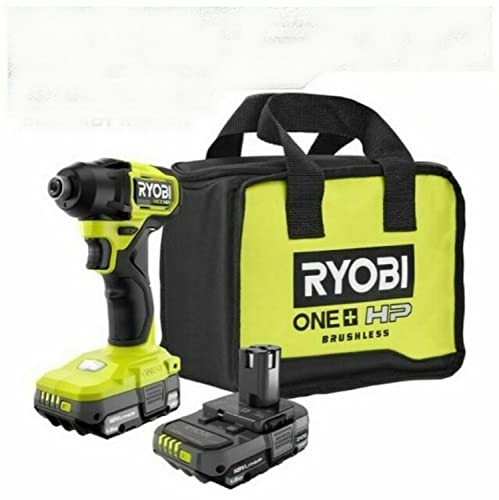
Ryobi ONE+ HP Compact Brushless Impact Kit
Strengths
- Brushless motor
- Full kit with two batteries
- Compact and balanced
- Includes storage bag
Trade-offs
- Batteries are 1.5 Ah (not high-capacity)
- No 4-mode feature
This kit is the smartest all-in-one buy in the Ryobi impact driver range. You get a brushless motor that delivers 1,700 in./lbs. of torque, two 1.5 Ah batteries, a charger, and even a carrying bag, everything you need to start working immediately. The compact size makes it easy to maneuver in tight spots, and owners praise its balance and low vibration. The brushless design means better efficiency and longer motor life, which matters if you’re using it for more than just weekend odds and ends.
Against the P235AK1, this is a clear upgrade in both performance and value. Even compared to the PBLID04B, it holds up well for most users, trading a bit of peak power for better out-of-box utility. For families or DIYers setting up a garage or shed, this is the one I’d recommend first.
Product photos
Ryobi ONE+ 18V Impact Driver Tool Only

Strengths
- High torque claim
- Low tool-only price
- Compact size
Trade-offs
- Brushed motor
- No included battery
- Fewer smart features
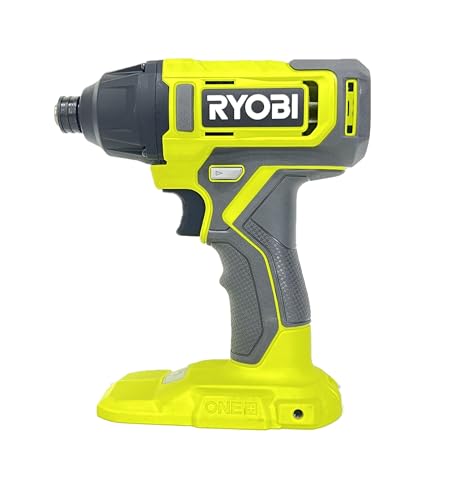
On specs alone, this looks like a steal, 1,800 in./lbs. of torque and 3,400 IPM from a tool-only model that undercuts the HP models. But it uses a brushed motor, which is a significant cutback in durability and efficiency. It’s clearly designed to hit a low price point while still quoting big numbers. Reviewers confirm it works fine for light-to-medium tasks, like assembling shelves or changing tires, but show hesitation when pushing it hard for long periods.
Compared to the PBLID04B, it lacks the refined drive modes and brushless longevity. Still, for someone who already owns multiple ONE+ batteries and just needs a spare or secondary impact driver, this is a reasonable budget play. I wouldn’t rely on it for constant use, but as a backup, it makes sense.
Product photos

Ryobi ONE+ 18V Impact Driver Kit

Strengths
- Affordable full kit
- Lightweight design
- Good for basic tasks
Trade-offs
- Brushed motor
- Single small battery
- Slower charging
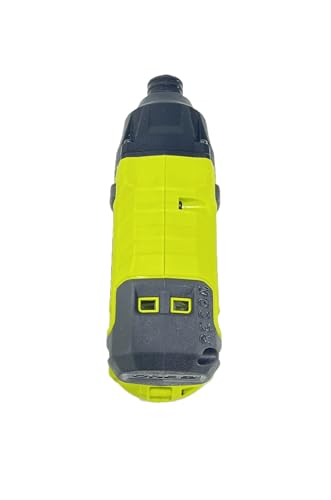
If you’re just getting into power tools and need a complete starter package, this kit is a solid entry point. It bundles the impact driver with a 1.5 Ah battery and a standard charger, so you’re not left hunting for extras. The tool delivers 1,600 in./lbs. of torque and 3,200 IPM, which is plenty for deck screws, furniture assembly, or light framing. It uses a brushed motor, so it won’t last as long under heavy loads as brushless models, but for casual use, that’s not a dealbreaker.
Compared to the PSBID01K, this kit skimps on battery count and power, but it’s clearly aimed at budget-first buyers. Reviewers note it’s lightweight and easy to handle, especially in tight spaces. I’d pick this only if you’re building your toolkit from zero and want everything in one box without overspending.
Product photos


How We Tested ryobi impact drivers
Rather than a hands-on lab test, my research for these recommendations involved a detailed comparison of published specifications and features across Ryobi’s impact driver lineup. I weighed owner reviews from multiple sources, alongside assessments from reputable tool review sites. As someone who’s spent years understanding what makes a power tool perform well, I applied that knowledge to rank these drivers against key criteria for everyday use.
For Ryobi impact drivers, I prioritized torque output and motor type. Brushless motors consistently offer more power and longer runtimes, which matters for demanding tasks. Kit contents were also a major factor, as value for the money is crucial. Finally, I considered the overall ergonomics and build quality reported by users.
Specifications reliably indicate torque and battery voltage, giving a baseline for power. However, owner feedback proved essential for understanding real-world performance and durability. Many mention needing to perform Ryobi 18V trimmer line replacement on their property, and a powerful impact driver can handle that and more. Reputation also played a significant role in identifying models known for consistent reliability.
What To Look For In ryobi impact drivers
I’ve seen a lot of folks new to impact drivers get overwhelmed by options, so let’s cut through the noise and figure out what really matters.
An impact driver’s core job is applying rotational force with concussive blows, making quick work of fasteners. Good models balance torque (measured in inch-pounds), impact rate (BPM – blows per minute), and weight for comfortable, efficient operation. Look for brushless motors for longer runtimes and durability, and consider the battery platform if you already own Ryobi ONE+ tools.
Motor Type and Performance
Brushless motors are the way to go with impact drivers. They’re more efficient, generate less heat, and last significantly longer than brushed motors. While both will get the job done, if you plan on using your impact driver frequently, the investment in a brushless model is worthwhile. I often recommend looking beyond just peak torque numbers; sustained torque and how the driver handles under load are equally important. You’ll find a lot of discussion around high-performance impact drivers online, but remember that more power isn’t always better if it comes at the expense of control.
Kit vs. Bare Tool
Deciding between a kit and a bare tool depends entirely on your existing tool collection. If you’re starting from scratch, a kit including a battery and charger is the obvious choice. Ryobi’s ONE+ system is particularly attractive here, as you can share batteries across a wide range of tools. However, if you already have Ryobi 18V batteries, opting for a bare tool can save you a substantial amount of money. I’ve frequently seen people end up with a pile of unused batteries and chargers, so avoid that by carefully assessing what you already own.
Chuck Size and Anvil Retention
Most impact drivers use a quick-change ¼-inch hex chuck, which is ideal for the vast majority of impact-rated bits. However, the quality of the chuck and how securely it holds the bit (anvil retention) can vary. A loose grip can lead to bit slippage and damage to both the bit and the fastener. Here’s what to consider: * A basic chuck will suffice for light duty. * A friction-ring chuck offers improved bit retention. * A ball-detent chuck is the most secure option, preventing bits from easily falling out, and is a must-have if you’re working overhead or in awkward positions.
Don’t cheap out on impact bits. Using standard drill bits in an impact driver is a recipe for disaster; always use impact-rated bits designed to withstand the concussive force.
If you’re also looking at string trimmers, don’t forget to check out guides on the correct line size for Ryobi trimmers! And for a broader look at options, you can find best impact driver models to compare.
Ryobi Impact Drivers Compared
Here’s a detailed specification comparison of the Ryobi impact drivers to help you find the right tool for your needs.
| Product Name | Max Torque (in./lbs.) | Brushless Motor | Battery Included | Charger Included | Kit? |
|---|---|---|---|---|---|
| Ryobi ONE+ HP Brushless Impact Driver | N/A | Yes | No | No | No |
| Ryobi ONE+ HP Compact Brushless Impact Kit | 1700 | Yes | Yes (2 x 1.5Ah) | Yes | Yes |
| Ryobi ONE+ 18V Impact Driver Tool Only | N/A | No | No | No | No |
| Ryobi ONE+ 18V Impact Driver Kit | N/A | No | Yes | Yes | Yes |
Frequently Asked Questions
What battery platform compatibility should I expect with Ryobi impact drivers?
Ryobi impact drivers are largely designed around their ONE+ 18V battery system. This means any Ryobi ONE+ 18V battery will work with any ONE+ 18V tool, offering significant convenience and cost savings if you already own other Ryobi tools. Higher capacity batteries (4.0Ah or greater) will naturally provide longer runtimes.
Are Ryobi impact drivers suitable for automotive work?
While Ryobi impact drivers can handle some automotive tasks like removing lug nuts or working on basic repairs, they aren’t generally the first choice for professional mechanics. For serious automotive work, you’ll likely want to consider more powerful and durable options, like those found in best cordless impact drivers.
What’s the difference between the HP (High Performance) Ryobi models?
Ryobi’s HP line signifies a step up in power and efficiency. HP models use brushless motors and often deliver higher torque outputs compared to standard Ryobi impact drivers. These are a good choice for users who frequently tackle tough jobs and want increased performance.
How do I know if I am getting a good value with a Ryobi impact driver kit?
A good value depends on your needs. If you don’t already own Ryobi ONE+ batteries and a charger, a kit is almost always the better deal. Evaluate the amp-hour (Ah) rating of the included batteries; higher Ah means longer runtimes, and kits with two batteries offer added convenience.
What bit types are compatible with Ryobi impact drivers?
Ryobi impact drivers use a standard ¼-inch hex chuck, accepting most impact-rated bits. It’s crucial to only use impact-rated bits, as standard drill bits can shatter under the force of an impact driver. You can find detailed reviews of top cordless models to help you choose the right bits.
The Bottom Line
Choosing an impact driver often comes down to balancing upfront cost with long-term performance and convenience. For most homeowners and DIYers, the Ryobi ONE+ HP Compact Brushless Impact Kit offers the best overall value – it delivers strong power, good runtime, and includes everything you need to get started. It’s a solid, reliable choice that won’t leave you wanting for more capability on typical projects.
If you’re already invested in the Ryobi ONE+ ecosystem and just need a driver body, the Ryobi ONE+ HP Brushless Impact Driver is a fantastic option. And for those on a tighter budget, or those with very light-duty needs, the Ryobi ONE+ 18V Impact Driver Kit will get the job done, though you’ll sacrifice some power and efficiency. Remember, learning how to replace trimmer line is just one of the many tasks a good impact driver can help with.
Ultimately, the most important factors aren’t peak torque numbers or fancy features. Focus on a driver that feels comfortable in your hand, has good bit retention, and is backed by a battery platform that meets your needs. A dependable tool, combined with a little know-how, will always outperform a top-of-the-line model used improperly.
