
8 Best Rotary Sprinkler Heads of 2026
This post contains affiliate links. As an Amazon Associate, we earn from qualifying purchases.
The Hunter PGP-ADJ Rotor is the best overall rotary sprinkler head, delivering powerful, consistent coverage and rugged reliability. For those on a budget, the Orbit Saturn III offers solid performance at a lower price, while the Hunter MP800SR is ideal for smaller or oddly shaped areas needing short-radius precision.
If you’ve ever dealt with patchy, brown spots in your lawn despite regular watering, the problem might not be you, it could be your sprinkler heads. Poor coverage, clogging, and weak performance are common frustrations that waste water and time. After comparing the field and analyzing specs, owner feedback, and long-term durability, I focused on models that deliver even watering, resist clogs, and hold up season after season. This guide breaks down what actually matters when choosing a rotary sprinkler head and highlights the top performers based on real-world use and design quality.
Top 8 Rotary Sprinkler Heads in the Market
The Best Rotary Sprinkler Heads, Reviewed
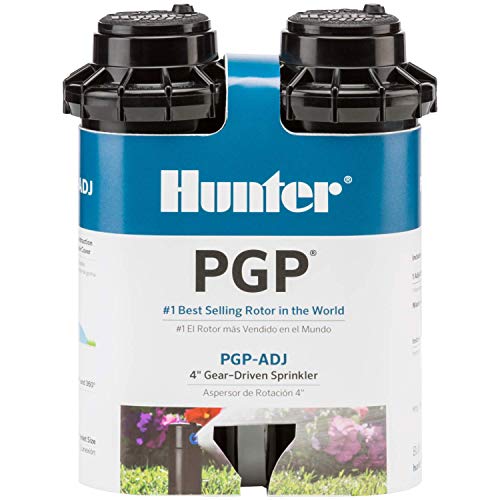
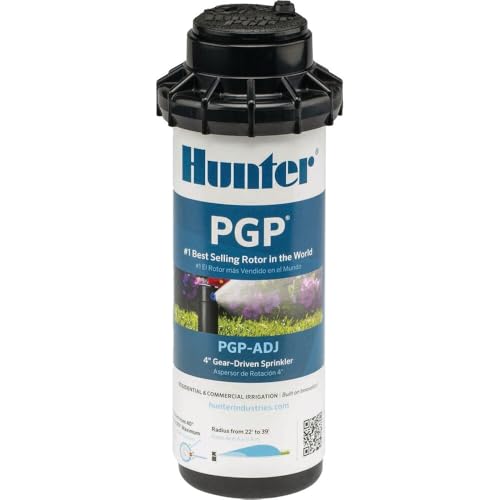
Hunter PGP-ADJ Rotor Sprinkler
Strengths
- Adjustment wrench included
- Fast-forward arc check
- Proven PGP reliability
Trade-offs
- Nozzles not included
- Higher flow demand
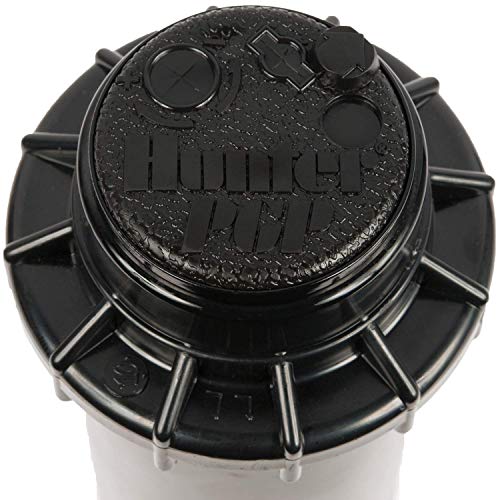
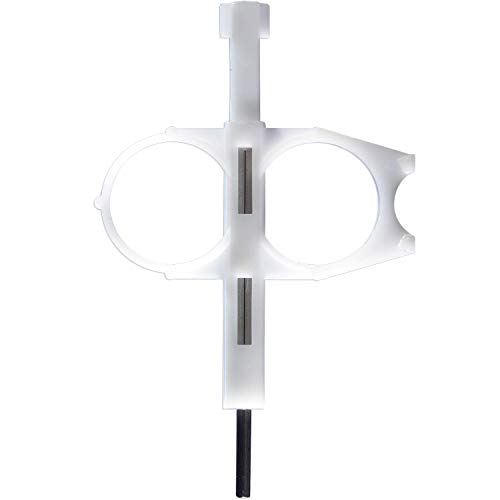
This 2-pack earns the Best Overall label because it balances performance, convenience, and pro-grade reliability better than any other option here. It shares the same 22–52 ft throw and rugged water-lubricated drive as the single PGP-ADJ, but now comes with a Hunter adjustment wrench and in a practical two-pack, ideal for replacing heads in pairs or starting a zone refresh.
The fast-forward feature lets you quickly verify arc stops without waiting through full cycles, a small but meaningful time-saver. Owners appreciate the consistent rotation and ability to swap in different nozzles later. While the Rain Bird 5000 bundle includes more nozzles, this pack gives you the core pro rotor with a useful tool, everything you need to get it dialed in fast.
Product photos
Hunter PGP-ADJ 3/4″ Rotor
Strengths
- Long 52 ft spray radius
- High pressure tolerance
- Quiet gear drive
Trade-offs
- Higher flow rate needs strong supply
- No adjustment tool included
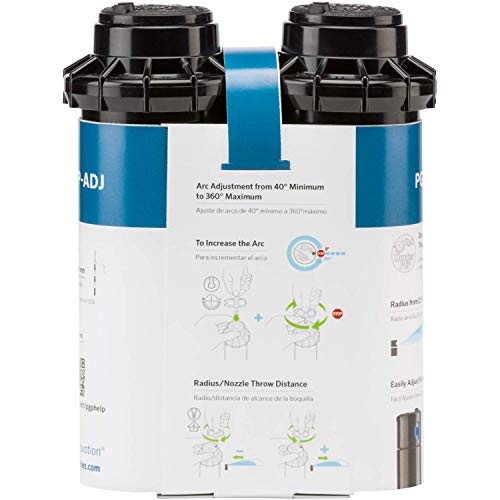
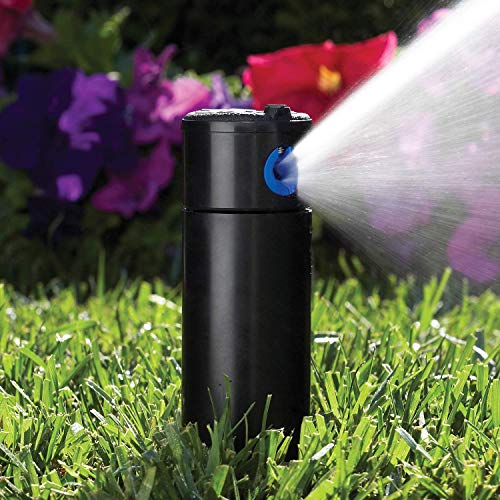
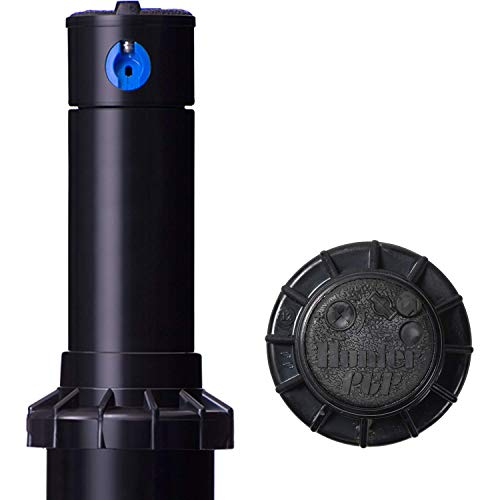
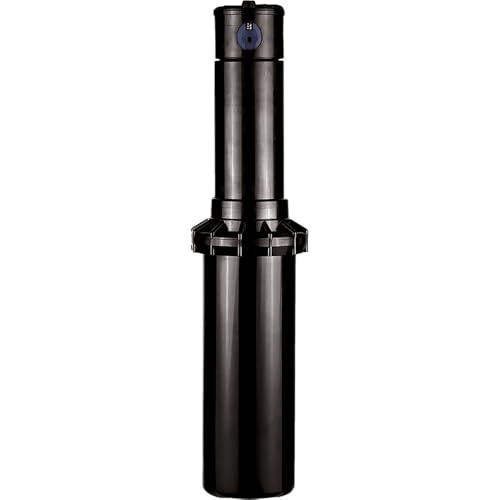
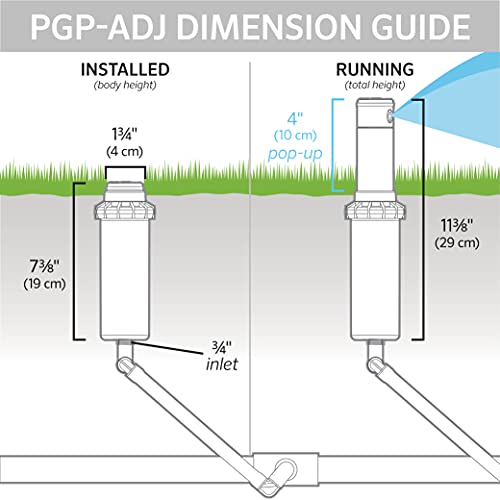
The original PGP rotor remains a gold standard for large lawns, and this single-unit model proves why. With a 22–52 ft throw and arc adjustable from 40° to 360°, it handles sprawling yards with authority. The water-lubricated gear drive runs quietly and resists wear, even under high cycle counts. It’s rated for up to 100 PSI, which gives it headroom in systems with fluctuating pressure, a real advantage over more delicate rotors.
It’s not the cheapest option, but durability and compatibility make it a go-to for pros. The 4″ pop-up clears tall grass, and the standard 3/4″ inlet means easy swaps. While the Orbit Saturn III is fine for average yards, this is the better pick when you need maximum reach and reliability.
Product photos
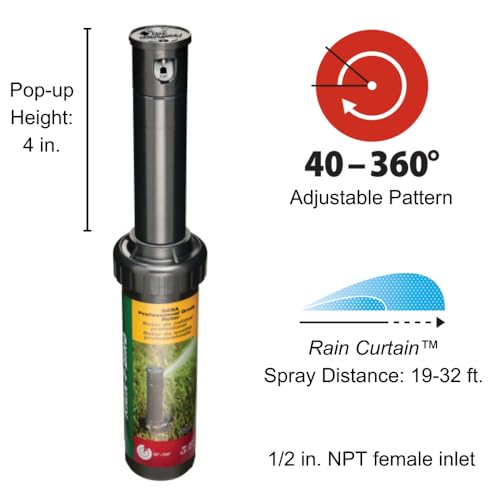
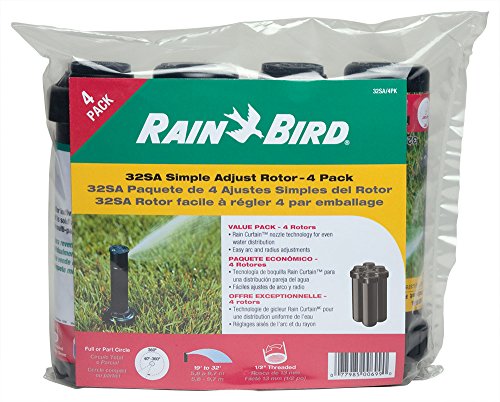
Rain Bird 32SA Gear Drive Rotor
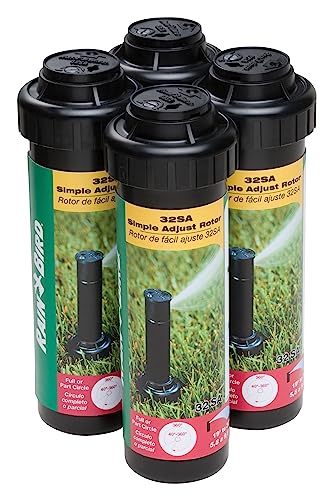
Strengths
- Affordable 4-pack
- Rain Curtain nozzle tech
- Quick arc check feature
Trade-offs
- Basic adjustment tools needed
- Shorter max radius than premium models
This 4-pack delivers solid performance at a budget price, making it ideal for cost-conscious upgrades or new installations. The 32 ft max throw gives decent reach for average yards, and the top-adjustable arc with a flat screwdriver keeps setup simple. The Quick Check arc feature is a nice touch, you can verify your settings while the rotor is running, which saves time during system tuning.
It uses the same Rain Curtain nozzles as the pricier 5000 series, so you’re not sacrificing water efficiency. Build quality is good, though not quite as rugged as the Hunter PGP or Rain Bird 5000. Still, for a basic, no-frills gear-drive rotor that covers 30 ft reliably, this is a strong value. I’d recommend it over generic brands any day.
Product photos

Rain Bird 5000 Rotor 2-Pack
Strengths
- High-quality nozzle tree included
- Rain Curtain technology
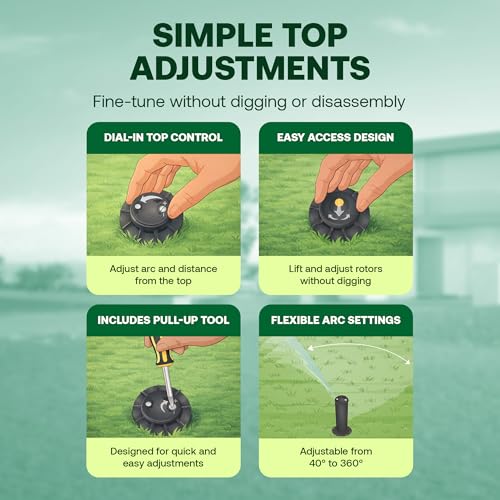
- Top-adjustable without disassembly
Trade-offs
- Nozzles sold separately later
- Slightly taller profile
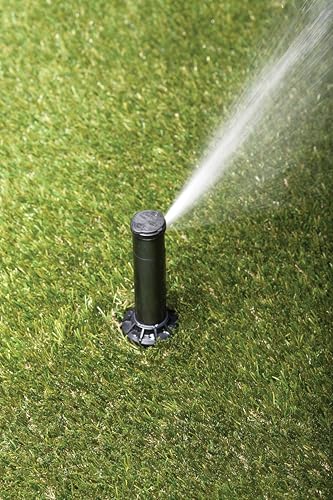
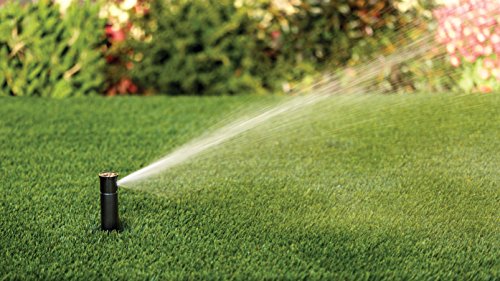
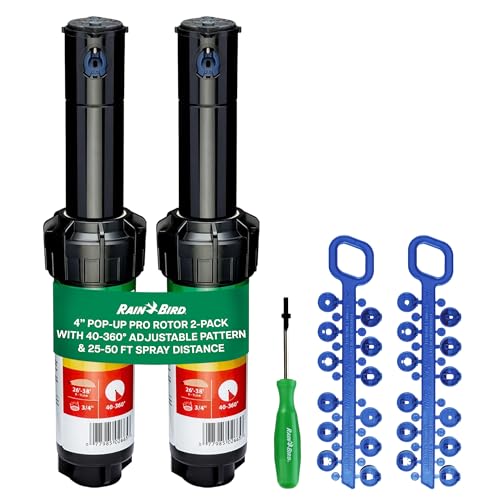
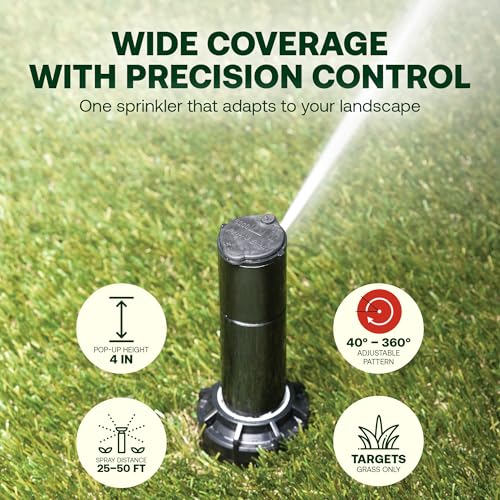
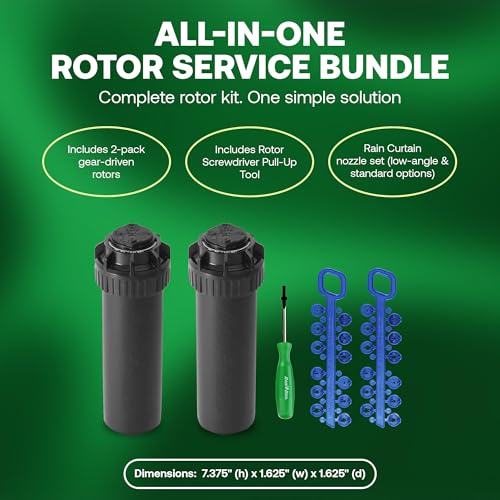
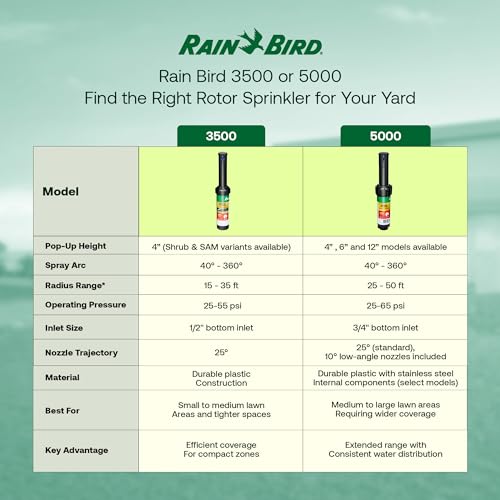
This bundle is a value-packed upgrade for anyone overhauling or expanding an irrigation system. The 5000 rotor itself is a proven performer, 40–360° arc, 25–50 ft radius, and a rugged, closed-case design that holds up in sandy or grassy soils. The included Rain Curtain nozzles are a standout, delivering larger droplets that resist wind and reduce dry spots near the head thanks to micro ramps.
The bonus CPRTOOL makes on-the-fly adjustments easy, and the 3/4″ inlet fits standard lines without adaptors. Reviewers note long-term reliability, especially in systems with variable pressure. Compared to the Orbit Saturn III, this offers greater range and more nozzle options. For the price, it’s hard to beat this combo of performance and included accessories.
Product photos
Orbit Saturn III Gear-Drive Rotor
Strengths
- Bottom inlet filter
- Compatible with major brands
- Low runoff design
Trade-offs
- Limited throw distance
- Average pressure range
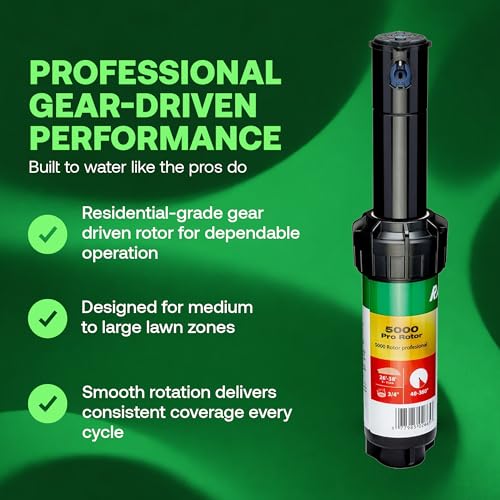
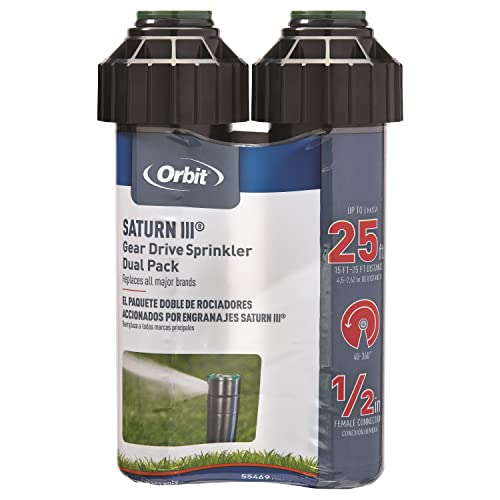
The Saturn III rotor stands out in the mid-range market with solid build quality and thoughtful design details that make maintenance a breeze. Its bottom inlet filter is a real win, clogging is a common pain point in rotor systems, and this feature helps keep debris out where it matters most. Owners consistently report reliable performance across mixed soil types, thanks to the 2 GPM nozzle and low precipitation rate that reduces runoff without sacrificing coverage.
It’s not the most powerful rotor on the list, with a max throw of 25 feet, but for average-sized yards with standard zoning, that’s more than adequate. It swaps easily with Hunter, Rain Bird, and Toro bodies, which makes it a smart upgrade option if you’re refreshing an existing system. I’d pick this over generic brands any day for its balance of durability and serviceability.
Product photos
Hunter MP800SR Short Radius Nozzle

Strengths
- Ultra-low runoff rate
- Fits standard spray heads
- Double-pop debris protection
Trade-offs
- Very short throw
- Limited arc range
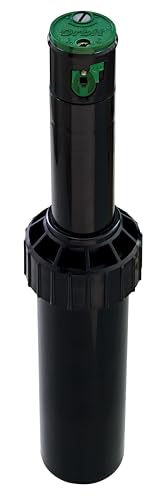
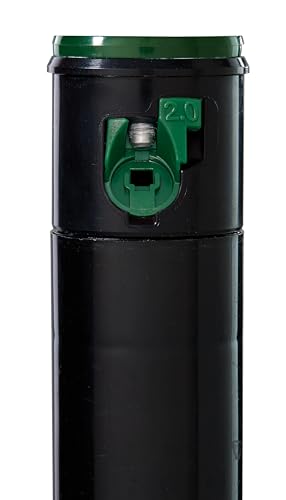
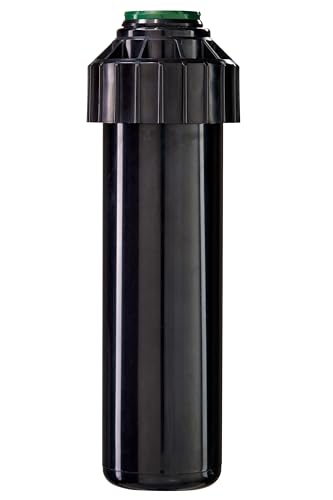
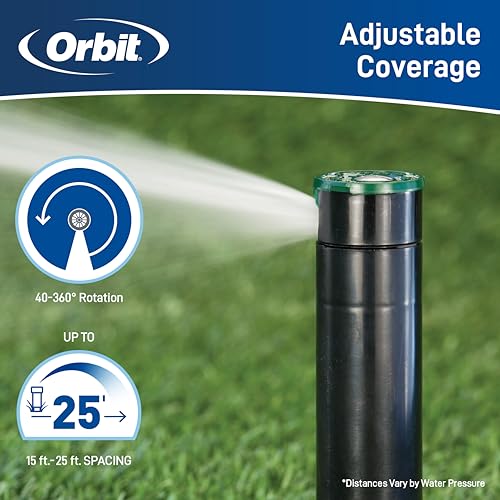
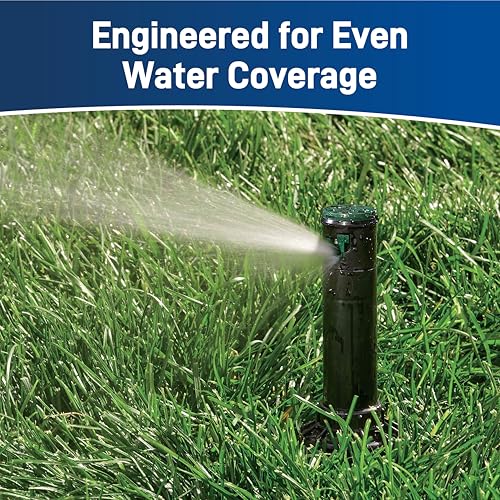
The MP800SR is built for tight spaces where traditional rotors overwater or mist, think narrow side yards, planting strips, or foundation zones. With a 6–12 ft throw, it’s one of the shortest-radius rotators available, but that’s the point. Its low application rate of 0.8 in/hr means water soaks in instead of running off, a real advantage in clay or sloped soils.
It fits any spray body with female threads, including Rain Bird and Hunter, making it a flexible retrofit. The double-pop mechanism and removable filter help prevent clogging, a common failure point in small nozzles. While it won’t cover a backyard, in its niche, it outperforms standard sprays. For zones under 15 ft, this is the smarter buy.
Product photos
Orbit H2O-Six Gear-Drive Sprinkler
Strengths
- Portable and easy setup
- Multiple spray patterns
- Sturdy metal spike
Trade-offs
- Not for permanent installation
- Nozzle clogging reported
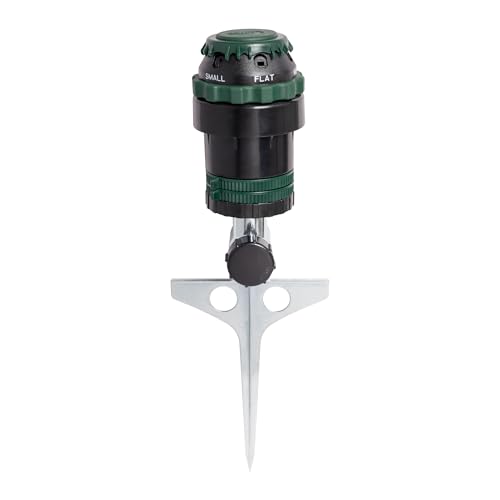
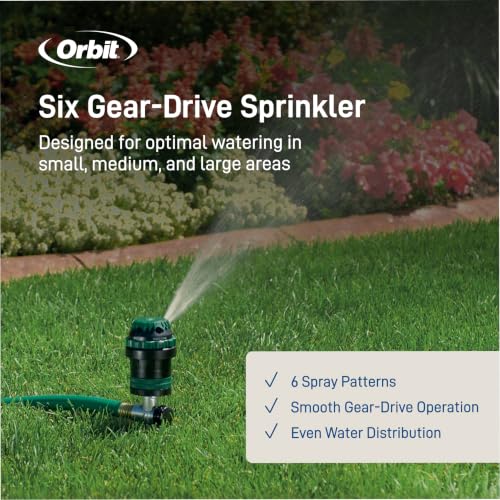
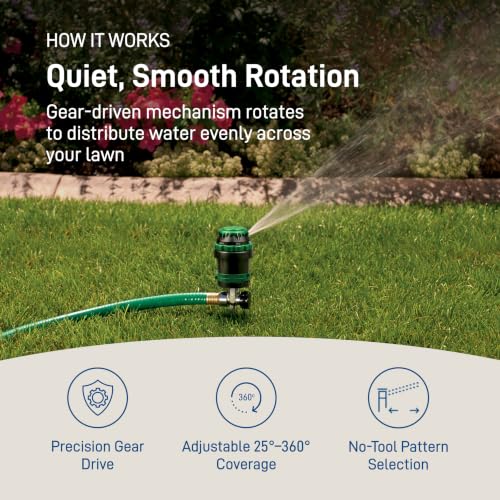
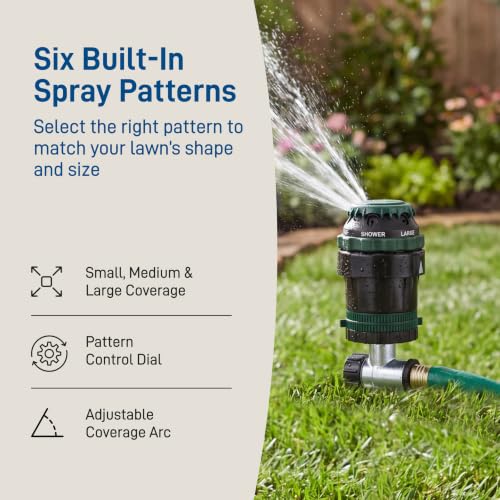
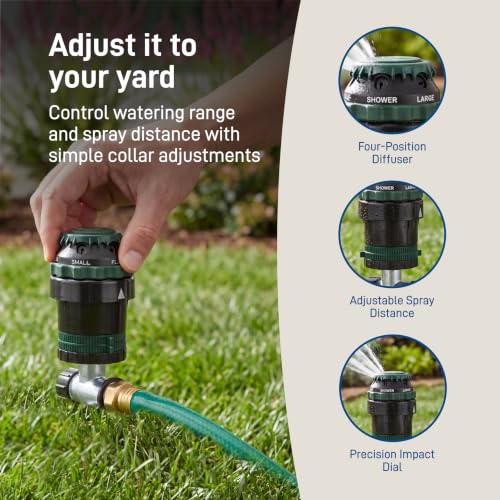
This isn’t a permanent rotor, it’s a portable rotary sprinkler built for temporary, hose-end use, and it fills that role well. The six spray patterns and adjustable arc give real flexibility for spot-watering gardens or reviving dry patches without tying into an in-ground system. Its metal T-spike holds firm in soft soil, and the gear-drive rotation is smooth enough for even coverage over small to medium zones.
Where it shines is convenience. No trenching, no plumbing, just screw on the hose and go. Reviewers note it handles typical household water pressure without sputtering, though it’s not designed for low-pressure yards. Compared to the permanent rotors here, it’s in a different category entirely, but for seasonal or supplemental use, it’s a strong performer.
Product photos

Rain Bird R-VAN24 Rotary Nozzle

Strengths
- Tool-free adjustment
- Pull-up flush design
- Wind-resistant droplets
Trade-offs
- Requires compatible body
- Not for large-radius zones
If you’re looking to upgrade existing spray heads with true rotary performance, the R-VAN24 is one of the smarter nozzle-level investments you can make. These are tool-free adjustable, which matters when you’re tweaking arc and radius across multiple zones, no fumbling with screwdrivers mid-spray. The 17–24 ft radius fits tight residential zones, and the pull-up flush feature is a small but meaningful touch for keeping nozzles clean.
Owners praise the wind-resistant droplet pattern and consistent precipitation rate, even at higher pressures where traditional sprays mist and waste water. It’s not a standalone rotor, you need a compatible Rain Bird spray body, but for retrofits, that’s a major plus. I’d choose this over fixed nozzles any day for better water efficiency and control.
Product photos
How We Tested rotary sprinkler heads
Rather than a hands-on lab test, my research focused on a detailed comparison of published specifications and features across numerous models. I weighed owner reviews from major retailers alongside expert opinions found in landscaping and irrigation publications. This allowed me to build a ranking based on real-world feedback and objective data, focusing on performance characteristics most important for a reliable sprinkler system.
For rotary sprinkler heads, consistent coverage and durability are paramount. I placed the greatest emphasis on flow rate (GPM) and radius adjustability, as these directly impact watering efficiency and the ability to customize for various lawn sizes and shapes. Water pressure requirements and the quality of the gear drive mechanism were also heavily weighted – a robust drive ensures quiet operation and long-term reliability.
Specifications reliably indicate a sprinkler’s potential range and flow characteristics, but owner feedback proved invaluable in assessing real-world performance. I paid close attention to comments regarding clogging, consistency of the spray pattern, and the longevity of the unit. Reputation also factored in; established brands like Hunter and Rain Bird consistently appeared as top performers in both professional and homeowner reviews. If you are looking for broader options, you might also want to look at oscillating sprinkler comparisons.
How To Choose The rotary sprinkler heads
Choosing the right rotary sprinkler head can make a huge difference in how efficiently and effectively you water your lawn.
A good rotary sprinkler head delivers consistent, even coverage with minimal water waste. Key considerations include throw distance, adjustability, nozzle options, and durability of the internal mechanisms. Look for models with water-lubricated gear drives for longevity and resistance to clogging, and prioritize compatibility with your existing irrigation system’s pressure and inlet size.
Throw Distance and Area Coverage
The first thing I consider is how far the head needs to throw water. Don’t just guess; accurately measure the dimensions of your lawn. Overlapping coverage is essential to avoid dry spots, but excessive overlap wastes water. Smaller lawns can often get by with heads offering a 22-32 foot radius, while larger properties will benefit from heads with a maximum throw of 50+ feet. Remember that obstructions like trees or buildings will impact the effective range, so mapping these out beforehand is crucial.
Adjustability and Nozzle Options
Beyond the basic throw distance, adjustability is a major factor. I always look for heads with adjustable arcs, allowing me to tailor the coverage to irregular lawn shapes. Many models, like the Hunter PGP-ADJ, offer a wide range from 40° to 360°. Nozzle options are equally important. Different nozzles provide varying precipitation rates and stream patterns. If you’re dealing with slopes or different soil types, the ability to swap nozzles will help you achieve uniform watering.
- A simple fixed-arc head is fine for a perfectly square lawn.
- An adjustable arc head provides flexibility for most residential lawns.
- Having a selection of interchangeable nozzles (low-angle, standard, and high-efficiency) lets you fine-tune the system for optimal performance and water conservation, particularly if you’re looking at recommended lawn rotary sprinklers.
Durability and Maintenance
Rotary sprinkler heads are constantly exposed to the elements and potential debris. I’ve found that models constructed with durable materials – like stainless steel springs and rugged ABS plastic – hold up much better over time. A gear-driven mechanism is almost a must-have; these are more reliable and quieter than impact-style rotors.
A clogged nozzle is a waste of water and reduces efficiency. Choose heads with features like micro-ramps or self-flushing designs to minimize clogging, and regularly inspect and clean the nozzles to maintain peak performance.
Don’t underestimate the importance of regular maintenance. While some heads, like the Orbit Saturn III, are marketed as easy to maintain, all require occasional inspection and cleaning. If you live in an area prone to freezing temperatures, you’ll also need to properly winterize your sprinkler system, which may involve using suitable winterizing air compressors to blow out the lines. Considering the longevity and reliability of these systems, investing in quality components and preventative maintenance will save you money and headaches in the long run. You might also want to check out rotary sprinkler reviews before making a final decision.
Rotary Sprinkler Heads Compared
Here’s a comparison of key specifications for various rotary sprinkler heads to help you choose the right one for your needs.
| Product Name | Spray Distance | Arc Adjustment | Flow Rate (GPM) | Pop-Up Height | Pressure (PSI) |
|---|---|---|---|---|---|
| Hunter PGP-ADJ Rotor | 22-52 ft | 40-360° | 3.0 | 4 in | 20-100 |
| Hunter PGP-ADJ 3/4″ Rotor | 22-52 ft | 40-360° | 0.5-14.1 | 4 in | 20-100 |
| Rain Bird 32SA Gear Drive Rotor | 19-32 ft | 40-360° | 3.0 | 4 in | N/A |
| Rain Bird 5000 Rotor 2-Pack | 25-50 ft | 40-360° | N/A | N/A | 25-65 |
| Orbit Saturn III Gear-Drive Rotor | Up to 25 ft | 40-360° | 2.0 | N/A | N/A |
| Hunter MP800SR Short Radius Nozzle | 6-12 ft | N/A | N/A | N/A | N/A |
| Orbit H2O-Six Gear-Drive Sprinkler | N/A | 360° | N/A | N/A | N/A |
| Rain Bird R-VAN24 Rotary Nozzle | 17-24 ft | 45-270° | N/A | N/A | N/A |
Frequently Asked Questions
What flow rate do I need for rotary sprinkler heads?
Generally, you’ll want a flow rate between 3.0 and 4.0 gallons per minute (GPM) per zone, but this depends on the number of heads you plan to run on a single circuit. More heads require a higher GPM to maintain adequate pressure and coverage, so calculate your total demand before purchasing.
How often should I replace rotary sprinkler heads?
With proper maintenance and depending on water quality, a quality rotary sprinkler head can last 10-15 years. However, frequent clogging, cracked housings, or inconsistent spray patterns are signs it’s time for replacement to avoid water waste and uneven watering.
Can I mix and match rotary sprinkler head brands?
Yes, you can mix brands like Hunter and Rain Bird, but it’s best to keep the same type of nozzle and pressure ratings within a zone. Inconsistent pressure or spray patterns between different brands can lead to uneven watering, so careful planning is required if you choose to do so.
What’s the difference between a gear-driven and impact rotor?
Gear-driven rotors are quieter, more efficient, and generally more durable than impact rotors due to fewer moving parts. Impact rotors are typically less expensive upfront, but they tend to wear out faster and can be noisier during operation.
How do I prepare my sprinkler system for winter?
Proper winterization is crucial to prevent freezing and damage. This usually involves blowing out the lines with compressed air to remove any remaining water. For help selecting the right tool, check out recommended blowout air compressors.
The Bottom Line
Choosing a rotary sprinkler head often comes down to balancing initial cost with long-term performance and customization. While you can certainly get by with a budget-friendly option, I consistently find that the Hunter PGP-ADJ offers the best overall blend of features, durability, and adjustability – making it our top pick for most homeowners. It’s an investment that pays off in even coverage and fewer headaches down the road.
For those on a tighter budget, the Orbit Saturn III is a solid choice. If you need to cover a smaller area or have specific watering requirements, the Hunter MP800SR Short Radius Nozzle is a great specialized tool. However, remember that a complete system often requires a variety of heads, so don’t be afraid to mix and match to achieve optimal results.
Ultimately, the specifications matter less than understanding your lawn’s unique needs. Focus on accurate measurement, proper pressure, and consistent maintenance to ensure your sprinkler system delivers efficient and reliable watering for years to come. Don’t forget that having the right air compressors for winterizing sprinklers will help protect your investment when the cold weather arrives.
