7 Best Pole Saws for Tree Trimmings 2026
This post contains affiliate links. As an Amazon Associate, we earn from qualifying purchases.
The EGO POWER+ Pole Saw 56V is the best overall pick for its powerful cut, smart features, and solid build, while the Walensee 14FT Manual Pole Saw stands out as a reliable, no-fuss budget option for lighter jobs. For versatility, the SEESII 2-in-1 Electric Pole Saw offers a solid mix of power and function at a reasonable price.
If you’re tired of overreaching or dragging out a ladder just to trim a few high branches, you’re not alone. Most homeowners need a tool that’s effective without being overwhelming, something that balances reach, power, and control without turning every trimming session into a chore.
This guide cuts through the noise by focusing on real-world usability, drawing from specs, owner feedback, and my years of experience with power tools. I looked at what actually matters: how well a pole saw performs on common branches, how easy it is to handle over time, and which features truly add value versus just hype.
Top 7 Pole Saw For Tree Trimmings in the Market
The Best Pole Saw For Tree Trimmings, Reviewed
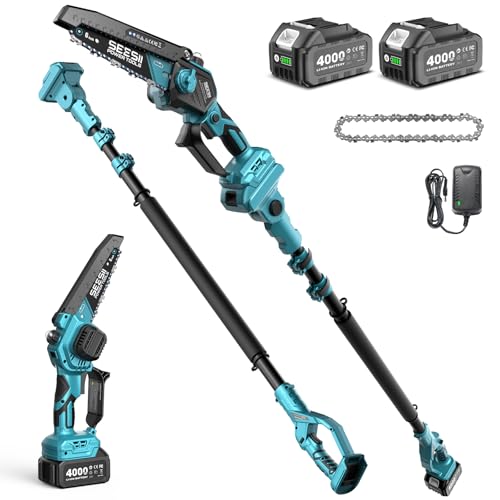
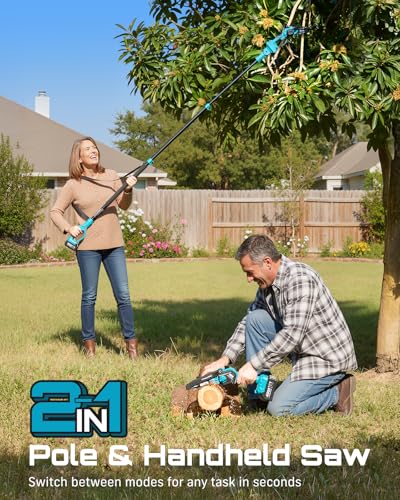
SEESII 2-in-1 Electric Pole Saw
Strengths
- Brushless motor
- 2-in-1 handheld mode
- Dual high-capacity batteries
- Lightweight design
- Tool-free maintenance
Trade-offs
- 6-inch bar limits cut thickness
- Shorter max reach than others
- Plastic housing feels less durable
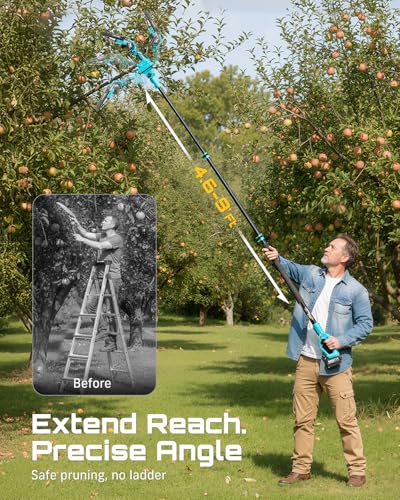
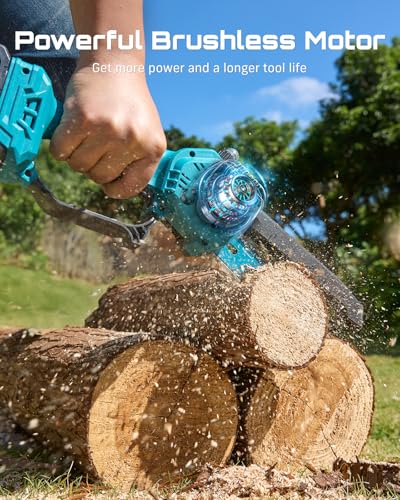
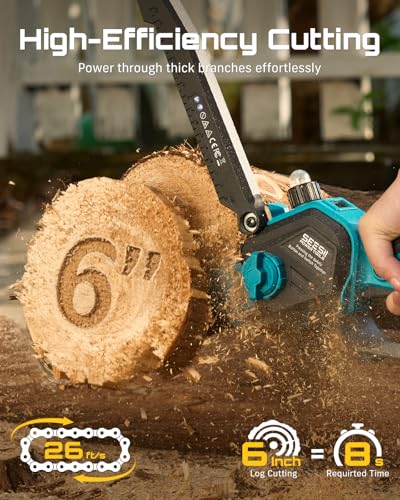
This SEESII model stands out for how much it packs into a lightweight, budget-friendly package. The brushless motor is a strong point on paper, and owners consistently report smooth, consistent cutting, even through 2-inch limbs, without the typical fade seen in brushed motors. The 6-inch bar keeps it nimble, and the ability to detach the saw and use it handheld opens up a lot of utility beyond overhead trimming. That flexibility is rare at this price, and for DIYers who occasionally need a mini chainsaw for small projects, it’s a legit bonus.
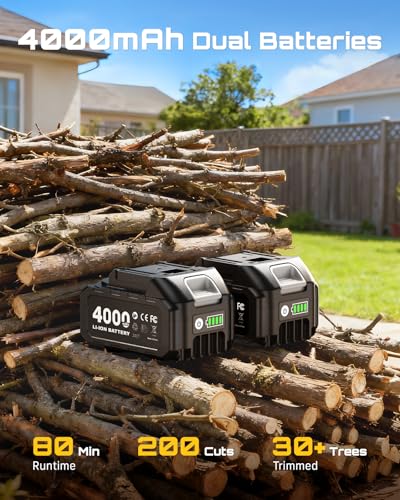
With two 4000mAh batteries, runtime is solid for light to moderate jobs. Reviewers note they can tackle a full afternoon of scattered limb trimming without swapping batteries constantly. The angle-adjustable head works as advertised, letting you slice at odd overhead angles without repositioning your stance. It’s not built for all-day professional use, but for weekend warriors or seniors wanting to avoid ladders, this combo hits a sweet spot of versatility, safety, and ease of use.
Product photos
VEVOR Manual Pole Saw 27ft
Strengths
- 27-foot max reach
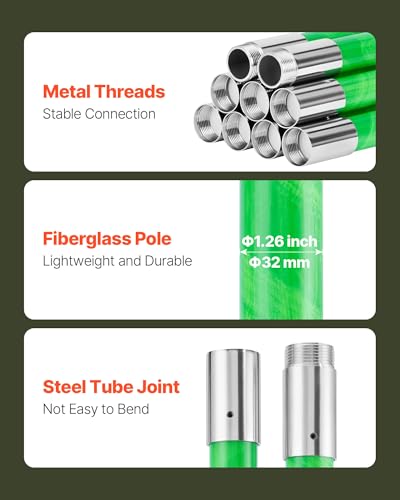
- Lightweight fiberglass pole
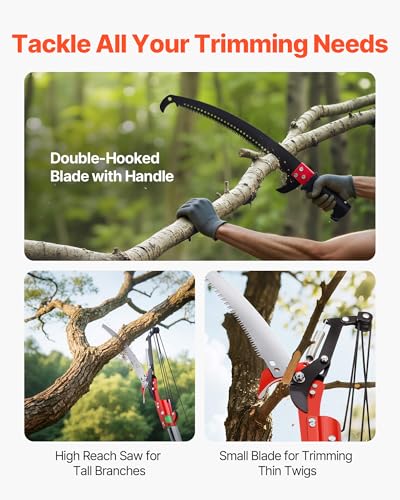
- Dual-hook blade design
- Tool-free assembly
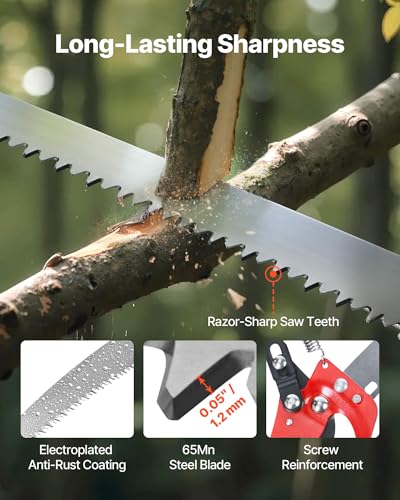
- Durable steel blade
Trade-offs
- Manual cutting requires effort
- Wobbles at full extension
- Not for thick or green wood
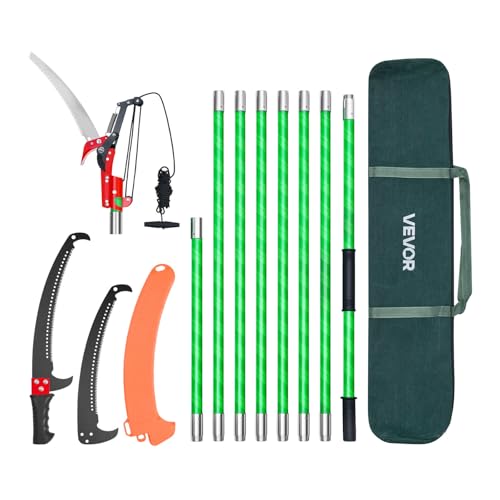
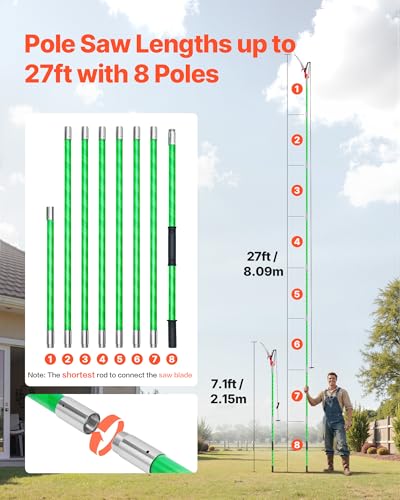
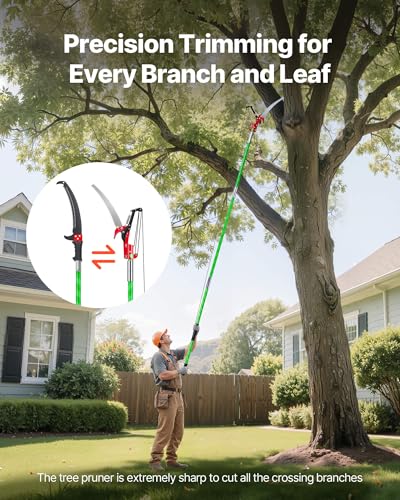
At 27 feet, this VEVOR model gives you the highest reach in the lineup, no other saw here comes close. That makes it a standout for orchard owners or anyone with tall palms or mature trees where ladders aren’t safe or practical. It’s entirely manual, so there’s no battery or motor to worry about, and the fiberglass construction keeps it lightweight despite the length. Owners report it’s surprisingly manageable up to about 20 feet, but beyond that, it gets wobbly and tiring to control.
The dual-hook blade design works well for pulling branches toward you while cutting, and the 65Mn steel holds an edge longer than cheaper carbon blades. It’s not fast, cutting takes effort, but it’s reliable for deadwood and thinner live branches. Assembly is tool-free, and the included carrying bag makes transport easy. This isn’t a replacement for a powered saw, but as a low-maintenance, high-reach pruner, it fills a niche few others do.
Product photos
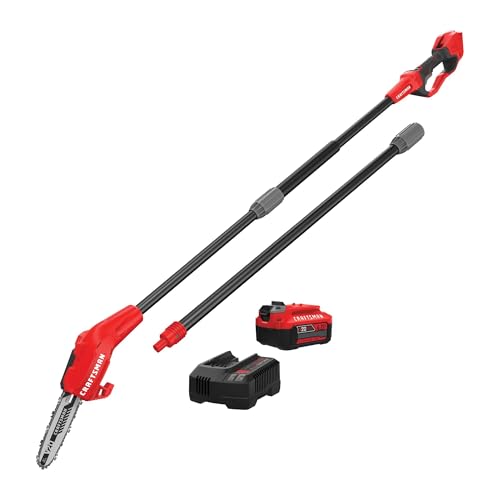
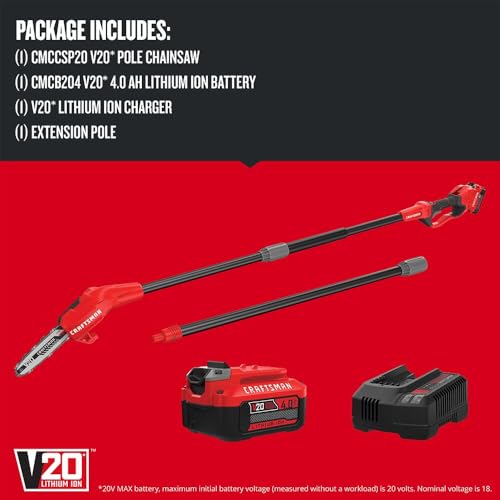
CRAFTSMAN V20 Cordless Pole Saw
Strengths
- 4.0Ah battery included
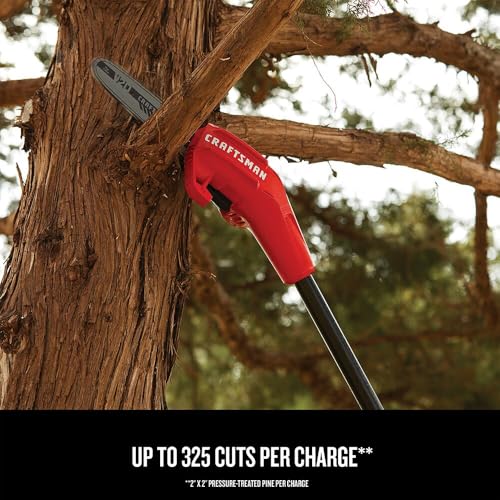
- Up to 325 cuts per charge
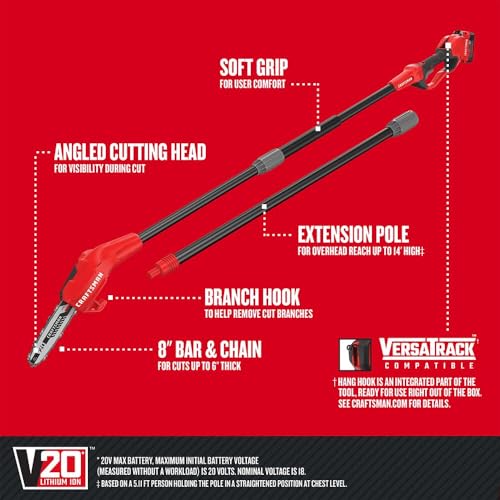
- Angled cutting head
- Branch hook included
- 3-year warranty
Trade-offs
- Heavier than average
- No tool-free chain tensioning
- Limited angle adjustment
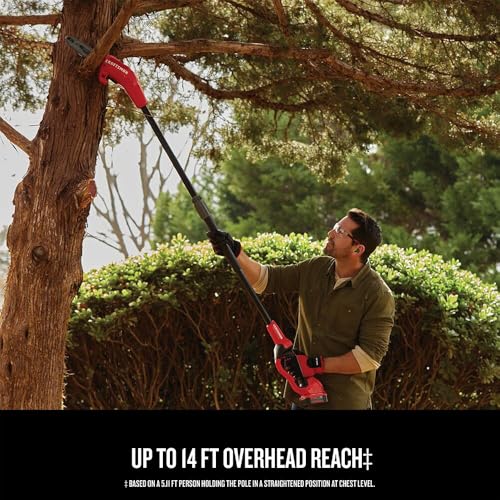
CRAFTSMAN’s 14-foot model shines in one area: battery life. With a 4.0Ah pack included, owners report up to 325 cuts per charge, more than double what many competitors claim. That kind of endurance makes it ideal for larger properties or anyone dreading mid-job recharge breaks. The 8-inch bar is standard, but paired with the brushless motor, it handles 3-inch limbs without bogging down. The angled head helps with precision, and the soft-grip pole reduces fatigue during extended use.
It’s heavier than some lighter 20V models, but the weight is well-distributed. The branch hook is a small but appreciated touch, helps pull down cut limbs instead of leaving them hanging. CRAFTSMAN’s 3-year warranty is stronger than most in this category, and replacement parts are readily available, which I always factor in for long-term reliability. If you’re already in the V20 ecosystem, this is a no-brainer. Even if not, the included battery and charger make it a complete starter kit.
Product photos

Suchtale 14FT Pole Saw with Scissors
Strengths
- Integrated pruning scissors
- Quadruple pulley system
- Dual cutting modes
- Stable joint design
- Good for mixed branches
Trade-offs
- Scissors wear over time
- Saw blade not for thick wood
- Pulley system requires maintenance
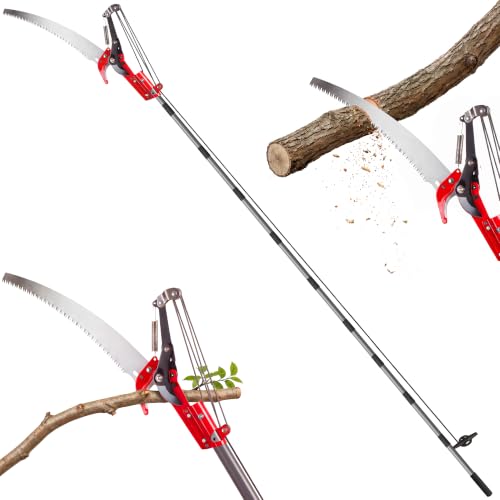
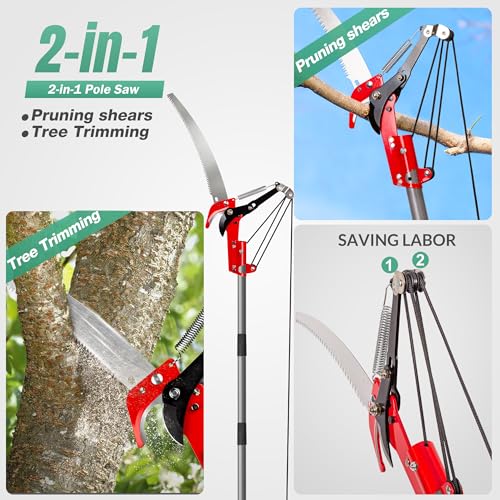
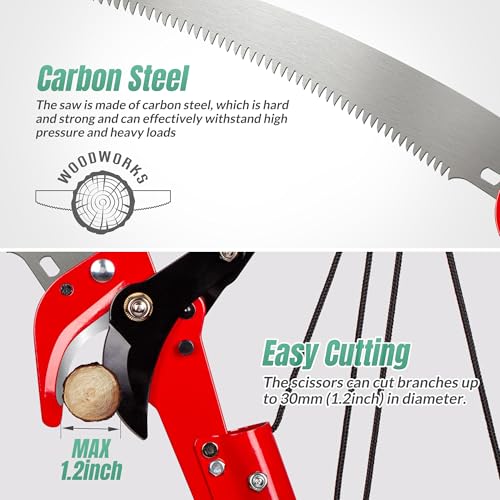
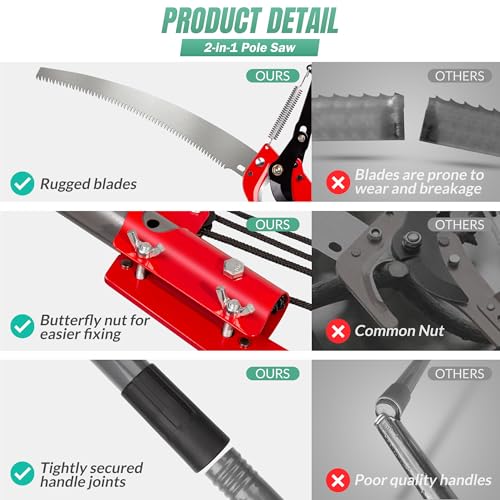
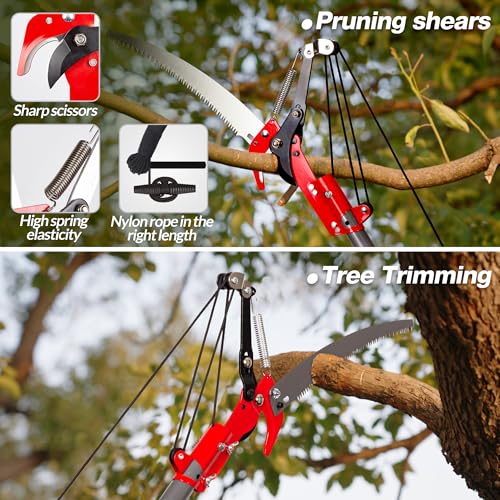
What makes the Suchtale stand out is its 2-in-1 saw and pruning scissors system, a rare combo that actually works. The quadruple pulley mechanism reduces effort significantly when snipping smaller branches, and the included bypass pruner handles up to 1.2-inch limbs cleanly. For anyone dealing with mixed vegetation, say, fruit trees with dense twigs and thicker scaffold branches, this eliminates the need to swap tools. The 14-foot reach is solid, and the reinforced joints reduce wobble compared to similar manual models.
The saw blade itself is decent, manganese steel, dual hooks, but not as aggressive as some. It’s the scissors function that elevates this tool, especially for precision gardeners or orchard keepers. Assembly is straightforward, and the pole breaks down easily for storage. It’s not for heavy cutting, but as a hybrid pruning solution, it’s one of the most practical manual options here.
Product photos
EGO POWER+ Pole Saw 56V

Strengths
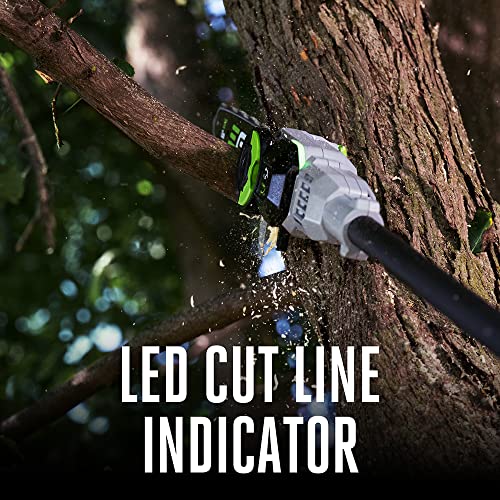
- LED cut line indicator
- 10-inch bar for thicker cuts
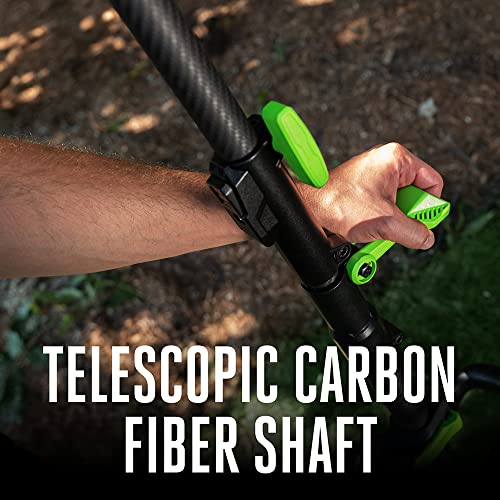
- Carbon fiber shaft
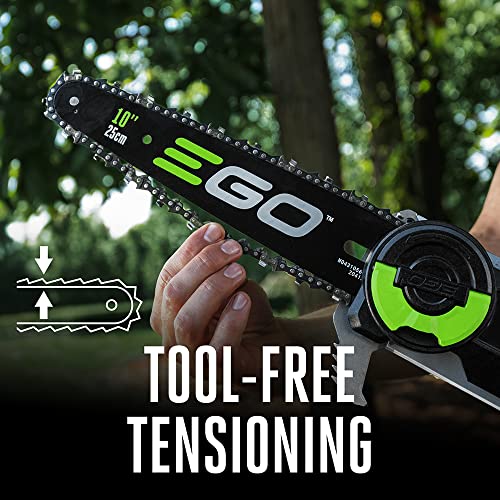
- Tool-free chain tensioning
- Part of 56V ecosystem
Trade-offs
- Battery and charger sold separately
- Higher total cost of ownership
- Shoulder strap sold separately
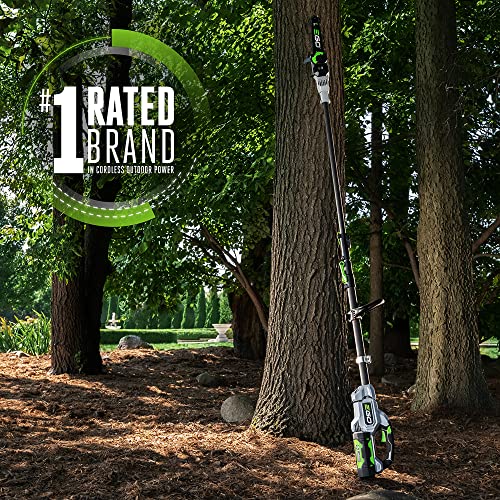
If precision matters more than convenience, the EGO PS1000 earns its place at the top. The LED cut line indicator is a standout in shaded yards or early morning light, owners say it eliminates guesswork and helps make clean, accurate cuts without climbing. The 10-inch bar gives you more bite than most entry-level models, and the brushless motor delivers strong, consistent chain speed. It’s designed for people who prune carefully, not just hack away.
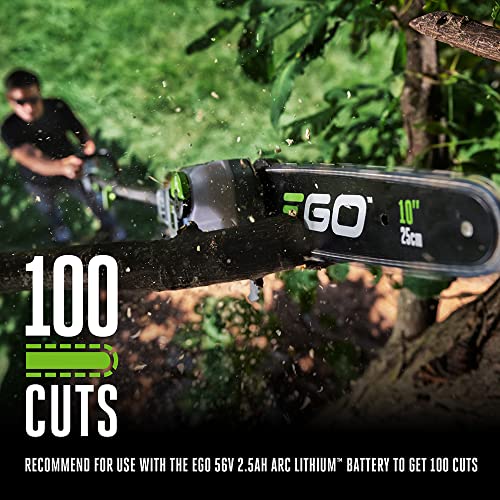
It’s also part of EGO’s broader 56V ecosystem, which I always recommend for serious homeowners. You can swap batteries across trimmers, blowers, and mowers. But here’s the catch: no battery or charger is included, and a 2.5Ah pack (needed for the rated 100 cuts) adds significant cost. Still, if you already own EGO tools or plan to build a collection, this pole saw is a smart long-term investment. The carbon fiber shaft feels stiff and balanced, and the tool-free chain tensioning works smoothly.
Product photos
Walensee 14FT Manual Pole Saw
Strengths
- Affordable price
- Rust-resistant steel construction
- Dual-hook blade
- 2-in-1 handheld use
- Easy storage
Trade-offs
- Pole flex at full length
- No shoulder strap
- Basic blade sharpness
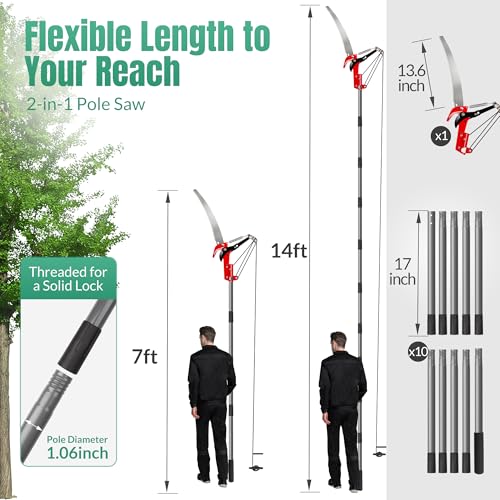
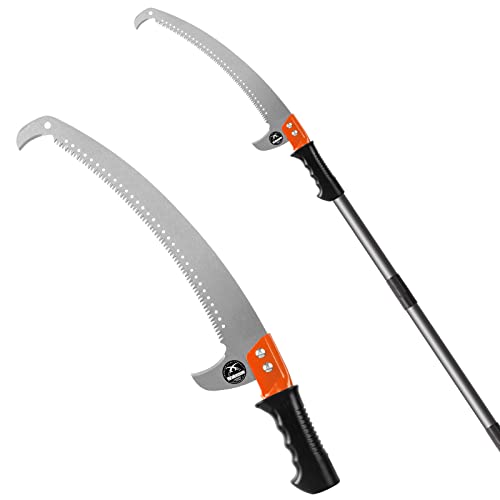
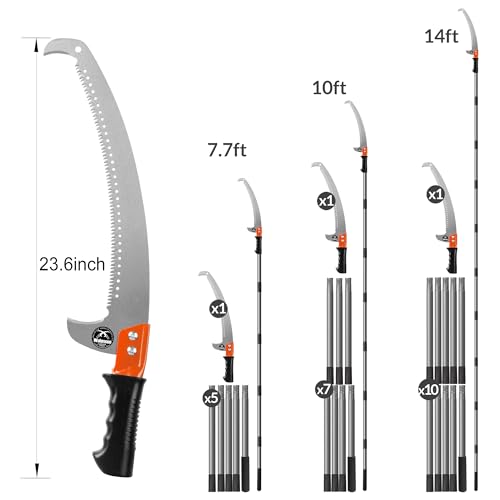
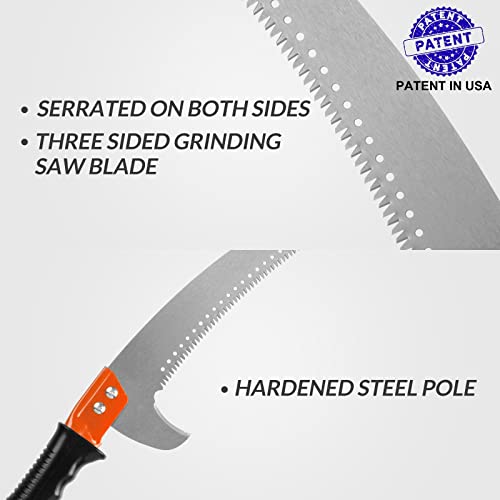
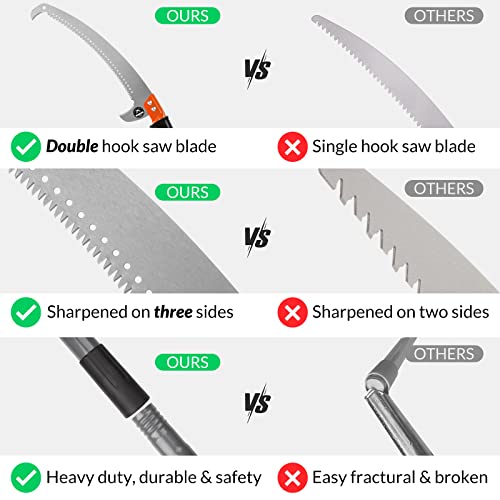
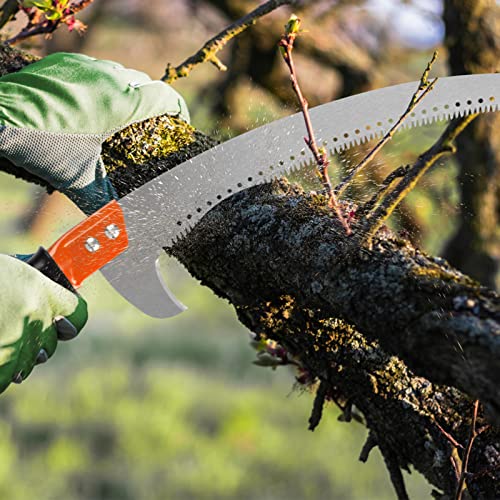
The Walensee manual pole saw is a no-frills, low-cost option that gets the job done for basic pruning. At 14 feet, it gives solid reach for most suburban yards, and the manganese steel blade with triple-ground teeth cuts cleanly through dry wood. The dual-hook design helps control branches during cuts, and the rust-resistant coating on both blade and poles adds longevity. It’s simple, sturdy, and priced to move.
Owners say it’s easy to assemble and store, and the ability to detach the blade and use it as a hand saw adds some versatility. But it’s not as rigid as fiberglass models, there’s noticeable flex at full extension, especially in wind. It’s best for light, occasional use: trimming lower limbs, removing dead branches, or maintaining fruit trees. For the price, it’s a fair value, but don’t expect the stability or durability of pricier manual models.
Product photos

EWORK Electric Pole Saw 20V
Strengths
- 4-angle adjustable head
- Tool-free chain tensioning
- Auto-oiling system
- 2 batteries included
- Shoulder strap included
Trade-offs
- Average battery capacity
- No handheld mode
- Slightly heavier than rivals
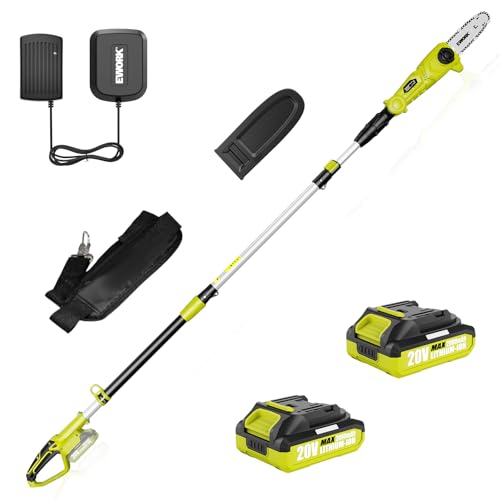
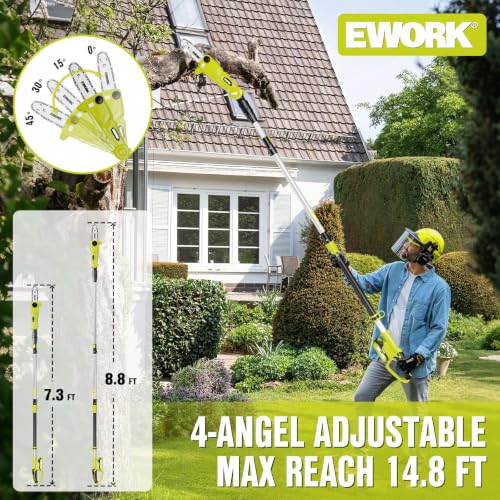
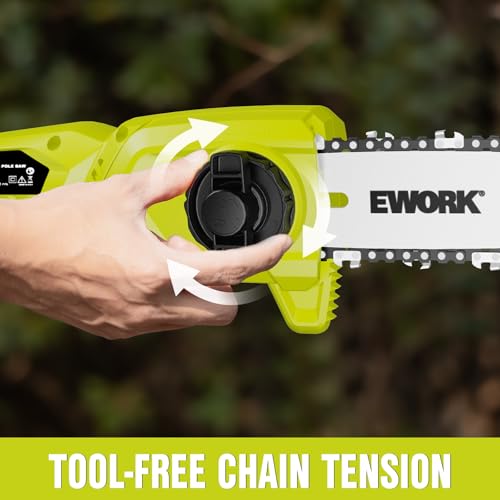
EWORK’s 20V pole saw is built for flexibility above all. The 4-position adjustable head (0°, 15°, 30°, 45°) is a standout feature, few models offer that much articulation, and owners say it makes a real difference when cutting in tight canopies or at awkward angles. Combined with a 14.8-foot max reach and tool-free chain tensioning, it’s one of the most user-friendly electric options here. The auto-oiling system works reliably, reducing maintenance hassles.
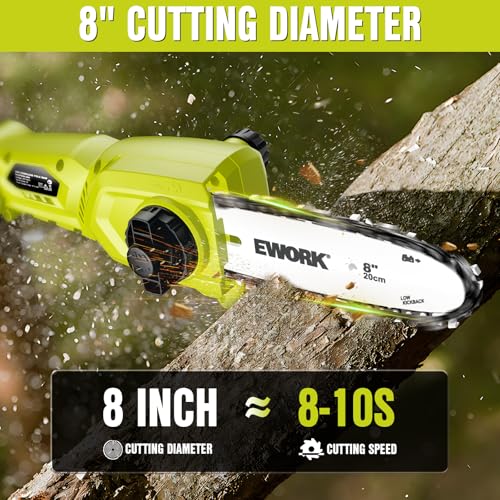
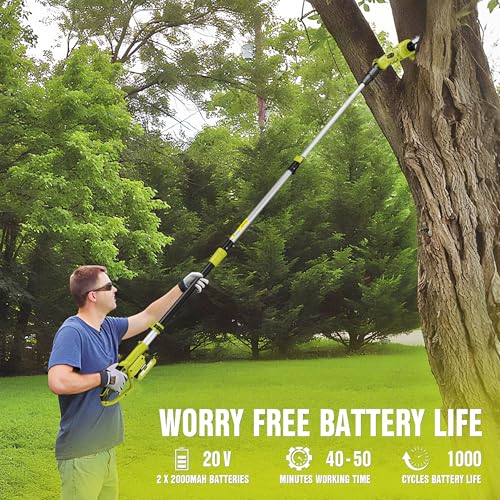
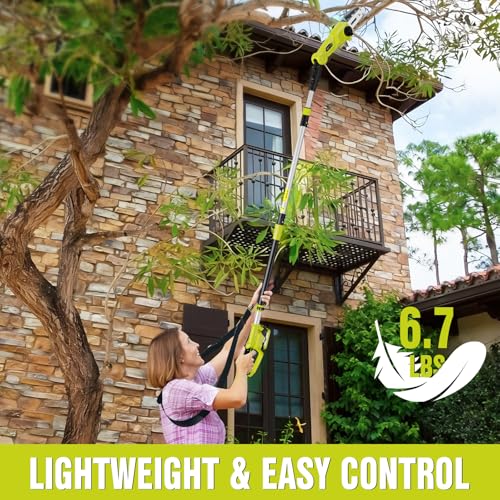
It comes with two 2.0Ah batteries and a fast charger, which is a big plus, runtime averages about 60 minutes total, enough for moderate jobs. The 8-inch bar is standard, and the brushless motor delivers consistent power. At 6.7 lbs, it’s not the lightest, but the shoulder strap helps. Compared to the SEESII, it lacks the handheld mini-saw feature, but wins on cutting precision and head adjustability. For anyone trimming dense or complex tree canopies, this is the smarter pick.
Product photos
How We Picked These pole saw for tree trimmings
I approached this guide by first compiling a detailed spreadsheet of specifications and features from numerous pole saw models available on the market. I then layered that technical data with extensive research into owner reviews from major retailers, as well as expert opinions from landscaping and tool review websites. Rather than a hands-on lab test, this is a research-led comparison of specs and owner feedback, applying my years of experience with power tools to identify patterns and prioritize what matters most in performance and usability.
For pole saws, cutting power, reach, and ease of use were the most heavily weighted factors. A powerful motor (or effective manual design) is critical for tackling various branch sizes, while sufficient reach eliminates the need for dangerous ladder work. Finally, features like adjustable angles and lightweight construction directly impact how comfortably and efficiently you can complete trimming tasks. Understanding what a pole saw is is also key to choosing the right model.
Specifications reliably indicate motor voltage, bar length, and weight, providing a baseline for comparing power and maneuverability. However, I relied heavily on owner feedback to assess real-world durability, battery life (for cordless models), and the effectiveness of features like automatic oiling systems. Reputation and brand history also played a role, as established manufacturers often have a track record of producing quality tools, and understanding pole saw key features helps evaluate these claims.
How To Choose The pole saw for tree trimmings
Choosing the right pole saw can make tackling overgrown branches a lot less daunting. There are a lot of options, though, and it’s easy to get lost in the specs.
A truly useful pole saw balances reach, cutting power, and user comfort. Look for models with adjustable lengths, reliable power sources (battery or manual), and features that prioritize safety like secure locking mechanisms and chain brakes. Blade material and quality also significantly impact performance and longevity. Don’t skimp on these core elements.
Reach and Application
The first thing to consider is how high and what type of branches you’ll be cutting. For occasional trimming of smaller branches within reach from a stable position, a manual pole saw might suffice, but for more demanding jobs, especially those requiring extended reach, a powered model is a much better investment. Remember that advertised reach is often combined with your own height, so factor that in. If you’re dealing with a lot of dense growth or need to make precise cuts, consider a model with an adjustable cutting head.
Power Source and Cutting Performance
Powered pole saws come in both corded electric and cordless varieties. Cordless models offer freedom of movement, but runtime is a critical factor. Look closely at battery amp-hour (Ah) ratings; a higher Ah means longer runtimes. Brushless motors are preferable as they offer more power and longer life than brushed motors. Manual pole saws rely on elbow grease. While they lack the convenience of power, models like the Walensee 14FT Manual Pole Saw offer excellent value and are surprisingly effective for lighter tasks. Understanding tree trimmer techniques is key, no matter your power source.
- A short reach (under 10 feet) is fine for trimming smaller trees or shrubs.
- A mid-range reach (10-15 feet) is ideal for most residential applications, letting you tackle average-sized trees without a ladder.
- For very tall trees or professional use, consider a pole saw with an extendable shaft exceeding 15 feet, or the ability to add an extension pole, remembering to prioritize stability and consider tree trimming safety tips when working at height.
Value, Features, and Ease of Use
Beyond the core functionality, consider features that will make your life easier. Tool-free chain tensioning is a huge convenience. Automatic oilers are essential for maintaining chain health. Weight is also a critical factor; a heavier pole saw can become tiring to use quickly. Don’t overlook the importance of a comfortable grip and a well-balanced design. If you’re unsure of the best option for your needs, checking out reviews of top-rated electric models can provide valuable insights.
Don’t buy a pole saw based on maximum reach alone. A saw that’s too long or too heavy to control safely is worse than useless.
Pole Saw for Tree Trimmings Compared
Here’s a comparison of key specifications for various pole saws to help you choose the right tool for your needs.
| Product Title | Max Reach (ft) | Power Source | Bar Length (in) | Weight (lbs) | Special Features |
|---|---|---|---|---|---|
| SEESII 2-in-1 Electric Pole Saw | 15.5 | Cordless | 6 | 6.9 | 2-in-1, Brushless Motor |
| VEVOR Manual Pole Saw 27ft | 27 | Manual | N/A | N/A | Adjustable, Versatile Blades |
| CRAFTSMAN V20 Cordless Pole Saw | 14 | Cordless | 8 | N/A | 4.0Ah Battery |
| Suchtale 14FT Pole Saw w/Scissors | 14 | Manual | N/A | N/A | 2-in-1, Quadruple Pulley |
| EGO POWER+ Pole Saw 56V | 13 (17 w/ext) | Cordless | 10 | N/A | LED Cut Line, Brushless |
| Walensee 14FT Manual Pole Saw | 14 | Manual | N/A | N/A | Adjustable Length |
| EWORK Electric Pole Saw 20V | 14.8 | Cordless | 8 | 6.7 | Adjustable Head, Auto Oiling |
Frequently Asked Questions
What pole saw bar length should I get?
A 6- to 8-inch bar length is generally sufficient for most homeowners tackling branches up to 6 inches in diameter. Larger diameter branches or professional use often benefit from a 10-inch or longer bar, but these can be harder to control and require more power.
Are cordless pole saws powerful enough for large branches?
Yes, modern cordless pole saws with brushless motors and high-voltage batteries (56V or higher) can handle branches up to 8 inches in diameter. However, expect slower cutting speeds compared to gas or corded electric models, and always check the battery amp-hour (Ah) rating for sufficient runtime.
Can a manual pole saw replace a powered model for most jobs?
For light trimming of smaller branches (under 3 inches) and occasional use, a manual pole saw can be a cost-effective alternative. However, powered models are significantly faster and more efficient for larger branches, extended reach, and frequent use, meaning a powered model is still the better choice for most homeowners.
What maintenance is required for a pole saw?
Regular chain sharpening, proper lubrication, and careful cleaning are key to maintaining a pole saw. Cordless models require battery care, while gas-powered saws need spark plug replacements and fuel stabilization. For all types, inspect the pole locking mechanisms frequently.
Where can I find more detailed reviews of specific pole saws for pruning?
You can find in-depth comparisons and reviews of various pole saws for pruning on dedicated tool review websites and retailer pages. Many sites also offer buyer’s guides and comparison charts to help you narrow down your options and find the best model for your needs.
The Bottom Line
Choosing a pole saw always comes down to balancing convenience with capability. If you want to quickly tackle larger branches and don’t mind the cost and potential hassle of batteries or cords, the SEESII 2-in-1 Electric Pole Saw offers a strong combination of power, reach, and features for most homeowners. But don’t assume that’s the best answer for everyone.
For those on a tighter budget, or those dealing with lighter trimming tasks, the Walensee 14FT Manual Pole Saw is a surprisingly effective tool. And if versatility is key – having both a saw and lopper in one tool – the VEVOR Manual Pole Saw 27ft stands out as a great option for handling a variety of yard work.
Ultimately, the best pole saw isn’t about the most impressive specs, but about finding the right tool for your needs and being comfortable with [using a pole saw safely]. Prioritize a secure grip, a manageable weight, and a clear understanding of proper technique. A well-chosen, well-maintained pole saw is an investment in both your property and your safety.
