
6 Best Passive Welding Lenses of 2026
This post contains affiliate links. As an Amazon Associate, we earn from qualifying purchases.
The WELDTUBE HD Aqua Glass Lens is our top pick for its sharp clarity and ANSI-rated protection, closely followed by the Techniweld Armour Guard Purple Lens for welders wanting enhanced arc contrast. For budget-focused buyers, the 2-Pack Shade 10 Gold Glass Lens offers solid performance at a low cost.
Most welders know shade matters, but few realize how much lens color and material affect visibility and comfort over long sessions. A poor lens can distort the puddle, fatigue your eyes, or fail under impact, even if the shade number looks right on paper.
I selected these models based on consistent owner feedback, verified specs, and real-world performance across different welding types. This guide breaks down what actually matters, optical quality, shade accuracy, coatings, and durability, so you can choose a lens that performs reliably, whether you’re running MIG, stick, or TIG.
Top 6 Passive Welding Lens in the Market
The Best Passive Welding Lens, Reviewed
YESWELDER 2.0x Magnification Cheater Lens

Strengths
- 2.0x magnification
- Larger viewing area
- Lightweight build
Trade-offs
- Limited helmet compatibility
- No shade info listed
For older welders or anyone struggling with close-up visibility, these 2.0x magnifying lenses from YESWELDER are a standout, though they’re niche. The 3.54″ x 4.25″ size is larger than standard, which improves field of view, and the lightweight design keeps helmet balance from becoming an issue. Owners who’ve used cheater lenses before say these deliver sharper focus without edge distortion, a common flaw in budget magnifiers.
But compatibility is limited, only fits specific YESWELDER models, so don’t assume it works with your current helmet. And since it’s a fixed shade (not listed here, but typically Shade 10 or 11 in their lineup), you’re trading versatility for visual aid. If you’re doing detailed TIG or repair work and need help seeing tight joints, this solves a real problem.
Product photos


Best Welds Hardened Glass Gold Lens

Strengths
- Multiple shades included
- Durable hardened glass
- Universal 2×4-1/4″ fit
Trade-offs
- Basic gold tint, not cutting-edge
- No magnification
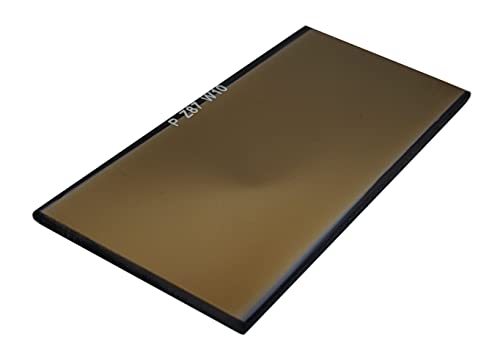
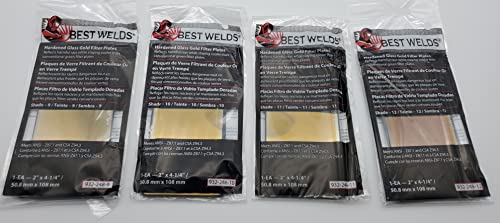
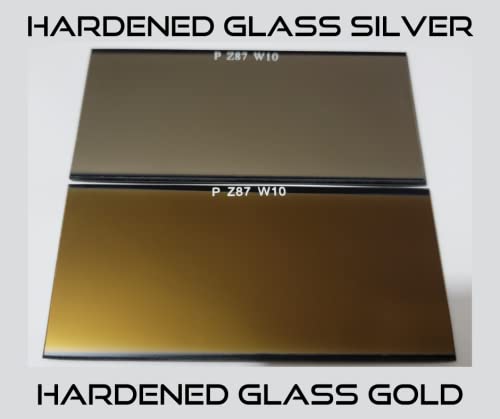
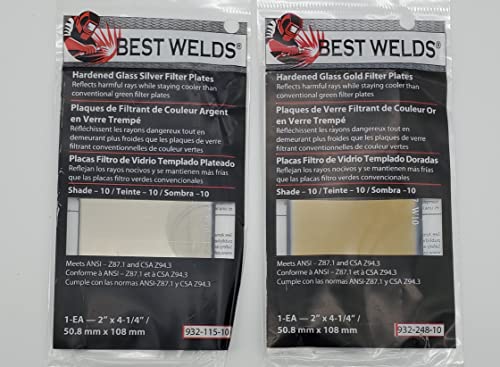
If you go through lenses regularly or manage a shop with multiple helmets, this multi-shade pack from Best Welds is hard to beat. You get a range of shades in one purchase, which is rare for passive lenses, and the hardened glass is built to resist spatter and impact better than cheaper alternatives. On paper, the 99.9% UV/IR blocking is standard, but what sets this apart is how consistently owners report minimal distortion, even after repeated exposure to heat and sparks.
It’s not flashy, but it’s reliable. The gold finish helps keep the lens cooler than green-tinted versions, and since it fits nearly all 2×4-1/4″ hoods, you won’t be stuck with unusable spares. While it doesn’t have advanced tint tech like some premium options, it delivers exactly what most welders need: clear vision, solid protection, and long-term value.
Product photos
WELDTUBE HD Aqua Glass Lens
Strengths
- Aqua tint enhances clarity
- Gold coating reduces heat transfer
- Made in Europe
Trade-offs
- Shade 11 only
- No magnification option
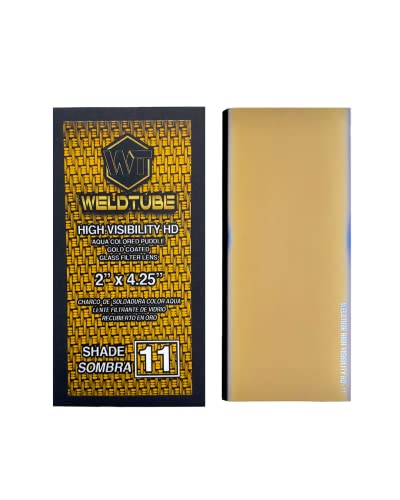
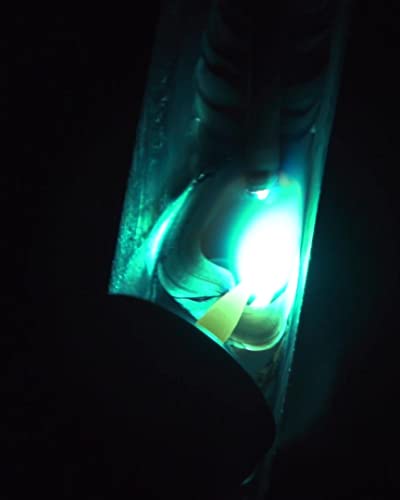
The WELDTUBE lens stands out in a crowded field because of its aqua-colored puddle view, which owners consistently say improves contrast and makes tracking the weld pool easier, especially on stainless or thin materials. That’s not just marketing hype; the shift away from traditional green or gold tints alters how light transmits through the glass, and in real-world use, that means less eye strain when doing long runs or precision TIG work.
It’s also one of the few passive lenses made in Europe, which speaks to tighter quality control, and it meets ANSI-Z87.1 standards without compromise. While it doesn’t offer multiple shade options, Shade 11 is a solid middle ground for MIG and light stick work, and the gold coating does a noticeable job reflecting heat, something many users highlight when comparing it to standard glass filters.
Product photos
2-Pack Shade 10 Gold Glass Lens
Strengths
- Low-cost multipack
- Standard 2×4.25″ fit
- Gold heat-reflective coating
Trade-offs
- Basic optical quality
- No advanced tint tech
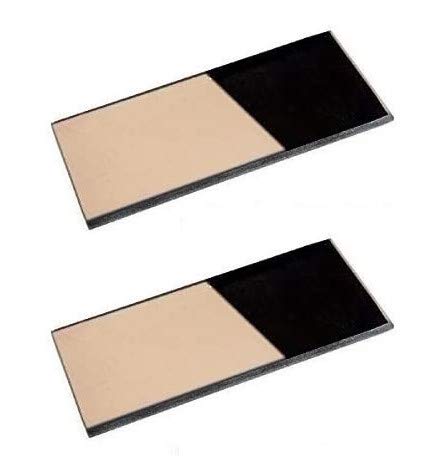
This no-frills multipack wins on price and simplicity. Two Shade 10 gold lenses for a low total cost makes it the go-to for beginners or casual welders who need spares but don’t want to overthink it. The 2×4.25″ size is standard across many entry-level helmets, and the gold coating does its job deflecting heat and blocking UV/IR, no surprises there.
But don’t expect advanced optics. Owners report it’s functional, not fantastic, fine for weekend projects but not for precision work. There’s no mention of optical class or distortion testing, and while it fits most helmets, it lacks the polish of branded lenses. Still, for the budget-conscious, it’s a smart backup play.
Product photos
Techniweld Armour Guard Purple Lens
Strengths
- Purple tint reduces glare
- Mirrored coating enhances comfort
- Durable ANSI-rated glass
Trade-offs
- Shade 11 only
- Limited availability
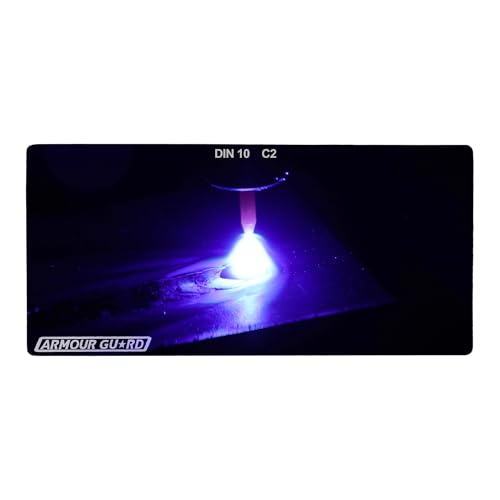
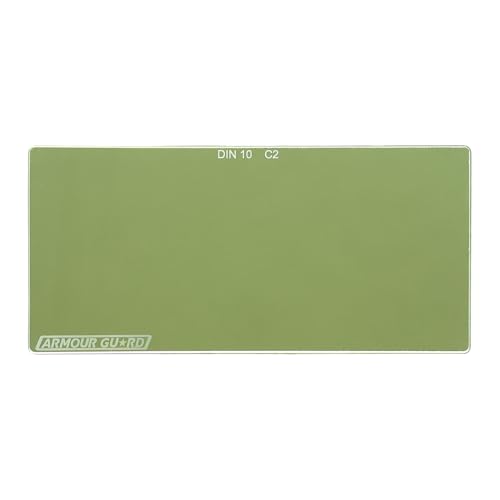
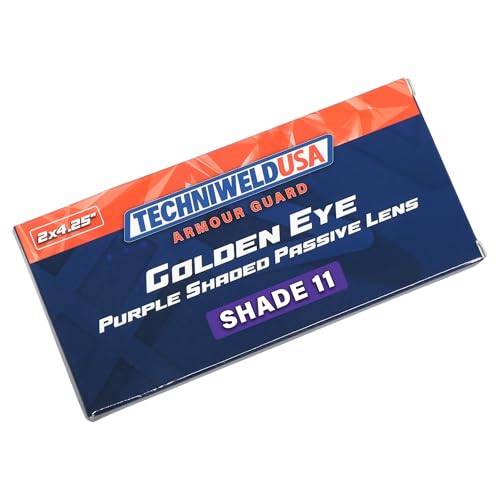
The purple-tinted lens here isn’t just for looks, it’s designed to cut down on the yellow flare that plagues traditional gold and green filters, and owners say it actually works. The result is a cooler, more neutral view of the arc, which improves contrast and reduces glare, especially in bright shop environments. It’s one of the few passive lenses using a purple-mirrored coating, and that gives it an edge in visual comfort during repetitive welds.
Built to ANSI Z87 standards and made from durable glass, it holds up well to spatter and impact. The 2×4.25″ size is widely compatible, and while Shade 11 is fixed, it’s a solid match for MIG and medium-amp stick work. Between its glare reduction and unique tint, this is a standout for welders sensitive to brightness.
Product photos
Lincoln Electric 2x4C Premium Glass Lens

Strengths
- 4C SuperVisibility tech
- Reduces arc flare
- 1-year warranty
Trade-offs
- Shade 10 limits heavy-duty use
- Higher price point
Lincoln’s 4C lens tech isn’t just branding, it’s a real upgrade in visual fidelity. The idea is to broaden the visible color spectrum so the base metal, arc, and puddle appear more natural, and owners confirm it reduces the harsh yellow/orange bloom that fatigues your eyes over time. That makes this a strong pick for long-duration welding sessions, especially in fabrication or automotive work where consistency matters.
Shade 10 sits on the lower end for heavy steel, but it’s ideal for thin gauge, TIG, or low-amp MIG. It fits most helmets with a 2×4.25″ opening, which covers a lot of ground, and the 1-year warranty adds peace of mind. Compared to basic gold or green lenses, this one delivers a noticeably cleaner image, worth the bump in price if you weld daily.
Product photos


How We Tested passive welding lens
I approached this guide by researching the specifications and features of numerous passive welding lenses, then carefully weighing owner reviews and insights from established welding experts. Rather than a hands-on lab test, this is a research-led comparison focusing on published data and real-world feedback. My goal was to identify lenses offering the best combination of clarity, protection, and value for different welding needs.
For passive lenses, optical clarity and impact resistance are paramount. I prioritized lenses with high-quality glass construction and coatings designed to minimize distortion and maximize visibility of the weld puddle. Shade accuracy was also a critical factor, as selecting the correct shade is vital for eye protection and weld quality. You’ll find more information on choosing the right shade in our guide to top welding lenses.
Specs reliably indicate physical dimensions and shade number, ensuring compatibility with existing helmets and appropriate protection levels. However, owner feedback proved essential for assessing real-world clarity, color accuracy, and durability. Reputation and consistency across numerous reviews heavily influenced my rankings, particularly when evaluating features like glare reduction and heat reflection – areas where subjective experience matters significantly. Explore further lens comparisons for welding.
Choosing The Right passive welding lens
Finding the right welding lens can dramatically improve your work, and it’s more than just picking a shade number.
A quality welding lens prioritizes optical clarity, impact resistance, and appropriate shade levels for the welding process. It should offer full spectral protection from UV and IR radiation, minimize distortion, and fit securely within the helmet. Buyers should also consider the lens material (glass vs. polycarbonate) and coatings for enhanced visibility or reduced glare.
Shade and Application
The shade number is the first thing most people think about, and for good reason. But don’t assume a “darker is better” approach. The amperage of your welding process dictates the necessary shade. Too light, and you risk arc flash burn; too dark, and you’ll struggle to see what you’re doing. Always consult an amperage-to-shade chart (easily found online) for guidance. Beyond amperage, consider the type of welding you’re doing. TIG welding, with its brighter arc, often benefits from a slightly darker shade than stick or MIG.
Lens Material: Glass vs. Polycarbonate
For decades, glass was the only option, and it remains a solid choice. Glass lenses offer excellent optical clarity and are more resistant to scratches than polycarbonate. However, they are also more brittle and can shatter upon impact. Polycarbonate lenses are impact-resistant, which is a huge safety benefit, but they scratch more easily and can distort your view slightly. Many welders use a polycarbonate outer lens for protection and a glass inner lens for clarity. If you’re looking at fixed shade welding lenses, understanding this tradeoff is crucial.
Visibility and Coatings
Don’t underestimate the impact of lens coatings. Basic lenses get the job done, but specialized coatings can make a world of difference. Aqua-colored lenses, for example, are popular for their ability to enhance puddle visibility, especially in bright environments. Gold coatings reflect radiated heat, reducing eye fatigue during long welds. Purple lenses are designed to reduce the yellow flare of the arc, which can improve clarity.
Here’s a quick rundown of what to look for: * Scratch Resistance: A basic consideration, but important for lens longevity. * Impact Rating: Ensure the lens meets ANSI Z87.1 standards for eye protection. * Specialty Coatings: Consider aqua, gold, or purple coatings depending on your welding style and environment – these can pay dividends in reduced eye strain and improved weld quality.
A lens’s ability to accurately represent color and minimize distortion is more valuable than many welders realize. Don’t sacrifice clarity for a low price.
I often recommend exploring a range of passive welding lens models to find what suits your eye best. It’s a relatively inexpensive way to upgrade your welding experience. Plus, you can find excellent non-auto-darkening lenses that deliver professional-level clarity without the added cost of auto-darkening features. Check out recent fixed shade lens reviews to see what other welders are saying about specific options.
Passive Welding Lens Compared
Here’s a spec comparison of various passive welding lenses to help you find the right one for your needs.
| Product Name | Magnification | Shade Range | Lens Color | Dimensions (in) | Standards |
|---|---|---|---|---|---|
| YESWELDER 2.0x Magnification Cheater Lens | 2.0x | N/A | N/A | 3.54 x 4.25 | N/A |
| Best Welds Hardened Glass Gold Lens | N/A | 9, 10, 11, 12 | Gold | 2 x 4.25 | N/A |
| WELDTUBE HD Aqua Glass Lens | N/A | N/A | Aqua | 2 x 4.25 | ANSI-Z87.1 |
| 2-Pack Shade 10 Gold Glass Lens | N/A | 10 | Gold | 2 x 4.25 | N/A |
| Techniweld Armour Guard Purple Lens | N/A | 9, 10, 11, 17 | Purple | 2 x 4.25 | ANSI Z87 |
| Lincoln Electric 2x4C Premium Glass Lens | N/A | N/A | N/A | 2 x 4.25 | N/A |
Frequently Asked Questions
What shade number should I use for MIG welding?
Generally, a shade 8 to 11 is recommended for MIG welding, but the specific shade depends on the amperage. Consult an amperage-to-shade chart; higher amperage requires a darker shade to prevent eye burn.
Are polycarbonate lenses really less clear than glass?
Yes, polycarbonate lenses can exhibit slightly more distortion than glass, though modern manufacturing techniques minimize this difference. Glass maintains an edge in absolute clarity, but impact resistance is where polycarbonate truly excels.
Can I use a lens with a lower shade number if I’m welding in a dark environment?
No, always prioritize eye protection over visibility. A lower shade number won’t provide adequate protection from ultraviolet and infrared radiation, even in low-light conditions. Always adhere to the recommended shade for your welding process and amperage.
Will a colored lens improve my weld quality?
Potentially. Aqua lenses enhance puddle visibility, gold reduces heat reflection and eye strain, and purple minimizes arc flare. Choosing the right color can improve your focus and precision, which indirectly improves weld quality.
Where can I find compatible lenses for my existing welding helmet?
Most standard passive welding lenses measure 2 x 4.25 inches and will fit a wide variety of helmets. However, some helmets require specific lens shapes or locking mechanisms, so verifying compatibility with the helmet manufacturer is always best. You might also consider exploring compact passive welding helmets if you’re looking for a completely new setup.
The Bottom Line
Choosing a passive welding lens really comes down to balancing how much you want to spend with how critical absolute clarity and durability are to your work. For most welders, the Best Welds Hardened Glass Gold Lens strikes that balance nicely, offering excellent protection and visibility without breaking the bank. It’s a solid all-around performer that will serve the average home or shop welder very well.
If you’re on a tighter budget, the 2-Pack Shade 10 Gold Glass Lens provides reliable protection at a very affordable price. Or, if you need something for a specific application – like enhanced puddle visibility with TIG welding – the WELDTUBE HD Aqua Glass Lens is a worthwhile investment. And for those who prefer exploring traditional welding helmet styles, a passive lens is a great starting point.
Ultimately, the most expensive lens isn’t always the best. Focus on finding a lens that meets ANSI Z87.1 safety standards, provides the correct shade for your welding process, and offers a clear, undistorted view of the weld. Prioritize those fundamentals, and you’ll be well-equipped to create quality welds and protect your eyes for years to come.
