7 Best Paver Removal Tools of 2026
This post contains affiliate links. As an Amazon Associate, we earn from qualifying purchases.
The Keyfit Paver Puller PRO 9″ stands out as the best overall paver removal tool thanks to its rugged 4140 steel construction and dual functionality, while the Sysarua Heavy Duty Paver Puller is a smart budget-friendly pick that doesn’t sacrifice durability or versatility.
Pulling up pavers isn’t just about strength, it’s about using the right tool to avoid ruined joints, bent metal, or a sore back. Too many people grab whatever pry bar is nearby and end up damaging their pavers or giving up halfway through the job.
I researched the most commonly used paver removal tools, comparing build materials, user feedback, and design features that actually matter in real projects. These picks reflect what consistently works for DIYers and pros alike, based on performance, durability, and value.
Top 7 Paver Removal Tools in the Market
The Best Paver Removal Tools, Reviewed
Keyfit Paver Puller PRO 9″

Strengths
- Heat-treated steel
- High use
- Built to last
Trade-offs
- Higher cost
- Heavier build
- Not for light jobs
This is, without question, the best overall paver removal tool in this lineup. Built from 4140 heat-treated steel, it’s designed to handle high stress without bending, something stainless steel models can’t match. The 9-inch length gives excellent use, and the micro teeth grip firmly under pavers without chipping edges.
Owners consistently report using these for years on commercial jobs, which speaks volumes about durability. The brand’s warning about not using auto trim tools as paver pullers is spot-on, those flimsy stainless versions fail under real pressure. If you’re serious about paver work, this is the one to get. It’s not the cheapest, but it’s the smartest long-term buy.
Product photos


Dual-Height Paver Lifter Tool
Strengths
- Forged steel build
- Dual scraper design
- Excellent grip
Trade-offs
- Heavier weight
- Higher price
- Overkill for small jobs
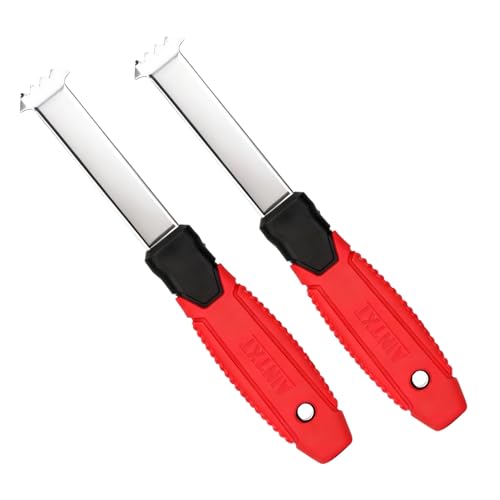
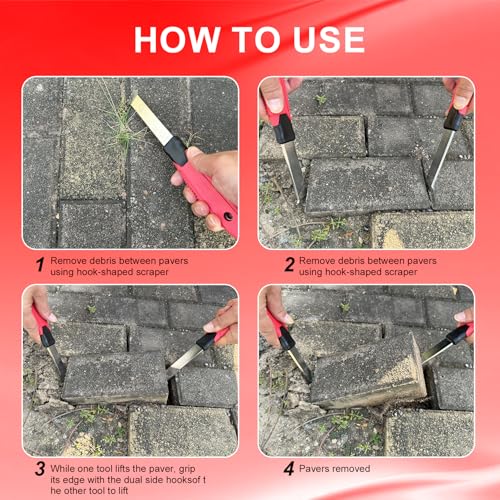
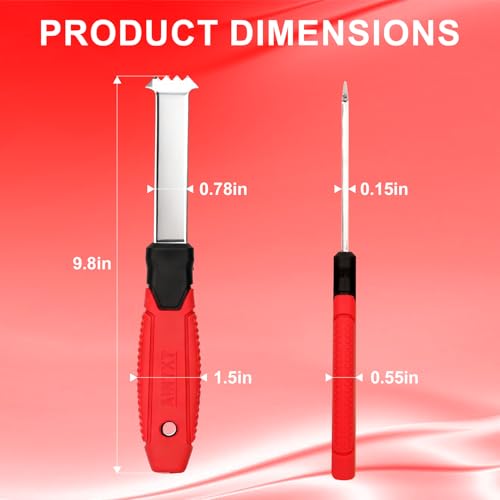
This is the heavy-duty workhorse of the group. The forged steel construction and 6-tooth grip are built to handle thick, sunken pavers without bending, a major win over cheaper stainless models. The dual-height scraper is a smart feature: the thin edge slips into tight joints, while the thick side delivers serious use when you need to lift stubborn blocks.
Owners praise the long handle and diamond-textured grip, especially during hot or wet conditions where slipping is a real concern. It’s heavier than most, but that extra mass helps with momentum when prying. If you’re pulling up a driveway or large patio, this is the kind of tool that lasts. I’d pick this over the stainless options any day for serious jobs.
Product photos

Gen 3 Paver Puller Tool
Strengths
- Beveled edge
- Rust-resistant
- Non-slip handle
Trade-offs
- Less use
- Stainless steel bends
- Not for heavy use
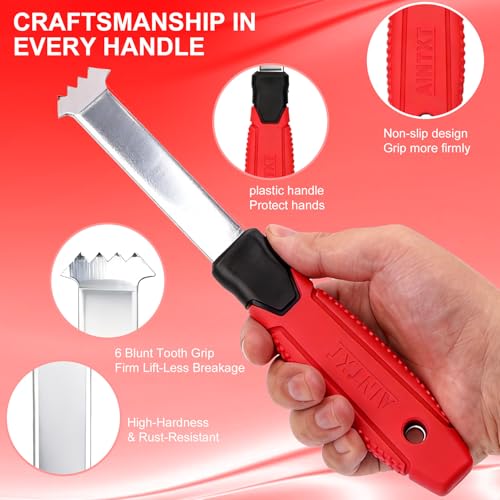
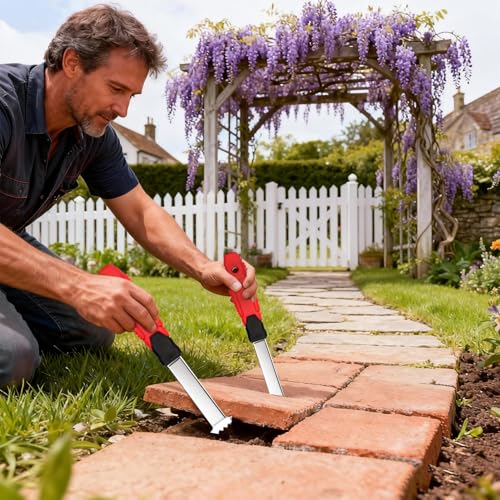
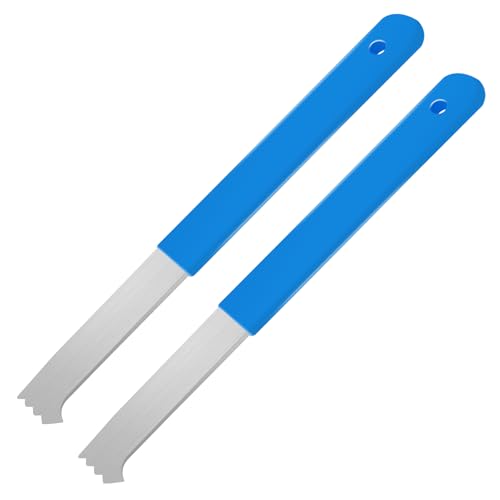
This Gen 3 paver puller stands out for tight joints thanks to its 0.03-inch beveled edge, which owners consistently say slides in where other tools struggle. The stainless steel build keeps it light and rust-resistant, which is great for frequent use in damp lawns or patios. However, stainless steel isn’t the strongest material under high use, so I’d hesitate to use it on deeply sunken or tightly locked pavers where bending is a risk.
The micro teeth and hook edge offer decent grip, but they don’t bite as deep as forged steel models. Still, for light to moderate paver work, especially in DIY yard projects, this is a solid pick. It’s also one of the more comfortable to use thanks to the rubberized non-slip handle, which helps reduce fatigue when working multiple blocks.
Product photos
Sysarua Heavy Duty Paver Puller
Strengths
- Fits all paver thicknesses
- High-carbon steel
- Comfortable grip
Trade-offs
- Average use
- No dual scraper
- Not ultra-heavy duty
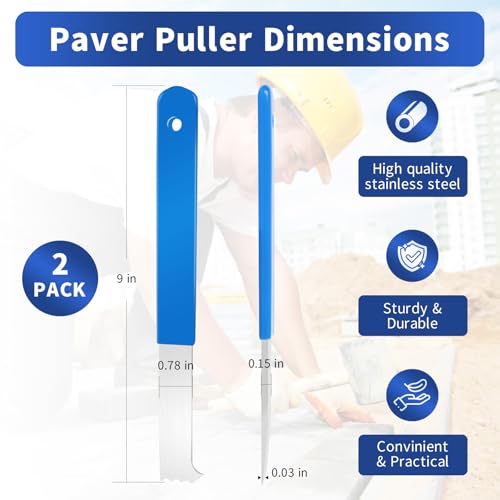
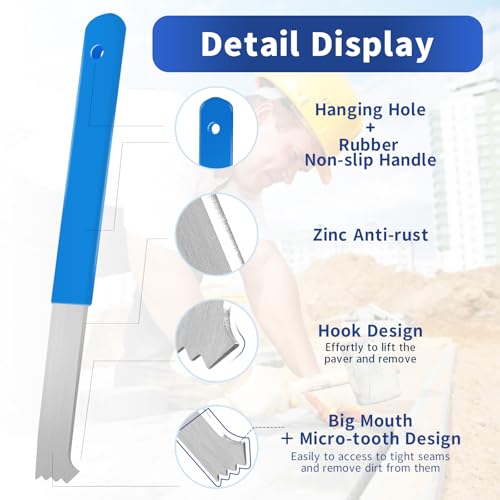
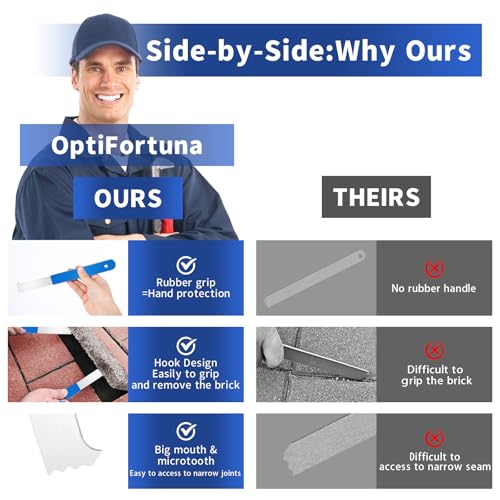
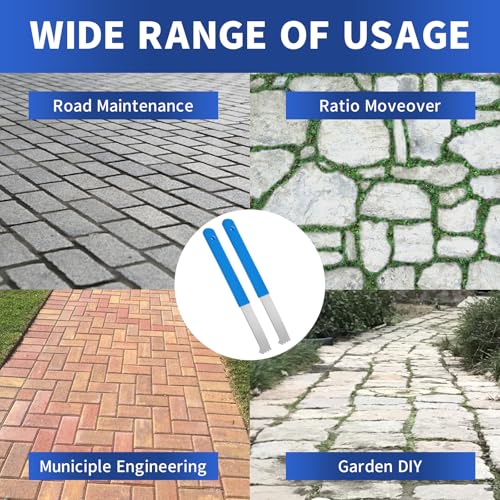
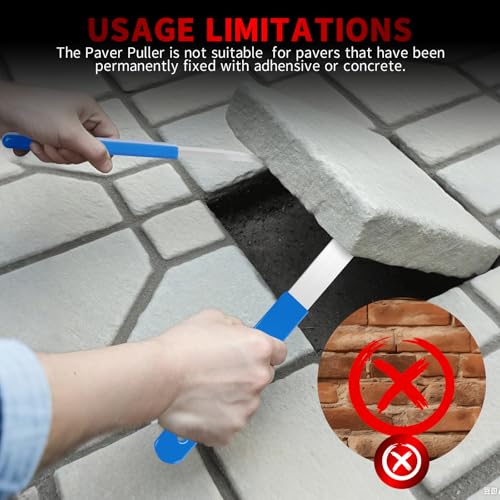
What I like most about the Sysarua puller is its ability to handle all common paver thicknesses, from 1.2 to 3.1 inches, without needing multiple tools. That’s a real time-saver if you’re working on older installations where block sizes vary. The high-carbon steel is heat-treated, so it holds up better than stainless under pressure, and the TPU handle genuinely reduces hand fatigue during long sessions.
It doesn’t have the longest handle or the most aggressive teeth, but it strikes a strong balance between durability and comfort. For a homeowner doing a full patio refresh or a pro needing a reliable backup tool, this is a smart middle ground. It’s not the strongest option here, but it’s one of the most adaptable.
Product photos
6 Pack Stainless Steel Paver Tools
Strengths
- 6-piece value
- Multi-use potential
- Good for light jobs
Trade-offs
- Prone to bending
- Less durability
- Weak use
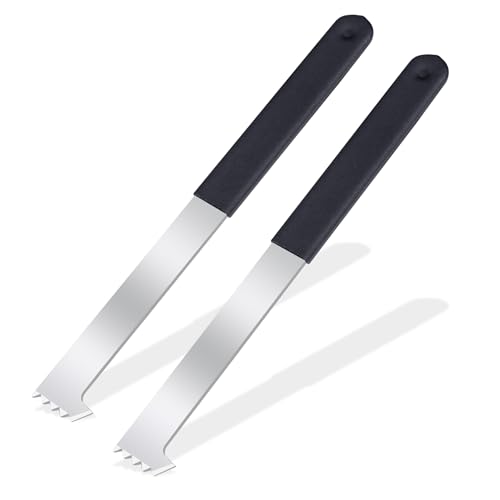
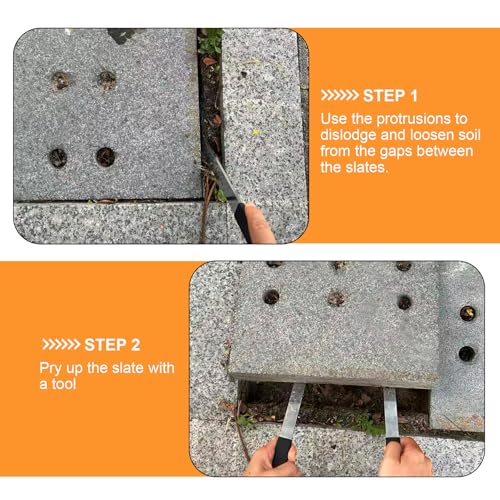
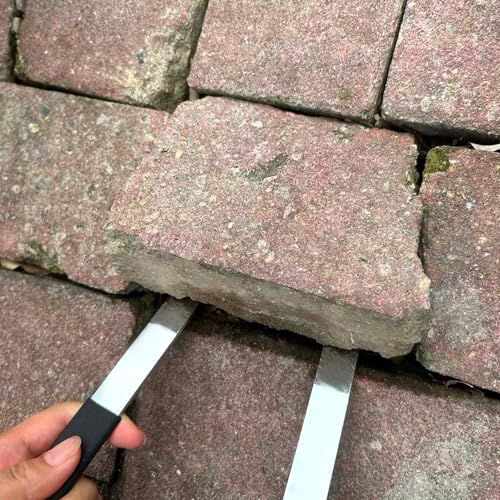
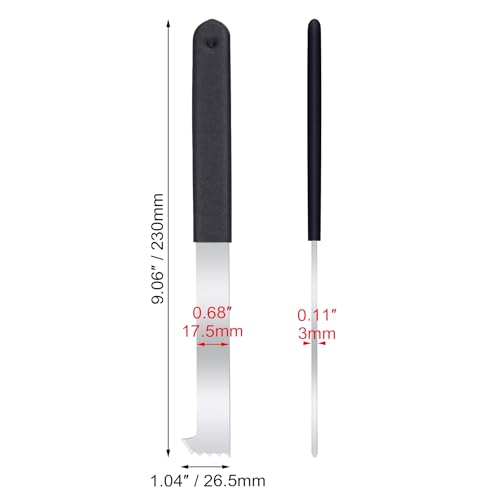
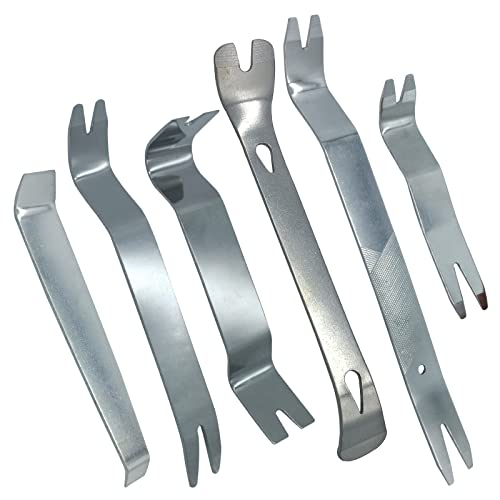
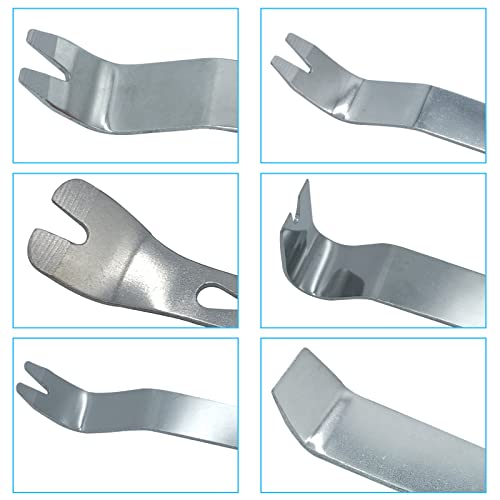
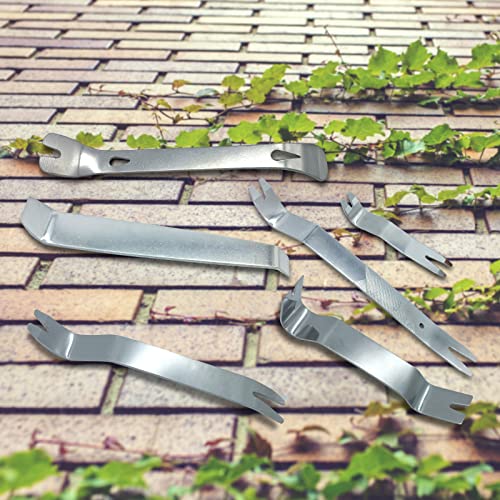
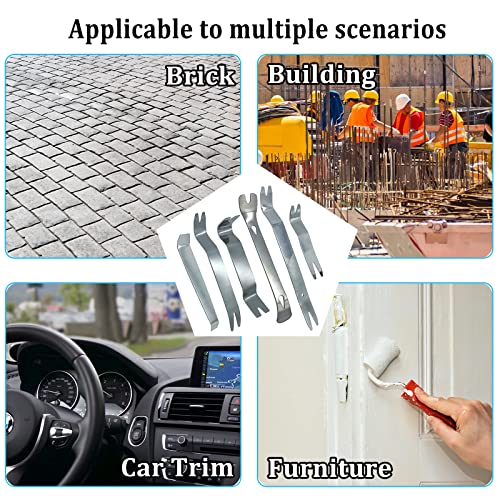
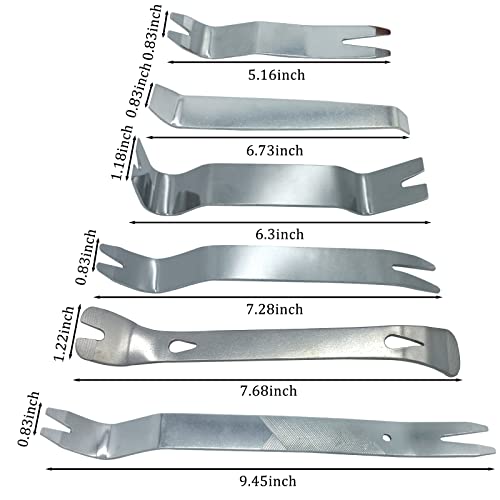
If you’re doing a large job or want backups on hand, this 6-pack offers unbeatable value. The tools are made from stainless steel and are clearly designed for light-duty use, ideal for occasional DIYers who need to replace a few bricks or do minor garden adjustments. Owners report using extras for automotive trim or furniture work, which shows how versatile the basic design can be.
That said, these aren’t the strongest paver extractors out there. The thin prongs can bend under pressure, especially if you’re working with interlocked or sunken pavers. But since you get six, it’s easy to rotate them or replace one if it fails. For a weekend project where you don’t want to invest in heavy-duty gear, this set makes sense.
Product photos
2-in-1 Paver Puller with Wrench
Strengths
- 2-in-1 design
- Galvanized steel
- Soft grip handle
Trade-offs
- Hex end is weak
- Less durable
- Gimmicky function
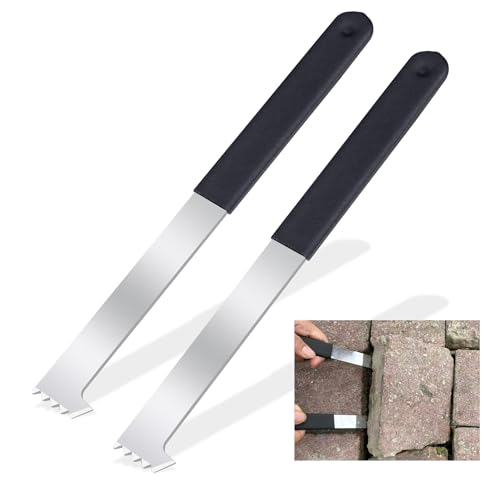
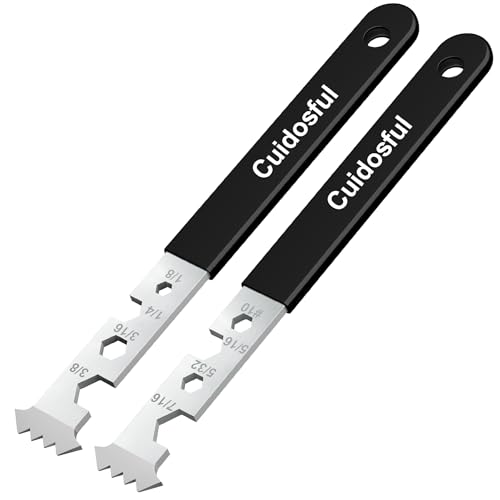
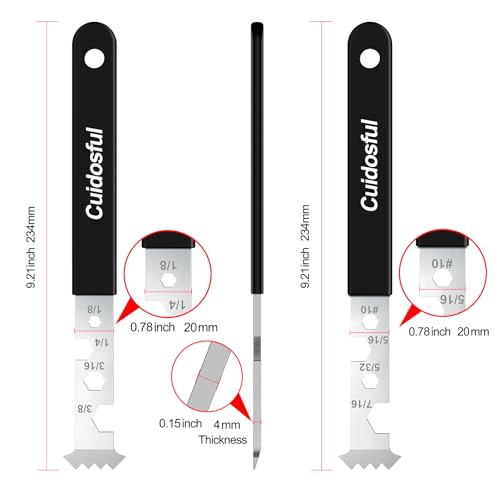
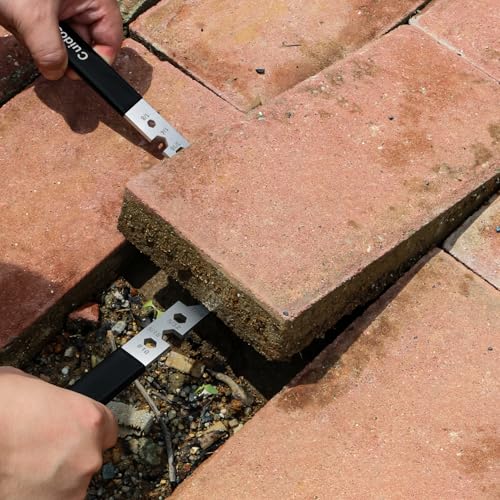
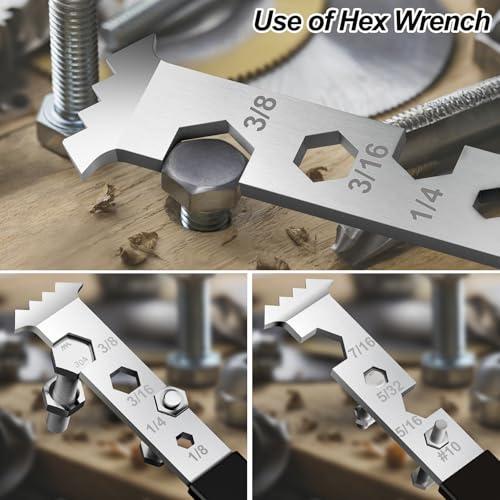
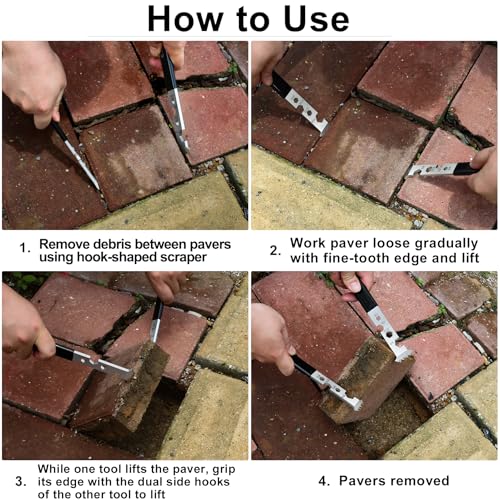
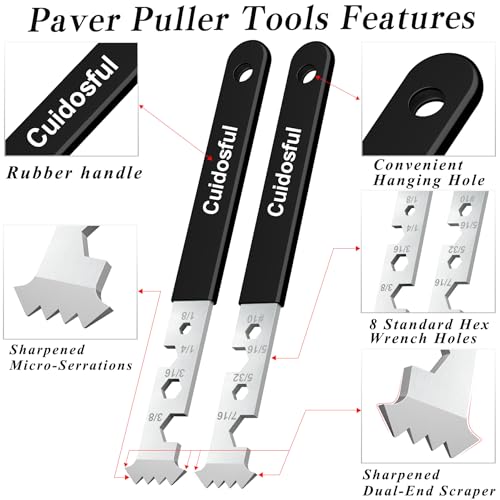
The idea of combining a paver puller with a hex wrench is clever, but in practice, it doesn’t add much real-world value. The paver removal function works fine, micro teeth and a decent grip help lift bricks, and the galvanized steel resists rust better than plain stainless. But the hex end feels like a gimmick; it’s not strong enough for serious fastening jobs.
Still, as a basic paver tool, it performs. The rubberized handle is comfortable, and the 2-pack gives you a spare. But compared to forged steel models, it lacks the bite and durability needed for tough removals. I’d only recommend this if you really need that dual function and are okay with sacrificing some strength.
Product photos
Adjustable Brick Tongs Laying Tool
Strengths
- Reduces back strain
- Adjusts to block size
- Speeds up installation
Trade-offs
- Not for removal
- No prying function
- Niche use case
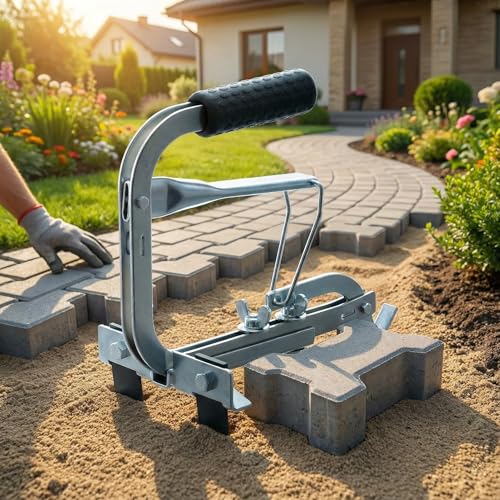
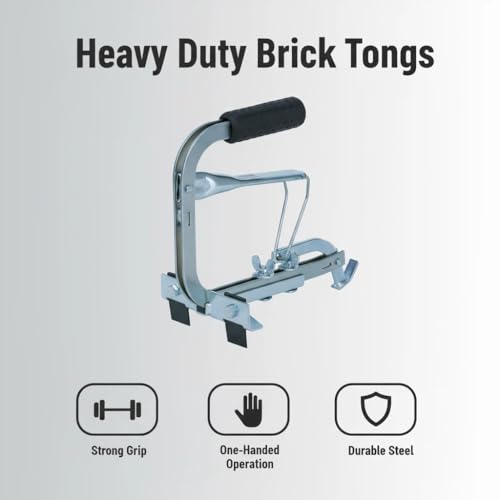
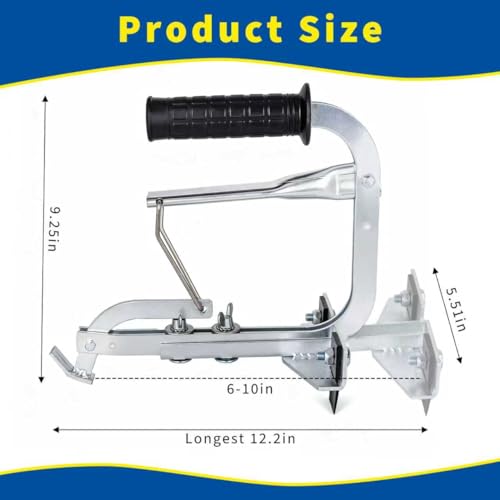
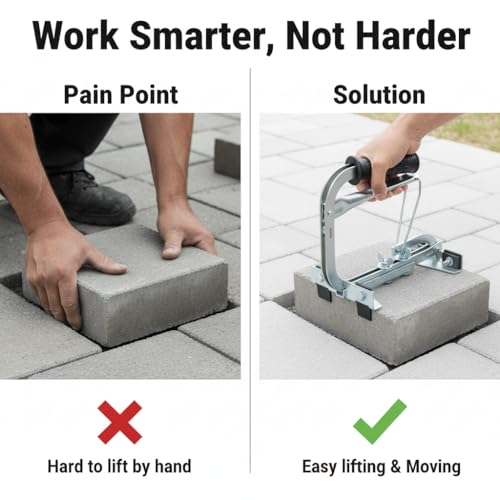
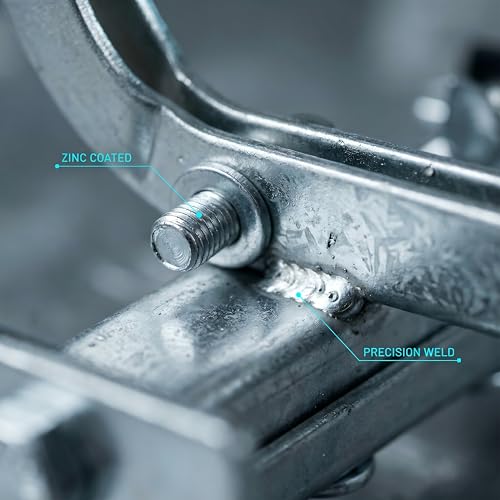
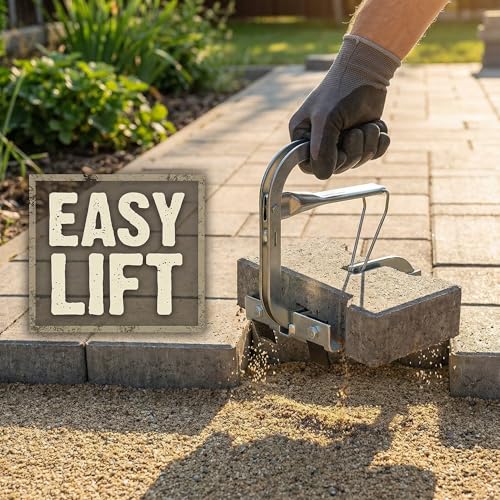
This isn’t a removal tool in the traditional sense, it’s actually designed for installing pavers, not pulling them up. The adjustable tongs let you lift and place heavy blocks without bending, which reviewers say cuts down on back strain and speeds up laying. It’s a smart buy if you’re doing a full patio rebuild and need to move dozens of slabs efficiently.
But don’t expect it to replace a puller. If your goal is removing existing pavers, this won’t help. However, if you’re ripping out old blocks and replacing them, pairing this with a real extractor makes a lot of sense. The patented alignment wings are a real bonus for keeping lines straight.
Product photos
How We Chose These paver removal tools
Rather than a hands-on lab test, my research focused on a detailed comparison of published specifications and features across numerous paver removal tools. I weighed owner reviews from major retailers alongside assessments from landscaping professionals and reputable tool review sites. My analysis considered each tool’s intended use, construction materials, and documented performance in real-world scenarios to determine relative strengths and weaknesses. Clear criteria were established to rank tools based on their ability to effectively and safely remove pavers.
For this category, the most important factors were use and durability. Paver removal demands significant force, so a tool’s design – handle length, head geometry, and material strength – directly impacts its effectiveness and how much strain it places on the user. Equally vital is construction quality; tools that bend or break under pressure are simply unsafe and represent a poor value. I also prioritized features that minimize damage to the pavers themselves.
Specifications reliably indicate build material and dimensions, helping assess potential durability and use. However, real-world performance and long-term reliability are best understood through owner feedback. I carefully examined user comments regarding ease of use, how well the tool handled different paver types, and whether it held up to repeated use. Understanding these nuances, alongside professional opinions, allowed me to identify tools consistently praised for their effectiveness and build quality. If you’re tackling a larger project, you might also want to consider efficient deck board extractors for related work.
How To Choose The paver removal tools
Choosing the right paver removal tool can save a lot of backache and time. I’ve seen too many projects stalled – or worse, pavers damaged – because someone grabbed the wrong tool for the job.
A quality paver removal tool balances use, durability, and the ability to get under the paver without causing damage. Look for hardened steel construction, comfortable grips, and designs specifically engineered for the tight tolerances common in paver installations. Avoid tools marketed as general-purpose pry bars unless they’re exceptionally robust.
Use and Design
The core of effective paver removal is use. You’re fighting against compacted base material, sometimes set with sand or polymeric sand. A short, stubby tool will require significantly more force than one with a longer handle. However, longer isn’t always better. Consider the space you’re working in. A long tool is useless in a confined area. Look for tools with a well-thought-out handle shape, and a head designed to maximize prying action. The Dual-Height Paver Lifter Tool, for instance, offers an asymmetric head to tackle both tight joints and uneven surfaces.
Material and Durability
Pavers aren’t always set neatly. You’ll encounter hidden obstructions and need to apply considerable force. This is where material matters. Stainless steel is okay for lighter work, but for consistent, heavy-duty use, you need forged steel – preferably heat-treated 4140 steel, like you find in the Keyfit Paver Puller PRO 9″. Avoid tools that advertise “stainless steel auto trim pullers” repurposed for pavers; those will bend and fail quickly. Here’s what to look for:
- A solid steel head is a must.
- A coating (zinc plating, powder coat) to resist rust.
- A handle that’s securely attached and won’t wobble or break under stress.
Specific Needs & Value
What kind of paver work are you doing? Are you removing a single sunken paver, or an entire patio? The Gen 3 Paver Puller Tool is excellent for tight joints, but if you’re dealing with pavers of varying thicknesses, the Sysarua Heavy Duty Paver Puller, with its adjustable grip, is a more versatile choice. If you’re just starting out and want to explore basic landscaping, consider a multi-pack like the 6 Pack Stainless Steel Paver Tools. But remember, sometimes spending a little more upfront on a higher-quality tool saves you money in the long run. For those needing a tool that does more than just remove pavers, exploring best paver extractor tools can be a good starting point.
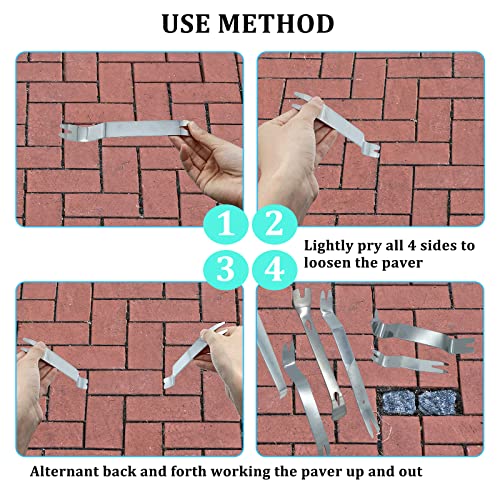
Don’t force it. If a paver won’t budge easily, don’t risk bending the tool or damaging the paver. Work slowly, prying from multiple sides.
Finally, don’t overlook the importance of having the right essential hand tools for paver removal alongside your paver puller, such as a good hammer and a selection of pry bars.
Paver Removal Tools Compared
This table provides a side-by-side comparison of key specifications for various paver removal tools.
| Product Name | Material | Max Paver Thickness | Handle Type | Features | Quantity |
|---|---|---|---|---|---|
| Keyfit Paver Puller PRO 9″ | 4140 Steel | N/A | Steel | Joint Scraper, Gripper Slots | 2 |
| Dual-Height Paver Lifter Tool | Forged Steel | N/A | Anti-Slip Grip | Dual-Height Scraper | 2 |
| Gen 3 Paver Puller Tool | Stainless Steel | N/A | Non-Slip Grip | Beveled Edge | 1 |
| Sysarua Heavy Duty Paver Puller | High-Carbon Steel | 3.1″ (80mm) | Shock-Absorbing TPU | Fits Multiple Sizes | 1 |
| 6 Pack Stainless Steel Paver Tools | Stainless Steel | N/A | N/A | Multi-Purpose | 6 |
| 2-in-1 Paver Puller with Wrench | Steel | N/A | Rubberized | 2 Joint Scrapers | 1 |
| Adjustable Brick Tongs Laying Tool | N/A | N/A | Ergonomic | Adjustable Grip | 1 |
Frequently Asked Questions
What’s the difference between a paver removal tool and a general pry bar?
A paver removal tool is specifically designed to get under pavers without damaging them, whereas a general pry bar is too blunt and can easily chip or crack the pavers. Paver tools feature thinner profiles and often have features like angled heads or gripper slots for better control.
What material should I look for in a paver removal tool?
For consistent, heavy-duty use, forged steel – ideally heat-treated 4140 steel – is the best choice. Stainless steel is acceptable for lighter jobs, but it won’t hold up to repeated force like forged steel will.
How important is the handle length of a paver removal tool?
Handle length is important for use, but longer isn’t always better. A longer handle offers more force, but can be unwieldy in tight spaces. Choose a length that provides good use without being difficult to maneuver.
Can I use a paver removal tool on other materials, like bricks?
Yes, many paver removal tools can also be used on bricks, although the shape of the tool head might be more suited for pavers. If you’re also working with bricks, consider a tool with an adjustable grip, like the Sysarua Heavy Duty Paver Puller. For more versatility, you might find best cordless oscillating multi-tools helpful for cutting or shaping materials around the pavers.
What should I do if a paver won’t budge, even with a paver removal tool?
Don’t force it. Applying excessive force can damage the tool or the pavers. Instead, try prying from multiple sides, and check for any hidden obstructions like roots or large pebbles that might be hindering removal.
The Bottom Line
Removing pavers is a physical job, and the right tool makes all the difference between a frustrating afternoon and a smooth project. Ultimately, you’re trading a bit of upfront cost for saved energy and reduced risk of damage – and for most homeowners and DIYers, the Keyfit Paver Puller PRO 9″ strikes that balance best. Its forged steel construction and thoughtful design offer exceptional use without being overly cumbersome, and owner feedback consistently praises its durability.
If you’re facing a particularly varied project, or need a tool that can adapt to different paver thicknesses, the Sysarua Heavy Duty Paver Puller is a solid choice. For those on a tighter budget, or tackling very small repairs, the 6 Pack Stainless Steel Paver Tools provides a range of options without breaking the bank, though understand you’ll be sacrificing some long-term durability. And don’t forget that for related tasks like cutting pavers, a look at the best oscillating multi-tools can be invaluable.
More than any specific feature or material, remember that a solid technique and a bit of patience are crucial. Don’t force stubborn pavers, work slowly from multiple angles, and prioritize safety. A well-made tool is an investment, but it’s your knowledge and careful approach that will truly determine the success of your paver project.
