
8 Best Mitre Saws of 2026
This post contains affiliate links. As an Amazon Associate, we earn from qualifying purchases.
The DeWalt DWS779 stands out as the best overall mitre saw for its rock-solid build and precise cuts, especially for demanding trim work. If you’re watching your budget, the DeWalt DWS715 delivers solid performance without breaking the bank. For those tackling metal and wood on the same job site, the Evolution R185SMS+ is the most versatile option.
Most people don’t realize how quickly a shaky fence or sloppy angle markings can ruin a day’s work. A bad mitre saw doesn’t just slow you down, it leads to wasted material and frustration, especially on repeat cuts or complex angles.
I’ve spent years helping DIYers and pros choose the right tools, and I know what separates a reliable saw from a garage ornament. This guide cuts through the marketing noise by focusing on real-world specs, owner feedback, and the features that actually matter, like durability, cutting capacity, and ease of use.
Top 8 Mitre Saws in the Market
The Best Mitre Saws, Reviewed
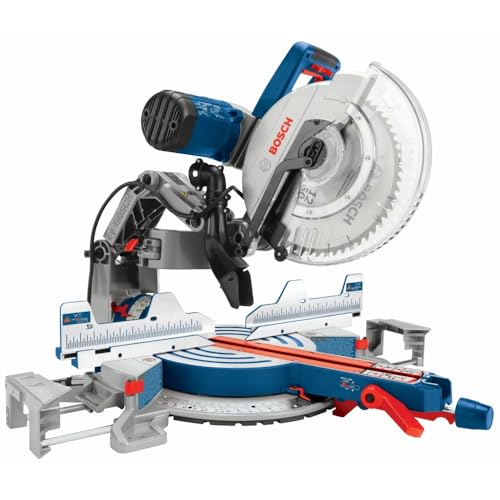
BOSCH GCM12SD Dual-Bevel Glide Miter Saw
Strengths
- Axial-glide system
- 90% dust capture
- Expanding base support
Trade-offs
- Higher price point
- Front rails limit left-side support
- Heavier than average
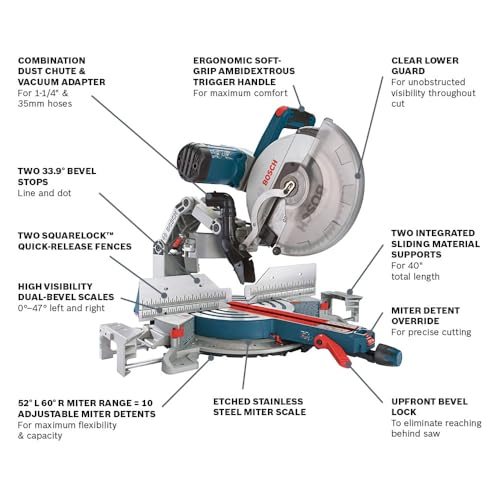
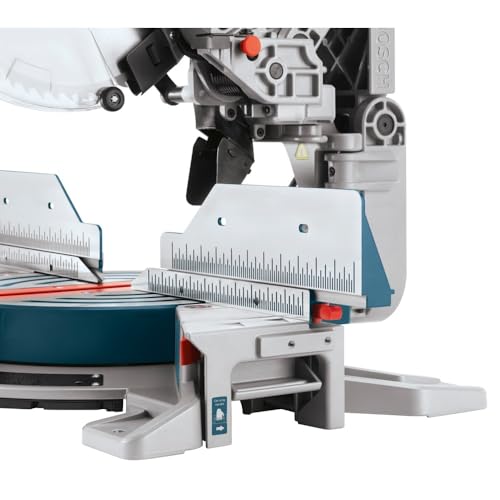
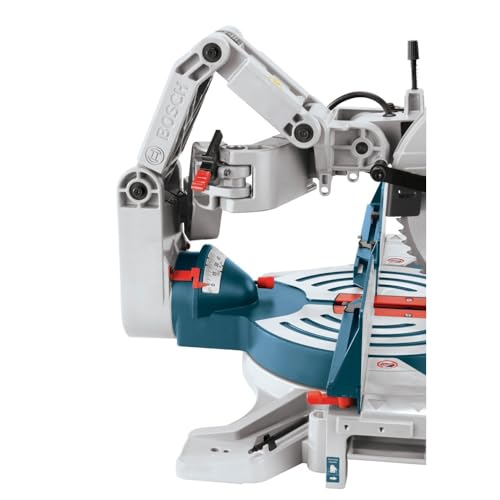
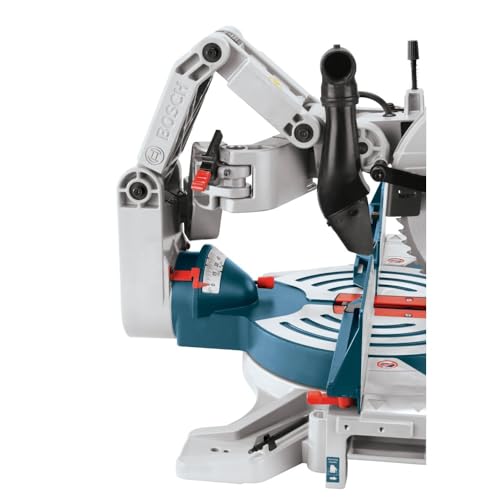
The Bosch GCM12SD is, in my view, the best overall 12-inch dual-bevel sliding miter saw here, and owner feedback backs that up. The axial-glide system uses front-mounted rails, which frees up space on the sides and makes it easier to handle large panels. That design also contributes to its smooth cutting motion, something many users highlight. The push-button miter detent override is a small feature that makes a big difference when fine-tuning angles.
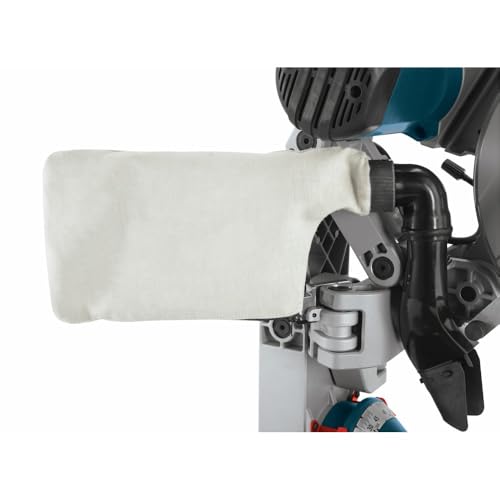
Its dust collection is best-in-class, capturing up to 90% of debris with a vacuum, far ahead of the DEWALT models. The expanding base extensions add 60% more support than competitors, which matters when cutting wide boards. And the bevel range (47° left and right) is slightly better than most. Compared to the DWS780, the Bosch feels more refined, with better ergonomics and superior dust control. It’s not the cheapest, but for those who want accuracy, durability, and a clean workspace, it’s worth the investment.
Product photos
DEWALT DWS779 Double Bevel Sliding Miter Saw
Strengths
- Heavy-duty construction
- Smooth dual rails
- High dust capture
Trade-offs
- No XPS or LED guide
- Heavier than average
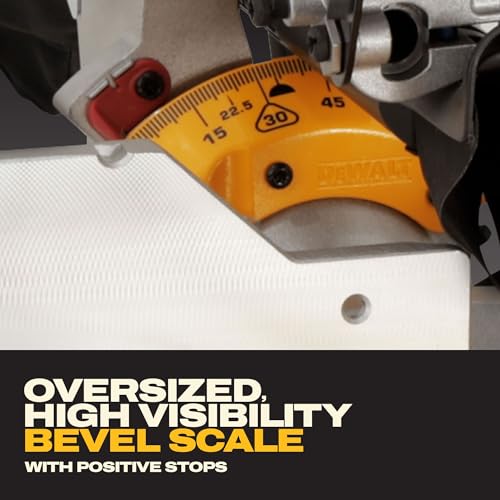
- Bevel scale hard to read
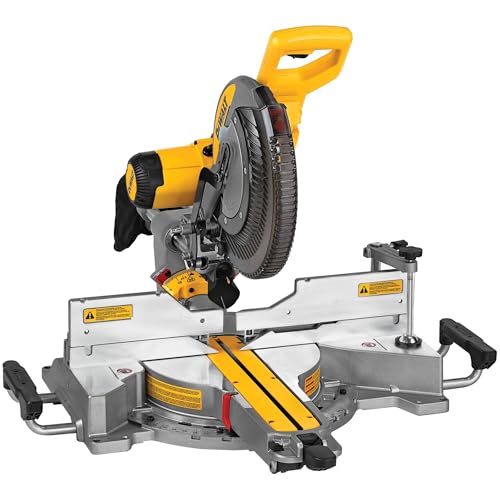
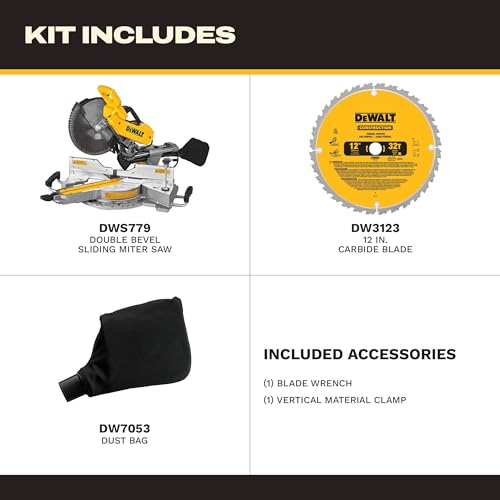
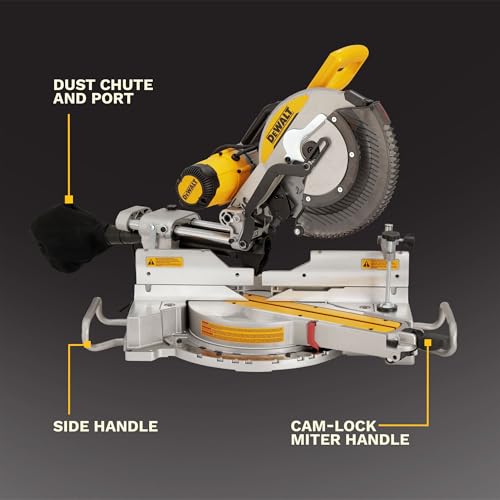
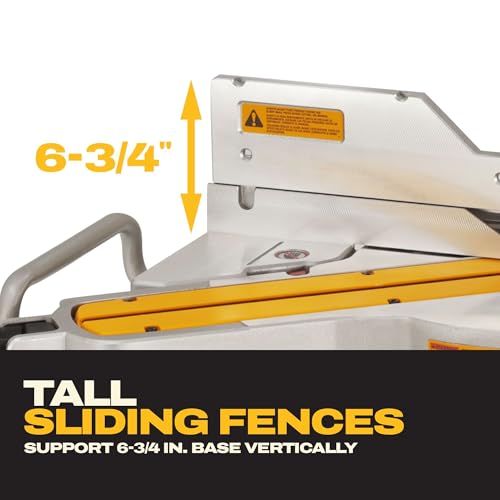
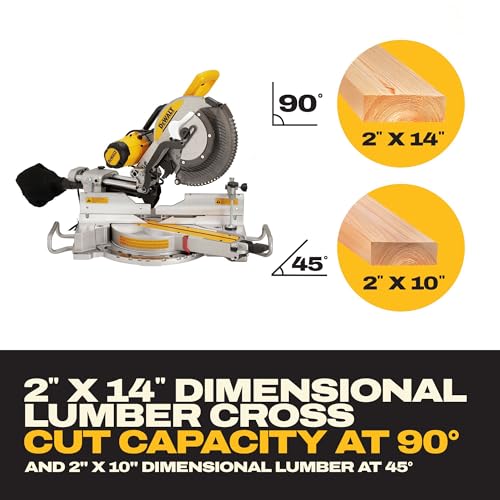
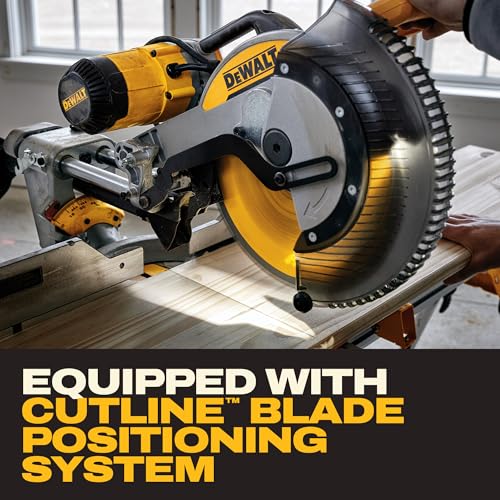
The DEWALT DWS779 is built like a workhorse, and owners treat it as a rugged alternative to the DWS780, same motor, same cutting capacity, but without the XPS shadow light. Instead, it relies on a standard blade alignment system, which some users say requires more frequent checking. But everything else is top-tier: tall sliding fences, 2×14 crosscut capacity, and a dust system that captures over 75% of debris, matching the DWS780.
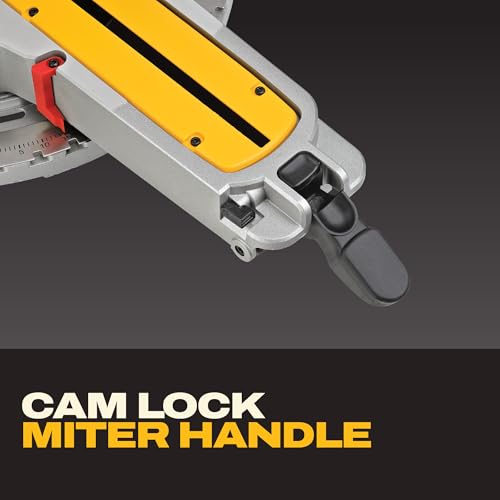
The dual horizontal steel rails and linear ball bearings deliver smooth, stable movement, and the cam-lock miter handle is a favorite among users who make frequent angle changes. It’s slightly heavier than some, but that adds to stability. When compared to the DWS715, this model is far more capable, dual bevel, larger capacity, better detents. For anyone upgrading from a single-bevel or older model, the DWS779 is where serious performance starts.
Product photos
DEWALT DWS780 with XPS LED Shadow Light

Strengths
- XPS shadow light
- Tall sliding fences
- 75% dust capture
Trade-offs
- Heavier than average
- No laser guide
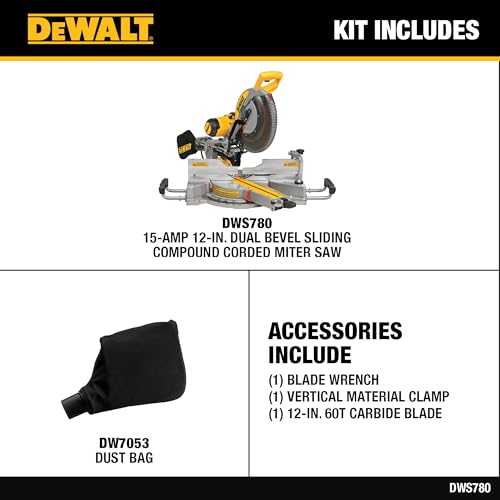
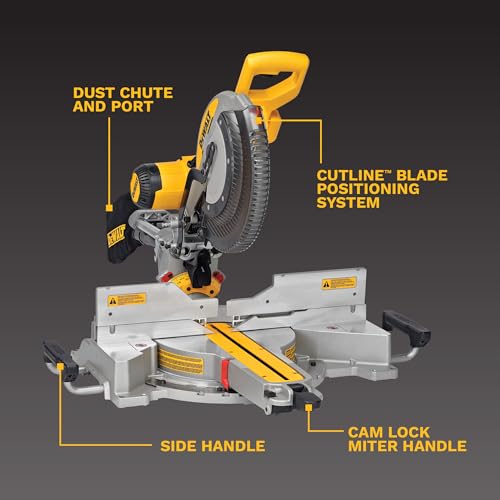
The DEWALT DWS780 stands out in the 12-inch dual bevel sliding category for its combination of precision engineering and real-world usability. On paper, the 3,800 RPM motor and 15-amp power delivery promise consistent performance under load, and owners consistently report clean, repeatable cuts, especially when working with hardwoods or layered materials. The XPS LED shadow light system is a standout, offering a blade shadow that aligns accurately without needing calibration, which many users say beats traditional lasers for clarity and reliability.
Its tall sliding fences support up to 7-1/2-inch crown molding nested, and the crosscut capacity for 2×14 at 90° makes it a solid pick for trim carpenters and finish work. The dust collection system capturing over 75% of debris is backed by user feedback, though most still pair it with a shop vac for full cleanup. Compared to the DWS779, this model adds the XPS system and a slightly more refined detent plate, justifying its position as a go-to for professionals who value speed and accuracy.
Product photos

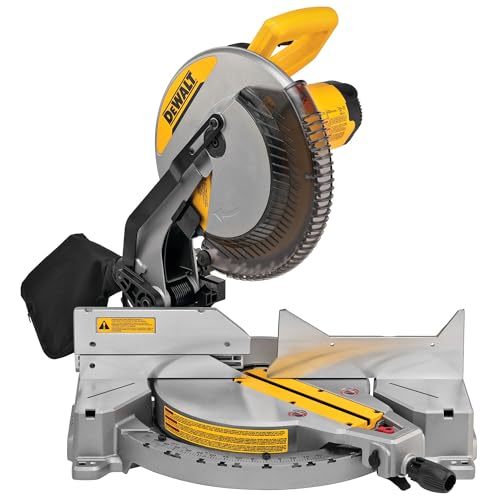
DEWALT DWS715 Single Bevel 12-Inch Miter Saw
Strengths
- Reliable DEWALT build
- Machined base fence
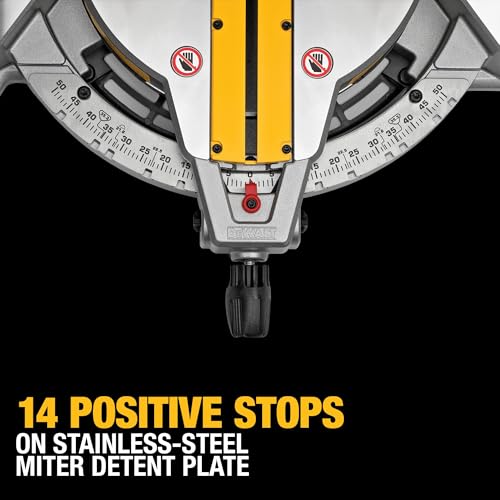
- Good miter detents
Trade-offs
- Single bevel only
- Smaller cutting capacity
- No shadow or laser guide
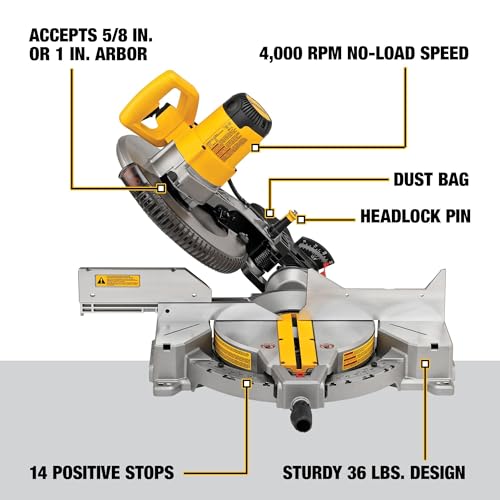
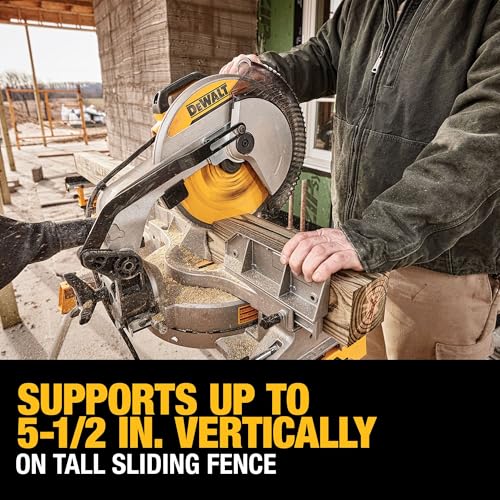
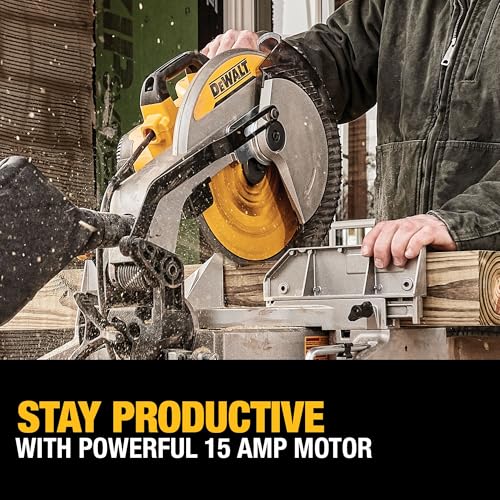
The DEWALT DWS715 is a no-frills, single-bevel 12-inch saw that delivers solid value for the price. With a 15-amp motor and 3,800 RPM, it handles dimensional lumber and trim work reliably. Owners appreciate its straightforward design, no sliding rails or dual bevels to complicate setup, and the machined base fence provides consistent support. It’s not as agile as dual-bevel models, but for users who mostly cut baseboards or framing at 90° or left bevels, that limitation rarely matters.
Crosscut capacity maxes at 2×8 at 90°, which is a step behind the DWS780 and DWS779. Still, for a single-bevel saw, it’s well-built and durable. When compared to budget options like the SKIL MS6305, the DWS715 feels more stable and accurate, though it lacks LED or laser guides. My recommendation here is clear: if you don’t need dual bevels and want DEWALT reliability without the premium cost, this is the smarter buy.
Product photos
Metabo HPT C10FCG2 10-Inch Miter Saw
Strengths
- Extremely lightweight
- Xact Cut shadow line
- 5-year warranty
Trade-offs
- Single bevel only
- Less stable on hard cuts
- Smaller base support
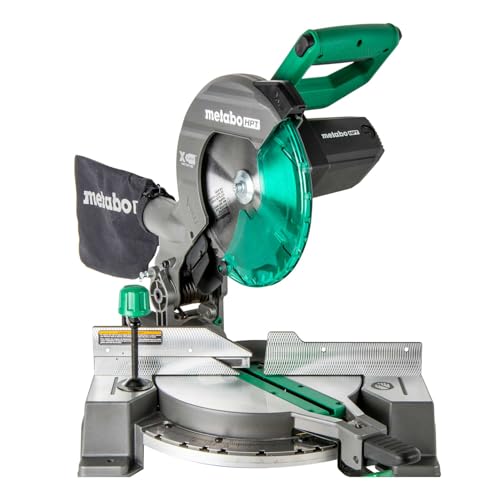
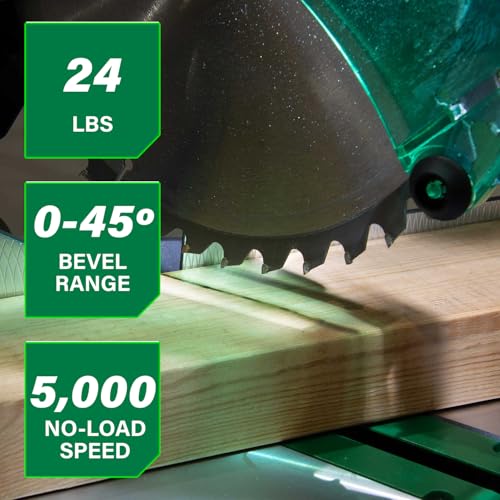
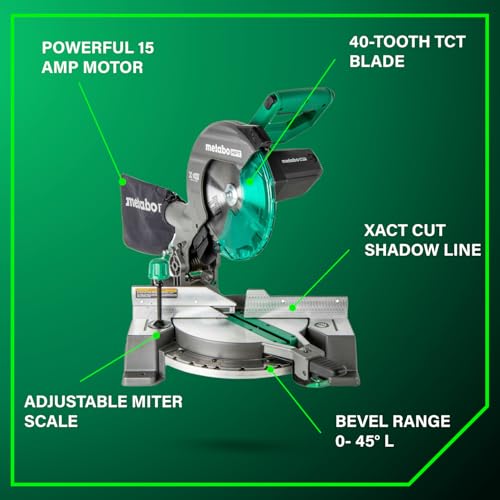
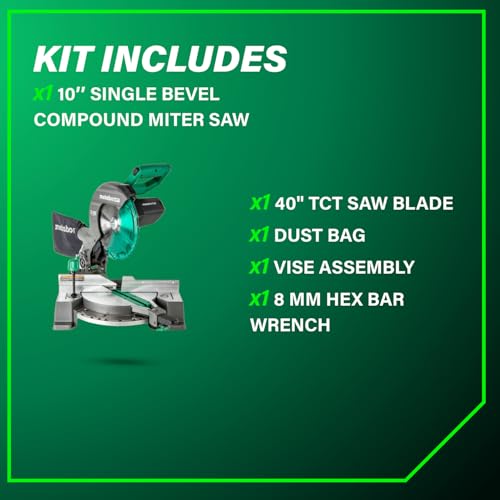
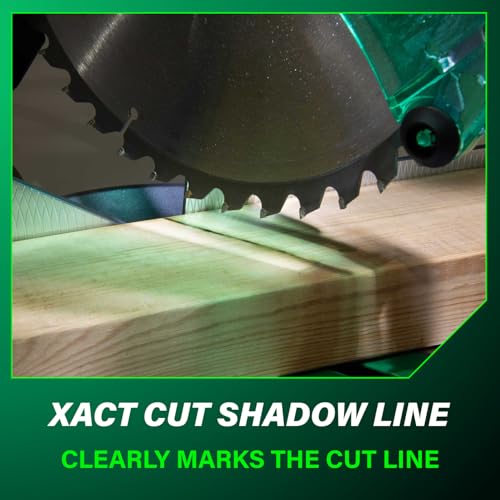
At just 24 pounds, the Metabo HPT C10FCG2 is the lightest 10-inch miter saw here, and that portability is its biggest selling point. The 15-amp motor and 5,000 RPM no-load speed deliver sharp, clean cuts in softwood and trim, and the Xact Cut shadow line system, similar to DEWALT’s XPS, provides a reliable blade shadow without calibration. Users consistently praise how easy it is to load into a truck or carry between floors.
But with light weight comes trade-offs: the base isn’t as rigid as heavier models, and cutting dense hardwoods can induce vibration. The 0-52° miter range and 0-45° left bevel are adequate, but it’s a single-bevel design, so right bevels require flipping the workpiece. Compared to the DEWALT DWS715, it sacrifices capacity and stability for mobility. Still, for an electrician or trim installer who moves daily, this saw hits the sweet spot. The 5-year warranty is also a strong confidence booster.
Product photos

Evolution R185SMS+ Multi-Material Sliding Miter Saw

Strengths
- Cuts metal and wood
- Multi-material blade
- 3-year warranty
Trade-offs
- Smaller blade size
- Limited wood capacity
- Laser alignment issues
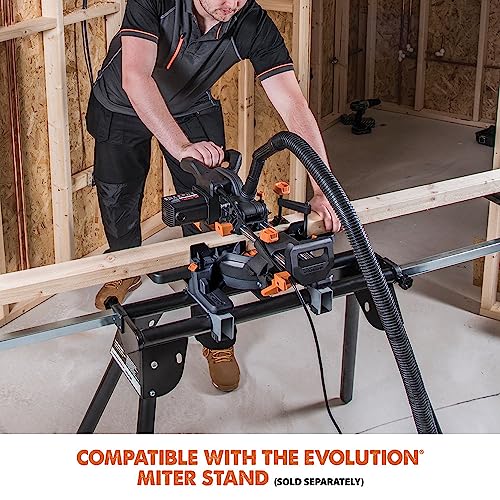
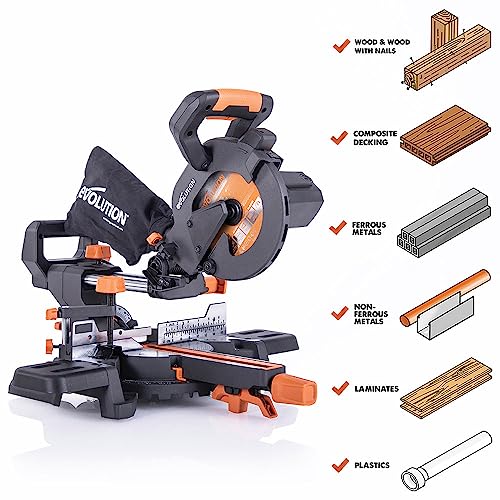
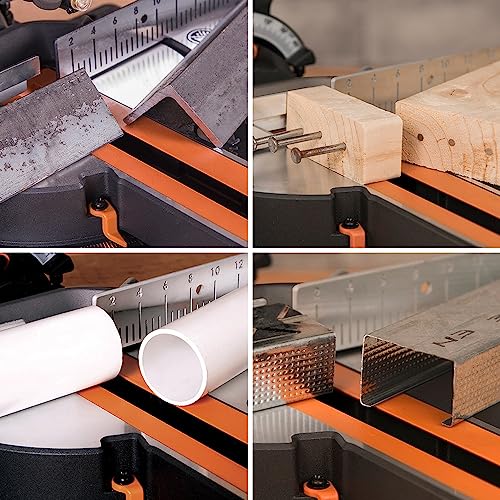
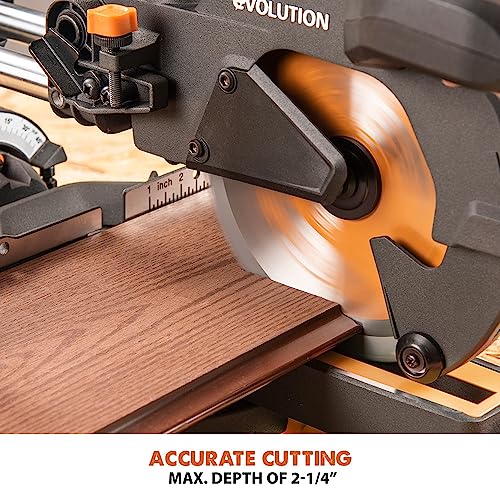
If you regularly cut metal, especially mild steel or aluminum, the Evolution R185SMS+ makes a compelling case despite being a 7-1/4-inch saw. Its 1500W motor and patented multi-material blade allow clean cuts through wood with nails, steel, and plastic, something most standard mitre saws can’t touch. Reviewers note it leaves minimal burrs and sparks when cutting steel, which is rare in this class. The laser guide helps with alignment, but some owners say it drifts over time and needs occasional recalibration.
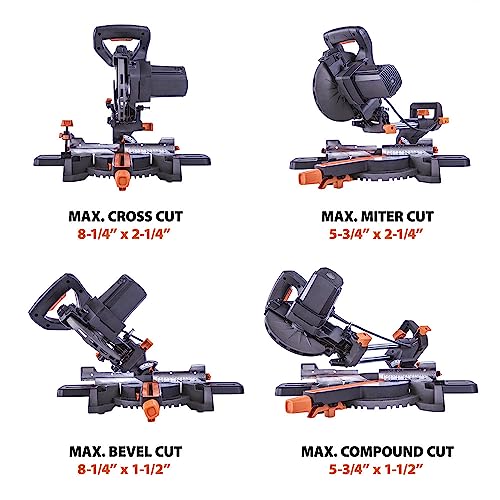
It doesn’t match the crosscut capacity of 12-inch models, maxing out at 2×6 in wood, but for a tradesperson who carries one saw for framing, metal studs, and PVC, this versatility is a major win. Compared to the DOVAMAN or DEWALT single bevels, it trades size for function. The 3-year warranty also adds peace of mind, especially given the niche use case.
Product photos
DOVAMAN 10-Inch Sliding Miter Saw

Strengths
- Dual-speed motor
- Three included blades
- Laser guide accuracy
Trade-offs
- Build not job-site tough
- Motor strain on thick wood
- Inconsistent bevel stops
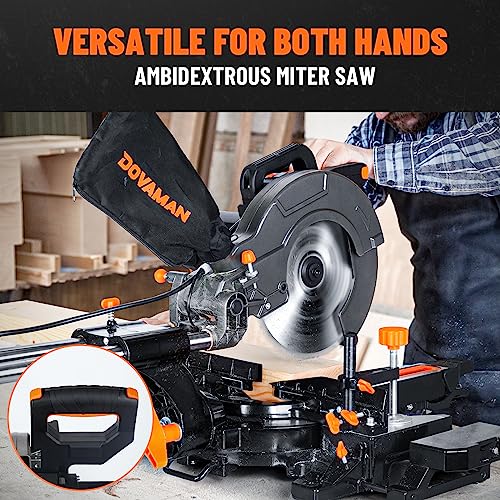
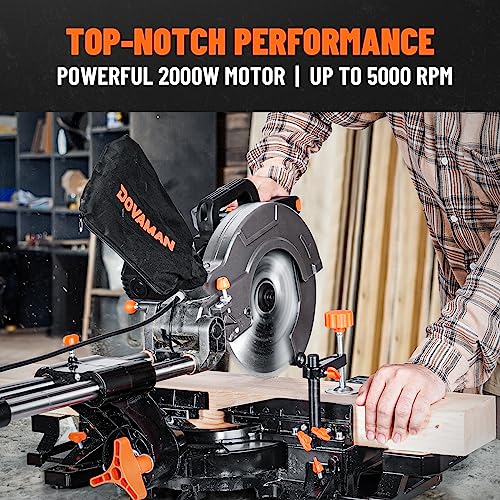
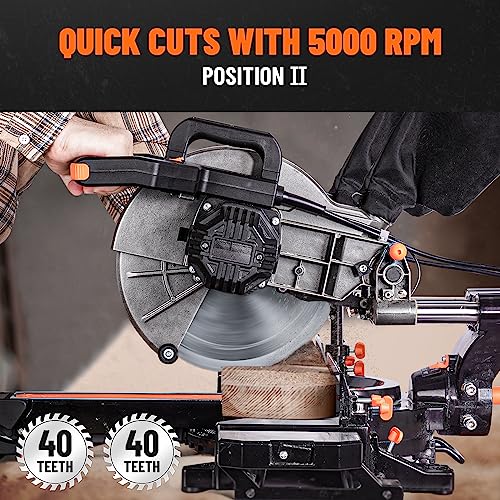
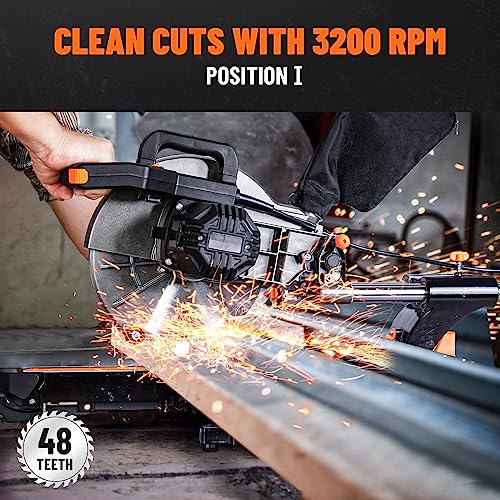
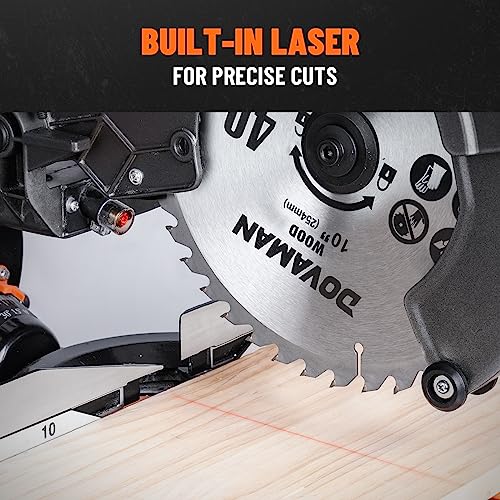
The DOVAMAN 10-inch sliding mitre saw packs a surprising amount of tech into a mid-tier price bracket. Dual-speed settings (5000/3200 RPM) let users optimize for wood or soft metals, and the inclusion of three TCT blades, two 40-tooth, one 48-tooth, adds real value out of the box. The laser guide is bright and consistent, and owners report it holds alignment well, which is not always the case at this price.
Its 13-inch sliding rail and extendable side tables give it a wider footprint than most 10-inch saws, supporting up to 4×13-inch crosscuts, impressive on paper. But some users note the rigidity isn’t on par with DEWALT or Bosch, especially when cutting dense materials. The ambidextrous handle is a thoughtful touch, but the overall build feels more suited to light professional or serious DIY use rather than daily job site abuse. Compared to the SKIL MS6305, it offers more versatility but less durability.
Product photos
SKIL MS6305 10-Inch Dual Bevel Miter Saw
Strengths
- Affordable dual bevel
- LED shadow line
- 2×12 crosscut capacity
Trade-offs
- Less durable build
- Motor lacks torque
- Vibration at full load
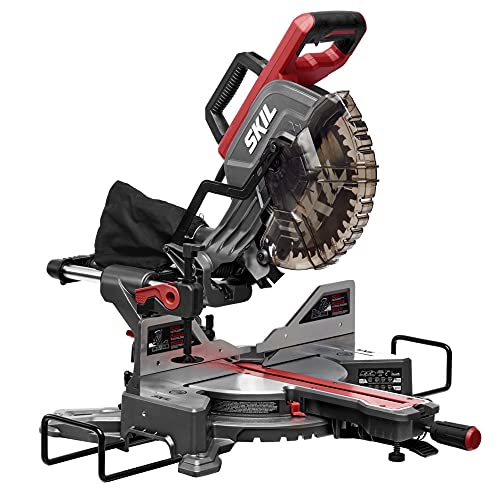
The SKIL MS6305 is one of the most affordable dual-bevel sliding compound miter saws with a 15-amp motor, and it shows where corners were cut to hit that price. The 4,800 RPM motor spins fast, but owners report it bogs down on hardwoods or thick stock. Still, for basic trim work or deck building, it handles 2×12 at 90° without issue. The LED shadow line is a standout feature at this price, brighter and more reliable than many lasers, and users appreciate not having to calibrate it.
Its dual bevel range (48° left, 45° right) covers most needs, but the detent stops feel less precise than DEWALT or Bosch. The sliding rails are steel, but the overall frame lacks mass, leading to more vibration. Compared to the DEWALT DWS780 or Bosch GCM12SD, it’s clearly a budget alternative. But for a homeowner who only needs dual bevels occasionally, it offers real functionality without overspending.
Product photos


How We Evaluated mitre saws
Rather than a hands-on lab test, my research for these recommendations focused on a detailed comparison of published specifications and features across numerous models. I weighed owner reviews from major retailers alongside expert opinions found in woodworking publications and trusted tool review sites. As someone who’s spent years advising on power tool selection, I applied my understanding of what truly matters in a mitre saw to rank options against clear criteria.
For mitre saws, cutting capacity, accuracy, and durability are paramount. I gave significant weight to models offering larger cutting capacities for versatility, and those with robust construction, specifically looking at fence quality and materials. Equally important was the availability of positive stops at common angles, as this directly impacts workflow and precision. These factors determine whether a saw is suitable for simple DIY tasks or more demanding professional work.
Specifications reliably indicate motor power, blade size, and maximum cutting dimensions. However, judging real-world accuracy and long-term durability required careful analysis of owner feedback. I looked for recurring themes in reviews – complaints about calibration issues, flimsy fences, or premature wear and tear. Reputation and brand history also played a role; established manufacturers with a track record of quality generally earned higher consideration. Understanding miter saw basics is also key to knowing what to look for.
How To Pick The Right mitre saws
Picking the right mitre saw can dramatically improve the quality and speed of your woodworking, trim work, or general cutting projects.
A good mitre saw balances power, accuracy, and user-friendliness. Key considerations include motor amperage, bevel and miter capacity, blade quality, dust collection, and the type of material the saw is designed to cut. Look for sturdy construction, clear scales for precise angles, and features that enhance safety and ease of use.
Blade Quality & Material Compatibility
Don’t assume all mitre saw blades are created equal. Many saws come with a general-purpose blade, but if you plan to cut materials beyond softwood, you’ll need to upgrade. Blades with more teeth (higher tooth count) generally produce smoother cuts in finer materials, while blades with fewer teeth are better for faster, rougher cuts in thicker materials. For example, if you’re looking to cut aluminum or steel, you’ll want to consider a saw like the Evolution R185SMS+, specifically designed for multi-material cutting. Understanding what you’ll be cutting most often will save you money and frustration down the road.
Bevel and Miter Capacity: What Do You Really Need?
Bevel and miter capacity dictate the range of angles you can cut. While a wider range sounds better, consider your typical projects. Most trim work falls within common angles. A saw with limited bevel capacity might be perfectly adequate and save you money. If you frequently work with crown molding, you’ll need a saw that can both bevel and miter to create those angled cuts. The DeWalt DWS779, for instance, offers generous miter and bevel angles suitable for heavy-duty tasks.
Here’s how to think about capacity: * Basic Trim/DIY: 45° miter and bevel is often sufficient. * Crown Molding/Complex Angles: 50-60° miter and 45-48° bevel are highly recommended. * Roofing/Specialized Projects: Look for saws with advanced angle markings and potentially higher capacities.
Features and Value: Beyond the Cut
Beyond the basics, consider features that improve usability and convenience. Dust collection is huge – a good system, like the one on the Bosch GCM12SD, keeps your workspace cleaner and improves visibility. Laser guides can be helpful, but don’t rely on them entirely; they can sometimes drift. Perhaps the most important consideration is how the saw feels to use. Is the handle comfortable? Are the controls easily accessible? A saw that’s awkward to operate will quickly become a source of frustration.
Don’t overspend on features you won’t use. A simpler, well-built saw is often a better investment than a feature-rich model that’s poorly constructed.
If you are still unsure about the differences between types of saws, reading a guide about a compound miter saw explained can be a great resource. For those seeking information on best compound models, our guide provides a detailed overview. Ultimately, selecting the right mitre saw comes down to matching its capabilities to your specific needs and projects.
Mitre Saws Compared
Here’s a comparison of key specifications for several mitre saws to help you choose the right tool for your needs.
| Product Name | Motor (Amps) | Blade Size (in) | Max. Cut (90°) (in) | Bevel Range (Left/Right) | Sliding Rail (in) | Laser Guide |
|---|---|---|---|---|---|---|
| BOSCH GCM12SD | N/A | 12 | N/A | 47/47 | N/A | No |
| DEWALT DWS779 | 15 | 12 | 2×14 | 49/49 | N/A | No |
| DEWALT DWS780 | 15 | 12 | N/A | 49/49 | N/A | Yes |
| DEWALT DWS715 | N/A | 12 | 2×8 | 0-48/0-3 | N/A | No |
| Metabo HPT C10FCG2 | 15 | 10 | N/A | 0-45 | N/A | No |
| Evolution R185SMS+ | 1500W | N/A | N/A | 0-45 | N/A | Yes |
| DOVAMAN 10-Inch | 15 | 10 | 4×13 | N/A | 13 | Yes |
| SKIL MS6305 | 15 | 10 | 2×12 | 50/50 | N/A | Yes |
Frequently Asked Questions
What level of accuracy should I expect from a mitre saw?
A good mitre saw should cut within plus or minus 0.5 degrees of the marked angle. Achieving this relies on proper calibration and a quality fence system; cheaper saws often struggle with consistent accuracy.
Can a 10-inch mitre saw handle most home improvement projects?
Yes, a 10-inch mitre saw is generally sufficient for most common DIY and home improvement tasks. However, if you routinely work with larger lumber or require deeper cuts, a 12-inch model offers greater capacity.
What’s the difference between a standard and a sliding mitre saw?
A sliding mitre saw has a head that moves along rails, increasing the width of cuts it can handle. If you frequently need to cut wider boards, like plywood sheets, investing in sliding miter saws is a good idea.
How important is dust collection on a mitre saw?
Dust collection is quite important, as mitre saws create a significant amount of fine dust. A saw with a good dust port and collection bag greatly reduces airborne particles, improving visibility and your breathing comfort during use.
How do I know if a mitre saw is well-built and durable?
Look for a saw with a solid, metal base and robust fence. A heavy saw generally indicates better materials and construction. Reading owner reviews to identify recurring complaints about premature wear or calibration issues is also helpful when assessing durability.
The Bottom Line
Choosing a mitre saw often comes down to balancing how much control you want with how much fuss you’re willing to deal with. For most homeowners and DIYers, the DeWalt DWS779 strikes that balance best; its combination of power, accuracy, and a solid reputation makes it a strong all-around performer. It delivers the capacity needed for a wide range of projects without unnecessary complexity.
If you’re on a tighter budget, the SKIL MS6305 provides a surprising amount of capability for the price. For those who need to cut a variety of materials, including metal, the Evolution R185SMS+ is the clear choice. And for those focused on portability and smaller projects, the Metabo HPT C10FCG2 offers a compact and capable solution.
Ultimately, specifications aren’t everything. Focusing on build quality, a comfortable grip, and clear angle markings will pay dividends long after you’ve forgotten the motor amperage. Taking the time to learn miter saw setup and prioritizing safe operation will deliver better results and a more enjoyable experience with any saw you choose.
