
7 Best Jointers for Woodworking 2026
This post contains affiliate links. As an Amazon Associate, we earn from qualifying purchases.
The Cutech 401120HI-IF 12-Inch Spiral Jointer stands out as the best overall jointer for woodworking, delivering top-tier cut quality and rock-solid stability. For those on a tighter budget, the WEN JT630H 6-Inch Spiral Jointer offers impressive performance for its size and price. And if you need a balance of capacity and versatility, the Cutech 401100HI 10-Inch Spiral Jointer is a smart middle ground.
Most woodworkers struggle to find a jointer that actually delivers flat, true edges without constant tweaking or vibration issues. Too many machines promise precision but fall short in fence stability, cutterhead performance, or motor reliability.
This guide cuts through the noise by focusing on what really matters: cutterhead design, table and fence rigidity, and motor power. I looked at specs, owner feedback, and real-world performance trends to identify the models that consistently deliver clean, accurate results, whether you’re flattening wide slabs or prepping narrow boards for glue-ups.
Top 7 Jointer For Woodworkings in the Market
The Best Jointer For Woodworkings, Reviewed
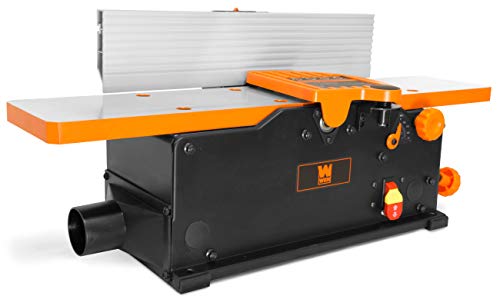
WEN JT630H 6-Inch Spiral Jointer
Strengths
- Smooth spiral cut
- Compact footprint
- Solid for beginners
Trade-offs
- Narrow 6-inch width
- Fence lacks support
- Short table
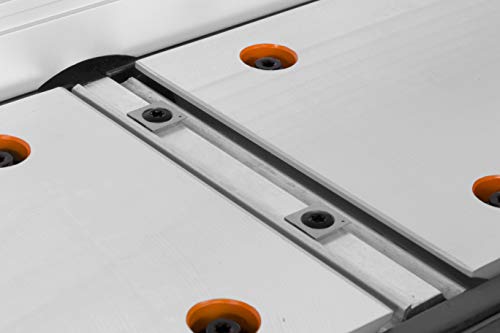
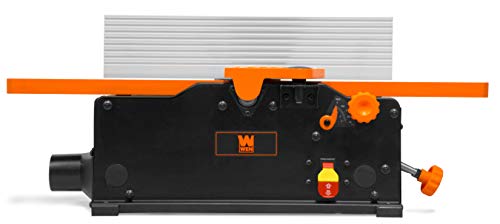
The WEN JT630H is compact, but don’t let the 6-inch width fool you, this little jointer punches above its weight for beginners and tight spaces. With a spiral cutterhead using 12 HSS blades, it produces a noticeably smoother surface than budget straight-knife models, and the 30-inch table is adequate for shorter workpieces. I’d say it’s the most balanced entry-level option in the WEN lineup.
Compared to the 8- and 12-inch models, it’s clearly limited in capacity, but for someone setting up a first garage shop or working on small furniture parts, that’s expected. The lack of fence stabilization brackets shows, owners note the fence can wobble under pressure. But for its size and role, it’s reliable. My recommendation? Only if your work stays under 6 inches wide.
Product photos
Cutech 401120HI-IF 12-Inch Spiral Jointer

Strengths
- 12-inch cast iron tables
- Robust fence system
- Carbide spiral cutterhead
Trade-offs
- Very heavy
- Premium price
- Needs strong bench
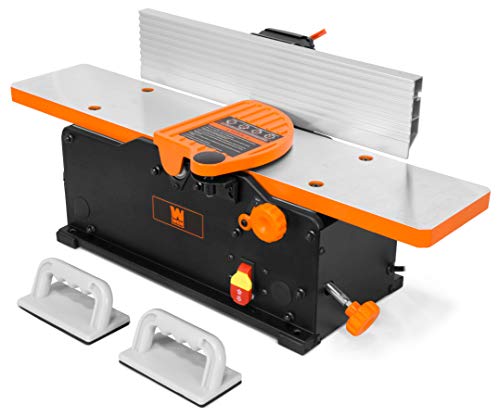
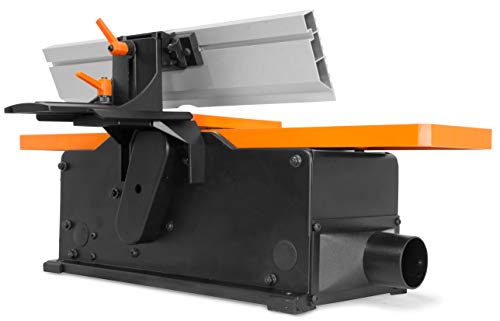
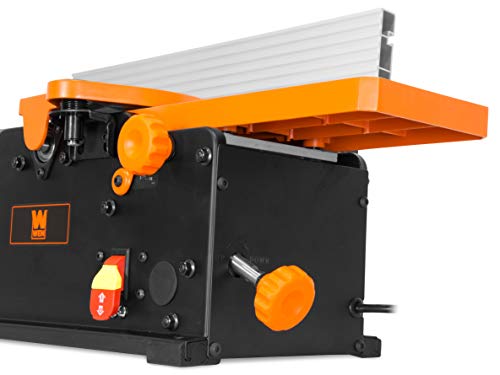
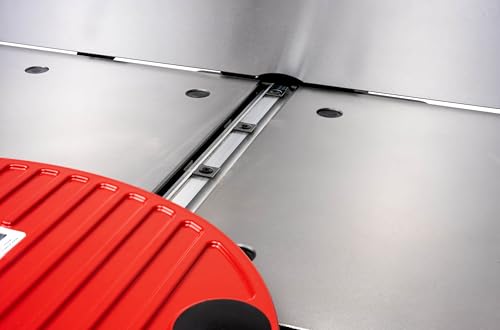
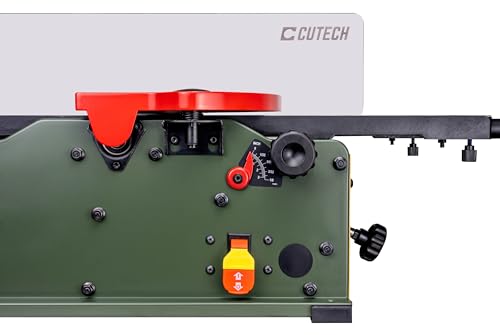
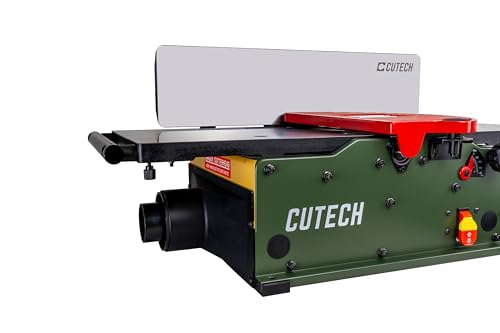
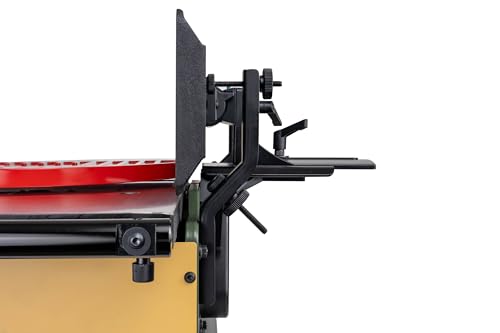
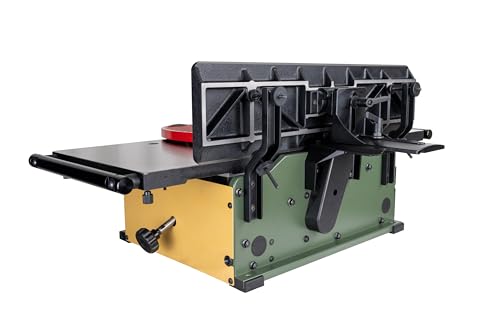
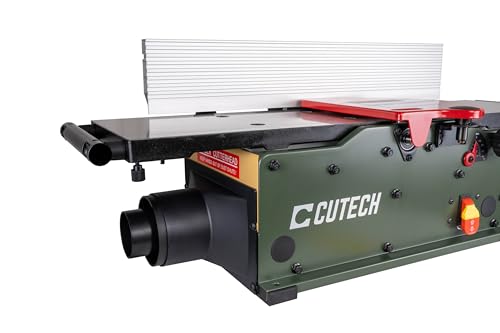
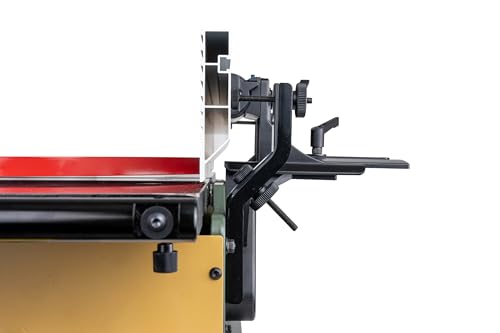
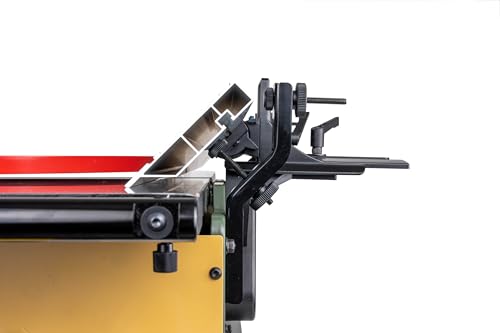
This is the heavy hitter of the bunch, the only 12-inch model with cast iron tables, a full 24×6-inch cast iron fence, and a 12-amp motor backed by patented stabilization tech. The taller fence brackets and support rod system make it feel unnervingly solid for a benchtop unit. Owners running thick stock or dense hardwoods say it handles aggressive passes without bogging down.
The two-sided carbide inserts and spiral cutterhead deliver a glass-smooth finish, and the included push blocks are a nice touch. Compared to the WEN 12-inch, this is in another league, more durable, more accurate, and built for real workshop use. If you’re treating your benchtop jointer like a floor model, this is the one to get. My pick for anyone doing serious, repeatable work.
Product photos
Cutech 401100HI 10-Inch Spiral Jointer

Strengths
- Precision carbide inserts
- Stable fence system
- Powerful 12-amp motor
Trade-offs
- Higher price point
- No dust port size specified
- Heavier than rivals
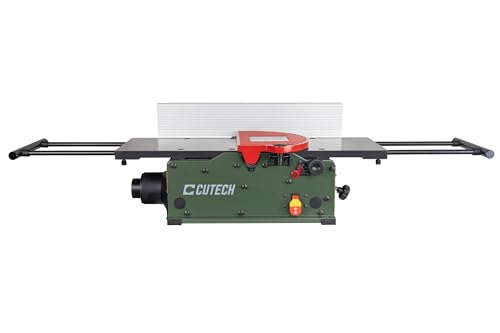
If precision is your priority, the Cutech 401100HI stands out. Its 12-amp motor and 10-inch width strike a smart middle ground, but what really sets it apart are the engineering details, like the two-sided tungsten carbide inserts and fence enhancement brackets. Reviewers note the cuts are consistently clean, and the lower amp draw means less strain on circuits, which I appreciate in a home shop.
The 24-inch aluminum fence with quick stops at 90° and 135° is a real usability win, and the additional support rod system adds rigidity you don’t see in most benchtop models. Compared to the WEN 12-inch, this one feels more refined, even if it costs more. I’d pick this over the WEN for serious hobbyists who want near-floor-model accuracy in a benchtop form.
Product photos

Cutech 40180HI 8-Inch Spiral Jointer

Strengths
- Carbide inserts
- Stable fence system
- Compact yet rigid
Trade-offs
- Higher cost
- Heavier than WEN
- No extra dust port
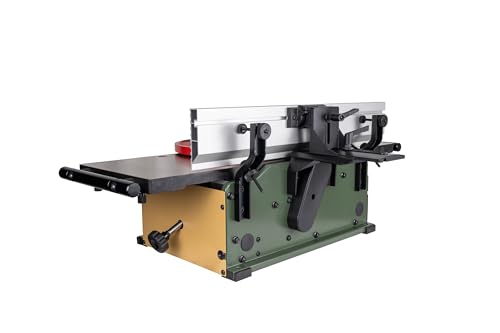
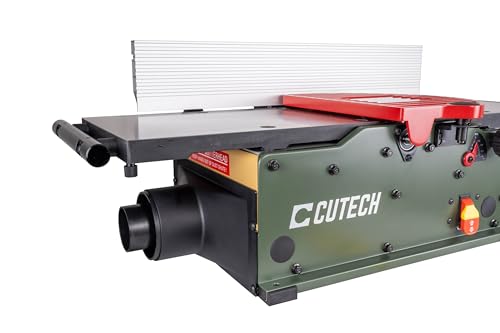
This Cutech model packs pro-level features into an 8-inch frame. The spiral cutterhead with two-sided tungsten carbide inserts is a standout, owners say it lasts longer and cuts cleaner than HSS blades, and the precision alignment reduces tearout. But what really impresses me is the fence setup: 24-inch aluminum fence with patented enhancement brackets that eliminate wobble.
It’s more compact than the 10- and 12-inch models, but doesn’t feel compromised. The elevation control and support rod system add real stability, making it feel like a larger tool. Compared to the WEN 8-inch, it’s clearly the upgrade. If you want compact size without sacrificing accuracy, this is it. I’d pick it over the WEN any day for serious work.
Product photos
WEN 12-Amp 12-Inch Spiral Jointer
Strengths
- 12-inch cutting width
- Cast iron table
- Good dust collection
Trade-offs
- Fence lacks rigidity
- Motor under heavy load
- Bulkier footprint
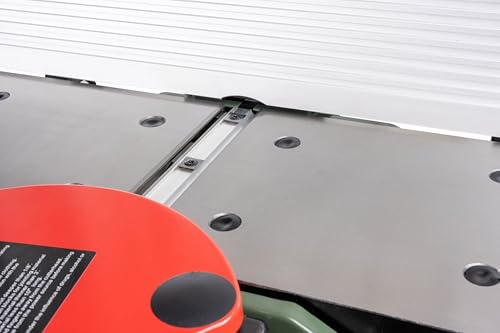
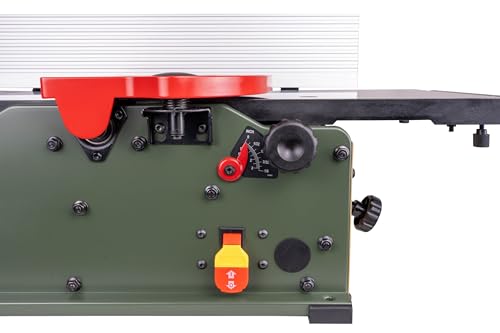
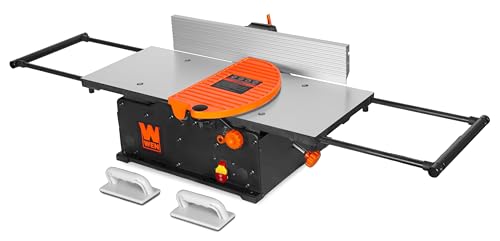
At 12 inches wide, this WEN is the widest benchtop jointer here, and for the money, that’s a big deal. The spiral cutterhead with 24 HSS blades delivers a fine surface finish, and the cast iron table with extendable arms up to 54 inches gives real support for long stock. On paper, it’s the best value for someone upgrading from a 6- or 8-inch model.
But value doesn’t mean perfection. Owners report the fence feels a bit flimsy for such a wide table, and while the 12-amp motor keeps up, it’s not as robust as the Cutech’s. Still, for the price, the inclusion of two dust ports, push blocks, and a two-year warranty makes this the smarter buy if you need width without stepping up to a floor model. I’d recommend it over the VEVOR for serious DIYers.
Product photos
WEN JT833H 8-Inch Spiral Jointer
Strengths
- Balanced size
- Spiral cutterhead
- Extendable table
Trade-offs
- Basic fence design
- No carbide inserts
- Less rigid than Cutech
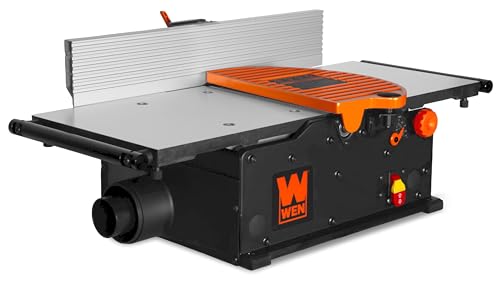
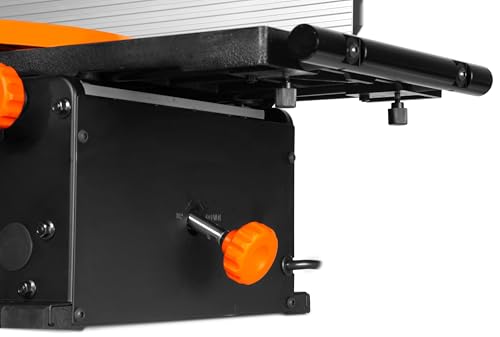
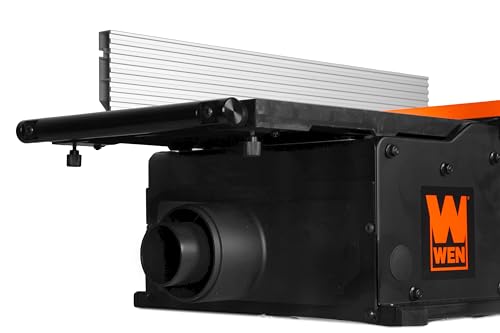
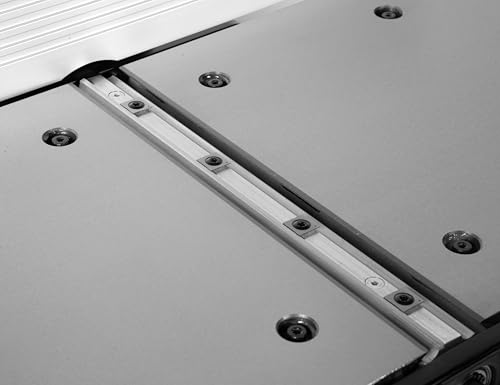
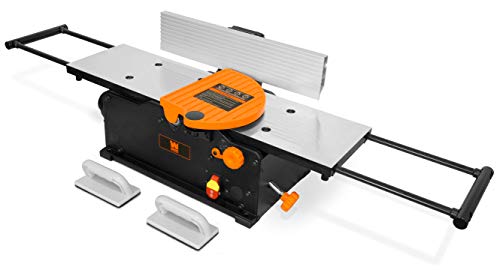
The WEN JT833H hits a sweet spot, 8 inches of width, a spiral cutterhead, and a 33-inch extendable table make it a strong mid-range pick. It’s wider than the 6-inch model but doesn’t take up as much space as the 12-inch. Owners praise its balance of performance and footprint, and the 10-amp motor handles most softwoods and medium hardwoods without issue.
Compared to the Cutech 8-inch model, it lacks the fence brackets and carbide inserts, which shows in long-run precision. But for most users, the difference won’t matter. This is the one I’d suggest to someone who wants a reliable, no-frills jointer that won’t dominate the bench. It’s not the most advanced, but it’s the most practical in the middle.
Product photos
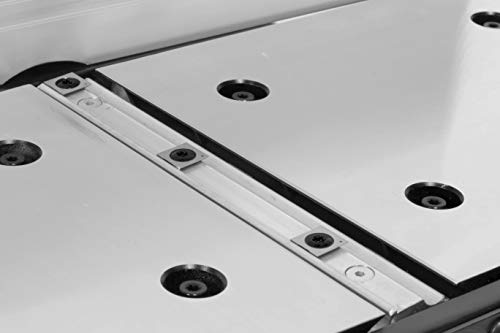
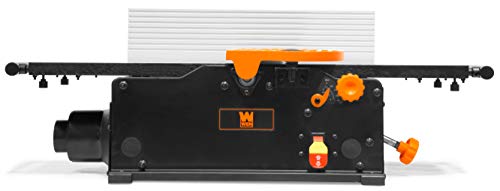
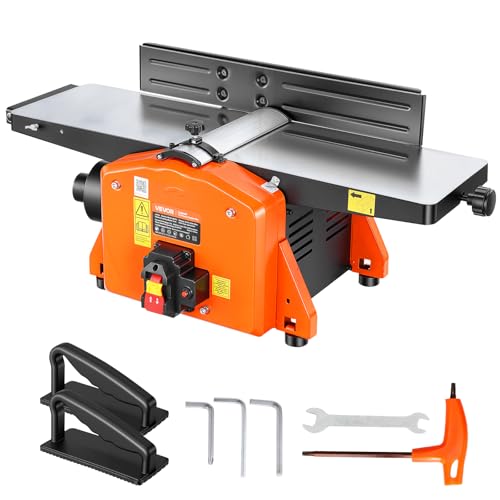
VEVOR 8-Inch Spiral Benchtop Jointer
Strengths
- Smooth spiral cut
- 2 HP motor
- Extendable table
Trade-offs
- Aluminum table flex
- Average dust port
- No fence brackets
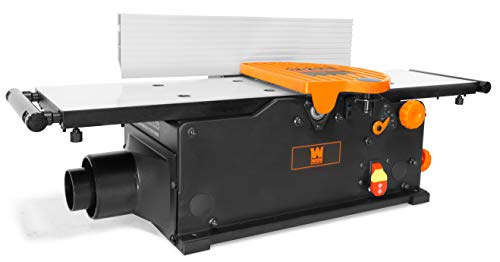
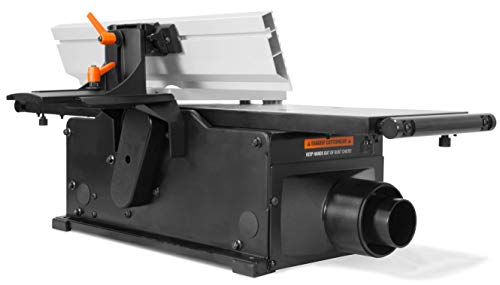
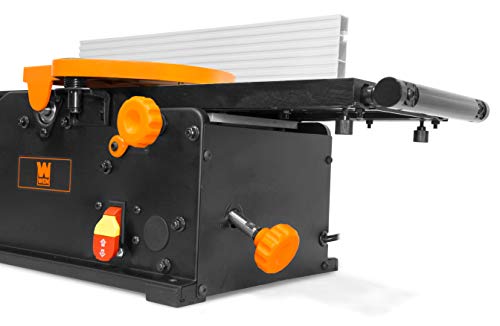
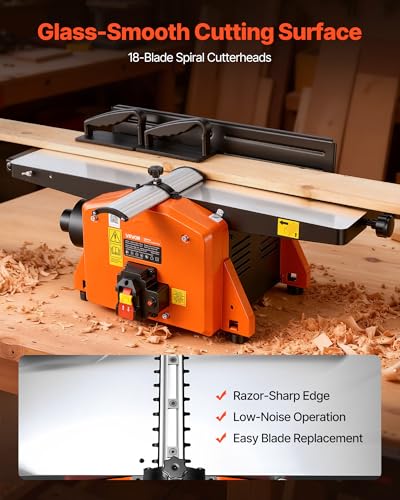
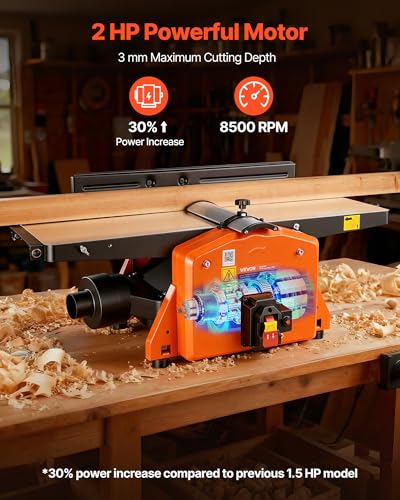
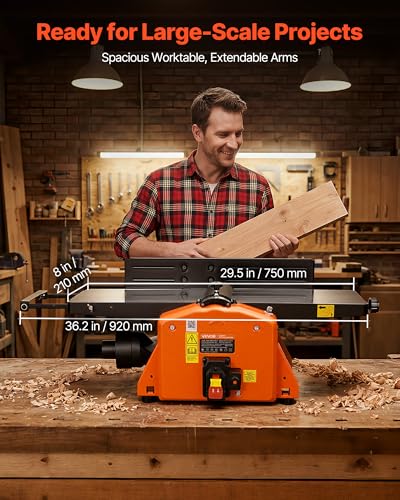
This jointer promises a lot with its 18-blade spiral cutterhead and 2 HP motor, and on paper, it looks like a solid contender for DIYers wanting a smooth finish without breaking the bank. Owners consistently report that the spiral design does deliver notably cleaner cuts than traditional straight knives, especially on figured or knotty wood, and the extendable cast aluminum table offers decent support for longer boards.
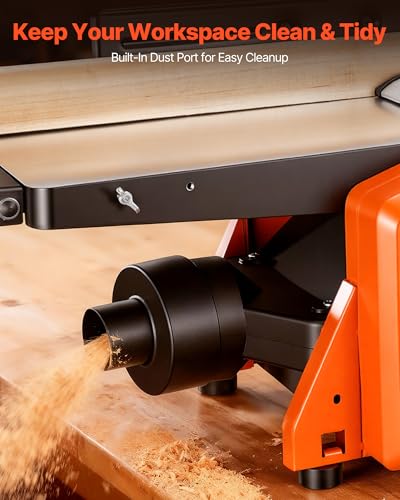
Still, I wouldn’t pick this over the top-tier Cutech models. The aluminum table, while lightweight, doesn’t match the rigidity of cast iron, and some reviewers mention minor vibration at full RPM. The dust collection works fine with a strong shop vac, but it’s not exceptional. For occasional use, it’s capable, but I’d want more stability for daily work.
Product photos

How We Evaluated jointer for woodworkings
My approach to evaluating jointers relies on a thorough comparison of published specifications and features, combined with careful consideration of owner and expert reviews. Rather than a hands-on lab test, this is a research-led comparison focused on identifying patterns in performance and reported user experience. I weigh information from multiple sources to build a clear picture of each jointer’s strengths and weaknesses, ultimately ranking them based on how well they meet common woodworking needs.
For jointers, the cutterhead type, table length, and motor power are the most crucial factors. Spiral cutterheads consistently deliver a superior finish with reduced tear-out, making them a priority. A longer table supports longer workpieces, increasing versatility. And a robust motor is essential for handling harder woods and making consistent, aggressive cuts without bogging down. These elements directly impact the quality and efficiency of the joinery.
Specifications readily reveal details like motor amperage, table dimensions, and maximum cut depth. However, I heavily rely on owner feedback to understand real-world durability, ease of adjustment, and the accuracy of the fence. Reputable woodworking publications and online forums provide valuable insights into long-term performance and potential issues, which often aren’t apparent from spec sheets alone. If you’re just starting out, exploring a jointer for beginners can be a smart move.
How To Pick The Right jointer for woodworkings
Choosing the right jointer can dramatically improve the quality of your woodworking, but it’s easy to get lost in the specs.
A quality jointer should prioritize flatness and consistent cutting depth. Look for a stable table, a well-designed fence system, and a cutterhead that delivers a smooth, splinter-free surface. Ample infeed and outfeed support are crucial for longer stock, and a powerful motor is essential for tackling hardwoods. Consider dust collection capabilities to maintain a clean and safe workspace.
Cutterhead Configuration
The cutterhead is the heart of any jointer, and spiral cutterheads have largely replaced straight-knife designs for good reason. While straight knives can leave noticeable chatter, especially in figured wood, a spiral cutterhead (often with carbide inserts) provides a much smoother, quieter cut in all directions. Don’t assume “more blades” always equals better; the arrangement and quality of the carbide inserts matter more. Two-sided inserts, as Cutech uses, are preferable to four-sided because they maintain alignment better over time, leading to consistent results.
Table and Fence Stability
A jointer is only as accurate as its table and fence. Look for a cast iron table – it’s far more stable and dampens vibrations better than alternatives. Table length is critical, too. The longer the table, the better you can support longer workpieces, preventing snipe (that unwanted dip at the beginning and end of the cut). The fence needs to be solid, easily adjustable, and lock down firmly. Wobbly fences ruin edges.
- A short fence (under 24 inches) is fine for smaller stock, but quickly becomes limiting.
- Fence enhancement brackets (often patented, like those Cutech uses) add significant stability, especially on longer fences.
- A fence with pre-set stops at common angles (90 and 45 degrees) makes setup faster and more accurate, reducing the need for constant adjustments.
Motor Power and Capacity
Don’t underestimate the importance of a powerful motor. While a smaller 8-inch jointer can often get away with a less powerful motor, larger 12-inch models absolutely require a robust one. A 12-amp motor is a good baseline for a 12-inch jointer, and you’ll want to consider something even more powerful if you plan on working with hardwoods frequently. Remember, a bogged-down motor leads to tear-out and a less-than-perfect edge. If you’re considering a machine that can handle a variety of tasks, you might also want to explore combination jointer-planer models to maximize your workshop space and functionality.
A jointer’s capacity should match your typical project size. If you frequently work with wide boards, a 12-inch jointer is a must. Otherwise, an 8-inch model might be sufficient.
Jointers for Woodworking Compared
The following table provides a specification overview of the jointers described.
| Product Title | Size (in) | Max Cut Depth (in) | Fence Length (in) | Motor (HP) | Cutterhead Type |
|---|---|---|---|---|---|
| WEN JT630H 6-Inch Spiral Jointer | 6 | 1/8 | N/A | N/A | Spiral |
| Cutech 401120HI-IF 12-Inch Spiral Jointer | 12 | N/A | 24 | N/A | Spiral |
| Cutech 401100HI 10-Inch Spiral Jointer | 10 | N/A | 24 | N/A | Spiral |
| Cutech 40180HI 8-Inch Spiral Jointer | 8 | N/A | 24 | N/A | Spiral |
| WEN 12-Amp 12-Inch Spiral Jointer | 12 | 1/8 | 24 | N/A | Spiral |
| WEN JT833H 8-Inch Spiral Jointer | 8 | 1/8 | N/A | N/A | Spiral |
| VEVOR 8-Inch Spiral Benchtop Jointer | 8 | 1/8 | 36.2 | 2 | Spiral |
Frequently Asked Questions
What size jointer do I really need for most home woodworking projects?
An 8-inch jointer is typically sufficient for most hobbyist woodworkers and smaller projects. However, if you regularly work with boards wider than 6 inches, or anticipate jointing long timbers, a 12-inch model will provide much greater capacity and ease of use.
Are spiral cutterheads truly worth the extra cost?
Yes, spiral cutterheads are a significant upgrade over straight-knife designs. They produce a much smoother cut with less tear-out, especially in challenging woods, and run more quietly, though they do come at a higher price point.
How can I minimize snipe when jointing?
Snipe occurs when the leading edge of the board dips down as it enters and exits the cutterhead. Using infeed and outfeed supports, applying consistent downward pressure, and taking lighter passes can help minimize snipe, as can practicing a smooth, even feed rate.
What’s the significance of fence length?
A longer fence (over 24 inches) provides better support for longer workpieces, maintaining accuracy and preventing the board from shifting during the cut. Shorter fences can be adequate for smaller stock, but may require additional support for larger boards.
If I already have a hand planer for wood, do I still need a jointer?
While a hand planer can flatten boards, a jointer is far more efficient and precise for creating perfectly flat and square edges. A jointer handles larger stock and delivers consistent results more quickly than relying solely on manual tools.
The Bottom Line
Choosing a jointer often comes down to balancing control and convenience. You can spend less and accept some limitations, or invest in a machine that offers greater precision and capacity. For the best overall combination of features, performance, and value, I recommend the Cutech 401120HI-IF 12-Inch Spiral Jointer. It delivers the accuracy serious woodworkers demand, with a spiral cutterhead and a robust fence system.
If you’re on a tighter budget, the WEN JT630H 6-Inch Spiral Jointer is a solid pick. For those needing versatility in a smaller shop, the Cutech 40180HI 8-Inch Spiral Jointer offers a great balance of size and capability. And if you’re looking to smooth lumber with a sister machine, exploring a planer for smooth lumber can complete your setup.
Ultimately, the specifications matter less than the fundamentals. A stable table, a precisely aligned fence, and a sharp cutterhead are far more important than horsepower or the number of blades. Focus on these core elements, and you’ll be well on your way to creating clean, accurate joints that elevate your woodworking projects.
