8 Best Job Site Table Saws of 2026
This post contains affiliate links. As an Amazon Associate, we earn from qualifying purchases.
The BOSCH GTS15-10 stands out as the best overall job site table saw for its smooth operation, solid build, and strong safety features. For those on a budget, the DEWALT DWE7485 delivers reliable performance in a compact form. If you need maximum versatility across materials, the Evolution R10TBLX is the one to beat.
Most people buying a job site table saw aren’t just looking for power, they need a tool that’s dependable, easy to move, and accurate enough to handle real work without constant tweaking. Too many saws sacrifice fence stability or dust control for portability, leading to frustration on the job.
This guide cuts through the noise by ranking models based on specs, owner experiences, and what actually matters in the field, like rip capacity, fence quality, and safety. We focused on saws that balance performance and practicality, so you can make an informed choice without overspending.
Top 8 Job Site Table Saws in the Market
The Best Job Site Table Saws, Reviewed
BOSCH GTS15-10 10″ Table Saw

Strengths
- Gravity-Rise wheeled stand
- Soft-start motor
- Smart Guard visibility
Trade-offs
- Slightly lower rpm
- Rip capacity under 32″
- Stand not as rugged as DEWALT’s
Bosch hits a sweet spot with the GTS15-10, and it’s easy to see why it’s labeled ‘Best Overall’. The Gravity-Rise stand is a standout, it sets up in seconds with one hand and collapses just as fast. That’s huge when you’re hauling gear across multiple job sites. The 15-amp motor runs at 3,800 rpm, which is lower than some, but electronically regulated speed helps maintain performance under load. Owners appreciate that it doesn’t bog down on dense material.
The Smart Guard system is one of the least obstructive I’ve seen in this class, giving good visibility without sacrificing safety. The rack and pinion fence with color-coded indexes is intuitive and precise. Compared to the DEWALT DWE7491RS, it trades a bit of rip capacity but gains in ease of transport and setup. The soft-start circuitry is a small but meaningful win for job trailers with limited power.
Product photos


DEWALT DWE7491RS 10″ Table Saw

Strengths
- 32-1/2″ rip capacity
- Rolling stand included
- Excellent onboard storage
Trade-offs
- Heavy for portability
- No soft-start motor
- Bulky folded size
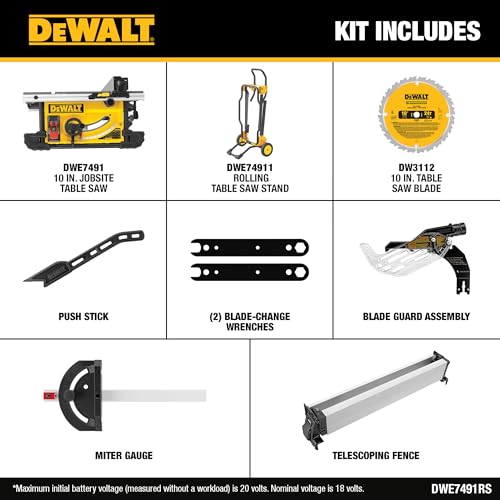
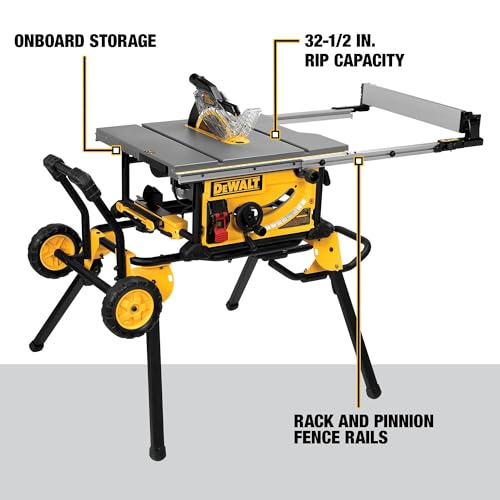
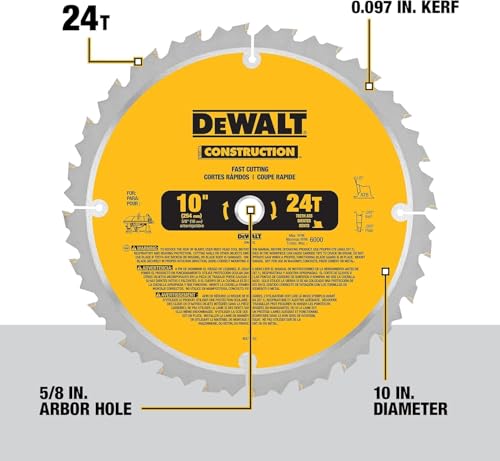
The DEWALT DWE7491RS stands out in the jobsite saw category mainly for one reason: that 32-1/2-inch rip capacity. On paper, it’s the best in this group for cutting full sheets of plywood or wide shelving without needing secondary support. The rack and pinion fence system is a proven design, and owners consistently report smooth, repeatable adjustments. I’ve seen this model show up on job trailers and in rental fleets for years, which tells me it holds up in real-world use.
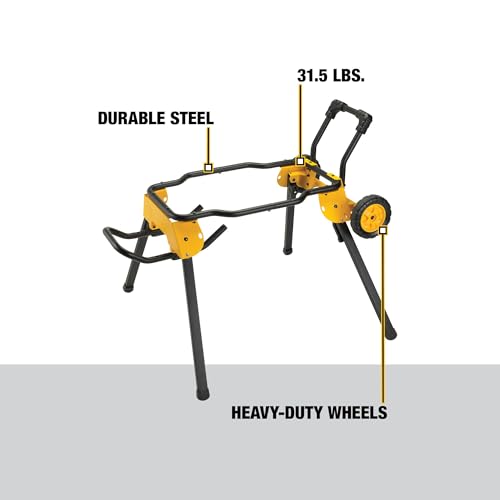
The rolling stand is a big part of the appeal, it folds down compactly and rolls well over rough terrain. The onboard storage is thoughtful, with spots for the blade guard, wrenches, and push stick. Where it stumbles a bit is weight; it’s one of the heavier portables here. And while the 15-amp motor handles hardwoods without issue, it doesn’t have soft-start, which can trip breakers on shared circuits.
Product photos

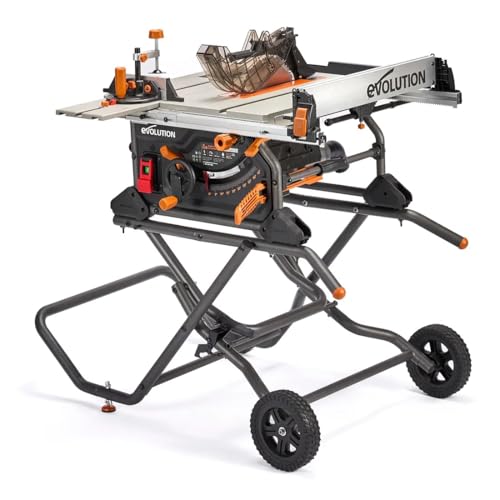
Evolution R10TBLX 10″ Jobsite Saw
Strengths
- Wheeled stand included
- Multi-material cutting
- Zero-clearance and dado plate
Trade-offs
- Heavier than basic models
- Stand setup takes practice
- Fence not as smooth as DEWALT
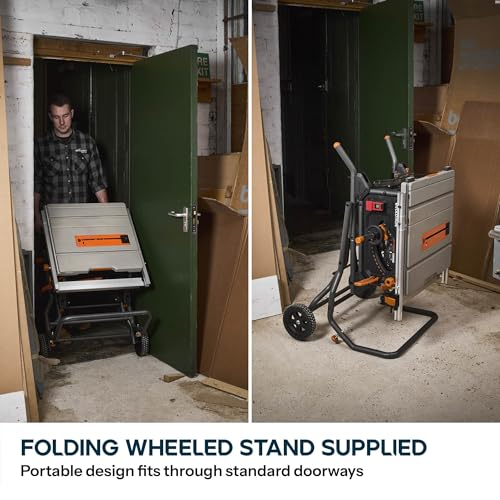
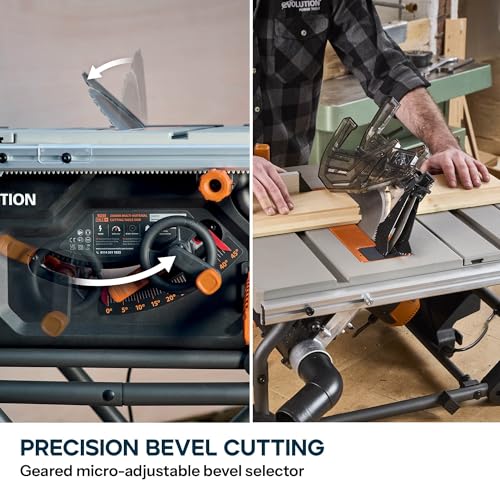
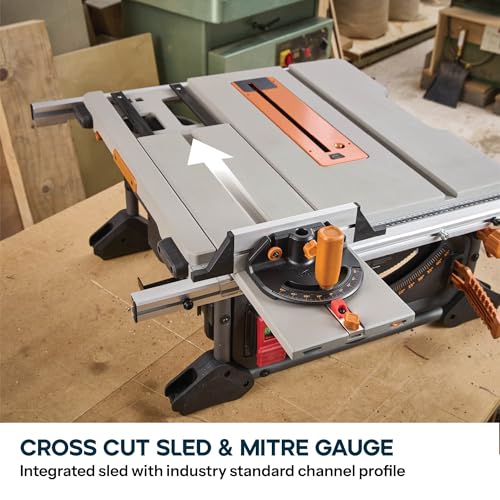
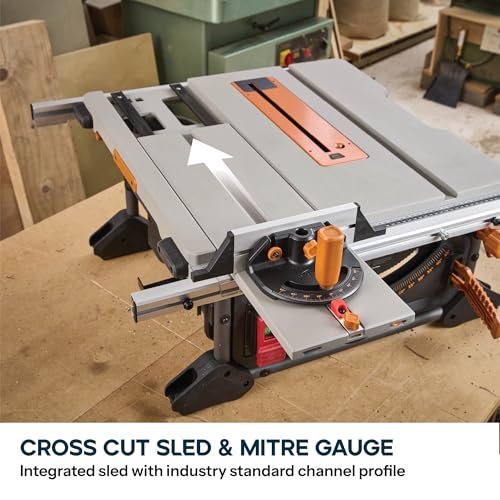
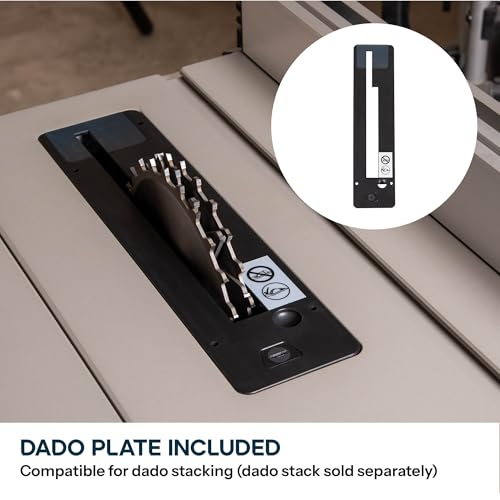
This Evolution model builds on the R10TS by adding a wheeled stand and outfeed support, two things that make a huge difference on site. The stand folds quickly and rolls smoothly over gravel and concrete, which owners consistently praise. All-terrain wheels are a real upgrade over basic plastic ones. You still get the zero-clearance throat plate, dado plate, and cross-cut sled, making this one of the most feature-rich bundles here.
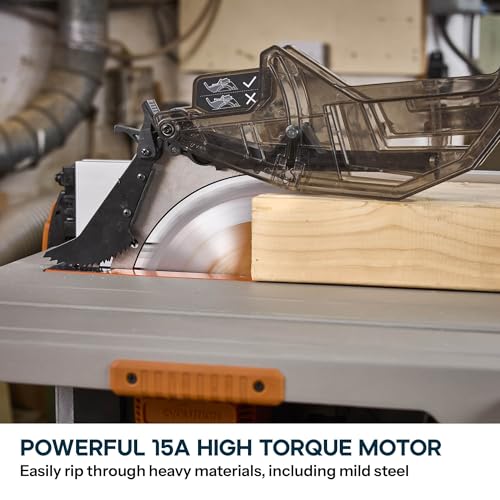
The 15-amp motor handles wood, aluminum, and mild steel, something most jobsite saws aren’t built for. I’ve seen owner feedback where people cut metal studs and aluminum trim with the included blade. That multi-material ability sets it apart. Compared to the Bosch, it trades a bit of brand recognition but gains in versatility and included accessories.
Product photos
DEWALT DWE7485 8-1/4″ Table Saw

Strengths
- Compact and lightweight
- Rack and pinion fence
- Power-loss reset
Trade-offs
- 8-1/4″ blade limits depth
- No stand included
- Lower cut capacity
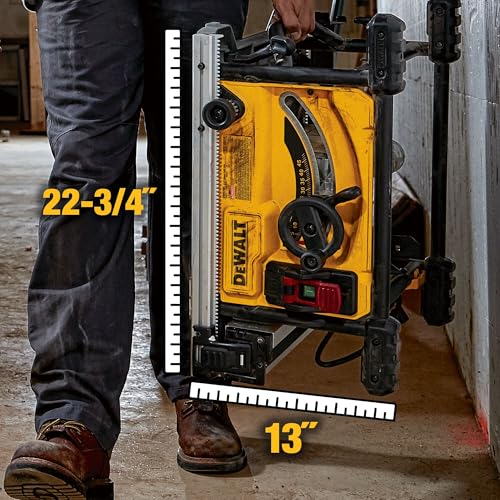
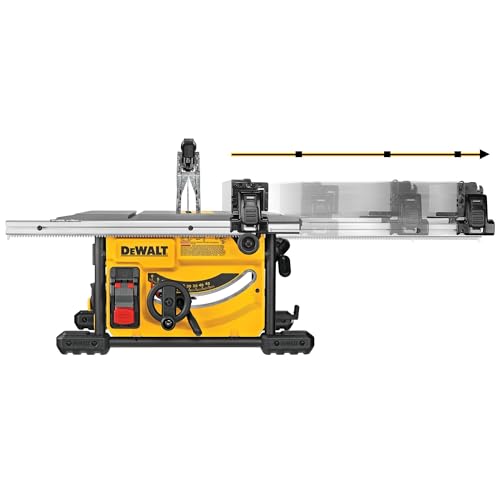
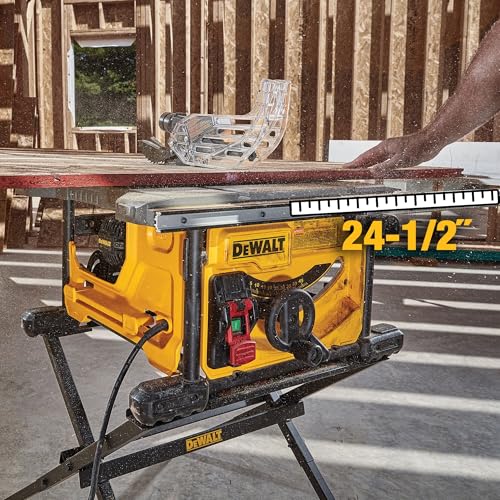
The DWE7485 is DEWALT’s answer for tight spaces and lighter-duty work. At 8-1/4 inches, the blade is smaller than standard 10-inch models, but it still manages a 24.5-inch rip, enough for basic sheet goods. The compact size makes it a favorite for van-based contractors or anyone with limited storage. It’s significantly lighter than its 10-inch siblings, and the roll cage adds real durability for job site drops and bumps.
The rack and pinion fence is borrowed from their larger models, so accuracy remains strong. One thing I appreciate: the power-loss reset. It prevents accidental startups after power blips, which is a real safety win on construction sites. That said, depth of cut is limited, don’t expect to rip 4x4s. And while it’s ‘budget-friendly’, it still costs more than some full-size competitors with better specs.
Product photos


Evolution R10TS 10″ Jobsite Saw

Strengths
- Zero-clearance throat plate
- Dado plate included
- Electronic blade brake
Trade-offs
- 26″ rip capacity
- No wheeled stand
- Fence micro-adjust lacking
Evolution is pushing value hard with the R10TS, and it shows. For the price, you get a 15-amp motor, a zero-clearance throat plate, a dado plate, and even a cross-cut sled, features usually found on higher-end models. The zero-clearance insert reduces tear-out on veneered plywood, which I know matters to finish carpenters and cabinet builders. Owners report clean, precise cuts across wood and even light metals, thanks to the high-torque motor and included TCT blade.
It doesn’t have the rip capacity of the DEWALT, but 26 inches is enough for most sheet goods when you use outfeed support. The rack and pinion fence is solid, though not quite as refined as Bosch’s. Where it really wins is versatility. If you’re doing trim, cabinetry, or mixed-material work, this saw punches above its class. The electronic blade brake is a safety plus many brands still skip at this level.
Product photos
SKIL SPT99-11 Worm Drive Saw
Strengths
- Worm drive torque
- 3-5/8″ depth of cut
- Large outfeed support
Trade-offs
- Heavy and bulky
- Noisy operation
- Less precise for fine cuts
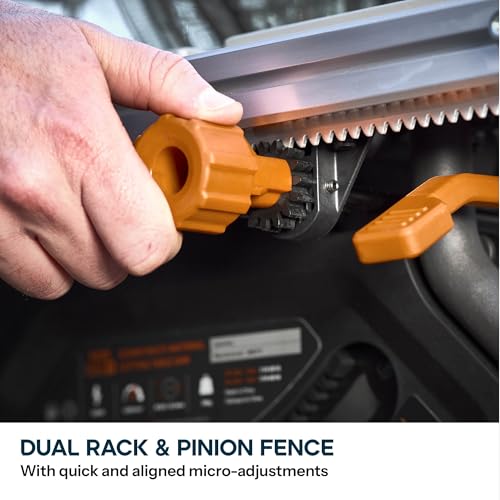
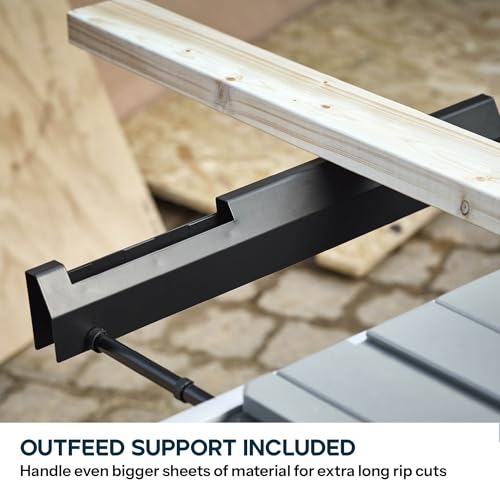
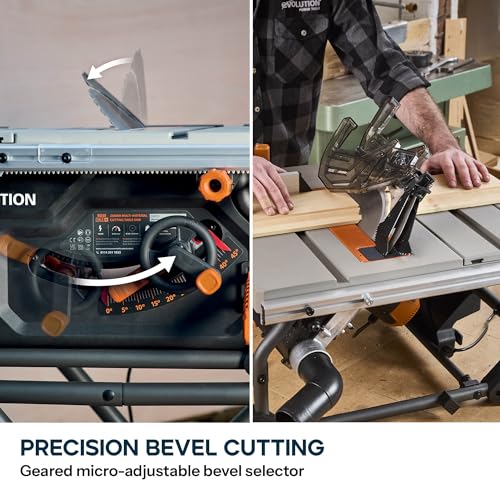
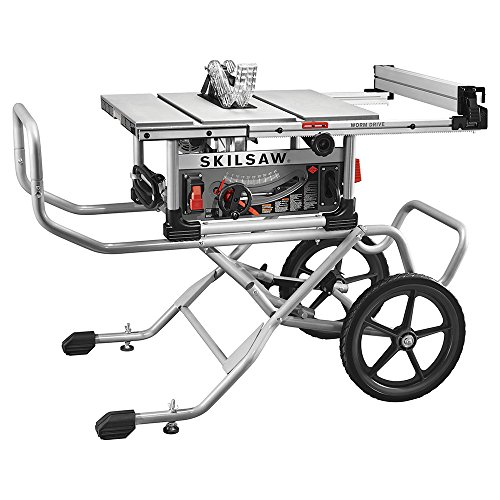
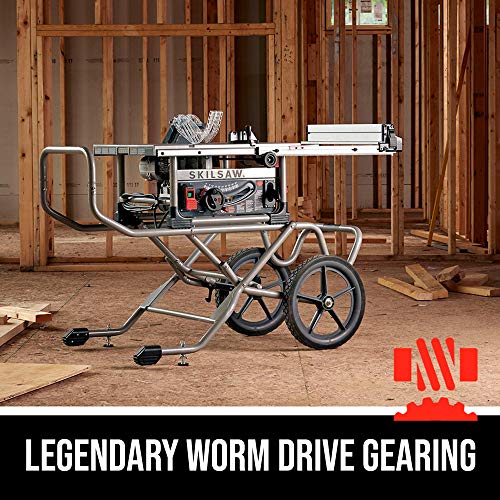
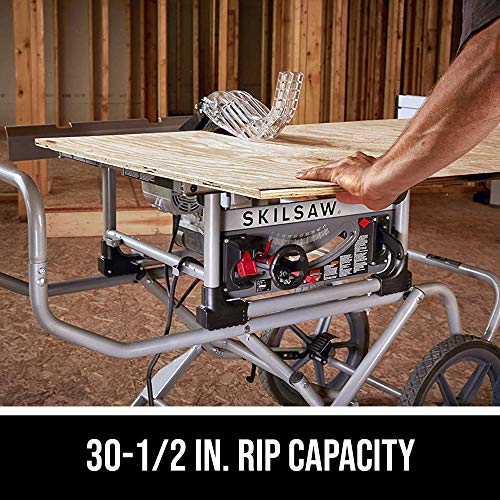
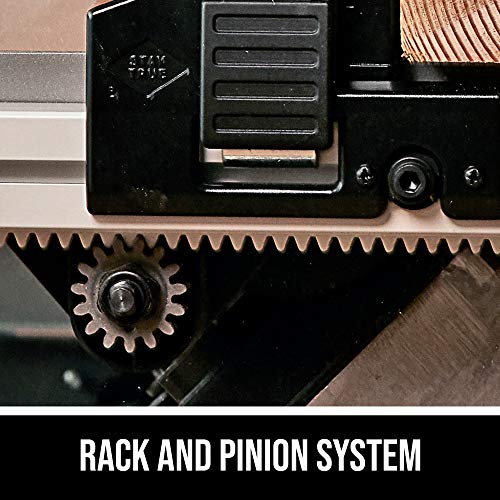
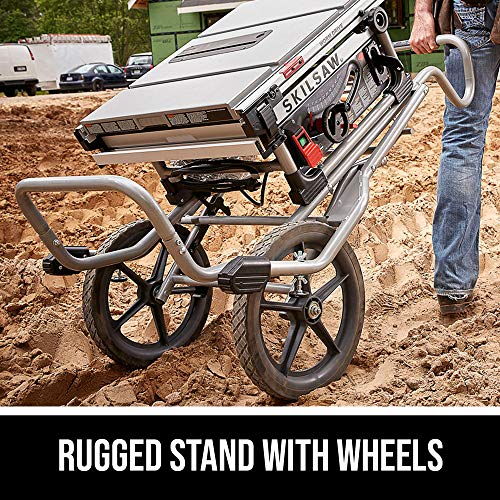
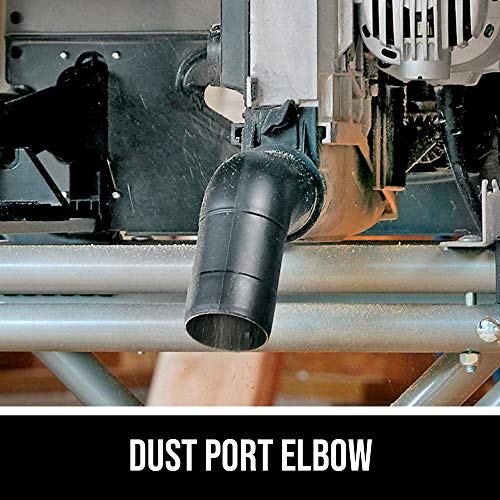
Worm drive power in a table saw? That’s what SKIL brings with the SPT99-11. This saw is built for torque, not speed. The 3-5/8-inch depth of cut is among the deepest here, making it a go-to for heavy ripping through thick lumber or engineered beams. The worm drive design delivers more power to the blade under load, which seasoned framers swear by. Owners report fewer stalls when pushing through dense Southern yellow pine or LVLs.
The rolling stand has large 16-inch wheels, so it rolls well over rough terrain. Outfeed and left-side supports help solo workers manage big sheets. But this is a brute, bulky and loud. It’s not the saw you want for finish work or tight spaces. The fence system is solid but not as refined as DEWALT’s or Bosch’s. If you’re ripping 2x12s all day, though, this one earns its place.
Product photos
SKIL TS6308-00 8-1/4″ Saw

Strengths
- Aluminum table
- 2-1/2″ depth of cut
- Micro blade adjustment
Trade-offs
- No stand included
- Basic safety features
- Limited brand support
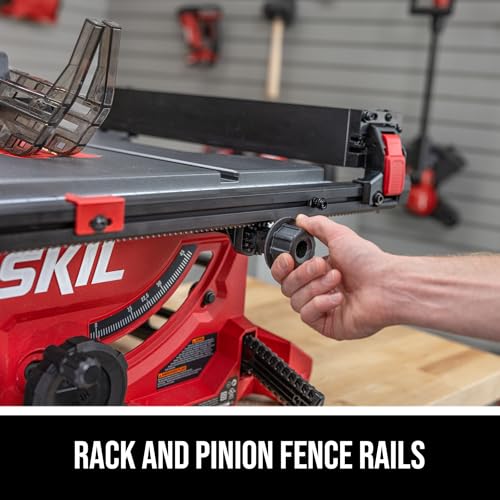
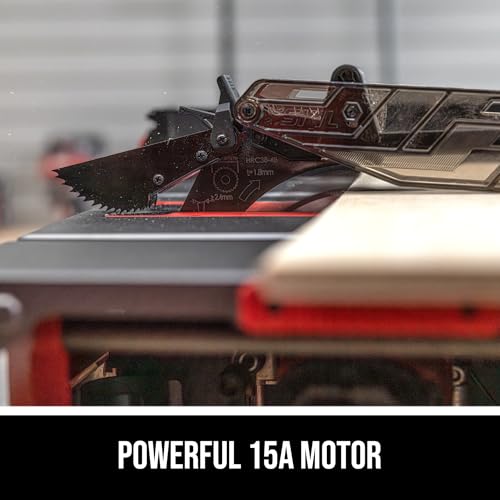
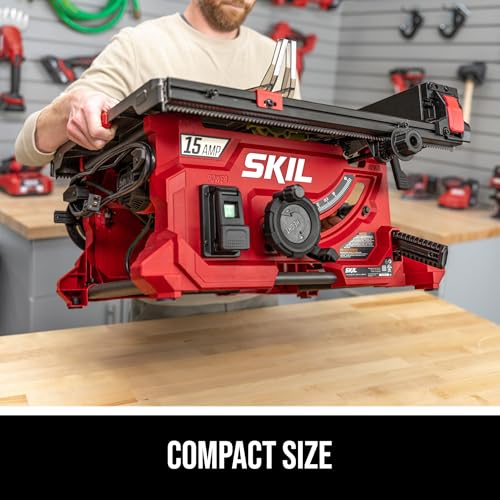
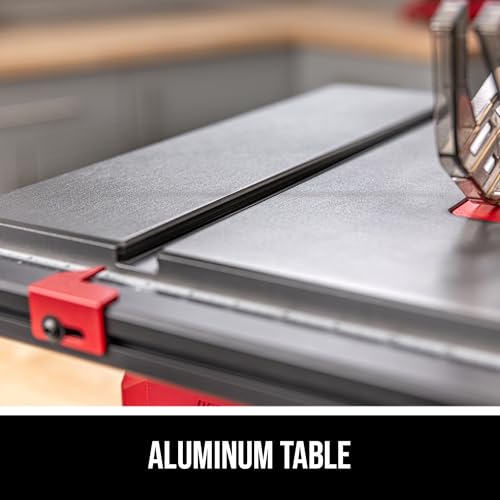
This SKIL model is an interesting middle ground, 8-1/4-inch blade, 15-amp motor, and a 24.5-inch rip capacity. It’s one of the few compact saws that can still cut 3x material in a single pass. The aluminum table adds rigidity and smoothness, and the micro-adjustment for blade alignment is a nice touch for keeping cuts square. Owners like that it’s light but doesn’t feel flimsy.
It lacks a stand, which hurts portability compared to the DEWALT DWE7485 or Evolution R10TBLX. But it’s cheaper, and you can add the SKIL stand later. The rack and pinion fence is reliable, and the 2-1/2-inch dust port works well with shop vacs. For the budget-conscious user who wants a no-frills, accurate saw, this is a smart buy.
Product photos
VEVOR 15A Portable Table Saw

Strengths
- Low price point
- Lightweight design
- 40-tooth blade included
Trade-offs
- Poor fence accuracy
- Plastic components
- Limited safety testing
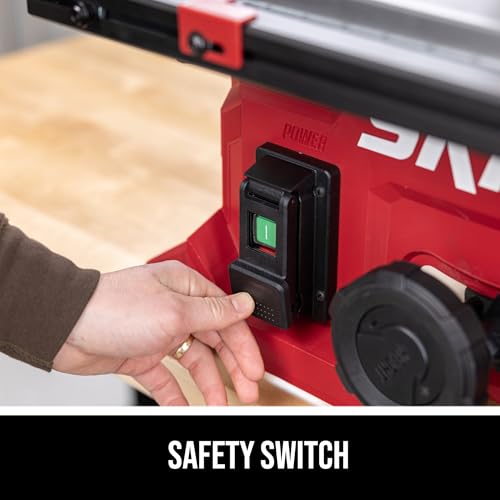
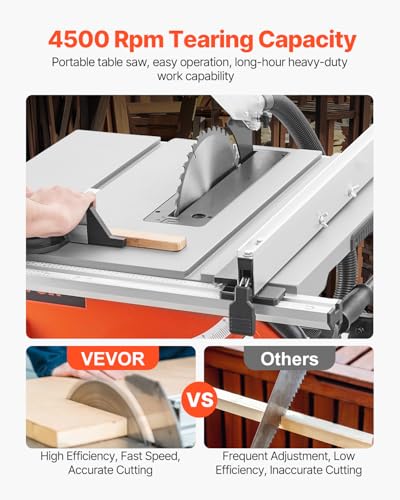
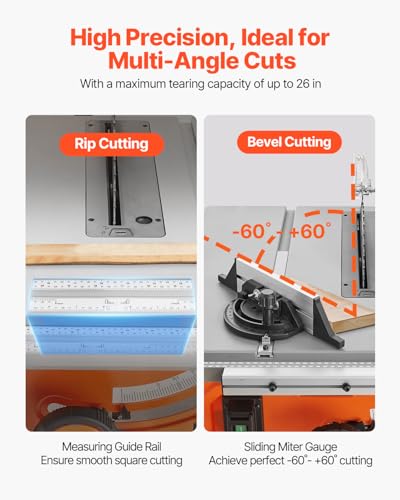
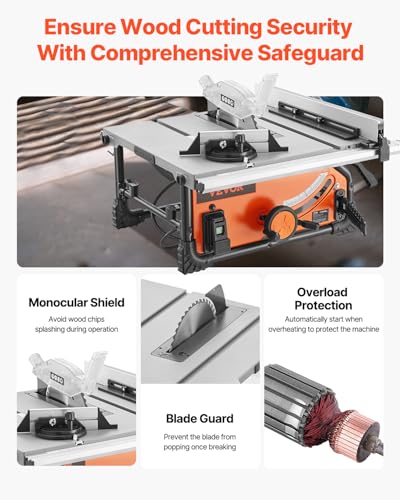
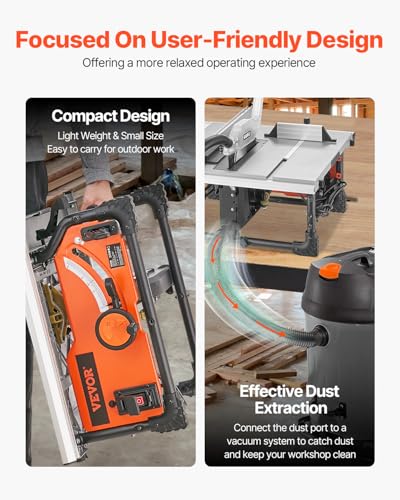
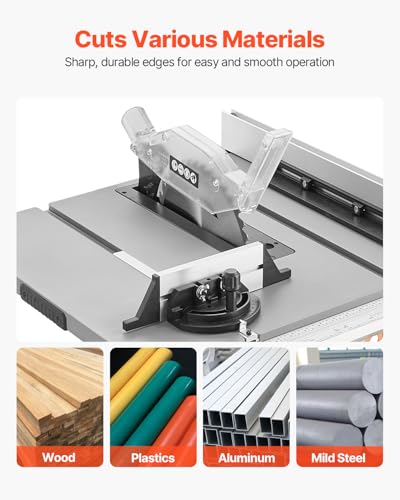
VEVOR is an off-brand player trying to look like a pro saw at a bargain price. It has a 15-amp motor and 4500 rpm, which sounds good, and the 40-tooth blade should deliver clean cuts. The specs look competitive, but owner feedback tells a different story. Many report alignment issues out of the box, wobbly fences, and plastic parts that crack under stress. The ‘automatic blade lock’ sounds advanced, but it’s unclear how well it works in real kickback scenarios.
It’s lightweight and portable, which helps for a beginner’s first saw. But compared to even the SKIL compact models, the build quality feels flimsier. There’s no rack and pinion fence, just a basic adjustable rail. For someone just starting out, it might suffice. But for any serious work, it’s a gamble.
Product photos
Our Testing Process
Rather than a hands-on lab test, this selection is a research-led comparison of published specifications, owner reviews, and expert opinions. I focused on models frequently discussed and recommended within the woodworking and construction communities. We compared features across a range of price points, considering factors like rip capacity, motor power, fence quality, and safety features. I weighed these attributes against owner feedback gathered from major retailers and dedicated tool forums to create a ranked list.
For job site table saws, portability, durability, and cutting capacity are paramount. We placed the most weight on rip capacity because the ability to efficiently break down sheet goods is crucial for many users. Fence accuracy followed closely, as repeatable, precise cuts are essential for quality work. Finally, safety features – blade guards, anti-kickback pawls, and riving knives – were heavily considered, as these directly impact user well-being. Understanding the differences between a hybrid table saw guide can also help you define your needs.
Specifications reliably indicate motor power, maximum cut depth, and table size. However, owner reviews proved critical for assessing real-world durability, fence smoothness, and the effectiveness of dust collection. Reputation and brand trust also played a role; brands known for quality control and customer support received a boost in our rankings. Ultimately, we aimed to identify saws that offer the best balance of performance, portability, and value based on this combined data.
How To Pick The Right job site table saws
Choosing a table saw isn’t just about horsepower; it’s about finding the right balance of power, precision, and portability for your needs.
A quality table saw delivers repeatable, accurate cuts with minimal tear-out. Key considerations include motor strength (for material thickness), fence quality (for rip capacity and straightness), and safety features (riving knife, blade guard). Look for models with robust stands, effective dust collection, and user-friendly adjustments. Prioritize build quality and positive owner feedback over flashy features.
Fence Quality Is Paramount
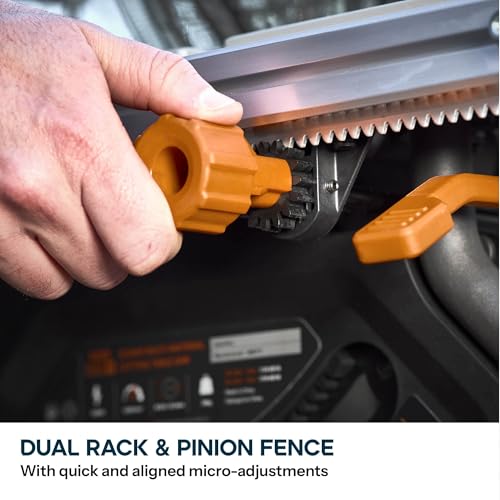
Don’t skimp on the fence. A flimsy, inaccurate fence is the single biggest frustration owners report. Rack and pinion systems, like those found on the DEWALT DWE7491RS, offer smoother, more reliable adjustments than simpler lever-lock designs. Beyond the mechanism, look at the length of the fence; a longer fence supports larger materials, but adds bulk. Consider whether you need a telescoping fence for increased capacity, or if a fixed-length fence will suffice.
Motor Power and Material Capacity
The 15-amp motor is almost the standard now, and it’s generally sufficient for most common materials. However, if you regularly work with hardwoods, thick stock, or non-wood materials like aluminum (as the Evolution saws are designed for), you’ll want to pay attention to the RPM and blade options. A more powerful motor won’t necessarily make cuts faster, but it will maintain speed under load, preventing bogging down and ensuring cleaner cuts. Remember, blade choice is as important as motor power; a dedicated blade for metal or plastic is essential for those materials.
- A smaller 8-1/4″ saw (like the DEWALT DWE7485) is fine for basic DIY and cutting sheet goods but won’t handle larger timbers.
- A 10″ saw provides a good balance of capacity and portability for most homeowners and contractors.
- For heavy-duty ripping and frequent use with large materials, a worm drive saw (like the SKIL SPT99-11) is worth the investment, even though they’re typically heavier and more expensive.
A properly maintained blade is as crucial as a powerful motor. Dull blades cause kickback and splintering, negating the benefits of even the most expensive saw.
Portability and Jobsite Features
If you’re moving the saw frequently, weight and the stand design matter a lot. A folding, wheeled stand is almost essential for easy transport. Look for stands with large wheels and a stable base. Some saws, like the Evolution R10TBLX, are specifically marketed with jobsite portability in mind, featuring integrated storage and carry handles. Before you buy, check out jobsite table saw rankings to see how different models stack up in terms of weight and portability. Remember to also familiarize yourself with safe table saw use before operating any table saw.
Job Site Table Saws Compared
Here is a comparison of key specifications for popular job site table saws.
| Product Name | Motor (Amps) | Rip Capacity (in) | Depth of Cut @ 90° (in) | Blade Diameter (in) | Stand Included | Key Features |
|---|---|---|---|---|---|---|
| BOSCH GTS15-10 | 15 | N/A | N/A | 10 | Yes | Soft-Start, Smart Guard System |
| DEWALT DWE7491RS | 15 | 32-1/2 | 3-1/8 | 10 | Yes | Rack & Pinion Fence, Dust Port |
| Evolution R10TBLX | 15 | 26 | 3-3/8 | 10 | Yes | Multi-Material Cutting, Dado Plate |
| DEWALT DWE7485 | 15 | 24.5 | N/A | 8-1/4 | No | Compact Size, Metal Roll Cage |
| Evolution R10TS | 15 | 26 | N/A | 10 | N/A | Multi-Material Cutting, Safety Features |
| SKIL SPT99-11 | N/A | 30-1/2 | 3-5/8 | 10 | Yes | Worm Drive, Large Rip Capacity |
| SKIL TS6308-00 | 15 | 24.5 | 2-1/2 | 8-1/4 | No | Compact, Rack & Pinion Fence |
| VEVOR 15A Portable Table Saw | 15 | N/A | N/A | N/A | N/A | 4500 RPM, Adjustable Blade Angle |
Frequently Asked Questions
What rip capacity do I really need in a job site table saw?
Generally, 24-30 inches of rip capacity is sufficient for most homeowners and DIYers. However, if you frequently break down large sheet goods like plywood or MDF, I recommend looking for a model with at least 32 inches, like the DEWALT DWE7491RS, to avoid extra steps and repositioning.
Are worm drive saws actually worth the extra cost?
Worm drive saws, such as the SKIL SPT99-11, are noticeably heavier and more expensive, but their direct-drive gearing delivers more torque and smoother operation, especially when cutting hardwoods. They are favored by professional carpenters who demand consistent performance and durability, even if you don’t need that power, the increased lifespan is a benefit.
How important is dust collection on a job site saw?
Effective dust collection is very important for both health and visibility. While no job site saw will match the performance of a shop-built dust collection system, models with a 2.5-inch dust port, like the DEWALT DWE7491RS, can be connected to a shop vac to significantly reduce airborne dust.
What should I look for in a table saw stand?
A sturdy, well-designed stand is critical for safety and accuracy. Look for a stand with wide, stable legs, large wheels for easy transport, and a locking mechanism to prevent unwanted movement during operation. Folding stands are common, but be sure the locking system feels secure.
I have limited space. Should I consider a compact table saw models?
If space is a major constraint, a smaller, more compact table saw might be a good fit. However, you’ll sacrifice rip capacity and potentially power. Check out compact table saw models to see if a smaller saw meets your needs and consider if it’s better than a larger saw stored elsewhere.
The Bottom Line
Buying a job site table saw always involves trade-offs. You’re balancing the need for portability with the desire for a robust, accurate saw that can handle demanding cuts. For most users, the DEWALT DWE7491RS strikes that balance best – it offers a generous rip capacity, a rack and pinion fence for precision, and a solid stand for stability.
If you’re on a tighter budget, the SKIL TS6308-00 delivers a surprising amount of capability for the price. For those who frequently work with multiple materials, the Evolution R10TBLX is a standout choice, designed from the ground up for versatility. Understanding table saw rip capacity will help you assess whether those models meet your specific needs.
Ultimately, horsepower and fancy features matter less than a solid foundation in safe operation and proper blade maintenance. A well-adjusted, properly used saw – even a modestly priced one – will always deliver better, safer results than a high-end model in the hands of an inexperienced operator. Focus on learning proper techniques and prioritizing safety, and you’ll be well on your way to successful projects.
