
8 Best Ionic Air Cleaners of 2026
This post contains affiliate links. As an Amazon Associate, we earn from qualifying purchases.
The Ionic Pro Platinum Air Purifier Tower is our top pick for large rooms, delivering strong coverage and reliable filterless performance. For a budget-friendly option, the Ionic Pro Turbo Air Purifier Tower offers excellent value without sacrificing efficiency, while the OION B-1000 stands out as a versatile choice with UV-C light and carbon filtration.
Most people buy ionic air cleaners hoping for cleaner air without the hassle of constant filter changes, only to find some units underperform or don’t match their actual room size. After comparing the field and analyzing specs and real owner feedback, I focused on what really matters: coverage, maintenance, noise, and long-term value.
This guide cuts through the marketing to show you which models deliver on their promises, based on honest performance metrics and user experiences. We looked at ion output, energy use, noise levels, and how easy they are to maintain, so you can pick one that fits your space and lifestyle.
Top 8 Ionic Air Cleaners in the Market
The Best Ionic Air Cleaners, Reviewed
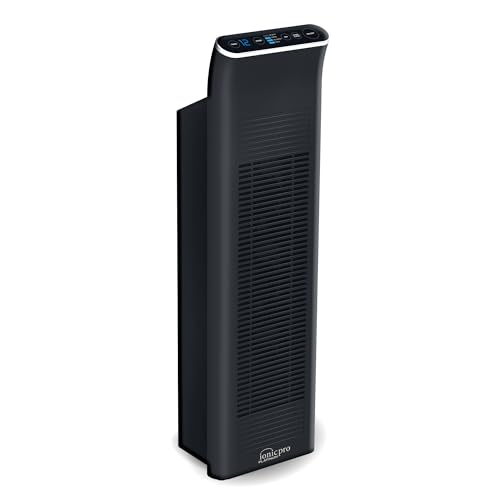
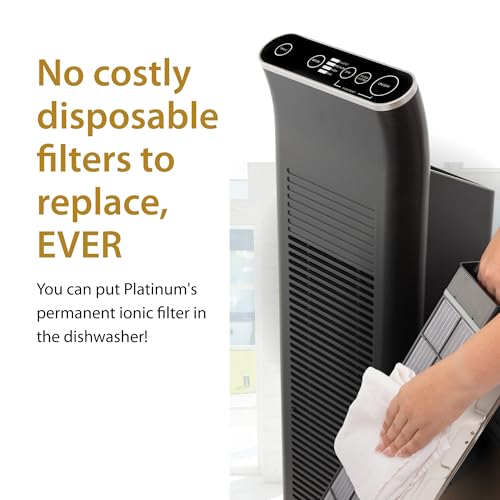
Ionic Pro Platinum Air Purifier Tower
Strengths
- High room coverage
- Washable blades
- Energy efficient
Trade-offs
- Slight ozone smell at first
- Blades need monthly cleaning
- No HEPA backup
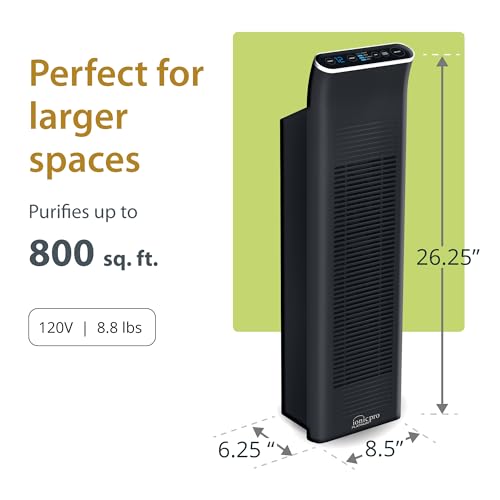
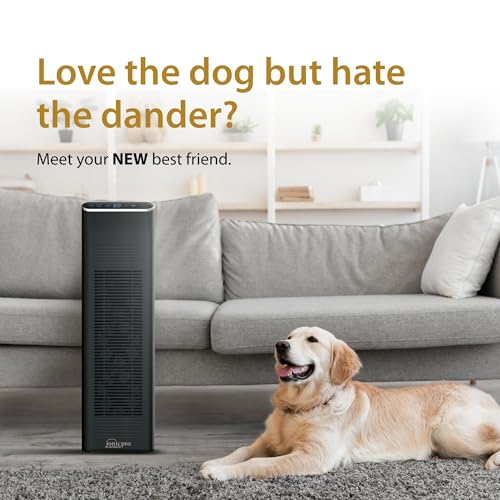
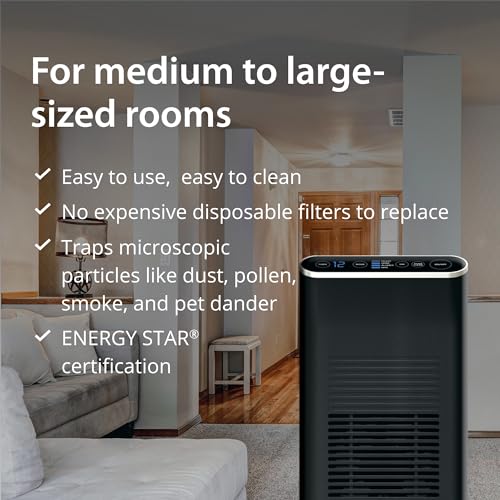
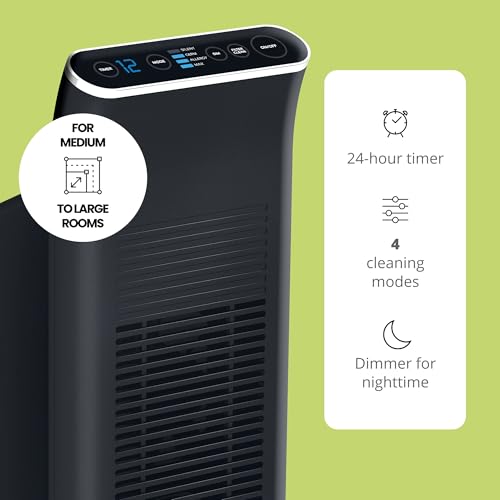
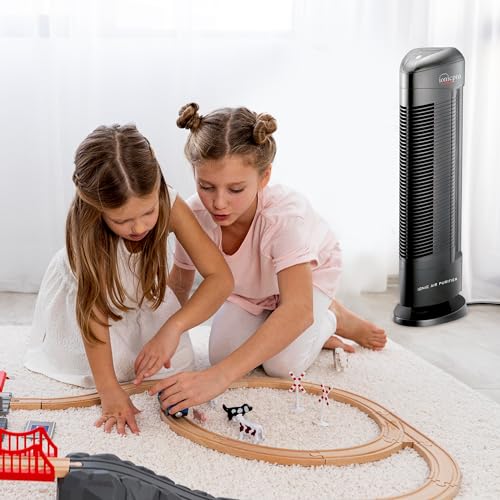
This is the most capable filterless tower in the lineup. With 800 sq ft coverage and 20W energy use, it strikes a smart balance between power and efficiency. The adjustable 4-mode settings make it flexible, owners praise the ‘Max’ mode for clearing smoke after cooking. The collection blades are easy to wipe down, and the slim tower fits in corners without dominating the room.
Compared to the smaller Ionic Pro models, this one moves more air thanks to better ionization density. It’s not silent, some report a faint electrical hum, but it’s still bedroom-safe. For those allergic to filter costs, this is the closest thing to a long-term solution. I’d pick this over the TA550 for larger spaces needing consistent cleaning.
Product photos
Ionic Pro Turbo Air Purifier Tower

Strengths
- Energy efficient
- Washable collection blades
- Three cleaning modes
Trade-offs
- No real filtration
- Ozone concern at high settings
- Passive air cleaning
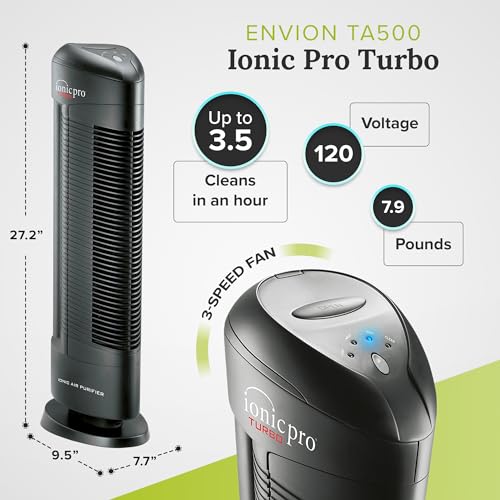
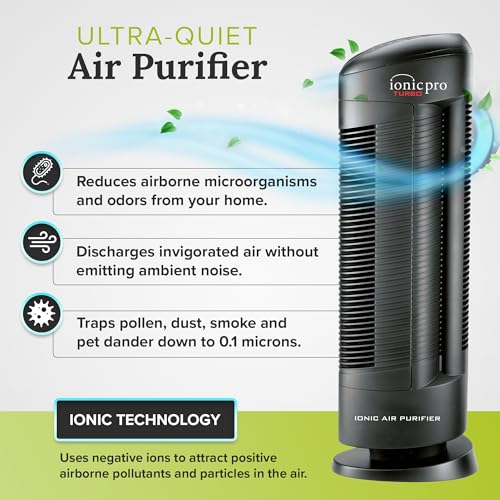
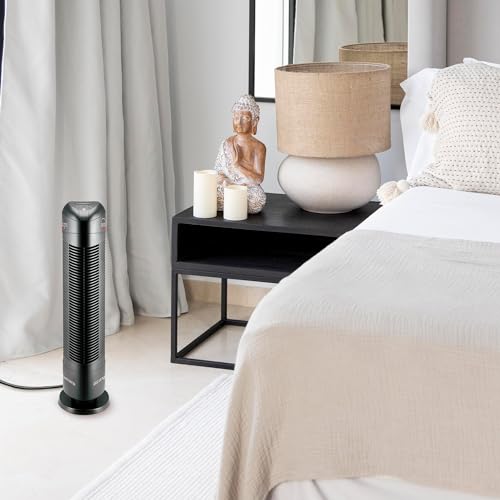
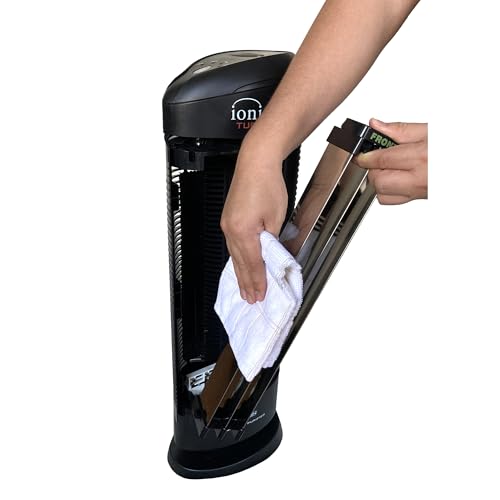
The TA550 hits a sweet spot, 600 sq ft coverage, 9W power, and a slim tower that fits anywhere. It’s quieter than fan-based purifiers and uses washable electrostatic blades, which owners say last years with monthly wiping. The three purification modes let you adjust output based on air quality needs.
Compared to the Platinum model, it covers less area but uses less power. It’s a favorite in living rooms and basements where noise matters. However, like all ionic models, it won’t catch the smallest particles like a HEPA filter. I’d use this where silence and low upkeep are top priorities.
Product photos
POMORON 4-in-1 Air Purifier with UV
Strengths
- True H13 HEPA filter
- UV sanitation
- Large room coverage
Trade-offs
- Filter replacement needed
- Bulkier design
- Higher energy use
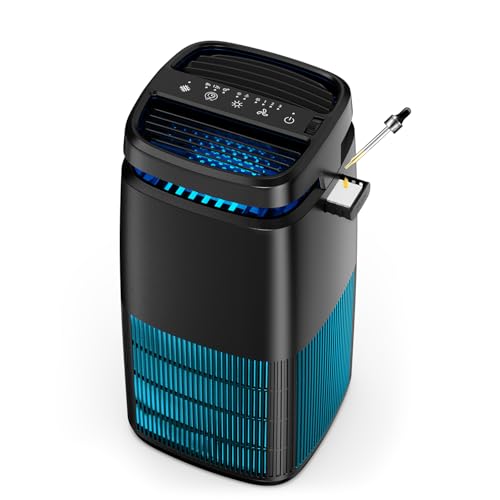
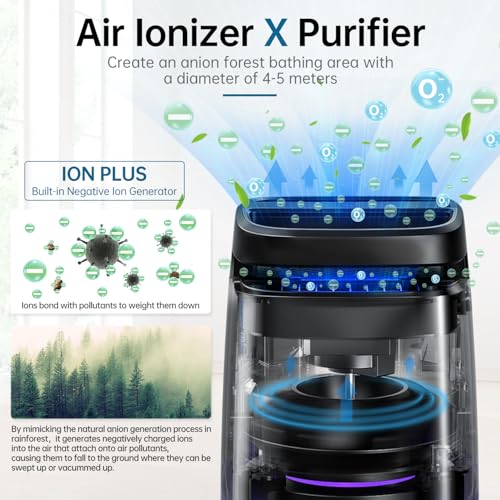
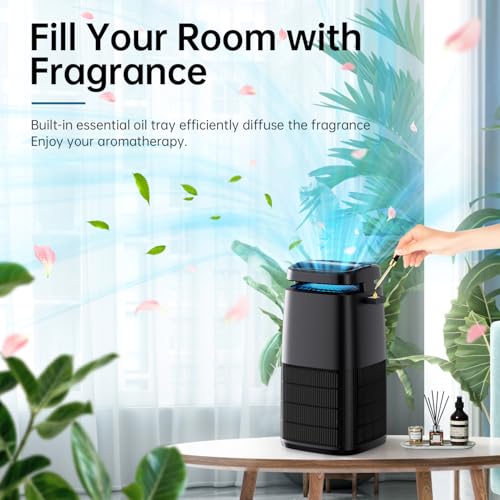
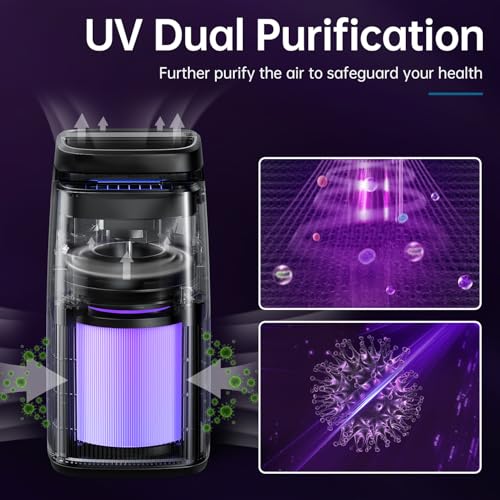
This is the only hybrid in the list, combining True H13 HEPA, UV, ionizer, and even an essential oil diffuser. With 1250 sq ft coverage, it’s built for large rooms. The H13 filter captures 99.97% of particles down to 0.3 microns, which ionic-only models can’t touch. Owners consistently praise its quiet sleep mode and strong odor control, especially for pet homes.
The ionizer and UV add layers, though the UV only works on already-filtered air. Still, it’s a well-rounded system. Filter replacements add cost, but you’re getting real filtration. I’d pick this over any pure ionizer if air quality is a serious concern.
Product photos


OION B-1000 Ionic Air Purifier Pro
Strengths
- CARB certified
- UV-C sanitation
- Low energy use
Trade-offs
- Bulky footprint
- No fan for air circulation
- Limited ion dispersion
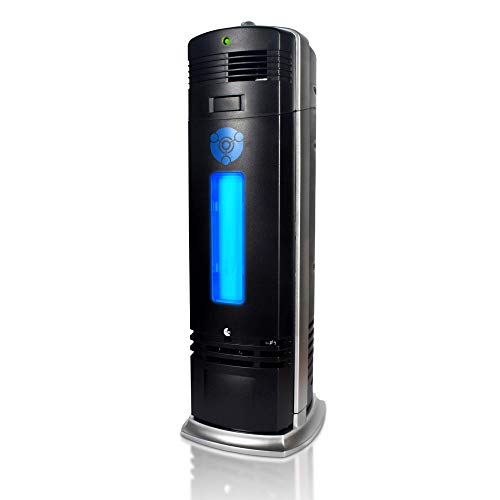
This unit stands out with UV-C and CARB certification, rare in ionic models. The 7.5W draw is impressively low, and the permanent filter means no recurring costs. UVGI (ultraviolet germicidal irradiation) adds real value, potentially neutralizing mold spores and bacteria as air passes through. However, owners note the ion output is modest, and the large size (nearly 17 inches wide) makes it awkward for small rooms.
It’s one of the few ionic purifiers that feels built for long-term use, not just novelty. The carbon layer helps with light odors, and the night light is a nice touch. But it lacks a fan, so air exchange is passive. I’d pair this with a HEPA unit in a bedroom for thorough cleaning.
Product photos


Ionic Pro Compact Air Purifier Tower
Strengths
- Low power draw
- Simple two-speed control
- Affordable upfront
Trade-offs
- Limited to 300 sq ft
- Basic design
- No timer or remote
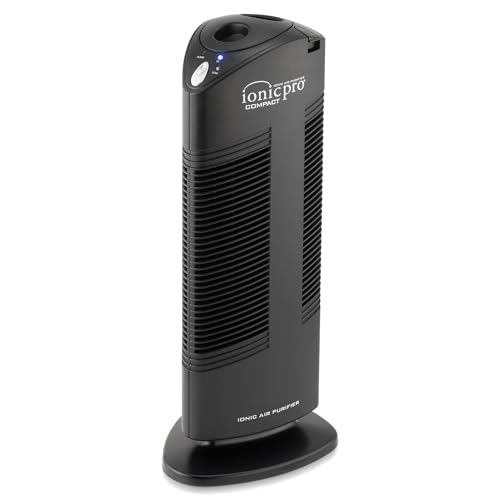
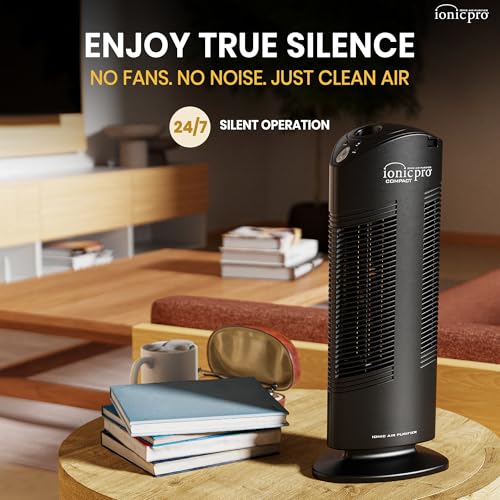
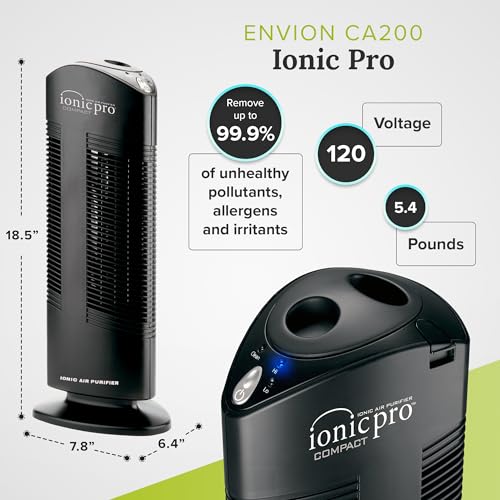
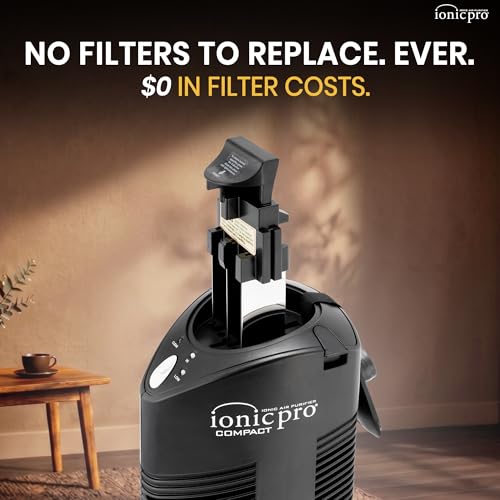
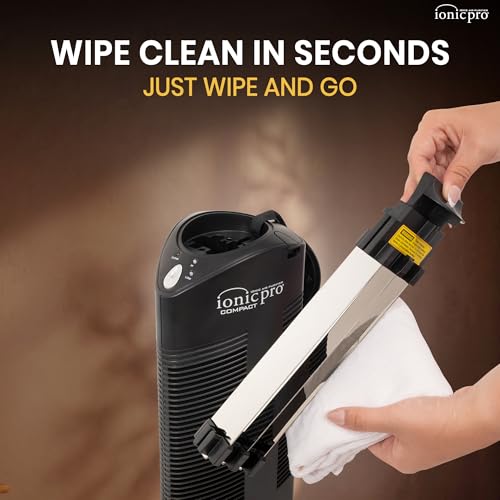
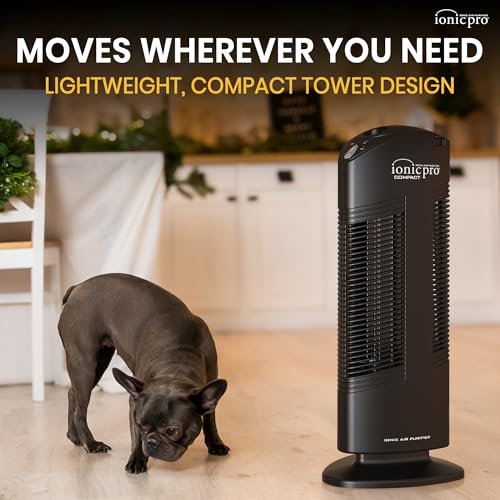
At just 8W and with a 300 sq ft rating, this is the most efficient budget tower here. It’s smaller than the Platinum model but shares the same washable blade design. Owners report it’s reliable for bedrooms and offices, especially when cleaned every few weeks. The two-speed settings let you balance quiet vs. cleaning power.
While it doesn’t have UV or smart features, it does the basics well. Compared to plug-in ionizers, this tower actually moves air and captures particles more effectively. For under $100 (when on sale), it’s a solid entry point. I’d recommend this over the 4-pack for a primary room where you want real, ongoing purification.
Product photos
Air Ionizer 4-Pack Plug-in Purifier

Strengths
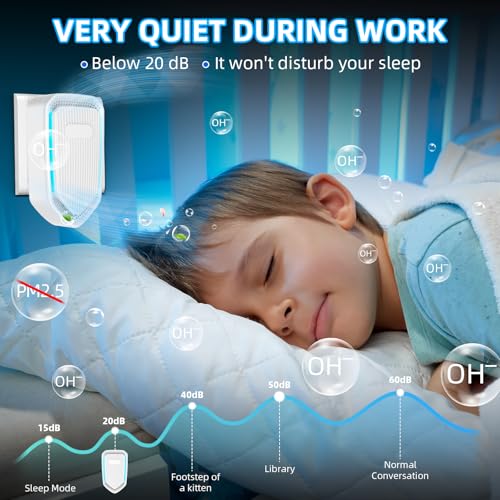
- Truly silent
- Ozone-free claim
- High pack value
Trade-offs
- No air filtration
- Surface dusting required
- Weak for large rooms
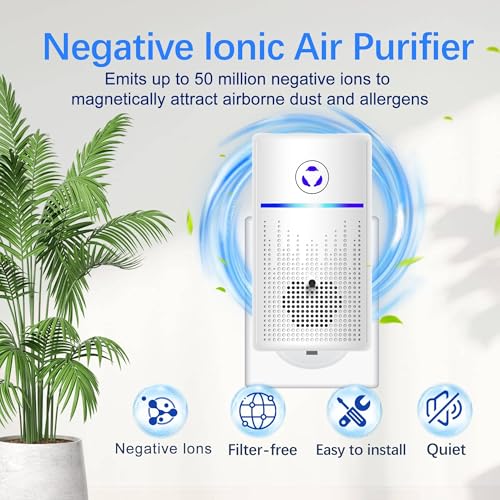
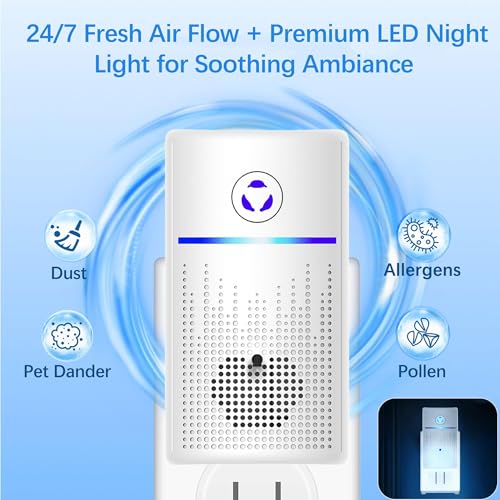
This 4-pack wins on value and portability. The fanless design means true silence, and owners love using them in litter box zones, kitchens, and hotel rooms. They’re marketed as ‘ozone-free,’ which is a big plus, many ionic purifiers skirt that issue. At this price, you can blanket your home with units and rotate them as needed.
But like all plug-in ionizers, they don’t filter, just charge particles to fall. That means floors and surfaces near the unit get dirtier faster. Still, for temporary odor suppression and light-duty use, these do what they promise. I’d use them as supplements, not standalones.
Product photos
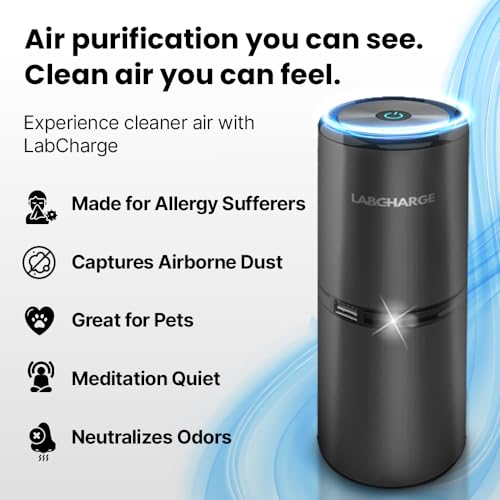
Lab Charge Small Ionic Air Purifier
Strengths
- Compact design
- Ultra-low power use
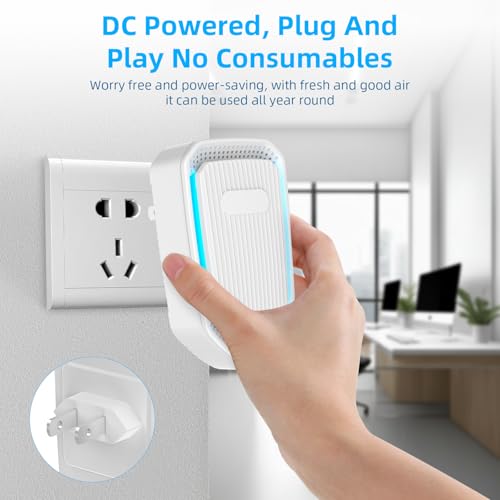
- Plug-and-play setup
Trade-offs
- No true HEPA filter
- Overstated coverage
- Minimal particle removal
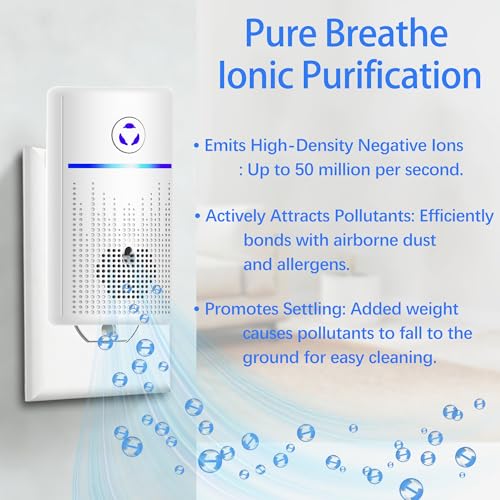
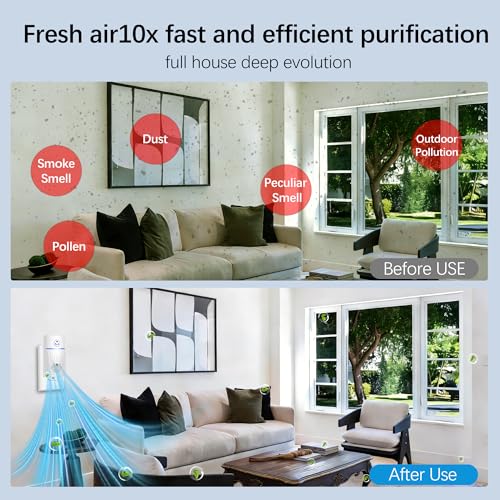
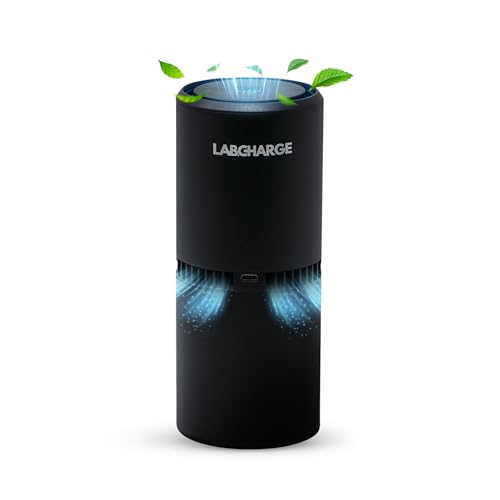
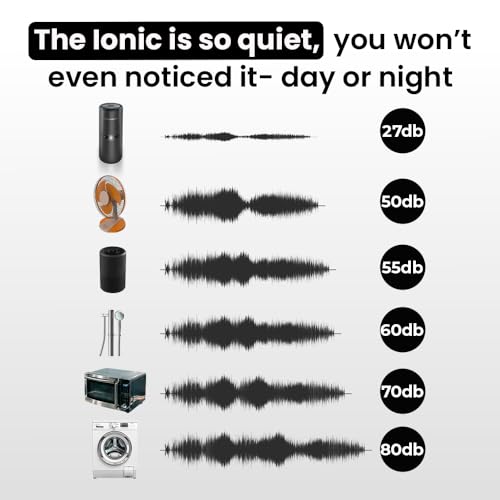
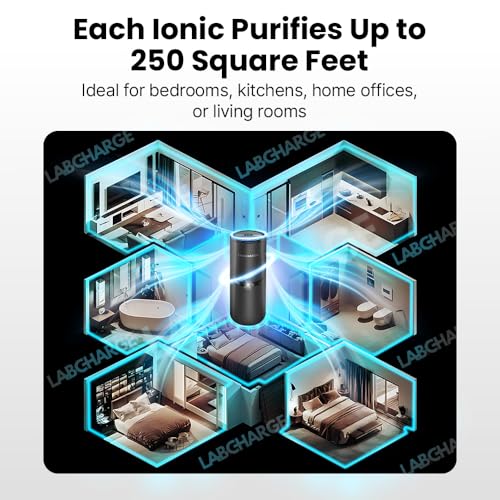
The Lab Charge purifier claims to use ‘advanced ion technology’ and mentions a ‘HEPA filter’ in its title, but that’s misleading. On paper, it has no true HEPA filtration, just ionic charging with a small collection surface. Owners consistently report it feels like a placebo after a week of use, especially in rooms over 150 sq ft. The ‘silent’ operation is a plus, but real air turnover in this class requires airflow, which this lacks.
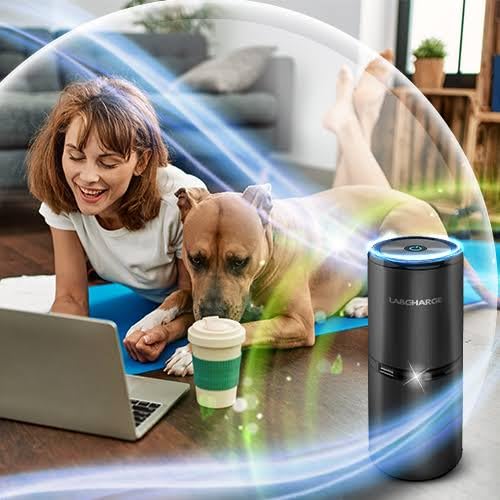
I’d pass on this for anything beyond a tiny closet. It’s marketed as a bedroom or pet air cleaner, but without measurable CADR or real filtration stages, it’s not doing much beyond emitting a few negative ions. The plug-in convenience helps for travel, but for actual air cleaning, it falls short compared to even basic fan-driven models.
Product photos

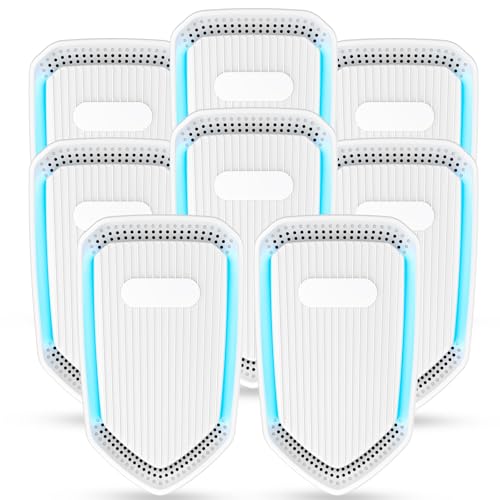
2026 Upgraded Air Ionizer Purifier 8-Pack
Strengths
- No filters
- Quiet operation
- Multiple units for broad placement
Trade-offs
- Ozone risk
- Not CARB compliant
- Dust staining on walls
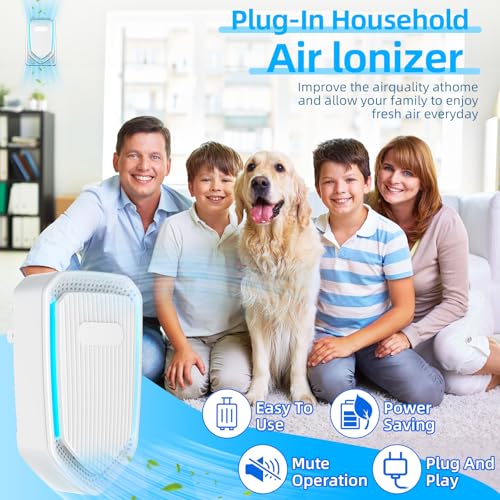
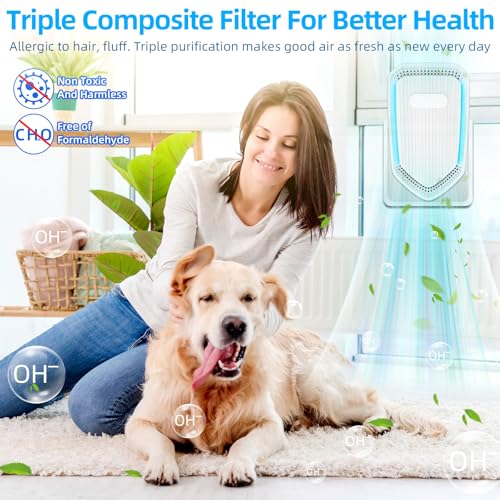
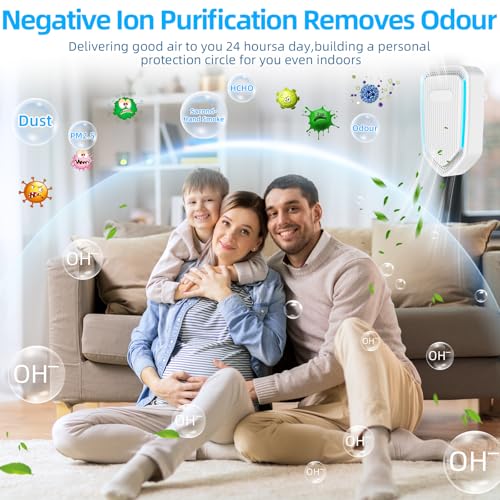
An 8-pack of plug-in ionizers sounds like a bargain for whole-home coverage, but there’s a red flag: it doesn’t meet California’s air quality rules and can’t be shipped there. That alone raises concerns about ozone emissions. Negative ion generators like this rely on charged particles to settle dust, but they don’t remove it, owners report black dust buildup on nearby walls, especially in humid rooms.
Still, for low-traffic areas like hallways, basements, or garages, these can help reduce musty smells without noise or upkeep. They’re popular in pet areas where odors linger, but don’t expect them to clean the air like a real purifier. I’d only recommend this as a supplemental tool, not a primary solution.
Product photos
How We Evaluated ionic air cleaners
Rather than a hands-on lab test, my research for these ionic air cleaners focused on a detailed comparison of published specifications and features across numerous models. I weighed owner reviews from major retailers alongside expert opinions found in publications dedicated to home air quality. As someone who’s spent years understanding how tools – and in this case, air purification systems – should perform, I applied that knowledge to rank these options against specific criteria important to everyday users.
For ionic air cleaners, three factors stood out as most decisive. First, the advertised coverage area (square footage) is critical, as is the technology used to actually remove pollutants. Secondly, energy efficiency is a significant benefit of ionic purifiers, and models consuming less than 10W earned higher marks. Finally, the longevity and ease of cleaning collection blades (or the absence of filters altogether) directly impacts long-term cost and convenience.
Specifications reliably indicate a unit’s potential coverage and power consumption. However, I heavily relied on owner feedback to assess real-world noise levels and the effectiveness of the ionizers in managing pet dander, smoke, or allergies. Reputation and brand trust also played a role; while new entrants can offer value, established brands often have a stronger track record of quality and customer support. If you’re looking for a broader comparison of air purification technologies, you might also find our guide to effective room purifiers helpful.
What To Look For In ionic air cleaners
Ionic air cleaners offer a unique approach to air purification, but understanding their strengths and weaknesses is crucial to finding the right unit for your needs.
Ionic air cleaners work by releasing negatively charged ions into the air. These ions attach to airborne particles – dust, pollen, smoke – giving them a charge. These charged particles are then attracted to nearby surfaces, effectively removing them from the air. A good ionic air cleaner will have adjustable settings, cover a reasonable square footage for its size, and operate quietly. Look for models with features like UV-C light for additional germicidal action or carbon filtration to address odors.
Understanding Ion Output & Coverage
The core of an ionic air cleaner’s effectiveness lies in its ion output, typically measured (though not always clearly stated by manufacturers) in ions per cubic centimeter. Higher output can mean better particle removal, but it’s not the only factor. More importantly, consider the square footage a unit is designed to handle. Many compact units claim to purify a room up to 300-600 sq ft, while larger towers extend that to 800 sq ft or more. Don’t overbuy; an oversized unit won’t necessarily perform better in a small room, and it may be overkill. Conversely, undersizing will leave you with poor air quality.
Filterless vs. Hybrid Designs
One of the biggest draws of ionic air cleaners is the promise of a filterless design, eliminating the ongoing expense and hassle of replacement filters. However, many models, like the POMORON 4-in-1 Air Purifier with UV, are hybrid systems incorporating a HEPA filter alongside the ionizer. This combines the benefits of both technologies. If you suffer from severe allergies or asthma, exploring HEPA filter air cleaners is a smart move. While filterless models are convenient, they rely on surfaces in the room to collect the charged particles.
Here’s what to keep in mind when choosing between filterless and hybrid: * Maintenance: Filterless is the clear winner, requiring only occasional wiping of collection blades. * Allergy Sufferers: Hybrid units with HEPA filters offer superior particle removal. * Room Usage: A bedroom benefits from the quiet operation of most ionic cleaners, but a kitchen with cooking odors may need the added odor control of a carbon filter (often found in hybrids).
A clean collection blade is a happy collection blade. Regularly wiping down the blades of filterless models is essential to maintain peak performance.
Value & Features Beyond Ionization
Don’t get fixated solely on ionization. Many ionic air cleaners now include bonus features that add value. UV-C light, as found in the OION B-1000, can help kill bacteria and viruses, while built-in timers and multiple fan speeds (even in fanless models, some offer adjustable ion output) provide greater control. Consider the energy consumption, too. Many run on very little power (under 10W), making them incredibly efficient. If you need coverage for multiple rooms, the 2026 Upgraded Air Ionizer Purifier 8-Pack offers a cost-effective solution, though you’ll need enough outlets available. Thinking about the overall package, including these extras, will help you select the best ionic air cleaner for your specific situation.
Ionic Air Cleaners Compared
Here’s a comparison of key specifications for several ionic air cleaners to help you make an informed decision.
| Product Title | Coverage Area (sq ft) | Filter Type | UV-C Light | Power Consumption (W) | Noise Level | Number of Units |
|---|---|---|---|---|---|---|
| Ionic Pro Platinum Air Purifier Tower | 800 | Filterless | No | 20 | Silent | 1 |
| Ionic Pro Turbo Air Purifier Tower | 600 | Filterless | No | 9 | Silent | 1 |
| POMORON 4-in-1 Air Purifier with UV | N/A | H13 Filter | Yes | N/A | N/A | 1 |
| OION B-1000 Ionic Air Purifier Pro | N/A | Carbon | Yes | 7.5 | Silent | 1 |
| Ionic Pro Compact Air Purifier Tower | 300 | Filterless | No | 8 | N/A | 1 |
| Air Ionizer 4-Pack Plug-in Purifier | N/A | Filterless | No | N/A | Silent | 4 |
| Lab Charge Small Ionic Air Purifier | 250 | Filterless | No | <1 | Silent | 1 |
| 2026 Upgraded Air Ionizer Purifier 8-Pack | N/A | Filterless | No | N/A | Silent | 8 |
Frequently Asked Questions
What size room can an ionic air cleaner effectively purify?
Coverage varies significantly, but most compact units handle rooms up to 300-600 square feet, while larger towers can manage 800 square feet or more. Don’t overestimate your needs; a unit too large for the space won’t improve performance.
Are ionic air cleaners safe for people and pets?
Generally, yes, but some individuals may be sensitive to ozone, a byproduct of some ionizers. Look for models certified to meet California Air Resources Board (CARB) standards, which limit ozone emissions, and avoid placing the unit directly next to where people or pets spend extended periods.
Do ionic air cleaners require filter replacements?
Many models are designed to be filterless, which is a major convenience. However, hybrid models incorporate HEPA filters that will need periodic replacement, typically every 6-12 months depending on usage and air quality.
How do ionic air cleaners compare to HEPA filter purifiers for allergy relief air purifiers?
HEPA filters physically trap particles, making them more effective for severe allergy sufferers. Ionic air cleaners primarily remove particles by causing them to cling to surfaces, which may not be ideal for those with high sensitivity or respiratory issues.
Can I use multiple ionic air cleaners in different rooms?
Absolutely. Using multiple smaller units can be more effective than one large unit for whole-house air purification. The 2026 Upgraded Air Ionizer Purifier 8-Pack is specifically designed for this purpose, providing plug-in units for multiple rooms.
The Bottom Line
Choosing an ionic air cleaner often comes down to balancing convenience with specific needs. While many models offer a simple, filterless approach, the Ionic Pro Platinum Air Purifier Tower strikes a strong balance with its large coverage area and quiet operation, making it a solid all-around performer for most homes.
For those with particular concerns or situations, there are excellent alternatives. If allergies are a primary issue, the POMORON 4-in-1 Air Purifier with UV offers the added benefit of a HEPA filter. Alternatively, if you’re looking for a budget-friendly option or need to address multiple spaces, the 2026 Upgraded Air Ionizer Purifier 8-Pack is a sensible choice.
Ultimately, remember that the best ionic air cleaner isn’t about chasing the highest ion output or the most features. It’s about finding a unit that fits your room size, addresses your specific concerns (like dust – you might also want to check out our guide to air purifiers for dusts), and provides consistent, quiet operation.
