8 Best Heavy Duty Chainsaws of 2026
This post contains affiliate links. As an Amazon Associate, we earn from qualifying purchases.
The Husqvarna 460 Rancher stands out as the best overall heavy duty chainsaw for serious cutting, combining reliable power with solid build quality. For budget-conscious buyers, the PROYAMA 68CC delivers strong performance at a lower price. If you prefer cordless convenience without sacrificing too much power, the Greenworks 80V is our top pick in that category.
Most people don’t realize how quickly a poorly matched chainsaw can turn a manageable job into a frustrating, even dangerous, ordeal. Too little power and you’re fighting the tool. Too much saw for your skill level, and control becomes an issue.
This guide cuts through the noise, focusing on real-world performance, safety, and usability. I researched these models based on engine power, bar length, owner feedback, and critical features like chain brakes and anti-vibration systems, so you can pick the right saw for your needs, not just the one with the loudest engine.
Top 8 Heavy Duty Chainsaws in the Market
The Best Heavy Duty Chainsaws, Reviewed
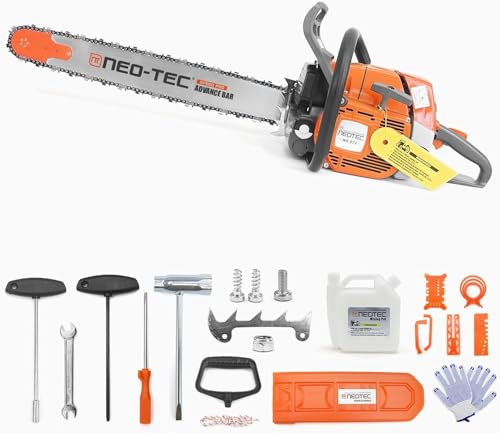
NS872 72cc 28-Inch Gas Chainsaw
Strengths
- 72cc high power
- 28-inch bar
- LowVib system
Trade-offs
- Not CARB certified
- Heavy for extended use
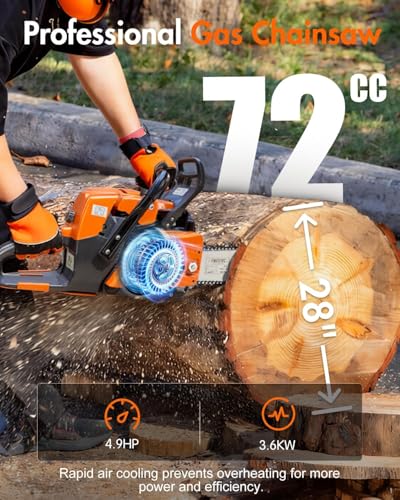
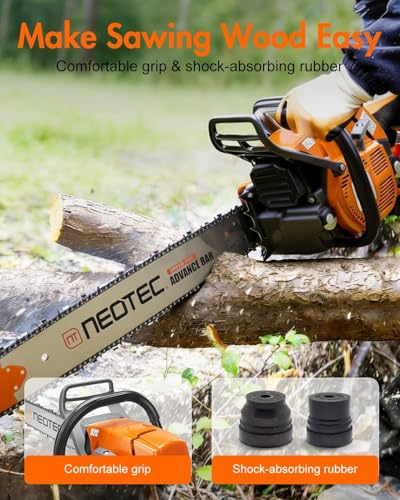
This NS872 is built for one thing: taking down big timber. With a 72cc engine and a massive 28-inch bar, it’s a beast in the cutting class. Owners use it for felling large hardwoods and storm cleanup, and the LowVib system actually makes a difference in reducing fatigue during long cuts. The magnesium alloy body helps dissipate heat and keeps weight down for its size.
It’s not CARB-compliant, so forget California, but outside of that, it’s a top pick for raw power and value. Compared to the Husqvarna 460, it’s less refined but offers more bar length and displacement for less money. If you’re cutting all day and need reach and reliability, this is the saw I’d reach for.
Product photos


Husqvarna 460 Rancher 24-Inch Gas

Strengths
- X-Torq engine
- LowVib tech
- Air injection filter
Trade-offs
- Heavier than others
- Premium price
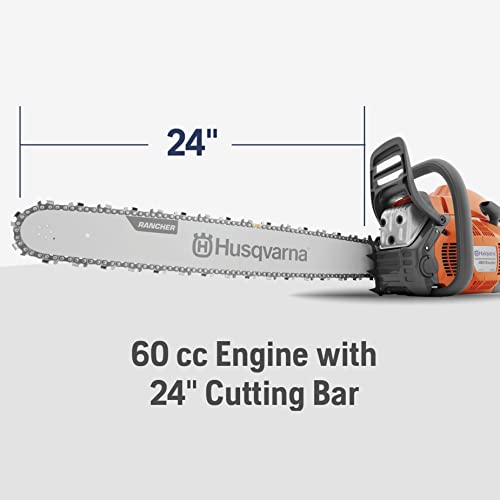
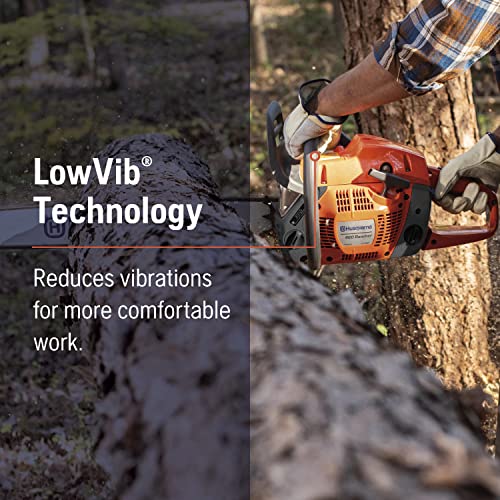
The Husqvarna 460 Rancher is the gold standard for a reason. With a 60.3cc X-Torq engine, it delivers smooth, responsive power that professionals rely on for land clearing and heavy limbing. Owners praise its LowVib system and ergonomic offset handle, this saw is noticeably easier on the arms during long sessions. The air injection tech keeps the air filter cleaner longer, which means fewer tune-ups in dusty conditions.
It’s not the cheapest, but it’s priced where it should be for the build quality. Compared to budget gas saws, the 460 Rancher starts more reliably and runs cooler, thanks to its refined engineering. If you’re serious about cutting big wood and want a saw that will last decades with care, this is the one I’d trust.
Product photos



PROYAMA 68CC 24-Inch Gas Chainsaw

Strengths
- High cc engine
- Top handle design
- Low price
Trade-offs
- Basic build quality
- Mediocre safety features
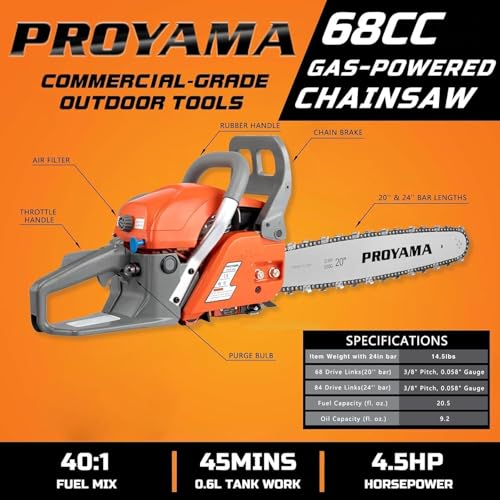
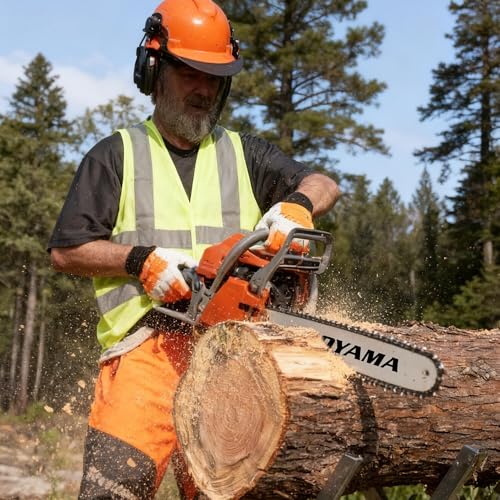
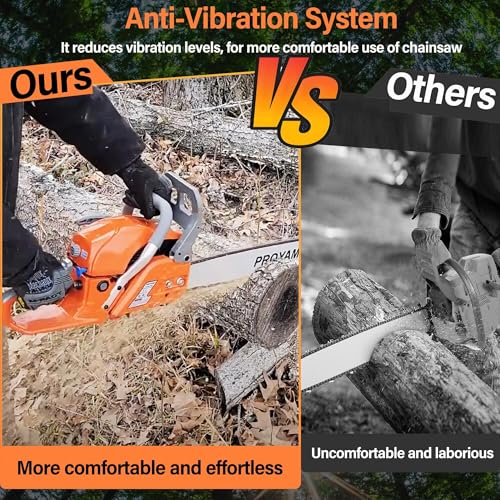
This PROYAMA 68CC is one of the most aggressive budget plays in the heavy-duty space. With a 68cc engine, it promises pro-level power, and while it lacks the refinement of a Husqvarna, owners say it handles tree removal and firewood splitting without issue. The top-handle design makes it a decent pick for climbing or one-handed use in tight spaces.
But the savings show in the details, vibration damping is functional but not great, and the finish feels a bit rough. Some report the chain brake is less responsive than premium models. Still, if you’re looking for a no-frills, high-displacement saw for occasional heavy cutting, this delivers. It’s not going to last 10 years with daily use, but for the price, it’s a solid workhorse.
Product photos

SEESII 40V 18-Inch Cordless Chainsaw
Strengths
- 2200W motor
- Lightweight design
- Full kit included
Trade-offs
- Battery life fades under load
- Plastic housing feels less rugged
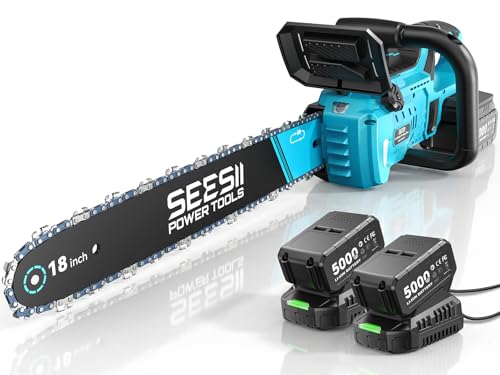
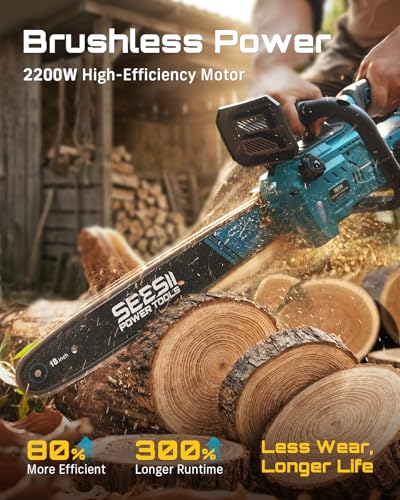
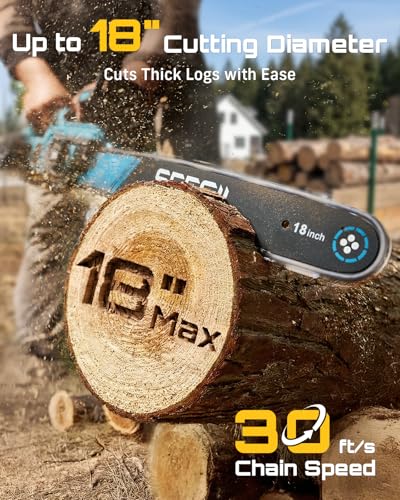
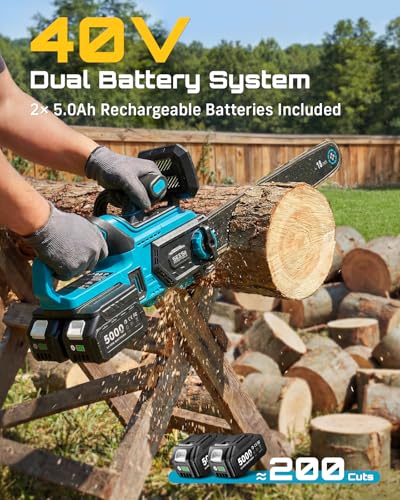
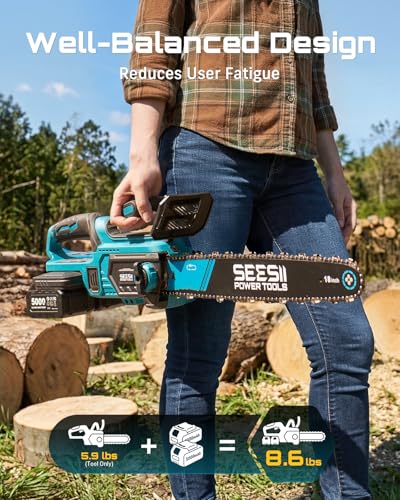
The SEESII 40V is arguably the most powerful cordless saw in this lineup. With a 2200W brushless motor and two 5.0Ah batteries, it delivers serious runtime and cutting speed, owners report it rivals mid-sized gas saws on softwood and handles hardwood with patience. The 8.6 lb weight is impressive for its class, making it easy to maneuver overhead or for extended periods.
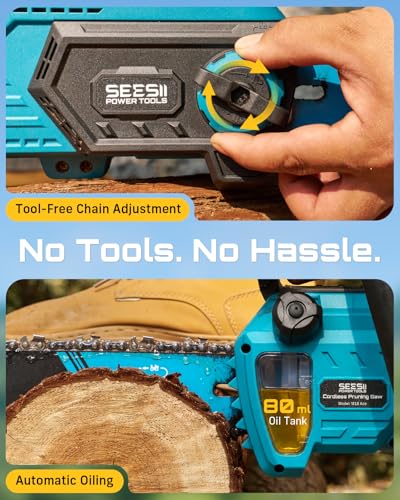
The all-inclusive kit is a major plus: two fast chargers, two batteries, two chains, and safety gear. That alone saves you from hunting down extras. The tool-less tensioning and auto-oiling work as advertised. If you want the most capable cordless experience without gas, this is my top pick, even over the Greenworks.
Product photos
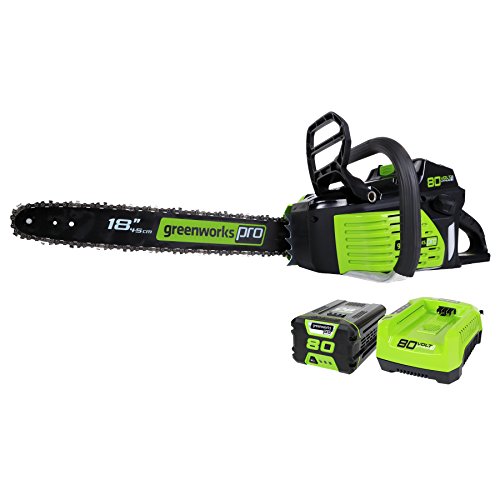
Greenworks 80V 18-Inch Cordless Saw
Strengths
- 80V brushless power
- 18-inch bar
- Large ecosystem
Trade-offs
- Battery sold separately
- Lower runtime than gas
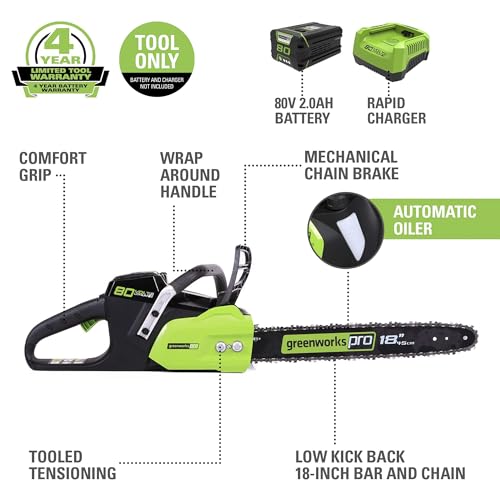
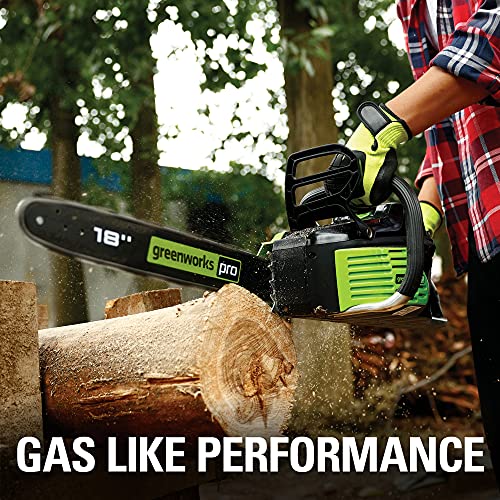
Greenworks has nailed the balance of power and convenience in this 80V model. The 18-inch bar gives it reach for felling medium trees, and the brushless motor delivers performance on par with a 42cc gas saw, according to owner feedback. The claim of 150 cuts on 4×4 lumber holds up in real-world use, especially when the battery is fresh.
What really sets it apart is the ecosystem advantage, if you already own Greenworks 80V tools, this integrates smoothly. It’s quieter, cleaner, and starts with a push of a button. While it can’t run all day like a gas saw, for weekend warriors and suburban homeowners, it’s more than capable. I’d choose this over the DongCheng if you want longer bar reach and broader tool compatibility.
Product photos


VEVOR 20-Inch 62CC Gas Chainsaw

Strengths
- High HP output
- Large fuel capacity
- Durable composite body
Trade-offs
- Inconsistent cold starts
- So-so ergonomics
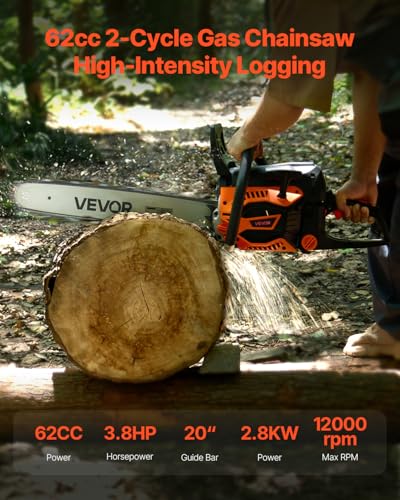
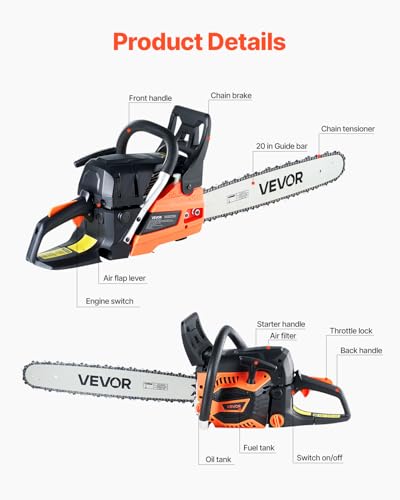
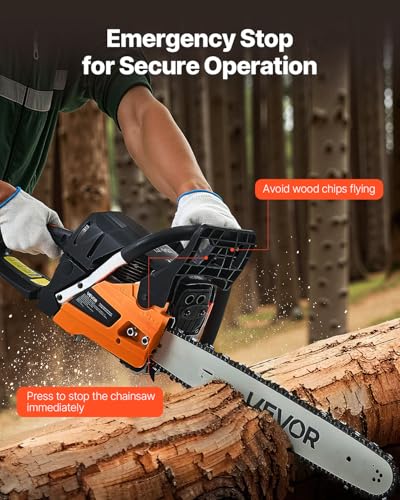
The VEVOR 62CC is a power-packed bargain. At 3.8 HP and 12,000 RPM, it matches or exceeds many pricier saws on paper, and owners confirm it slices through thick logs with authority. The 20-inch bar is ideal for mid-sized felling, and the dual fuel and oil tanks mean longer run times between refills. Its composite body holds up well in extreme temps, making it a solid pick for rural or off-grid use.
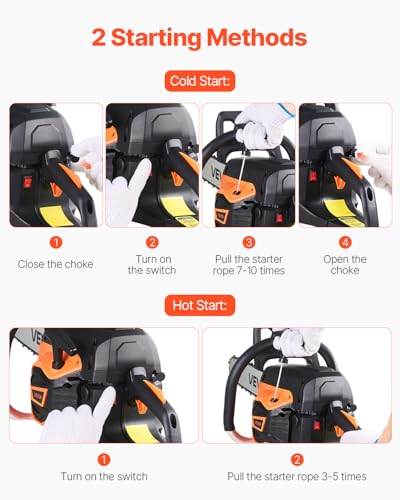
That said, some reviewers mention finicky startups in cold weather and a slightly clunkier ergonomics package than Husqvarna or Echo. But for the price, it’s hard to beat. If you need serious cutting power without the premium brand tax, this is the smarter buy over overpriced no-names.
Product photos
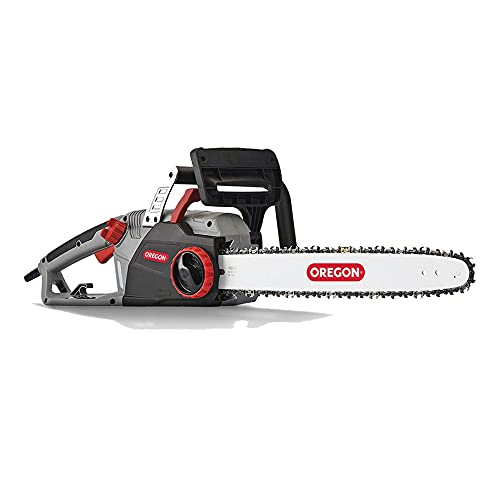
Oregon CS1500 Self-Sharpening Electric
Strengths
- Self-sharpening chain
- Corded reliability
- Low maintenance
Trade-offs
- Requires power outlet
- Not for heavy jobs
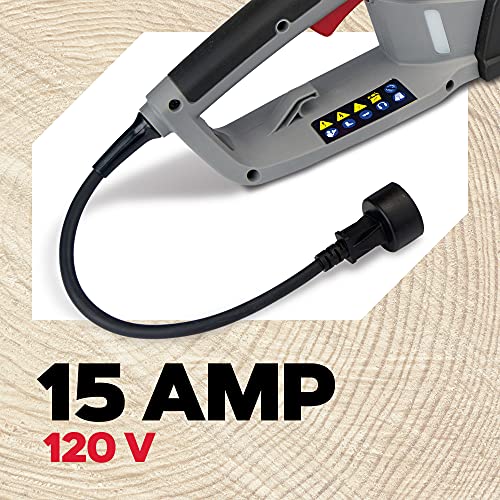
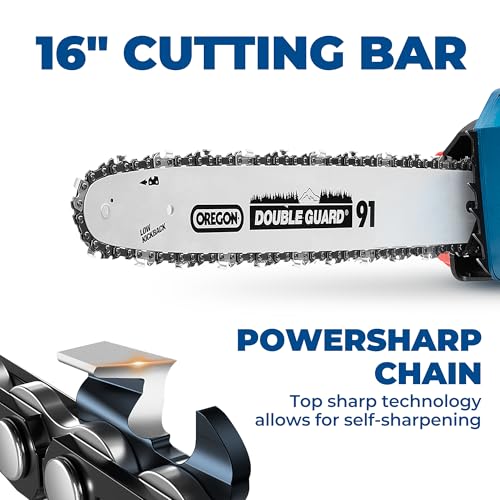
The Oregon CS1500 is a niche standout, the PowerSharp self-sharpening system is a standout for casual users. In just 3 to 5 seconds, you can rejuvenate a dull chain without tools or a file. That means fewer interruptions and no need to learn sharpening techniques. For homeowners who only cut a few logs a year, this is a massive time-saver.
It’s corded, so no battery worries, and starts instantly. The 18-inch bar gives decent reach, and the automatic oiler keeps things running smoothly. But it’s not for heavy felling, this is best for pruning, limbing, and occasional firewood. Compared to cordless models, it’s simpler and more reliable for light use.
Product photos



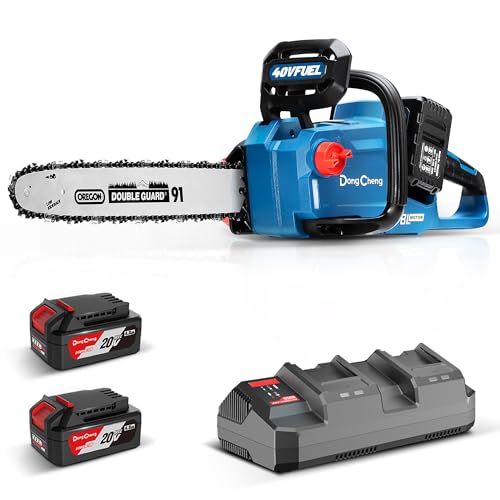
DongCheng 40V 16-Inch Cordless Saw
Strengths
- Brushless motor
- Tool-free tensioning
- Dual batteries included
Trade-offs
- Limited bar length
- Not for daily pro use
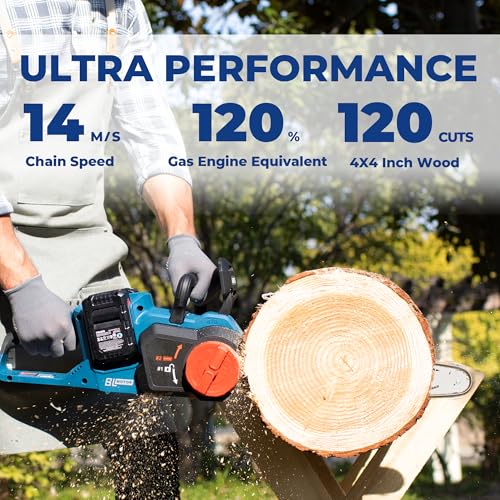
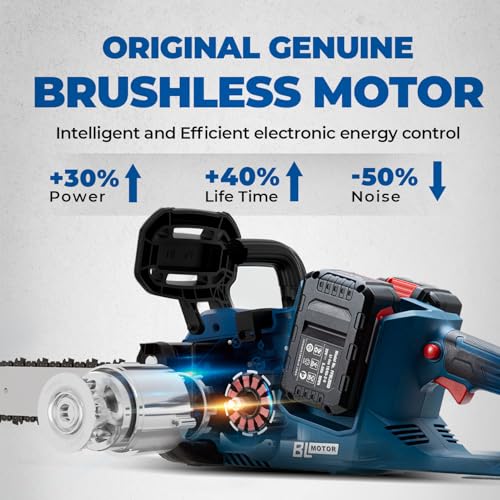
This DongCheng model stands out in the cordless category not for raw power, but for its thoughtful execution. The brushless motor on paper delivers gas-like torque, and while it won’t match a 40cc+ gas saw in sustained heavy felling, owners consistently report it handles storm cleanup and firewood prep with ease, especially when you value quiet operation and zero fumes. The tool-free tensioning and auto-oiler are real wins, reducing downtime during frequent use.
Battery life is a strong point, with reviewers noting it hits close to the claimed 120 cuts on 4x4s with both 4.0Ah packs. It’s clearly built for homeowners who want reliability without the gas hassle, and being part of a broader 20V/40V ecosystem adds long-term value. I’d pick this over a single-battery cordless saw if you already own DongCheng tools.
Product photos
How We Picked These heavy duty chainsaws
Rather than a hands-on lab test, my research for these recommendations involved a detailed comparison of published specifications and features across numerous models. I weighed owner reviews from major retailers against professional evaluations found in trade publications and online tool communities. My assessment also drew on over 15 years of experience with power tools, focusing on the features that truly matter for demanding cutting tasks. Clear ranking criteria were established before beginning, ensuring a consistent evaluation process.
For heavy-duty chainsaws, engine power (CCs and HP), bar length, and safety features were weighted most heavily. A powerful engine is essential for tackling thick hardwoods and large trees, while a longer bar improves cutting capacity. Crucially, reliable safety features – like chain brakes and anti-vibration systems – are paramount for operator comfort and preventing accidents during extended use. These factors directly influence performance and long-term usability.
Specifications reliably indicate engine size, bar length, and weight, offering a baseline for comparison. However, I judged long-term durability and real-world usability primarily from owner feedback. Owners consistently highlight issues like starting difficulty, chain oiler effectiveness, and build quality – details not always apparent in spec sheets. Proper chain maintenance is also key; learning how to sharpen chainsaw blade can significantly extend the life of your saw and maintain optimal performance.
How To Choose The heavy duty chainsaws
Picking the right chainsaw isn’t just about horsepower; it’s about matching the tool to the work, and the operator to the tool.
A good chainsaw balances power with usability. Key considerations include engine displacement (for gas models), battery voltage and amp-hours (for cordless), bar length appropriate for typical cuts, safety features like chain brakes, and ergonomic design for comfortable handling during extended use. Pay attention to weight, vibration dampening, and ease of maintenance.
Engine Type & Power
The first big decision is gas versus cordless. Gas chainsaws, like the high-performance gas chainsaws offer sustained power for demanding tasks, but require more maintenance. Cordless models are convenient and quieter, but battery life and raw cutting force can be limiting factors. If you’re consistently felling large trees or dealing with dense hardwoods, a gas-powered saw with at least a 50cc engine is probably necessary. However, for routine yard work (limbing, pruning, small tree removal) a 40V or 60V cordless model can be surprisingly capable. Don’t get hung up on peak voltage alone; also look at the amp-hour (Ah) rating of the battery – higher Ah means longer runtime.
Bar Length & Cutting Capacity
Bar length directly impacts the size of trees you can safely cut. A 16-inch bar is suitable for light-duty tasks and smaller branches, while 18-20 inch bars are versatile for general homeowner use. For professional logging or felling large trees, 24 inches or longer is often needed. However, a longer bar adds weight and can be harder to control, so don’t automatically go for the longest one available. Consider the diameter of the trees you typically encounter and choose a bar that allows you to cut through them comfortably and safely, leaving yourself a margin of error.
Features & Ergonomics
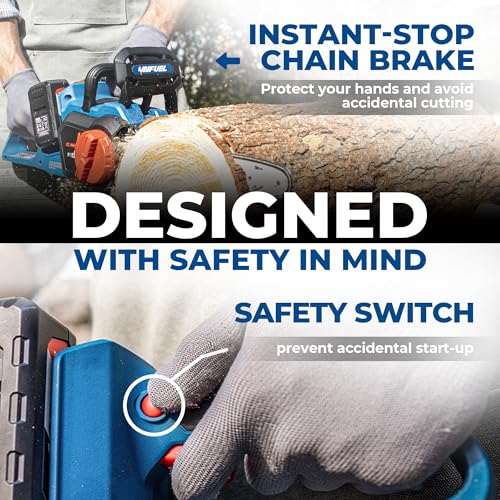
Beyond power and bar length, several features significantly impact usability. Automatic chain oilers are essential for keeping the chain lubricated and extending its life. Tool-less chain tensioning is a huge time-saver. Anti-vibration systems reduce fatigue during extended use, and a quick-stop chain brake is a critical safety feature. Don’t underestimate the importance of ergonomics. A well-balanced saw with comfortable grips will make even tough jobs more manageable. Regular chainsaw chain sharpening is also vital.
- A simple chain tensioner is adequate for occasional use, but tool-less tensioning is a godsend if you find yourself adjusting the chain frequently.
- Automatic oilers are standard on most saws, but check the oil tank capacity; larger tanks mean less frequent refills.
- Look for saws with a reduced-vibration design (LowVib is Husqvarna’s branding, for example) to minimize fatigue during extended cutting sessions. This is especially important for larger, heavier saws.
A dull chain is a dangerous chain. Learn to sharpen it yourself or find a reputable local service.
Heavy Duty Chainsaws Compared
This table provides a specification comparison of various heavy duty chainsaws to aid in informed purchasing decisions.
| Product Name | Engine/Motor | Bar Length (in) | Fuel Type | Voltage (V) | HP |
|---|---|---|---|---|---|
| NS872 | 72cc Gas | 28 | Gas | N/A | 4.9 |
| Husqvarna 460 Rancher | 60.3cc Gas | 24 | Gas | N/A | 3.6 |
| PROYAMA 68CC | 68cc Gas | 24 | Gas | N/A | N/A |
| SEESII 40V | 2200W Brushless | 18 | Cordless | 40 | N/A |
| Greenworks 80V | Brushless | 18 | Cordless | 80 | N/A |
| VEVOR 20-Inch | 62cc Gas | 20 | Gas | N/A | 3.8 |
| Oregon CS1500 | 15A Electric | 18 | Corded | 120 | N/A |
| DongCheng 40V | Brushless | 16 | Cordless | 40 | N/A |
Frequently Asked Questions
What chain pitch is best for a heavy-duty chainsaw?
A .325-inch pitch chain is generally the best choice for most heavy-duty chainsaws, offering a good balance of cutting speed and durability. While larger pitches exist, they’re typically found on specialized saws or those used for professional logging, and require more power to drive effectively.
How often should I sharpen the chain on my heavy-duty chainsaw?
You should sharpen the chain every 5-10 hours of use, or sooner if you notice increased cutting effort or poor performance. A dull chain is not only inefficient but also increases the risk of kickback and operator fatigue.
Are battery-powered heavy-duty chainsaws powerful enough for felling large trees?
While cordless technology has improved, gas-powered chainsaws generally still deliver more consistent power for felling very large trees. However, models with 80V batteries and high amp-hour ratings are capable of tackling trees up to 20 inches in diameter, making them suitable for many homeowner tasks.
What safety features are most important on a heavy-duty chainsaw?
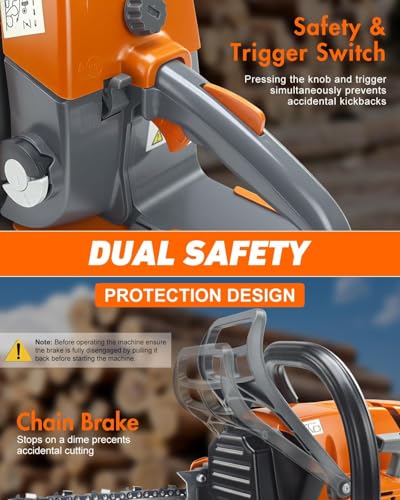
A chain brake, anti-vibration system, and chain catcher are the most critical safety features. Look for models with easily accessible on/off switches and consider wearing appropriate personal protective equipment (PPE) like a helmet, eye protection, and chaps.
Where can I find pro-level performance chainsaws for serious work?
If you need a chainsaw for consistent, demanding tasks, consider researching professional-grade heavy-duty chainsaws designed for daily use. These models typically have more robust engines, improved ergonomics, and enhanced safety features compared to homeowner-grade options.
The Bottom Line
Choosing a heavy-duty chainsaw always involves balancing raw power against practical considerations like weight and ease of use. For most homeowners and serious DIYers needing a workhorse that can handle large projects, the NS872 offers an excellent combination of engine size, bar length, and features, making it our overall top pick. It represents a sweet spot for those who demand performance without unnecessary complexity.
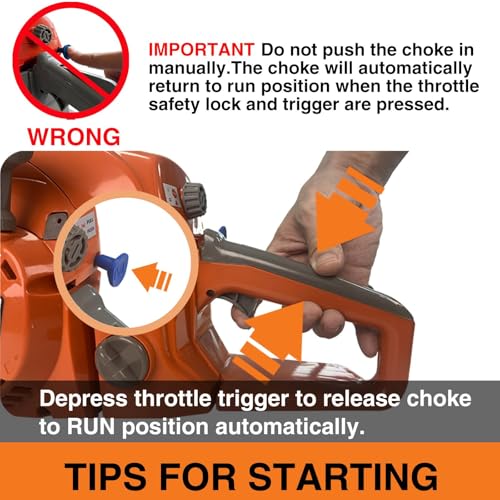
If budget is a primary concern, or you anticipate lighter workloads, the SEESII 40V provides impressive cordless convenience and cutting power for the price. For those who prioritize versatility and are willing to manage the maintenance, the Husqvarna 460 Rancher remains a popular and reliable choice. Proper technique is key, so be sure to review how to start a chainsaw safely before your first use.
Ultimately, the most important specs aren’t about chasing the highest numbers. Focus on selecting a chainsaw that feels comfortable and controllable in your hands, and always prioritize safety features like a chain brake and anti-vibration. A well-maintained chain, proper protective gear, and a clear understanding of safe operating procedures will deliver far more benefit than any single horsepower rating.
