
3 Best Grout Removal Blades for Oscillating Tools 2026
This post contains affiliate links. As an Amazon Associate, we earn from qualifying purchases.
The DEWALT Fastcut Carbide Grout Blade is the best overall pick for most users, delivering fast, reliable performance without chipping tile. For those on a budget, the EZARC Diamond Oscillating Blade Set offers excellent value with long-lasting diamond grit. If tight corners are your main challenge, the EZARC Flush Cutting Diamond Blade stands out for precision work.
Removing grout without damaging tile is harder than it looks, and the wrong blade can turn a simple refresh into a messy repair job. Too many people grab whatever blade came with their oscillating tool and end up fighting with clogged teeth or shattered tile edges.
I researched these blades based on specs, owner feedback, and years of helping DIYers tackle tile projects. The picks here balance cutting speed, durability, and safety for your tile, so you can work efficiently and avoid costly mistakes.
Top 3 Grout Removal Blade For Oscillating Tools in the Market
The Best Grout Removal Blade For Oscillating Tools, Reviewed
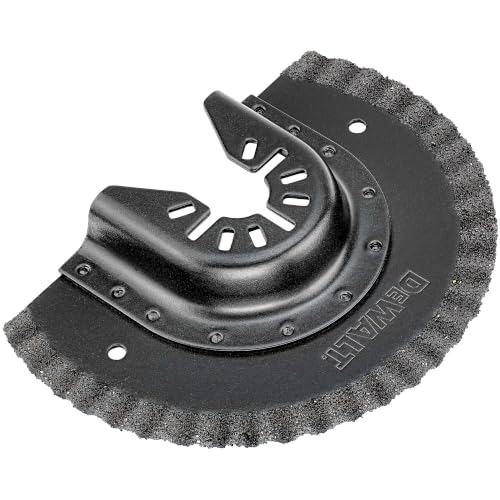
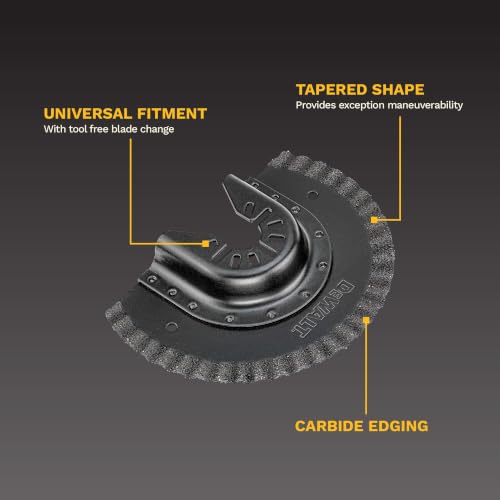
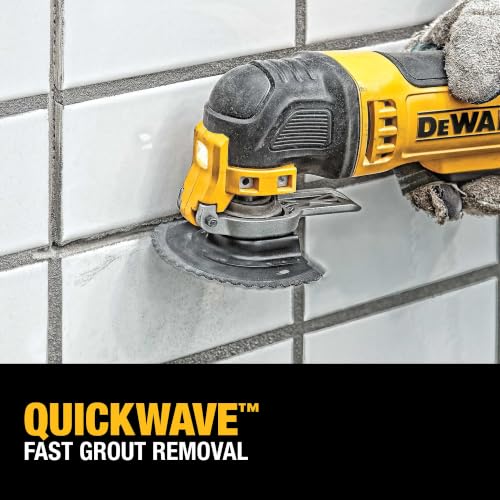
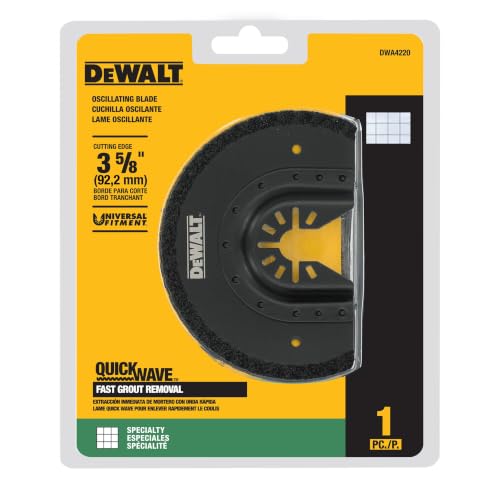
DEWALT Fastcut Carbide Grout Blade
Strengths
- Carbide edging
- Universal fit
- No adapter needed
Trade-offs
- Shorter lifespan than diamond
- Not for dense epoxy grout
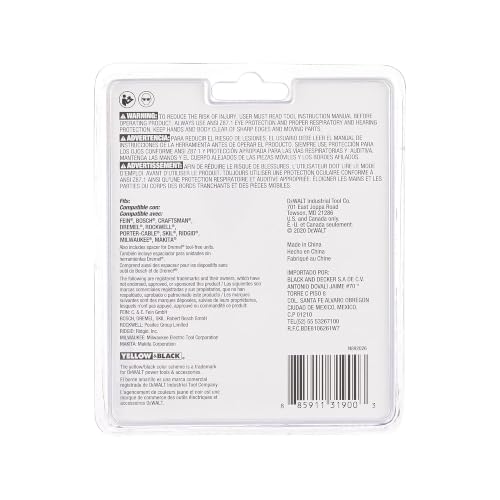
The DEWALT DWA4220 is built for one job and does it well, removing grout without needing an adapter. Its carbide edging delivers solid performance on standard grout lines, and the universal fit means it clicks right into most oscillating tools out of the box. On paper, it’s a no-fuss solution for DIYers who want reliability without extra parts.
Owners consistently report it cuts efficiently through sanded grout and holds up reasonably well, though it’s not meant for extended heavy-duty runs. Compared to diamond alternatives, it wears faster, but for occasional tile work or small bathroom updates, it strikes a practical balance. I’d pick this as a dependable starting point if you’re not tackling large-scale demolition.
Product photos

EZARC Diamond Oscillating Blade Set

Strengths
- Multiple kerf sizes
- Diamond durability
- Good value 4-pack
- Versatile for grout and mortar
Trade-offs
- Inconsistent quality control noted
- Slight fit issues on some tools
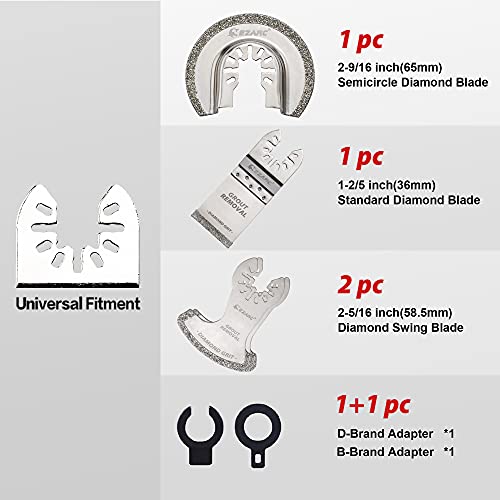
This 4-pack gives you real versatility with three different kerf widths, 1.6 mm, 1.8 mm, and 2.2 mm, letting you match the blade to the grout line. The diamond grit construction means these blades resist wear far better than basic carbide, and owners report noticeably longer life, especially on dense mortar joints. It’s a budget-friendly way to get extended use without stepping up to premium single blades.
While it lacks the brand-name trust of DEWALT, the value is clear: multiple blades, solid performance across grout types, and good fit across major tool brands. I’d recommend this set over the single EZARC blade if you’re planning multiple projects or want spares on hand without overspending.
Product photos
EZARC Flush Cutting Diamond Blade

Strengths
- Diamond cutting edge
- Thin 1.6 mm kerf
- Flush cutting design
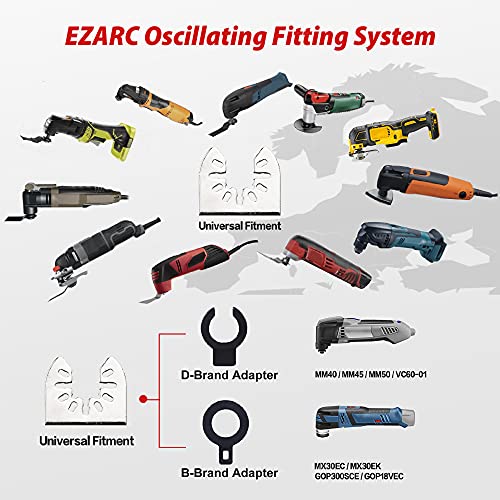
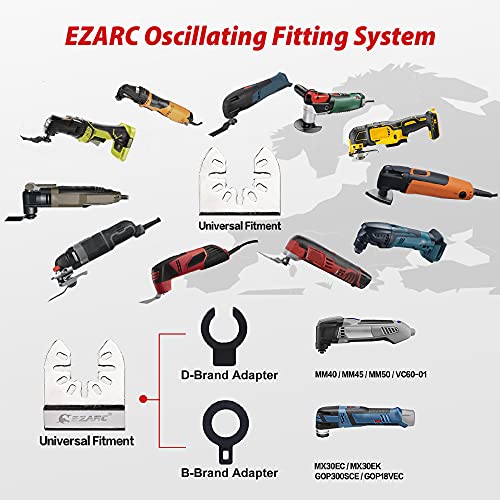
- Universal fit with adapters
Trade-offs
- Slower material removal
- Adapters add setup time
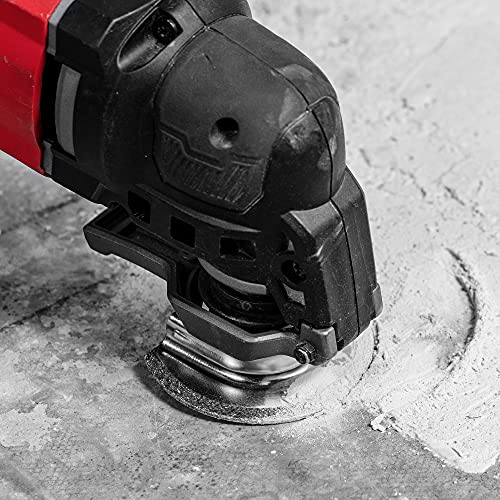
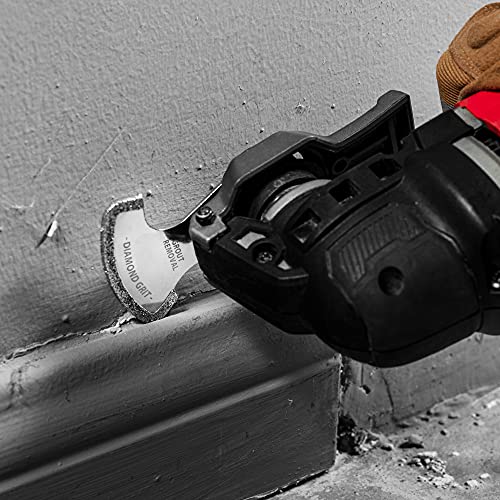
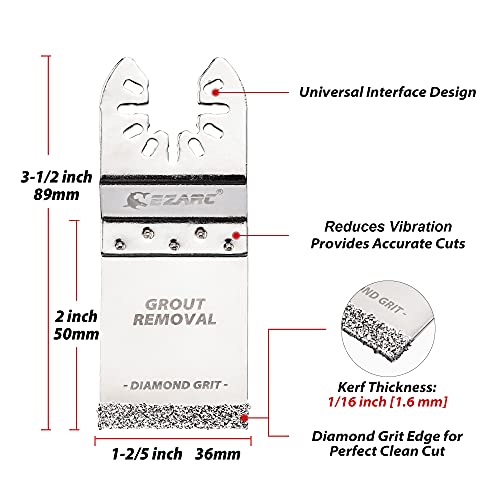
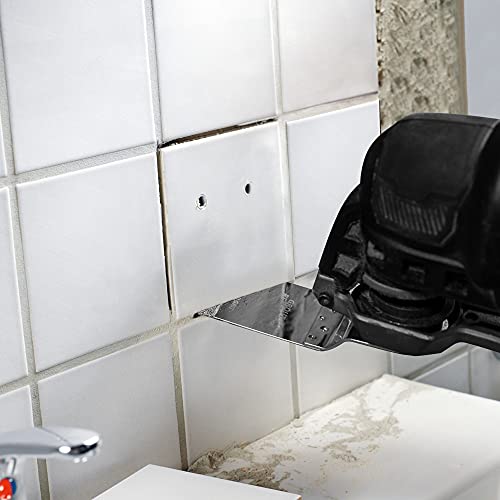
This EZARC diamond blade stands out for precision work, especially in corners and tight joints. With a kerf as thin as 1.6 mm, it slices cleanly without chewing up surrounding tile, which is a big win for careful renovations. The diamond edge is where it really shines, reviewers note it lasts significantly longer than standard carbide blades, especially when grinding through sanded or Portland-based grout.
It comes with adapters for broad compatibility, which is helpful if you’re using a non-DEWALT tool. While it doesn’t remove material as aggressively as wider blades, its control and finish quality make it ideal for detail-oriented jobs. If you’re redoing a shower niche or working near delicate edges, this is the smarter buy over bulkier options.
Product photos

How We Chose These grout removal blade for oscillating tools
Rather than a hands-on lab test with each blade, my research focused on a detailed comparison of published specifications and features. I weighed owner reviews from multiple sources alongside assessments from reputable tool review sites. As someone who’s spent years advising on power tools and renovation projects, I applied my understanding of material science and cutting techniques to evaluate each option against clear performance criteria.
For grout removal blades, cutting speed and tile protection are paramount. I gave the most weight to blades employing carbide or diamond grit, as these materials hold an edge much longer than standard steel. A secure fit to common oscillating tools, avoiding the need for fiddly adapters, also heavily influenced my rankings. Finally, blade geometry designed for flush cutting in tight corners was a key consideration.
Specifications clearly indicate grit type (carbide versus diamond) and kerf width. However, I judged durability and real-world performance primarily from owner feedback. Many users detail how many feet of grout a blade handles before dulling, or whether it chips adjacent tiles. Understanding diamond blade applications is essential for choosing the right tool for the job, and owner experiences often reveal whether a blade lives up to its marketing.
How To Pick The Right grout removal blade for oscillating tools
Choosing the right grout removal blade can save a lot of time and frustration during a tile renovation.
A quality grout removal blade balances speed, precision, and durability. Look for blades with carbide or diamond grit, a kerf width appropriate for the grout lines, and a universal fitment to avoid adapter headaches. Consider the material of the surrounding tile – softer tiles require more delicate blades to prevent chipping. Blades designed for flush cutting are essential for corners and tight spaces.
Blade Material: Carbide vs. Diamond
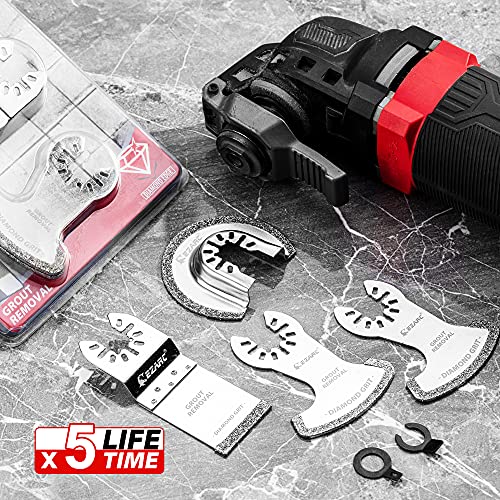
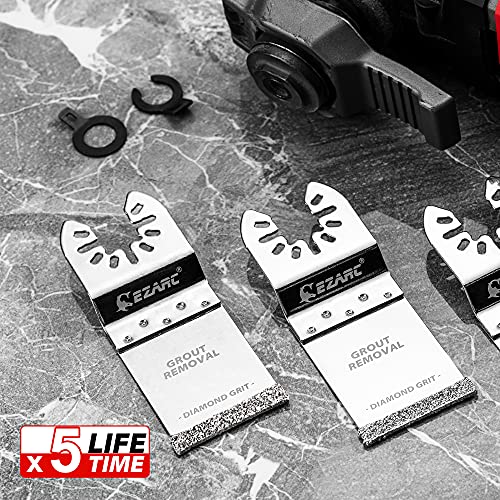
I’ve seen a lot of folks underestimate how much difference the blade material makes. Carbide blades are a good starting point for most DIY jobs, and they’re generally more affordable. However, if you’re dealing with particularly hard grout, or you anticipate removing a significant amount of grout, diamond blades are a worthwhile investment. Diamond grit holds its edge much longer, meaning less frequent replacements and a more consistent cut. EZARC’s diamond oscillating blades, for example, claim a lifespan five times longer than carbide in tough applications. They’re not always necessary, but for larger projects, the time saved can easily justify the extra cost.
Kerf Width & Tile Sensitivity
The kerf width – that’s the thickness of the cut – is crucial. Too wide, and you risk damaging the surrounding tile. Too narrow, and you’ll be there all day. Most grout lines are between 1/16” and 3/32”, so blades offering a few different kerf options (like the EZARC Diamond Oscillating Blade Set) provide versatility.
Here’s how to think about kerf width: * Narrow (0.06 inch/1.6mm): Best for delicate tile or very thin grout lines. * Medium (0.07-0.08 inch/1.8-2.0mm): A good all-around choice for standard grout lines. * Wide (0.09 inch/2.2mm+): For aggressive removal of wider or heavily damaged grout, but use with caution on softer tiles.
Don’t force the blade. Let the tool and the blade do the work. Pushing too hard will dull the blade prematurely and increase the risk of damaging the tile.
Universal Fitment and Specialized Cuts
One frustration I hear about constantly is adapter incompatibility. Fortunately, many blades – like the DEWALT Fastcut Carbide Grout Blade – now feature universal fitment, eliminating the need for adapters. But if you have an older or less common oscillating tool, double-check compatibility before you buy. Also, consider if you’ll be working in tight spaces. For corners and detailed work, a flush-cutting blade (like the EZARC Flush Cutting Diamond Blade) is incredibly useful. If you’re considering more extensive tile work, understanding [oscillating tool grout blades] can be a real advantage.
Grout Removal Blades for Oscillating Tools Compared
This table provides a detailed specification comparison of available grout removal blades for oscillating tools.
| Product Title | Best For | Material | Kerf (in) | Adapter Needed | Blade Type |
|---|---|---|---|---|---|
| DEWALT Fastcut Carbide Grout Blade | Best Overall | Carbide | N/A | No | Grout |
| EZARC Diamond Oscillating Blade Set | Best Budget Carbide Option | Diamond | 0.06-0.09 | No | Diamond |
| EZARC Flush Cutting Diamond Blade | Best for Tight Spaces | Diamond | 0.016 | Yes | Diamond |
Frequently Asked Questions
What grit material lasts the longest when removing grout?
Diamond grit blades generally last significantly longer than carbide blades, sometimes five times longer according to some manufacturers. While carbide is suitable for smaller jobs, diamond offers better durability for larger projects or harder grout.
Can I use any oscillating multi-tool blade for grout removal?
No, using a blade not designed for grout will likely result in a slow, messy removal and potential damage to your tile. Blades designed for grout removal have specific kerf widths and materials suited for the task, and choosing the best grout cutting blades will save time and prevent tile chipping.
What kerf width should I choose for my project?
A medium kerf width (0.07-0.08 inches) is a good starting point for most standard grout lines. If your grout lines are particularly thin or you’re working with delicate tile, opt for a narrower kerf to minimize the risk of damage.
Do I always need an adapter to attach the blade?
Not necessarily. Many newer blades feature universal fitment, eliminating the need for adapters. However, if you have an older or less common tool, you’ll want to confirm compatibility before purchasing, or you may need an adapter.
What’s the best way to prevent chipping the tile while removing grout?
Let the blade do the work and avoid applying excessive pressure. Using a blade designed for flush cutting in corners and tight spaces will also reduce the chance of accidentally damaging adjacent tiles, and understanding oscillating multi-tool grout blades can help you select the right one for the job.
The Bottom Line
Choosing a grout removal blade often comes down to balancing how much you want to spend against how quickly you need to work. For most homeowners tackling a typical bathroom or kitchen renovation, the DEWALT Fastcut Carbide Grout Blade offers the best combination of performance, durability, and ease of use – it’s a solid all-around pick that won’t leave you frustrated.
If you’re on a tighter budget, or anticipate a larger project, the EZARC Diamond Oscillating Blade Set delivers excellent value. And for those tricky corners and detailed work where precision is key, the EZARC Flush Cutting Diamond Blade is an invaluable addition to your toolkit. Understanding cutting tile with precision can also help avoid damaging surrounding surfaces during removal.
Ultimately, the specifications matter, but they don’t tell the whole story. Focus on getting a blade that suits the hardness of your grout, protects your tile, and fits your tool without needing a frustrating adapter. A little extra time spent choosing the right blade will pay dividends in a smoother, faster, and more professional-looking result.
