8 Best Furniture Sanders of 2026
This post contains affiliate links. As an Amazon Associate, we earn from qualifying purchases.
The BOSCH ROS20VSC is the best overall furniture sander for its smooth operation and excellent dust control, the DEWALT DWE6423 stands out for heavy-duty tasks, and the HYCHIKA 5-Inch Random Orbital Sander offers the best value with a complete grit kit.
Sanding furniture isn’t just about stripping old finish, it’s about preparing a surface for something beautiful. Too many sanders leave swirl marks, vibrate your hands numb, or clog with dust before you’re halfway through. I’ve seen it happen time and again, even with tools that look good on paper.
This guide cuts through the noise. I compared specs, analyzed owner feedback, and focused on what actually matters: consistent speed, real dust collection, and comfort during long sessions. These picks deliver where it counts, whether you’re refinishing an heirloom dresser or prepping a DIY table.
Top 8 Furniture Sanders in the Market
The Best Furniture Sanders, Reviewed
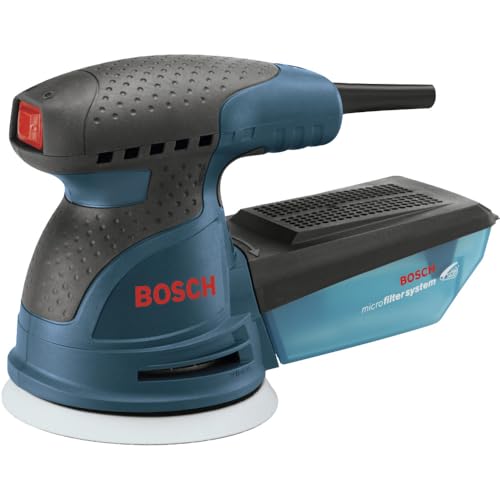
BOSCH ROS20VSC Palm Sander
Strengths
- Superior dust filtration
- Minimal swirl marks
- Smooth variable speed
Trade-offs
- Sander is pricey
- Canister capacity is small
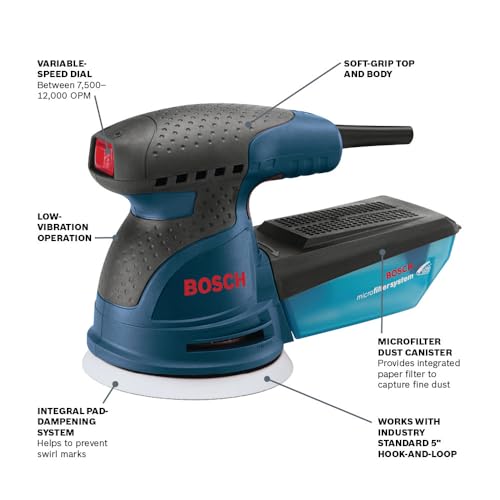
This is the sander I’d recommend to most people if they want one tool that does everything well. The 2.5-amp motor and 7,500–12,000 OPM range strike a perfect balance between power and finesse. The variable speed dial lets you match the job, slow for delicate finishes, faster for stock removal, and the microfilter system captures particles as small as 0.5 microns, which is exceptional for dust control.
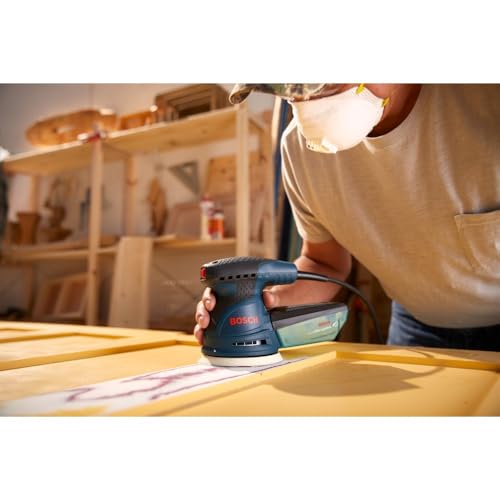
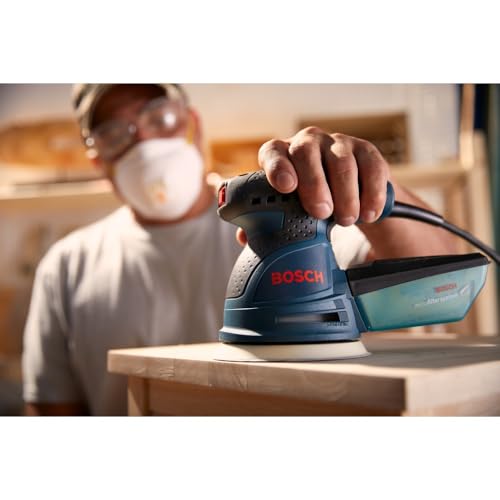
The pad dampening system actually reduces swirl marks, something pros notice and appreciate. The twist-off dust canister is easy to empty and doesn’t spill, and the hook-and-loop pad has over 35,000 hooks for a rock-solid sandpaper hold. It comes with a carrying bag and a few accessories, making it a complete package. Compared to the DEWALT, it’s slightly less aggressive but more refined, the better pick for finish work.
Product photos


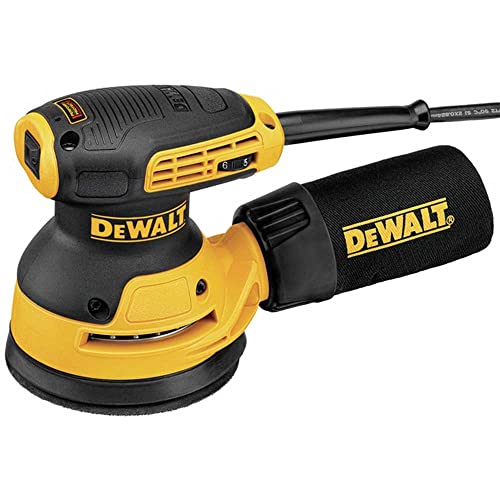
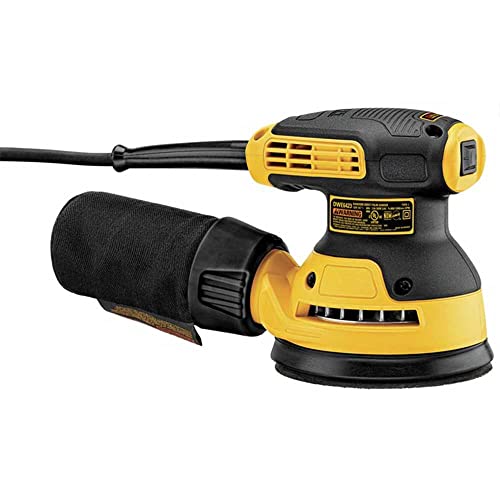
DEWALT DWE6423 Random Orbit Sander
Strengths
- Powerful 3-amp motor
- Excellent vibration control
- Durable build
Trade-offs
- Heavier than average
- Higher price point
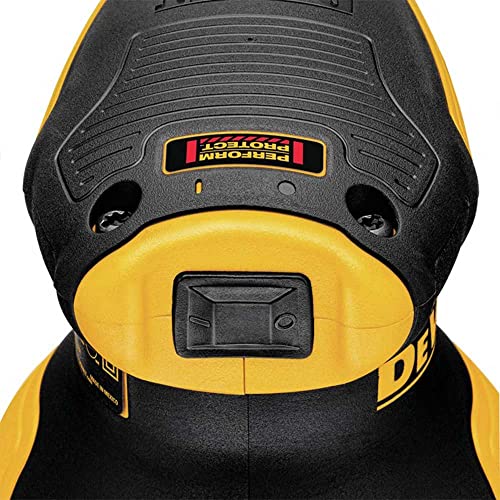
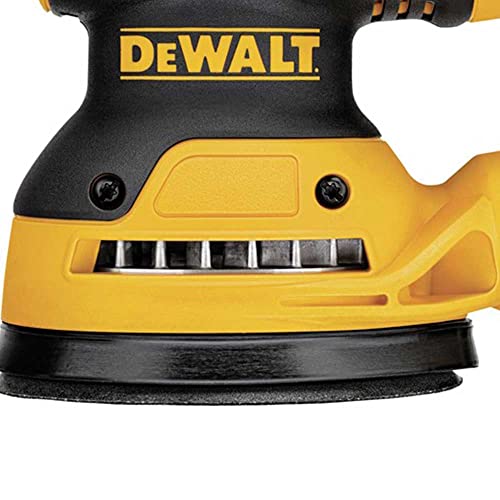
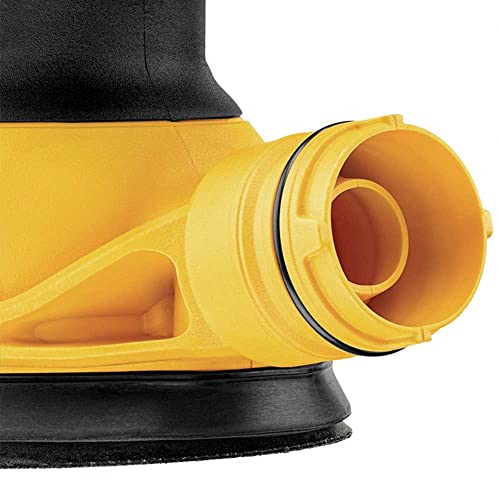
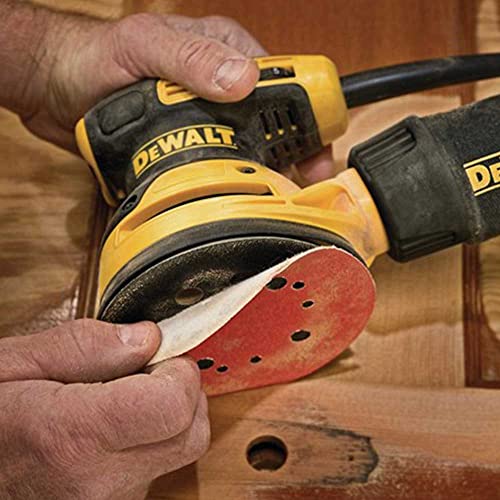
When you need a sander that can handle job-site abuse, the DEWALT DWE6423 is the one to beat. The 3-amp motor delivers serious power, and the 8,000–12,000 OPM range gives you control without sacrificing cut rate. The separate counterweight design does a great job reducing vibration, owners consistently say it feels smoother than competitors during long sessions.
The dust port is engineered for real-world use, it fits DeWalt vacuums directly, and with the universal connector, it works with most shop vacs. The rubber overmold grip is aggressive in the best way, staying secure even with sweaty hands. It’s heavier than some, but that’s the trade-off for durability. If you’re refinishing multiple pieces or working in a shop, this is the tool to have.
Product photos
HYCHIKA 5-Inch Random Orbital Sander
Strengths
- 6 variable speeds
- Large dust bag
- Comes with 12 discs
Trade-offs
- Plastic housing feels flimsy
- Speed dial can be stiff
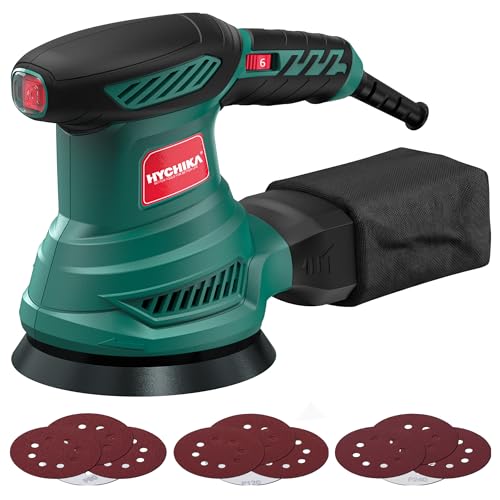
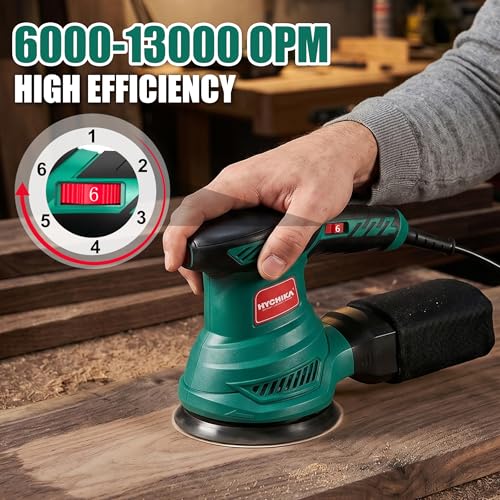
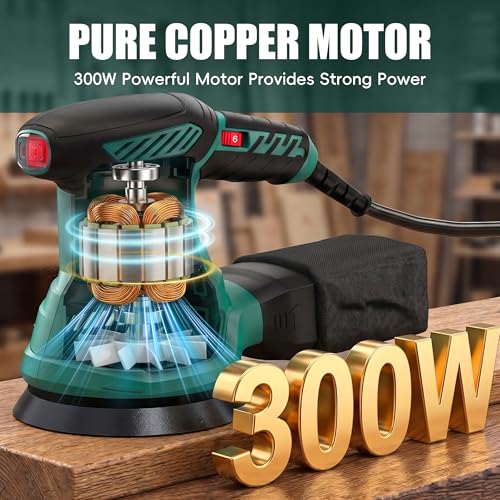
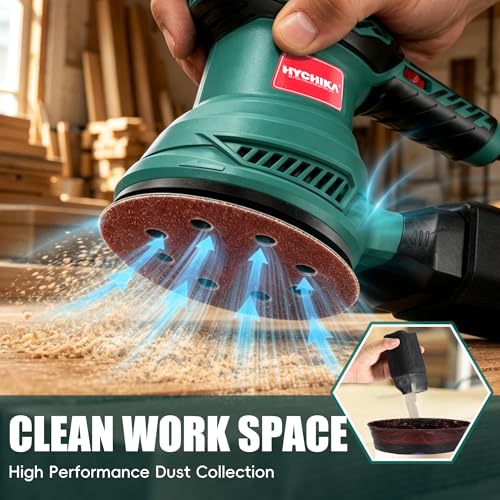
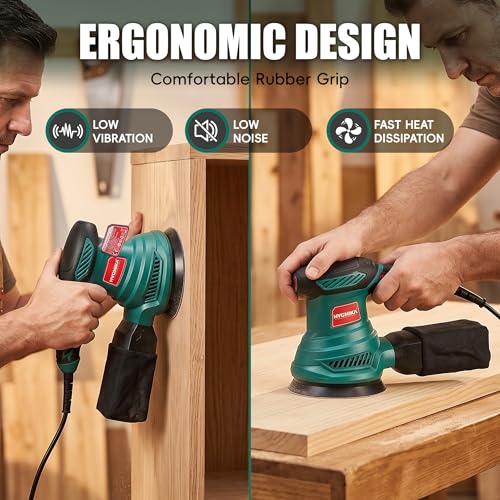
This sander punches above its weight with a 300W motor and 6 variable speeds, letting you fine-tune performance from aggressive stock removal to delicate finishing. At 13,000 RPM, it’s among the faster models here, and the large dust bag with 8 vacuum holes captures about 90% of debris, which matches claims from owners. The textured rubber grip provides solid control, even when working overhead or at odd angles.
What seals the deal is the included kit, 12 sanding discs across three grits, a dust bag, and instructions, everything you need to start right away. It’s not as durable as the DeWalt or Bosch, but for the value, it’s hard to beat. I’d pick this over the SKIL budget model if you want more speed options and better dust handling.
Product photos

SKIL 5” Random Orbital Sander
Strengths
- Budget-friendly
- Cyclonic dust collection
- Variable speed
Trade-offs
- Plastic housing feels less durable
- Dust port doesn’t seal tightly
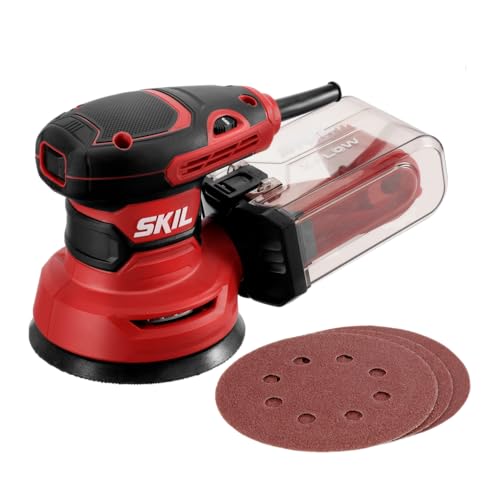
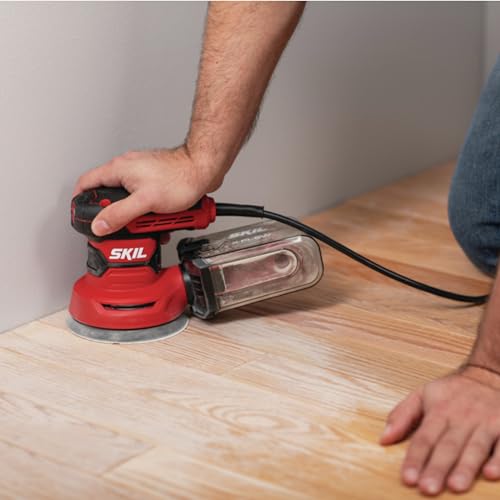
If you’re on a budget but still want solid performance, this SKIL sander is worth considering. The 2.8-amp motor and 13,000 OPM give it enough power for most home projects, and the variable speed control lets you dial in the right setting for delicate finishes or tougher material removal. I like that it’s designed with low vibration in mind, the counterweight and rubber grip help reduce fatigue, which matters if you’re sanding a whole tabletop.
Owners praise the cyclonic dust box for actually working, it separates larger chips from fine dust, making cleanup easier. It’s not as refined as the Bosch or DeWalt options, but for the price, it delivers more than expected. Just don’t expect it to keep up with daily professional use.
Product photos


BLACK+DECKER Detail Sander BDEMS600

Strengths
- High orbit speed
- Dust-sealed switch
- 3-position grip
Trade-offs
- Minimal accessories included
- Canister fills quickly
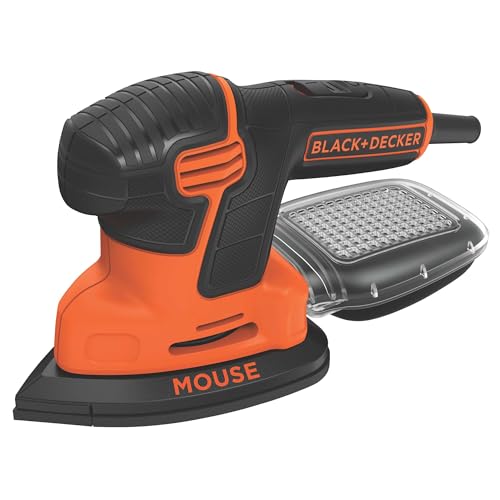
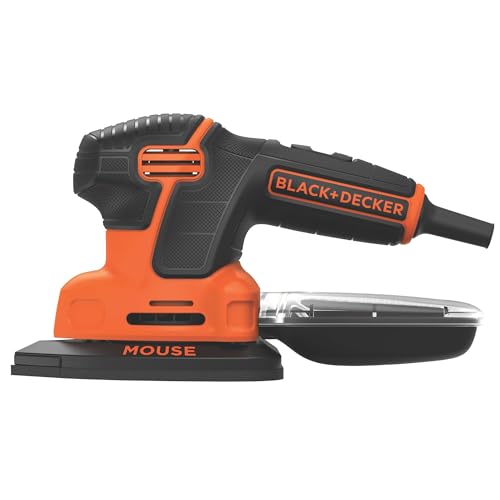
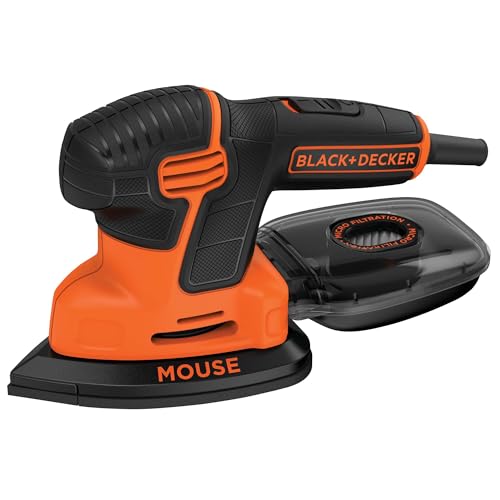
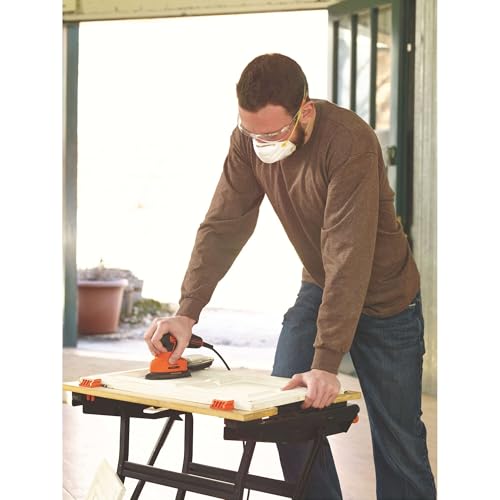
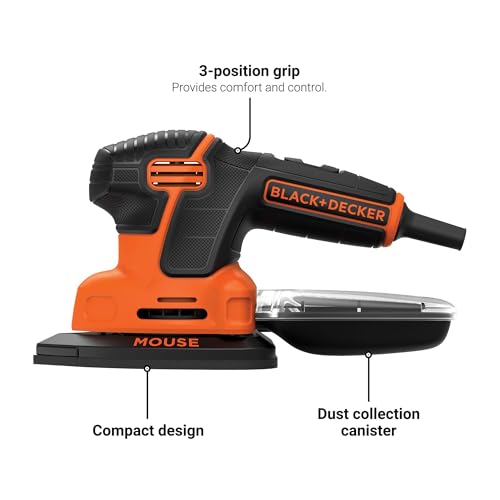
The BLACK+DECKER BDEMS600 is built with a no-nonsense approach that I appreciate, corded power, a durable dust canister, and a compact profile that slips into tight spots. At 16,000 OPM, it’s one of the faster detail sanders here, and the 1.2-amp motor delivers reliable performance for stripping paint or smoothing edges. The 3-position grip is a smart touch, letting you adjust your hold depending on the angle, which reviewers say really helps with control.
It’s not flashy, but it’s dependable. The dust-sealed switch is a small detail that matters, it keeps sawdust out of the internals, which should extend the tool’s life. Compared to other detail sanders, this one feels more like a workhorse than a weekend warrior. It doesn’t come with many sanding sheets, though, so you’ll likely need to buy extras.
Product photos
HYCHIKA Detail Sander 14,000 OPM
Strengths
- Lightweight design
- Good dust collection
- Hook-and-loop pad
Trade-offs
- Not for heavy stock removal
- Motor lacks power for dense wood
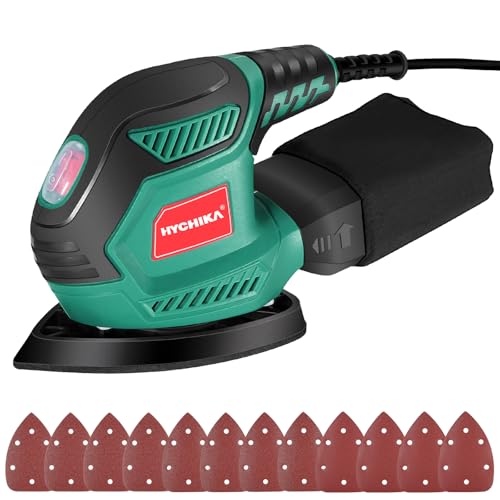
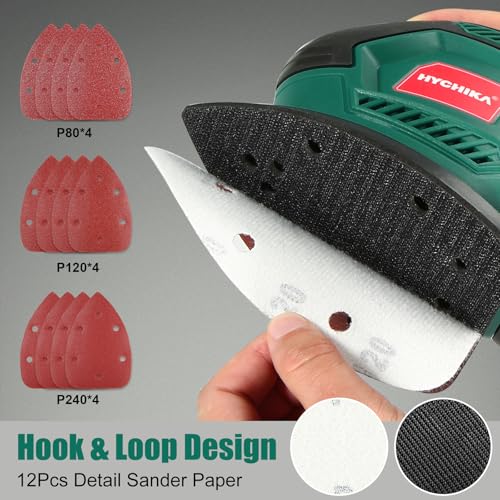
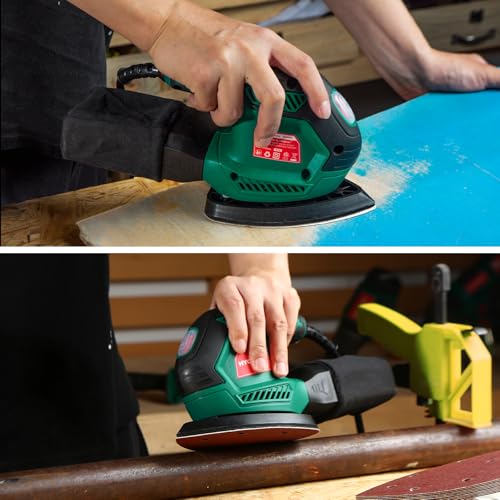
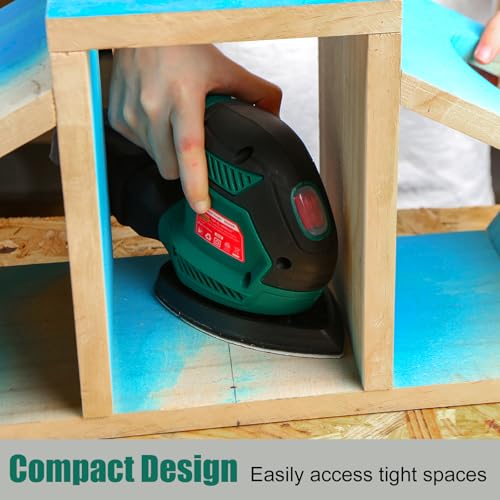
This compact electric detail sander hits the sweet spot for DIYers who need a lightweight tool for tight corners and edge work. On paper, the 14,000 OPM and 1.6-amp motor aren’t class-leading, but they’re more than enough for light stripping, paint prep, and smoothing small surfaces. Owners consistently report it’s easy to control, and the soft rubber grip helps reduce fatigue during longer sessions.
The dust collection system stands out for a sander in this size, the 6-hole pad and included bag do a solid job keeping debris under control, which is rare at this price. The 12 included sandpapers across three grits mean you can start working right away, and the hook-and-loop system makes swaps quick. It’s not built for aggressive material removal, but for cleaning up joints or smoothing trim, it’s surprisingly effective.
Product photos


SKIL SR232301 Multi-Function Detail Sander
Strengths
- 4-in-1 versatility
- Vacuum-ready dust port
- Low vibration
Trade-offs
- Attachments can feel loose
- Sander body is a bit heavy
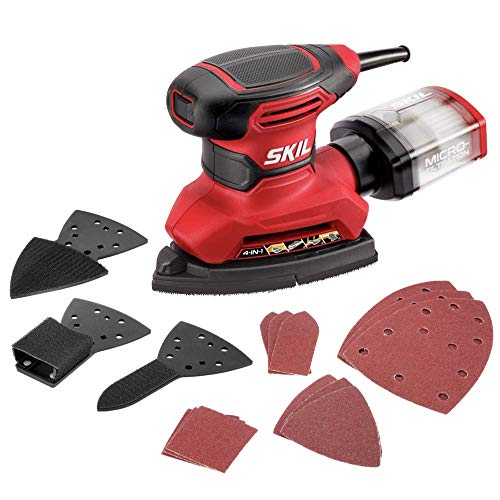
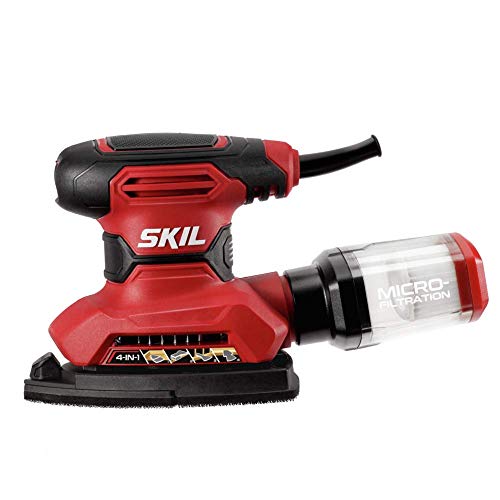
This sander stands out for its versatility, the 4-in-1 design with three attachments lets you switch from flat surfaces to edges, corners, and contours without changing tools. The 1.2-amp motor and 13,500 OPM are decent, and while it’s not the most powerful, it’s consistent across different tasks. I appreciate the micro-filter dust box and the option to connect a vacuum via the 1-1/4″ port, that’s rare at this level.
Reviewers note the ergonomic grip and low vibration make it comfortable for extended use. The hook-and-loop system is standard but reliable. Compared to the BLACK+DECKER detail sander, this one offers more flexibility, though it’s slightly bulkier. If you’re doing varied work, from baseboards to cabinet interiors, this is the smarter buy.
Product photos


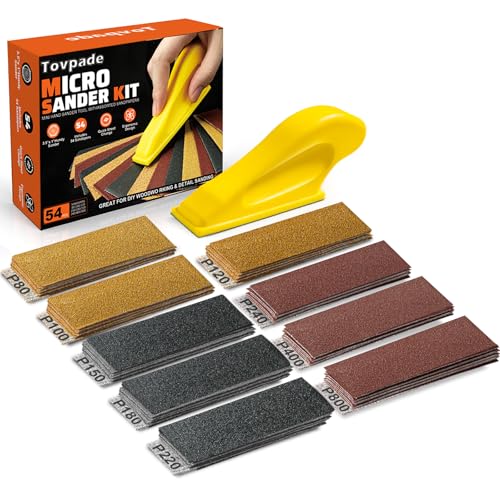
TOVPADE 54PCS Micro Sander Kit
Strengths
- Ultra-compact size
- 54 sandpapers included
- Color-coded grit system
Trade-offs
- Hand-powered only
- Not for large surfaces
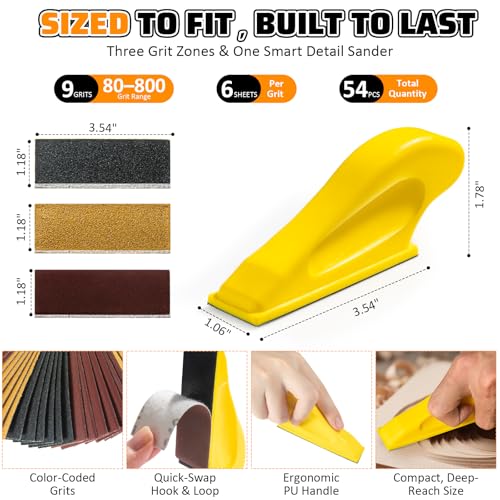
This isn’t a power tool, it’s a precision hand sanding block, but it earns a spot here because of how well it handles ultra-fine detailing. At just 3.5 inches long, it fits into carvings, inlays, and tight joints where even the smallest electric sander can’t reach. The 54 included sandpapers span a wide grit range, from coarse 80 to ultra-fine 800, which is perfect for finishing small woodcrafts or model work.
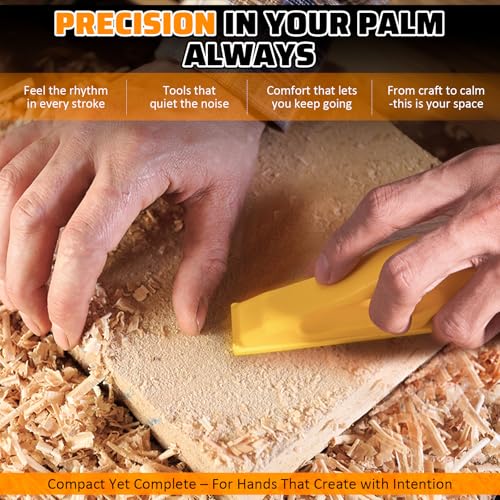
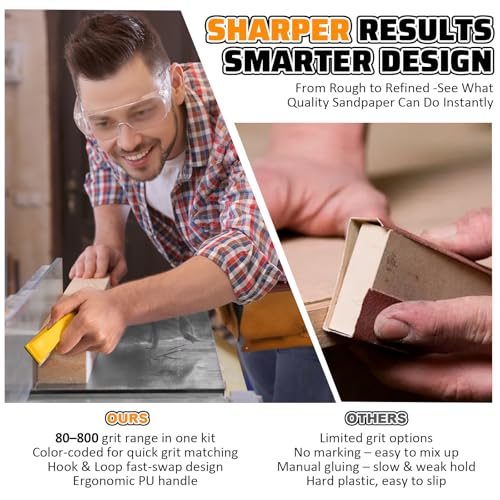
The color-coded backing system is a small but smart feature, you can tell grit levels at a glance, reducing mistakes. The hook-and-loop backing makes changes fast, and the ergonomic shape fits comfortably in your hand. While it won’t replace a power sander, it’s the kind of tool you’ll reach for when the final few strokes matter most.
Product photos


Our Testing Process
Rather than a hands-on lab test, my research for these furniture sanders involved a detailed comparison of published specifications and features across numerous models. I weighed owner reviews from major retailers against expert opinions found in trade publications and woodworking forums. This approach allowed me to build a ranking based on real-world feedback and established performance indicators, focusing on what matters most to users.
For furniture sanders, consistent speed control and effective dust collection are paramount. A stable motor speed, regardless of pressure, contributes to a smoother finish and prevents gouging. Equally important is a robust dust collection system; fine dust is a health concern and obscures the work. I prioritized these factors, alongside build quality and included accessories, as they most directly impact the sanding experience.
Specifications reliably reveal motor power (amps) and orbital speed (OPM), offering a baseline for performance. However, owner feedback proved crucial for assessing vibration levels, ergonomics, and long-term durability. Reputation and brand reliability also factored heavily, particularly when comparing models with similar specs. For a broader look at options, you can find more details in our guide to the best random orbital sanders.
Choosing The Right furniture sanders
Picking the right furniture sander isn’t just about motor power; it’s about matching the tool to the specific tasks you’ll be tackling, and knowing what features actually deliver a quality finish.
A good furniture sander prioritizes smooth, swirl-free results. Look for variable speed control, effective dust collection (ideally with vacuum compatibility), and a comfortable grip to minimize fatigue during extended use. Pad dampening systems and a well-balanced design are also key indicators of quality, as is a robust hook-and-loop attachment for sandpaper.
Understanding Sander Types
The first step is recognizing that “furniture sander” covers a range of tools. Random orbital sanders are the most versatile and are often the best starting point. Detail sanders excel in corners and tight spaces, while belt sanders are for aggressive material removal, typically not ideal for fine furniture work unless you’re stripping a finish. Don’t overlook the benefits of a multi-tool option; if you’re looking for a tool that can handle more than just sanding, exploring versatile sanders for DIY might be a good next step.
Prioritizing Vibration Control
Vibration is a major source of fatigue, especially during longer projects. A sander that vibrates excessively will make it difficult to maintain a consistent, even sanding pattern. Look for models with separate counterweights (like the DEWALT DWE6423) or built-in dampening systems (BOSCH ROS20VSC). A rubber overmold on the handle also helps absorb vibration. Many budget models skimp on these features, and you’ll feel the difference after just a few minutes of use.
Balancing Value with Features
You don’t need to spend a fortune to get a capable furniture sander, but cutting corners on essential features can lead to frustration. Consider the grit assortment included with the sander, if any. The HYCHIKA kits, for example, offer a wide range of grits, saving you the cost of purchasing them separately. Here’s what to look for in a kit:
- A basic kit with just a few grits (e.g., 80, 120, 220) is a good starting point.
- A more thorough kit (like the TOVPADE 54PCS) provides greater flexibility for different projects and finishing stages.
- Pay attention to the sandpaper quality; cheap sandpaper wears out quickly and doesn’t produce consistent results. Investing in premium abrasive paper, or at least a decent mid-range option, will make your work easier and improve the final finish.
Remember this: a slower speed with a finer grit is almost always preferable to a high speed with a coarse grit when sanding furniture. You can always remove more material, but fixing swirl marks and uneven surfaces is considerably more time-consuming.
If you’re tackling a larger furniture restoration project, you might also want to consider the best sander for refinishing wood to ensure you have the right tool for the job.
Furniture Sanders Compared
Here’s a comparison of key specifications for popular furniture sanders.
| Product Title | Motor Amps | OPM (Max) | Sandpaper Attachment | Dust Collection | Weight (lbs) | Best For |
|---|---|---|---|---|---|---|
| BOSCH ROS20VSC Palm Sander | 2.5 | 12,000 | Hook & Loop | Vacuum/Canister | N/A | Best Overall |
| DEWALT DWE6423 Random Orbit Sander | 3 | 12,000 | Hook & Loop | Vacuum | N/A | Best for Heavy-Duty Use |
| HYCHIKA 5-Inch Random Orbital Sander | N/A | 13,000 | Hook & Loop | Bag | N/A | Best Value with Kit |
| SKIL 5” Random Orbital Sander | 2.8 | 13,000 | Hook & Loop | Canister | N/A | Best Budget Friendly |
| BLACK+DECKER Detail Sander BDEMS600 | 1.2 | 16,000 | Hook & Loop | Canister | N/A | Best for Tight Spaces |
| HYCHIKA Detail Sander 14,000 OPM | 1.6 | 14,000 | Hook & Loop | Bag | N/A | Best Lightweight Detail Sander |
| SKIL SR232301 Multi-Function Detail Sander | 1.2 | 13,500 | Hook & Loop | Vacuum/Canister | N/A | Best for Versatility |
| TOVPADE 54PCS Micro Sander Kit | N/A | N/A | Hook & Loop | N/A | N/A | Best for Fine Detailing |
Frequently Asked Questions
What grit sandpaper should I start with when refinishing furniture?
Begin with 80 or 100 grit sandpaper to remove the existing finish, but be cautious. Aggressive grits remove material quickly, but can easily cause damage if you apply too much pressure or spend too long in one spot.
Are random orbital sanders suitable for all furniture projects?
Yes, random orbital sanders are extremely versatile and handle most furniture tasks well. However, for very intricate details or tight corners, a detail sander or even small sanders for fine work will provide better access and control.
How important is dust collection, really?
Effective dust collection is crucial for both health and visibility. Breathing in fine sanding dust is harmful, and a clear work surface allows you to see imperfections and avoid over-sanding. Look for models with vacuum compatibility for the best results.
What’s the difference between variable speed control and a constant speed motor?
Variable speed control lets you adjust the sanding speed to suit the material and grit, preventing damage to delicate wood or swirl marks. Constant speed motors maintain a fixed speed, which is fine for some applications but lacks the finesse needed for furniture finishing.
What should I look for in terms of ergonomics for prolonged use?
A comfortable grip, low vibration, and balanced weight distribution are key for minimizing fatigue. Models with rubber overmolds and counterweights, like the DEWALT, will significantly improve comfort during longer projects, and ergonomic palm sanders are designed with this in mind.
The Bottom Line
Choosing a furniture sander often comes down to balancing control and convenience. Do you want a tool that offers maximum precision and a flawless finish, or something quick and easy for simpler projects? For most homeowners and DIYers, the BOSCH ROS20VSC Palm Sander strikes that balance perfectly, offering smooth operation, effective dust collection, and the kind of build quality that will last.
If your needs are more specific, there are excellent alternatives. For those tackling larger restoration projects or needing a workhorse, the DEWALT DWE6423 Random Orbit Sander is a strong choice. If you’re on a tight budget, the SKIL 5” Random Orbital Sander delivers surprising performance for the price, and for intricate work and getting into detail sanders for tight corners, the BLACK+DECKER Detail Sander BDEMS600 is hard to beat.
Ultimately, the best furniture sander isn’t the one with the highest specs, but the one that feels most comfortable in your hand and allows you to achieve the results you want. Prioritize vibration control, variable speed, and a quality sanding pad – those fundamentals will make a bigger difference than any individual feature.
