
8 Best Electric Hand Planers of 2026
This post contains affiliate links. As an Amazon Associate, we earn from qualifying purchases.
The DEWALT 20V MAX Planer is the overall best electric hand planer for its power and portability, especially if you already use DEWALT’s 20V system. For a budget-friendly corded option, the WEN 6534 delivers solid performance on larger stock, while the Bosch PL2632K stands out for precision work with its fine depth control.
Most people don’t realize how much difference a good planer makes until they’re sanding a warped board for hours by hand. The wrong tool leaves snipe, tearout, or inconsistent surfaces, and can wear you out fast.
I focused on models that balance real-world performance with durability and usability, based on specs, owner feedback, and years of seeing what holds up in home workshops. This guide cuts through the noise to highlight planers that actually deliver where it counts: clean cuts, reliable adjustments, and the power to handle your typical projects without frustration.
Top 8 Electric Hand Planers in the Market
The Best Electric Hand Planers, Reviewed
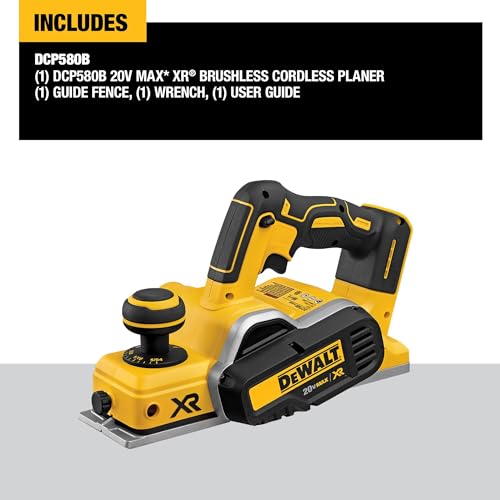
DEWALT 20V MAX Planer

Strengths
- Brushless motor for efficiency
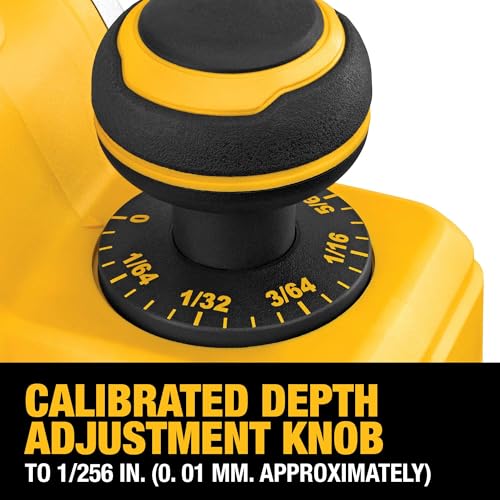
- Fine 0.01 mm depth control
- Cordless convenience
Trade-offs
- Sold without battery or charger
- Higher upfront cost
- Dust collection could be better
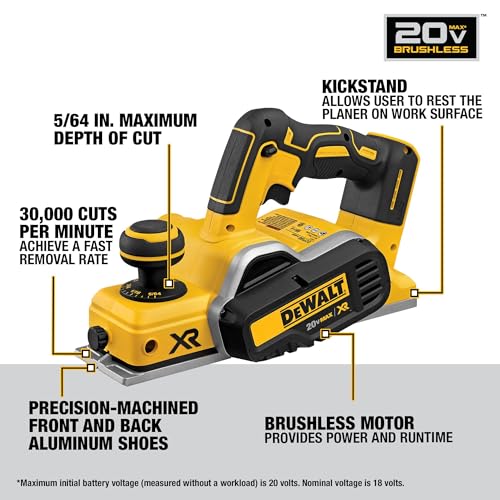
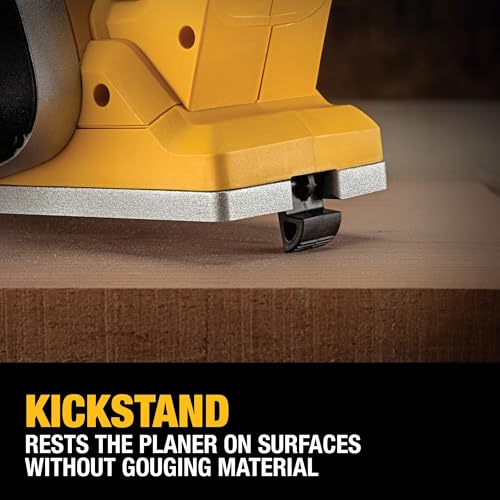
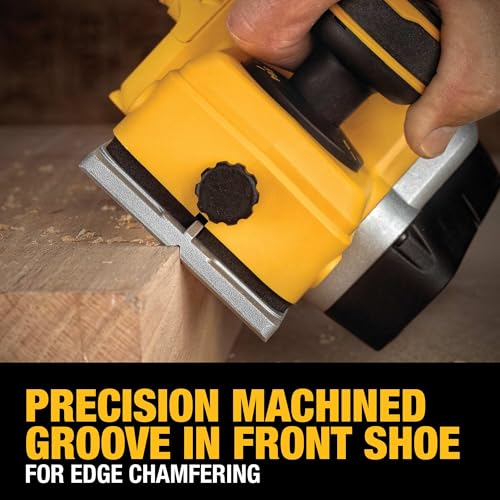
This cordless DEWALT is the most versatile planer here, and my pick for the best overall. The brushless motor delivers strong runtime and consistent power, even in oak or maple. At 30,000 cuts per minute and with a 2 mm depth capacity, it handles most jobs with ease. The depth knob adjusts down to 0.01 mm, incredibly fine control, and the ergonomics get high marks from owners for reducing fatigue during long sessions.
Being bare tool only is a drawback if you don’t already own 20V DeWalt batteries, but for those in the ecosystem, the freedom from cords is huge. It’s not the cheapest, but the combination of precision, power, and portability makes it worth it.
Product photos
WEN 6534 8-Amp Planer
Strengths
- 4-3/8-inch wide cut
- 8-amp motor for heavy stock
- Two-way dust port
Trade-offs
- Bulky and heavy
- Rougher finish on hardwoods
- Not for precision tasks
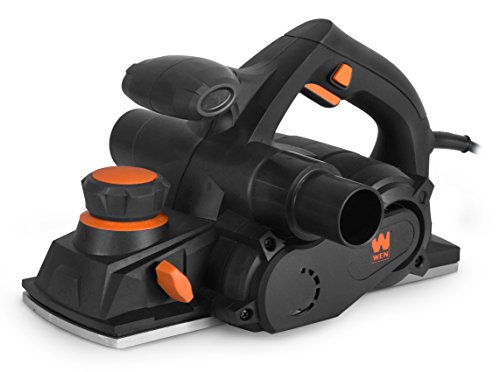
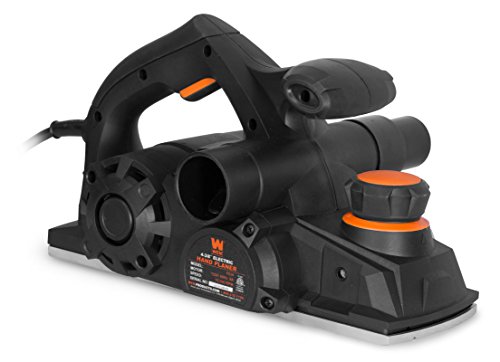
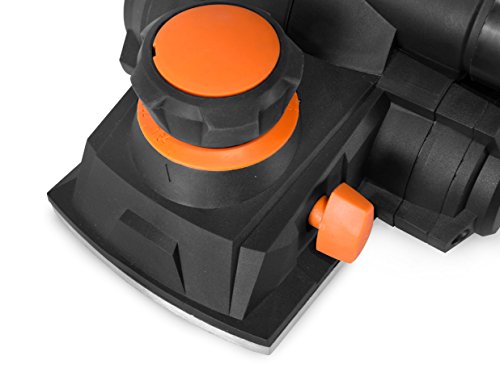
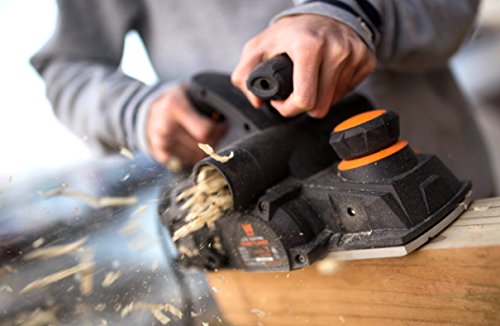
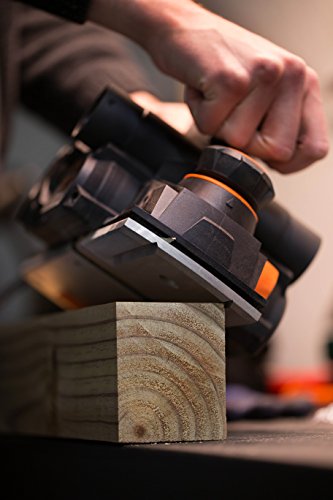
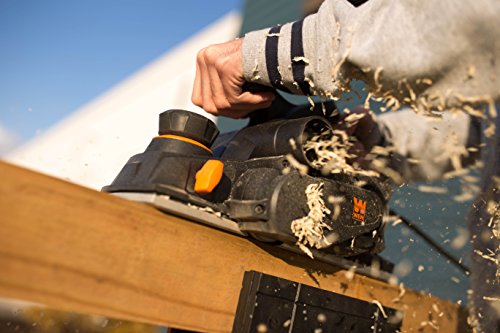
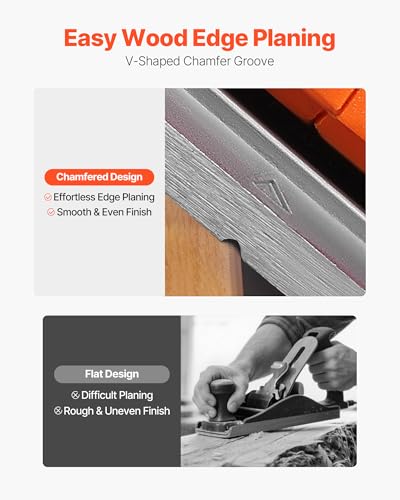
If you’re working with 4x4s or thick beams, the WEN 6534 is one of the few handheld planers that can keep up. Its 4-3/8-inch width and 8-amp motor make it a budget-friendly powerhouse, ideal for leveling fence posts or smoothing rough-sawn lumber. The two-way dust port is a nice touch, letting you route shavings away from your body depending on your stance. It includes two HSS blades and even chamfer grooves, which adds value.
But power comes with trade-offs. It’s heavy and a bit awkward to control for fine work. The finish isn’t as smooth as narrower planers, and it demands a solid grip. Still, for the price, it’s an impressive performer on big jobs.
Product photos
BOSCH PL2632K 3-1/4 In. Planer Kit

Strengths
- Ratcheting depth knob
- Reversible carbide blades
- Dual-mount guide fence
Trade-offs
- Higher price point
- Kit lacks dust bag
- Bulky for tight areas
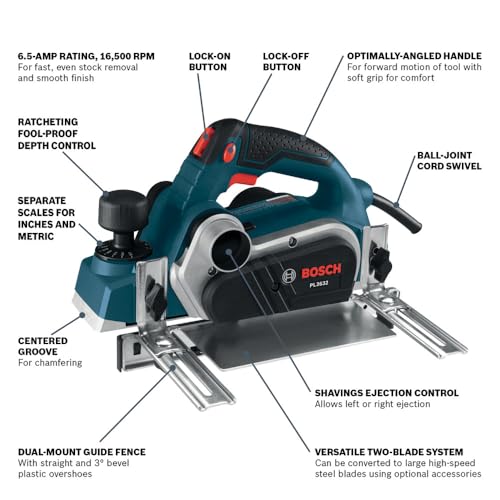
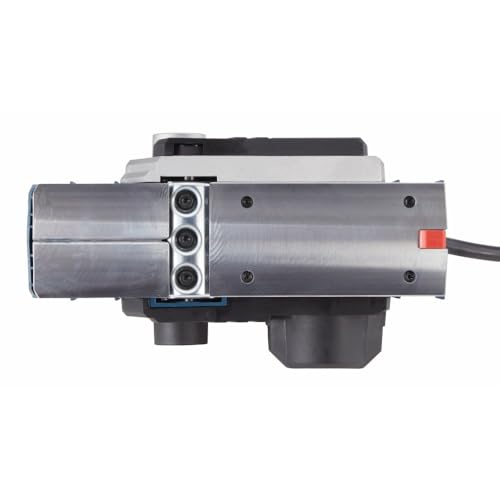
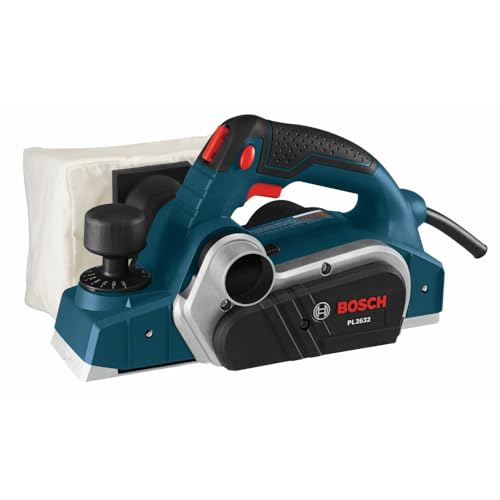
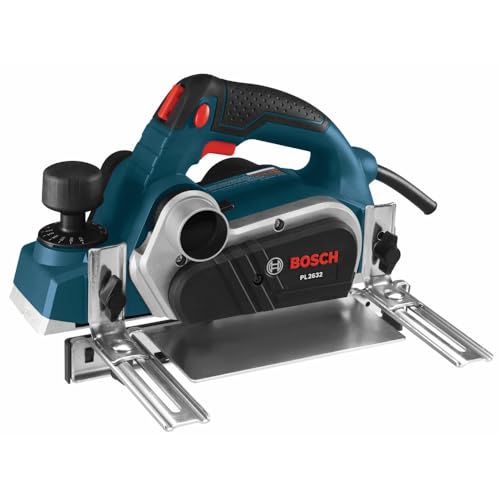
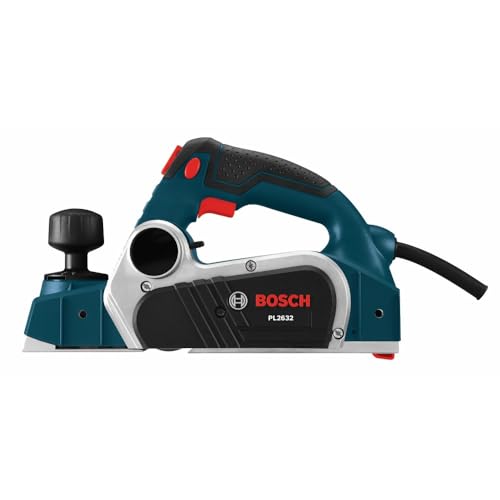
This is the tool I’d reach for if precision mattered most. The ratcheting depth knob is a standout, it lets you make incremental adjustments without losing your reference point, and reviewers love how repeatable it feels across multiple passes. The reversible Bosch Woodrazor blades are noticeably sharper and longer-lasting than standard carbide, and the dual-mount fence adds serious flexibility. Combined with the aluminum shoes machined in pairs, this planer delivers a level of accuracy most others can’t match.
It’s also one of the more expensive corded models, but the build quality justifies it. The ability to switch ejection direction and use HSS blades with accessories makes it adaptable. For fine woodworking or cabinetry, it’s hard to beat.
Product photos
VEVOR 7-Amp 3-1/4 In. Planer
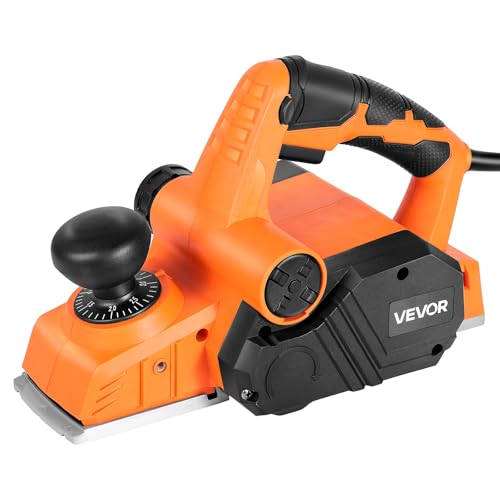
Strengths
- 1/8-inch max depth cut
- Dual safety switches
- Includes two blade sets
Trade-offs
- Lower effective cutting speed
- Noticeable vibration
- Build quality inconsistent
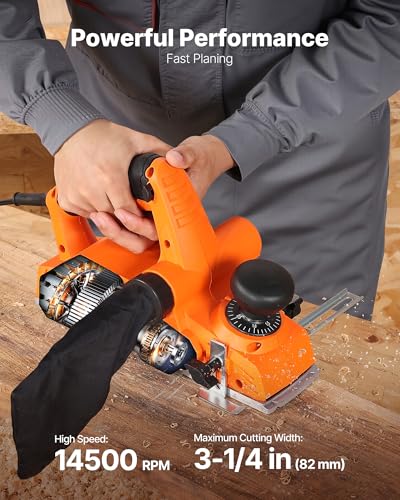
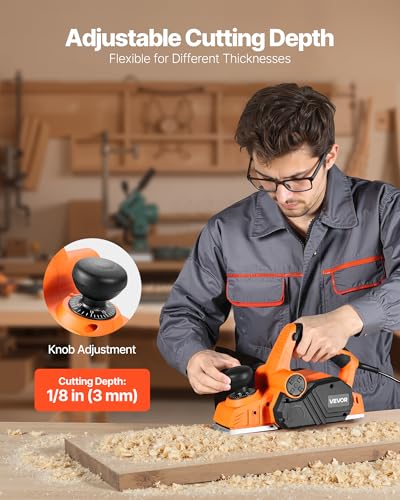
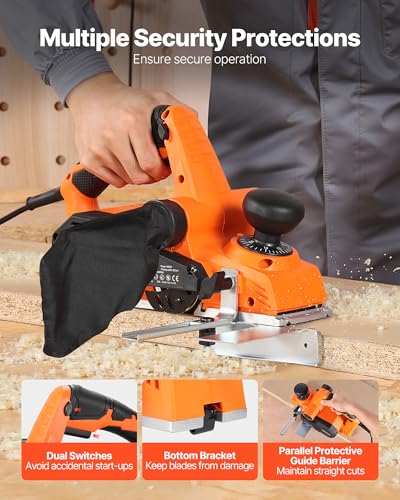
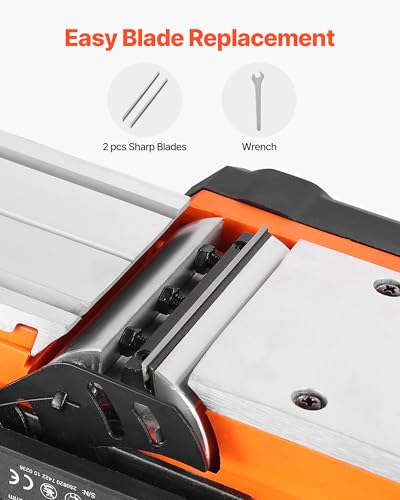
VEVOR is not a name you typically see in pro workshops, but this model brings serious specs to the table, 1/8-inch depth capacity and a 7-amp motor suggest it can handle aggressive material removal. The dual-switch safety system and bottom blade guard are thoughtful touches, and including two blade sets lowers long-term costs. However, the 14,500 RPM is misleading; that’s spindle speed, not cutter speed. The actual cut rate is much lower than models advertising 30,000+ cuts per minute.
Owners report mixed results: some praise its raw power, others complain about vibration and inconsistent finishes. It’s clearly built to compete on price and specs, but lacks the refinement of established brands.
Product photos
WEN 6530 6-Amp Planer
Strengths
- 6-pound lightweight build
- 16 depth adjustment stops
- Includes rabbeting guide
Trade-offs
- Dust bag has small capacity
- Not ideal for hardwood stock removal
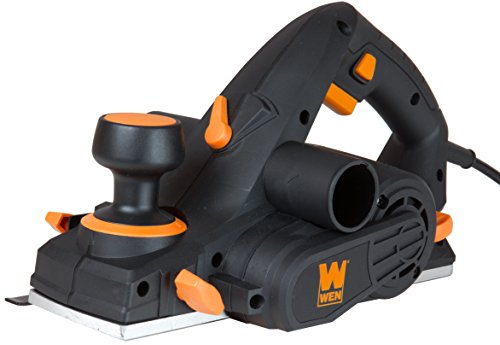
The WEN 6530 hits a sweet spot for DIYers who need solid performance without the heft. With a 6-amp motor pushing 34,000 cuts per minute, it delivers enough power for most trim and door-shimming jobs. The 3-1/4-inch width is practical, and the depth adjustment goes up to 1/8 inch in 16 precise steps, which owners say is both intuitive and repeatable. I appreciate that it includes a rabbeting guide, a feature usually found on pricier models, and the fact that it weighs only 6 pounds makes it easy to control during overhead or one-handed work.
It’s not built for all-day use, but for weekend warriors, this planer offers surprising versatility. The dust bag helps a little, though most users report it fills fast and needs frequent emptying. Still, for the price, it’s hard to beat the feature set.
Product photos
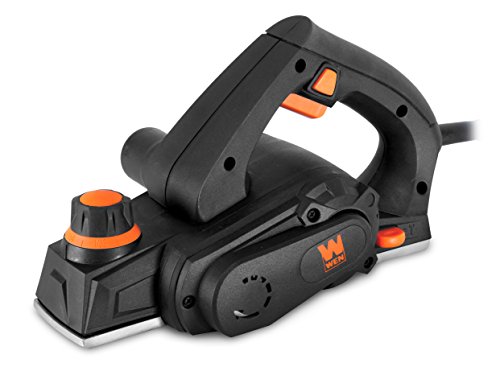
WEN 6528 3.8-Amp Planer
Strengths
- Ultra-light at 4.3 lbs
- Onboard wrench storage
- Good for tight spaces
Trade-offs
- Limited 2-3/8-inch cut width
- Struggles with hardwoods
- Shallow depth range (1/16 inch max)
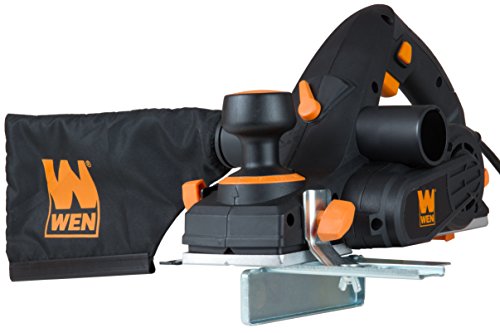
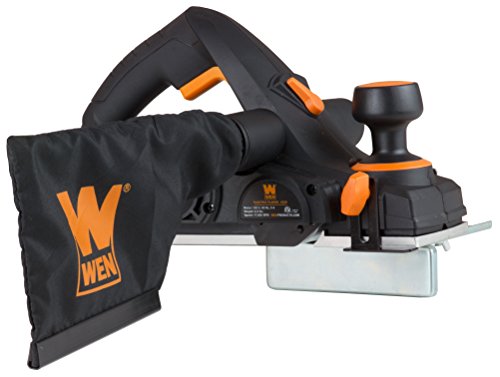
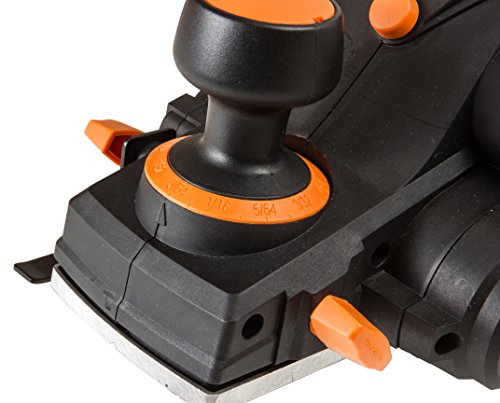
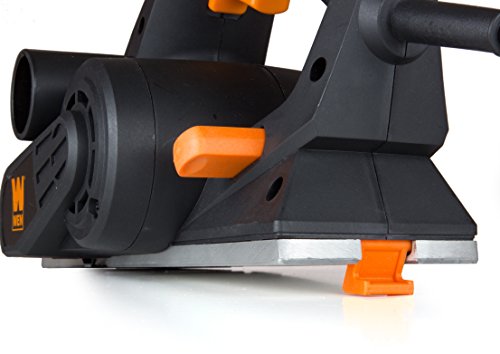
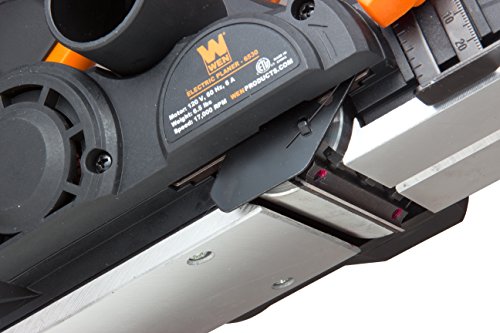
This is the smallest planer in the WEN lineup, and it shows. The 2-3/8-inch width limits it to very narrow tasks, think thin trim, small dowels, or model-making. The 3.8-amp motor and 32,000 cuts per minute sound decent on paper, but real-world feedback suggests it bogs down quickly in anything beyond soft pine. That said, at just 4.3 pounds, it’s incredibly easy to maneuver in tight spots, and the onboard wrench storage is a small but thoughtful touch.
It’s a niche tool, and not one I’d recommend as a primary planer. But if you already own a wider model and need something compact for detail work, this could fill a gap.
Product photos


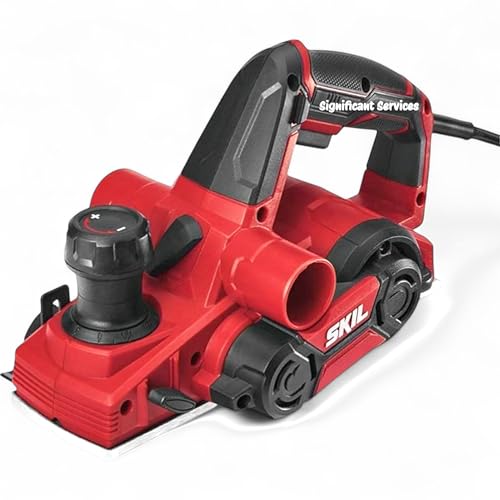
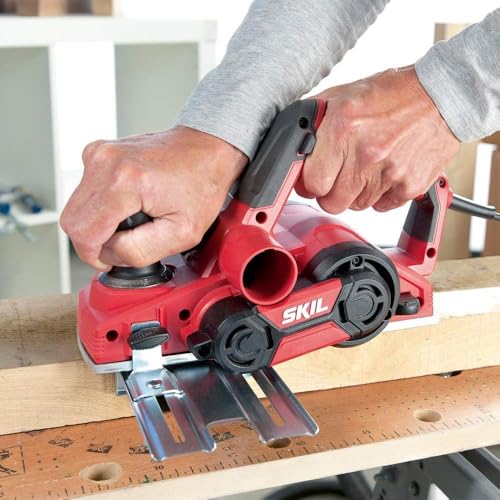
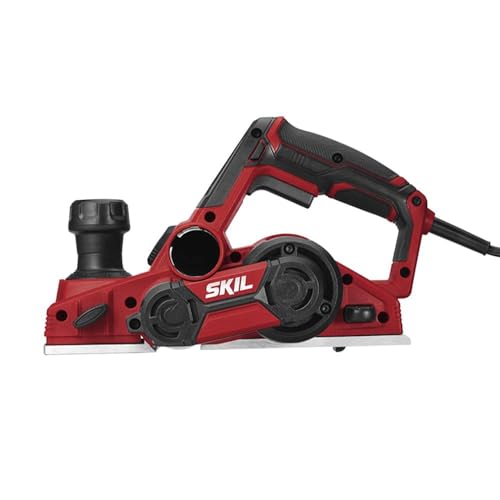
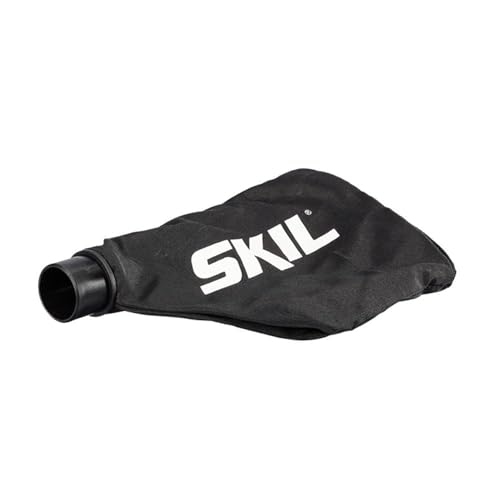
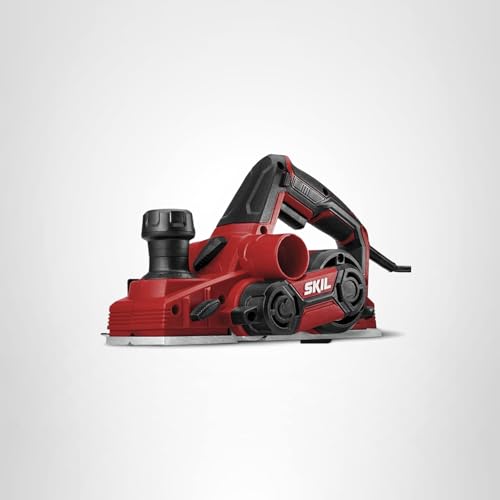
SKIL 6.5 AMP Corded Planer
Strengths
- Dual exhaust for better dust control
- Smooth kickstand design
- Lock-off switch prevents accidents
Trade-offs
- No included blades
- No rabbeting guide
- Finish quality lags behind competitors
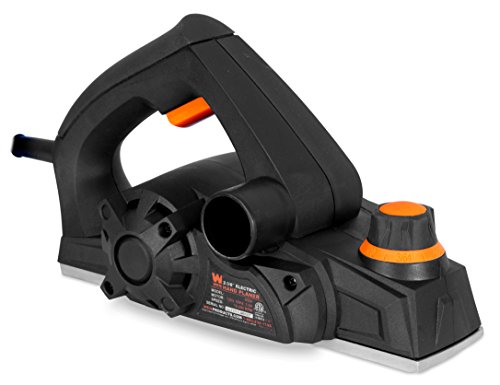
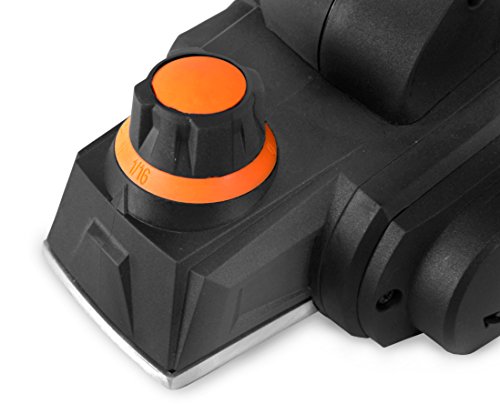
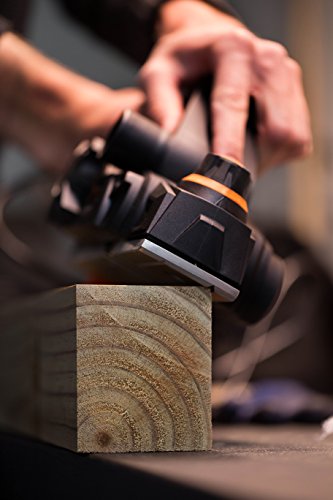
SKIL built this model with visibility and cleanup in mind, and the dual chip exhaust is its standout feature. Owners consistently report less dust buildup on the work surface, which helps maintain clear sightlines during cuts, a real advantage when making precision passes. The 6.5-amp motor gives strong performance on paper, but it doesn’t quite match the cut quality of the Bosch or DeWalt models. The lack of included blades or a rabbeting guide feels like a cost-cutting move, especially at this price tier.
Still, if dust control is your top priority and you’re working in a small shop or garage without a dust extractor, this one earns points. The lock-off switch is a reliable safety touch.
Product photos

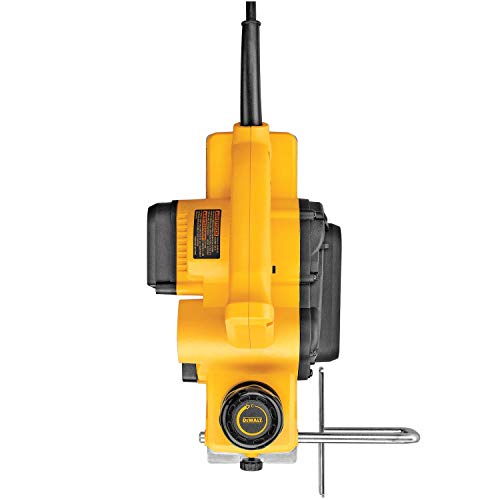
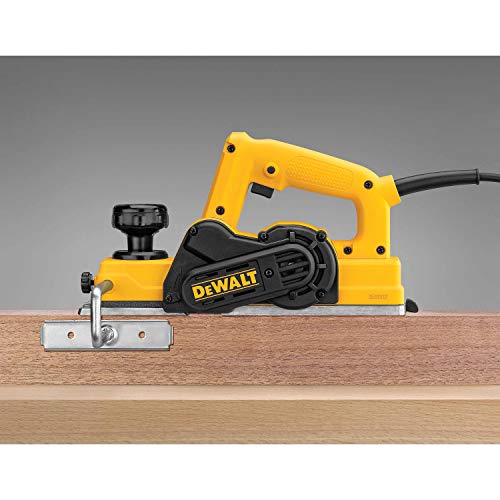
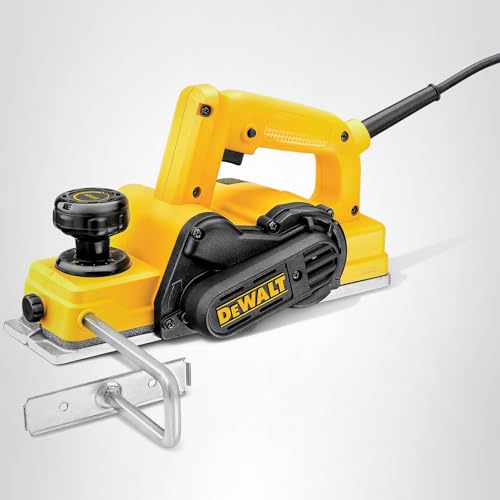
DEWALT D26677K Hand Planer Kit

Strengths
- Accepts HSS blades
- Reversible carbide blades
- Precision aluminum shoes
Trade-offs
- Max depth only 1/16 inch
- No dust collection bag included
- Heavier than some rivals
DEWALT’s corded D26677K stands out for one reason: blade flexibility. It includes reversible carbide blades, but more importantly, it accepts standard high-speed steel blades, a rare feature that lets you resharpen or swap for specialty blades later. That’s a big win for users who do framing or rough work where blade wear is high. The 34,000 cuts per minute and Poly-V belt deliver smooth, consistent planing, and the aluminum shoes stay true over time.
It doesn’t have the depth range of the WEN 6534, but it finishes cleaner. And while it lacks some of the finesse of the Bosch, it’s more rugged. For a hybrid user who does both finish and rough work, this is the smarter buy.
Product photos
How We Chose These electric hand planers
Rather than a hands-on lab test, my research for these recommendations focused on a detailed comparison of published specifications and features across numerous models. I weighed owner reviews from multiple sources – looking for consistent praise or complaints – alongside assessments from reputable woodworking and tool review sites. My goal was to build a ranking based on how well each planer’s features aligned with common woodworking tasks and user expectations.
For electric hand planers, cutting capacity and motor power were the biggest deciding factors. A wider capacity allows working with larger stock, while sufficient power ensures smooth cuts even in hardwoods. Depth adjustment precision also stood out; fine adjustments are critical for achieving accurate results. Durability, indicated by features like aluminum shoes and belt construction, played a significant role as well.
Published specs reliably indicate motor strength (amps) and maximum cut depth. However, I relied heavily on owner feedback to gauge real-world performance, particularly regarding dust collection effectiveness and the accuracy of depth settings. Reputation for build quality and blade longevity also came primarily from long-term user experiences, helping me identify models known for lasting value, like those discussed in our guide to best handheld power planers.
How To Pick The Right electric hand planers
I’ve spent years helping folks pick out the right tools for their workshops, and electric hand planers are often underestimated. Getting the right one can make a huge difference in your woodworking projects.
An effective electric hand planer prioritizes consistent power delivery, accurate depth control, and durable construction. Look for models with robust motors (5 amps or higher for hardwoods), finely adjustable depth mechanisms, and aluminum shoes for stability. Blade quality and ease of replacement are also crucial considerations, as is effective dust collection to maintain visibility and a clean workspace.
Motor Power and Cutting Capacity
The motor is the heart of any planer, and it directly impacts what kinds of wood you can tackle. Don’t automatically assume “more watts” is always better. Softer woods like pine require less power than dense hardwoods like oak or maple. I generally recommend at least a 6-amp motor if you plan to work with anything beyond basic softwoods. Cutting capacity – the maximum width the planer can handle – is also vital. If you frequently work with wider boards (like 2x4s or larger timbers) you’ll want a model with a wider cutting width. The WEN 6534, for example, has a spacious 4-3/8-inch cutting capacity, making it well-suited for larger stock.
Depth Adjustment and Precision
This is where things get really important. A smooth, accurate depth adjustment is essential for achieving consistent results. Look for planers with a calibrated depth adjustment knob, allowing for fine-tuning in small increments. The Bosch PL2632K stands out here with its ratcheting depth knob, allowing for precise adjustments without constant re-zeroing. Consider these points:
- A coarse adjustment is great for quickly removing material.
- Fine adjustments (under 1/32 inch) are crucial for achieving a smooth, finished surface.
- Positive stops – pre-set depth settings – can be helpful for repeatable cuts, but aren’t a substitute for a good adjustment knob.
A planer’s accuracy is directly tied to its depth adjustment. Don’t settle for anything that feels loose or imprecise.
Value, Features and Usability
Beyond the core performance factors, consider the extra features that can enhance usability. Dust collection is a big one. Many planers have a dust port, but the effectiveness varies. The SKIL 6.5 AMP Corded Planer boasts a dual-chip exhaust system designed to keep your workspace clear. Blade replacement should be straightforward. Some planers, like the DEWALT D26677K, accept both carbide and high-speed steel blades, offering greater versatility. If you’re looking for a good starting point, check out our guide to the top electric planer models to get a sense of what’s available. To find the best corded and cordless electric planers for your needs, you will want to consider all these factors. I often recommend folks start by reviewing the recommended electric planers for woodworkers before making a final decision.
Electric Hand Planers Compared
Here’s a spec comparison of the electric hand planers discussed, to help you evaluate their key features.
| Product Title | Amps | Max. Cut Depth (in) | Max. Cuts Per Minute | Weight (lbs) | Blade Type | Dust Port |
|---|---|---|---|---|---|---|
| DEWALT 20V MAX Planer | N/A | 5/64 | 30,000 | N/A | Carbide | N/A |
| WEN 6534 8-Amp Planer | 8 | 1/8 | 32,000 | N/A | HSS | Yes |
| BOSCH PL2632K 3-1/4 In. Planer Kit | 6.5 | 3/32 | 16,500 | N/A | Micrograin Carbide | Yes |
| VEVOR 7-Amp 3-1/4 In. Planer | 7 | 1/8 | N/A | N/A | N/A | N/A |
| WEN 6530 6-Amp Planer | 6 | 1/8 | 34,000 | 6 | N/A | Yes |
| WEN 6528 3.8-Amp Planer | 3.8 | 1/16 | 32,000 | 4.3 | N/A | N/A |
| SKIL 6.5 AMP Corded Planer | 6.5 | N/A | N/A | N/A | N/A | Yes |
| DEWALT D26677K Hand Planer Kit | 5.5 | 1/16 | 34,000 | N/A | Carbide/HSS | N/A |
Frequently Asked Questions
What’s the difference between a power planer and a hand planer?
A power planer uses an electric motor to drive the blades, removing material much faster than a hand planer. Hand planers rely on your muscle power and are better for fine-tuning and detail work, offering more control but requiring more effort.
Are more expensive planers always better?
Not necessarily. While higher prices often mean more features and potentially better build quality, a more expensive planer isn’t always the right choice. Consider the specific tasks you’ll be performing and whether the extra features justify the cost; sometimes a mid-range model will be sufficient.
What does “cutting depth” really mean, and why is it important?
Cutting depth refers to how much material the planer can remove with each pass. It’s important because it determines the planer’s ability to tackle thicker stock or quickly level uneven surfaces. A wider range of depth adjustment is also critical for achieving precise results.
What is the best way to deal with the wood chips a planer produces?
Most electric planers have a dust port that you can connect to a shop vacuum to capture the majority of the chips. While no system is perfect, a good vacuum connection significantly reduces mess and improves visibility. For those seeking precision hand planers for lumber, proper dust extraction is still essential for a clean workspace.
Can I use an electric hand planer on hardwoods like oak or maple?
Yes, but you’ll need a planer with sufficient power (at least 6 amps) and sharp blades. Hardwoods require more force to cut through, so a lower-powered planer may struggle or produce uneven results. You may also need to make multiple, shallower passes to avoid bogging down the motor.
The Bottom Line
Choosing an electric hand planer often comes down to balancing control and convenience. You can spend less and get by with a basic model, but for consistently smooth results and the ability to tackle a wider range of projects, the DEWALT D26677K Hand Planer Kit really stands out as the strongest overall choice. It offers a great blend of power, precision, and versatility that will serve most woodworkers well.
If you’re working on a tighter budget, the WEN 6528 3.8-Amp Planer is a solid option. For those who regularly work with larger stock, the WEN 6534 8-Amp Planer provides the generous 4-3/8-inch cutting capacity you’ll appreciate. And for folks seeking the best overall hand planer tools, you’ll find a more detailed look at all the options there.
Ultimately, the specs don’t tell the whole story. Focus on a planer with a robust motor, a precise depth adjustment, and a comfortable grip. Those fundamentals – along with sharp blades and regular maintenance – will contribute far more to your success than any single feature or price point.
