8 Best Dust Extractors of 2026
This post contains affiliate links. As an Amazon Associate, we earn from qualifying purchases.
The Festool CT 26 EI HEPA stands out as the best overall dust extractor for its reliable HEPA filtration, automatic filter cleaning, and seamless integration with power tools. For a more budget-friendly option, the Bosch VAC090AH delivers strong performance and OSHA-compliant safety without breaking the bank. If versatility matters most, the CVLA30 offers remote control and solid specs for mixed-use environments.
Most people don’t realize how quickly fine dust can harm their health, or how underpowered many shop vacs are for real cleanup. A true dust extractor does more than suck up debris, it captures hazardous particles before they become airborne.
In this guide, I’ll walk you through the models that actually perform, based on specs, owner feedback, and what matters most in real use. These picks reflect what I’ve found to be the strongest balance of airflow, filtration, and practical features across DIY and professional settings.
Top 8 Dust Extractors in the Market
The Best Dust Extractors, Reviewed
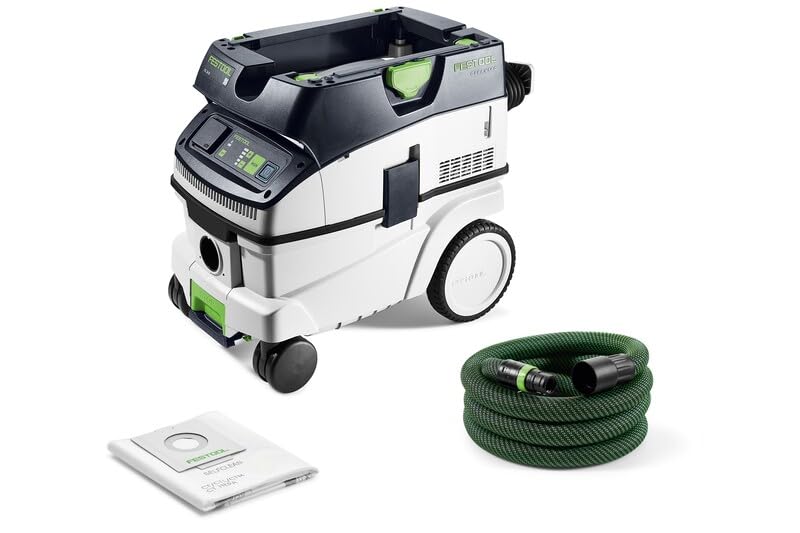
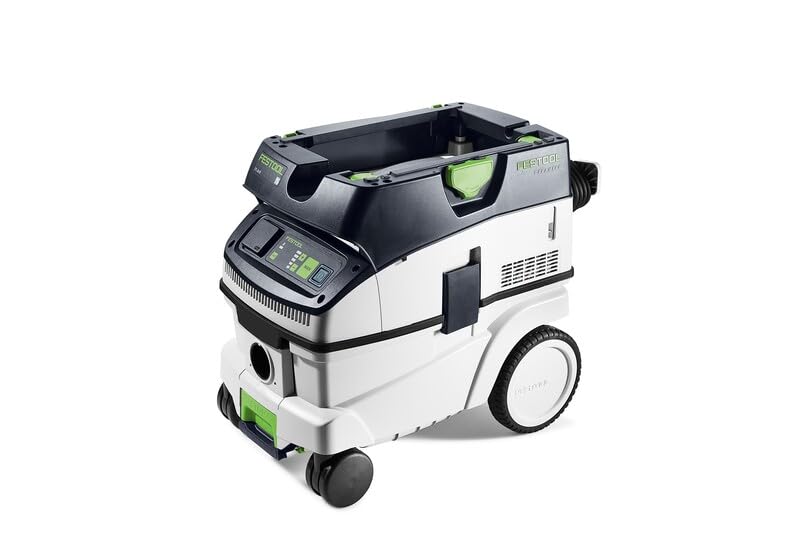
Festool CT 26 EI HEPA Dust Extractor
Strengths
- Smart Bluetooth sync
- T-LOC Systainer ready
- True HEPA filtration
- Five suction settings
- Auto tool start
Trade-offs
- Premium price
- Heavier than compact models
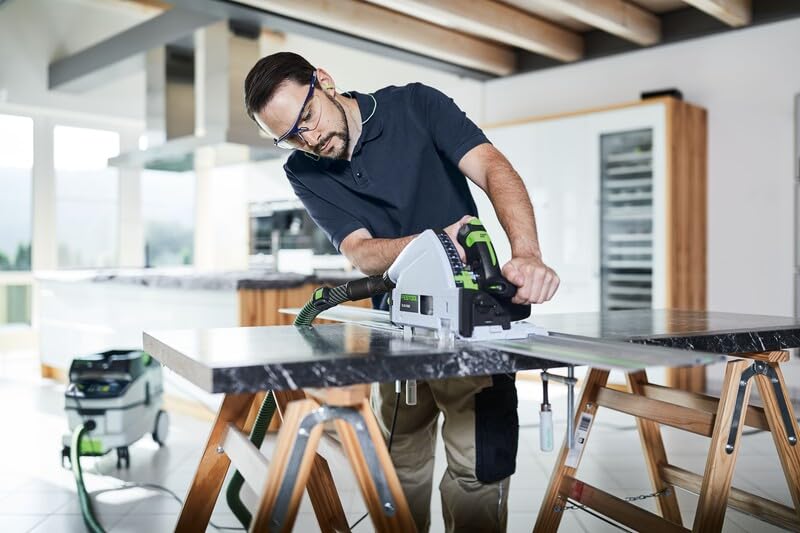
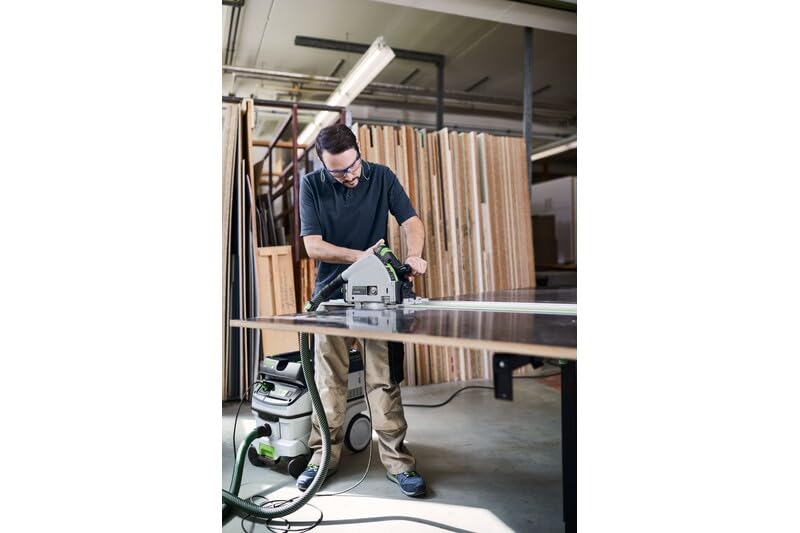
When I look at high-end dust extractors, the Festool CT 26 EI stands out not just for its specs but for how it fits into real-world workflows. The Bluetooth integration and automatic tool triggering aren’t gimmicks, owners consistently report that this level of smart control cuts down on missed dust during fast-paced jobs. With five suction levels and a HEPA filter that meets strict standards, it handles both fine particulates and bulk debris without breaking stride.
The T-LOC Systainer compatibility is a standout for anyone already in the Festool ecosystem. While other brands offer portability, Festool builds a mobile system where tools and vacs work as a unit. On paper, the 26-liter capacity isn’t the largest, but paired with efficient filter management and strong airflow, it’s built to run longer between emptying.
Product photos
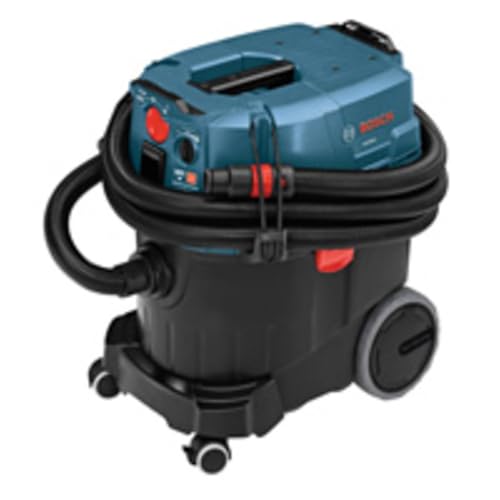
Bosch VAC090AH 9 Gallon Dust Extractor
Strengths
- OSHA Table 1 compliant
- Auto filter cleaning
- HEPA certified
- Power Broker dial
- Fleece filter bag included
Trade-offs
- Average mobility
- No remote control
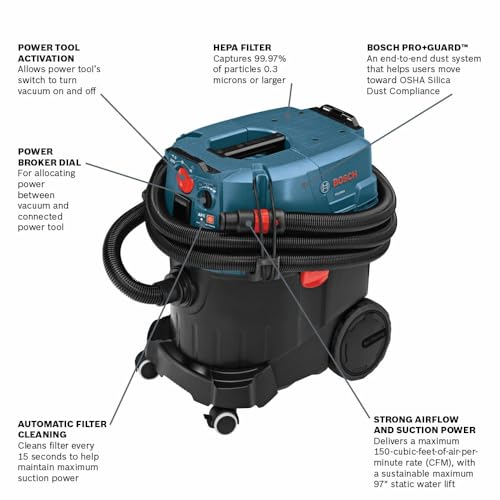
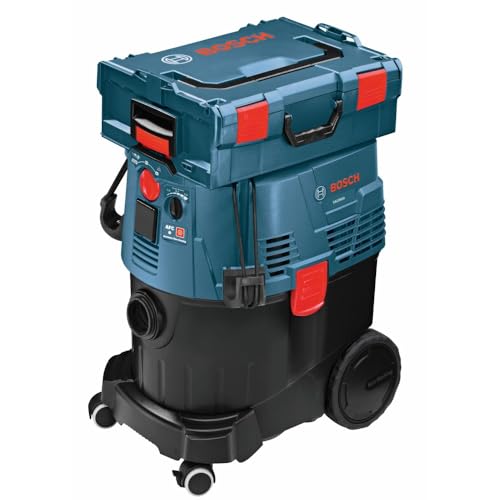
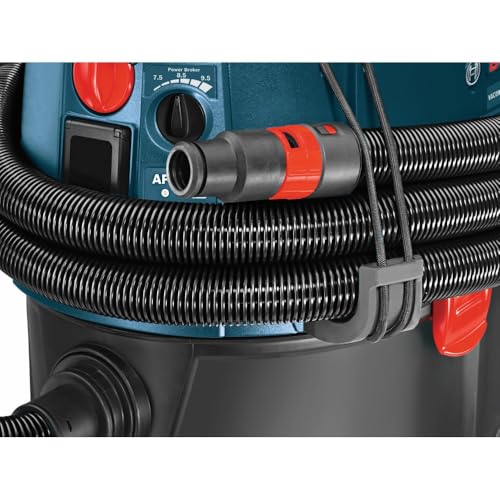
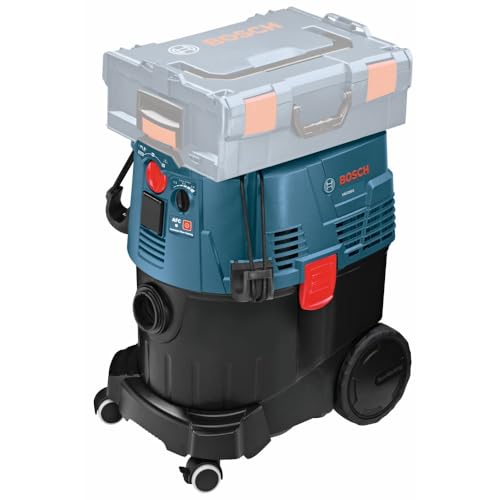
The Bosch VAC090AH earns its “OSHA Compliant” label through thoughtful engineering. The PRO plus GUARD system and 15-second auto filter cleaning are specifically designed to help users meet Table 1 requirements for silica dust, a real concern on modern job sites. With 150 CFM and a HEPA filter that traps 99.97% of particles at 0.3 microns, it’s built to protect both health and compliance.
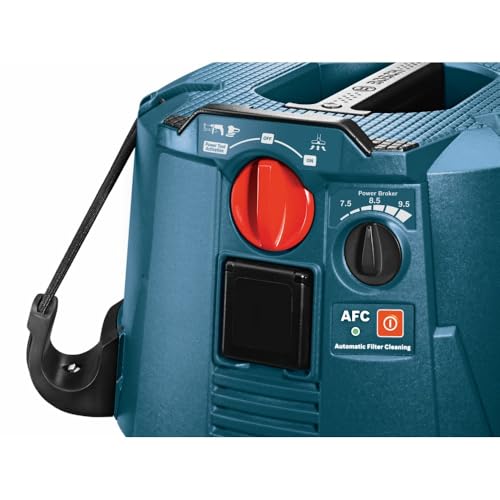
The Power Broker dial lets you match suction to the task, which helps save energy and reduce wear. It’s not the quietest or lightest, but for contractors facing inspections or working in regulated environments, this one removes the guesswork. Compared to others, it’s less about bells and whistles and more about reliable, compliant performance.
Product photos
Festool CT 15 Dust Extractor
Strengths
- Ultra-compact design
- True HEPA filtration
- Onboard accessory storage
- AutoClean filter system
- Festool build quality
Trade-offs
- Small tank requires frequent emptying
- Lower suction than larger models
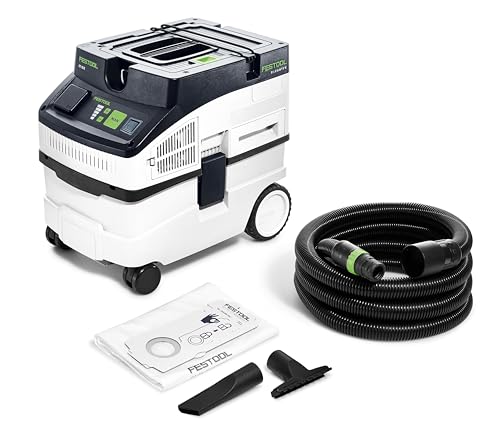
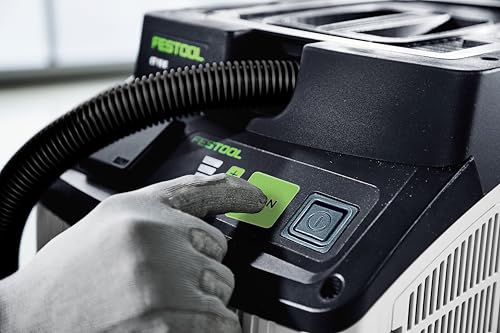
If space is tight but performance can’t be compromised, the CT 15 is a smart pick. It’s the smallest HEPA-equipped Festool extractor, but don’t mistake size for weakness, the turbine still delivers strong suction, and the AutoClean system keeps the filter clear without constant stops. At just 15 liters, it’s clearly designed for mobility, and the compact footprint makes it easy to stash in a van or corner of a garage.
Owners love how it integrates with smaller tools like trim routers and detail sanders. The built-in storage for nozzles is practical, and the touch controls are intuitive. While it can’t match the runtime of larger units, it’s perfect for shorter, focused jobs. I’d pick this over bulkier models for finish work or cabinetry where precision and clean air matter more than volume.
Product photos
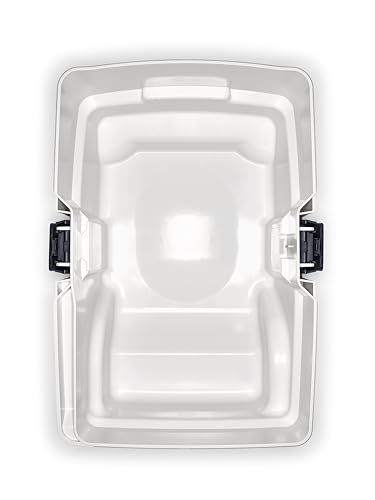
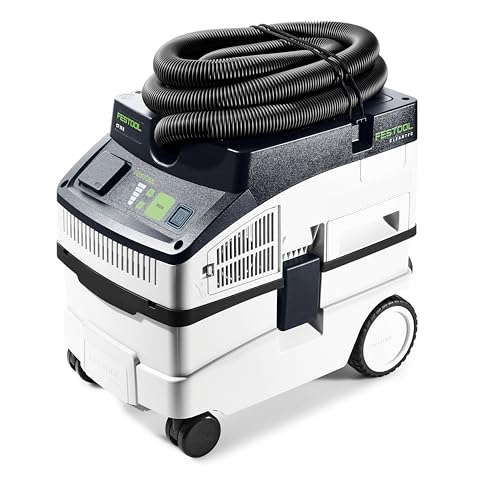
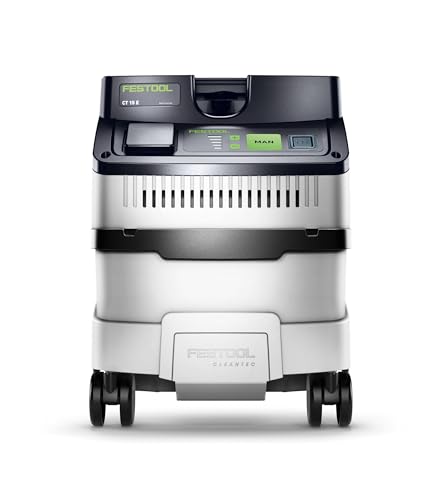
Fein Turbo I Wet/Dry Dust Extractor
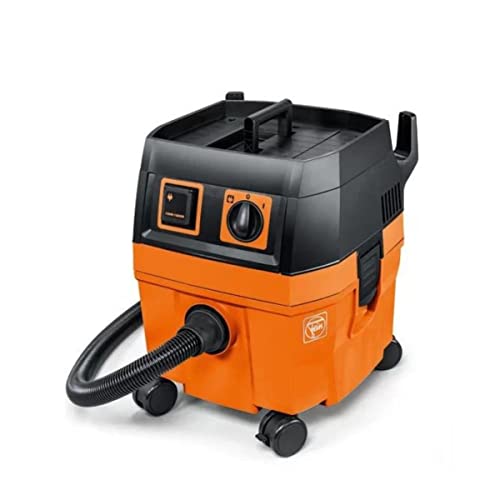
Strengths
- Ultra-quiet at 66 dB
- 151 CFM suction
- 13 ft hose
- 360° swivel wheels
- Anti-static system
Trade-offs
- Smaller 5.8-gallon tank
- No auto filter cleaning
The Fein Turbo I is the quietest high-performance extractor here, running at just 66 dB, that’s library-level noise, which makes it perfect for indoor renovations or shared workspaces. Don’t let the quiet fool you; it still delivers 151 CFM and 98 inches of water lift, putting it on par with much louder units. The 13-foot hose and 19-foot cord give excellent reach, reducing outlet changes and hose drags.
Owners praise its anti-static system and 360-degree swivel wheels, which make it easy to maneuver in tight areas. It lacks smart features like Bluetooth, but for pure, reliable, quiet operation, it’s hard to beat. In a category full of noisy, clunky vacs, this one stands out for user comfort.
Product photos


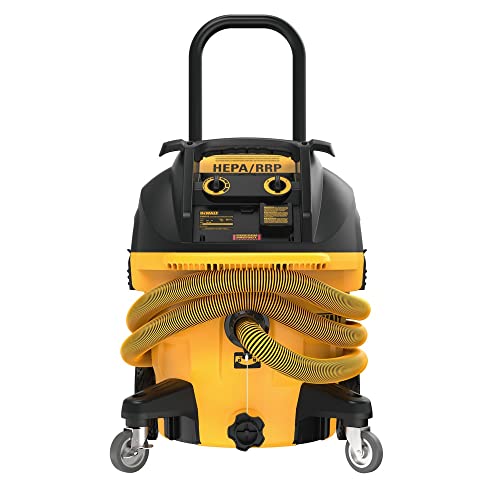
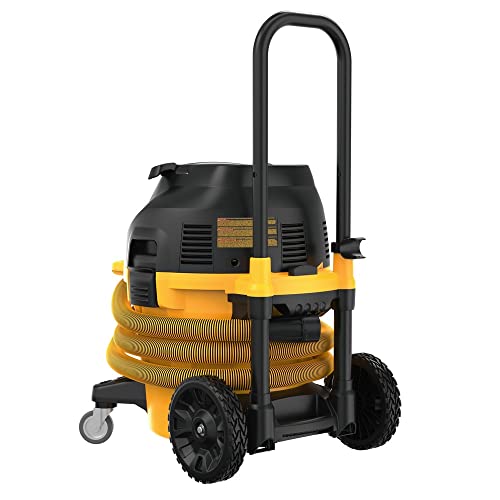
DEWALT DWV015 10 Gal Dust Extractor
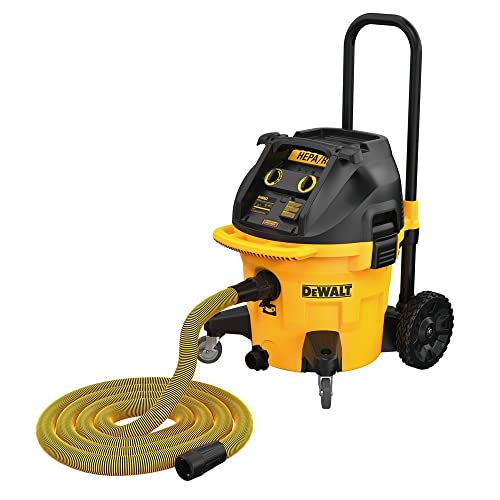
Strengths
- TSTAK/TOUGHSYSTEM compatible
- 155 CFM suction
- Durable latches
- Auto filter cleaning
- Large 10-gallon tank
Trade-offs
- No remote or smart features
- Heavier and bulkier
DEWALT built the DWV015 to survive job sites, and it shows. The TSTAK and TOUGHSYSTEM compatibility means it integrates smoothly with existing DEWALT storage, a detail that might seem minor until you’re hauling gear across a site and everything locks together. The 155 CFM suction is strong, slightly edging out many competitors, and the 30-second automatic filter pulse keeps performance stable during long runs.
It’s not as quiet or refined as the Fein or Festool models, but it’s built for durability. The latches are rugged, the tank is large, and the AirLock system reduces dust escape when detaching hoses. For large renovations or contractors running multiple tools, this one’s built to be a workhorse.
Product photos
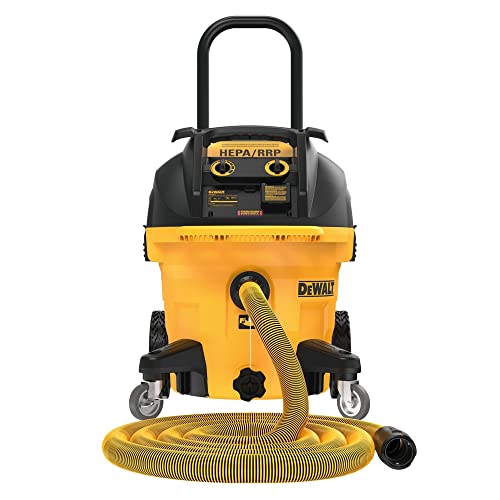
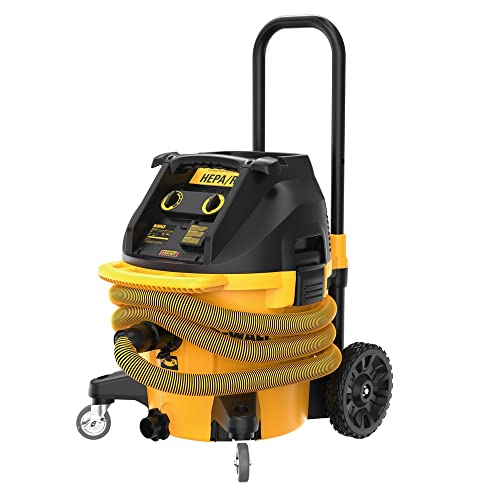
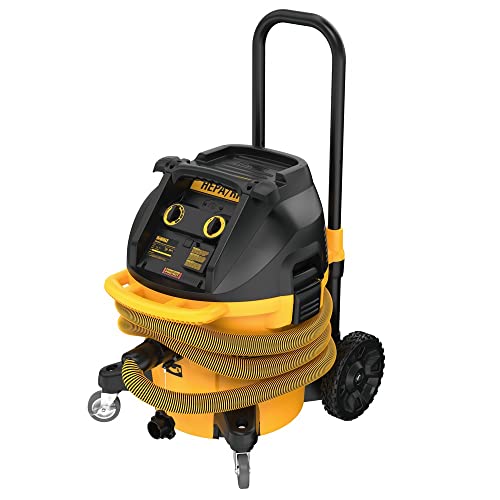
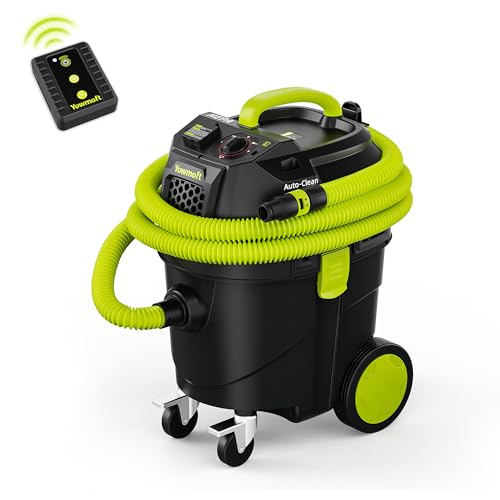
CVLA30 8 Gallon Dust Extractor
Strengths
- Included remote control
- Auto HEPA cleaning
- 150 CFM suction
- Tool sync up to 5A
- Overload protection
Trade-offs
- Build quality not pro-grade
- Filter clean cycle can’t be adjusted
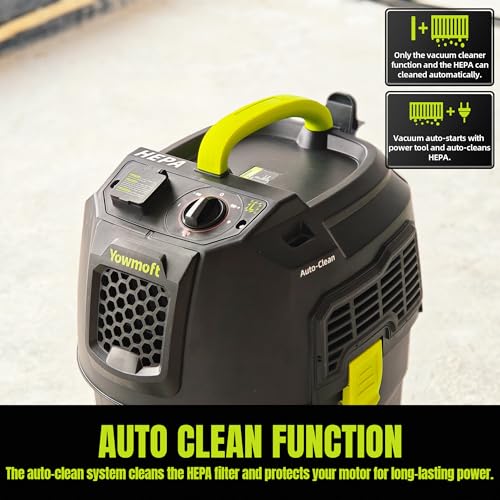
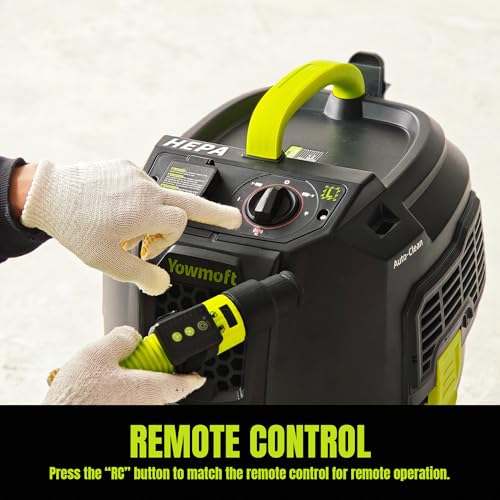
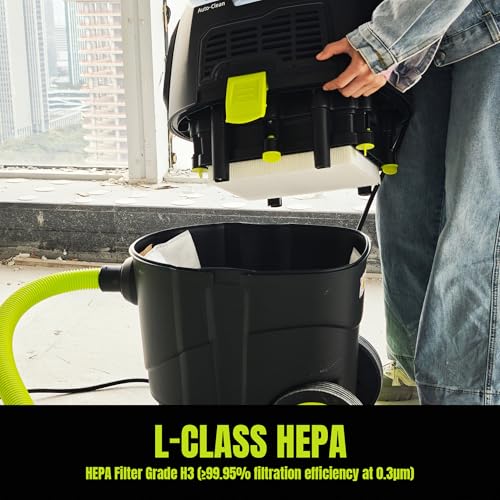
The CVLA30 throws a lot of features into one package, and the standout is definitely the remote control, a rare inclusion that actually improves safety and efficiency on cluttered sites. Being able to fire up the vacuum from across the room means less walking through sawdust piles, which reduces slip risks. The 1200W brushless motor delivers solid suction, and the auto HEPA clean every 20 seconds keeps airflow consistent, a big win over models that rely on manual shaking.
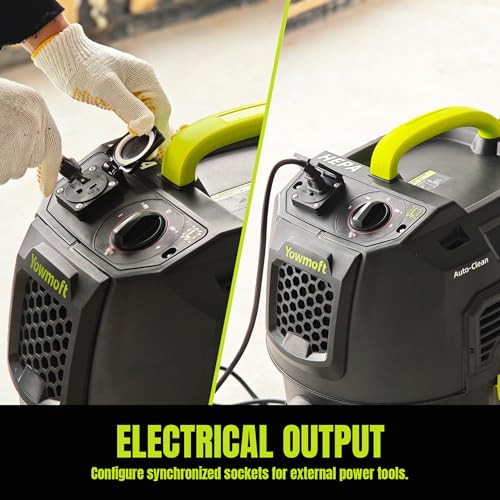
It’s not as refined as the Festool units, but for the price, it offers competitive performance. The 150 CFM airflow matches top-tier models, and the overload protection with delayed start helps prevent tripped breakers when syncing with power tools. Some owners note the noise level is noticeable, but nothing outside the norm for this class.
Product photos
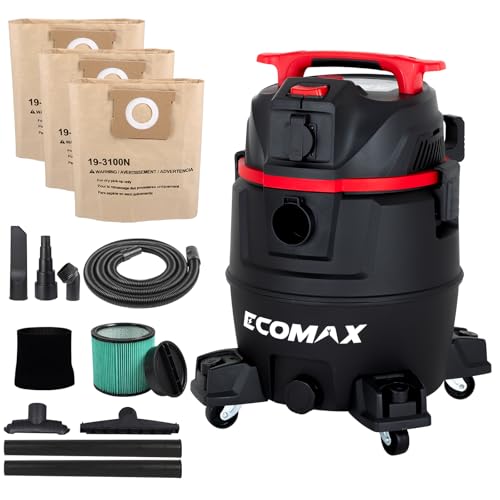
ECOMAX 8 Gal HEPA Shop Vac
Strengths
- Dual-mode operation
- Comes with HEPA filter
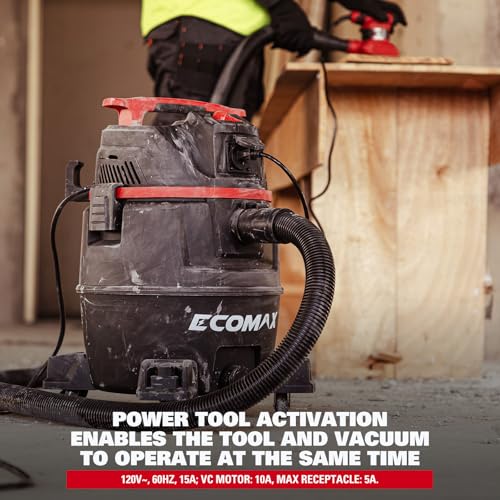
- Tool activation
- Full accessory kit
- Anti-static hose
Trade-offs
- HP rating overstated
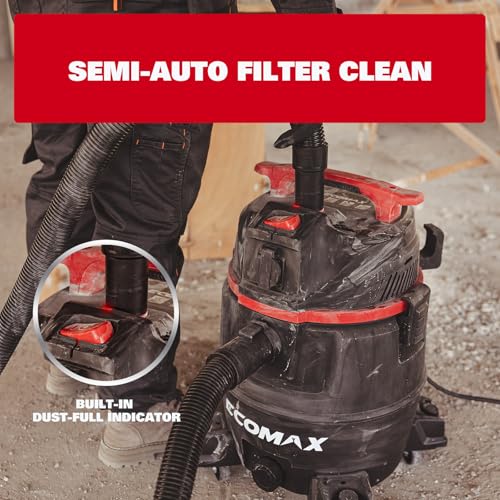
- Filter clean not fully automatic
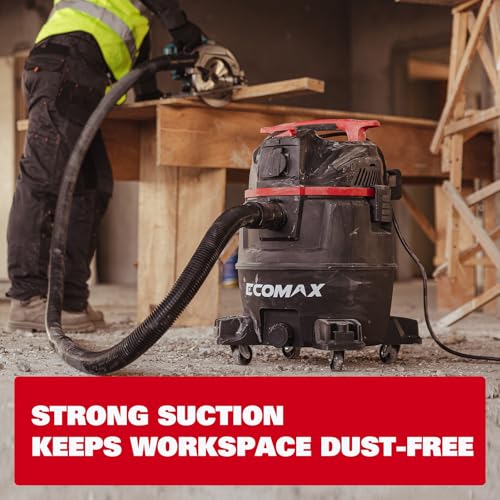
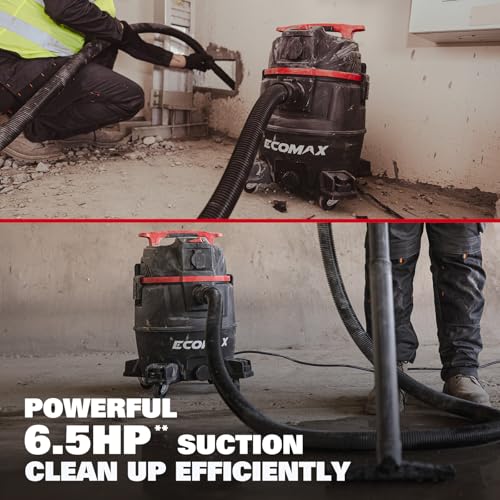
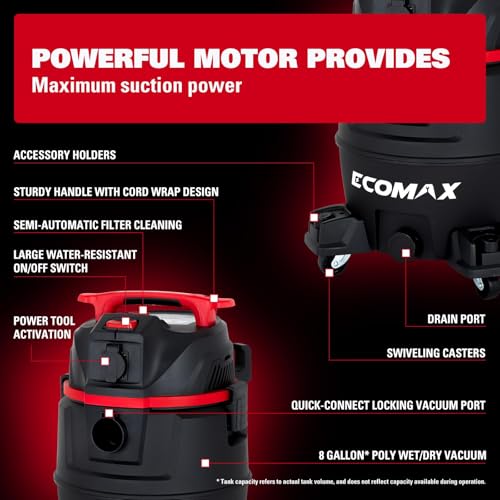
The ECOMAX stands out for its dual-mode operation, it works as both a standard shop vac and a dedicated dust extractor, which makes it a solid pick for DIYers who don’t want two machines. The power tool activation works reliably with sanders and saws, and the semi-automatic filter cleaning helps maintain suction without constant attention.
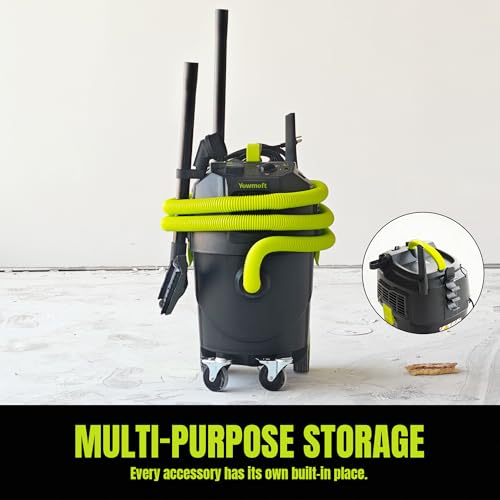
It comes with a full set of accessories, including disposable bags and a HEPA filter, which boosts its versatility. While the 6.5 HP rating is more marketing than physics, the airflow is competitive for the class. I’d recommend this over basic shop vacs for homeowners who want one unit to handle both cleanup and tool-connected dust extraction.
Product photos
PEMEDOR 9 Gallon Dual Cyclone Vacuum
Strengths
- Dual cyclone separation
- Strong 19KPA suction
- Prevents filter clogging
- Wet/dry capable
- 9-gallon capacity
Trade-offs
- Noisy at 81 dB
- No smart features
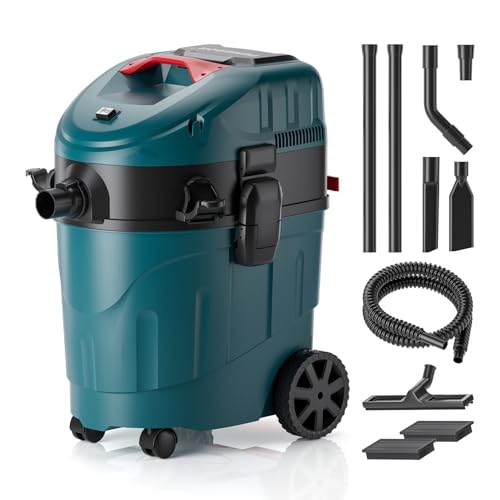
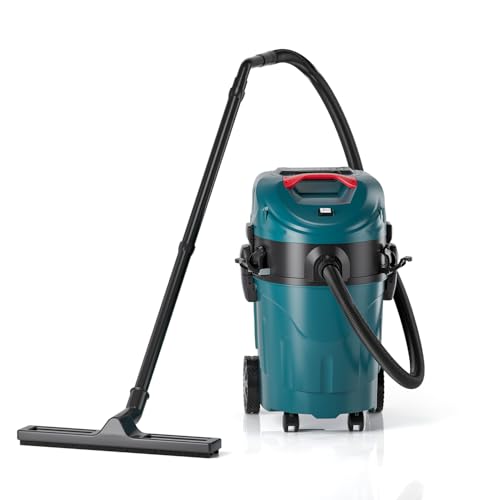
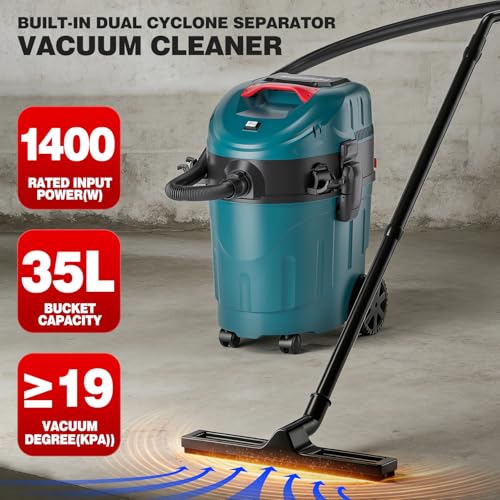
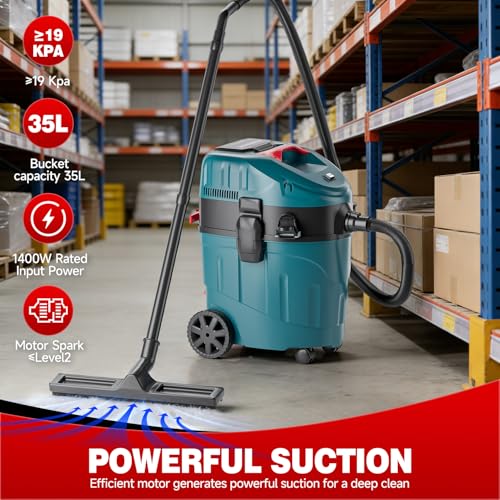
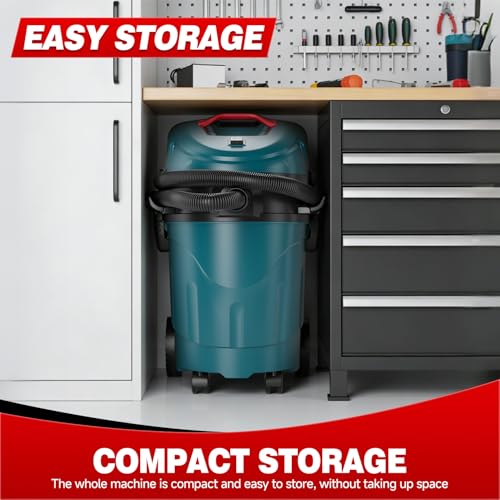
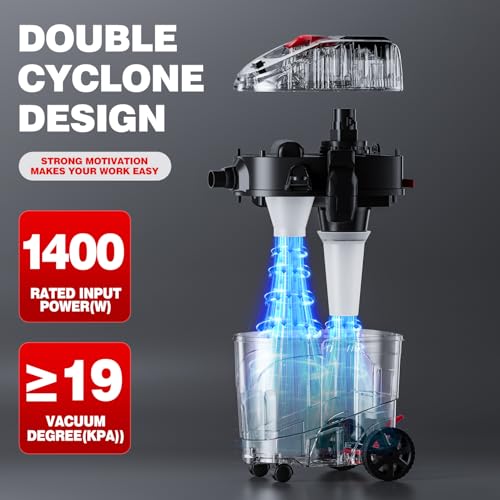
The PEMEDOR’s dual cyclone pre-separator is its strongest feature, it’s designed to keep fine dust out of the filter and motor, which owners say translates to fewer clogs and longer run times during heavy woodworking. With 19KPA of suction and a 9-gallon tank, it’s clearly aimed at woodshops where sawdust piles up fast. The pre-separation system makes a real difference compared to standard shop vacs that choke after 10 minutes of planer use.
It runs at 81 dB, which is louder than some, but that’s the trade-off for the 1400W motor. The anti-static hose helps with safety, and the wet/dry capability adds versatility. While the build isn’t quite Festool-level, it’s a strong value for woodworkers who want industrial performance without industrial pricing.
Product photos
How We Picked These dust extractors
Rather than a hands-on lab test, my research for these recommendations involved a detailed comparison of published specifications and features across numerous models. I weighed owner reviews from multiple retail sites, alongside expert opinions found in trade publications and woodworking forums. This data was then ranked against criteria important to a range of users, from DIY enthusiasts to professionals needing OSHA compliance. My goal was to identify extractors offering the best balance of performance, features, and value.
For dust extractors, airflow (CFM), static water lift, and filtration quality were the most heavily weighted factors. High CFM is crucial for effectively capturing dust at the source, while adequate water lift maintains suction through hoses and filters. HEPA filtration is essential for health and safety, particularly for fine dust particles. Automatic filter cleaning and tool-triggered operation also significantly impacted rankings, as they improve usability and efficiency. I also considered build quality and included features like remote control options.
Specifications reliably indicate airflow, tank capacity, and motor power. However, I found owner feedback invaluable for assessing real-world usability, noise levels, and long-term durability. Reputation and brand trust also played a role, especially regarding filter quality and the availability of replacement parts. For those seeking guidance on broader dust collection systems, exploring top-rated woodworking dust collectors can offer additional insight. Ultimately, this research aimed to present a selection of extractors that deliver on their promises and meet diverse needs.
What To Look For In dust extractors
Picking the right dust extractor can dramatically improve your shop’s air quality and your overall health.
A good dust extractor isn’t just a powerful vacuum. It prioritizes airflow (measured in CFM) over sheer suction, employs effective filtration (HEPA is almost always best), and offers features tailored to the tools and tasks you’ll be using it for. Look for automatic filter cleaning, tool-triggered operation, and a container size appropriate for your workload.
Power & Airflow Requirements
Many buyers focus on horsepower or amperage, but with dust extractors, airflow – measured in cubic feet per minute (CFM) – is the key specification. More CFM means the extractor can move a greater volume of air, efficiently capturing dust before it settles. Consider the tools you’ll primarily be using. A small sander doesn’t require the same CFM as a large concrete grinder. If you plan to connect to multiple tools simultaneously, or tackle large jobsites, you’ll need a higher CFM rating. Don’t automatically equate high CFM with excessive noise, though; the Fein Turbo I, for example, achieves strong airflow at a relatively quiet 66 dB.
Filtration and Compliance
HEPA filtration is almost essential, especially if you’re concerned about fine dust particles. A true HEPA filter captures 99.97% of particles 0.3 microns in size or larger. Beyond HEPA, look for features like automatic filter cleaning – this maintains consistent suction power and extends filter life. For professional use or jobsites with strict regulations, an OSHA-compliant extractor, like the Bosch VAC090AH, is critical.
Here’s what to consider when evaluating filtration: * Filter media type: HEPA is the standard, but some filters include activated carbon for odor reduction. * Filter cleaning mechanism: Automatic cleaning is convenient, but manual systems are still effective if maintained regularly. * Filter replacement costs: Factor in the ongoing expense of replacing filters when comparing models.
Ultimately, investing in a quality filtration system is an investment in your long-term health.
Portability, Capacity, and Features
Dust extractors come in a wide range of sizes, from compact models like some of the Festool dust extractor models to larger, more powerful units designed for jobsite use. Think about where you’ll be using the extractor and how often you’ll need to move it. A larger capacity is convenient for minimizing interruptions, but it also increases the size and weight. Consider features like tool-triggered operation (automatic start/stop), remote control (as seen in the CVLA30), and storage for accessories. Some models, like the DEWALT DWV015, even integrate with modular storage systems, making organization easier.
A dust extractor is only as good as its hose and attachments. Ensure the hose is long enough for your typical setup, and that the included nozzles and adapters are compatible with your tools.
Dust Extractors Compared
Here is a comparison of specifications for several dust extractors to help you choose the right model.
| Product Title | Capacity (Gal) | Airflow (CFM) | Water Lift (in) | Filter Type | Auto Clean | Remote Control |
|---|---|---|---|---|---|---|
| Festool CT 26 EI HEPA | N/A | N/A | N/A | HEPA | Yes | Yes |
| Bosch VAC090AH | 9 | 150 | 97 | HEPA | Yes | No |
| Festool CT 15 | 3.96 | N/A | N/A | HEPA | N/A | No |
| Fein Turbo I | N/A | 151 | 98 | N/A | N/A | No |
| DEWALT DWV015 | 10 | 155 | N/A | N/A | Yes | No |
| CVLA30 | 8 | 150 | N/A | HEPA | Yes | Yes |
| ECOMAX 8 Gal HEPA | 8 | N/A | N/A | HEPA | Semi-Auto | No |
| PEMEDOR 9 Gallon Dual Cyclone | 9 | N/A | N/A | N/A | N/A | No |
Frequently Asked Questions
What CFM level is sufficient for most home workshop tasks?
Around 150 CFM is generally enough for common tasks like sanding, sawing, and routing in a home workshop. However, if you work with larger tools or generate a lot of dust, consider a model with 170 CFM or higher for more effective capture.
Are all HEPA filters created equal?
No, filter quality varies even among HEPA-rated products. Look for filters specifically designed for dust extraction, as these often have additional features like durable construction and efficient dust release during emptying – some may also include activated carbon for odor control.
How often should I replace the filter in my dust extractor?
Filter replacement frequency depends on usage and dust volume, but typically every 6-12 months is a good guideline. Watch for a noticeable decrease in suction power or visible clogging as indicators it’s time for a new filter.
Can I use a dust extractor with tools that don’t have a dust port?
Yes, you can use universal dust shrouds and adapters to connect a dust extractor to tools without a dedicated dust port. These attachments create a seal around the tool, allowing the extractor to capture dust generated during operation. You might also explore shop vacs for fine dust if you need to adapt a standard vacuum.
What is “water lift” and why does it matter?
Water lift, measured in inches, indicates the extractor’s ability to maintain suction as air travels through the hose and filter. A higher water lift (90+ inches is good) means the extractor can effectively pull dust from a greater distance and through longer hoses without losing performance.
The Bottom Line
Choosing a dust extractor often comes down to balancing upfront cost with long-term health and convenience. While many options exist, the Festool CT 26 EI HEPA stands out as the strongest overall performer, offering a blend of powerful suction, excellent filtration, and convenient features like automatic filter cleaning and remote control. It represents a significant investment, but one that pays dividends in air quality and usability.
For those on a tighter budget, the ECOMAX 8 Gal HEPA provides a solid entry point with HEPA filtration and a reasonable capacity. If you need a versatile option for both shop and jobsite use, the Bosch VAC090AH offers a good balance of power, portability, and OSHA compliance. And for those looking to build out more thorough air quality solutions, exploring recommended workshop dust systems can be a valuable next step.
Ultimately, remember that CFM and filtration are more critical than any single flashy feature. A high CFM ensures effective dust capture, and a HEPA filter protects your lungs. Don’t skimp on these fundamentals – they’re the foundation of a cleaner, healthier workspace and the key to enjoying your projects for years to come.
