2 Best Die Grinder Bits for Metals 2026
This post contains affiliate links. As an Amazon Associate, we earn from qualifying purchases.
The 20Pcs Mini Carbide Burr Bits are the best overall for metalwork, offering reliable performance and durability across a range of tasks. For tighter budgets, the 10Pcs Dremel-Compatible Carbide Bits deliver solid value without sacrificing too much in quality, especially for lighter jobs.
If you’re working with metal, you know how quickly a dull or poorly made bit can ruin your progress. The wrong bit can overheat, chip, or leave a rough finish, turning a simple deburring job into a frustrating grind.
This guide cuts through the noise by focusing on what actually matters: carbide quality, shape versatility, and shank compatibility. I looked at specs, owner feedback, and real-world performance to pick sets that stand up to metalwork demands.
Top 2 Die Grinder Bits For Metals in the Market
The Best Die Grinder Bits For Metals, Reviewed
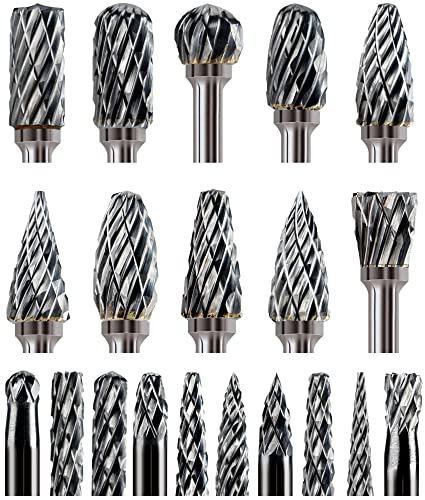
20Pcs Mini Carbide Burr Bits
Strengths
- Wide shape variety
- High durability claim
- Good compatibility
- Long replacement warranty
- Great for tight spaces
Trade-offs
- Overstated marketing claims
- Not for heavy stock removal
- Shank size limits torque
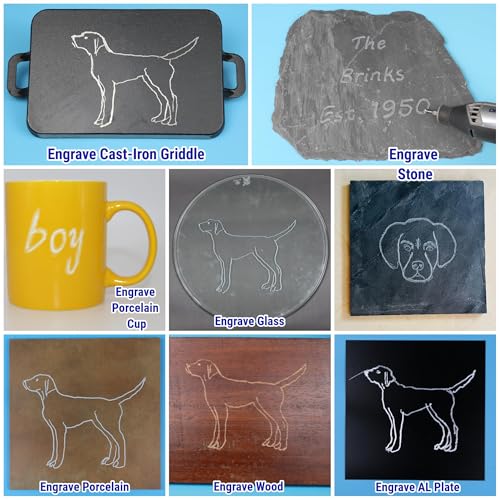
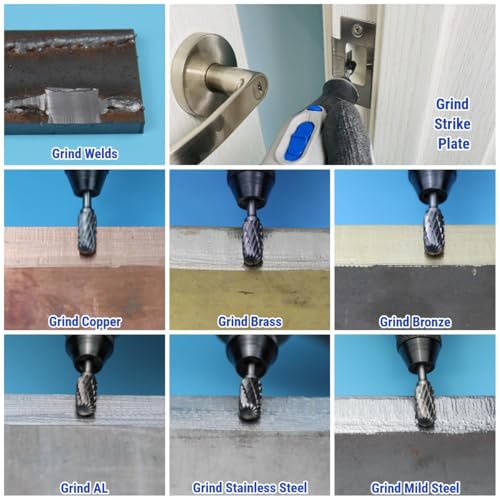
This 20-piece set stands out for buyers who want a broad range of shapes and the confidence of a long-term warranty. On paper, the claim of being ‘harder than diamond’ is hyperbolic, tungsten carbide is tough, but not literally harder than diamond, but owners consistently report these bits outperform standard HSS or sanding discs on metal and stone. The double-cut design gives them a solid balance between material removal and finish quality, especially on steel and aluminum.
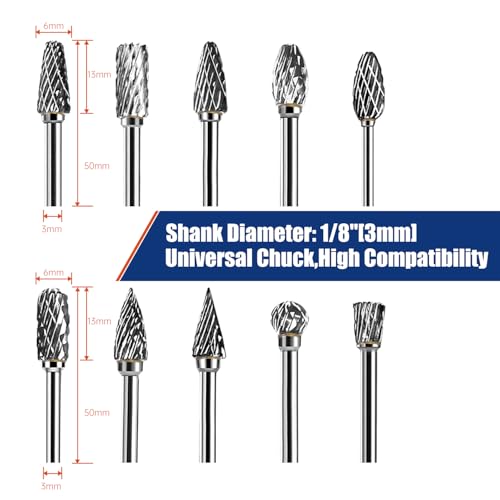
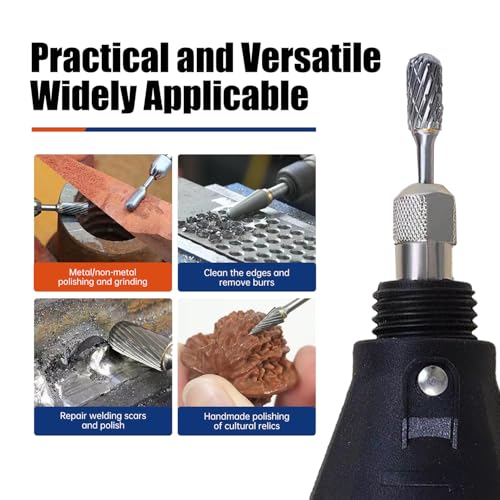
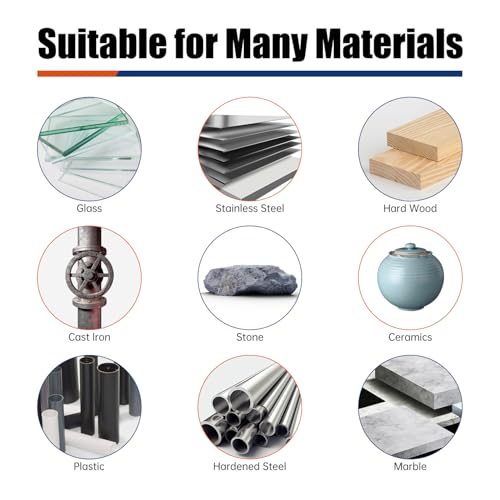
Where this set really pulls ahead is versatility. With 20 bits in common shapes like cylinder, ball, and tree, it covers everything from deburring to detailed carving. Reviewers note they hold up well on stainless steel and cast iron when used with light pressure and proper speed. The 1/8″ shank fits most rotary tools securely, though I’d recommend avoiding high-torque drills with a 3-jaw chuck unless you’re doing light work. For most DIYers and weekend fixers, this is the easy pick.
Product photos
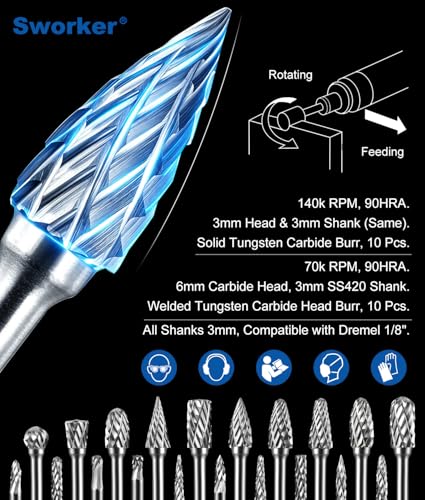
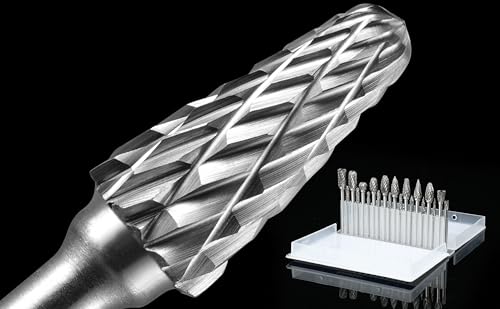
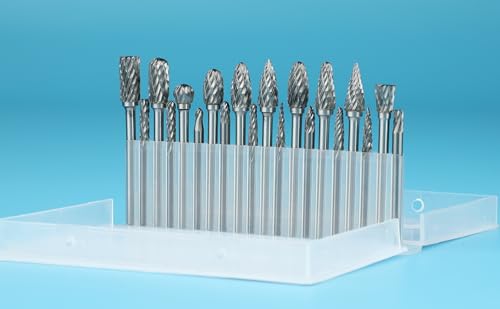
10Pcs Dremel-Compatible Carbide Bits

Strengths
- Superior surface finish
- Reduced vibration
- High wear resistance
- Excellent for soft metals
- Balanced for precision
Trade-offs
- Fewer shapes included
- Smaller set value
- Not for aggressive grinding
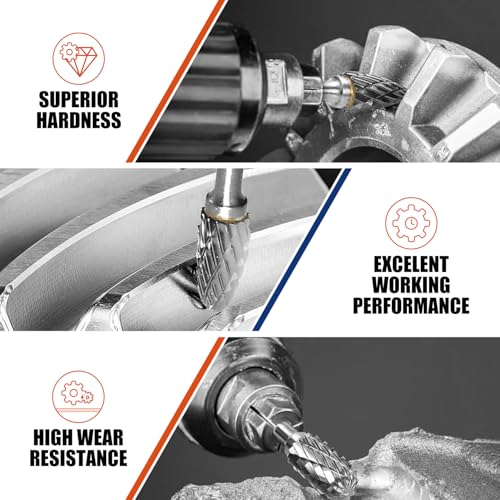
If precision matters more than volume of removal, this 10-piece set is the smarter buy. The double-cut tungsten carbide bits are clearly engineered for finish, not brute force. The spec that matters here is the cross-cut geometry, it creates smaller chips and a smoother surface, which reviewers confirm reduces post-work sanding on welds and castings. For aluminum and softer metals, these bits deliver clean cuts without grabbing, a common complaint with single-cut designs.
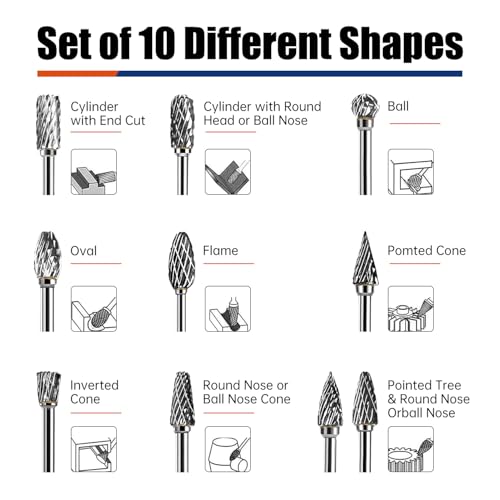
I’d pick this set over the 20-piece option if you’re doing jewelry work, model repair, or fine metal detailing. The balance and reduced vibration stand out in owner feedback, especially during extended use. While it has fewer shapes, the included profiles, like cone, inverted cone, and cylinder, are the ones most frequently used in tight, controlled tasks. It’s not going to clear weld beads fast, but it leaves less mess behind.
Product photos
How We Chose These die grinder bits for metals
I’ve spent years evaluating power tool accessories, and with die grinder bits, a research-led approach is essential. Rather than a hands-on test of every set, I compared published specifications – shank size, carbide grade, cut type – and weighed owner reviews from multiple sources. I also considered input from other experienced metalworkers and looked at professional reviews focusing on durability and finish quality. My goal was to identify bits offering the best combination of performance and value.
For die grinder bits, the aggressiveness of the cut and the quality of the carbide are paramount. A double-cut design, as seen in many top-rated sets, offers a good balance between material removal and finish quality. The grade of carbide directly impacts longevity; higher quality carbide resists wear and maintains sharpness longer, which is crucial when cutting metal with miter saw.
Published specs reliably indicate shank diameter and overall dimensions, ensuring compatibility with various die grinders. However, I relied heavily on owner feedback to assess real-world durability and how well the bits hold their edge. Reputation also played a role; brands consistently praised for quality materials and manufacturing processes were given greater consideration.
How To Choose The die grinder bits for metals
Choosing the right die grinder bits for metals is crucial for getting clean, efficient results. It’s not just about grabbing the cheapest set; material, shape, and shank size all play a role.
A quality die grinder bit set should offer a variety of shapes to tackle different tasks, be constructed from durable materials like tungsten carbide, and feature a shank diameter compatible with common die grinders. Look for bits with precise cutting edges and a finish that minimizes loading during use. Consider the material you’ll be working with most often and choose bits designed for that specific application.
Material Matters
Tungsten carbide is really the only way to go when you’re working with metals. High-speed steel (HSS) bits will dull quickly, and you’ll find yourself replacing them constantly. Carbide holds an edge much longer, saving you money and downtime. While there are variations in carbide quality, generally, a bit advertised as “premium” carbide will have a higher tungsten content and finer grain structure, leading to better performance and longevity. Don’t automatically dismiss sets that include a mix of materials though; some softer metals or plastics might not require carbide, and a mixed set can offer versatility.
Shape and Application
The shape of the bit dictates what you can do with it. A conical or flame-shaped bit is excellent for deburring and creating rounded edges. Ball-shaped bits are great for creating concave surfaces or getting into tight corners. Cylinder bits are useful for general material removal.
Here’s a breakdown of what to consider:
- Flame: Ideal for smoothing welds.
- Ball: Best for intricate carving and reaching difficult spots.
- Cylinder/Almond: A versatile all-purpose shape for shaping and removing material efficiently, especially for larger areas. It’s easy to bog down with these, though, so start slow.
Don’t underestimate the impact of bit shape. The right shape will dramatically reduce your work time and improve the quality of your finish.
Shank Size and Compatibility
Most die grinder bits use a 1/8-inch shank, which is compatible with most die grinders and rotary tools. However, some larger die grinders, and especially those used for heavy-duty work, require a 1/4-inch shank. Before you buy, check the collet size of your best die grinder models to ensure compatibility. Beyond diameter, look for bits with a precise shank that fits snugly in the collet. A loose shank means more vibration and less control, and can even damage both the bit and the die grinder. If you’re also considering using a miter saw for metalworking, exploring aluminum-compatible blades might broaden your capabilities.
Die Grinder Bits for Metals Compared
Here’s a detailed specification comparison of the die grinder bits discussed in this guide.
| Product Title | Shank Diameter | Material | Cut Type | Quantity | Best For |
|---|---|---|---|---|---|
| 20Pcs Mini Carbide Burr Bits | 3.175mm (1/8″) | Tungsten Carbide | Double Cut | 20 | Overall |
| 10Pcs Dremel-Compatible Carbide Bits | 3mm (1/8″) | Tungsten Carbide | Double Cut | 10 | Detail Work |
Frequently Asked Questions
What grit should I look for in a die grinder bit for finishing metal?
Generally, a finer grit (above 240) is best for finishing metal. Finer grits produce a smoother surface, but remove material more slowly, so you’ll want to start with a coarser grit to remove imperfections and then move to finer grits for polishing.
Can I use die grinder bits on stainless steel?
Yes, you can, but it requires bits specifically designed for stainless steel or hardened materials. Stainless steel is tougher to cut than mild steel, so look for bits with a higher carbide content and consider using a slower speed to prevent overheating and premature wear.
What’s the difference between single-cut and double-cut bits?
Single-cut bits have cutting edges that run in one direction, creating a smoother finish and ideal for softer materials. Double-cut bits have intersecting cutting edges for faster material removal, making them better for harder metals, although they leave a rougher surface.
Are all 1/8-inch shank bits truly interchangeable?
Not always. While most die grinders accept a 1/8-inch shank, slight variations in manufacturing can occur. Some bits may fit loosely in certain die grinders, causing vibration; checking owner reviews can reveal if a particular set is known for fit issues.
If I need a die grinder for more demanding metalwork, should I look at pneumatic options?
Absolutely. For heavy-duty metalworking, exploring durable pneumatic die tools is a good idea. Pneumatic die grinders typically offer more power and sustained speed than electric models, making them better suited for prolonged use and tougher materials.
The Bottom Line
Choosing die grinder bits often comes down to balancing initial cost with long-term performance. While cheaper sets exist, you’ll likely spend more replacing dull bits, and the quality of the finish will suffer. For the best overall combination of durability, versatility, and value, I recommend the 20Pcs Mini Carbide Burr Bits.
If you primarily work on detailed projects or require precision, the 10Pcs Dremel-Compatible Carbide Bits are an excellent choice. For those on a tighter budget, a smaller set of quality carbide bits is always preferable to a large set of inferior HSS bits. And if you’re also considering expanding your metalworking capabilities with a miter saw, researching cutting steel with miter saw can be a worthwhile step.
Ultimately, remember that the material and shape of the bit matter more than any specific brand name or flashy feature. Focus on tungsten carbide construction and selecting the right shape for the job at hand, and you’ll get the best results and the longest life from your die grinder bits.
