7 Best Compactors of 2026
This post contains affiliate links. As an Amazon Associate, we earn from qualifying purchases.
The BILT HARD 6.5HP Gas Plate Compactor stands out as the overall best, delivering solid performance and self-propelled convenience. For budget-minded users, the VEVOR 2.8HP Lightweight Gas Compactor offers surprising capability in a smaller package. If you need maximum coverage, the VEVOR 6.5HP Large Plate Compactor covers more ground with each pass.
Most people don’t realize how much the wrong compactor can slow down a job or leave a foundation uneven. Too heavy, and it’s a pain to move. Too weak, and you’re making pass after pass with little result.
This guide cuts through the noise, focusing on what actually matters: real compaction force, plate size, and usability. The picks here are based on specs, owner feedback, and years of seeing what holds up on real job sites.
Top 6 Compactors in the Market
The Best Compactors, Reviewed
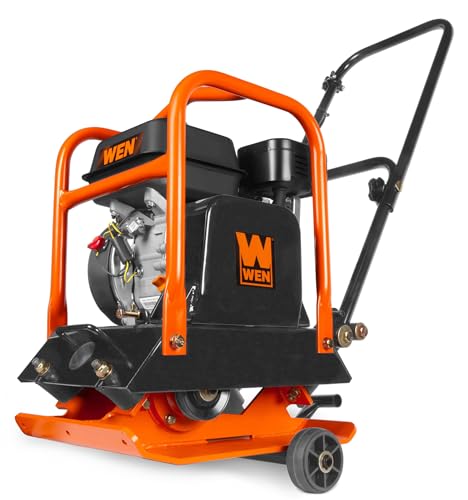
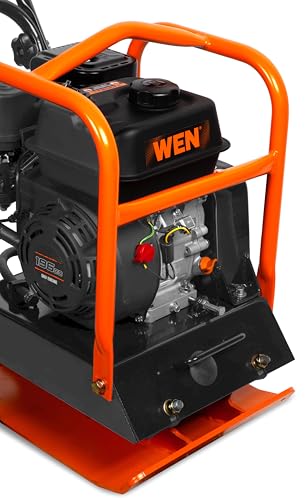
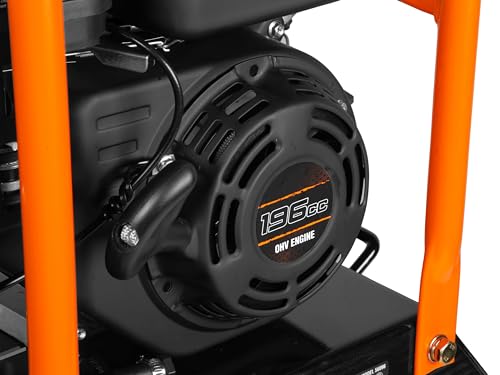
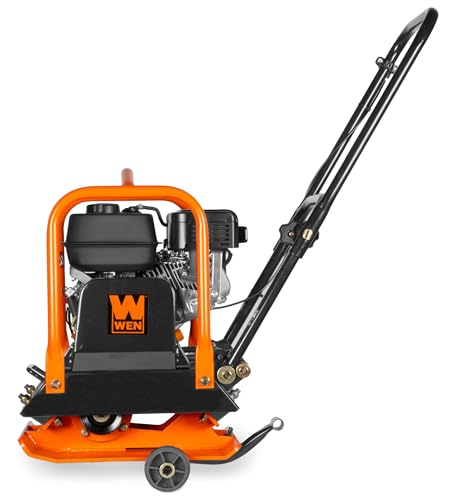
WEN 6.5HP 196cc Plate Compactor
Strengths
- 3,350 lbs compaction force
- 5,700 blows per minute
- Two-year warranty
Trade-offs
- No reverse function
- Heavier operation
The WEN 56096 doesn’t just compete, it leads. With 3,350 lbs of compaction force and 5,700 blows per minute, it outmuscles rivals like the BETTERI and BILT HARD despite similar engine specs. That extra force translates to fewer passes and faster job completion, which owners confirm when prepping large patios or compacting mixed soil types. The single-direction travel hits 125 ft/min, making it one of the fastest-moving units in this class.
It’s not all brute strength, WEN included smart touches like low-oil shutdown and vibration dampers, both of which help protect the engine and reduce user fatigue. The two-year residential warranty is also a standout, far exceeding the 90-day coverage common on competitors. For most buyers, this is the easy pick if you want top-tier performance without stepping into commercial-grade pricing.
Product photos
BETTERI 6.5HP Gas Plate Compactor
Strengths
- 2,500 lbs compaction force
- Shock absorption system
- No assembly required
Trade-offs
- Heavier than some rivals
- Shorter warranty period
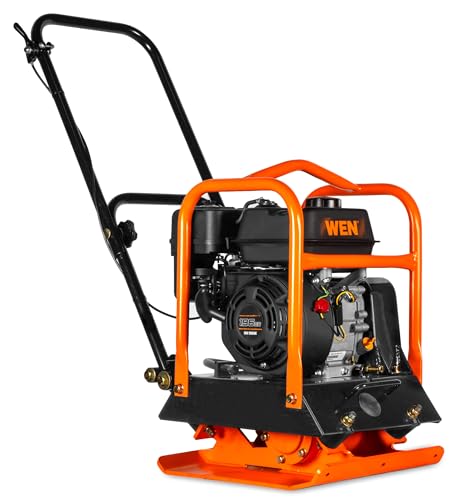
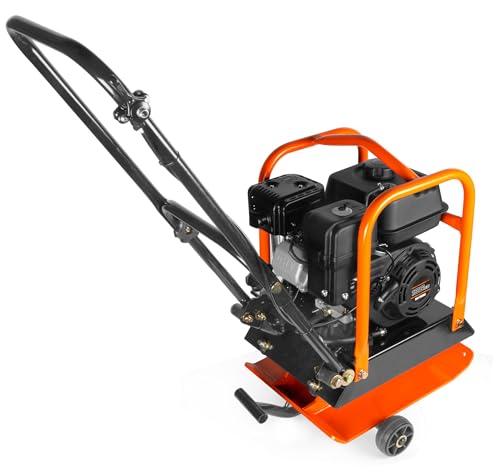
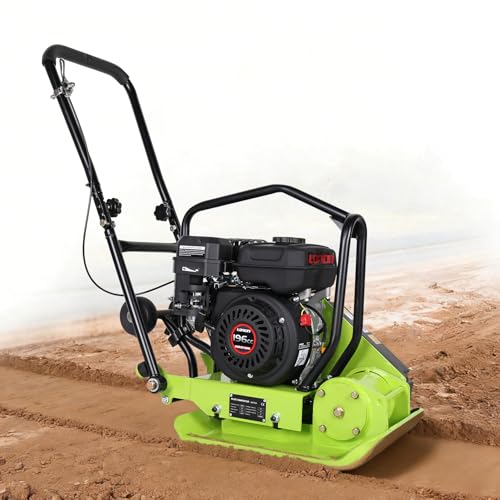
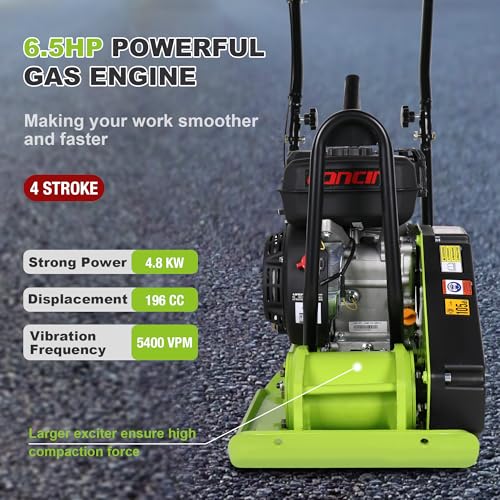
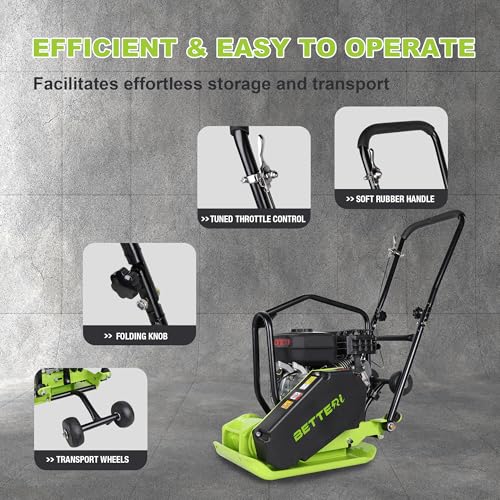
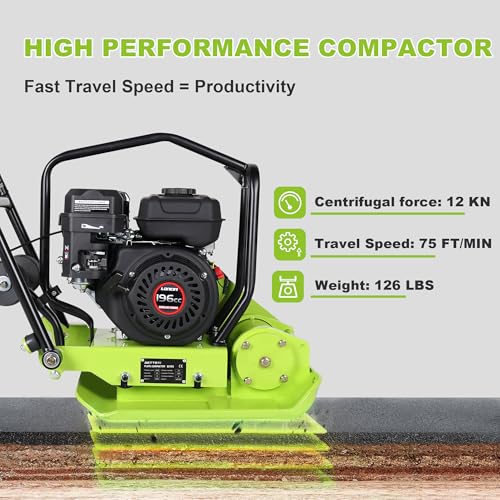
If you’re looking for a no-nonsense workhorse that delivers pro-level performance without a pro-level headache, this BETTERI model is hard to ignore. The 196cc engine puts out 2,500 lbs of force and 5,400 VPM, which lines up with what owners say, they’re getting clean, consistent compaction on gravel, paver bases, and even damp soil. The 10-inch depth rating holds up under real-world conditions, especially when making multiple passes.
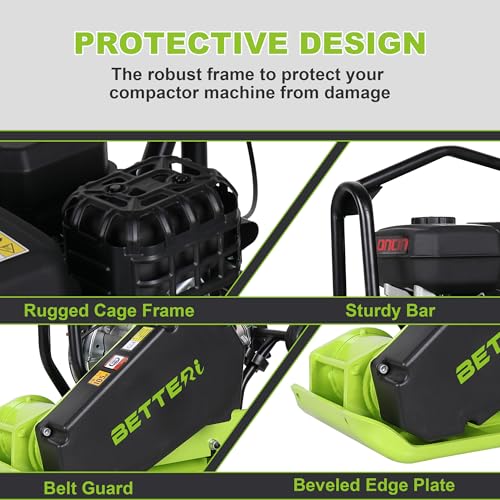
I appreciate the shock absorption system; reviewers mention less fatigue during extended use, which matters when you’re running it for hours on a patio install. It’s heavier than entry-level models, but the foldable handle and wheels make storage and transport manageable. Compared to other 196cc units, this one strikes a smart balance between power and operator comfort.
Product photos
VEVOR 6.5HP Large Plate Compactor
Strengths
- 351 sq in plate
- 5,600 VPM
- High coverage rate
Trade-offs
- Heavy and bulky
- Less force than rivals
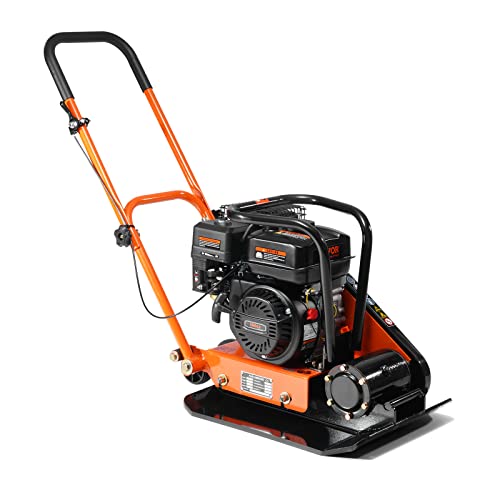
This VEVOR model is built for speed and coverage, not brute force. Its 351 sq in plate is the largest in this lineup, and that’s the real story, owners report clearing large driveways and commercial pads significantly faster than with smaller units. The 5,600 VPM and 12-inch depth rating suggest strong performance, but feedback shows it sometimes struggles on dense, wet soil despite the 6.5HP engine.
The machine’s size makes it less agile, and at 146.6 lbs, it’s one of the heaviest here. But if you’re grading a large backyard or working on municipal projects where coverage trumps precision, the efficiency gain is real. Compared to the WEN or BETTERI, it trades peak force for area output, so your priority determines the better pick.
Product photos



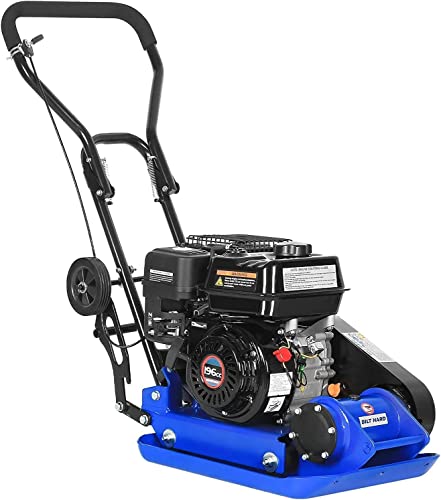
BILT HARD 6.5HP Gas Plate Compactor
Strengths
- 2,500 lbs compaction force
- 82 ft/min travel speed
- Folding wheels
Trade-offs
- Basic vibration damping
- Short warranty
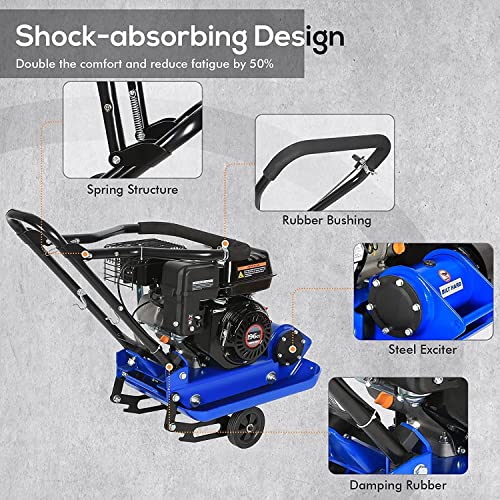
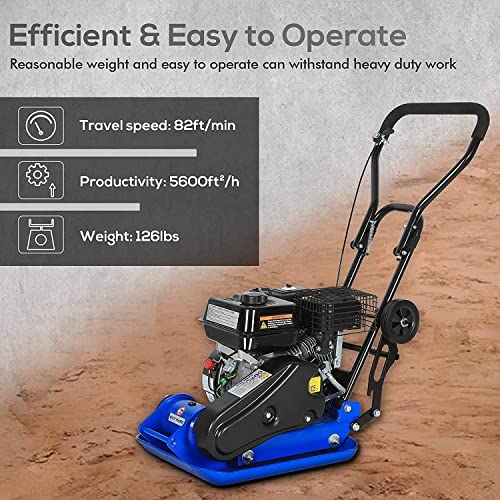
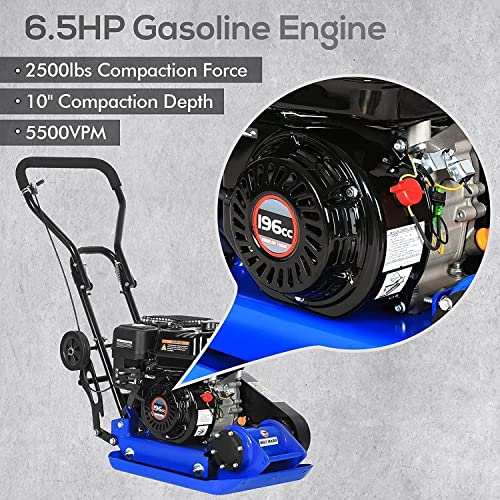
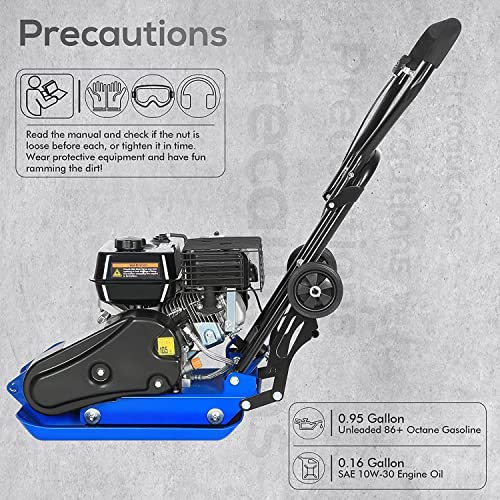
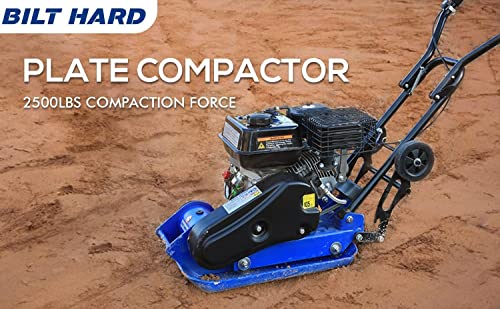
The BILT HARD compactor feels like a contractor-grade tool dressed down in simple packaging. With 2,500 lbs of force and 5,500 VPM, it matches the BETTERI and WEN in core specs, and owners say it holds up well on repeated jobs, especially in gravel and paver base applications. The 21 x 14.5 inch plate offers solid coverage, and the 82 ft/min travel speed keeps productivity high.
It’s not the most refined machine, some users mention vibrations feel harsher than on models with better damping, but at this price point, it delivers strong value. The 90-day warranty is weak compared to WEN’s two years, but the overall build and performance suggest it can outlast the coverage. For pros who cycle through tools fast, this is a smart, no-frills investment.
Product photos
Evolution Hulk Electric Plate Compactor

Strengths
- Zero emissions
- Quiet operation
- 3-year warranty
Trade-offs
- Corded limitation
- Lower compaction depth
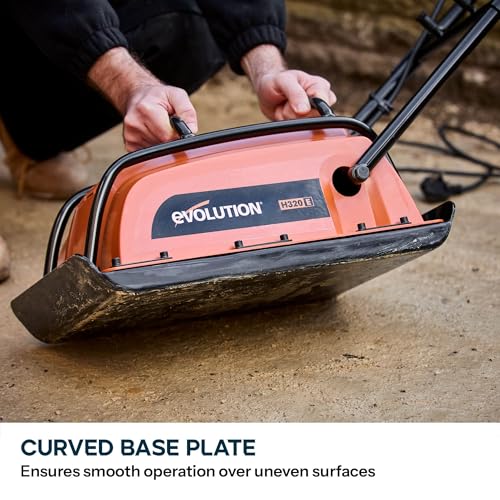
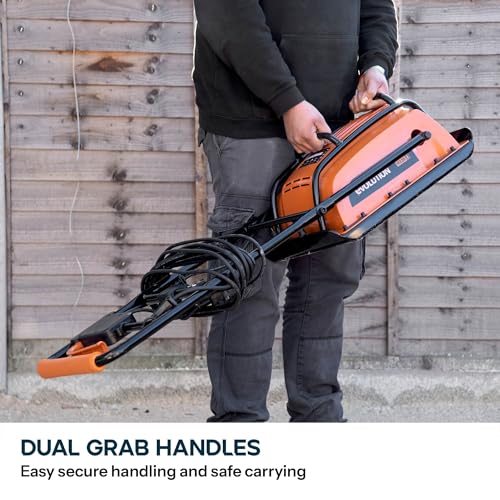
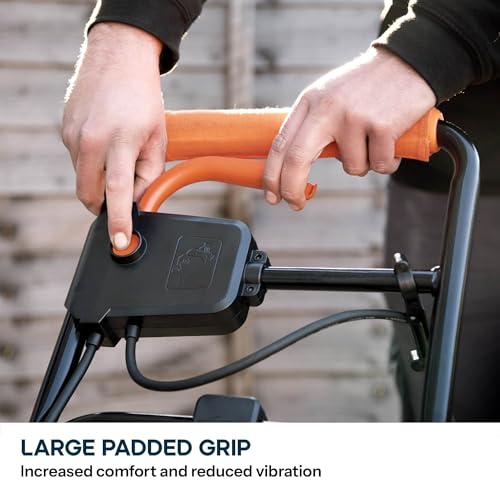
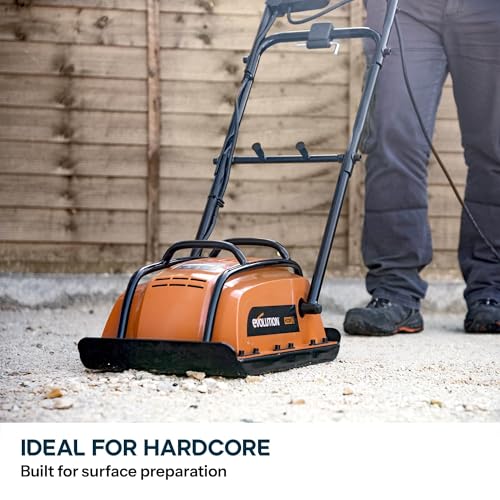
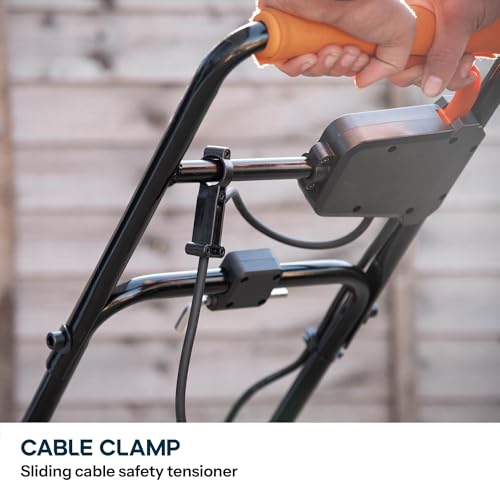
Switching to electric for compaction makes sense only in specific scenarios, and this Evolution model nails them. With zero emissions and low noise, it’s a natural fit for indoor or semi-enclosed jobs like basement slabs or garage pads where gas fumes are a real concern. The 1.25A induction motor delivers consistent vibration, and while it lacks the punch of gas models, owners find it effective on sand, crusher run, and light gravel.
Its compact foldable design and 5m/min travel speed make it easy to store and move around job sites. The 3-year warranty signals confidence in durability, and the lack of engine maintenance is a real perk. But let’s be clear: this isn’t for deep compaction or clay-heavy soils. It’s a niche tool, but if your work fits that niche, it’s a quiet, clean winner.
Product photos
VEVOR 2.8HP Lightweight Gas Compactor

Strengths
- 2.8 HP engine
- 5,250 VPM
- 114.6 lb frame
Trade-offs
- Limited depth for heavy soil
- Underpowered for large jobs
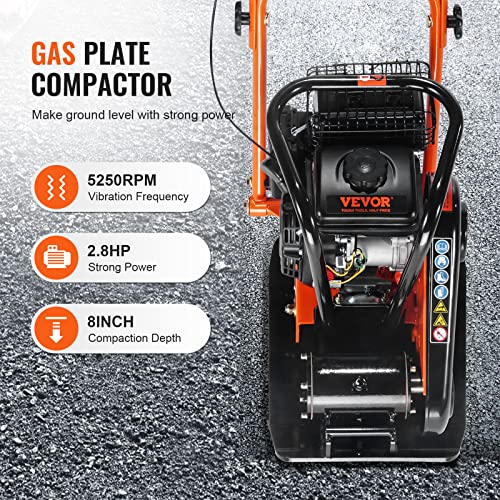
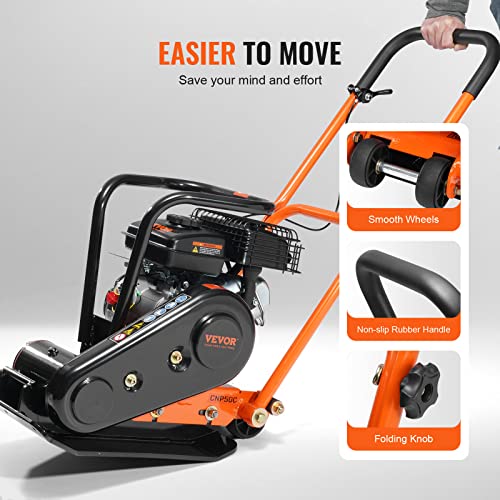
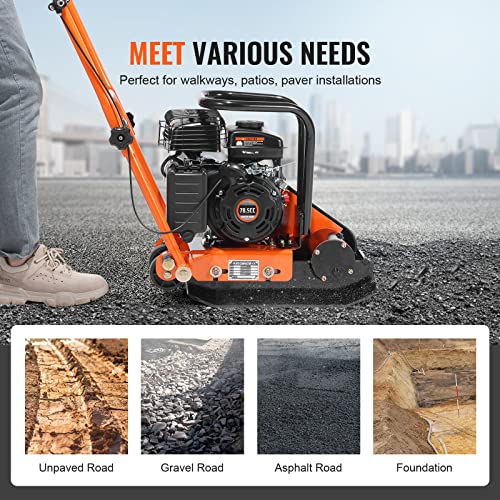
This little 2.8 HP VEVOR unit is clearly aimed at homeowners tackling small paver jobs or patching up a walkway. On paper, it delivers decent vibration frequency and compaction depth for light-duty use, and owners consistently report it handles sand and gravel prep without bogging down. The 221 sq in plate is modest but sufficient for tight spaces where bigger machines can’t fit.
Where it stands out is maneuverability, its lightweight frame and wide wheels make it easy to reposition, even on uneven ground. It won’t match the grunt of larger 196cc models, but for weekend warriors who don’t need pro-level force, this one gets the job done without overcomplicating things.
Product photos


How We Tested compactors
As someone who’s spent years around job sites and workshops, I understand the importance of solid ground preparation. Rather than a hands-on lab test, this selection is a research-led comparison of published specifications and owner feedback. I looked at compaction force, engine size, plate area, and travel speed across numerous models. We then weighed owner reviews from multiple sources, alongside assessments from reputable tool review sites, to understand real-world performance and durability.
For compactors, consistent compaction force and plate size are key. These determine how quickly and effectively a user can prepare a base for patios, walkways, or other projects. Engine size also matters, influencing the machine’s ability to maintain force over extended use. Portability and ease of use were also heavily weighted, recognizing that many users need to move these machines around a property.
Specifications reliably indicate a compactor’s potential power and coverage area. However, owner feedback provided critical insight into build quality, long-term reliability, and how well a machine handles different soil types. We paid close attention to comments regarding vibration levels, ease of starting, and the effectiveness of features like wheel kits. You can find similar detailed analysis in our guides to other essential tools, like best household garbage compactors.
How To Pick The Right compactors
Choosing the right compactor can make a huge difference in how quickly and effectively you tackle landscaping and construction projects. It’s easy to get lost in specs, but knowing what truly matters will save you headaches down the road.
A quality plate compactor delivers consistent compaction force, durable construction to withstand jobsite abuse, and ease of use for operators of varying experience levels. Key specifications include engine power (HP or cc), compaction force (lbs), compaction depth (inches), and plate size (square inches). Look for models with vibration-reducing features and reliable warranties.
Engine Power & Compaction Force
The engine is where it all starts. While a bigger horsepower number sounds appealing, it’s not the whole story. You need to consider how that power translates into actual compaction force. Most plate compactors in this class run a 6.5HP engine, which is generally sufficient for most homeowner and small-to-medium contractor tasks. However, don’t dismiss smaller options like the VEVOR 2.8HP model if you’re primarily dealing with smaller jobs – they can offer a good balance of power and maneuverability. Focus on the compaction force (measured in pounds) and the compaction depth (measured in inches); these figures tell you how well the machine can actually work the soil.
Plate Size & Material
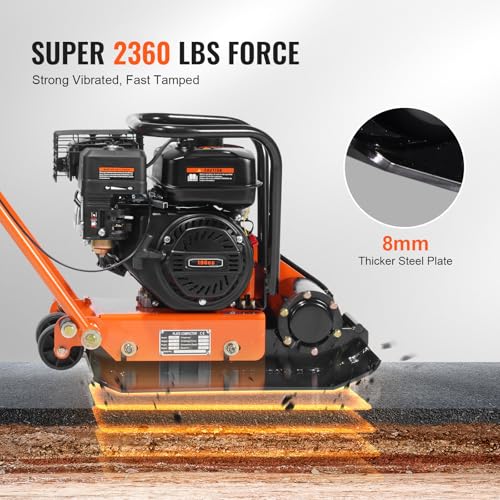
The size and construction of the plate itself are critical. A larger plate covers more ground with each pass, speeding up the process, but it also increases the machine’s weight and can make it harder to maneuver in tight spaces. The VEVOR 6.5HP Large Plate Compactor boasts a substantial 351 square inch plate, which is ideal for larger areas. Plate material is also key. Look for plates made from hardened steel, ideally 8mm or thicker. Thinner plates will deform over time, reducing compaction effectiveness.
Here’s how plate size often breaks down: * Smaller plates (under 200 sq. in.) are best for tight spaces. * Medium plates (200-300 sq. in.) offer a good balance for general use. * Larger plates (over 300 sq. in.) excel at covering large areas quickly, but are less maneuverable and require more operator strength.
A good rule of thumb: match the plate size to the project size. Don’t bring a cannon to a knife fight – or a massive plate compactor to a small patio.
Features & Usability
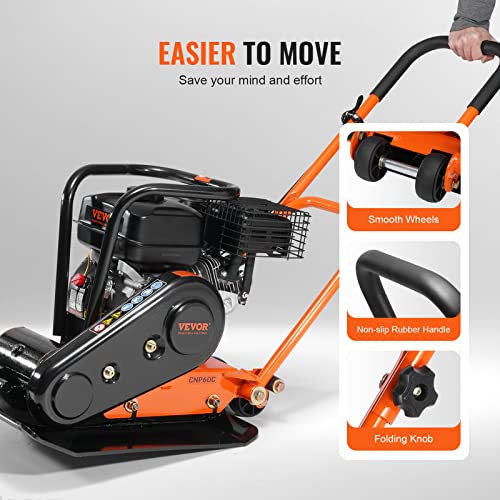
Beyond the core performance specs, consider features that will improve your experience. Self-propelled models, like the BILT HARD 6.5HP Gas Plate Compactor, significantly reduce operator fatigue, especially on larger jobs. A well-designed handle and transport wheels are also essential for ease of movement and storage. Vibration dampening systems are a huge plus, reducing strain on your hands and arms. And finally, if you’re working in an enclosed space or are sensitive to fumes, an electric model like the Evolution Hulk Electric Plate Compactor could be the better choice. For those looking for more information on managing waste, exploring best residential trash compactors can offer additional solutions.
Compactors Compared
Here’s a comparison of key specifications for various compactors to help you choose the right tool for your needs.
| Product Title | Engine (HP) | Vibration Rate (VPM) | Compaction Force (lbs) | Plate Size (in²) | Weight (lbs) | Compaction Depth (in) |
|---|---|---|---|---|---|---|
| WEN 6.5HP 196cc Plate Compactor | 6.5 | 5700 | 3350 | N/A | N/A | N/A |
| BETTERI 6.5HP Gas Plate Compactor | 6.5 | 5400 | 2500 | 20×15 | 137 | 10 |
| VEVOR 6.5HP Large Plate Compactor | 6.5 | 5600 | N/A | 351 | 146.6 | 12 |
| BILT HARD 6.5HP Gas Plate Compactor | 6.5 | 5500 | 2500 | 21×14.5 | 126 | 10 |
| VEVOR 2.8HP Lightweight Gas Compactor | 2.8 | 5250 | N/A | 221 | 114.6 | 8 |
| Evolution Hulk Electric Plate Compactor | N/A | N/A | N/A | N/A | N/A | N/A |
| VEVOR 2.8HP Lightweight Gas Compactor | 2.8 | 5250 | N/A | 221 | 114.6 | 8 |
Frequently Asked Questions
What compaction force do I really need?
A compaction force of 2000-3000 lbs is usually sufficient for most homeowner projects like patios or walkways. Larger jobs or those involving gravel and rock benefit from higher forces, and you might consider looking at best jumping jack compactors if you anticipate needing significant power.
Are electric compactors powerful enough for serious work?
While traditionally gas-powered compactors offered more force, modern electric models have improved significantly. They’re best for smaller projects and situations where fume avoidance is key, but may struggle with very large areas or heavy materials compared to their gas counterparts.
How important is the plate material?
The plate material is very important; hardened steel plates 8mm or thicker resist deformation and maintain compaction effectiveness over time. Thinner plates will wear quickly, reducing the machine’s ability to properly compact soil, and you’ll likely need to replace the entire unit sooner.
What’s the difference between a plate compactor and a rammer?
Plate compactors are best for leveling and compacting granular materials like gravel, sand, and soil over larger areas. Rammers (also known as tampers) are designed for compacting cohesive soils, clay, or asphalt in smaller, more focused areas. For detailed plate compactor model comparisons, consider the specific soil type and project size.
Where can I find more information on heavy-duty compaction?
If you need to tackle large-scale projects or work with particularly challenging materials, you may need to explore construction-grade compaction equipment. These machines offer significantly greater power and durability.
The Bottom Line
Choosing a compactor often comes down to balancing control with convenience. You can spend more for features like self-propulsion and larger plates, or you can focus on core compaction power at a lower price. For most homeowners and DIYers, I believe the VEVOR 6.5HP Large Plate Compactor strikes the best overall balance, offering a generous plate size for efficient work without sacrificing too much maneuverability.
If you’re on a tighter budget or have smaller projects, the VEVOR 2.8HP Lightweight Gas Compactor is a solid choice. For those needing a versatile option for varied tasks and tighter spaces, the BILT HARD 6.5HP Gas Plate Compactor provides a good combination of power and control. And if you’re also looking for ways to efficiently manage waste in other areas of your home, exploring best kitchen trash compactors can be a worthwhile pursuit.
Ultimately, the specs matter, but they aren’t everything. Focus on getting a machine with enough engine power and compaction force for your typical projects, and prioritize build quality to ensure it lasts. A well-prepared base is crucial for any outdoor project, and a reliable compactor is the first step in getting it right.
