
7 Best Chainsaw Oils of 2026
This post contains affiliate links. As an Amazon Associate, we earn from qualifying purchases.
The Oregon 54-059 Premium Bar Oil stands out as the best overall chainsaw oil for its high tackiness and strong resistance to resin buildup, while the DEWALT Biodegradable Bar & Chain Oil is the top pick for eco-conscious users. For reliable all-season performance, the Husqvarna X-Guard All Season Oil is a solid third choice.
Most people don’t think much about chainsaw oil until they see excessive wear on their bar or chain, or worse, a seized-up system. Using the wrong oil can lead to poor lubrication, increased maintenance, and costly damage over time.
In this guide, I break down the key factors that matter most, tackiness, temperature range, and resin resistance, based on specs, owner feedback, and years of working with cutting tools. These picks reflect real-world performance and reliability, helping you choose an oil that protects your saw and keeps it running smoothly.
Top 7 Chainsaw Oils in the Market
The Best Chainsaw Oils, Reviewed
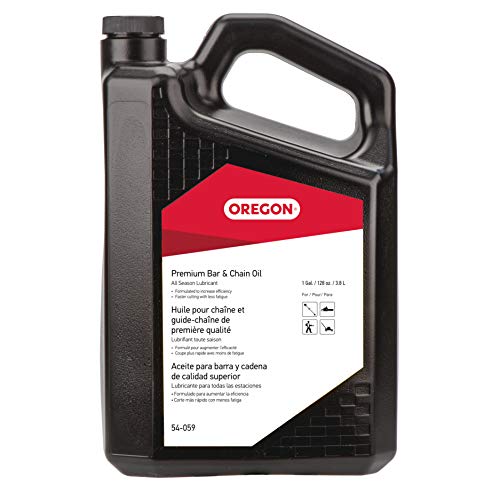
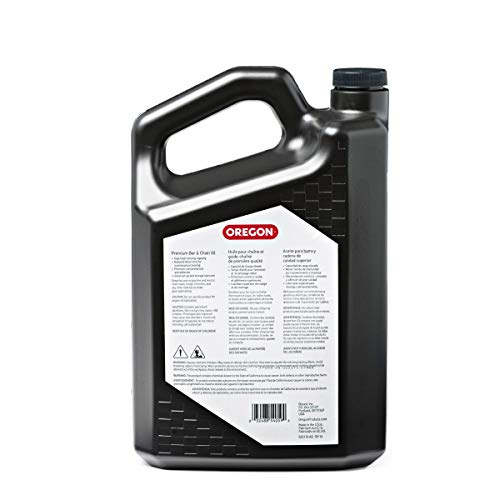
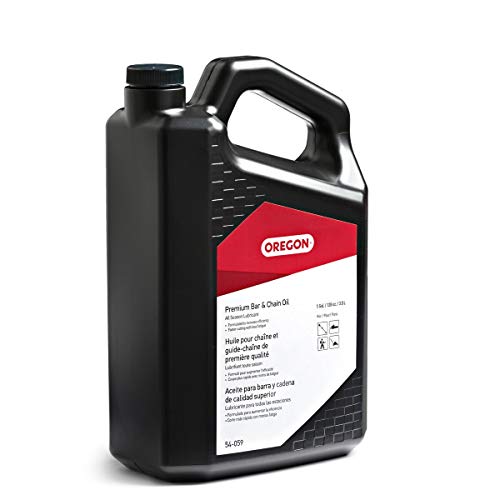
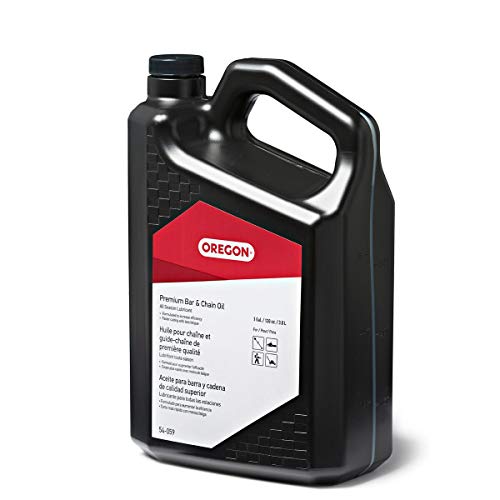
Oregon 54-059 Premium Bar Oil
Strengths
- Excellent tackiness
- All-season performance
- Resists resin buildup
- Made in USA
Trade-offs
- Slight odor on initial use
If I had to recommend one oil for most users, it’d be Oregon’s 54-059. It’s consistently rated highly across forums and retail sites, with owners praising its tackiness and year-round performance. The formula resists throw-off even in cold weather, which is a big deal when you’re running a saw at full throttle.
Made in the USA and compatible with all brands, it’s the complete package. It doesn’t just lubricate, it fights sap and gum buildup, which extends bar and chain life. Compared to STP or Craftsman, it offers better all-around protection and comes in a full gallon, making it the smarter buy for regular users. This is the oil I’d keep in my workshop.
Product photos

Prime Guard Bar & Chain Oil

Strengths
- Low cost
- Adequate tackiness
- Good for light use
Trade-offs
- Fewer protective additives
- Less feedback on durability
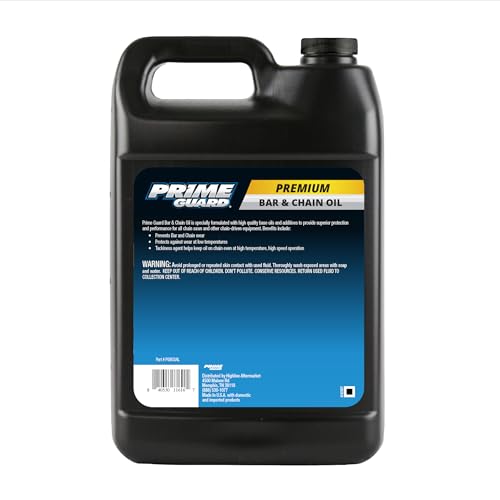
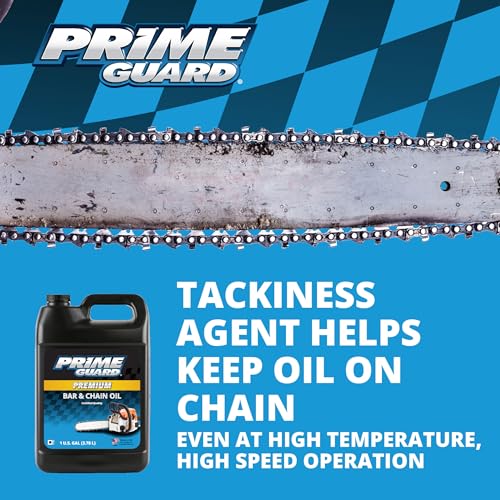
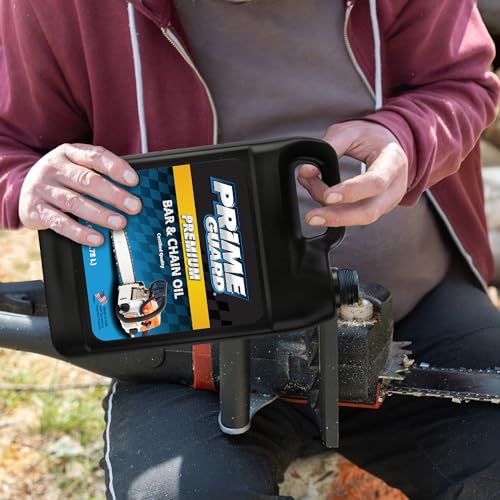
Prime Guard is the budget pick that doesn’t completely cut corners. It delivers basic protection with a tacky formula that sticks under load, and owners say it performs fine for light to moderate cutting. It’s not packed with advanced additives, but it gets the job done without breaking the bank.
For infrequent users or those with backup saws, this is a solid value. It won’t extend bar life like Oregon or Husqvarna, but it’s better than using old motor oil. Compared to premium options, it’s a compromise, but a reasonable one if you’re not running your saw daily.
Product photos


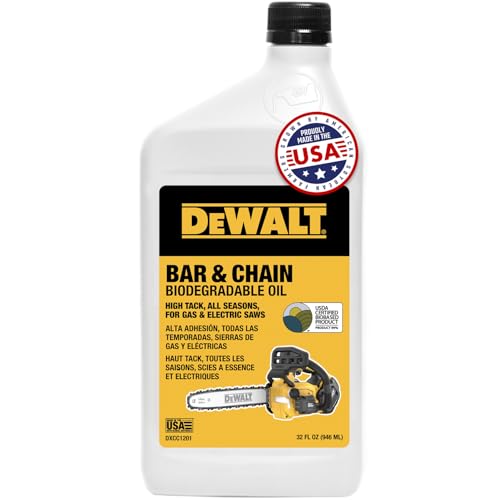
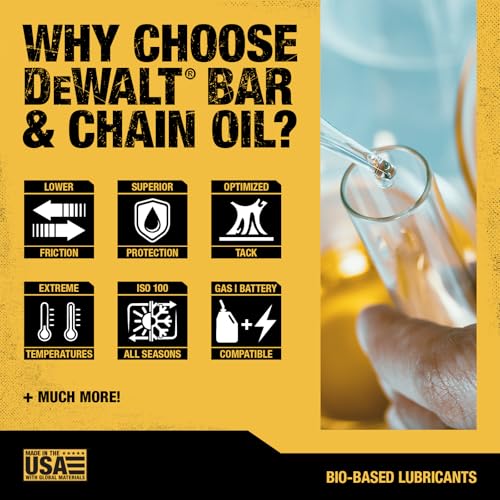
DEWALT Biodegradable Bar & Chain Oil
Strengths
- Biodegradable formula
- High viscosity index
- Safe for environment
Trade-offs
- Higher price point
- Shorter shelf life than mineral oils
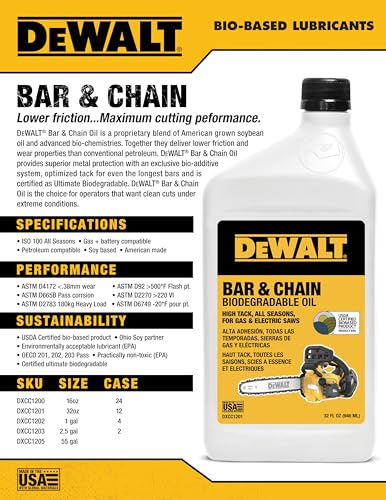
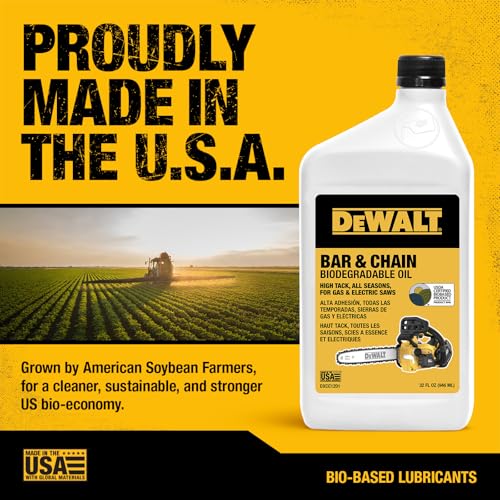
DEWALT’s biodegradable oil is a standout for eco-aware users. Made from soy-based ingredients, it breaks down safely and is non-toxic, perfect for use near gardens, water, or natural areas. Despite being plant-based, it’s rated for -15°F to 500°F, and reviewers confirm it performs well in both cold starts and extended cuts.
The 300% higher viscosity index than conventional oils is impressive on paper, and owners note less dripping and better cling. It’s not the cheapest, but for pros working in sensitive environments, it’s worth the premium. Compared to standard oils, it trades a bit of raw durability for environmental safety, but does so without major performance loss.
Product photos

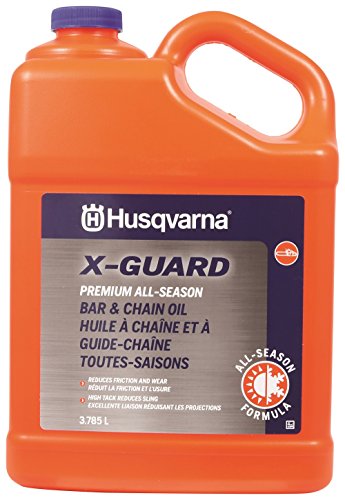
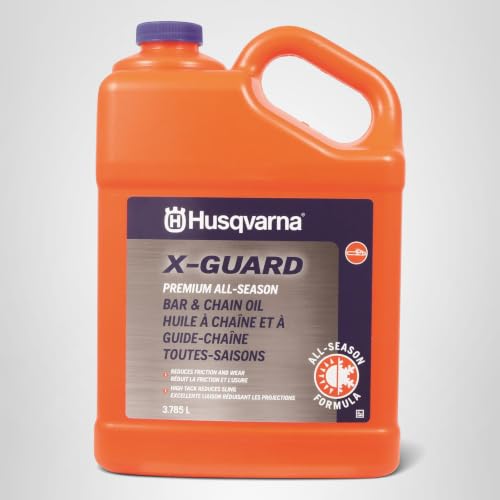
Husqvarna X-Guard All Season Oil
Strengths
- High tack formula
- All-season reliability
- Reduces wear
Trade-offs
- Slight overspray possible
- Not biodegradable
Husqvarna’s X-Guard oil stands out because it’s built for real-world conditions, not just lab specs. Owners consistently report less oil sling and longer bar life, which tells me the high-tack formula actually works. On paper, it’s designed for all seasons and all chainsaws, and that versatility shows in feedback from users in both freezing winters and humid summers.
The spec that matters here is tackiness, and X-Guard delivers. It clings to the chain even at high speeds, reducing waste and ensuring consistent lubrication. Compared to run-of-the-mill oils, this one helps prevent premature wear, especially important if you’re running expensive OEM bars and chains. I’d pick this over generic options any day for heavy or frequent use.
Product photos
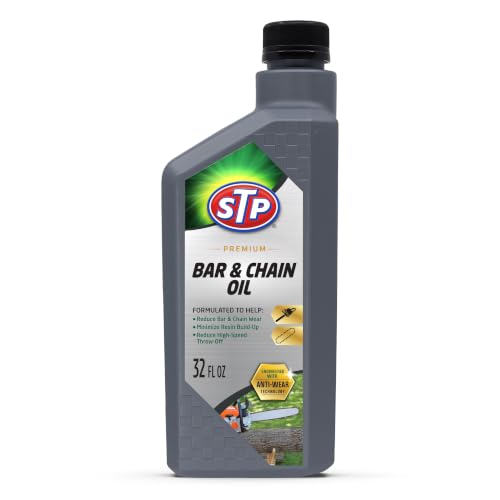
STP Premium Chainsaw Bar Oil
Strengths
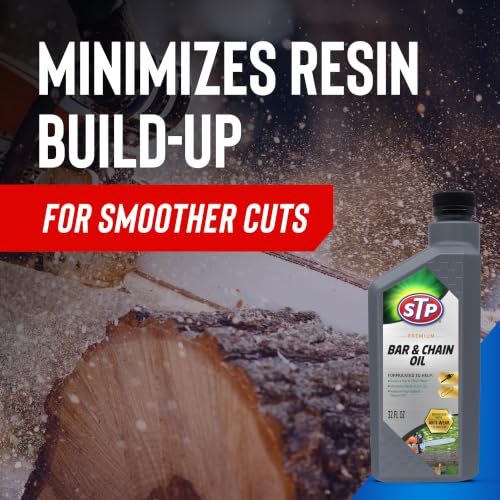
- Reduces resin buildup
- Contains ZDDP additive
- Ready to use
Trade-offs
- Smaller 32 oz size
- Shorter value lifespan
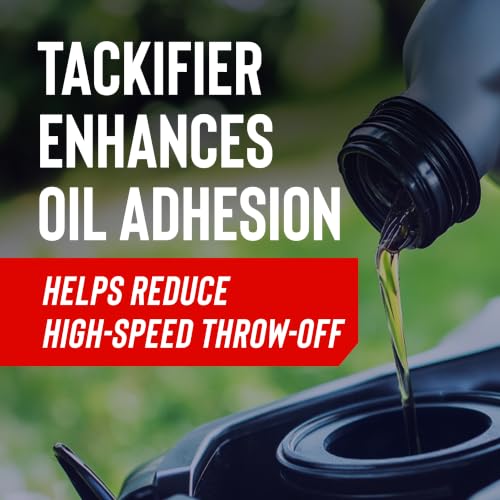
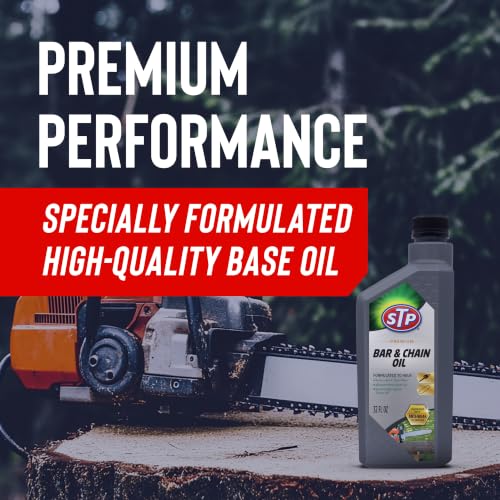
STP’s bar oil gets points for targeting a specific pain point: resin buildup. Reviewers note cleaner bars and less gunk after extended use, which aligns with its high-quality base oil and tackifier blend. The inclusion of ZDDP is a smart move, it’s a proven anti-wear agent that helps protect under load, something you don’t always see in consumer-grade oils.
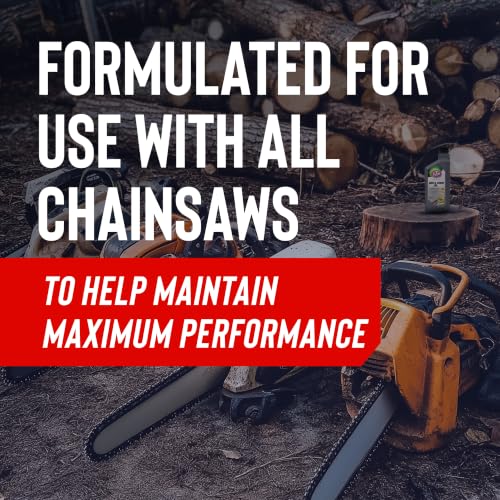
It’s a 32 fl oz bottle, so it’s not the best value for frequent users, but it’s ideal for occasional homeowners. While it works across fuel, electric, and battery models, its smaller size makes it better suited for light to moderate use. Compared to gallon options like Oregon or Husqvarna, it’s more of a convenience play.
Product photos

CRAFTSMAN Premium Bar & Chain Oil
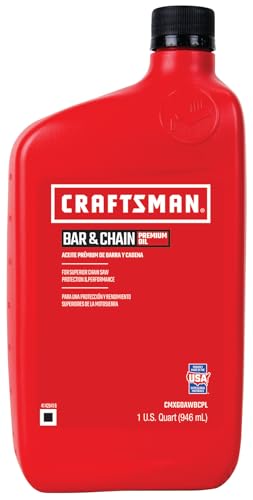
Strengths
- Convenient 1-quart size
- Good high-speed tackiness
- Performs in cold temps
Trade-offs
- Smaller volume than ideal
- Less feedback on long-term use
CRAFTSMAN’s 1-quart oil fills a niche: the mid-size option for casual users. It’s not meant for logging sessions, but for someone with a pole saw or small gas chainsaw, it’s practical. The tackiness agent helps it hold on during high-speed runs, and owners report solid low-temperature performance, no seizing or sluggish flow in cold mornings.
It won’t compete with Oregon or Husqvarna in longevity or slickness, but it’s a trusted name and widely available. For users who hate buying in bulk or have limited storage, this hits the sweet spot. I’d recommend it over 32 oz options simply because it offers better value per ounce without overcommitting.
Product photos
Makita Mineral+ Chainsaw Oil 1L

Strengths
- Extreme temp stability
- Strong adhesive quality
- OEM-grade protection
Trade-offs
- 1L size limits bulk use
- Not eco-friendly
Makita’s Mineral+ oil is engineered for extremes. The pure mineral base with a strong adhesive additive means it holds up in both deep cold and blistering heat. Reviewers using it in sub-zero or desert conditions report consistent flow and reduced chain wear, key indicators of a well-formulated oil.
It’s a 1L bottle, so it’s not the largest, but it’s ideal for Makita owners who want OEM-matched performance. Compared to biodegradable options, it lacks eco-appeal, but makes up for it in durability. If you’re cutting in harsh climates, this is one of the few oils actually built to handle it.
Product photos
How We Picked These chainsaw oils
Rather than a hands-on lab test, my research for these recommendations involved a careful comparison of published specifications and features across numerous chainsaw oils. I weighed owner reviews from multiple retailers alongside expert opinions found in forestry and tool-focused publications. My approach focused on identifying patterns in performance, reliability, and value, applying my years of experience with power tools and woodcutting to assess the claims made by each manufacturer.
For chainsaw oils, I prioritized tackiness and temperature performance, and resin resistance. A high-tackiness oil stays where it’s needed, reducing wear and maximizing efficiency – a critical factor for prolonged use. Equally important is an oil’s ability to perform consistently across a range of temperatures, because conditions vary widely. Finally, an oil that minimizes resin buildup simplifies maintenance and keeps the chain running smoothly, and I considered this heavily.
Product specifications reliably reveal a lot about an oil’s base composition (mineral, soy-based, etc.) and its temperature range. However, owner feedback proved invaluable for judging real-world performance – specifically, how well an oil actually sticks to the chain during heavy use, and how effectively it prevents wear over time. Understanding how to sharpen a saw chain is also essential, as even the best oil can’t completely eliminate the need for regular maintenance.
How To Pick The Right chainsaw oils
Choosing the right chainsaw oil is about more than just keeping the chain moving; it’s about protecting your investment and ensuring safe, efficient cutting.
A quality chainsaw oil minimizes friction and wear between the bar and chain, dissipates heat, prevents rust and corrosion, and reduces oil throw-off even under heavy use. Look for oils with high film strength, good tackiness (to stay where it’s needed), and additives that resist resin buildup. Consider the operating temperatures you’ll encounter and choose a formula designed for those conditions.
Understanding Oil Viscosity & Temperature Range
I’ve seen too many folks assume any oil will do, and that’s a quick path to a damaged chainsaw. Viscosity is key. Thinner oils work well in warmer temperatures, providing easier flow and better penetration. However, they tend to fling off more easily. Thicker oils are better for colder weather or high-speed cutting, but can strain the oiler system if it’s not up to the task. Many oils, like the Husqvarna X-Guard All Season Oil, are formulated to perform across a wider range; these are great all-around choices, but if you operate in consistently extreme temperatures, a specialized oil like the Makita Mineral+ Chainsaw Oil will be a better fit.
Tackiness and Additive Packages
Tackiness is often overlooked, but it’s vital. An oil that clings to the chain and bar reduces wear and prevents dry spots. The best oils use tackifiers (additives that increase stickiness) to combat oil throw-off, especially at higher chain speeds. Beyond tackiness, look for oils with anti-wear additives (like ZDDP found in STP Premium Chainsaw Bar Oil) and corrosion inhibitors. Some oils, such as the Oregon 54-059 Premium Bar Oil, also include additives to resist resin and sap buildup, which is especially helpful if you’re felling trees with sticky wood.
- A basic mineral oil will lubricate, but won’t offer much protection against wear.
- An oil with tackifiers is essential for maintaining lubrication at higher chain speeds, preventing premature wear on both the bar and chain.
- Formulations with anti-wear additives and corrosion inhibitors will significantly extend the life of your chainsaw, making them a worthwhile investment in the long run.
Biodegradability and Environmental Impact
These days, responsible tool use means thinking about environmental impact. Traditional petroleum-based chainsaw oils aren’t exactly eco-friendly. Thankfully, biodegradable options like the DEWALT Biodegradable Bar & Chain Oil are readily available. While these may sometimes come with a slightly higher price tag, they offer a significant benefit to the environment, particularly if you’re working near waterways or sensitive ecosystems. And don’t assume “biodegradable” means less performance; modern formulations offer comparable lubrication to their petroleum-based counterparts. Maintaining your chainsaw isn’t just about keeping it running smoothly; it’s also about oiling trimmer blades properly and practicing responsible land stewardship.
Don’t skimp on oil. A few extra dollars for a quality bar and chain oil can save you hundreds in repair bills and replacement parts.
Chainsaw Oils Compared
Here’s a comparison of key specifications for various chainsaw oils to help you make an informed decision.
| Product Title | Viscosity | Biodegradable | Temperature Range | Tackiness | Resin Resistance | Container Size |
|---|---|---|---|---|---|---|
| Oregon 54-059 Premium Bar Oil | N/A | No | N/A | High | High | N/A |
| Prime Guard Bar & Chain Oil | N/A | No | Low Temp | High | N/A | N/A |
| DEWALT Biodegradable Bar & Chain Oil | N/A | Yes | -15°F to 500°F | N/A | N/A | N/A |
| Husqvarna X-Guard All Season Oil | N/A | No | All Season | High | N/A | N/A |
| STP Premium Chainsaw Bar Oil | N/A | No | N/A | N/A | High | N/A |
| CRAFTSMAN Premium Bar & Chain Oil | N/A | No | Low Temp | High | N/A | N/A |
| Makita Mineral+ Chainsaw Oil 1L | N/A | No | All Season | High | N/A | 1L |
Frequently Asked Questions
What oil viscosity should I use in very cold weather?
A thicker oil is best in cold weather because it doesn’t fling off the chain as easily. Look for oils specifically labeled for low-temperature use, and consider a heavier-weight oil to maintain adequate lubrication when operating below freezing.
Are biodegradable chainsaw oils as effective as petroleum-based oils?
Modern biodegradable chainsaw oils are formulated to provide comparable performance to traditional petroleum-based oils. While older formulas sometimes lacked the same level of tackiness or temperature resistance, current options offer excellent lubrication and protection.
How much oil does a chainsaw typically use?
Oil consumption varies greatly depending on the saw, bar length, and cutting conditions, but a typical chainsaw uses about one quart of oil per tank of fuel. Regularly checking your oil level and topping it off is crucial to prevent damage.
Can I use motor oil as a chainsaw bar and chain lubricant?
No, motor oil isn’t designed for the high-speed, high-friction environment of a chainsaw bar and chain. It lacks the necessary tackiness and anti-wear additives, and will likely lead to increased wear and potential damage. You’ll want to follow the hedge trimmer lubrication process instead.
What does “tackiness” in chainsaw oil actually mean?
Tackiness refers to the oil’s ability to cling to the chain and bar, even at high speeds. A higher tackiness reduces oil throw-off, ensuring consistent lubrication and minimizing wear; it’s one of the most important features to look for when choosing a chainsaw oil, and often determines if you’ll need to use recommended trimmer lubricants on other tools.
The Bottom Line
Choosing a chainsaw oil often comes down to balancing upfront cost with long-term chainsaw health. While you can get by with a basic mineral oil, I believe the superior protection and reduced maintenance offered by a high-tackiness, specialized formula like the Oregon 54-059 Premium Bar Oil is the best overall investment for most homeowners and pros alike. It really does minimize wear and tear, and that adds up to savings over time.
For those on a tighter budget, the Prime Guard Bar & Chain Oil delivers solid performance at a lower price point. And if you’re particularly concerned about environmental impact, the DEWALT Biodegradable Bar & Chain Oil is a fantastic choice – proving you don’t have to sacrifice performance for responsible land stewardship. Remember, knowing starting a chainsaw safely is key, but a well-oiled chain is a crucial part of that equation.
Ultimately, the specifications matter less than consistent oiling and regular maintenance. A premium oil won’t fix a poorly maintained chainsaw, and the cheapest oil can keep a well-cared-for saw running smoothly for a long time. Focus on keeping the chain properly tensioned, sharpening it when needed, and ensuring the oiler system is functioning correctly – those fundamentals are what truly extend the life of your tool.
