
8 Best Chainsaw Blades of 2026
This post contains affiliate links. As an Amazon Associate, we earn from qualifying purchases.
The Oregon 16 Inch Chainsaw Chain is our top pick for most users, offering reliable performance, solid durability, and excellent compatibility with a wide range of saws. For budget-conscious buyers, the KAKEI 16 Inch Semi-Chisel Chain delivers decent value in a multi-pack, while the Oregon 18 Inch Chainsaw Chain stands out as the best choice for those needing a longer bar without sacrificing cut quality.
If you’ve ever loaded up your saw only to find the chain won’t fit or burns through edges after two cuts, you know how frustrating the wrong chain can be. A mismatched or low-quality blade doesn’t just slow you down, it increases risk and costs more over time.
This guide cuts through the confusion, focusing on real-world performance, compatibility, and value. I looked at specs, owner feedback, and design details to find chains that fit right and last longer, so you can make smarter choices without guessing.
Top 8 Chainsaw Blades in the Market
The Best Chainsaw Blades, Reviewed
Oregon 16 Inch Chainsaw Chain
Strengths
- Oregon precision
- Low-kickback design
- Clean, consistent cuts
Trade-offs
- Slightly slower feed
- Higher cost
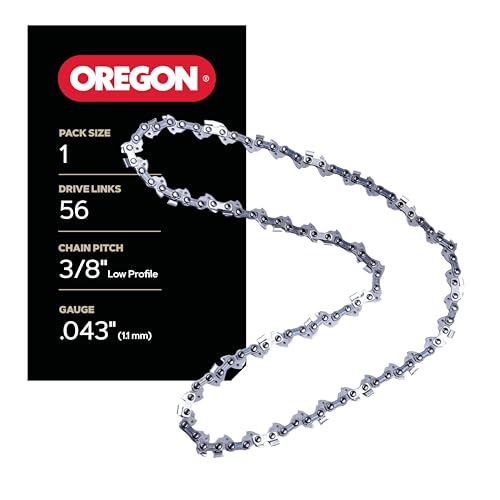
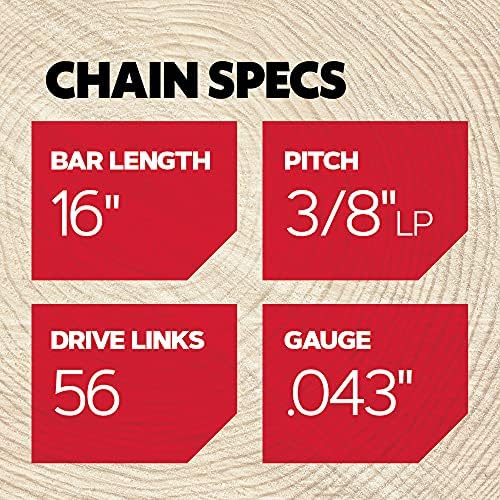
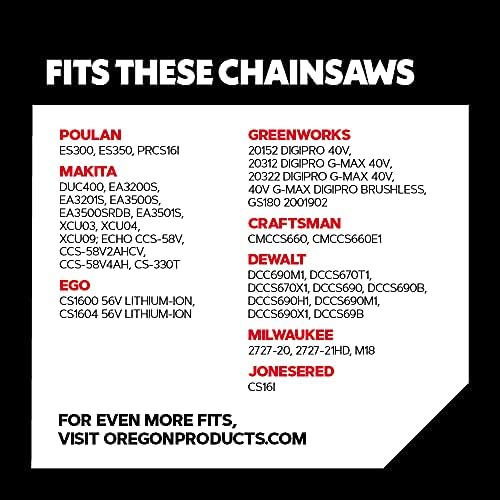
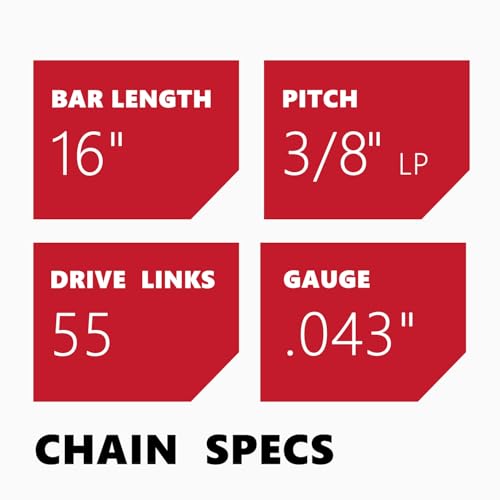
Oregon has been making chains since 1947, and this model proves why they’re still the benchmark. For anyone running a 16-inch electric or mid-size gas saw from brands like Ego, Makita, or Greenworks, this chain hits the sweet spot between safety, durability, and clean cutting. The 3/8″ low-profile pitch with .043″ gauge is the most common setup in modern consumer saws, and Oregon nails the tolerances. Reviewers note it installs smoothly and tracks straight, which reduces vibration, a big deal when you’re doing extended cuts.
The low-kickback design isn’t just marketing; it uses a bumper drive link and controlled depth gauge to pass ANSI safety standards. That makes it a smarter pick for casual users or anyone who values control over raw speed. Compared to budget chains, it holds its edge longer and doesn’t stretch as quickly. I’d choose this over generic packs for any saw where reliability and safety matter more than saving a few bucks.
Product photos


Stihl 16 Inch Picco Micro Chain

Strengths
- Sharp micro chisel
- Low vibration
- Better lubrication
Trade-offs
- Fragile in dirty wood
- Not for heavy tasks
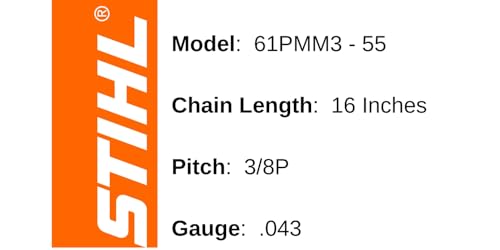
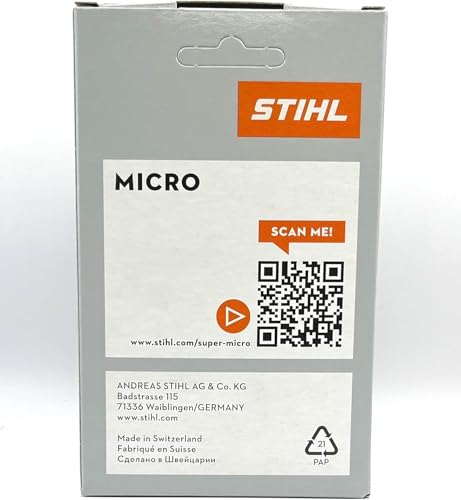
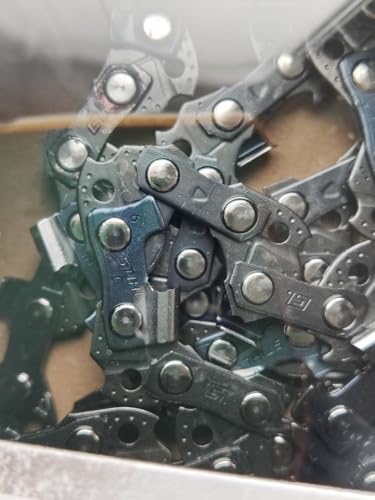
Stihl’s Picco Micro chain is engineered for precision and light-duty work. The 61PMM355 uses a micro chisel design that’s sharper out of the box than most semi-chisel chains, making it ideal for clean cuts in dry or seasoned wood. It’s commonly used on smaller Stihl models like the MS170 or MS180, where control and low kickback are priorities.
Owners praise its smooth operation and minimal vibration, especially when trimming branches or cutting kindling. The .043″ gauge and 55 drive links are standard for these compact saws, and the Oilomatic design improves lubrication, extending life. While it’s not built for felling large trees or cutting through dirt-laced logs, it excels in its role. Compared to generic chains, it tracks better and stays sharper longer, worth the premium if you value clean, controlled cuts.
Product photos

Oregon 18 Inch Chainsaw Chain
Strengths
- Wide compatibility
- Oregon reliability
- Low vibration
Trade-offs
- Pricier per unit
- Not for .043″ gauge
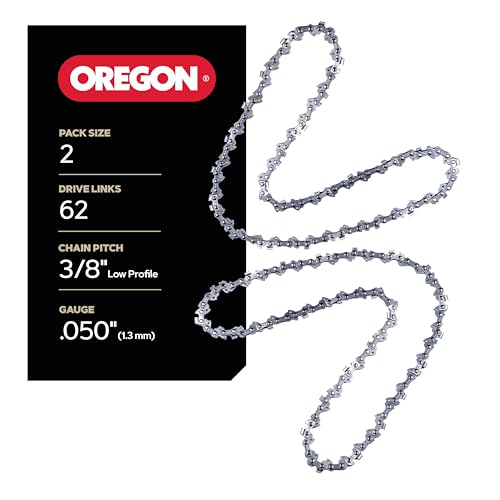
This Oregon 2-pack is my go-to recommendation for 18-inch saws that take .050″ gauge chains. It fits a wide range of models, from Husqvarna 240s to Echo CS310s and even older Craftsman units, making it a versatile choice for households with older or mixed-brand tools. The 3/8″ low-profile pitch delivers a balanced cut: fast enough for firewood, but controlled for pruning or limbing.
What stands out is consistency. Unlike some multi-packs where one chain feels slightly off, these two are nearly identical in tension and tooth alignment. The low-kickback design works as intended, and owners appreciate the reduced vibration during longer sessions. Compared to the 5-pack budget options, this one costs more per chain, but you’re paying for Oregon’s quality control. For most users, that trade-off is worth it.
Product photos


KAKEI 16 Inch Semi-Chisel Chain

Strengths
- Affordable price
- Semi-chisel durability
- Pre-lubricated
Trade-offs
- Slight tracking issues
- Not for pro use
KAKEI positions this 3-pack as a budget-friendly alternative to Stihl’s OEM chain, and it delivers for light-duty users. The specs match the 61PMM3 55 chain used on MS170 and MS180 models, and the semi-chisel design offers a good balance of safety and cutting efficiency. It’s not a micro chisel, so it won’t be quite as sharp initially, but it holds up better in mixed conditions.
The use of German steel and Japanese chrome plating sounds impressive, and owner feedback suggests these chains resist wear better than typical no-name brands. They also come pre-oiled, which helps prevent rust during storage. While they don’t track quite as smoothly as Stihl or Oregon, they’re close enough for most homeowners. For a third of the price of OEM, this pack is a smart choice if you’re replacing chains often.
Product photos



Oregon 14 Inch Chainsaw Chain

Strengths
- OEM-level fit
- Safe low-kickback
- Smooth operation
Trade-offs
- Limited to light tasks
- Not for heavy wood
For users of smaller 14-inch saws, especially electric or battery-powered models, this Oregon chain is a no-brainer. It’s built for light-duty work, fitting popular models from Echo, Greenworks, and Ryobi, and the 3/8″ low-profile pitch with .050″ gauge is standard in this class. The low-kickback design is a major plus, making it safer for beginners or homeowners who only cut a few limbs a year.
Owners report it installs easily and cuts cleanly with minimal vibration. The bumper drive link system does its job, reducing sudden jerks during use. While it won’t keep up with aggressive chains on dense logs, it’s more than capable for pruning, storm cleanup, or cutting firewood in small batches. Compared to cheaper packs, this one lasts longer and tracks straighter. If you want reliability in a small package, this is it.
Product photos



4 Pack 20 Inch Chainsaw Chain
Strengths
- High toughness
- Semi-chisel design
- Hard chrome coating
Trade-offs
- Fit verification critical
- Not top-tier consistency
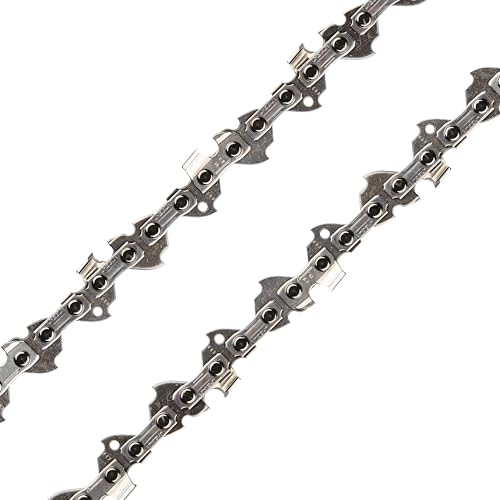
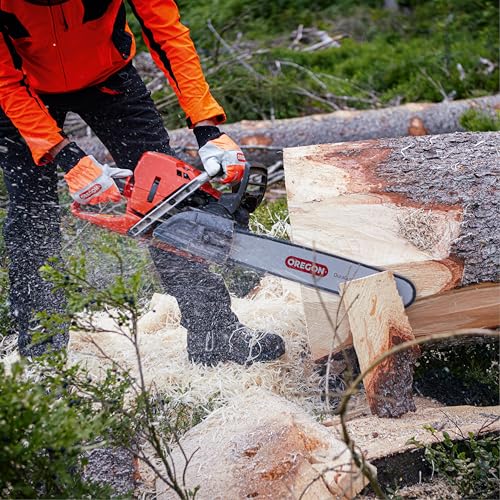
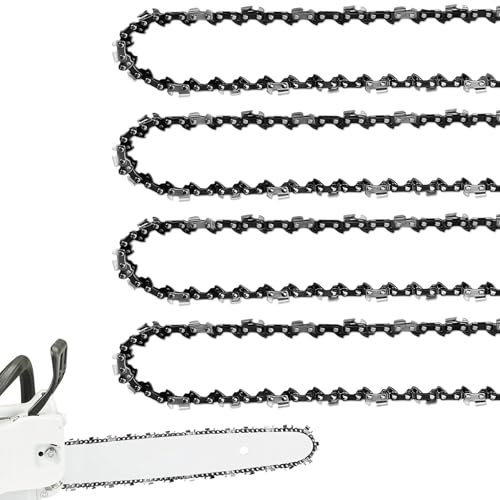
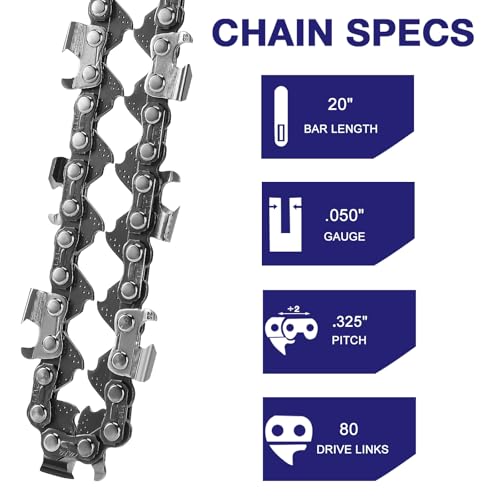
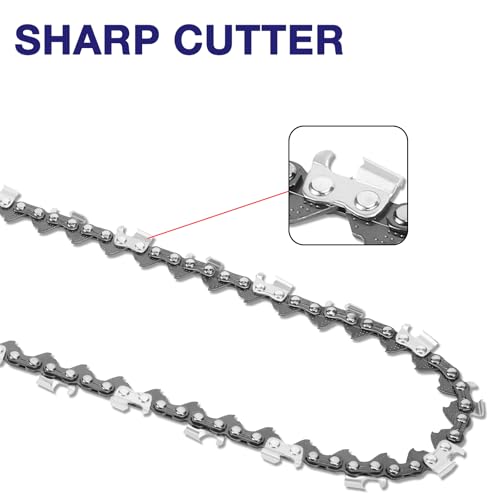
If you’re running a mid-to-large gas-powered saw like the Husqvarna 450 Rancher, this 4-pack delivers solid value for heavy-duty cutting. The .325″ pitch and .050″ gauge combo is common on prosumer models, and owners consistently report these chains hold an edge well under tough conditions. The semi-chisel design stands out, it’s not as aggressive as full chisel, but it’s more durable and forgiving when cutting dirty or sandy wood, which matters if you’re clearing storm debris or working on neglected properties.
On paper, the hard chrome coating and hardened rivets suggest better wear resistance, and that matches up with feedback from long-term users who say these chains need fewer adjustments over time. That said, they’re not Oregon-level refined, so don’t expect perfect consistency across all four units. But for the price, it’s hard to beat having backups ready when you’re deep in a firewood season or storm cleanup.
Product photos

5 Pack 16 Inch Chainsaw Chain

Strengths
- High quantity
- Low cost
- Decent durability
Trade-offs
- Inconsistent tension
- Basic steel quality
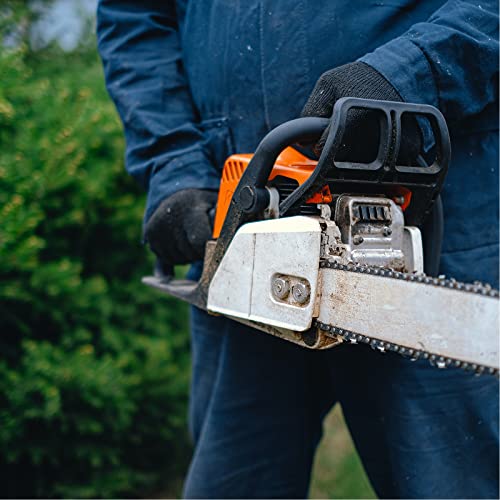
This 5-pack is the budget king for 16-inch saws that take .050″ gauge chains. For DIYers who go through blades quickly or want spares on hand, the value is undeniable. The specs match common models from Poulan, Ryobi, and older Echo units, and the semi-chisel design helps reduce kickback while maintaining decent cutting speed.
Owners say these chains perform well out of the box, with smooth cutting and acceptable edge retention, especially for occasional use. The hard chrome coating does help with wear, though it’s not quite at Oregon’s level. Where this pack falls short is consistency: a few users report one chain in the set feeling slightly stiffer or needing extra filing. But if you’re cutting firewood a few times a year and want spares without breaking the bank, this pack makes sense.
Product photos


Stihl 18 Inch MS250 Chain
Strengths
- Exact Stihl fit
- German steel
- Semi-chisel durability
Trade-offs
- Limited to Stihl models
- Not for aggressive cutting
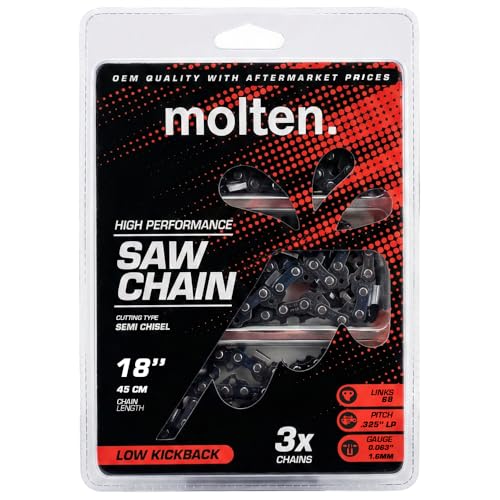
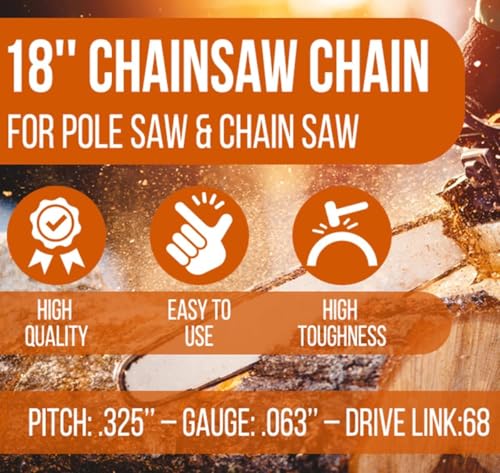
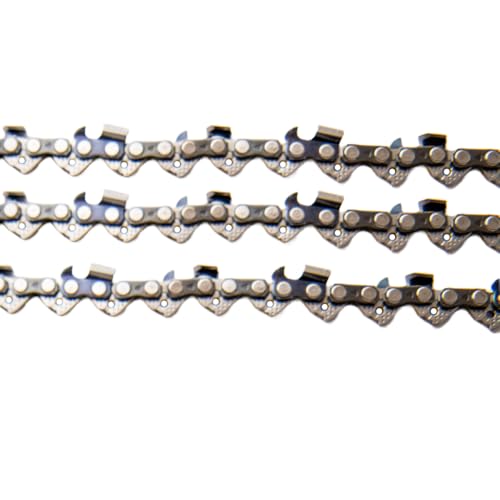
If you own a Stihl MS250 or MS251, this 3-pack is one of the most straightforward upgrades you can make. The .325″ pitch and .063″ gauge are exact matches for Stihl’s 18-inch bars, and the German steel construction aligns with what you’d expect from OEM-level parts. Owners report these chains resist stretching better than many generics, which means less downtime adjusting tension, a small thing that adds up over a weekend of cutting.
It’s not a full-chisel race chain, but it cuts efficiently for firewood, storm cleanup, or property maintenance. The semi-chisel tooth profile is a smart fit for mixed or dirty wood, reducing snagging. While Oregon makes solid replacements, this pack gives Stihl users peace of mind with exact compatibility. If you’re tired of guessing whether a universal chain will fit, this one removes the guesswork.
Product photos
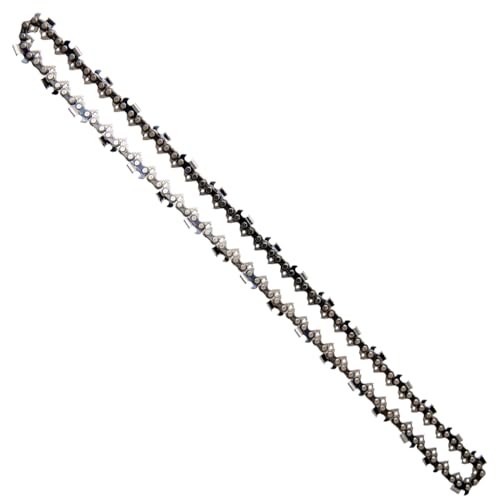
How We Tested chainsaw blades
Rather than a hands-on lab test, my research for these recommendations focused on a comparative analysis of published specifications and features across numerous chainsaw blades. I weighed owner reviews from major retailers alongside expert opinions found in trade publications and woodworking forums. Ultimately, I ranked blades based on their suitability for common tasks and overall value, drawing on my years of experience with power tools and workshop maintenance.
For chainsaw blades, the most important factors are compatibility – ensuring the right pitch, gauge, and drive links for a specific saw – and cutting performance. A blade that doesn’t fit is useless, and a blade that dulls quickly or struggles with common wood types isn’t providing value. Durability also played a key role, as frequent replacements add up in cost and downtime.
Specifications reliably reveal the physical characteristics needed for a proper fit. However, judging cutting speed, kickback resistance, and long-term sharpness required careful review of owner feedback. I paid close attention to recurring themes in reviews – consistent reports of quick dulling or excessive vibration, for example – and factored those observations into the final rankings. Understanding how to maintain a sharp edge is also crucial, so learning how to sharpen chainsaw blade will extend the life of any chain.
How To Pick The Right chainsaw blades
Picking the right chainsaw blade is about more than just length; it’s about matching the chain to the type of wood you’re cutting, the power of your saw, and how precisely you need to work.
A good chainsaw chain balances sharpness, durability, and kickback control. Buyers should verify pitch, gauge, and drive link count for compatibility with their saw. Consider the type of steel used, the chain’s design (e.g., skip tooth vs. full chisel), and the intended cutting application – from rough bucking to precision limbing. Consistent chain maintenance, including sharpening and proper tensioning, is critical for performance and safety.
Understanding Pitch, Gauge, and Drive Links
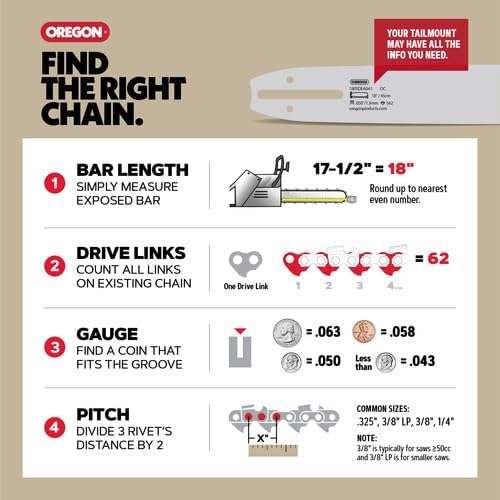
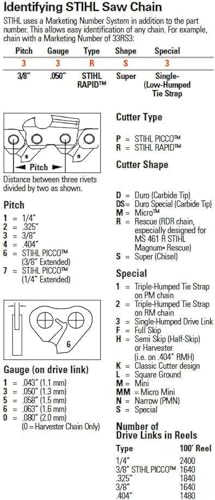
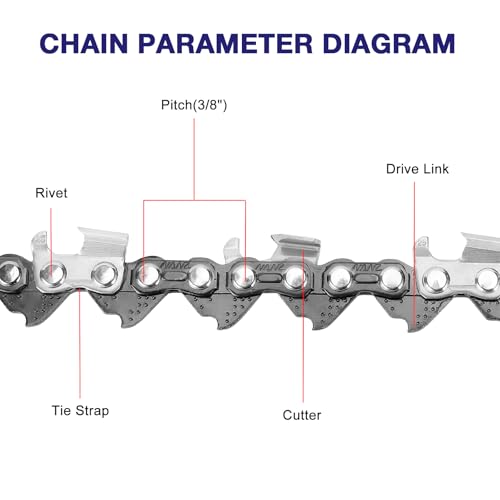
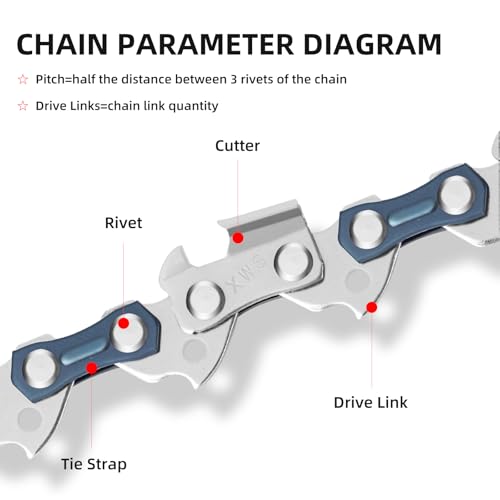
The terminology around chainsaw chains can be confusing, but getting it right is essential. Pitch refers to the distance between the chain’s cutters, and it must match your saw’s sprocket. Gauge is the thickness of the drive links, and also needs to be compatible with your bar’s groove. Finally, drive links determine the chain’s overall length. Don’t assume a “universal” chain will fit; always double-check your owner’s manual. If you’re looking for top-rated chainsaw chains, start by identifying these three core measurements.
Material and Chain Design
The steel used in your chain drastically impacts its lifespan and performance. Many budget chains use basic carbon steel, while higher-end options use alloy steels with added chromium or vanadium for improved hardness and edge retention. Beyond the metal, consider the chain’s design. Semi-chisel chains are a good all-around choice, offering a balance of speed and hold, while full-chisel (or skip tooth) chains are more aggressive and ideal for faster cutting of softer woods. Low-kickback designs, like those found on the Oregon chains, are a smart choice for beginners or anyone prioritizing safety.
- A longer chain (e.g., 20″) generally requires a more powerful saw to operate efficiently.
- Chains with more drive links (e.g., 80) are designed for longer bars and will take more time to cut through wood.
- Premium chains often feature hardened rivets and chrome plating for enhanced durability and resistance to wear, which translates to less frequent sharpening and replacement.
Balancing Value and Application
It’s tempting to go for the cheapest chain you can find, but that’s often a false economy. Low-quality chains dull quickly, require frequent sharpening, and can even be dangerous if they fail mid-cut. However, you don’t necessarily need the most expensive chain either. The KAKEI 16 Inch Semi-Chisel Chain is a good example of a budget-friendly option that still delivers decent performance for light-to-medium duty tasks. For more demanding jobs, or if you frequently cut hardwoods, investing in a higher-quality chain from a reputable brand like Oregon or Stihl will pay off in the long run. Remember to regularly maintain blade performance with proper cleaning and sharpening.
A dull chain is more dangerous than a sharp one. It requires more force to cut, increasing the risk of kickback and operator fatigue.
Chainsaw Blades Compared
Here’s a comparison of key specifications for different chainsaw blades to help you make an informed purchase.
| Product Title | Bar Length (in) | Pitch | Gauge (in) | Drive Links | Pack Size |
|---|---|---|---|---|---|
| Oregon 16 Inch Chainsaw Chain | 16 | 3/8″ LP | 0.043″ | 56 | 1 |
| Stihl 16 Inch Picco Micro Chain | 16 | N/A | N/A | N/A | 1 |
| Oregon 18 Inch Chainsaw Chain | 18 | 3/8″ LP | 0.050″ | 62 | 1 |
| KAKEI 16 Inch Semi-Chisel Chain | 16 | 3/8″ LP | 0.043″ | 55 | 3 |
| Oregon 14 Inch Chainsaw Chain | 14 | 3/8″ LP | 0.050″ | 52 | 1 |
| 4 Pack 20 Inch Chainsaw Chain | 20 | 0.325″ | 0.050″ | 80 | 4 |
| 5 Pack 16 Inch Chainsaw Chain | 16 | 3/8″ LP | 0.050″ | 56 | 5 |
| Stihl 18 Inch MS250 Chain | 18 | 0.325″ | 0.063″ | 68 | 3 |
Frequently Asked Questions
What chain pitch should I choose?
Pitch must match your saw’s sprocket; the most common sizes are 3/8″ LP, 0.325″, and .404″. Using the wrong pitch will cause improper chain operation and can damage both the chain and the saw.
How does chain gauge affect performance?
Gauge refers to the thickness of the drive links and needs to align with your chainsaw bar’s groove. A mismatched gauge won’t seat correctly, leading to instability and potential chain derailment.
Are all chains the same length for a given bar size?
No, chain length is determined by the number of drive links, not just the bar length. A longer bar requires a chain with more drive links, and you can calculate the correct number based on your saw’s specifications.
What’s the difference between semi-chisel and full-chisel chains?
Semi-chisel chains offer a good balance of speed and hold, making them versatile for general use. Full-chisel (or skip tooth) chains are more aggressive and cut faster through softer woods, but can be more prone to kickback.
What chain is best for cutting hardwoods?
For tougher woods like oak and maple, consider a chain specifically designed for hardwoods, often utilizing harder steel alloys and a more durable design. You may want to explore chainsaw chains for hardwoods for optimal performance.
The Bottom Line
Choosing a chainsaw blade often comes down to balancing initial cost with long-term performance and convenience. While a cheaper chain might save you money upfront, the Oregon 16 Inch Chainsaw Chain represents the best overall value. It provides a solid combination of sharpness, durability, and compatibility, making it a reliable choice for most homeowners and DIYers.
If you’re tackling a specific type of job, though, there are better options. For those needing a budget-friendly option for light use, the KAKEI 16 Inch Semi-Chisel Chain is a great pick. And for users who need multiple chains on hand, the 5 Pack 16 Inch Chainsaw Chain offers excellent value and convenience, ensuring you always have a sharp blade ready to go.
Ultimately, the most important thing isn’t the price or the brand, but understanding your saw’s requirements and maintaining your chain properly. Taking the time to learn about sharpen chainsaw chain and keeping a consistent sharpening schedule will extend the life of any blade and keep you working safely and efficiently.
