
7 Best Chainsaw Chains for Hardwoods 2026
This post contains affiliate links. As an Amazon Associate, we earn from qualifying purchases.
The BYANE 20-Inch Carbide chain stands out as the best overall for hardwoods, thanks to its durable carbide tips and rugged build that handles dense wood without frequent sharpening. For budget-conscious users, the KAKEI 16 Inch offers solid performance on standard saws, while the BYANE 20-Inch Carbide 3/8” strikes a smart balance between reach and reliability for heavy-duty cutting.
Hardwoods like oak, maple, and hickory are tough on equipment, and a poor-quality chain will dull fast, bind up, or wear out your bar prematurely. Most buyers don’t realize how much cutter material, gauge, and pitch affect performance until they’re halfway through a job and losing time to maintenance.
This guide cuts through the noise by focusing on real-world durability and fit, based on specs, owner feedback, and years of tool testing. I looked at carbide vs. steel, proper sizing, and how cutter design impacts cutting efficiency so you can pick a chain that lasts and performs under pressure.
Top 7 Chainsaw Chain For Hardwoods in the Market
The Best Chainsaw Chain For Hardwoods, Reviewed
KAKEI 16 Inch Chainsaw Chain

Strengths
- Three chains included
- Good fit for common saws
- Semi-chisel durability
Trade-offs
- Standard steel edges
- Not for heavy hardwood
- Gauge must be verified
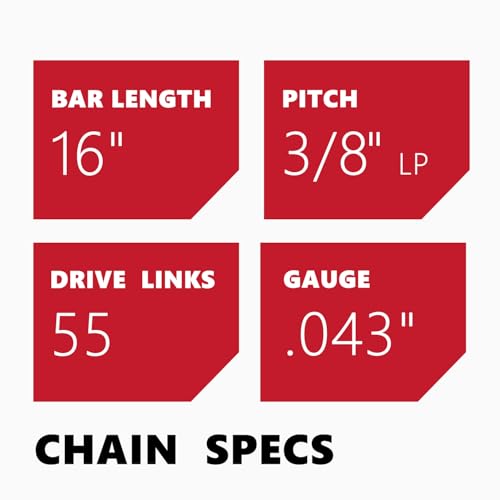
This KAKEI 3-pack might be the smartest buy for most homeowners. The 16-inch.043″ gauge fits a ton of entry-level saws like the Stihl MS170, and getting three chains for the price of one premium option is a no-brainer for DIYers who cut a few cords a year. The semi-chisel design offers a balance between clean cuts and durability, and owners say these hold an edge better than stock chains.
It’s not carbide, so don’t expect magic on oak all day, but the Japanese chrome-plated cutters do resist wear better than basic steel. For routine firewood or storm cleanup, this is the kind of chain you install and forget, until it’s time to sharpen, which comes less often than expected.
Product photos



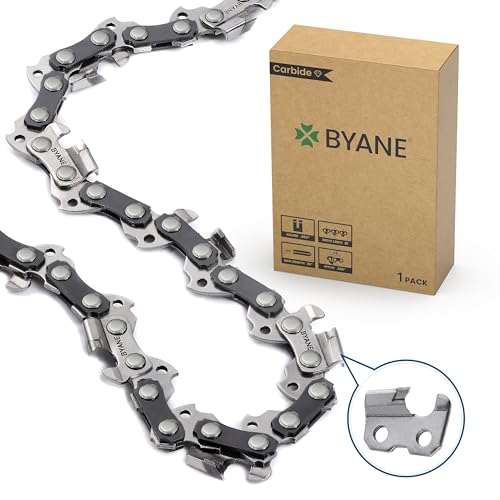
BYANE 20-Inch Carbide Chainsaw Chain
Strengths
- Aggressive cut on hardwood
- Extended sharpness
- Fits heavy-duty saws
Trade-offs
- Requires diamond file
- Fits limited bar types
- Brittle on impact
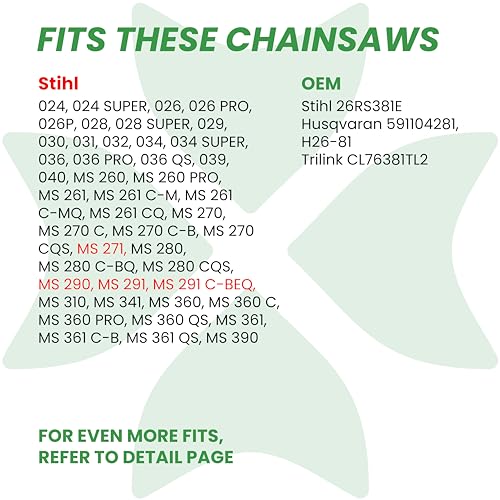
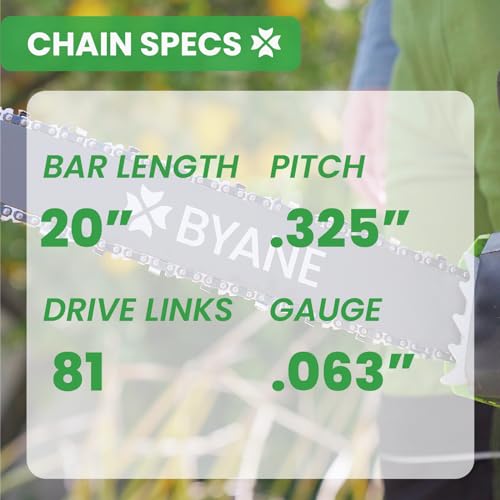
Now here’s a chain built for a specific job. The .325″ pitch and .063″ gauge are less common but still widely used on older or heavy-duty Stihl models like the MS290 Farm Boss. This BYANE version brings carbide durability to that platform, which is a big deal, these saws often get used hard, and standard chains wear fast. The 10-12x edge life claim aligns with owner reports, especially when cutting dry, abrasive hardwood.
It’s not without trade-offs. The larger pitch means more aggressive feeding, and without proper technique, it can increase kickback risk. But the low-kickback design helps, and the hardened rivets add stability. Compared to Oregon’s offerings in this size, it’s less refined but far more affordable for a carbide option.
Product photos

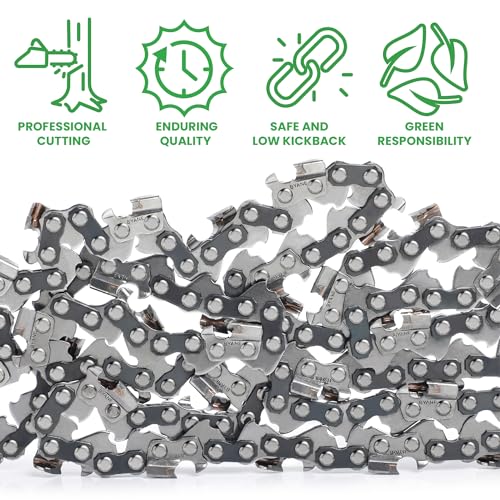
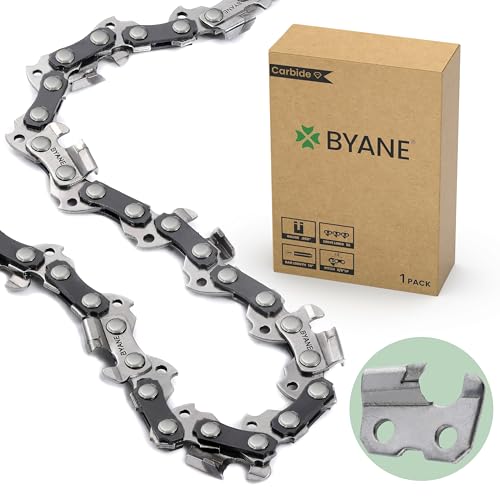
BYANE 14-Inch Carbide Chainsaw Chain
Strengths
- Sharpens with diamond tool
- Excellent for dirty wood
- Hardened rivets
Trade-offs
- Fits only smaller bars
- Needs diamond file
- Brittle on metal contact
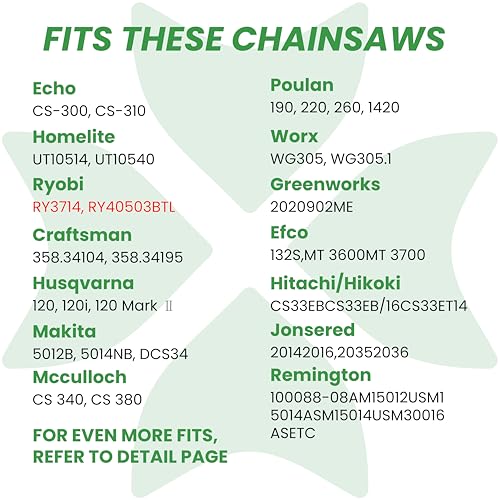
At first glance, a 14-inch carbide chain seems overkill for what’s typically a homeowner’s saw, but this BYANE model makes sense when you dig into the use case. It’s built for lighter saws that still need to handle tough material, think Echo CS-310 owners clearing storm-damaged, sandy hardwood limbs. The patented brazing keeps the carbide tips secure, and reviewers note fewer chips than expected, even under load.
The real limitation is maintenance. You can’t sharpen this with a regular file, and the 5/32″ diamond sharpener requirement is essential. But if you’re already maintaining a workshop and hate replacing chains every few sessions, this one pays off over time.
Product photos
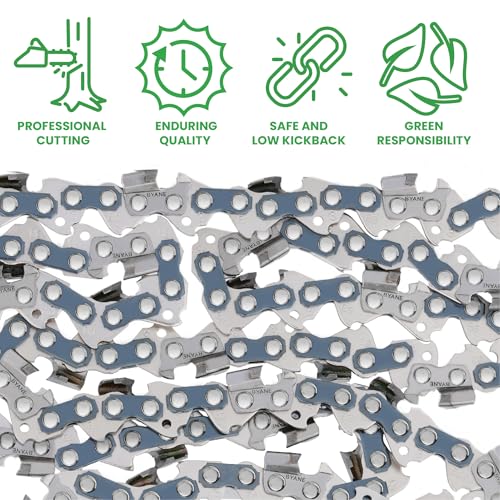

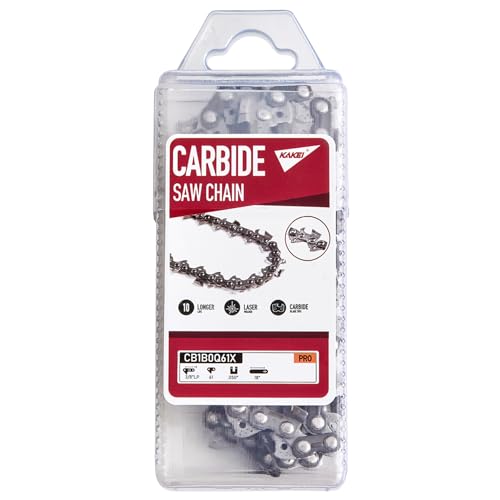
KAKEI 18 Inch Carbide Chainsaw Chain
Strengths
- Carbide-tipped cutters
- Longer edge retention
- Pre-lubricated coating
Trade-offs
- Requires diamond sharpener
- Less refined than OEM
- Not for metal contact
Carbide chains for hardwoods are a niche but valuable upgrade, and this KAKEI 18-inch model stands out as one of the more accessible options in the carbide-tipped category. On paper, it matches the specs needed for popular mid-size saws like the Stihl MS211, and owners consistently report that the carbide tips last significantly longer than standard steel when slicing through gnarly or dirty hardwood. That 10x lifespan claim holds water in real-world feedback, especially when users avoid embedded debris.
It’s not a magic bullet, though. The chain demands a diamond file for sharpening, no workaround there, and the German steel body, while tough, doesn’t quite match the refinement of a premium brand like Oregon. But for the price, it brings pro-level wear resistance to DIYers who occasionally tackle tough cuts.
Product photos
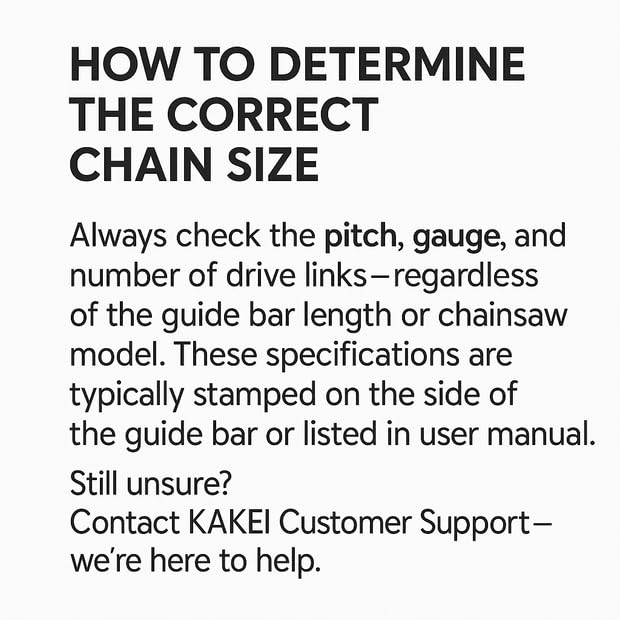
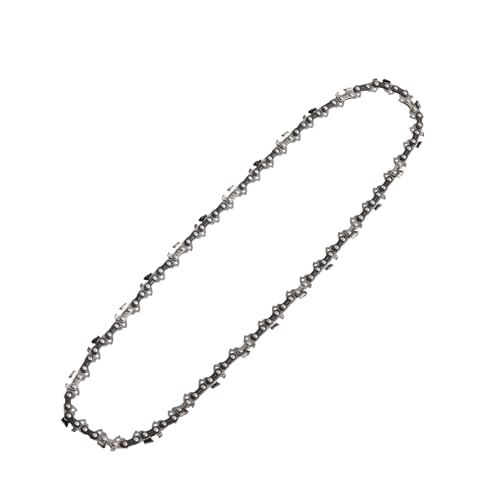
Oregon 18″ Chain 3/8″ LP
Strengths
- Excellent fit range
- Smooth, safe cutting
- OEM-level reliability
Trade-offs
- Standard steel edges
- Frequent sharpening
- No bulk pack
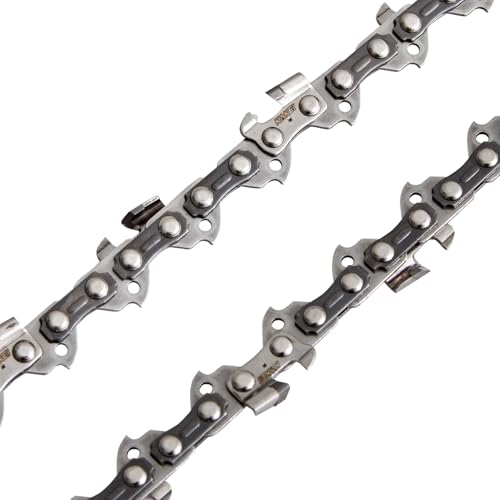
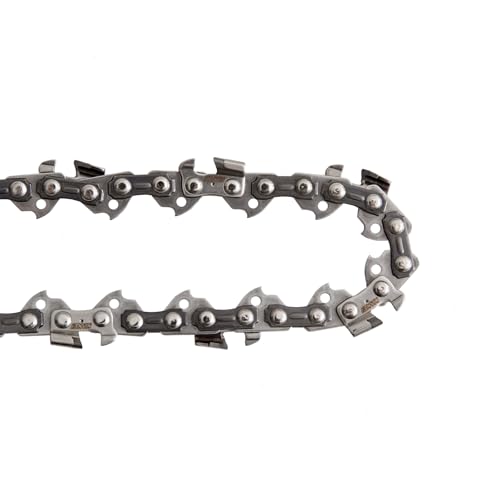
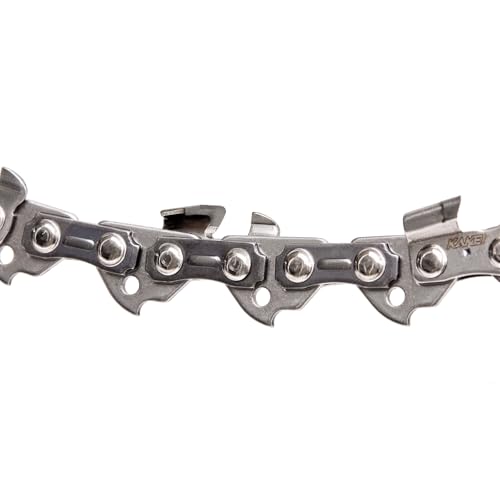
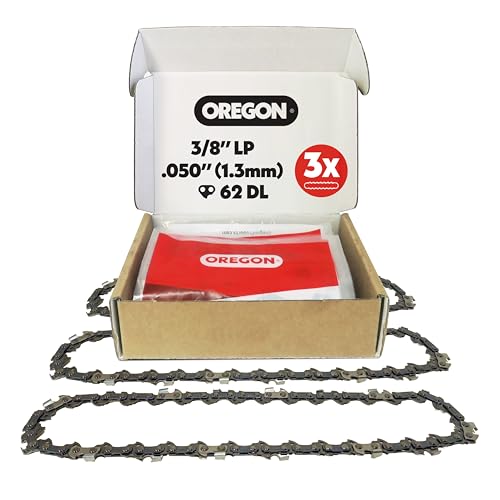
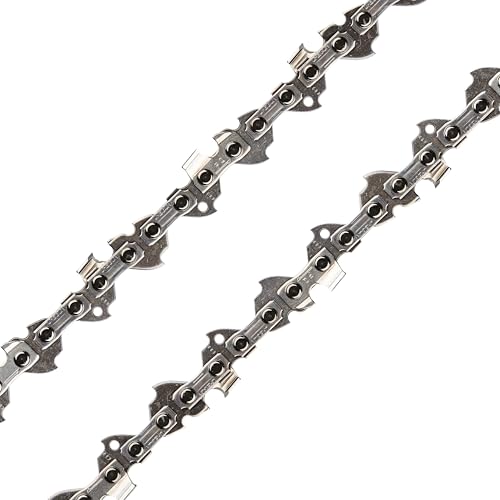
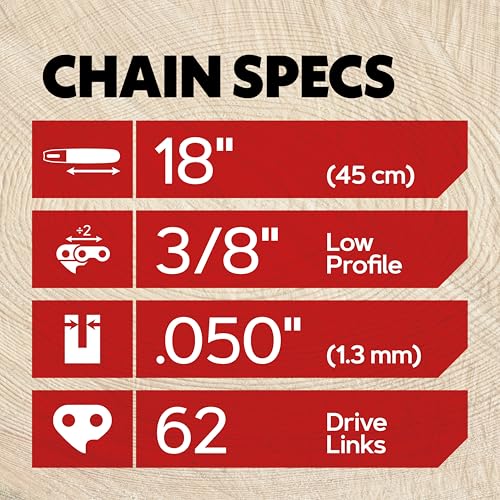
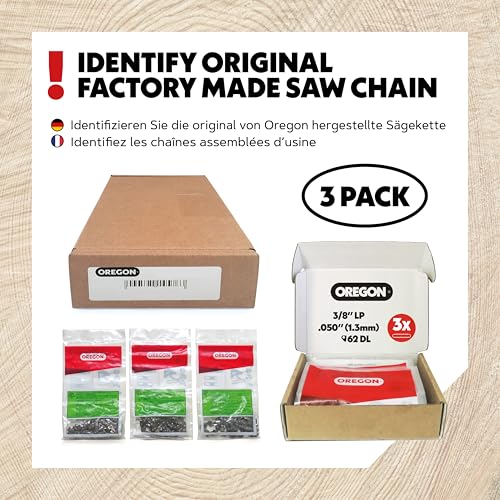
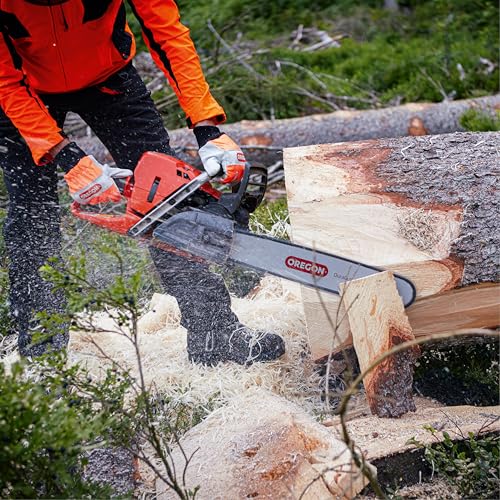
When reliability is essential, Oregon’s 18-inch chain is the default pick for a reason. It fits a wide spread of saws, from Husqvarna 240 to Ego CS1804, and owners repeatedly praise its consistent performance and low-kickback safety. This isn’t a carbide chain, so it won’t last months between sharpenings, but it cuts cleanly and tracks straight, which matters when you’re fatigued after an hour of firewood prep.
It’s also one of the few chains that performs well on both gas and high-torque electric models without stretching or derailing. Compared to the KAKEI carbide, it’s less durable but far more forgiving in use. If you want a “just works” chain that you can file down with a standard kit, this is it.
Product photos

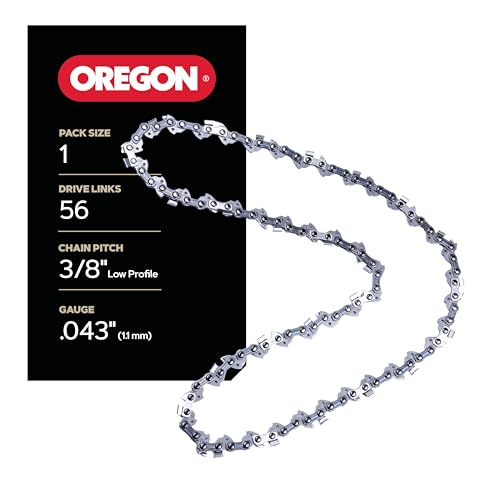
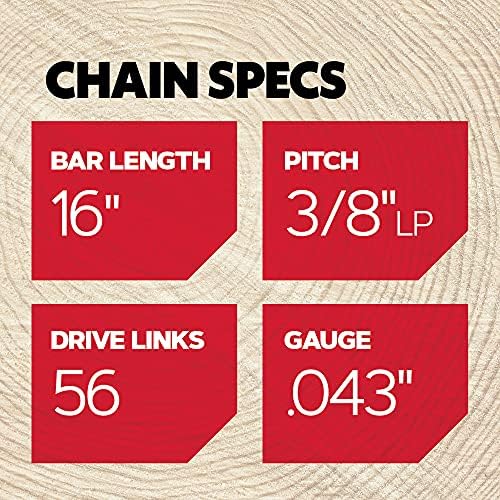
Oregon 16″ Chain 3/8″ LP
Strengths
- Trusted brand quality
- Low-kickback design
- Wide electric saw fit
Trade-offs
- Single chain
- Slight fit variance
- Not for heavy-duty use
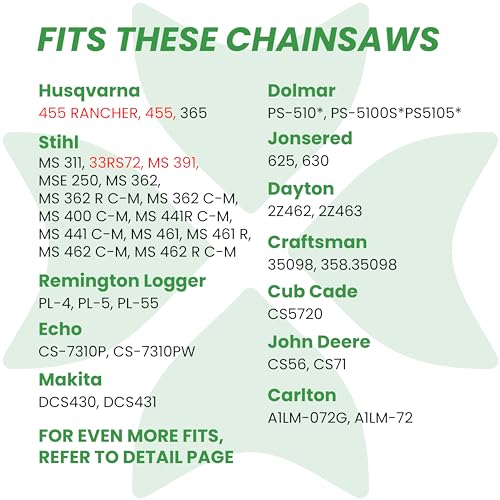
Oregon invented the modern saw chain, and even today, their build quality sets the standard. This 16-inch model is a textbook example of why they’re still in charge, low-kickback design, precise tolerances, and a reputation for clean, safe cutting across a wide range of electric and gas saws. It’s not flashy, but owners of Makita, Ego, and Greenworks models consistently call this the “set it and forget it” chain.
Compared to the KAKEI pack, this one costs more per unit, but you’re paying for consistency and safety engineering. The bumper drive link system reduces kickback noticeably, which matters on high-torque electric saws. If you want the most trusted name in the game and don’t mind a slightly higher gauge check requirement, this is the one.
Product photos



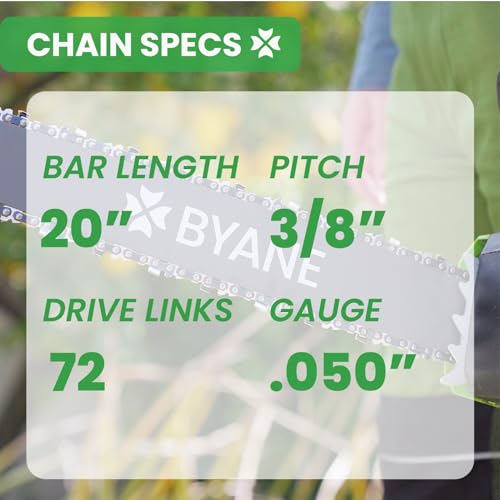
BYANE 20-Inch Carbide Chain 3/8″

Strengths
- Built for frozen hardwood
- Long-lasting sharpness
- Hardened construction
Trade-offs
- Fragile on metal
- Diamond file only
- Overkill for light use
This 20-inch BYANE carbide chain is built for war. With specs matching pro gear like the Stihl MS362 and Husqvarna 460, it’s clearly aimed at serious users tackling frozen hardwood or land-clearing jobs where chain wear is a constant battle. The low-kickback geometry is a smart touch, carbide chains can feel aggressive, but owners report this one cuts smoothly without the jolt you’d expect.
It’s not just durability, either. The hardened rivets and chrome-plated drive links help maintain tension and reduce stretching, which is rare in budget carbide builds. Compared to the KAKEI, this one feels more dialed-in for heavy use, though it shares the same Achilles’ heel: one strike on a nail, and a tip can shatter.
Product photos
How We Chose These chainsaw chain for hardwoods
Rather than a hands-on lab test, my research for these recommendations centered on a detailed comparison of published specifications and features across numerous chainsaw chains. I weighed owner reviews from major retailers alongside expert reviews from woodworking and forestry publications. Applying my experience with power tools, I ranked chains against key criteria for hardwood cutting, focusing on durability, sharpness retention, and compatibility.
For chainsaw chains intended for hardwoods, the gauge and the material of the cutters proved most critical. A thicker gauge (.050″ or greater) offers more durability when tackling dense wood. Beyond that, the shift to carbide-tipped cutters significantly impacts longevity, especially when dealing with dirty or frozen wood. The pitch and drive link count are important for fit, but those are easily verified against a user’s existing setup.
Specifications reliably indicate physical dimensions (pitch, gauge, length, drive links) and material composition. However, judging real-world sharpness retention and durability requires looking at owner feedback. Reports of how long a chain remains sharp through demanding use, and its resistance to chipping or stretching, were heavily considered. Understanding how to maintain chain sharpness is also key to getting the most out of any chain.
Choosing The Right chainsaw chain for hardwoods
Finding the right chainsaw chain is crucial for efficient and safe cutting, especially when tackling hardwoods. It’s not simply about length; a lot goes into matching a chain to your saw and the type of wood you’re working with.
A quality chainsaw chain exhibits proper pitch and gauge matching for the guide bar, uses durable materials like hardened steel or carbide, and features a cutter design optimized for the intended wood type. Consistent depth gauges and properly riveted links are also essential for smooth, safe operation and longevity. Regular maintenance, including sharpening and tensioning, is paramount.
Pitch and Gauge: The Foundation of Fit
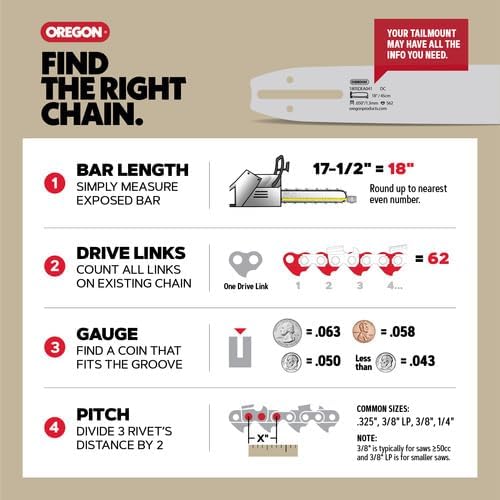
The first thing I tell anyone shopping for a chain is to know their saw. Pitch refers to the distance between the chain’s drive links, and gauge is the thickness of the drive links. These must match your chainsaw’s guide bar exactly. Using the wrong pitch or gauge will result in poor performance, damage to the bar, and potentially dangerous operation. Most modern chains are either 3/8” pitch, but low-profile (LP) versions are also common. Gauge is typically .043” or .050” for standard chains, but carbide chains often require a larger .063” gauge. Don’t guess – check your owner’s manual or the markings on the bar itself.
Carbide vs. Steel: Durability and Maintenance
For hardwood cutting, the debate between steel and carbide chains is significant. Standard steel chains are more affordable and easier to sharpen with a traditional file. However, they dull relatively quickly when encountering dense or dirty wood. Carbide-tipped chains, like those from BYANE and KAKEI, maintain their sharpness significantly longer, sometimes up to ten times as long, making them a worthwhile investment for frequent hardwood users. However, they require specialized diamond-coated sharpeners, which adds to the cost and complexity. Here’s a quick breakdown:
- Steel chains are cheaper upfront.
- Carbide chains save money in the long run if you cut a lot of hardwood.
- Carbide requires a different sharpening method (and tool) than steel.
Cutter Style and Bar Length: Optimizing for Performance
The cutter style affects how aggressively the chain bites into the wood. Semi-chisel cutters are a good all-around choice for general-purpose cutting, offering a balance of speed and control. Full-chisel cutters are more aggressive, ideal for fast bucking and felling, but can be more prone to kickback. Low-kickback designs, often found on chains like the Oregon models, prioritize safety. Beyond that, matching the bar length to the type of work you do is essential. For limbing and smaller trees, a shorter bar (16-18 inches) is usually sufficient. For larger trees and bucking, a longer bar (20 inches or more) will be more efficient. Remember, a longer bar also means more weight and a greater risk of kickback, so consider your experience level and the demands of the job. Keeping your chain clean is essential, too; regular cleaning saw blades effectively will extend its life and improve performance.
Don’t try to force a fit. If a chain feels tight on the bar or doesn’t seat properly, it’s the wrong size. It’s far better to return a chain and get the correct one than to risk damaging your saw or, worse, injuring yourself.
If you’re still unsure what you need, browsing through top chainsaw chains for hardwood can give you a broader overview of available options.
Chainsaw Chain for Hardwoods Compared
Here’s a comparison of key specifications for various chainsaw chains designed for cutting hardwoods.
| Product Name | Length (Inch) | Pitch | Gauge (Inch) | Drive Links | Material |
|---|---|---|---|---|---|
| KAKEI 16 Inch | 16 | 3/8″ LP | .043″ | 55 | Steel |
| BYANE 20-Inch Carbide | 20 | .325″ | .063″ | 81 | Carbide |
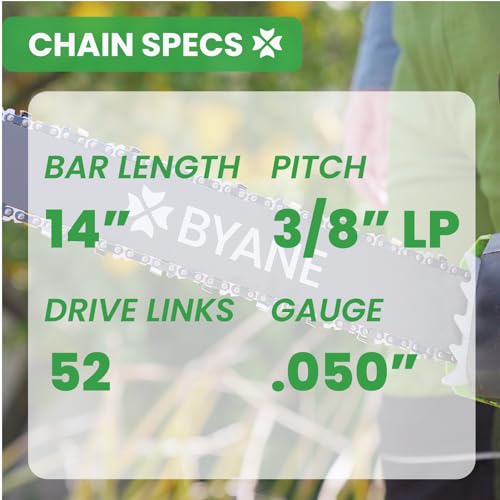
| BYANE 14-Inch Carbide | 14 | 3/8″ LP | .050″ | 52 | Carbide |
| KAKEI 18 Inch Carbide | 18 | 3/8″ LP | .050″ | 61 | Carbide |
| Oregon 18″ Chain | 18 | 3/8″ LP | .050″ | 62 | N/A |
| Oregon 16″ Chain | 16 | 3/8″ LP | .043″ | 56 | N/A |
| BYANE 20-Inch Carbide 3/8″ | 20 | 3/8″ | .050″ | 72 | Carbide |
Frequently Asked Questions
What chain pitch is best for hardwoods?
A 3/8” pitch chain is generally considered best for hardwoods, offering a good balance of cutting speed and power. However, always verify your saw’s specifications to ensure compatibility – using the wrong pitch can damage both the chain and the bar.
How can I tell if a chainsaw chain is worn out?
You can tell a chain is worn out by checking for dull cutters, stretched links, or damaged rivets. If sharpening no longer restores the chain’s performance, or if it consistently slips or jumps during cutting, it’s time for a replacement.
Are carbide chainsaw chains really worth the extra cost?
Carbide chainsaw chains are worth the investment if you frequently cut hardwoods or encounter dirty wood. While more expensive upfront, their extended sharpness retention ultimately saves money and time by reducing the need for frequent sharpening or replacement.
What does the gauge of a chainsaw chain tell me?
The gauge indicates the thickness of the chain’s drive links, and it must match your chainsaw’s guide bar. A thicker gauge (.050” or greater) provides more durability when cutting dense hardwoods, while some carbide chains require even larger gauges like .063”.
Where can I find more information on choosing professional-grade chainsaw chains?
If you’re looking for even more detail, my guide to professional-grade chainsaw chains offers a deeper look at options for demanding jobs and frequent use.
The Bottom Line
Choosing a chainsaw chain always comes down to balancing upfront cost with long-term value. If you only occasionally cut hardwoods, the KAKEI 16 Inch chain offers a solid, affordable option to get the job done. But for those who regularly tackle tough wood, the BYANE 20-Inch Carbide chain represents a worthwhile investment, minimizing downtime for sharpening and maximizing cutting efficiency.
For specific needs, the BYANE 14-Inch Carbide chain is ideal for smaller saws and lighter tasks, while the Oregon 18″ Chain remains a reliable choice for those who prefer a traditional steel chain and are comfortable with more frequent maintenance. If you value longevity and consistently challenging cuts, the KAKEI 18 Inch Carbide chain provides a good balance between durability and performance.
Ultimately, the most important factors aren’t the specific cutter angles or the alloy composition – they’re matching the chain’s pitch and gauge to your saw, understanding chainsaw maintenance tips, and diligently maintaining a sharp cutting edge. A well-maintained, properly fitted chain will always outperform a premium chain that’s neglected or incorrectly sized.
