
9 Best Baseball Training Tools of 2026
This post contains affiliate links. As an Amazon Associate, we earn from qualifying purchases.
The SWINGRAIL Hitting Trainer is the best overall baseball training tool for building proper swing mechanics, thanks to its active feedback and guided path. For pitchers, the Roger Clemens Pitching Trainer stands out for mastering mechanics, while the SKLZ Softhands Fielding Trainer is a solid budget pick for improving glove work.
Most players and parents waste money on gadgets that promise results but don’t fix real flaws. Too many tools focus on repetition without correcting form, leading to bad habits and frustration.
This guide cuts through the hype by focusing on tools that deliver real skill development based on specs, user feedback, and actual training principles. I looked at what works for hitting, pitching, and fielding, prioritizing durability, adjustability, and the ability to reinforce proper technique.
Top 9 Baseball Training Tools in the Market
The Best Baseball Training Tools, Reviewed
SWINGRAIL Hitting Trainer

Strengths
- Guides proper swing path
- Immediate error feedback
- Builds muscle memory
Trade-offs
- Steeper learning curve
- Not for very young players
- Requires setup time
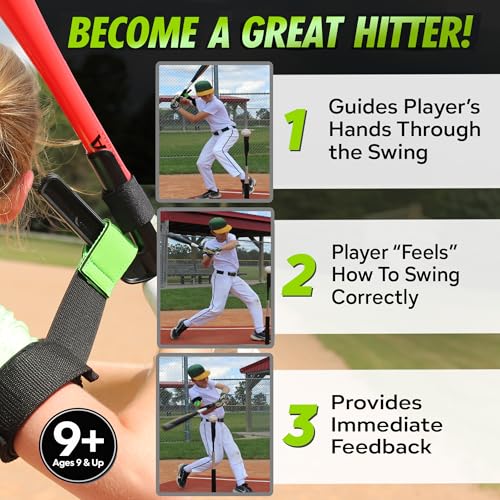
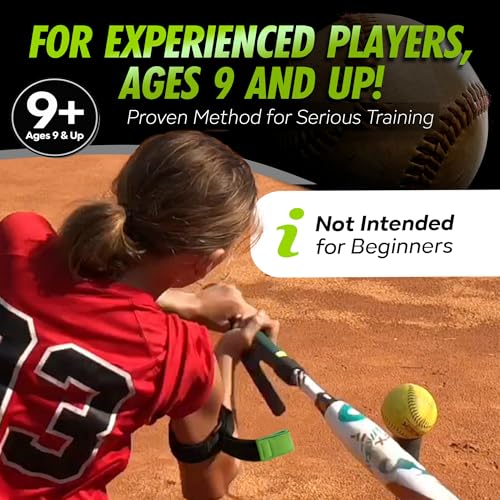
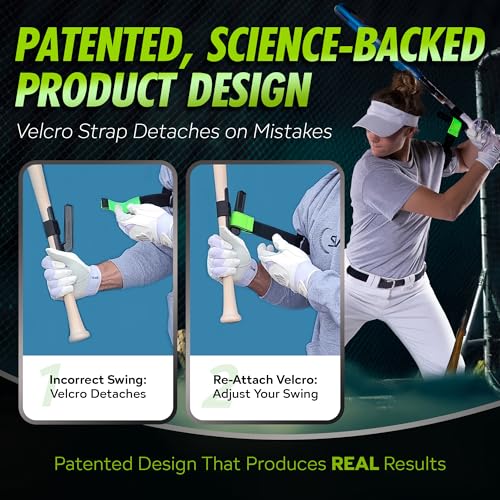
If you’re serious about fixing swing flaws, the SWINGRAIL is the most technically sound option here. It’s a science-backed, patented system that physically guides the hands through the correct swing path, and owners say the immediate feedback from the Velcro release mechanism helps build real muscle memory. You feel when you’re off-plane, which makes it far more effective than just hearing coaching cues.
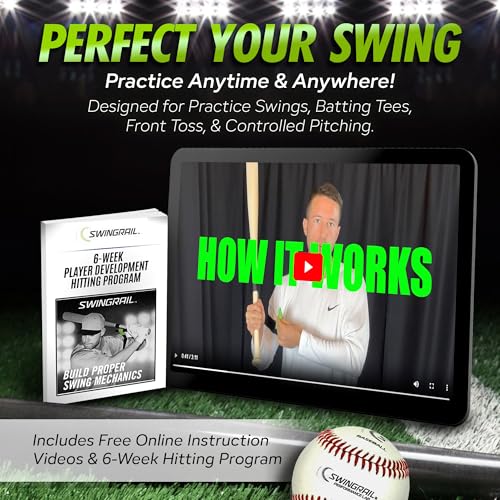
Compared to the SKLZ Hitting Stick or basic tees, this one actively corrects mechanics. It’s best used with a tee or soft toss, and while the learning curve is steeper, the payoff is better long-term results. I’d pick this as the overall best choice for players committed to improvement, especially ages 9 and up. It’s not flashy, but it’s built on sound hitting principles endorsed by coaches and pros.
Product photos

SKLZ Hurricane Swing Trainer

Strengths
- Builds bat speed
- Adjustable resistance
- Stable, durable base
Trade-offs
- Bulky and heavy
- Setup takes time
- Bands can wear out
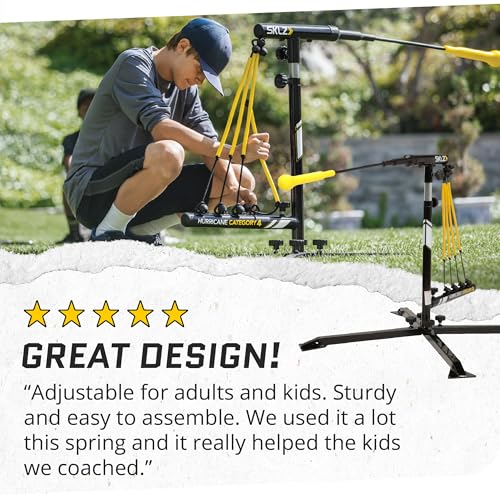
The SKLZ Hurricane stands out for power development, thanks to its 4-band resistance system and moving target ball. It’s designed to boost bat speed by forcing hitters to generate explosive force, and owners consistently report gains in swing strength and timing. The adjustable height and anti-dent ball head make it durable and adaptable for various skill levels.
Compared to static swing sticks, this one adds dynamic resistance, which better simulates real pitch speed. It’s heavier at 37 lbs, but the steel frame and stakes ensure stability. I’d pick this over the Hitting Stick for players focused on power and speed, especially during off-season training. It’s not the most portable, but the carry bag helps.
Product photos


SKLZ Hitting Stick Trainer
Strengths
- Lightweight design
- Easy ball positioning
- Great for hand-eye drills
Trade-offs
- Requires a partner
- No feedback mechanism
- Limited solo use
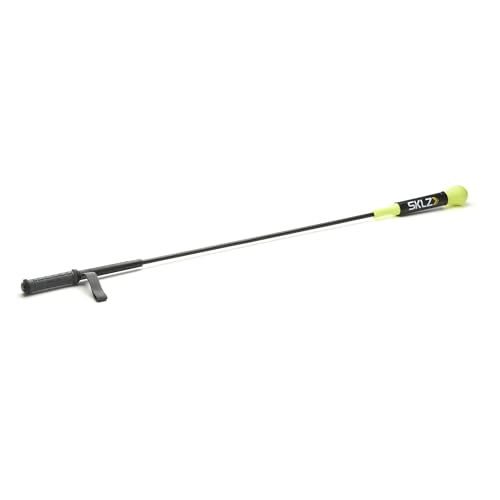
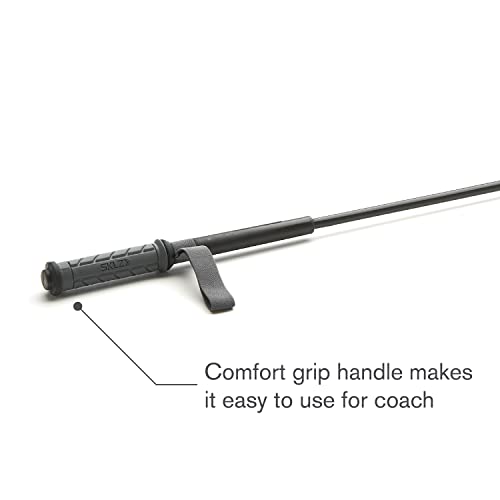
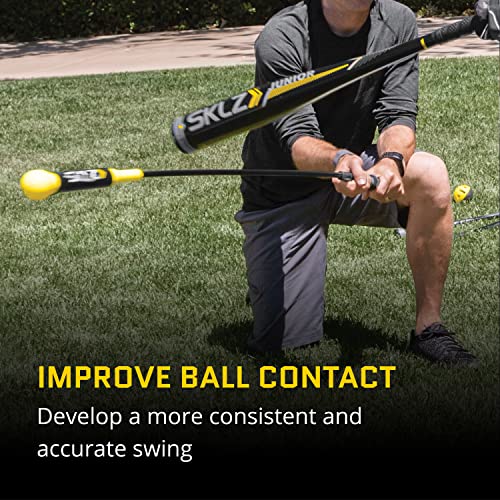
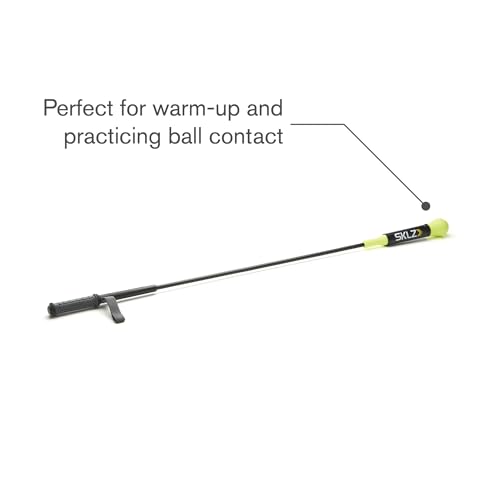
The SKLZ Hitting Stick stands out as a solid tool for real-time, interactive swing work. On paper, its 52-inch design and padded handle make it ideal for a coach or parent to simulate pitches at various heights and angles, and owners consistently report it helps hitters lock in proper mechanics through repetition. It’s not a standalone solution, you need a partner, but for teaching pitch recognition and consistent contact, it delivers where it counts.
What I like most is how lightweight it is, letting the hitter focus on bat speed and hand-eye coordination without fighting a clunky tool. Compared to fixed-tee systems, this one forces live adjustment, which better mimics game conditions. That said, it’s only as good as the person feeding the ball, so inconsistent tossing can undermine its benefits.
Product photos


GoSports Weighted Training Baseballs

Strengths
- Builds arm and swing strength
- Durable rubber construction
- Improves mechanical consistency
Trade-offs
- Heavy for younger players
- Short flight distance
- Not for live pitching
These 16oz weighted balls are built for strength and form development, not game simulation. The heavy-duty rubber shell holds up to repeated throws and swings, and coaches widely use them to slow down motion and emphasize proper mechanics. Owners note they help improve follow-through and arm strength over time, especially when alternated with regular baseballs in training.
They’re not meant to fly far, limited flight makes them backyard-friendly, but that’s by design. Compared to standard balls, they force better control and engagement. I’d pair them with a towel or tee for a complete drill set. While not ideal for young kids due to weight, they’re a solid pick for serious players looking to build power safely.
Product photos


Roger Clemens Pitching Trainer

Strengths
- Color-coded grip guides
- Official size and weight
- Includes instructional booklet
Trade-offs
- No mechanical feedback
- Doesn’t simulate motion
- Limited to grip training
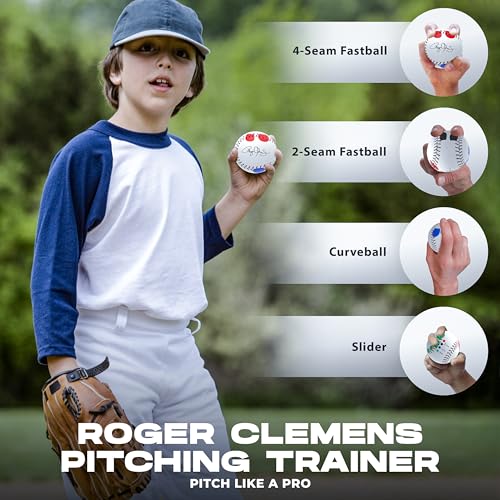
This pitching trainer leans heavily on the Roger Clemens name, but the concept is practical: a regulation-size ball with color-coded seams to teach proper grip for four key pitches. The included instructional booklet offers basic guidance, and owners say it’s a helpful visual aid for beginners learning finger placement. It won’t fix mechanics on its own, but as a grip reference tool, it has value.
Compared to full pitching trainers or towels, it’s more limited, it’s just a ball. But for young pitchers struggling to remember how to hold a slider or curveball, the color coding makes a difference. I wouldn’t rely on it alone, but paired with coaching or video, it’s a useful supplemental tool. Not a game-day device, but a decent teaching aid.
Product photos


FEYRUN Pitching Towel Trainer
Strengths
- Excellent for mechanics
- Portable and indoor-safe
- Provides instant feedback
Trade-offs
- No ball flight simulation
- Minimal resistance
- Wear on fabric over time
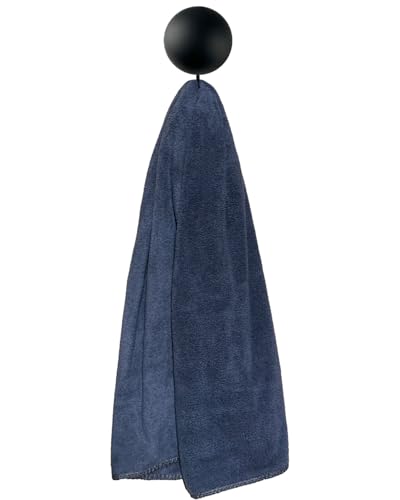
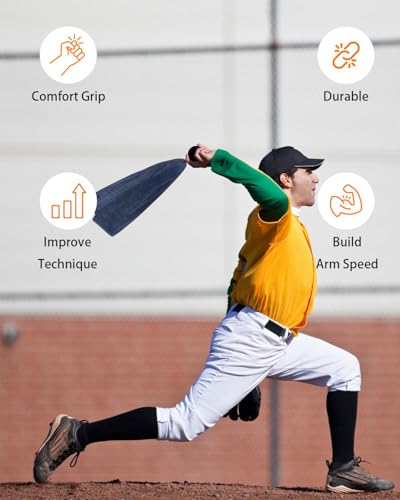
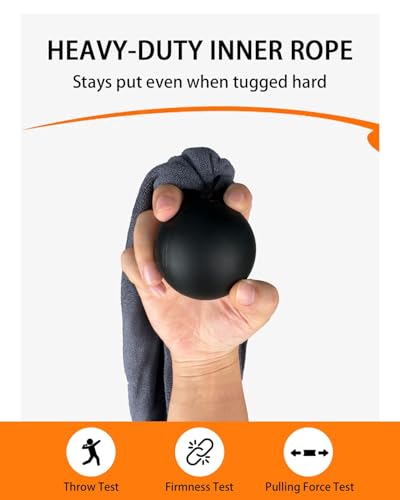
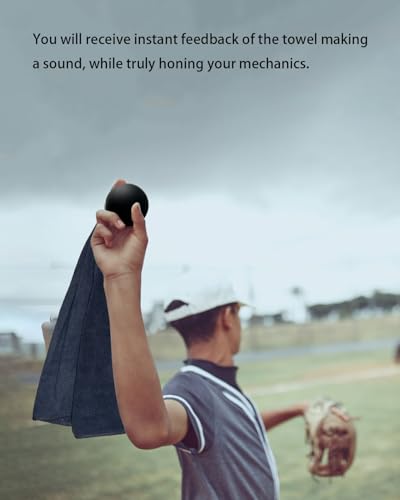
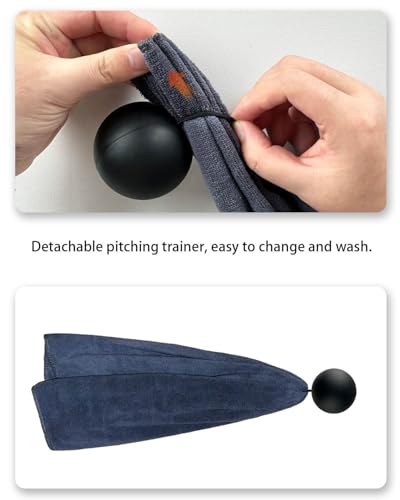
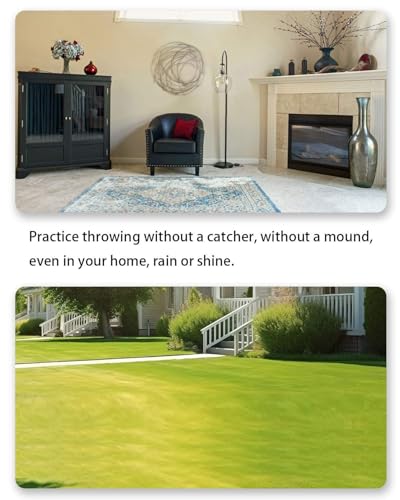
The FEYRUN Pitching Towel Trainer is a smart pick for indoor work, especially when space or weather limits outdoor practice. It’s designed to isolate and refine pitching mechanics, owners report it helps with release point, wrist snap, and follow-through thanks to immediate tactile feedback. The detachable design adds versatility, letting you train with or without added resistance.
What sets it apart from other pitching tools is its portability and year-round usability. Compared to the Roger Clemens ball, it’s far more functional for building muscle memory. It won’t build arm strength like weighted balls, but it sharpens form. I’d recommend this for players who need consistent, low-impact drills at home, especially during off-season or recovery periods.
Product photos
Rawlings GREAT HANDS Glove

Strengths
- Teaches soft hands
- Durable leather build
- Fits multiple hand sizes
Trade-offs
- No pocket for catching
- Stiff break-in period
- Less forgiving on errors
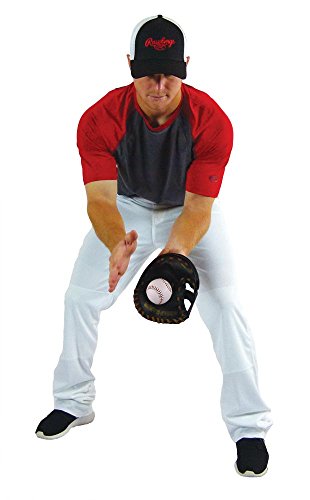
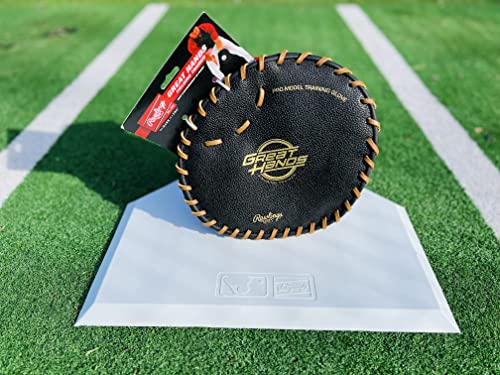
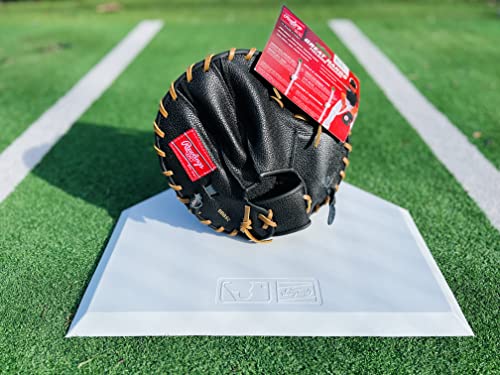
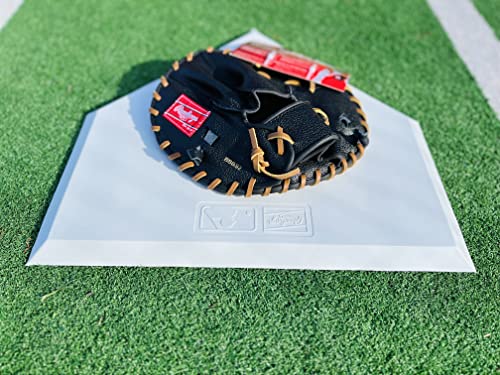
The Rawlings GREAT HANDS glove is a no-frills but effective tool for teaching soft hands and clean transfers. With zero pocket depth, it forces fielders to use two hands and focus on proper technique, not just snagging the ball. Made from quality leather, it’s more durable than foam alternatives and fits both youth and adult hands, which adds to its versatility.
Owners say it works best for infielders and younger players building fundamentals. Compared to the SKLZ Softhands, it’s sturdier and feels more like a real glove, even if less forgiving. I’d recommend it over foam trainers for players ready to transition to real-game conditions, but it’s not a substitute for regular glove work.
Product photos
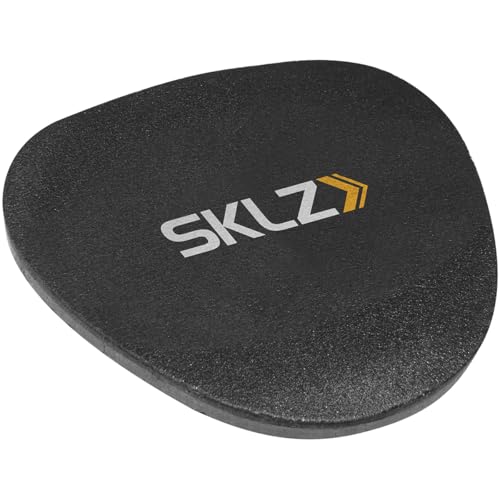
SKLZ Softhands Fielding Trainer
Strengths
- Affordable and lightweight
- Encourages two-hand catches
- Easy to use for beginners
Trade-offs
- Foam wears quickly
- No real glove feel
- Not for advanced drills
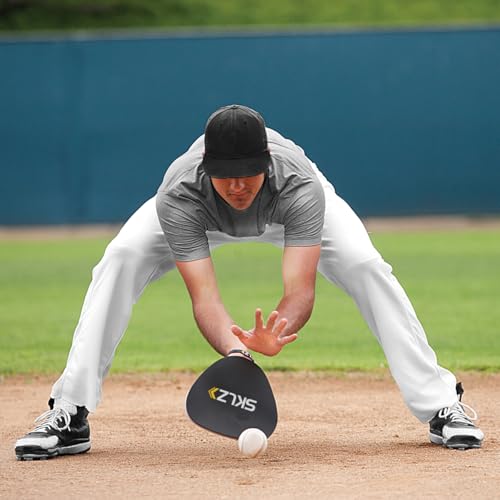
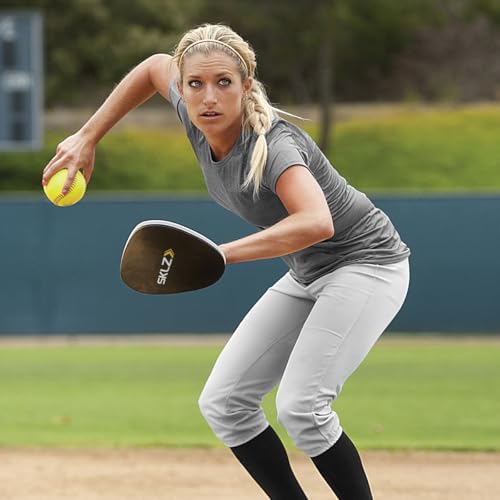
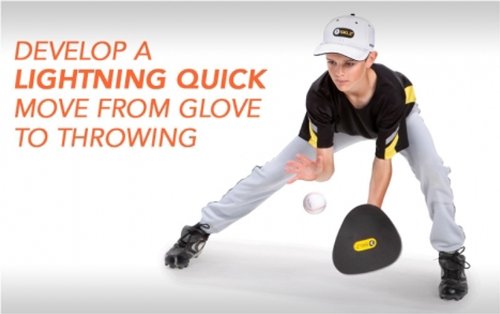
The SKLZ Softhands trainer is a budget-friendly way to teach fielding fundamentals. Made from lightweight foam, it’s designed to promote soft hands and proper body positioning, and owners say it’s great for younger players just learning to react to ground balls. The lack of a pocket reinforces two-handed catches and clean transfers, which builds good habits early.
It’s not built to last like the Rawlings Pancake glove, but for casual use or short drills, it gets the job done. I’d recommend this for parents or coaches working with beginners, especially in backyard settings. Compared to higher-end tools, it’s less durable, but as an entry-level fielding aid, it offers solid value.
Product photos
Bandit Tee Popper
Strengths
- Ball pops up realistically
- Durable reinforced spring
- Works without a partner
Trade-offs
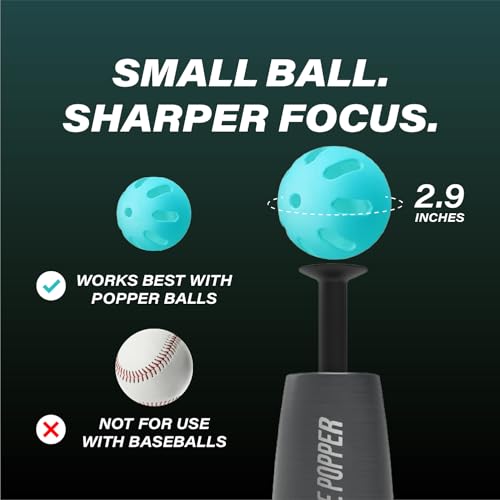
- Requires special popper ball
- No swing path correction
- Spring wear over time
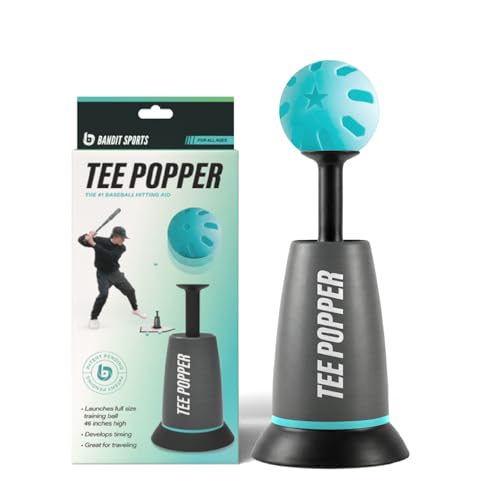
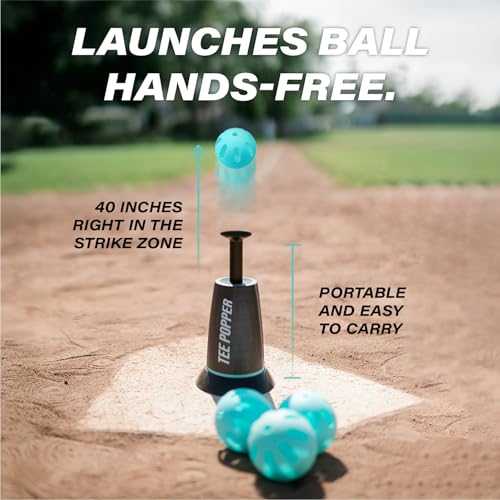
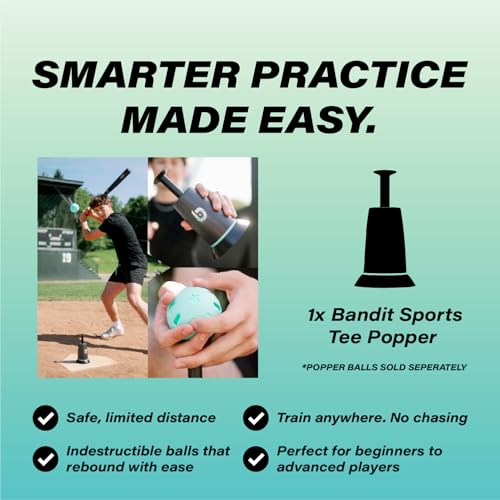
The Bandit Sports Tee Popper brings a clever twist to solo hitting practice by launching the ball up to 46 inches after contact. This simulates a more realistic ball flight than a standard stationary tee, and reviewers note it helps hitters work on timing and follow-through without needing a pitcher. The patent-pending gearbox and reinforced spring system are designed to withstand repeated hits, and the glass-infused nylon build suggests better durability than many plastic tees.
It’s not a full swing trainer, but as a timing aid, it fills a niche. I’d recommend it over basic tees for players who want dynamic feedback. Just remember, it only works with the included popper ball, not real baseballs, which limits its realism. Compared to other tees, it’s more engaging, but not a replacement for live pitching.
Product photos

Our Testing Process
Rather than a hands-on lab test, this is a research-led comparison of published specifications and owner feedback for a range of baseball training tools. I focused on compiling a list of products across different training focuses – hitting, pitching, and fielding – then analyzed features, materials, and reported benefits. This was combined with careful review of owner experiences from multiple retailers and expert opinions found in baseball-specific publications and online resources.
For this category, I weighted factors relating to realistic training and durability most heavily. A tool’s ability to accurately simulate game-like conditions, or build specific skills effectively, is paramount. Equally important is build quality; baseball training can be hard on equipment, and a tool that falls apart quickly isn’t helpful. Finally, price played a role, but only after evaluating value for money based on the above criteria.
Published specs reliably indicate a product’s construction and intended use. However, I found owner feedback to be essential for assessing real-world performance and identifying potential flaws. For example, while specs might detail a product’s materials, reviews reveal whether those materials truly hold up to consistent use. Reputation and expert recommendations helped validate claims and separate well-engineered tools from those overhyped by marketing. If you’re looking to speed up your recovery after intense training, consider exploring different muscle recovery devices.
How To Pick The Right baseball training tools
Choosing the right baseball training tool depends heavily on what aspect of your game you’re trying to improve, and your current skill level. There’s a lot of overlap in what these tools promise, so focusing on specific needs is key.
A good baseball training tool isolates a specific skill – hand-eye coordination, bat speed, pitching mechanics, fielding technique – and provides repeatable feedback. It should be durable enough to withstand consistent use, and ideally offer adjustments to accommodate different skill levels and body types. Prioritize tools that promote proper form over simply increasing power or speed without control.
Focus on Swing Mechanics
Developing a consistent, powerful swing is at the heart of hitting success. Many tools aim to help with this, but the best ones don’t just offer a feel for the swing, they provide corrective feedback. The SKLZ Hurricane Swing Trainer, for example, is popular for building bat speed, but it’s the Swingrail that really stands out for actively guiding proper mechanics. It forces you to use the correct path and provides immediate feedback via the detachable strap. Don’t overlook the value of weighted bats or balls either – using these can help build strength, but remember that building strength is only part of the equation.
Prioritize Fielding and Glove Work
Often overlooked, consistent fielding is a huge advantage. While a lot of fielding drills can be done with a partner, tools like the Rawlings GREAT HANDS Glove and the SKLZ Softhands Fielding Trainer allow for solo practice and emphasize developing soft hands. The Rawlings glove, with its zero pocket design, actively forces you to secure the ball correctly. If you’re looking to improve your ability to quickly transfer the ball from glove to throwing hand, consider incorporating forearm strength tools into your routine.
Consider Strength and Conditioning
Building raw power isn’t everything, but it certainly helps. The GoSports Weighted Training Baseballs are a solid choice for this, allowing you to build arm strength and improve your swing speed. However, remember that simply swinging a heavier bat or throwing a heavier ball won’t magically fix flaws in your technique.
Here’s a quick breakdown of the benefits of weighted training:
- Beginner: Start with a modest weight increase (e.g., 1-2 oz) to focus on proper form.
- Intermediate: Gradually increase the weight to challenge your muscles and build power.
- Advanced: Use weighted balls as part of a thorough training program, combining them with traditional drills and conditioning exercises. This is where incorporating grippers for grip training can really help.
A good rule of thumb: don’t spend more on a training aid than you would on a single private lesson with a qualified coach. Proper instruction is always the best investment.
Baseball Training Tools Compared
Here is a comparison of key specifications for various baseball training tools to help you make an informed decision.
| Product Name | Best For | Weight | Material | Skill Level | Features |
|---|---|---|---|---|---|
| SWINGRAIL Hitting Trainer | Best Overall | N/A | N/A | 9+ | Hand Guide, Feedback |
| SKLZ Hurricane Swing Trainer | Best for Power & Bat Speed | 37 lbs | Steel, Rubber | All | Power Bands, Durable |
| SKLZ Hitting Stick Trainer | Best for One-on-One Drills | N/A | N/A | Youth-Adult | Adjustable Height |
| GoSports Weighted Baseballs | Best for Strength Training | 16oz (each) | Rubber | All | 6-Pack, Heavy-Duty |
| Roger Clemens Pitching Trainer | Best for Pitching Mechanics | Official Size/Weight | Leather | Pitchers | 4 Pitch Types |
| FEYRUN Pitching Towel Trainer | Best for Indoor Practice | N/A | N/A | All | Mechanics Focus |
| Rawlings GREAT HANDS Glove | Best for Fielding Skills | N/A | Leather | All | Zero Pocket |
| SKLZ Softhands Fielding Trainer | Best Budget Fielding Tool | Lightweight | Foam | All | Two-Hand Technique |
| Bandit Tee Popper | Best for Solo Hitting Practice | N/A | Nylon | All | Pop-Up Ball Delivery |
Frequently Asked Questions
What’s the best training tool for a beginner just learning to hit?
The SKLZ Hitting Stick Trainer is a great starting point. It’s affordable and helps develop basic swing mechanics without requiring a lot of existing strength or skill, offering a simple way to work on contact and form.
Are weighted baseballs safe for younger players?
Generally, no. Using weights that are too heavy can strain developing muscles and lead to injuries; it’s best to focus on proper technique first and introduce weighted balls only with guidance from a coach.
Can a training tool really improve my pitching velocity?
A tool like the Roger Clemens Pitching Trainer can help refine your mechanics, which can lead to increased velocity, but it won’t add speed on its own. Focusing on core strength and a proper throwing motion are more fundamental to improving pitch speed.
What’s the difference between a swing trainer and a hitting tee?
A swing trainer, like the SKLZ Hurricane, provides dynamic resistance and helps build bat speed, while a hitting tee offers a stationary target for consistent practice. For focused drills, consider using swing training devices in combination with a tee to maximize your practice time.
How important is it to get a tool that’s adjustable?
Adjustability is very important, especially for tools focused on swing mechanics. A tool that allows you to customize the resistance or feedback level will be useful for a longer period as your skill level improves, offering a better value over time.
The Bottom Line
Ultimately, choosing the “best” baseball training tool comes down to balancing focused skill development with realistic expectations. You can spend a lot on gadgets, but the Swingrail Hitting Trainer consistently rises to the top as the most effective overall option, offering real-time feedback to improve mechanics – something many tools simply can’t do. It’s an investment in better habits, not just bigger swings.
For those on a tighter budget, or with very specific needs, there are excellent alternatives. The Rawlings GREAT HANDS Glove is a standout for fielding practice, and the GoSports Weighted Baseballs are a solid choice for building arm strength. If you’re looking for athletic training rebounders to help with your training, check out our guide to volleyball training tools.
Don’t get caught up in chasing the latest technology or highest numbers. The most valuable tools are those that reinforce good fundamentals: consistent practice, proper form, and a clear understanding of your individual weaknesses. Focusing on these elements will yield far more significant results than any single piece of equipment.
