
7 Best 3 Gallon Air Compressors of 2026
This post contains affiliate links. As an Amazon Associate, we earn from qualifying purchases.
The Makita MAC320Q stands out as the best 3 gallon air compressor for most users, delivering strong performance and reliable build quality. If you’re watching your budget, the Craftsman 3 Gallon Hotdog offers solid value and enough power for common DIY tasks. For those prioritizing quiet operation, the Ultra Quiet 1.2HP is a standout pick despite slightly lower output.
Most people shopping for a 3-gallon compressor want something portable but powerful enough to handle trim work, inflating tires, or light framing. The real challenge is sorting through marketing claims to find a unit that actually keeps up with your tools without constant cycling or noise complaints from the neighbors.
In this guide, I’ve compared top models based on specs, owner feedback, and real-world usability. These picks reflect what actually matters, consistent pressure, recovery speed, noise, and durability, so you can choose with confidence.
Top 7 3 Gallon Air Compressors in the Market
The Best 3 Gallon Air Compressors, Reviewed
Makita MAC320Q Quiet Series Air Compressor

Strengths
- Extremely quiet
- Durable roll-cage build
- Low RPM for longevity
Trade-offs
- Lower CFM output
- Heavier than pancake models
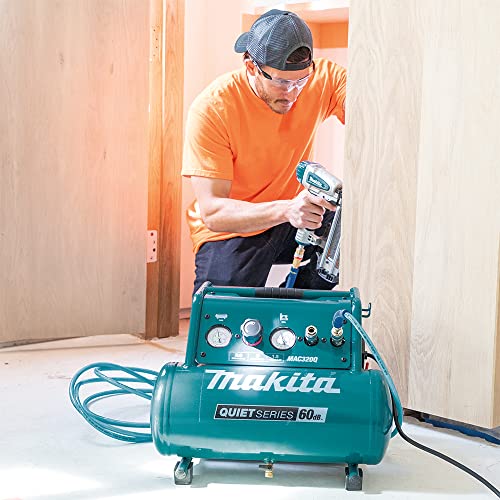
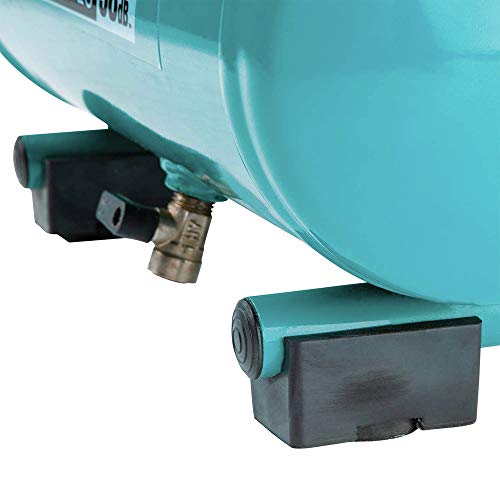
Makita’s reputation for durability holds here, the MAC320Q runs at just 60dB, making it the quietest in this lineup, and its 1,750 RPM motor is engineered for longevity. That slower speed means less wear over time, which aligns with what long-term owners say: fewer burnouts and smoother performance even after years of weekend use. The roll-cage design isn’t just for looks; it protects the tank and pump during transport, a real benefit for anyone moving it between garage and job site.
It doesn’t boast the highest PSI or CFM, but it doesn’t need to. For brad nailers, finish guns, and inflation tasks, it’s more than capable. I’d pick this over flashier models because it’s built like a tool should be, simple, rugged, and honest. When reliability matters more than peak specs, this is my go-to recommendation.
Product photos


Ultra Quiet 1.2HP Air Compressor with Wheels
Strengths
- Ultra quiet
- Dual quick couplers
- Fast refill
Trade-offs
- Limited duty cycle
- Lower CFM than claimed
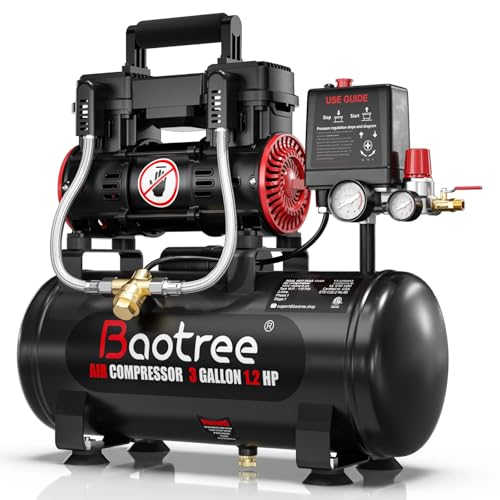
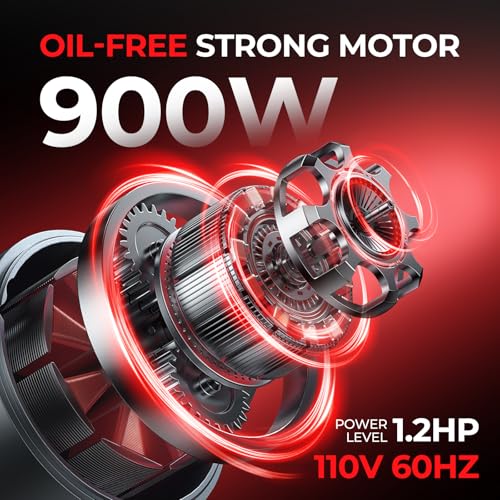
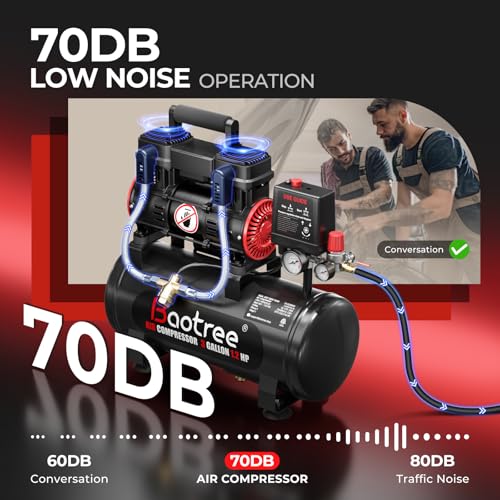
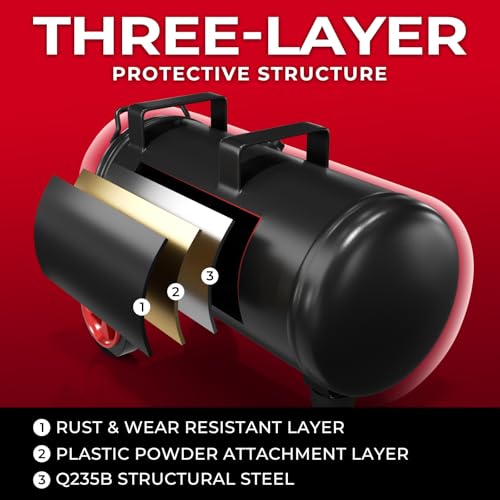
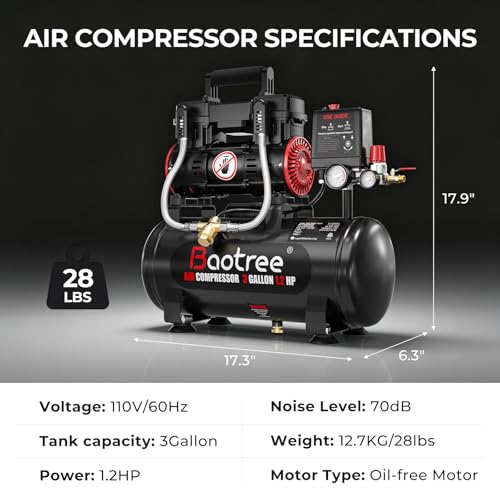
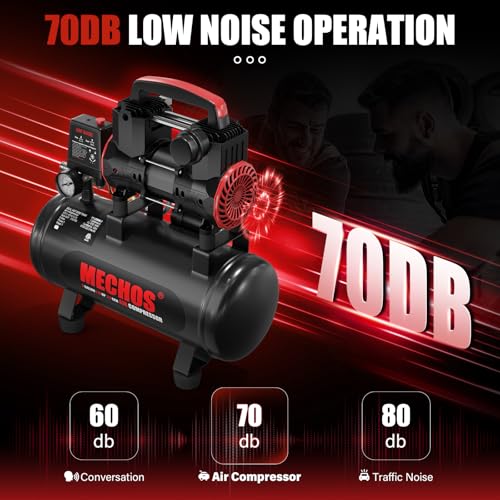
At 70dB, this compressor delivers on its quiet operation claim, owners consistently report it’s usable in shared spaces without drawing complaints, which is rare in this class. The 1.2HP motor and 115PSI max pressure give it solid output on paper, and the dual quick couplers are a thoughtful touch for users running multiple tools. It’s clearly designed with home and light workshop use in mind, where noise and space matter.
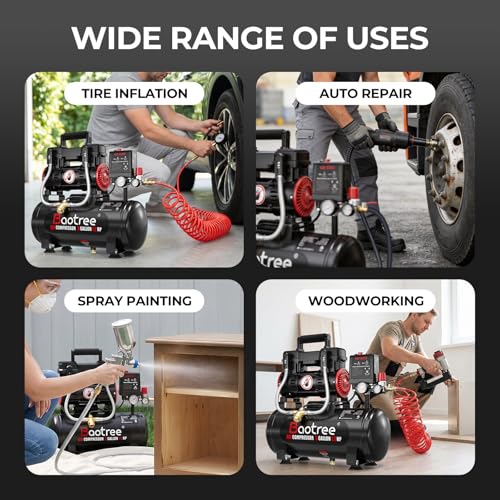
That said, while the refill speed sounds impressive at 20 seconds for subsequent cycles, real-world feedback suggests it can lag under continuous demand, especially with spray guns or framing nailers. It’s best seen as a strong performer for intermittent tasks like touch-up painting or inflating tires, not marathon builds. Still, among quiet compressors, it stands out for balancing output and acoustics.
Product photos
Craftsman 3 Gallon Hotdog Air Compressor

Strengths
- Highest PSI and CFM
- Strong motor
- Stable hotdog design
Trade-offs
- Louder operation
- Heavier than pancake types
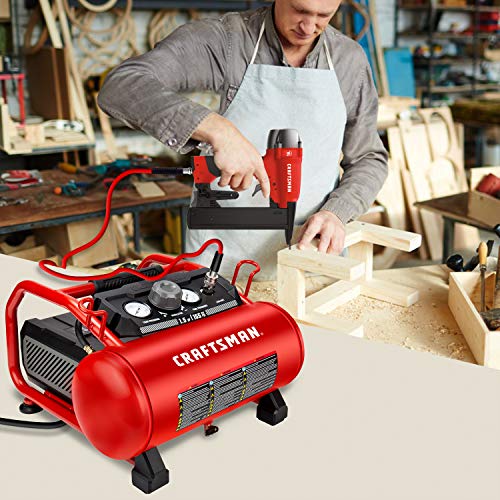
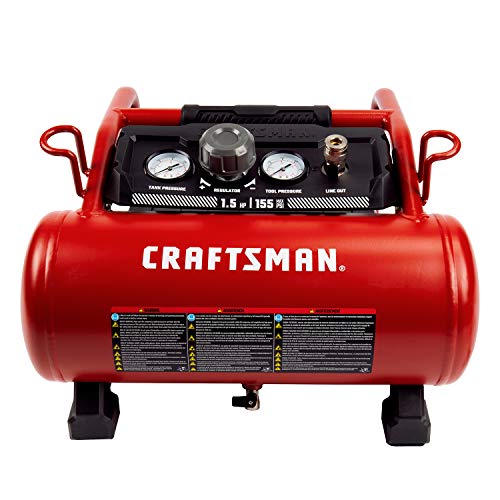
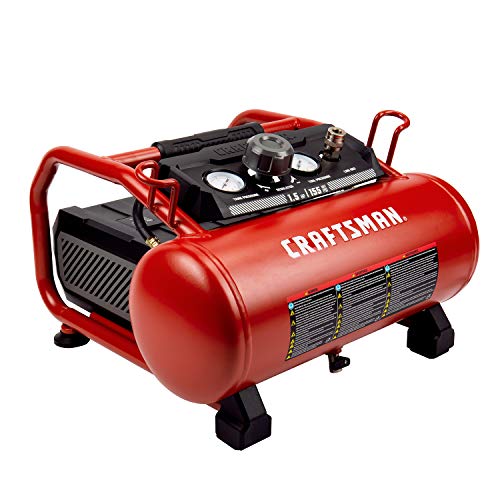
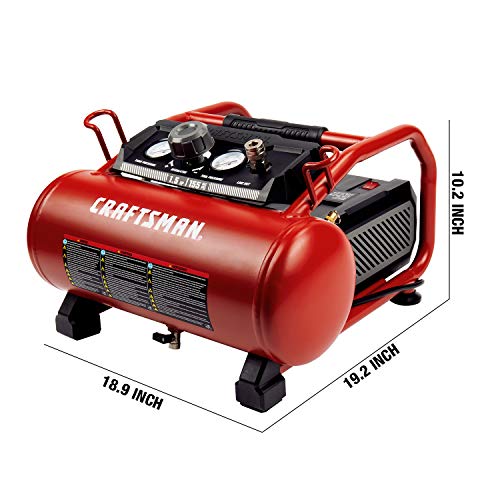
At 155 PSI, this is the high-pressure king of the group, more than enough for precision tasks like fine spray work or driving fasteners into hardwood. The 2.6 CFM at 90 PSI is also top-tier here, meaning it recovers fast and runs tools efficiently. Craftsman’s hotdog design gives it a lower center of gravity, which helps with stability, and the UMC motor is built to last.
Owners report solid durability and consistent performance, though it’s a bit louder than some competitors. But if you need real power in a 3-gallon format, this is it. I’d pick this over pancake models for any project where tool responsiveness matters. It’s not the quietest or lightest, but it’s the most capable.
Product photos

VEVOR 3 Gallon Oil-Free Pancake Compressor

Strengths
- Budget-friendly
- Safe construction
- Compact design
Trade-offs
- Low CFM output
- Limited tool compatibility
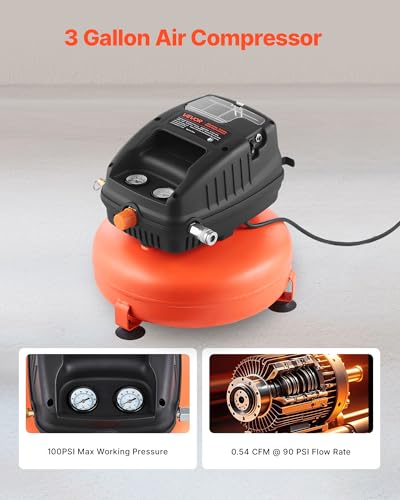
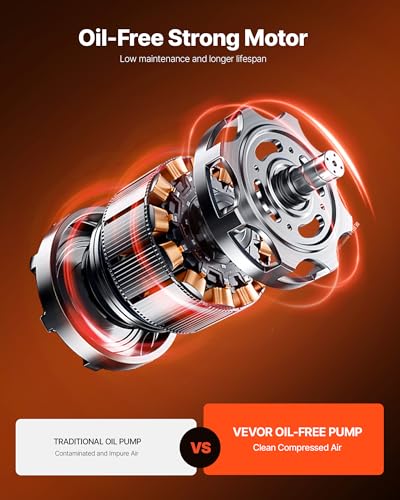
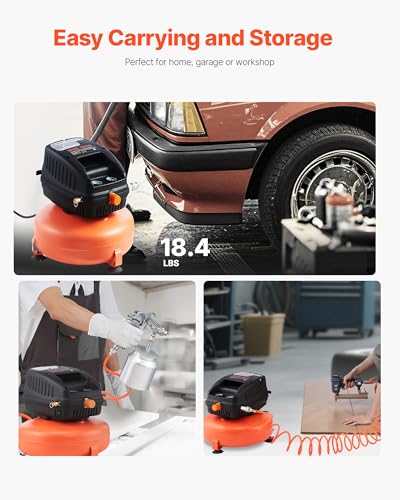
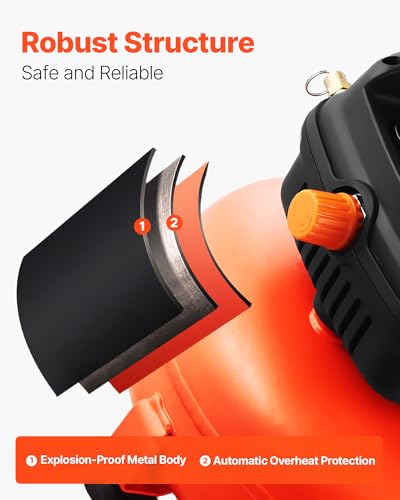
At 100 PSI and 0.54 CFM @ 90 PSI, this isn’t the strongest performer, but it’s priced to move, and that’s where it wins. The oil-free motor and safety valve are standard, but the explosion-proof body and anti-slip feet add peace of mind for garage use. It’s basic, but owners say it holds up well for light, occasional tasks.
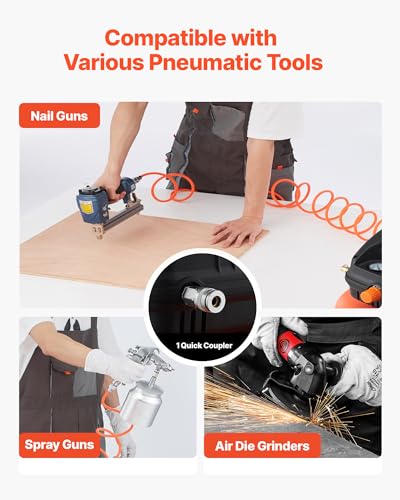
Compared to others in this range, it’s underpowered for serious tool use, but fine for tire inflation or a staple gun. The value is in the simplicity and low cost. If you’re on a tight budget and need something functional, not flashy, this gets the job done without breaking the bank.
Product photos
Ironton Oil-Free Pancake Air Compressor

Strengths
- Affordable
- Compact pancake design
- Easy storage
Trade-offs
- Low HP and CFM
- Shorter lifespan
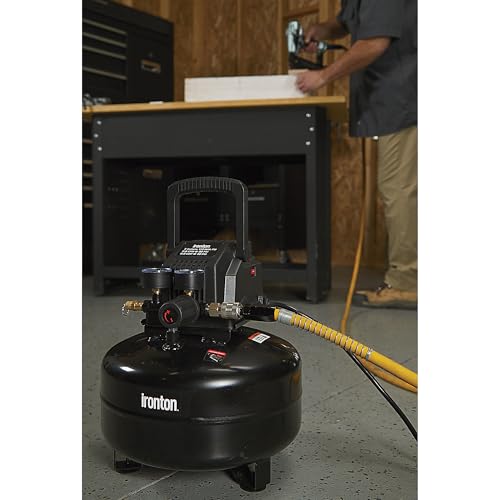
This is the barebones workhorse, 0.3 HP and 110 PSI won’t win specs races, but it’s enough for light tasks like inflating tires, using a brad nailer, or cleaning tools. The pancake design is compact and stable, and the fold-down handle makes it easy to toss in a trunk or store under a workbench. At this price point, it’s hard to beat for pure function.
Owners report mixed longevity, but that’s expected at this tier. It’s not built for daily use or heavy cycling. Still, for occasional jobs or as a backup, it’s a solid budget play. I’d recommend it to beginners or those who only need a compressor once in a blue moon. Just don’t expect it to power anything demanding.
Product photos


ECOMAX 3 Gallon Air Compressor with Kit

Strengths
- Comes with full kit
- Lightweight and portable
- Dual quick couplers
Trade-offs
- Low airflow
- Basic pump performance
The standout here is the 11-piece kit, that 25-foot hose alone adds real value, and having multiple connectors and nozzles means you’re ready for a range of tasks right out of the box. The 0.6 SCFM at 90 PSI is modest, but fine for intermittent use with brad nailers or inflators. The flip-up handle and light weight make it highly portable, and owners appreciate the included accessories for saving extra purchase costs.
It’s not a powerhouse, and the pump can struggle to keep up during back-to-back nailing. But as a starter kit, it’s one of the most complete packages available. If you’re setting up a workshop from scratch and don’t want to buy hoses and couplers separately, this is the smarter buy.
Product photos


Portable 1.15 HP Air Compressor with Steel Tank
Strengths
- High CFM for class
- Thermal protection
- Dual gauges
Trade-offs
- Bulkier design
- Noise around 75dB
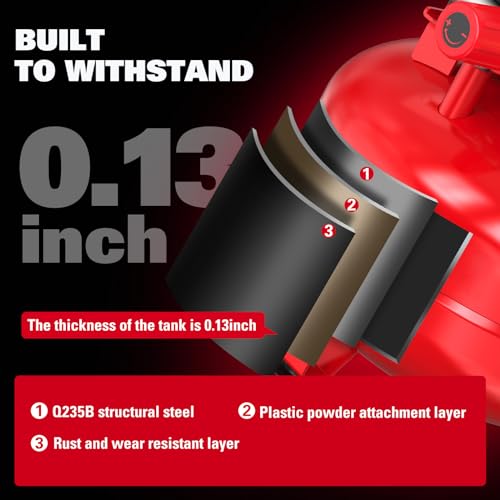
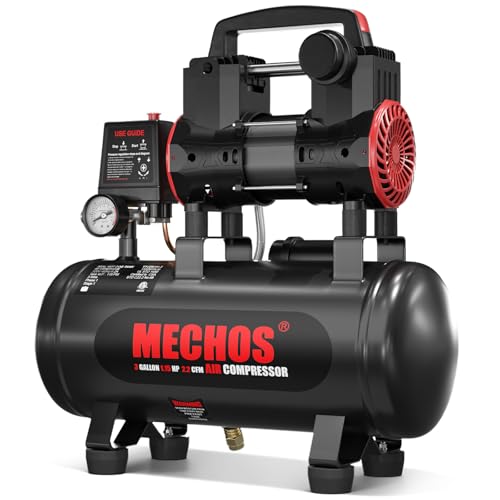
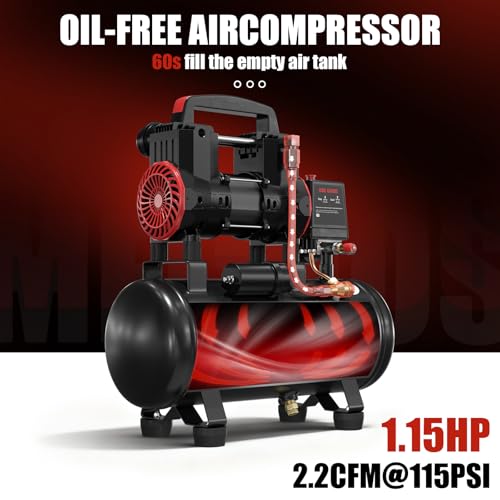
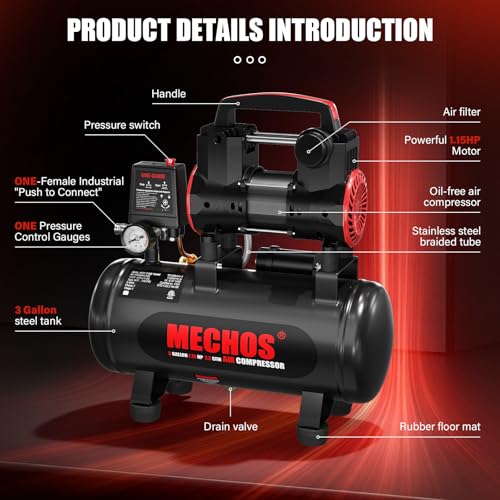
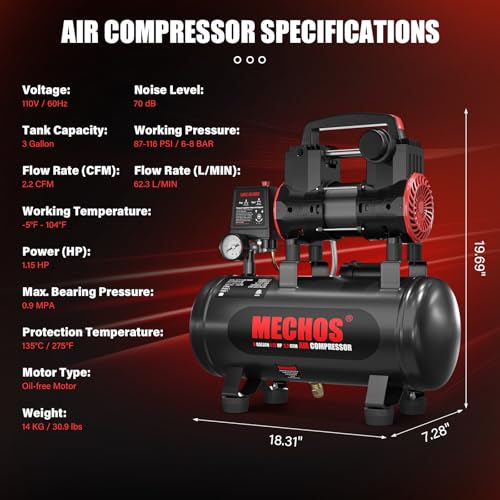
With 2.2 CFM at 90 PSI, this unit punches above its weight on airflow, a key spec many overlook. That makes it one of the better choices in this group for running tools like finish nailers or small spray guns without constant cycling. Owners praise its thermal protection and auto on/off system, which prevent overheating during extended sessions. The dual gauges and regulator are well-placed and easy to read, giving real control over output.
It’s not the quietest, but it’s not loud either. Where it really wins is in versatility: it handles tire inflation, blow cleaning, and stapling with equal ease. Compared to budget models, it feels more refined, and against premium ones, it holds its own on performance. If you want a no-nonsense workhorse for the garage, this is worth serious consideration.
Product photos
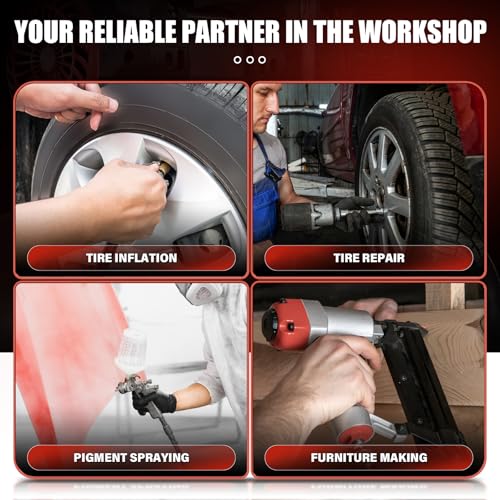
How We Chose These 3 gallon air compressors
Rather than a hands-on lab test, my research for these recommendations focused on a detailed comparison of published specifications and features across numerous models. I weighed owner reviews from major retailers alongside expert opinions found in trade publications and established tool review sites. This process allowed me to rank compressors based on real-world feedback and objective data, focusing on what DIYers and professionals actually experience.
For 3-gallon air compressors, consistent pressure (PSI) and recovery time were heavily weighted. A quick recovery is essential for tasks like nailing, where consistent airflow is critical. Equally important was noise level; many users intend these for indoor or garage use where quiet operation is a real benefit. Portability – size and weight – also played a large role, as these are often moved around a workspace.
Specifications reliably indicate tank size, motor horsepower, and maximum PSI. However, I relied on owner feedback to gauge real-world noise levels, durability, and the accuracy of advertised CFM (cubic feet per minute) delivery. Reputation also mattered; brands with a history of quality air compressors, like Craftsman and Makita, received additional consideration. If you need something even more portable, you might also consider looking at mini air compressors.
How To Choose The 3 gallon air compressors
Choosing the right air compressor isn’t always about getting the biggest or most expensive model. It’s about matching the tool to the job.
A good 3-gallon air compressor balances portability with sufficient air storage for common tasks. Look for a unit with a reliable oil-free pump, a maximum PSI appropriate for your intended uses (typically 90-155 PSI), and features that improve usability like easy-to-read gauges and quick-connect fittings. Consider the CFM rating at your desired PSI; this dictates how long the compressor can sustain tool operation.
Tank Size and Portability
While we’re focusing on 3-gallon models, it’s worth understanding why this size is so popular. Three gallons hits a sweet spot, offering enough air for many tasks without being overly bulky. However, if you regularly run air-hungry tools like sanders or grinders, you might find yourself needing to wait for the compressor to catch up. In those situations, exploring larger tank compressors may be a better long-term investment. Don’t sacrifice portability for capacity you won’t actually use, though.
Pump Type and Maintenance
Most 3-gallon compressors use oil-free pumps, and for good reason. They require significantly less maintenance than oil-lubricated pumps, which is a big plus for casual users. However, oil-free pumps tend to be louder and have a shorter lifespan. Look for models that incorporate noise-reduction features if operating in enclosed spaces is a concern. A quality oil-free pump will still last years with proper care, but understand it won’t match the longevity of an oiled counterpart.
- Oil-free is convenient: No oil changes or oil level checks are needed.
- Consider noise levels: Some models advertise “quiet operation,” but dB ratings vary. Check specifications carefully.
- Pump material matters: Cast iron pumps are generally more durable than plastic, though they add weight and cost.
Pressure and Tool Compatibility
The maximum PSI a compressor can achieve is important, but equally crucial is the CFM (cubic feet per minute) at a given PSI. CFM tells you how much air the compressor can deliver continuously. A higher CFM means you can run tools for longer without the compressor struggling to keep up. Before buying, make a list of the tools you plan to use and check their air consumption requirements. If you’re primarily inflating tires or running a brad nailer, a lower CFM will suffice. But for more demanding tools, you’ll want to prioritize CFM, and you may need to look at portable compressors for tools with higher output.
A compressor’s usefulness is limited by the tools it can adequately power. Don’t overestimate your needs, but always err on the side of slightly more CFM than you think you’ll need.
3 Gallon Air Compressors Compared
Here’s a comparison of key specifications for several 3-gallon air compressors.
| Product Name | Tank Size (Gallons) | Max PSI | HP | CFM @ 90 PSI | Noise Level (dB) | Oil-Free |
|---|---|---|---|---|---|---|
| Makita MAC320Q | 3 | 130 | 2.5 | N/A | 60 | Yes |
| Ultra Quiet 1.2HP | 3 | 115 | 1.2 | N/A | 70 | Yes |
| Craftsman 3 Gallon Hotdog | 3 | 155 | 1.5 | N/A | N/A | Yes |
| VEVOR 3 Gallon Oil-Free Pancake | 3 | 100 | 1/3 | 0.54 | N/A | Yes |
| Ironton Oil-Free Pancake | 3 | 110 | 1/3 | N/A | N/A | Yes |
| ECOMAX 3 Gallon Air Compressor with Kit | 3 | 110 | N/A | 0.6 | N/A | Yes |
| Portable 1.15 HP | 3 | 116 | 1.15 | 2.2 | N/A | Yes |
Frequently Asked Questions
What PSI is sufficient for most homeowner air tools?
Ninety to 120 PSI is generally enough for typical DIY tasks like inflating tires, running a nail gun, or operating small impact wrenches. While some tools require higher pressure, most common applications fall within this range, making it a practical target for a 3-gallon compressor.
Are oil-free compressors loud?
Oil-free compressors tend to be noisier than oil-lubricated models, typically ranging from 70 to 85 decibels. However, some manufacturers now offer models with noise-reduction features, and you can find quieter options if you prioritize quiet air compressors.
How long can I expect a 3-gallon compressor to run continuously?
A 3-gallon compressor’s continuous run time depends heavily on the tool being used and the CFM draw. Expect shorter run times with high-demand tools like sanders, but intermittent use for inflation or nail guns will allow for longer operation before the compressor needs to cycle.
What does CFM @ 90 PSI actually tell me?
CFM at 90 PSI indicates the volume of air the compressor can deliver consistently at that pressure level. A higher CFM at 90 PSI means the compressor can power air tools for longer stretches before needing to rebuild pressure, which is particularly important for tools requiring sustained airflow.
Is a pancake or hotdog style compressor better?
The shape doesn’t drastically affect performance, but pancake compressors generally offer a wider, more stable base. Hotdog-style compressors are often slightly more portable due to their elongated shape, but both styles are relatively compact and easy to move around a workspace, and both can be found with noise-reduced air compressors.
The Bottom Line
Choosing an air compressor often comes down to balancing initial cost with long-term convenience. While many models exist, the Makita MAC320Q stands out as the strongest all-around performer, offering a good blend of power, quiet operation, and a reputable brand backing it up. It’s a solid choice for most DIY tasks and provides a reliable air source without breaking the bank.
For those prioritizing budget or needing something ultra-portable, the VEVOR 3 Gallon Oil-Free Pancake compressor is a compelling option. If you are looking for even more in the portable space, consider checking out other portable pancake models. Alternatively, the Craftsman 3 Gallon Hotdog delivers a higher maximum PSI for those with more demanding applications, though it may be louder in operation.
Ultimately, the most important factors aren’t peak PSI or horsepower, but matching the compressor’s consistent airflow (CFM) to your tools and understanding how often you’ll actually use it. A compressor’s durability is also key, so prioritize a well-built unit from a trusted brand, and remember to follow basic maintenance to keep it running smoothly for years to come.
