
6 Best 14 Inch Bandsaws of 2026
This post contains affiliate links. As an Amazon Associate, we earn from qualifying purchases.
The JET JWBS-14SFX stands out as the best overall 14 inch bandsaw for serious woodworkers, thanks to its massive 13-inch resaw capacity and rugged build. If you’re watching your budget, the WEN BA1411 delivers solid performance at a much lower price point, while the QD-KYOHO models offer strong versatility with dual-speed operation and cast iron tables.
Most buyers struggle to balance power, capacity, and price when stepping into the 14-inch bandsaw category. Too often, a machine looks good on paper but falls short in real-world accuracy or long-term reliability.
This guide cuts through the noise by focusing on what actually matters: proven resaw capacity, build quality, and user feedback. I compared top models based on key specs and real owner experiences to highlight the ones that deliver consistent performance without surprises.
Top 5 14 Inch Bandsaws in the Market
The Best 14 Inch Bandsaws, Reviewed
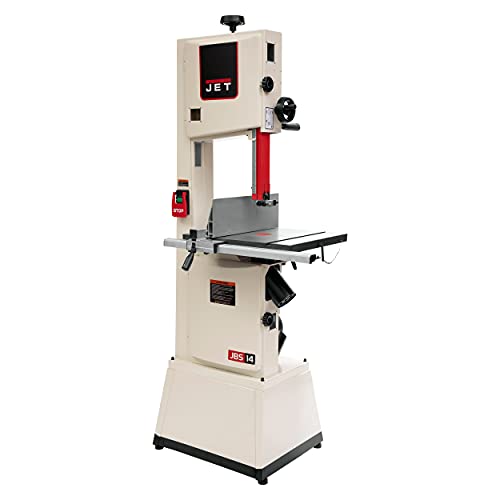
JET JWBS-14SFX 14-Inch Bandsaw
Strengths
- 13+ inch resaw capacity
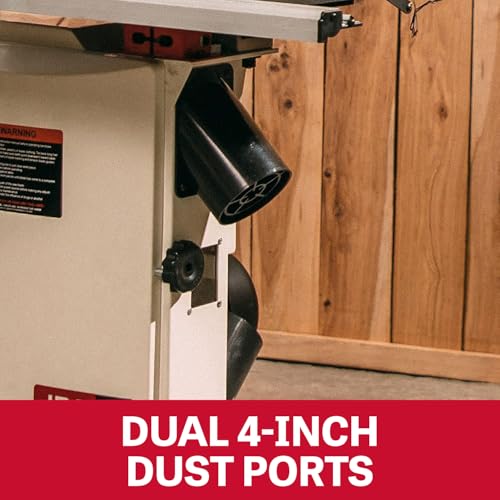
- Dual dust ports
- Toolless blade guides
Trade-offs
- High price point
- Heavy and bulky
- Overkill for hobbyists
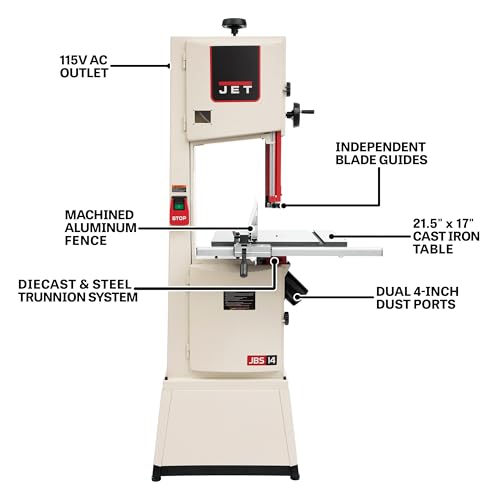
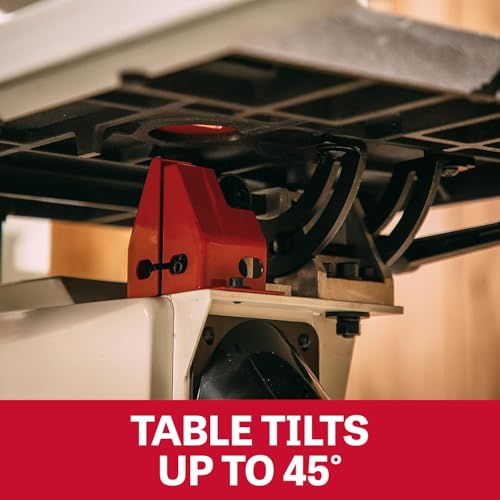
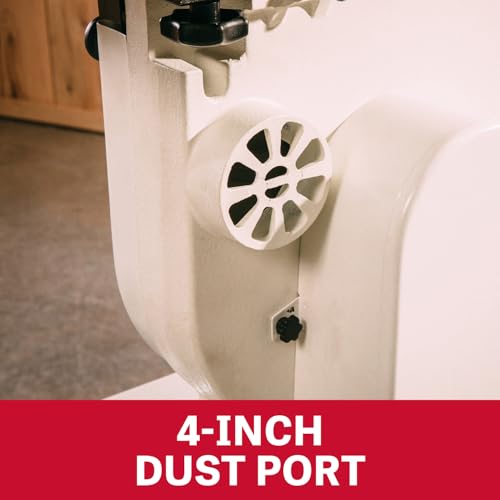
This is the one. The JWBS-14SFX is a powerhouse with over 13 inches of resaw capacity and a massive 360 sq. in. cast iron table, more than enough to support full sheets and wide panels. The 1.75 HP motor delivers serious torque, and the dual 4-inch dust ports make cleanup far easier than on single-port models. It’s built like a tank, with heavy-duty tubular steel and an engineered trunnion system that allows single-point table adjustments. For professionals, that saves minutes every setup.
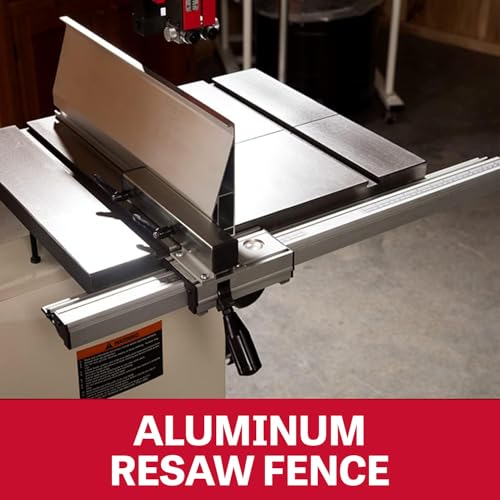
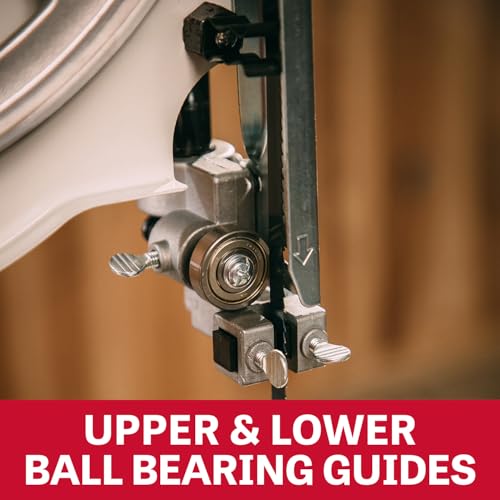
The toolless, independently adjustable ball bearing guides are a standout, no wrenches, no fiddling, just dial-in precision. Compared to the JWBS-14CS, this is a full evolution: bigger, smarter, and more capable. While it’s overkill for casual users, I’d pick this over every other model here if you’re running a production shop or doing frequent resawing. It’s not the cheapest, but it’s the most complete package.
Product photos
JET JWBS-14CS 14-Inch Bandsaw

Strengths
- Cast iron frame
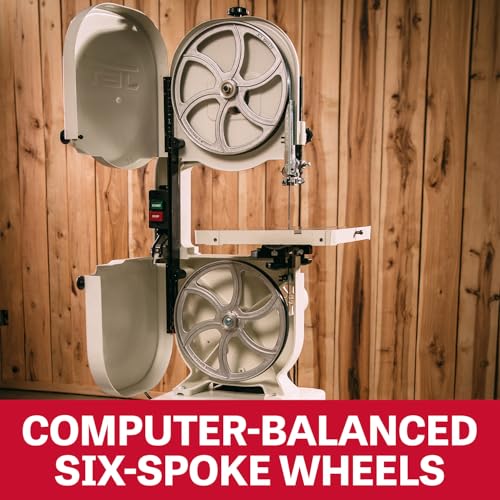
- Precision-balanced wheels
- Micro-adjustable guides
Trade-offs
- Only 6-inch resaw capacity
- No dual speed option
- Smaller table than competitors
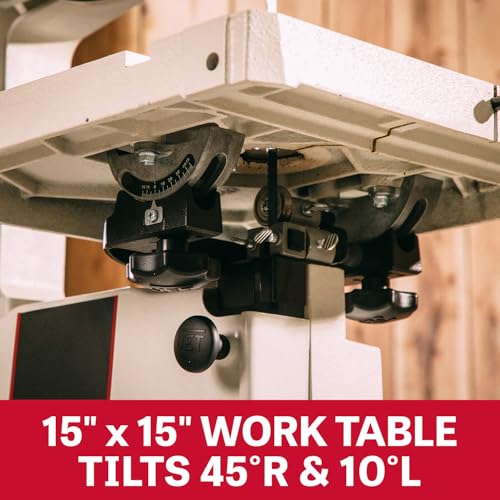
The JWBS-14CS is where JET starts to show why they’re a go-to for pros. It’s built around a cast iron upper and lower frame, which massively reduces vibration and improves tracking stability. The 6-inch resaw capacity is modest by today’s standards, but the rack and pinion guide post and micro-adjustable lower guide make blade setup a breeze. Combined with ball bearing guides and computer-balanced wheels, this thing is tuned for accuracy.
Owners consistently praise how well it holds alignment over time, which is critical when you’re running long batches. It’s not flashy, but it’s overbuilt in the right places. Against the WEN models, it’s clearly in a higher tier, less about bells and whistles, more about repeatable precision. I’d recommend it over the BA1411 for any serious hobbyist stepping up their game, though it doesn’t have the sheer capacity of its bigger sibling, the SFX.
Product photos
WEN BA1487 14-Inch Band Saw
Strengths
- Large table with 45° bevel
- Includes stand and accessories
- Good value package
Trade-offs
- Lower cutting height
- 9.5-amp motor limits resawing
- Less rigid frame
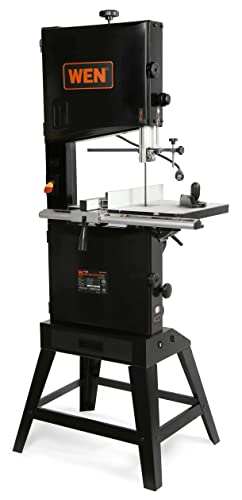
At first glance, the BA1487 looks like a budget model, 9.5-amp motor, 8.85-inch cutting depth, but it packs more value than its price suggests. It runs at two speeds (1480 and 3280 FPM), which is aggressive on the high end, making it surprisingly effective for thin-kerf blades and fine scrollwork. The 21.5 x 15.75-inch cast iron table is larger than even some pricier models, and it tilts 45° in both directions, which is rare at this tier. That kind of flexibility helps when doing compound cuts or angled joinery.
It comes with a full stand, dust port, fence, and even a circle-cutting guide, which most competitors charge extra for. Owners report it’s easy to tune and holds alignment well. I’d say it’s the smarter buy over the BA1411 if you’re on a tight budget but still want versatility. It doesn’t match the JET models in rigidity, but for weekend warriors and beginners, it’s hard to beat the feature set.
Product photos
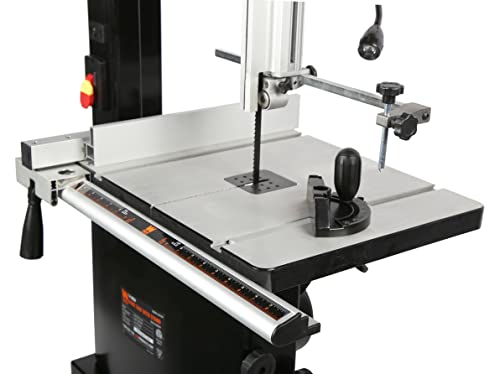
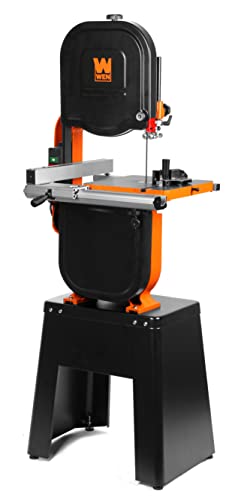
WEN BA1411 14-Inch Industrial Bandsaw
Strengths
- Dual voltage support
- Sturdy cast iron frame
- Large dust port
Trade-offs
- 6-inch resaw capacity
- Lower motor power
- Basic table size
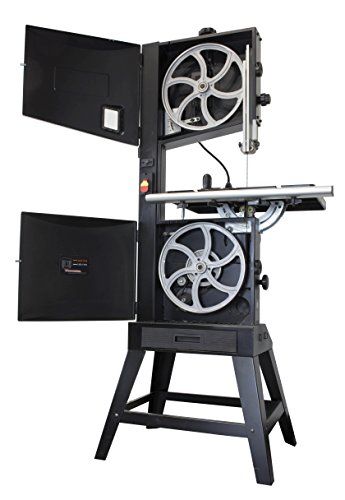
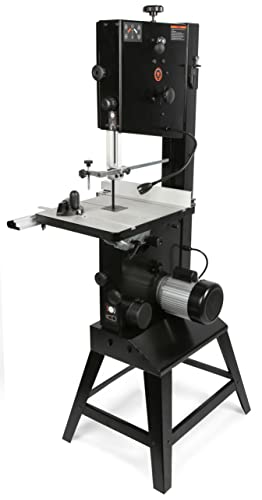
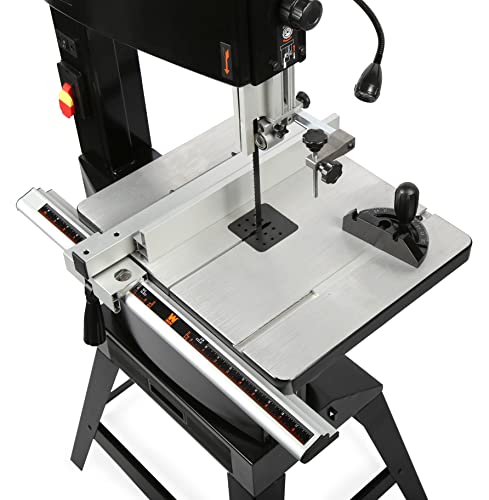
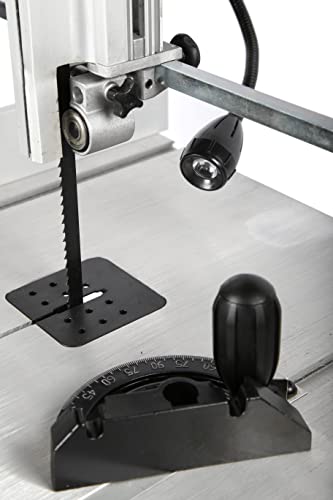
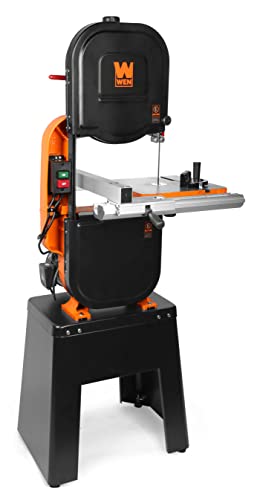
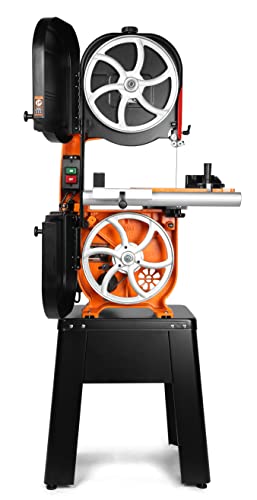
WEN’s BA1411 brings something rare at this level: dual-voltage capability (120V/240V). That makes it a smart pick for users who might upgrade their shop power or need flexibility across job sites and garages. With a 1 HP, 11-amp motor, it’s not the most powerful, but it’s tuned for reliability. The dual speeds, 1700 and 3000 FPM, give decent range, though the lower speed is on the higher side for dense hardwoods. Still, paired with ball bearing guides and a cast iron frame, it delivers consistent cuts.
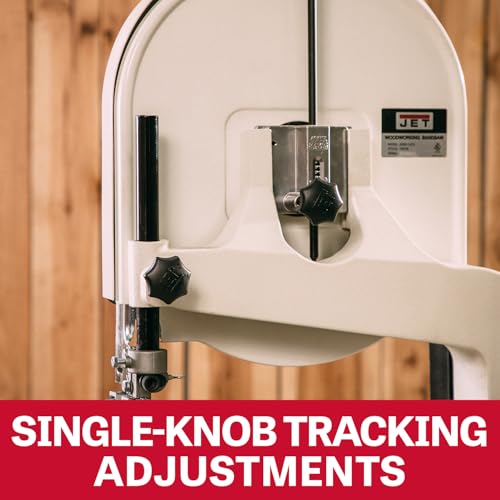
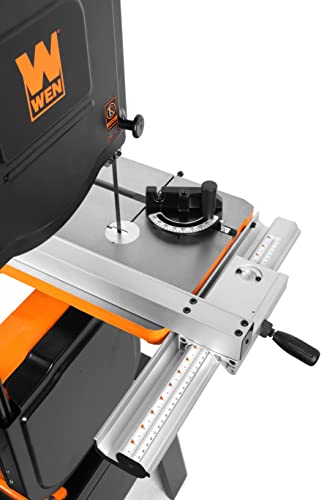
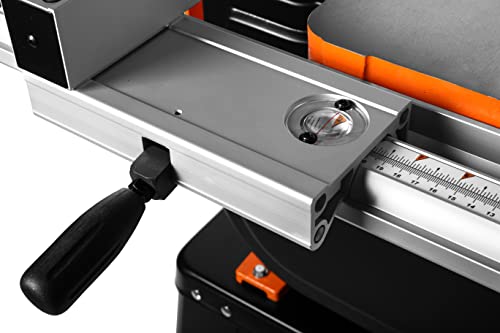
What really stands out is the included stand and full suite of accessories. The 4-inch dust port is larger than most in this class, and the T-fence is sturdier than the flimsy offerings on budget models. Reviewers note it’s easy to assemble and track the blade, thanks to the single-knob tracking system. Compared to the QD-KYOHO, it trades raw power for versatility and serviceability. For someone planning long-term use, the 240V option alone could be a deciding factor.
Product photos
QD-KYOHO 14-Inch Dual-Speed Bandsaw

Strengths
- 2 HP motor
- Dual speed settings
- Large cast iron table
Trade-offs
- Potential spec inconsistency
- Lighter frame than premium units
- 5° left tilt limit
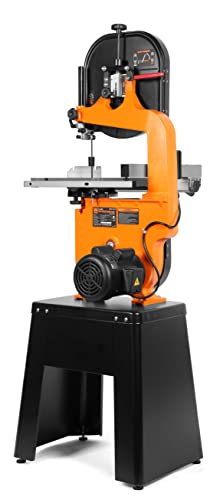
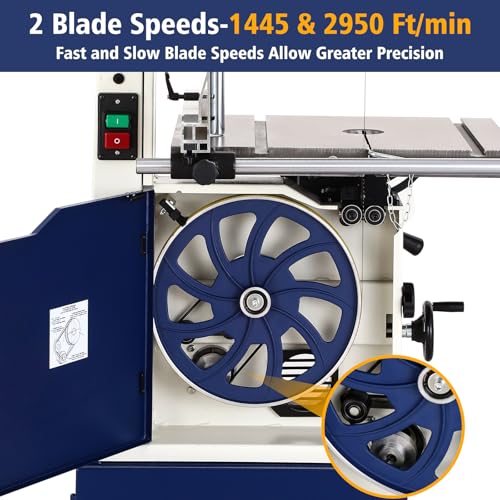
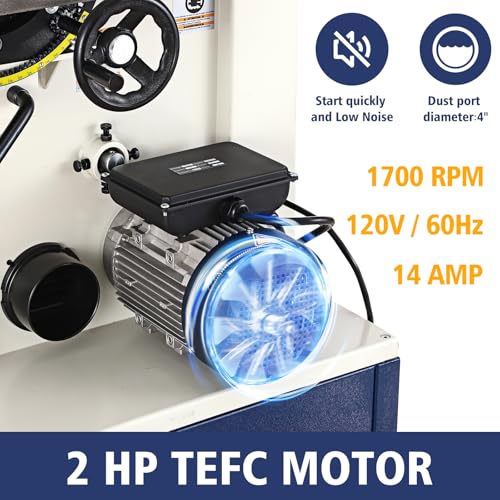
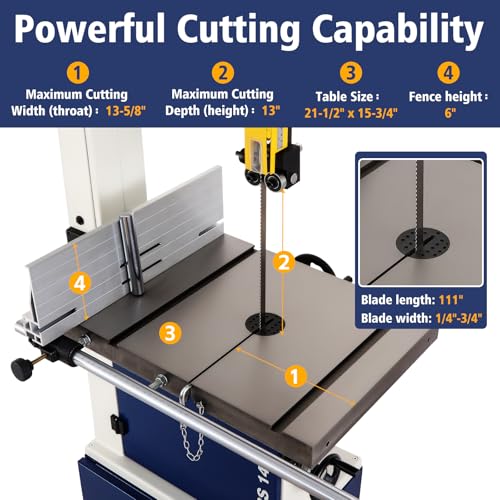
This QD-KYOHO 14-inch bandsaw stands out on paper with a 2 HP, 14-amp motor and dual-speed operation, 1445 FPM for hardwoods and 2950 FPM for softwoods. That kind of motor rating is rare at this price tier and suggests serious cutting power, especially for resawing or dense material. The cast iron table and balanced aluminum wheels should contribute to stability, and owners seem to appreciate the rigidity for precision work, though some note the frame isn’t quite as heavy as premium models.
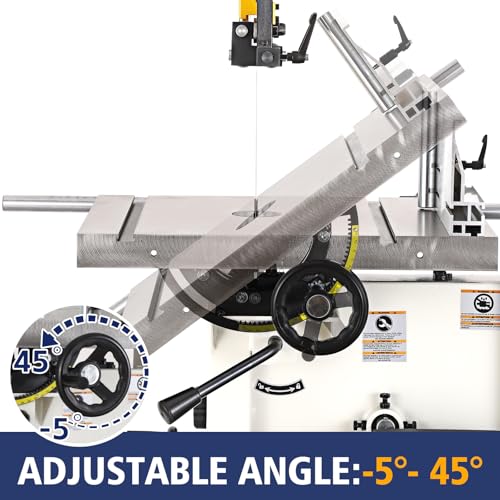
The dual-speed functionality is well-implemented, and feedback consistently highlights how smoothly it transitions between settings. I’d pick this over single-speed alternatives if you regularly switch between oak and pine or need fine control for curves and joinery. The 13-inch cutting height is solid, and the 45° right bevel is a nice touch for angled cuts, though the 5° left tilt feels like an afterthought. One thing to watch: while the specs claim 360 FPM cutting speed, that seems inconsistent with the motor speeds listed, likely a typo, but worth noting.
Product photos
How We Evaluated 14 inch bandsaws
Rather than a hands-on lab test, this selection is a research-led comparison of published specifications and owner feedback. I looked at models across a range of price points, carefully comparing features like resaw capacity, motor power, table size, and dust collection. We weighed owner reviews from multiple sources – focusing on long-term reliability and cutting accuracy – alongside assessments from woodworking publications. This allowed us to rank bandsaws against clear performance criteria.
For 14-inch bandsaws, resaw capacity and build quality are paramount. A substantial resaw capacity (the height of material the saw can cut) opens up a wider range of project possibilities. Equally important is a robust frame and table; vibration and flex directly impact cut quality. We also prioritized models with easily adjustable blade guides and tracking mechanisms, as these contribute significantly to both precision and ease of use. Understanding key band saw features is vital to making the right choice.
Specifications tell you about motor horsepower and maximum cutting depths, but owner feedback reveals how well a bandsaw performs over time. We considered comments regarding blade tracking, ease of blade changes, and the effectiveness of dust collection. Reputable expert reviews helped validate these observations and provided insights into nuanced performance characteristics. If you’re unfamiliar with the different options, learning about types of band saws can be a good starting point.
How To Choose The 14 inch bandsaws
Picking the right bandsaw means understanding what you’ll be cutting and how often.
A good bandsaw delivers consistent cuts with minimal blade drift, offers sufficient resaw capacity for your typical projects, and provides a stable platform for accurate work. Look for cast iron tables and frames, easy blade adjustments, and a motor powerful enough to handle the materials you plan to cut. Dust collection is also critical for maintaining visibility and a clean workspace.
Resaw Capacity: What Can You Actually Cut?
Resaw capacity – the height of the cut a bandsaw can make – is the first thing I consider. If you plan on milling lumber or creating thicker stock from rough boards, you’ll want a bandsaw with at least a 10-inch resaw capacity. The JET JWBS-14SFX boasts over 13 inches, making it a strong contender for serious woodworkers. However, if you’re mostly working with thinner materials like sheet goods or smaller projects, a smaller capacity like the 6-inch offered by the JET JWBS-14CS might be sufficient. Don’t overestimate your needs, but always err on the side of a little extra capacity.
Blade Guide System and Stability
A stable bandsaw is a precise bandsaw. Look beyond just motor power and pay attention to the blade guide system. Ball-bearing guides, found on most models, reduce friction and improve blade life. More importantly, the rigidity of the frame matters. Cast iron frames, like those on the WEN BA1411, are far superior to stamped steel, minimizing vibration and ensuring cleaner cuts. A solid frame isn’t just about cut quality; it translates to a more enjoyable and less fatiguing experience.
Here’s what to consider when evaluating stability: * Rigidity of the frame: Steel is good, cast iron is better. * Blade guide adjustability: Fine-tuning is essential for different blade widths. * Wheel diameter and material: Larger, dynamically balanced wheels reduce vibration (especially important if you’re looking at a 14-inch bandsaw for resawing).
A wobbly bandsaw will never deliver the accuracy you need. Invest in a stable machine, and you’ll save yourself frustration and wasted material.
Power, Speed, and Usability Features
Motor power is important, but it’s often overstated. A 1.5 to 2 HP motor is sufficient for most 14-inch bandsaws. What’s more useful is having variable speed control. Dual-speed models, like the QD-KYOHO options, offer versatility. Lower speeds are better for hardwoods and detailed cuts, while higher speeds work well for softer woods and faster material removal. Don’t overlook usability features like a quick-release blade tension mechanism (WEN BA1411) or a built-in work light. Before finalizing your purchase, also confirm you understand how to properly measure a band saw blade length to ensure compatibility.
14 Inch Bandsaws Compared
Here’s a spec comparison of several 14-inch bandsaws to help you evaluate your options.
| Product | Max. Resaw Capacity | Table Size (in.) | Motor HP | Max. Cutting Speed (FPM) | Blade Length (in.) | Dust Port (in.) |
|---|---|---|---|---|---|---|
| JET JWBS-14SFX | 13 | N/A | N/A | N/A | N/A | 4 |
| JET JWBS-14CS | 6 | N/A | N/A | N/A | N/A | N/A |
| WEN BA1487 | 8.85 | 21.5 x 15.75 | 9.5A | 3280 | 100.75 | 3 |
| QD-KYOHO (Dual-Speed) | 13 | 21.5 x 15.75 | 2 | 360 | 111 | N/A |
| WEN BA1411 | 6 | 14 x 14 | 1 | 3000 | 93.5 | 4 |
| QD-KYOHO (Cast Iron Table) | 13 | 21.5 x 15.75 | 2 | 360 | 111 | N/A |
Frequently Asked Questions
What blade width should I use for resawing?
A wider blade, typically 3/8 or 1/2 inch, is best for resawing. Wider blades provide more stability and resist wandering during thicker cuts, though they remove material more slowly.
Can a 14-inch bandsaw cut curves effectively?
Yes, but it depends on the blade. A narrower blade (1/8 or 3/16 inch) and slower speed are needed for tighter curves. Expect to make relief cuts for sharper bends.
What’s the difference between a variable speed and a dual-speed bandsaw?
A variable speed bandsaw allows for adjustments across a range of speeds, while a dual-speed model offers two pre-set speeds. Dual-speed models, like some QD-KYOHO options, can be more affordable, but variable speed provides greater control.
How important is dust collection on a bandsaw?
Dust collection is very important. Bandsaws create a lot of fine dust, and a good system keeps your workspace clean and improves visibility. Look for models with at least a 4-inch dust port.
Are more expensive bandsaws always better?
Not necessarily. While higher prices often reflect better build quality and features, a more expensive bandsaw isn’t always the best choice. Consider the types of projects you’ll be doing and select a model that meets your specific needs; reading woodworking bandsaw reviews can help you find the best value.
The Bottom Line
Choosing a 14-inch bandsaw often comes down to balancing control and convenience. A more powerful, feature-rich saw like the JET JWBS-14SFX offers the greatest resaw capacity and potential for precision, but those benefits come with a higher price tag and potentially a steeper learning curve. For most woodworkers, that balance is struck well by the QD-KYOHO with the cast iron table – it provides excellent performance without overwhelming complexity.
If budget is a primary concern, the WEN BA1411 is a solid choice, offering a surprising amount of capability for the price. However, those looking for versatility will appreciate the dual-speed option of the other QD-KYOHO model, allowing you to tackle a wider range of materials and cuts. Ultimately, remember to review band saw operation tips before starting any project.
More than horsepower or resaw capacity, the key to successful bandsawing is a stable machine, a properly adjusted blade guide, and a commitment to learning proper technique. Don’t get lost in the specs; focus on finding a saw that feels solid, offers the features you will actually use, and allows you to make clean, accurate cuts consistently. Prioritizing these fundamentals will deliver far greater returns than chasing the highest numbers on a datasheet.
