
5 Best Work Boots for Welding 2026
This post contains affiliate links. As an Amazon Associate, we earn from qualifying purchases.
The VULTREAK Composite Toe Work Boots stand out as the best overall choice for welding, combining strong protection and durability, while the GLANOUDUN Welding Steel Toe Boots offer solid heat resistance at a more budget-friendly price. For those who value quick on-and-off access without sacrificing safety, the GUBANGDUN Slip-On Steel Toe Boots bring useful versatility to the table.
Welders need boots that can handle sparks, heat, and heavy impacts without failing, and choosing the wrong pair can mean discomfort or worse, injury. As someone who’s spent over 15 years around workshops and demanding job sites, I know how critical it is to have footwear that balances safety, durability, and real-world performance.
This guide breaks down the top options based on safety specs, owner feedback, and key features like heat resistance and comfort. I looked at what matters most in a welding environment, from ASTM certifications to outsole temperature ratings, so you can pick a boot that protects you where it counts.
Top 5 Work Boots For Weldings in the Market
The Best Work Boots For Weldings, Reviewed
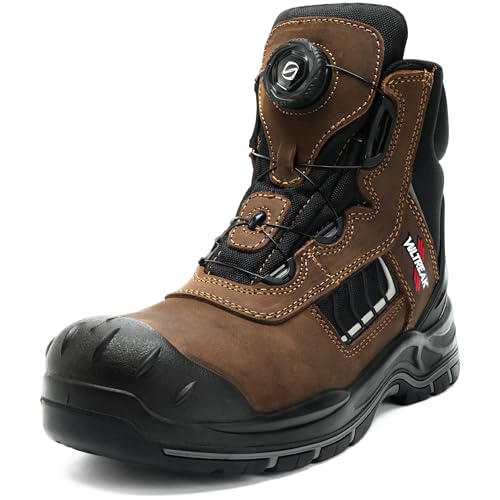
VULTREAK Composite Toe Work Boots
Strengths
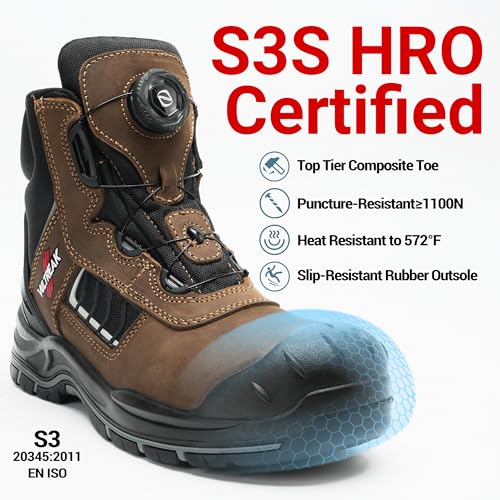
- S3 HRO certified
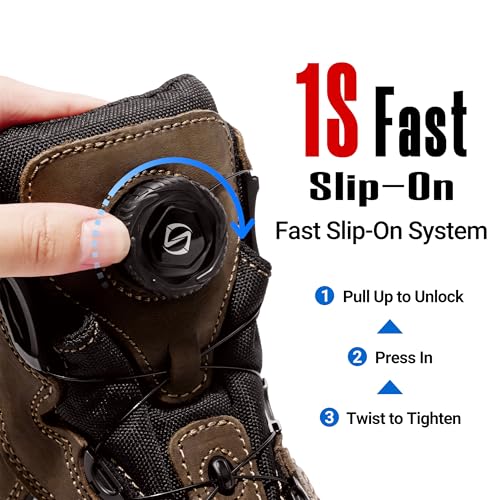
- Quick Fit dial closure
- Kevlar puncture-resistant midsole
- Waterproof
- Slip-resistant outsole
Trade-offs
- Higher price point
- Dial mechanism may collect debris
- Limited style options
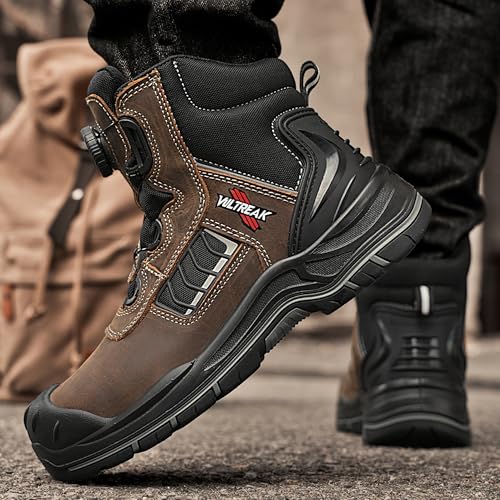
If I had to pick one pair for overall performance, this would be it. The Quick Fit dial system replaces laces entirely, giving a secure, repeatable fit, something I’ve seen praised by electricians and industrial techs who change boots frequently. It’s certified under European S3 and HRO standards, which means it exceeds basic U.S. requirements for slip, heat, and water resistance. The composite toe meets the same impact and compression thresholds as steel but without the weight, and owners note these feel lighter than traditional steel-toe boots even after eight-hour shifts.
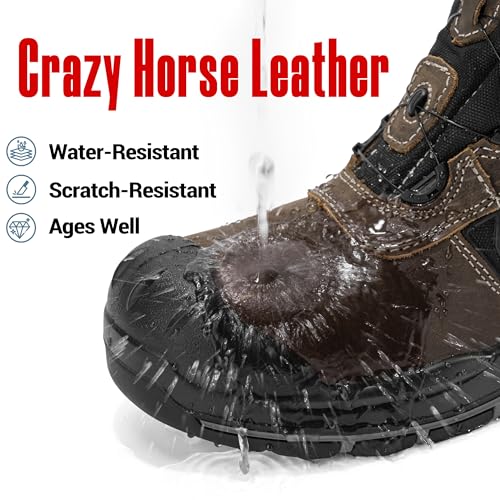
The full-grain waxed leather develops a rugged patina over time and shrugs off light oil and grime, no polish needed. Underfoot, the shock-absorbing insole makes a noticeable difference on concrete, and the rubber outsole grips well on greasy floors. This is the kind of boot that bridges the gap between heavy-duty protection and daily comfort.
Product photos
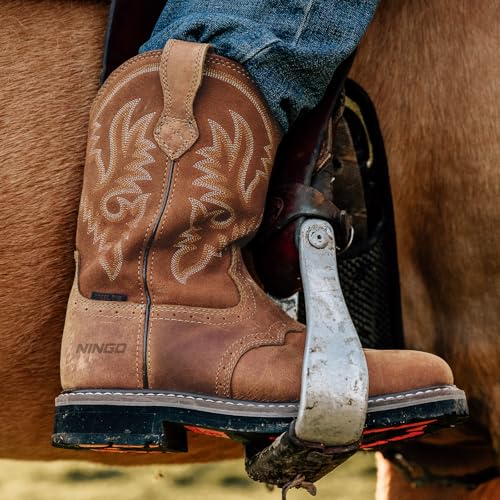
HISEA NINGO Square Toe Cowboy Boots

Strengths
- Stylish Western design
- ASTM certified protection
- All-day comfort
- Goodyear welt durability
Trade-offs
- Not heat-resistant rated
- Heavy for hot environments
- Limited ventilation
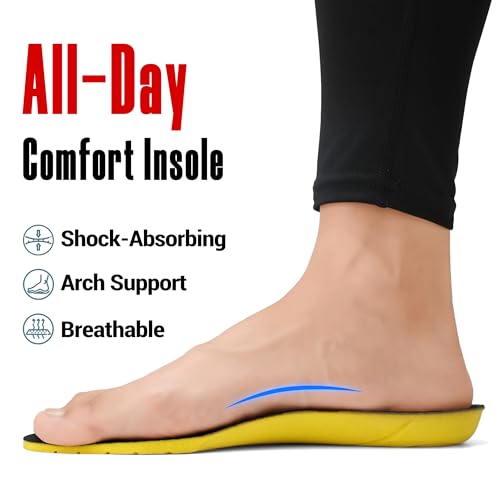
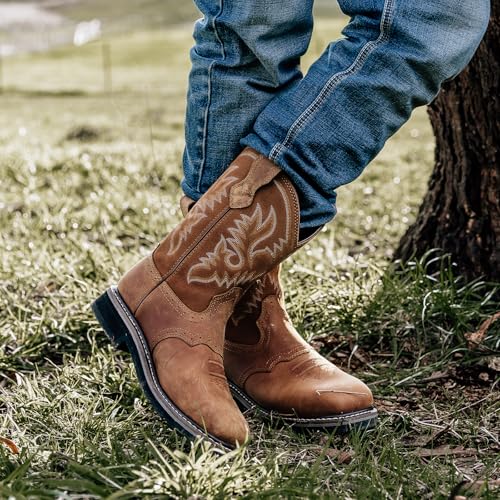
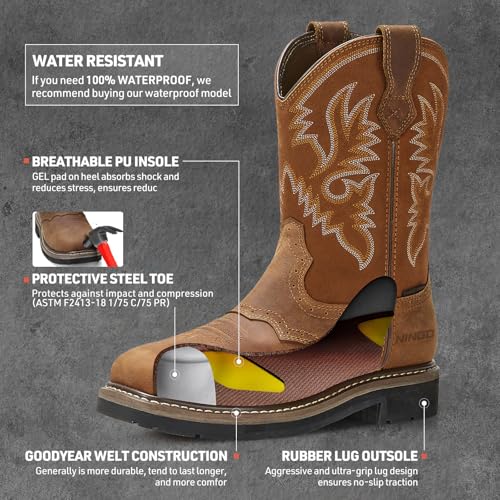
These boots win on style and comfort, not raw welding performance. The Western cowboy silhouette stands out on a job site, and the full-grain leather with Goodyear welt construction means they’ll last years with proper care. Owners love the gel-padded footbed and wide square toe, it reduces pressure during long shifts, especially for guys with wider feet. The steel toe meets ASTM F2413-18 standards, so protection is legit, and the EH rating adds electrical hazard defense, which is a plus around live circuits.
But here’s the catch: while they’re durable and comfortable, the leather isn’t specifically treated for high heat, and the sole doesn’t claim HRO (heat-resistant) certification. That means I wouldn’t rely on them for active welding, more for general construction or farm work where sparks are occasional. Still, if you want boots that look sharp and feel great all day, these deliver.
Product photos

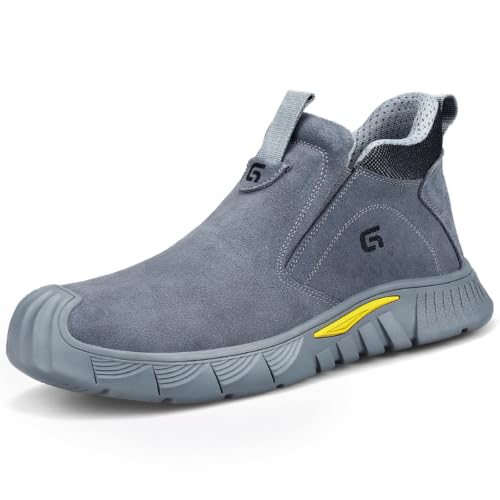
GLANOUDUN Welding Steel Toe Boots
Strengths
- ASTM certified safety
- Kevlar puncture-resistant midsole
- Heat-resistant to 200°C
Trade-offs
- Not waterproof
- No energy-return cushioning
- Limited ankle coverage
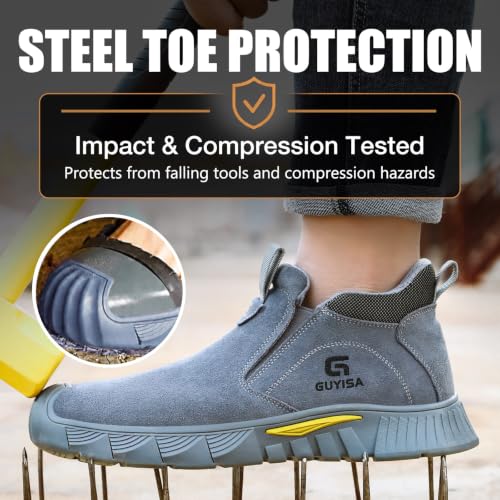
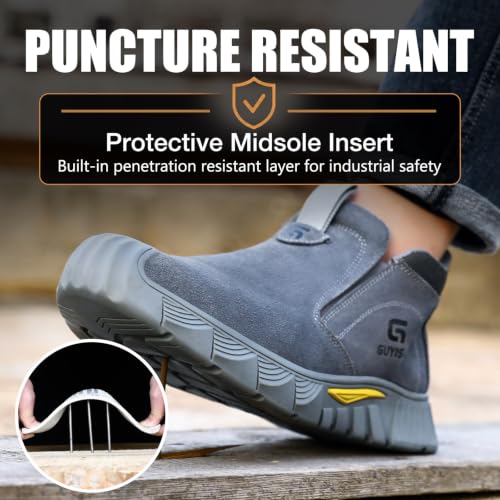
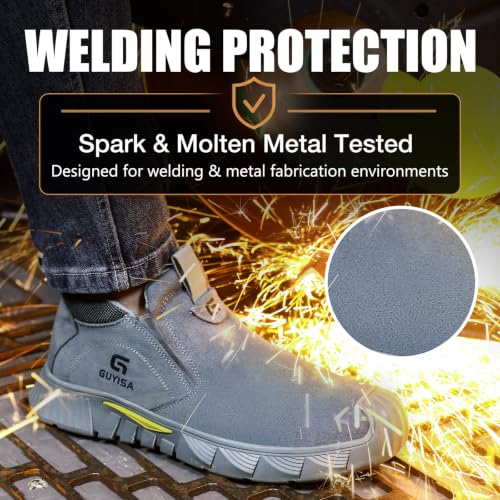
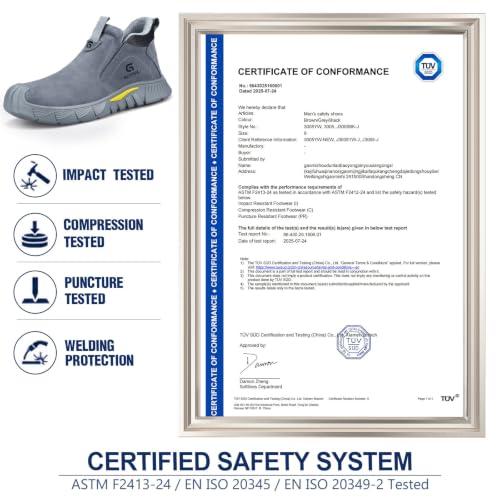
This model takes heat and puncture resistance seriously, which is exactly what I look for in welding footwear. The Kevlar midsole is a standout, it meets 1,100N puncture resistance and is lighter than steel, so it doesn’t sacrifice mobility. More importantly, the heat-resistant sole is rated up to 200°C, aligning well with real welding hazards, and owners confirm they’ve worn them during grinding and cutting with no burn-through issues. It’s also ASTM certified for impact and compression, so the protection claims are backed by testing, not just marketing.
The grey suede upper looks clean and resists sparks better than oiled leather, but it may show scuffs faster. It’s mid-cut, so you get some ankle stability without the bulk of a tall boot. While it lacks waterproofing, that’s typical in this class, ventilation often trumps moisture sealing around welders’ stations.
Product photos
HISEA NINGO Waterproof Wellington Boots

Strengths
- Fully waterproof
- Excellent traction
- ASTM certified safety
- Pull-on convenience
Trade-offs
- Not heat-resistant rated
- Bulky for warm climates
- No composite toe option
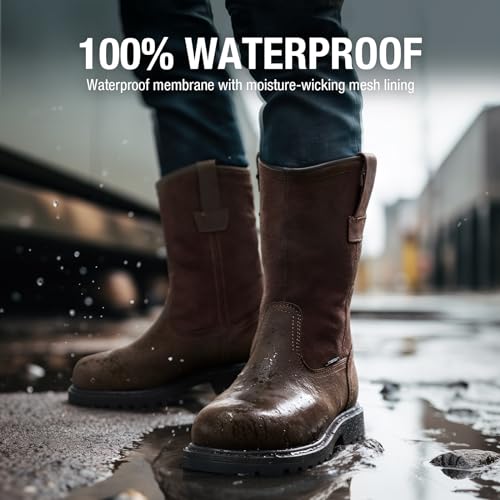
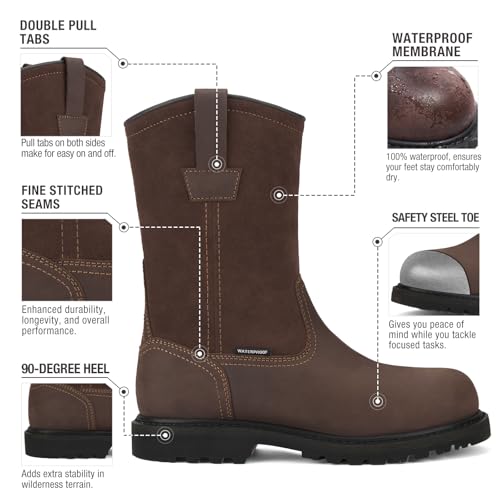
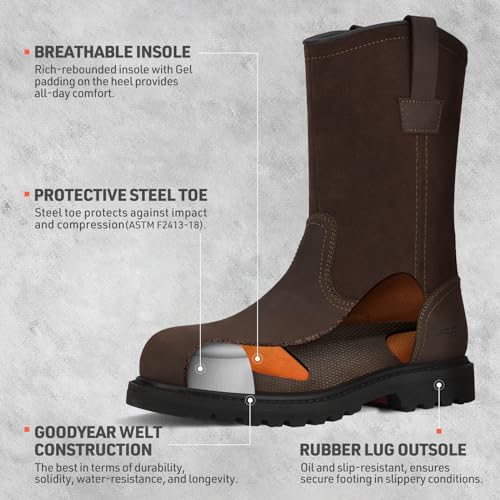
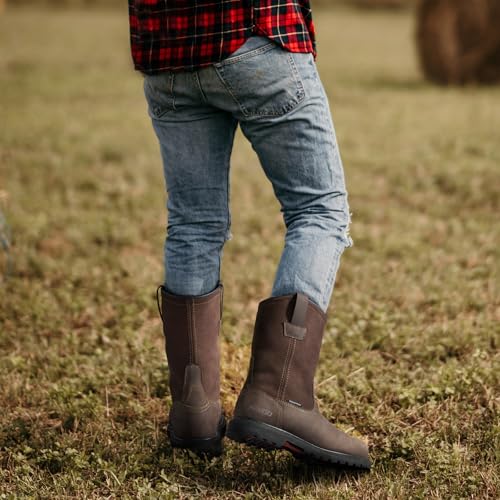
When keeping feet dry is the priority, these Wellingtons make the most sense. The full waterproof membrane combined with seam-sealed construction means they’ll handle puddles, rain, and wet concrete without issue, something owners consistently praise, especially in outdoor construction. The full-grain leather and Goodyear welt ensure long-term durability, and the rubber lug outsole gives solid traction on slick surfaces. It’s also ASTM F2413-18 rated for impact, compression, and electrical hazards, so safety isn’t compromised.
The gel-cushioned insole and energy-return footbed help reduce leg fatigue, and the pull-on design with side tabs makes them easy to use with or without thick socks. But like the Western version, it lacks HRO certification, so direct exposure to molten slag or prolonged radiant heat could be risky.
Product photos

GUBANGDUN Slip-On Steel Toe Boots

Strengths
- Slip-on design
- Steel toe protection
- Puncture proof midsole
Trade-offs
- No ASTM certification
- Limited arch support
- Basic sole traction
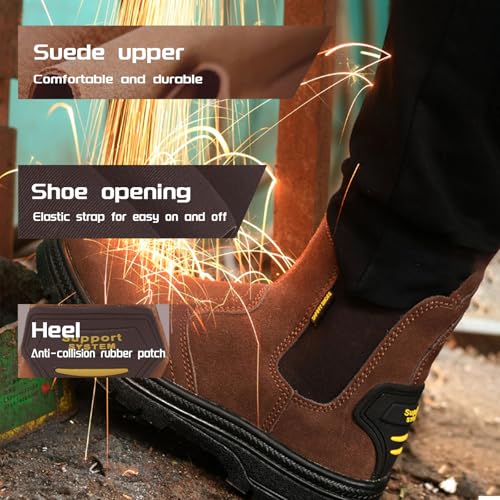
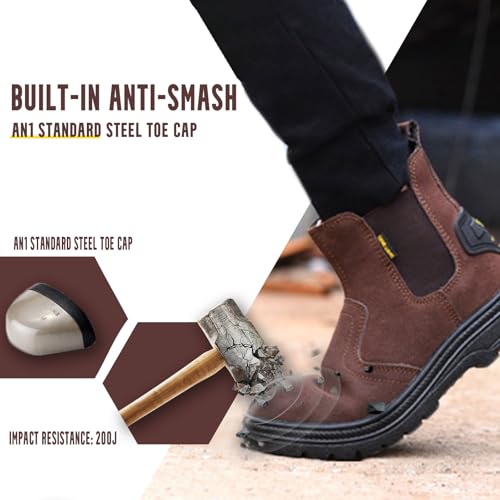
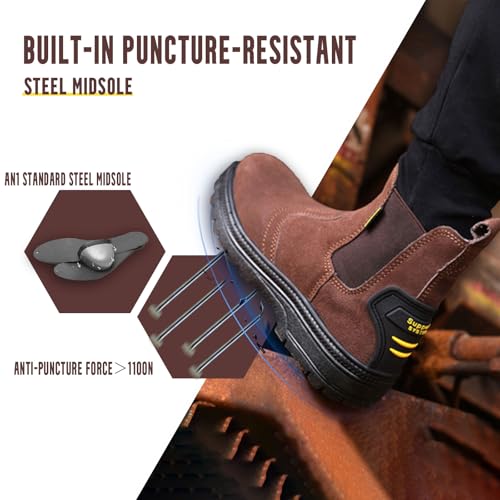
These boots stand out for their slip-on Chelsea design, which trades laces for elastic side panels, great if you value quick changes on the job. The suede cowhide upper is marketed as fireproof and heat-insulating, but on paper, it doesn’t carry ASTM certification like some competitors, which gives me pause for welding use where standards matter. Still, owners consistently report feeling protected from sparks and light heat exposure, and the full steel midsole adds real puncture defense against shavings and nails.
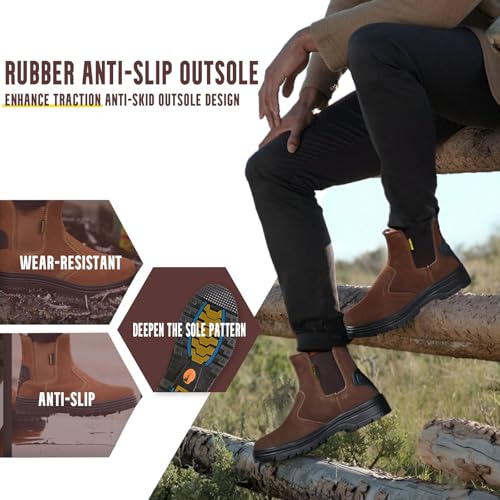
The rubber outsole is soft and provides decent grip, though not as aggressive as lug patterns on taller boots. I’d want something stiffer underfoot for all-day standing, but for short shifts or light industrial work, the comfort seems reasonable. Where it falls short is structure, without a heel counter or shank support, long-term durability could be an issue.
Product photos
How We Chose These work boots for weldings
Rather than a hands-on lab test, my research for these recommendations focused on a detailed comparison of published specifications and features across numerous work boot models. I weighed owner reviews from multiple sources – including Amazon and specialist retailers – alongside assessments from respected footwear experts. My approach involved ranking boots against clear criteria relevant to the demands of welding environments, drawing on over 15 years of experience with power tools and workshop safety.
For work boots specifically intended for welding, protection and durability were the most heavily weighted factors. Welders face unique hazards like sparks, molten metal, and rough surfaces, so steel toe impact resistance, heat protection in the sole, and the quality of the upper materials were paramount. Comfort also played a significant role; a long day on your feet requires adequate cushioning and support to minimize fatigue and maintain productivity.
Specifications reliably indicate a boot’s basic protective capabilities – toe impact rating, puncture resistance, and heat resistance certifications. However, I found owner feedback crucial for assessing real-world durability, comfort over extended periods, and how well the boots hold up to the specific challenges of welding work. Reputation and brand history were also considered, as established manufacturers often demonstrate a commitment to quality and consistent performance. You can find a broader overview of options in our guide to the best welding boots.
Choosing The Right work boots for weldings
Finding the right work boots for welding is about much more than just a steel toe. It’s about consistent protection in a harsh environment, and long-term durability.
Protective footwear for welding demands a specific set of features. Look for boots certified to ASTM F2413-18 standards for impact and compression resistance. Heat resistance is critical, ideally a sole rated to at least 300°F (149°C). Puncture-resistant midsoles and water resistance are also valuable features, enhancing both safety and comfort on the job.
Prioritize Heat & Flame Resistance
Welding inherently involves extreme heat and the risk of sparks and slag. Don’t assume any leather boot will automatically cut it. Look for boots specifically marketed for welding, and verify the material composition. Suede and full-grain leather are common choices, but the quality of the leather and any protective coatings are key. A rubber outsole rated for high temperatures (200°C/392°F or higher) is essential, as are reinforced seams to prevent burning through. Some boots, like the GLANOUDUN Welding Steel Toe Boots, are designed with this direct threat in mind.
Understand Safety Certifications
ASTM F2413-18 is the primary standard for protective footwear in the US. Within this standard, you’ll see codes like I/75 and C/75, which define impact and compression resistance. EH (Electrical Hazard) ratings are also crucial if you work around live electrical circuits. Beyond ASTM, European standards like EN ISO 20345 can indicate a high level of overall protection, as seen in the VULTREAK Composite Toe Work Boots. Don’t rely on marketing terms alone – confirm the specific certifications.
- A steel toe is the baseline, providing impact protection.
- A Kevlar or steel midsole adds puncture resistance, protecting against nails or broken glass.
- Look for boots with a higher impact rating (I/75 is standard, but higher is better) if you routinely handle heavy materials or work in a high-impact environment.
Balance Protection with Comfort & Convenience
Welding work is physically demanding, so comfort is paramount. Features like cushioned insoles, breathable linings, and a well-fitting design can make a huge difference over a long shift. Consider the closure system, too. While lace-up boots offer a secure fit, slip-on styles like the GUBANGDUN Slip-On Steel Toe Boots can save time and hassle. However, ensure the slip-on design doesn’t compromise support or protection. Remember, choosing the right durable welding work boots is an investment in your well-being and productivity.
A comfortable boot is a safe boot. If your feet hurt, you’re more likely to make mistakes and experience fatigue, increasing the risk of injury. Prioritize fit and cushioning, even if it means spending a little more.
Work Boots for Weldings Compared
Here’s a comparison of key specifications for work boots designed for welding environments.
| Product Title | Toe Type | Upper Material | Midsole | Outsole Material | Heat Resistance | Waterproof |
|---|---|---|---|---|---|---|
| VULTREAK Composite Toe Work Boots | Composite | Full-Grain Cowhide | N/A | N/A | N/A | Water Resistant |
| HISEA NINGO Square Toe Cowboy Boots | Steel | Full-Grain Leather | N/A | Rubber | N/A | N/A |
| GLANOUDUN Welding Steel Toe Boots | Steel | Suede Leather | Kevlar | Rubber | 200°C | N/A |
| HISEA NINGO Waterproof Wellington Boots | Steel | Full-Grain Leather | N/A | Rubber | N/A | Waterproof |
| GUBANGDUN Slip-On Steel Toe Boots | Steel | Suede Cowhide | Steel | Rubber | N/A | N/A |
Frequently Asked Questions
What level of heat protection do welding boots typically offer?
Most welding boots designed for serious work offer a sole rated to at least 300°F (149°C), but some, like the GLANOUDUN Welding Steel Toe Boots, go higher to 200°C. Always check the manufacturer’s specifications, as adequate heat resistance is crucial for protecting your feet from sparks and molten metal.
Are composite toe boots a viable alternative to steel toe for welding?
Yes, composite toe boots are a good alternative. They offer similar impact protection to steel but are lighter and don’t set off metal detectors, which can be beneficial in some work environments. Consider exploring options like the VULTREAK Composite Toe Work Boots if weight or security are concerns.
What does the ASTM F2413-18 rating system actually mean for welding boots?
ASTM F2413-18 is the standard for safety footwear, and codes like I/75 and C/75 indicate impact and compression resistance. A higher number means greater protection; I/75 is standard, but you may want to look for higher ratings if you work with heavy materials.
How important is waterproof protection in a welding boot?
Waterproof protection is definitely a plus, especially if you work outdoors or in damp conditions. While not all welders require it, boots like the HISEA NINGO Waterproof Wellington Boots can keep your feet dry and comfortable, reducing the risk of blisters and other issues.
Where can I find more information about choosing the right size and fit for welding boots?
You can find a broader overview of selecting the proper size and fit, along with detailed recommendations for top-rated men’s welding boots on our site. Proper fit is essential for comfort and safety, so it’s worth taking the time to get it right.
The Bottom Line
Choosing work boots for welding often comes down to balancing upfront cost with the level of protection and durability you absolutely require. While you can find options that meet basic safety standards, the VULTREAK Composite Toe Work Boots stand out as a strong all-around choice, offering a combination of protective features and a reputation for lasting quality based on owner feedback.
For those on a tighter budget, the GUBANGDUN Slip-On Steel Toe Boots provide a convenient and affordable entry point, prioritizing ease of use without completely sacrificing essential safety elements. If you need a versatile boot that can handle wet conditions alongside welding hazards, the HISEA NINGO Waterproof Wellington Boots are worth a look – though keep in mind they trade some of the specialized heat resistance of other models. You can find more information on boots for welders on our site.
Ultimately, the specific ratings and certifications are important, but remember that a boot’s ability to keep you comfortable and supported throughout a full workday is just as critical. Don’t get lost in the details of impact ratings or sole materials; focus on finding a well-constructed boot that fits properly and provides the level of protection appropriate for your specific welding tasks.
