
6 Best Boots for Welders of 2026
This post contains affiliate links. As an Amazon Associate, we earn from qualifying purchases.
The Thorogood 8″ Steel Toe Work Boots stand out as the best overall choice for welders, combining rugged full-grain leather with reliable protection and long-term durability. For those on a tighter budget, the NORTIV 8 Zipper Steel Toe Boots offer solid performance and convenience with their zipper design. If heat resistance is your top priority, the SAFETOE Fire Resistant Welding Boots bring serious protection with a 300°C rating and Kevlar midsole.
Welders need boots that can handle sparks, heavy objects, and long shifts without failing, but too many options either skimp on safety or sacrifice comfort. It’s easy to end up with something that looks tough but doesn’t hold up in real conditions.
This guide cuts through the noise by focusing on what actually matters: certified protection, heat resistance, and real-world durability. I researched each boot based on ASTM safety ratings, material quality, and feedback from users who wear them on the job every day.
Top 6 Boots For Welders in the Market
The Best Boots For Welders, Reviewed
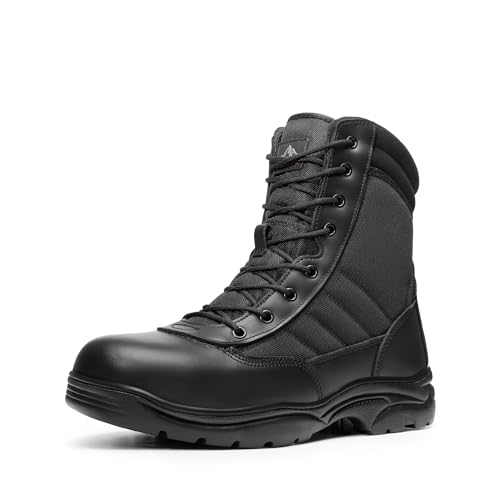
NORTIV 8 Zipper Steel Toe Boots
Strengths
- Hybrid zipper and lace closure
- Slip-resistant rubber outsole
- Comfort-focused insole
Trade-offs
- Leather quality not as premium as Thorogood
- Not rated for extreme heat
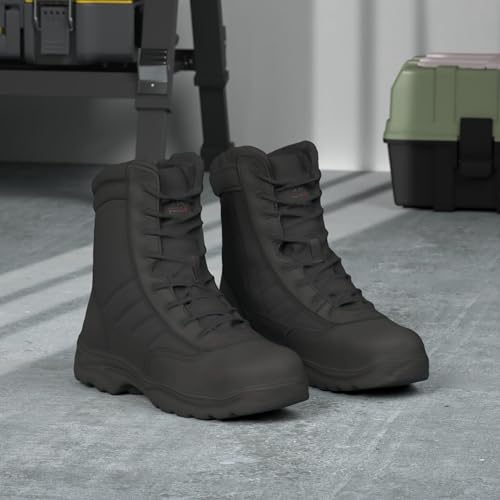
The NORTIV 8 TROOPER-STL hits a sweet spot between protection, comfort, and practical design, which is why I see it as the best overall option for most welders. It combines a YKK side zipper with traditional laces, a hybrid approach that gives you quick access while ensuring a locked-in fit. That’s a real advantage over fully laceless or fully laced-only designs.
Owners consistently highlight the cushioned insole and breathable lining, which help during long shifts. The rubber outsole delivers solid traction on oily or uneven surfaces, and the steel toe meets ASTM F2413-18 standards. While it doesn’t have the 300℃ heat resistance of the SAFETOE or the resoleable build of the Thorogood, it covers nearly every other need well. Compared to others in this list, it’s the most balanced choice for mixed industrial work that includes welding.
Product photos


Thorogood 8″ Steel Toe Work Boots

Strengths
- Goodyear storm welt construction
- Full-grain oil-tanned leather
- Resoleable design
Trade-offs
- Heavier than composite toe boots
- Requires extended break-in
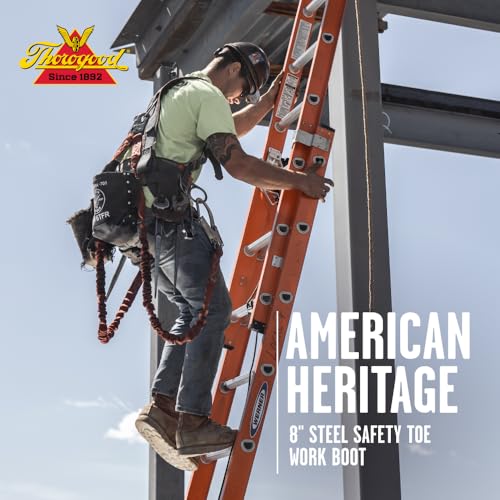
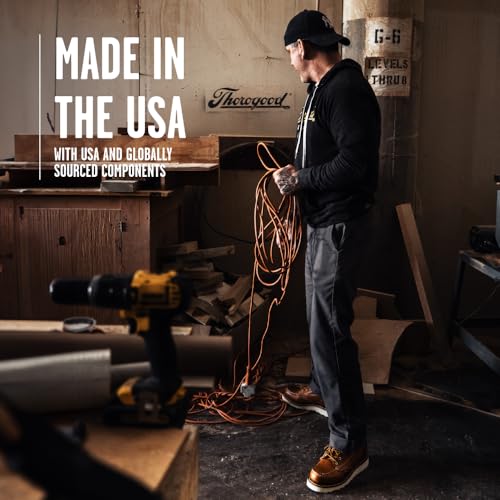
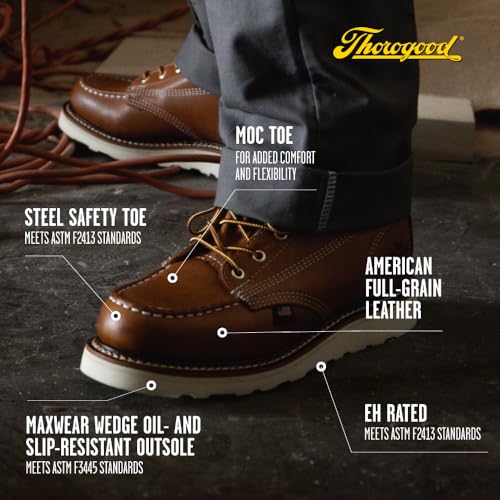
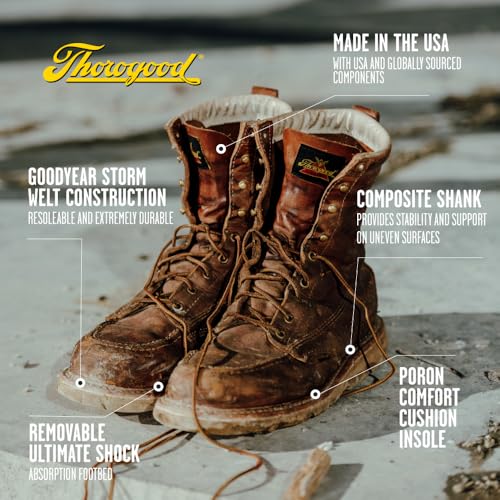
I’ve long recommended Thorogood boots to tradespeople who need footwear that lasts, and the American Heritage 8” steel toe is a benchmark for durability in this space. The full-grain leather is thick and oil-tanned, meaning it develops a rugged patina over time instead of cracking under stress. Owners regularly praise how well these hold up after years on job sites, this isn’t a boot that falls apart after 12 months of daily use.
The Goodyear storm welt construction is a big reason why. It makes the boots fully resoleable, which is rare at this price tier. While heavier than composite toe options, the steel toe is well-integrated and feels stable, not clunky. Compared to value-focused models like the VULTREAK, this one wins on longevity but asks for a longer break-in. The wedge outsole also offers excellent slip resistance, especially on oily surfaces common in welding bays.
Product photos

GLANOUDUN Steel Toe Welding Boots
Strengths
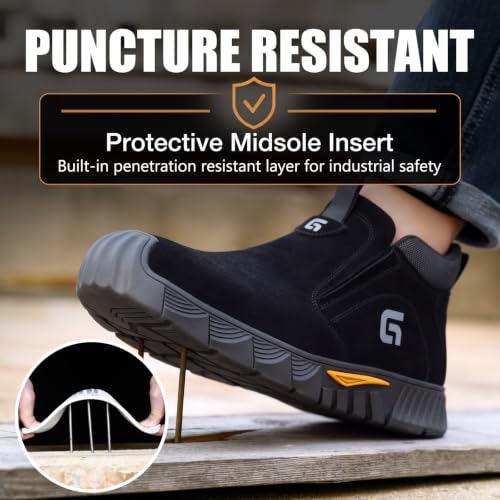
- Kevlar puncture-resistant midsole
- ASTM-certified steel toe
- Simple, durable build
Trade-offs
- Heat resistance limited to 200°C
- Fewer comfort features than premium models
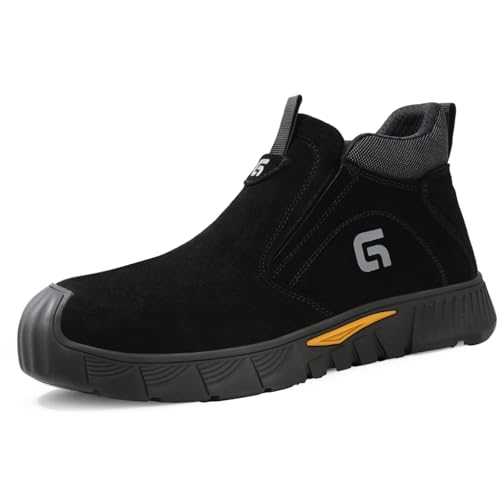
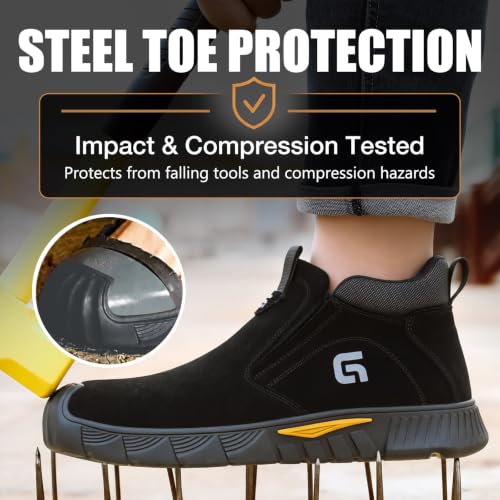
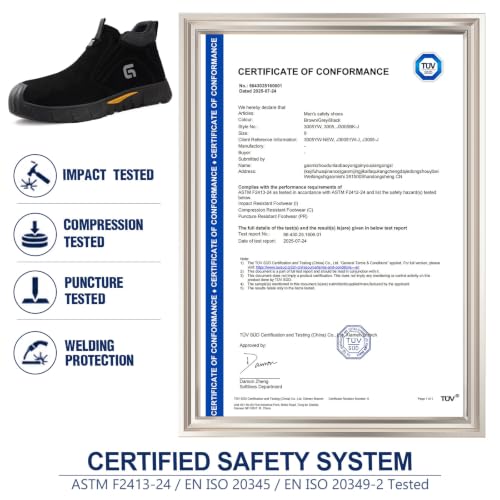
These GLANOUDUN boots make a strong case for anyone who steps on sharp debris regularly. The Kevlar midsole is rated to resist 1,100N of puncture force, on par with top-tier standards, and owners working in metal fabrication and construction confirm they feel secure walking over scrap metal and rebar. That’s a real advantage over many competitors that use thinner or less-documented puncture barriers.
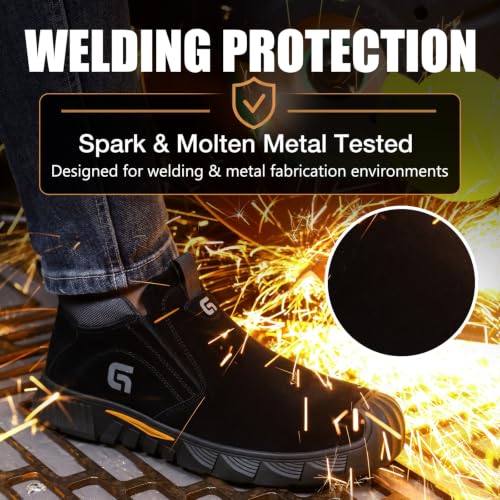
They’re also straightforward in design: no frills, just solid protection. The suede upper handles sparks reasonably well, and the 200°C heat-resistant sole covers most welding tasks. But compared to the SAFETOE model, they fall short on extreme heat. If you’re doing frequent high-amp welding, you might want something with a higher sole rating. Still, for general welding and industrial use, this is a dependable, no-nonsense boot.
Product photos
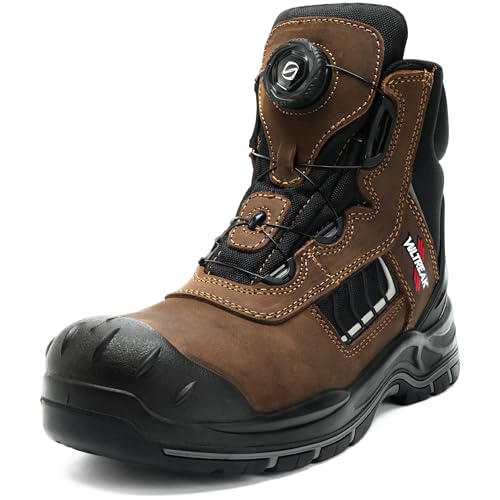
VULTREAK Composite Toe Welding Boots
Strengths
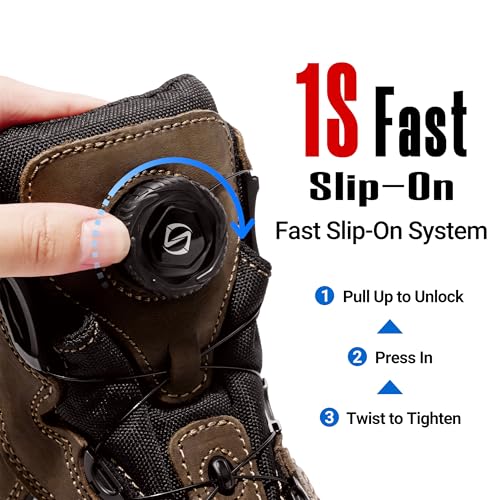
- Laceless dial closure system
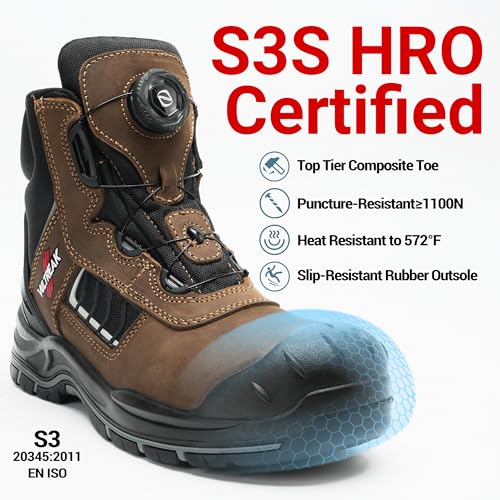
- S3 HRO certification
- Kevlar puncture-resistant midsole
Trade-offs
- Less ankle support than 8” boots
- Not resoleable
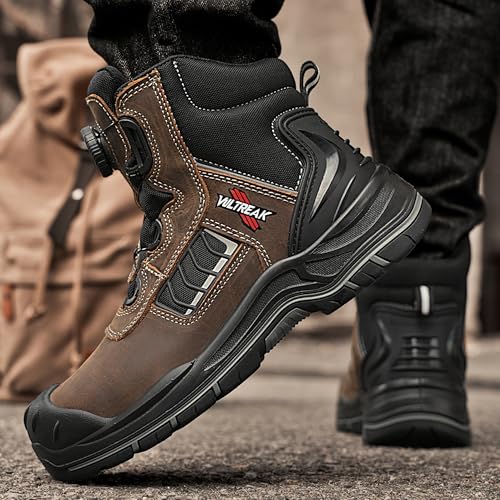
For welders who want a lot of protection without the premium price tag, the VULTREAK boots deliver exceptional value. The dial-based Quick Fit system replaces laces entirely, which I appreciate in environments where sparks can degrade traditional laces over time. It’s not just convenient, it’s a smart safety upgrade. And unlike many laceless boots, this one maintains a secure lockdown thanks to the European S3 certification, which covers puncture, water resistance, and heat-resistant soles.
The full-grain waxed cowhide develops a work-worn look without sacrificing protection, and owners report these staying intact after months of daily use. While they don’t have the heritage craftsmanship of the Thorogood, they come close in performance at a more accessible price. I’d pick these over the NORTIV 8 if you want easier entry and a more modern closure system.
Product photos
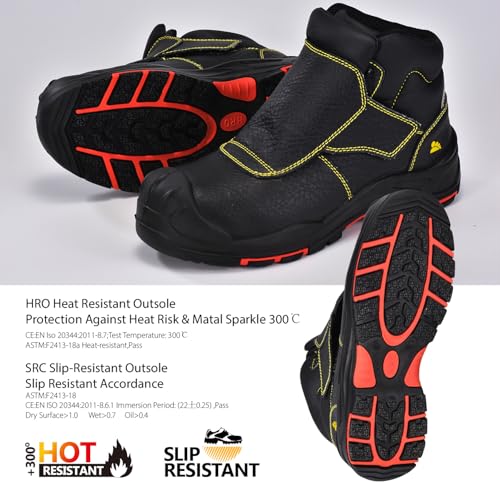
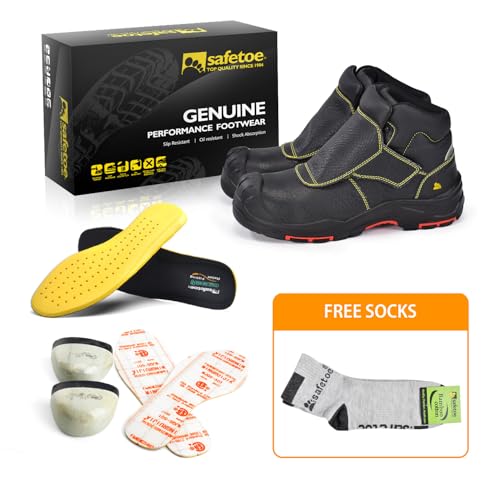
SAFETOE Fire Resistant Welding Boots

Strengths
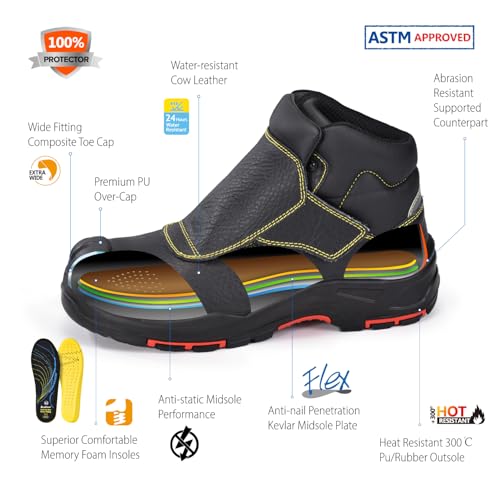
- 300℃ heat-resistant sole
- Composite toe for lighter weight
- Fire-resistant stitching
Trade-offs
- Midsole puncture resistance not clearly specified
- Break-in period reported by some
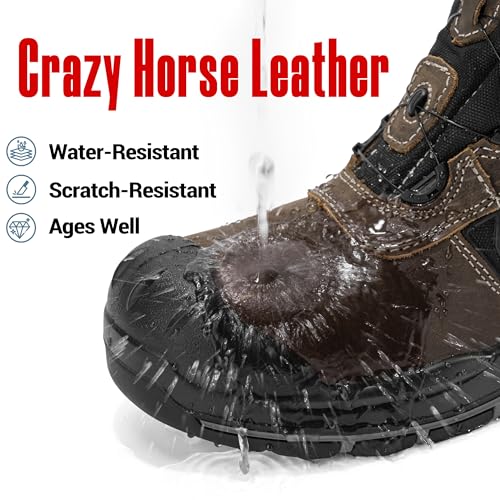
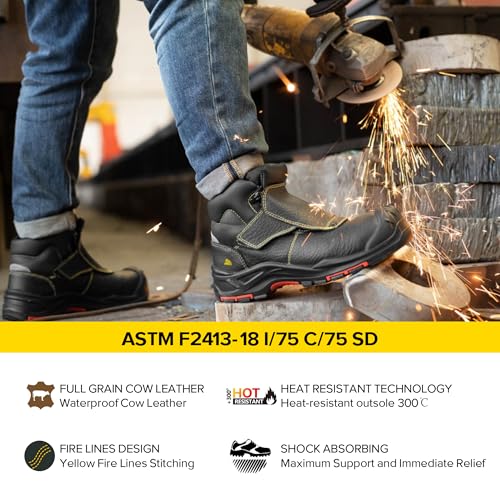
If heat resistance is your top priority as a welder, these SAFETOE boots stand out on paper. The 300℃-rated dual PU/rubber outsole is one of the highest heat tolerances you’ll find in this category, and owners consistently report feeling confident during prolonged welding sessions. Paired with fire-resistant stitching and nubuck cow leather, they’re built to handle frequent spark exposure without melting or degrading.
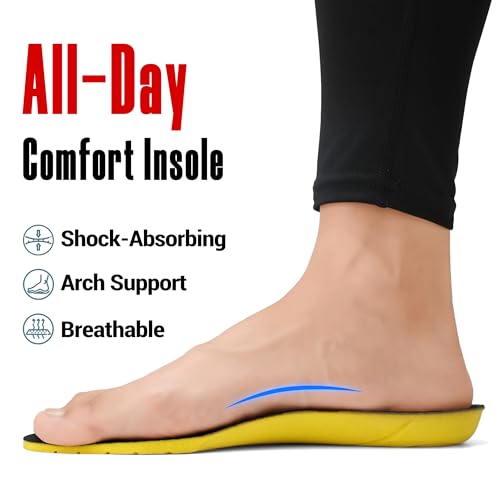
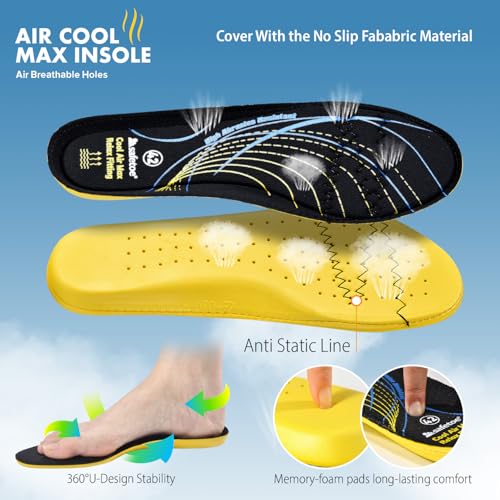
They’re also lightweight for a composite toe boot, which helps reduce fatigue during long shifts. While some users mention the breathability isn’t exceptional, the air hole mesh does help compared to fully sealed designs. Compared to heavier leather boots like the Thorogood, these trade a bit of long-term durability for better heat performance and lighter weight.
Product photos
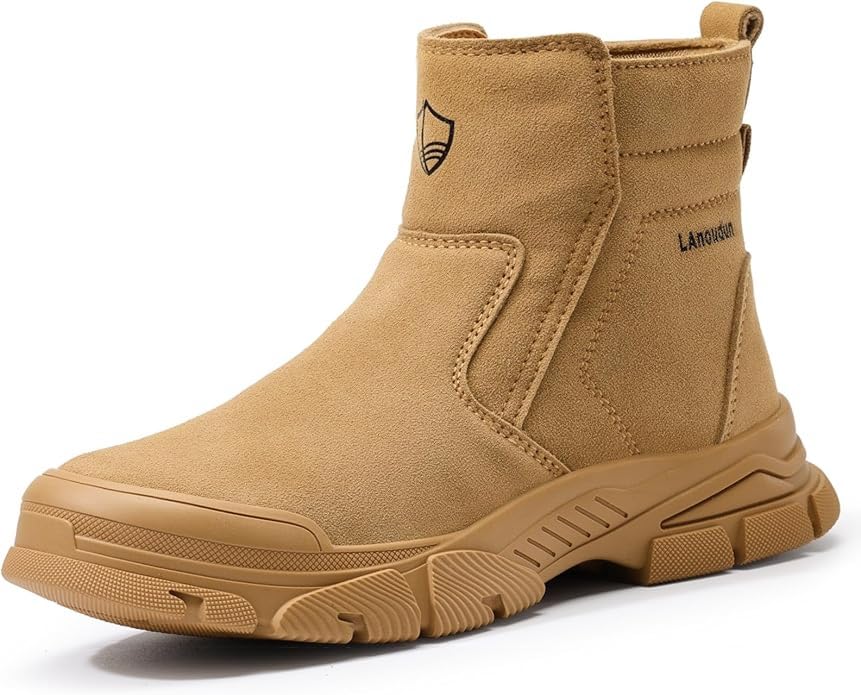
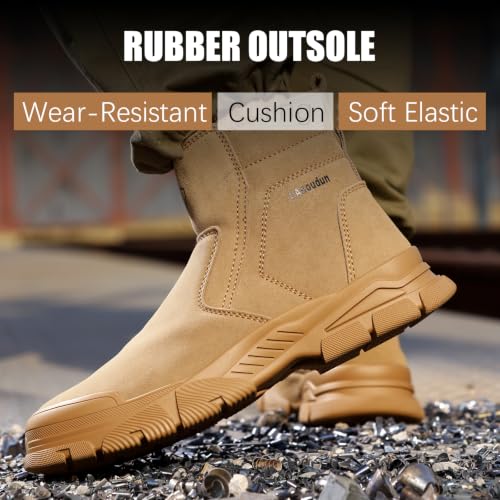
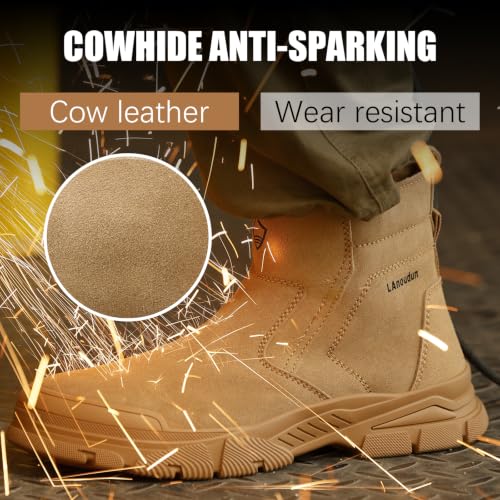
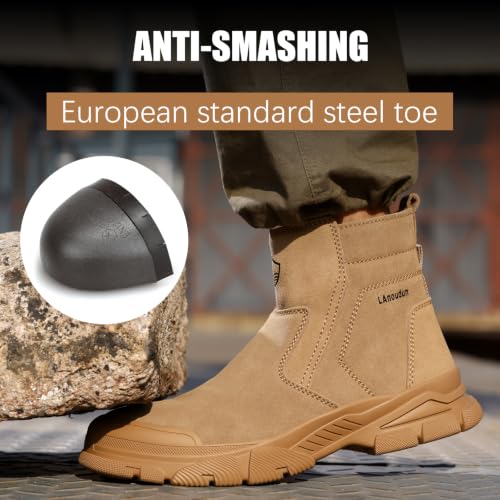
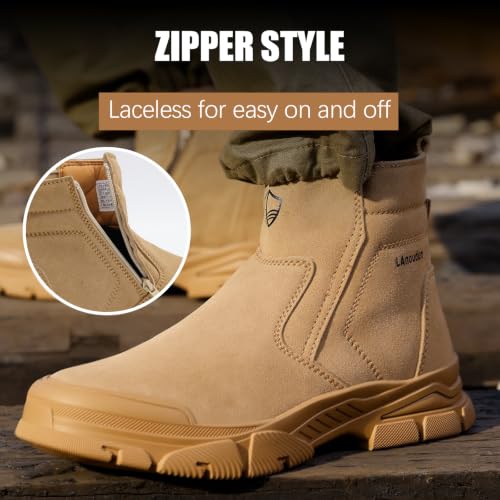
GLANOUDUN Zipper Welding Work Boots
Strengths
- Functional side zipper for quick entry
- Kevlar puncture-resistant midsole
- Mid-top ankle support
Trade-offs
- Zipper may wear over very long term
- Heat resistance not class-leading
If you’re tired of tying laces in a hot, dirty shop, this GLANOUDUN model solves that with a functional side zipper that actually holds tension. The laceless zipper design is reinforced and works smoothly even after repeated use, according to owners. Combined with the mid-top height, it offers a balance of easy access and decent ankle support, something not all zipper boots manage well.
The steel toe meets ASTM standards, and the Kevlar midsole adds reliable underfoot protection. It’s essentially a more accessible version of the VULTREAK, though without the dial system or HRO certification. The heat-resistant sole is rated to standard industrial levels, so it’s fine for most welding, but not the top choice for extreme heat. For welders who value speed and convenience, this is a solid daily driver.
Product photos

How We Evaluated boots for welders
Rather than a hands-on lab test, my research for these recommendations involved a detailed comparison of published specifications and features from manufacturers. I weighed owner reviews from multiple sources – including Amazon, industry forums, and dedicated boot review sites – alongside assessments from respected experts in the workwear space. Ultimately, I ranked boots based on how well they met the specific demands of welding and related trades, drawing on my 15+ years of experience with power tools and workshop safety.
For welders, the most important factors are protection and durability. I heavily weighted ASTM safety ratings for toe impact and compression, as well as puncture resistance, because of the obvious hazards on a job site. Heat resistance was also critical; a boot that can’t withstand sparks and molten metal is simply not suitable. Beyond safety, all-day comfort is essential, given the long hours professionals spend on their feet.
Manufacturers’ specs reliably indicate levels of impact and compression protection, as well as the materials used in construction. However, I relied on owner feedback to gauge real-world durability, comfort over extended periods, and how well a boot holds up to the unique stresses of welding environments. Reputation also played a role – brands with a long history of producing quality protective work footwear for welders tend to be more consistent.
What To Look For In boots for welders
Finding the right pair of welding boots can be a real headache. There’s a lot more to it than simply needing something sturdy.
A quality welding boot prioritizes foot protection against impacts, compression, and punctures, while also resisting heat, chemicals, and electrical hazards. Look for ASTM certifications (like F2413-18 for safety toes and F3445-21 for slip resistance), durable materials like full-grain leather, and features tailored to the specific demands of welding work – like spark-resistant construction and heat-resistant soles.
Prioritize Safety Certifications
Don’t assume a boot looks safe – check for actual certifications. ASTM standards are your friend here. The F2413-18 standard for protective footwear is critical, indicating impact and compression resistance of the toe. Beyond that, look for EH (Electrical Hazard) ratings if you’re working around live electrical components. Puncture resistance, often verified by another ASTM rating, is also vital for job sites littered with nails and metal fragments. I often see guys overlook the slip-resistance rating (ASTM F3445-21), but a fall is a serious risk, especially when carrying equipment.
Understand Leather Grades & Construction
The quality of the leather and how the boot is put together significantly impacts its lifespan. Full-grain leather is the gold standard for durability and resistance to cracking, offering a far superior experience than bonded or corrected-grain leather. Goodyear welt construction, while more expensive, allows for resoling, extending the life of the boot considerably. Many boots offer side zippers for convenience, but be aware these can sometimes compromise overall durability if the zipper fails. If you’re considering a pair, take a look at the durable boots for welders we’ve reviewed.
Balance Protection with All-Day Comfort
Welding is physically demanding, so comfort is just as important as protection. Here’s how to think about it: * Insoles: A removable insole is a huge plus, allowing you to customize the support and cushioning. * Heat Resistance vs. Breathability: Heat-resistant materials can sometimes trap moisture. Look for boots with breathable linings or ventilation features. * Ankle Support & Fit: A well-fitting boot with adequate ankle support will reduce fatigue and prevent injuries. A poorly fitted boot will destroy your feet.
A good rule of thumb: don’t skimp on fit. Spend the time to get properly measured and try on boots with the socks you’ll be wearing on the job. A slightly snug fit is preferable to a loose one, as your feet will swell during a long workday.
Boots for Welders Compared
Here’s a comparison of key specifications for several boots designed for welding and related work.
| Product Title | Toe Type | Upper Material | Heat Resistance | Puncture Resistance | Closure Type |
|---|---|---|---|---|---|
| NORTIV 8 Zipper Steel Toe Boots | Steel Toe | Leather/Fabric | N/A | Puncture Resistant | Zipper/Lace |
| Thorogood 8″ Steel Toe Work Boots | Steel Toe | Full-Grain Leather | N/A | N/A | Lace |
| GLANOUDUN Steel Toe Welding Boots | Steel Toe | Suede Leather | 200°C | Kevlar Midsole | Lace |
| VULTREAK Composite Toe Welding Boots | Composite Toe | Cowhide Leather | N/A | N/A | Dial |
| SAFETOE Fire Resistant Welding Boots | Composite Toe | Nubuck Cow Leather | 300°C | Kevlar Midsole | Lace |
| GLANOUDUN Zipper Welding Work Boots | Steel Toe | Suede Leather | N/A | Kevlar Midsole | Zipper |
Frequently Asked Questions
What level of heat resistance should I expect in a welding boot?
A minimum of 200°C (392°F) is generally recommended, but 300°C (572°F) offers a greater margin of safety, especially for heavy industrial welding. Consider the specific hazards of your work environment when deciding.
Are composite toe boots a good alternative to steel toe for welding?
Yes, composite toe boots are a viable option. They offer comparable protection to steel, but are lighter and don’t trigger metal detectors, which can be important in some facilities.
What does EH-rated mean, and do I always need it?
EH-rated boots provide secondary underfoot protection against electrical shock, but they aren’t a substitute for safe work practices. You absolutely need EH-rated boots if your job involves working near live electrical circuits, or where there’s a risk of contact with energized parts.
How long should welding boots realistically last?
With proper care and maintenance, a high-quality pair of full-grain leather boots with Goodyear welt construction can last 3-5 years or even longer, as the sole can be replaced. Lower-quality boots may only last a year or two with heavy use. You can find more information about welding-specific protective boots on our site.
What’s the benefit of a Kevlar midsole?
A Kevlar midsole adds a layer of puncture resistance, protecting your feet from nails, screws, and other sharp objects on the job site. This is a crucial feature, given the potential for debris in welding environments, and adds to the overall safety of [specialized boots for welders].
The Bottom Line
Choosing welding boots always involves balancing how much you’re willing to spend against the level of protection and comfort you require. For most welders, I believe the Thorogood 8″ Steel Toe Work Boots strike the best overall balance. They offer a robust full-grain leather construction, a durable steel toe, and a reputation for holding up in tough conditions – all without breaking the bank.
If budget is your primary concern, the NORTIV 8 Zipper Steel Toe Boots are hard to beat. For those prioritizing versatility and a quicker on/off experience, the GLANOUDUN Zipper Welding Work Boots provide a convenient design without sacrificing essential safety features. And for professionals needing maximum heat resistance, the SAFETOE Fire Resistant Welding Boots offer a 300°C rating and composite toe protection. You can find more options in our guide to best men’s safety welding boots.
Ultimately, the specs and features matter, but don’t get lost in the details. The most expensive boot won’t help if it doesn’t fit properly or isn’t suited to your specific work environment. Prioritize a secure fit, appropriate safety ratings for your job, and durable materials – those are the fundamentals that will keep your feet safe and comfortable for years to come.
