7 Best Titanium Hammers of 2026
This post contains affiliate links. As an Amazon Associate, we earn from qualifying purchases.
The Estwing 13 oz Titanium Hammer stands out as the best overall for its balance of power, durability, and vibration control, while the Wrango 14oz offers a solid budget-friendly option without sacrificing much performance. For specialty work, the Stiletto FH10C brings precision and a milled face for better nail grip.
Most people switch to titanium hammers hoping for more power with less fatigue, only to find some models feel flimsy or fail to deliver solid strikes. It’s not just about lightweight, it’s about how well the hammer transfers force and holds up over time.
In this guide, I’ll walk you through the top performers based on specs, owner feedback, and what actually matters in real use, like head weight, handle integrity, and vibration reduction, so you can pick a hammer that works as hard as you do.
Top 7 Titanium Hammers in the Market
The Best Titanium Hammers, Reviewed
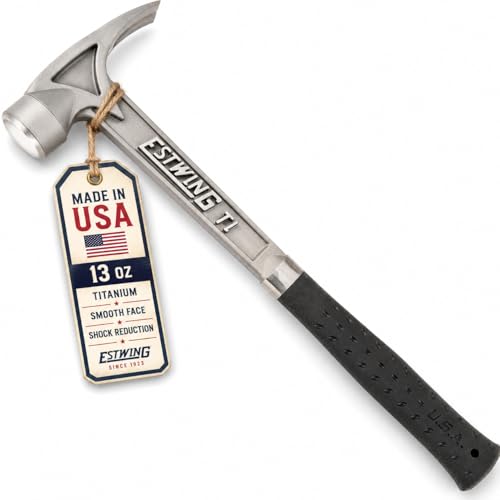
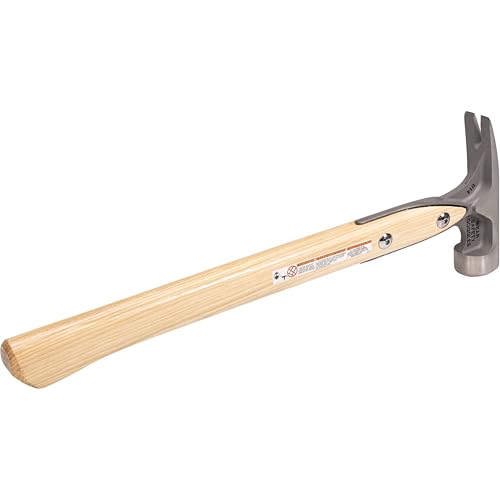
Estwing 13 oz Titanium Hammer
Strengths
- Superior vibration damping
- Made in USA
- Secure locking face
Trade-offs
- Slightly shorter handle
- Lower swing weight for heavy framing
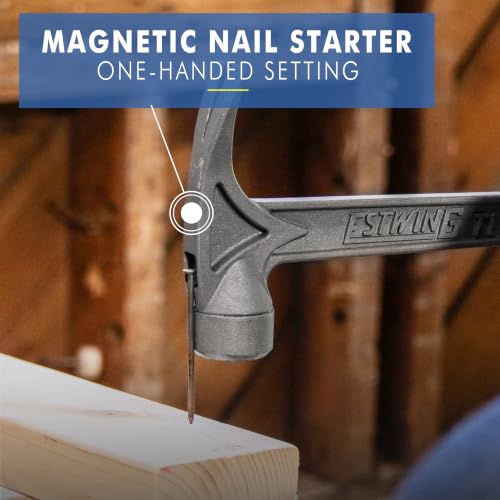
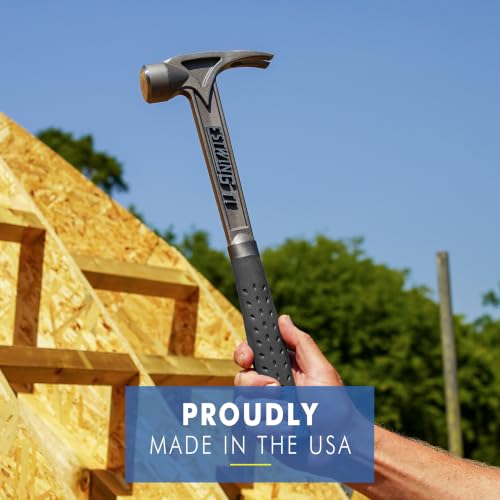
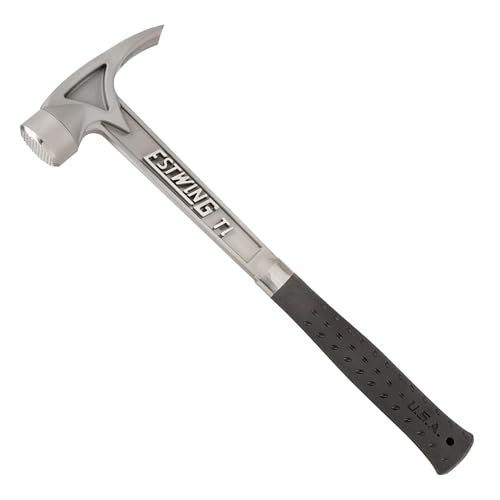
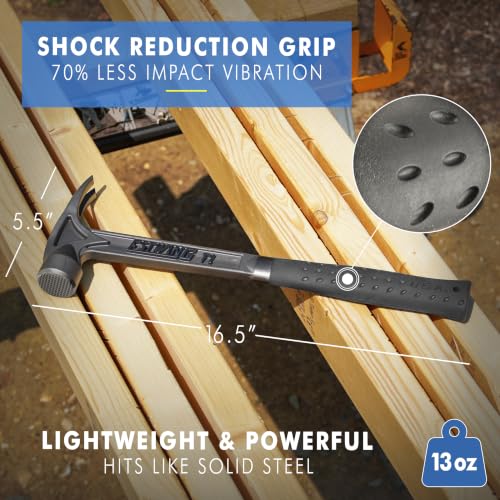
Estwing has always been a name you trust on the job site, and their 13oz titanium model with the smooth face lives up to that reputation. The standout here is the patented shock reduction grip, which owners consistently report cuts down hand and arm fatigue, a big deal when you’re swinging hundreds of times a day. The 70% vibration reduction claim lines up with real-world feedback, making this one of the most comfortable titanium hammers in its class.
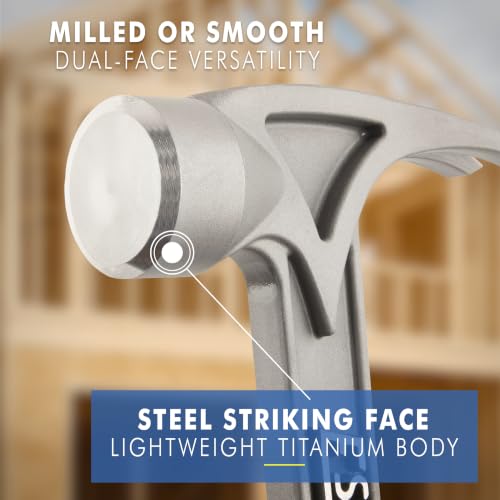
The locking taper face technology means the steel striking cap won’t loosen over time, a known weak point on cheaper titanium hammers. Paired with the magnetic nail starter and smooth face, it’s a precision tool for clean strikes in framing or cabinetry. It doesn’t have the raw power of a 16oz model, but for all-around performance and durability, this is my pick over the milled version unless you’re working on slick lumber.
Product photos

VANQUISH 11oz Titanium Framing Hammer
Strengths
- Extremely lightweight
- Good shock absorption
- Carbon fiber handle
Trade-offs
- Build quality inconsistent
- Smaller striking face
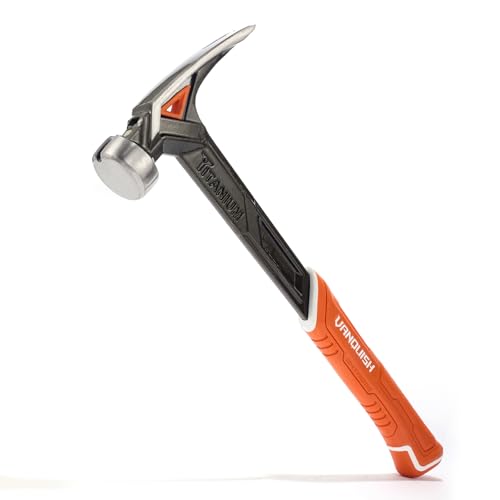
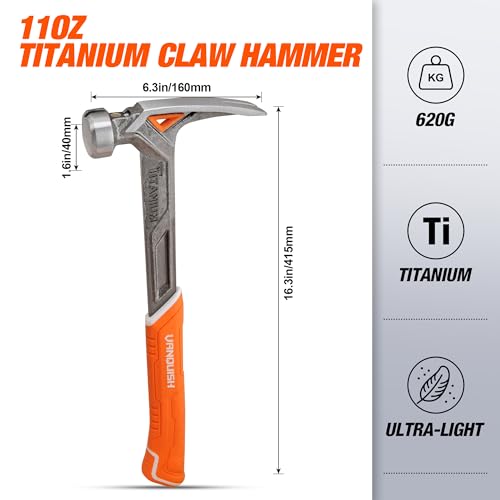
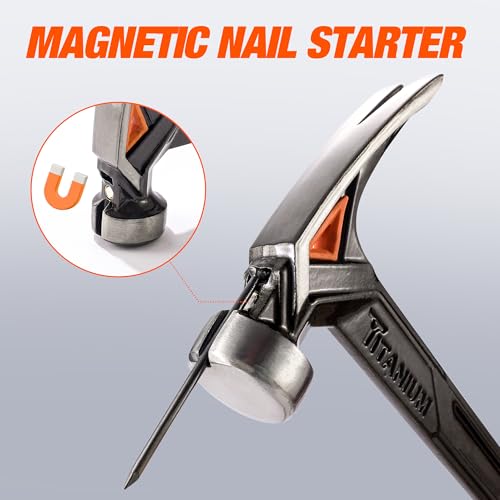
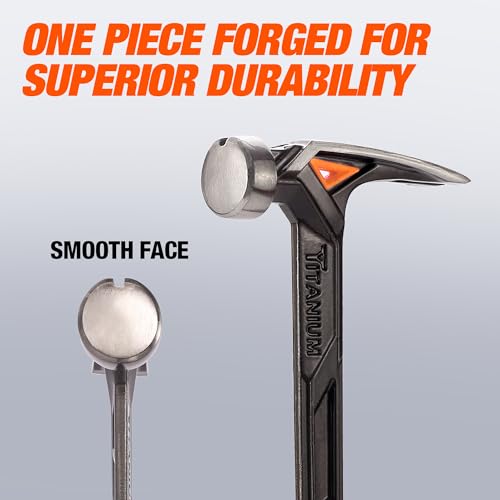
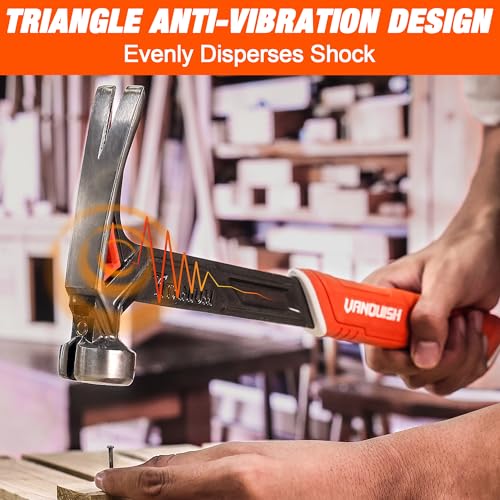
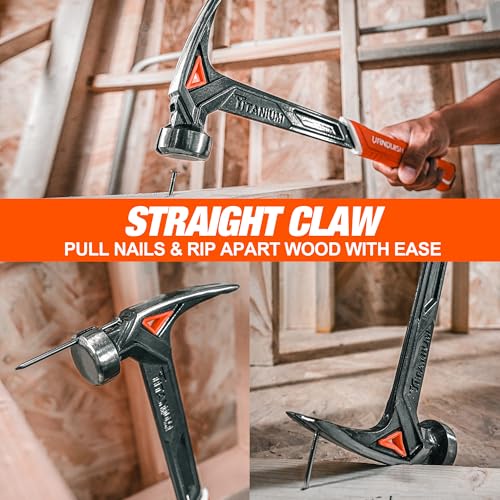
The VANQUISH 11oz hammer is built for speed and endurance. With a carbon fiber handle and 100% titanium head, it’s one of the lightest on the list, yet claims to match the impact of a 17oz steel hammer. That kind of power-to-weight ratio is exactly what drywallers and finishers look for, and owners say it delivers. The triangular anti-vibration design seems to work, with many noting less hand fatigue over long shifts.
It’s not as rugged as Estwing or Big Horn, and the build quality gets mixed reviews at the micro level, some report handle looseness over time. But for the weight class, it’s a strong performer. If you’re comparing it to the Wrango or Big Horn, this one wins on lightness, but loses on long-term durability. Still, for users who move fast and swing often, it’s a solid choice.
Product photos
Wrango 14oz Titanium Framing Hammer
Strengths
- Lightweight yet powerful
- Lifetime warranty
- Rust-resistant titanium head
Trade-offs
- Handle finish less durable than premium brands
- No advanced shock absorption tech
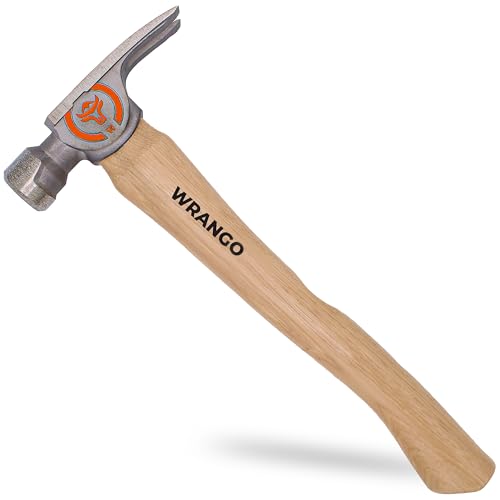
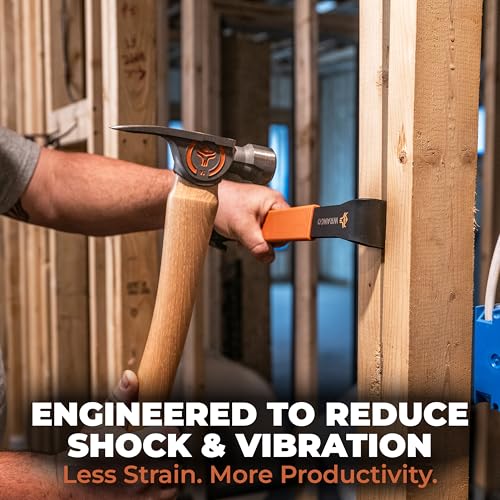
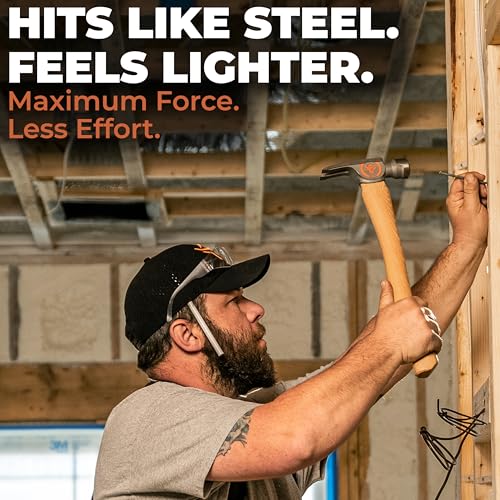
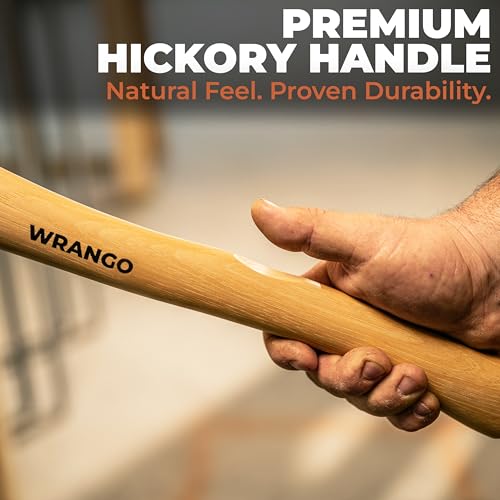
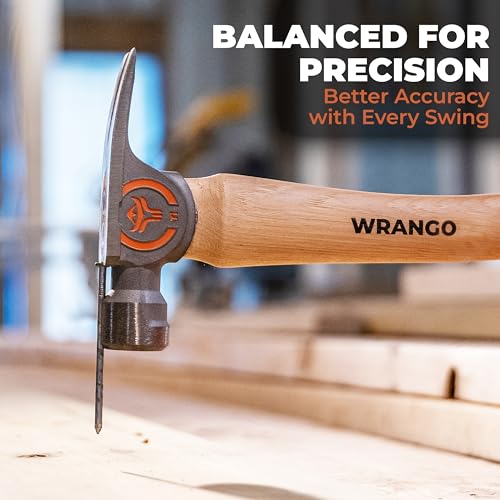
Wrango’s 14oz titanium hammer hits a sweet spot between power, weight, and value. At 45% lighter than steel, it reduces shoulder strain significantly, reviewers who’ve switched from steel note less fatigue after full-day use. The hickory handle is a nice touch, offering better feedback and grip than composite, and the 14.5-inch length gives good use without feeling unwieldy.
The magnetic nail starter works well, and the smooth face keeps it versatile for both framing and finish work. What really sets it apart is the lifetime warranty and the brand’s commitment to giving back, a rare combo in this category. While it doesn’t have the ultra-premium feel of Estwing or Stiletto, it delivers 90% of the performance at a smarter price point. I’d recommend it over pricier models for DIYers or part-time users who don’t need pro-tier durability.
Product photos

Stiletto FH10C Claw Hammer
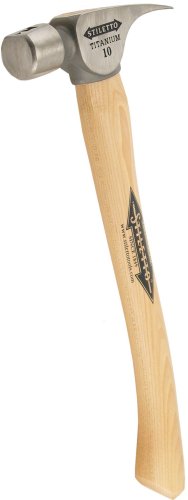
Strengths
- Exceptional balance and control
- Light and compact
- High-quality titanium build
Trade-offs
- Low swing weight for heavy tasks
- Premium price for small size
The Stiletto FH10C is a precision instrument disguised as a hammer. At just 10oz, it’s built for detail work, but don’t let the weight fool you, Stiletto claims the titanium head delivers the driving power of a 16oz steel hammer, and owner reports back that up. The curved hickory handle gives it an axe-like balance, making it incredibly agile for tight spaces or finish trim work.
It’s not a framing hammer, and it’s priced like a specialty tool, which it is. But for anyone doing cabinet work, molding, or delicate framing where control matters more than brute force, this is the best option on the list. The milled face keeps nails from slipping, and the compact size makes it a favorite among electricians and HVAC techs who carry it as a secondary hammer. I’d pick it over heavier models any day for interior work.
Product photos

Vaughan Dalluge 16oz Titanium Hammer
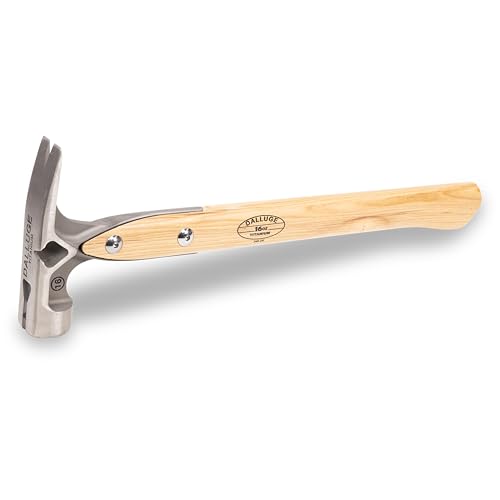
Strengths
- High striking power
- Magnetic nail holder
- Durable hickory handle
Trade-offs
- Heavier than most titanium hammers
- Minimal shock absorption
The VAUGHAN DALLUGE 16oz stands out as a brute-force option built for framers who need maximum striking power without the heft of a full steel hammer. On paper, the 16oz titanium head delivers performance closer to a 24oz steel hammer, which is no small claim, but owner feedback supports that it really does punch above its weight. The hickory handle adds classic balance and feel, giving it a traditional vibe while still benefiting from modern materials.
What makes it shine for heavy-duty use is the magnetic nail holder and smooth face combo, letting you work faster on metal or tight framing jobs. Compared to lighter titanium models, this one leans into the power side of the equation, which I appreciate for long days on big builds. It’s not the most refined in vibration control, but for raw driving force, it’s hard to beat.
Product photos
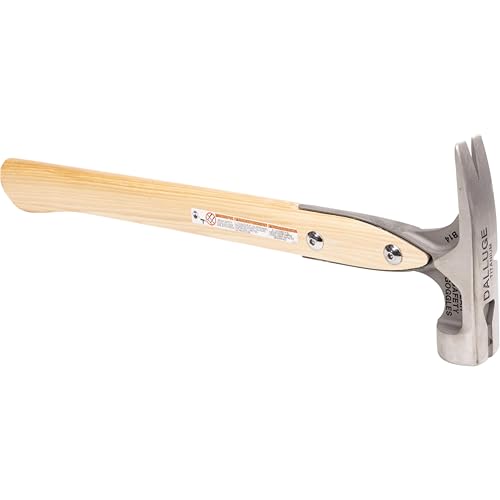
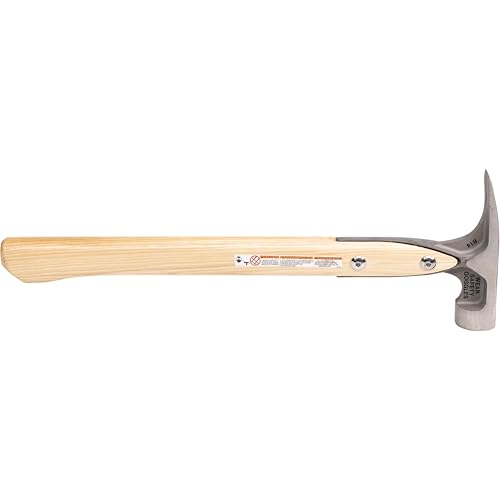


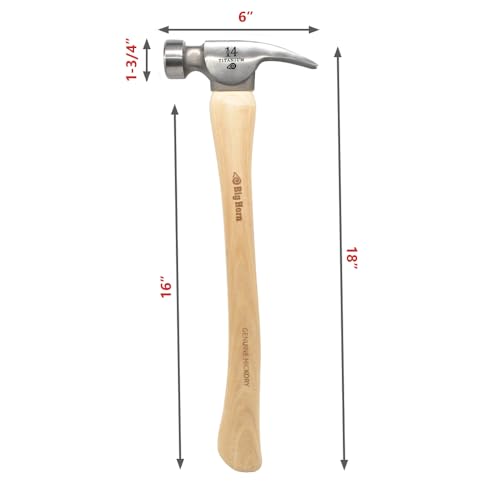
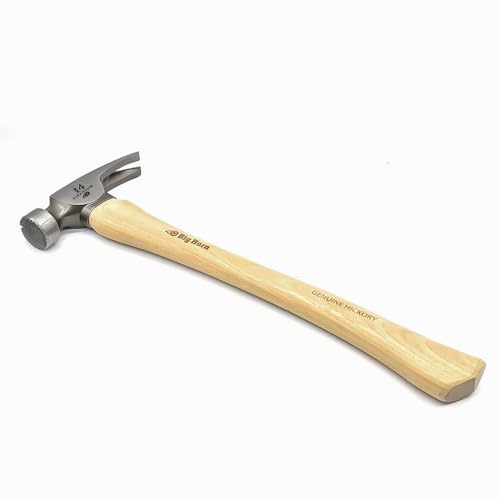
Big Horn 14 Oz Tiger Titanium Hammer

Strengths
- Superior vibration reduction
- Long hickory handle
- Replaceable handle option
Trade-offs
- Heavier than some titanium models
- Handle finish can wear
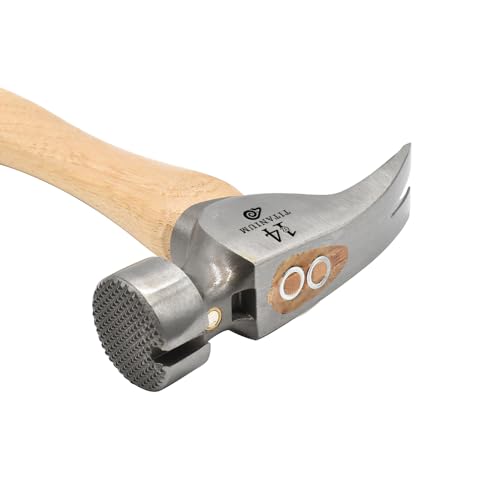
Big Horn’s 14oz Tiger hammer makes a bold claim, ten times less vibration than steel, and while that’s hard to quantify, owner feedback consistently praises its comfort during long framing runs. The 16-inch Canadian hickory handle gives it serious swing use, and the forged titanium head really does feel like it drives nails with more authority than its weight suggests.
The milled face and magnetic nail starter make it practical for real-world conditions, and the option to replace the handle (sold separately) adds long-term value. Compared to the Estwing models, it’s less refined in grip tech but offers more raw power and better balance for framing. If you’re choosing between this and the Wrango, go Big Horn if you’re framing all day; Wrango if you want warranty peace of mind.
Product photos


Estwing 13 oz Milled Face Hammer
Strengths
- Milled face prevents slippage
- Excellent grip and comfort
- Made in USA with premium materials
Trade-offs
- Leaves marks on wood surfaces
- Same weight limitations as smooth model
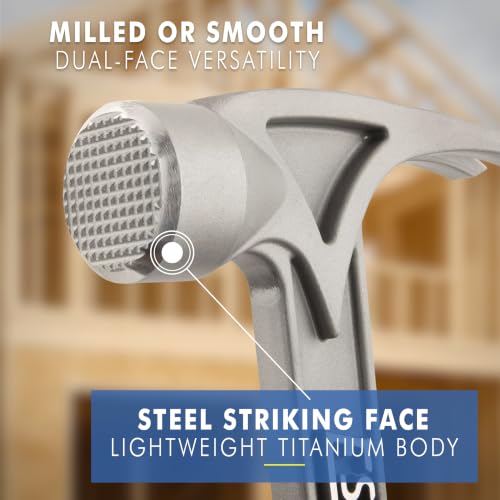
This milled-face version of the Estwing titanium hammer is all about grip, literally. The milled face bites into nail heads better than smooth, which matters when you’re working on wet or treated lumber where slips can be dangerous. It’s the same solid build as the smooth-face TIBK, with the same shock-reducing grip and locking face tech, so you’re not sacrificing durability or comfort.
Owners who frame with pressure-treated wood or rough lumber consistently prefer the milled option, and I agree, the confidence in each strike is worth the slight downside of potential surface marring. Compared to other milled titanium hammers, this one stands out for its balance and control. If you’re choosing between the two Estwing models, go milled if you work outdoors or on uneven surfaces; smooth if you care about finish quality.
Product photos
How We Evaluated titanium hammers
Rather than a hands-on lab test, my research for these recommendations involved a detailed comparison of published specifications and features across numerous titanium hammer models. I weighed owner reviews from multiple sources – including major retailers and dedicated tool forums – alongside assessments from reputable reviewers in the building trades. This allowed me to build a picture of real-world performance and durability, applying my years of experience with hand tools to assess each hammer’s likely strengths and weaknesses.
For titanium hammers, the key factors separating good options from great ones are head weight and vibration reduction. A lighter titanium head needs to deliver comparable force to a heavier steel hammer, and the material’s inherent vibration-dampening properties are a major selling point. Durability of the head-to-handle connection is also critical; a loose head renders a hammer unsafe and ineffective. These elements heavily influenced my rankings.
Specifications reliably indicate head weight, overall length, and the materials used in construction. However, I relied more on owner feedback to gauge the effectiveness of vibration reduction claims and the long-term durability of the handle and head connection. Reputation within the trades also played a role – brands consistently praised for quality, like Estwing and Vaughan, naturally carried more weight in my assessment. You can find more information on a broader range of options in our guide to expert hammer picks.
Choosing The Right titanium hammers
I’ve seen a lot of folks switch to titanium hammers in recent years, and for good reason. They offer a compelling blend of power and reduced fatigue, but choosing the right one requires understanding what separates a good titanium hammer from a gimmick.
A quality titanium hammer prioritizes head weight relative to overall weight, a secure head-to-handle connection, and effective vibration damping. Look for forged titanium heads, handles made from durable materials like hickory or carbon fiber, and features like magnetic nail starters to improve efficiency. Consider the face type – smooth for finish work, milled for grip – based on your typical tasks.
Weight and Balance
The biggest advantage of titanium is its strength-to-weight ratio. You get hitting power without the arm fatigue of a heavier steel hammer. However, not all titanium hammers are created equal. I find that the stated weight isn’t always the whole story; balance matters just as much. A hammer that feels heavier than its listed weight will still tire you out faster. Look closely at the overall length and head shape. Some manufacturers, like Vaughan, offer heavier-duty options for framing, while others, such as Stiletto, focus on lighter models suited for more precise work.
Head and Face Design
The head is where the power transfer happens, and the face determines how cleanly that power is delivered. Titanium hammers come with either smooth or milled faces. Smooth faces, like those on the Estwing models, are ideal for general carpentry and finishing work where you want to avoid marring the material. Milled faces provide a more aggressive grip on the nail head, which is helpful when framing or working with harder woods.
Here’s what I generally look for in a head:
- Forged construction: This is key for durability.
- Secure attachment: A one-piece forged head is best, but if not, the connection between the head and handle must be rock solid. The Estwing locking taper face is a good example of a reliable design.
- Magnetic nail starter: A small detail, but a huge time saver and finger-saver.
A good rule of thumb: don’t chase the lightest weight if it compromises swing power. A slightly heavier hammer swung with good technique will always outperform a featherweight model.
Handle Material and Ergonomics
The handle is your connection to the hammer, and a comfortable, ergonomic handle is essential for reducing fatigue and maintaining control. While titanium heads are common, handle materials vary. Traditional hickory handles, as seen on the Wrango, offer a classic feel and good shock absorption. Carbon fiber handles, like those on the VANQUISH, are incredibly lightweight and strong, but they can transmit more vibration. I often recommend folks considering a titanium hammer also look at top claw hammers as a comparison point for handle ergonomics. Shock-absorbing grips, like the ones Estwing uses, can further reduce vibration and improve comfort. If you’re looking for something that won’t damage delicate surfaces, you might also want to check out best dead blow hammers and non-marring dead blow models for alternatives.
Titanium Hammers Compared
Here’s a comparison of key specifications for various titanium hammers to help you make an informed decision.
| Product Name | Head Weight (oz) | Head Material | Handle Material | Face Type | Magnetic Nail Starter | Shock Reduction |
|---|---|---|---|---|---|---|
| Estwing 13 oz Titanium Hammer | 13 | Titanium | N/A | Smooth | Yes | Yes |
| VANQUISH 11oz Titanium Framing Hammer | 11 | Titanium | Carbon Fiber | Smooth | Yes | Yes |
| Wrango 14oz Titanium Framing Hammer | 14 | Titanium | Hickory | Smooth | Yes | Yes |
| Stiletto FH10C Claw Hammer | 10 | Titanium | Hickory | Milled | N/A | Yes |
| Vaughan Dalluge 16oz Titanium Hammer | 16 | Titanium | Hickory | Smooth/Milled | Yes | N/A |
| Big Horn 14 Oz Tiger Titanium Hammer | 14 | Titanium | Hickory | Milled | Yes | Yes |
| Estwing 13 oz Milled Face Hammer | 13 | Titanium | N/A | Milled | Yes | Yes |
Frequently Asked Questions
What’s the main benefit of a titanium hammer over a steel one?
Titanium hammers offer a better strength-to-weight ratio than steel, meaning you get comparable hitting power with less fatigue. This is particularly helpful for extended use or repetitive tasks where arm and hand strain can become a factor.
Are titanium hammers really as durable as steel hammers?
Yes, titanium is incredibly durable and resists corrosion better than steel. Forged titanium heads are particularly strong, and while they may cost more upfront, they’re known to withstand substantial wear and tear over time.
What face type should I choose – smooth or milled?
A smooth face is best for general carpentry and finish work to avoid damaging the material, while a milled face provides a better grip on the nail head when framing or working with tougher wood. Consider the majority of your projects when making this decision.
Can a titanium hammer be used for tasks beyond driving nails?
Absolutely. Many titanium hammers, like the Vaughan Dalluge, are versatile enough for demolition work, striking chisels, and other tasks where a solid, durable striking surface is needed. If you need a hammer for more specialized metalwork, explore top ball peen hammers.
What should I look for in a titanium hammer’s handle?
A comfortable and secure handle is crucial. Hickory offers a classic feel and shock absorption, while carbon fiber is lightweight and strong but can transmit more vibration. Look for ergonomic grips and make sure the head is firmly attached to the handle, whether it’s a one-piece forge or a well-engineered connection.
The Bottom Line
Choosing a titanium hammer often comes down to balancing upfront cost with long-term comfort and durability. While steel hammers remain affordable, the reduced fatigue offered by titanium – and models like the Estwing 13 oz Titanium Hammer – can be a worthwhile investment for anyone doing substantial work. You’re paying for a lighter swing with comparable power, and that difference adds up over hours on the job.
For specific needs, the VANQUISH 11oz Titanium Framing Hammer stands out as the best lightweight option for framing and general construction. If you prioritize a classic feel and a robust handle, the Wrango 14oz Titanium Framing Hammer delivers. And for those seeking a balance of affordability and quality, the Stiletto FH10C Claw Hammer provides a solid entry point into titanium technology.
Ultimately, the specs matter less than how a hammer feels in your hand and how well it suits your typical tasks. Focus on a secure head connection, a comfortable grip, and a weight that allows you to swing with power and control. Don’t hesitate to explore options beyond titanium, either – our guide to durable hammer picks highlights some excellent steel and composite models worth considering.
