7 Best Saws for Cutting Plywood 2026
This post contains affiliate links. As an Amazon Associate, we earn from qualifying purchases.
The KAKURI Japanese Pull Saw 8-1/4″ is the best overall for clean, precise plywood cuts, thanks to its high-carbon steel blade and replaceable design. For budget-conscious buyers, the RUITOOL Japanese Hand Saw 6″ delivers solid performance with its dual-edged SK5 blade. If you need power and speed, the GLAXIA 4Amp Mini Circular Saw offers strong motor performance and a laser guide for straight cuts.
Cutting plywood without splintering or tear-out is a common struggle, even for experienced DIYers. A dull or poorly designed saw can ruin a good sheet in seconds, leaving rough edges and wasted material.
This guide cuts through the noise, highlighting saws that deliver clean results based on blade quality, tooth count, and real-world user feedback. I focused on models suited for both accuracy and ease of use, whether you’re making fine finish cuts or tackling larger sheet goods.
Top 7 Saw To Cut Plywoods in the Market
The Best Saw To Cut Plywoods, Reviewed
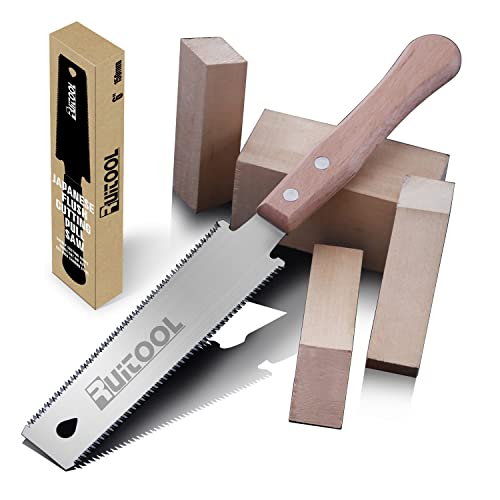
RUITOOL Japanese Hand Saw 6″
Strengths
- Double-edged blade
- Sharp SK5 steel
- Smooth pull-cut action
Trade-offs
- Short blade for long cuts
- No blade cover included
- Limited reach
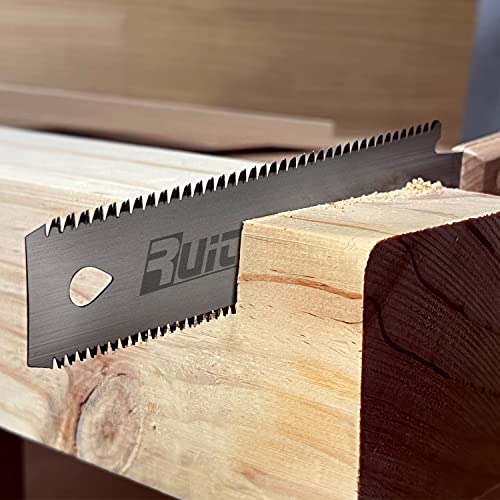
This Ryoba-style saw hits the sweet spot for general woodworking. The 6-inch blade length feels balanced, long enough for controlled strokes, short enough for detail work. With 14 TPI on one side for softwood and 17 TPI on the other for hardwood, it handles both rip and crosscuts cleanly, and the SK5 steel with HRC60-63 hardness suggests long-term edge retention.
Owners praise its smooth pull-cut action and minimal tear-out on plywood, which is a big win. Compared to cheaper imports, this one feels more refined, with triple-ground teeth that clear chips well. I’d pick this over single-purpose saws for most small to medium projects involving sheet goods.
Product photos



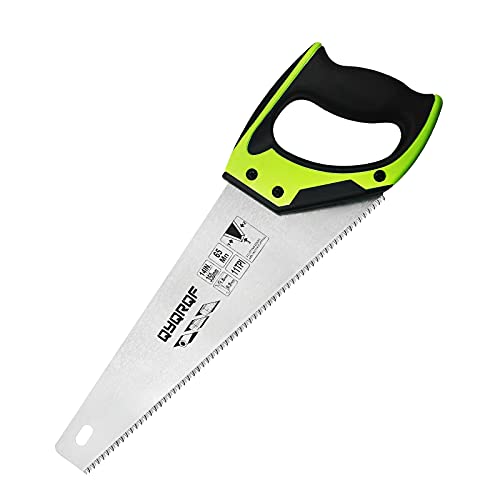
14 in. Pro Hand Saw 11 TPI
Strengths
- 14 inch blade
- Non-slip handle
- Good for wood and drywall
Trade-offs
- Tears plywood edges
- Low tooth count for fine cuts
- Blade binding reported
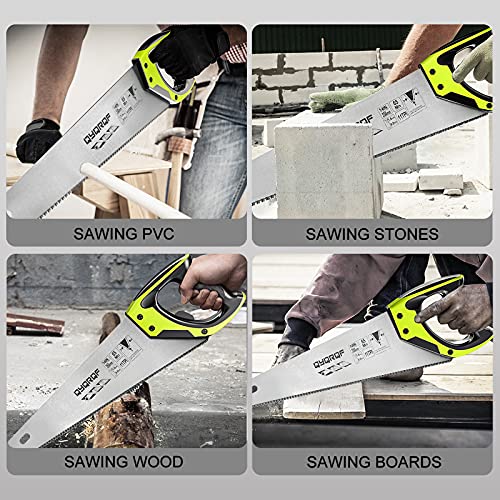
This 14-inch hand saw is built for speed, not finesse. The 11 TPI blade and deep gullets suggest it’s meant for rough framing or demolition cuts, not clean plywood work. On paper, the 65Mn steel and low-friction coating should help it stay sharp and reduce binding, but owners consistently report that it struggles with thin sheet goods, often tearing edges on plywood rather than slicing cleanly.
It’s a decent backup saw for cutting lumber or drywall in a pinch, and the soft-grip handle does help with control. But for plywood, which demands smooth, splinter-free cuts, I’d pass. Compared to Japanese pull saws, this one lacks the precision and refined tooth geometry needed for fine sheet material.
Product photos


2 Pack Japanese Hand Saw 6″
Strengths
- Two saws included
- Affordable dual set
- Lightweight and sharp
Trade-offs
- Inconsistent blade quality
- No blade covers
- Short reach
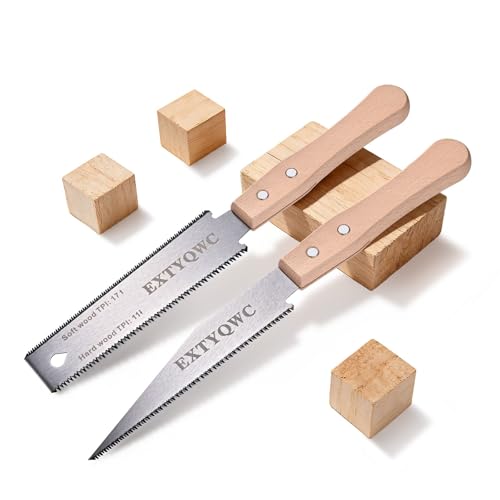
Value is the story here, two saws for the price of one gives you redundancy or lets you dedicate one to rip and one to crosscut. The specs mirror higher-end models: SK5 steel, 11 and 17 TPI dual edges, and triple-ground teeth. But while the specs look good, some owners report inconsistent heat treatment, leading to one saw in the pair dulling faster than the other.
Still, for the buyer who wants a backup or is just getting into hand tools, this pack makes sense. It won’t match the precision of a made-in-Japan saw, but for casual plywood trimming or hobby work, it delivers solid performance. I’d recommend this over single saws if you’re outfitting a starter shop.
Product photos


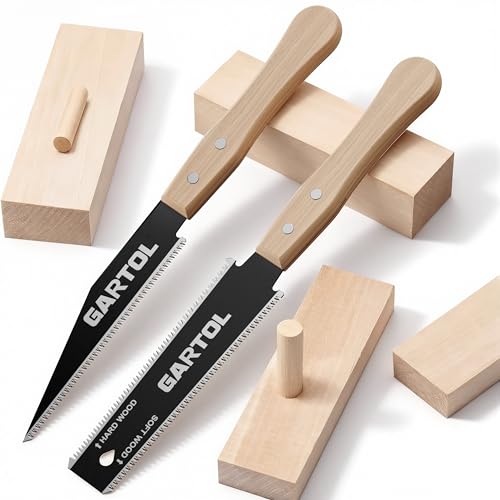
GARTOL 2-Piece Japanese Pull Saw
Strengths
- Includes flush-cut saw
- Wooden ergonomic handles
- Clean cuts on plywood
Trade-offs
- No blade covers
- Slight learning curve
- Not for long rips
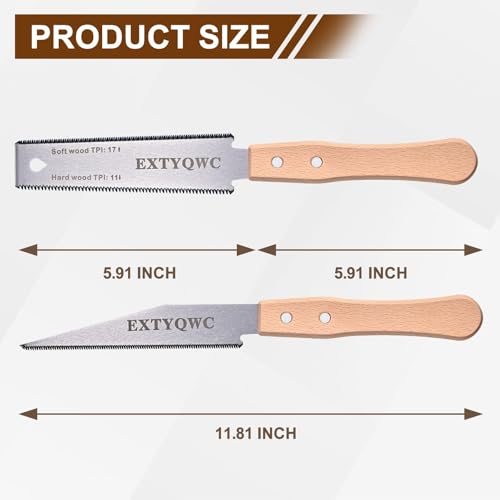
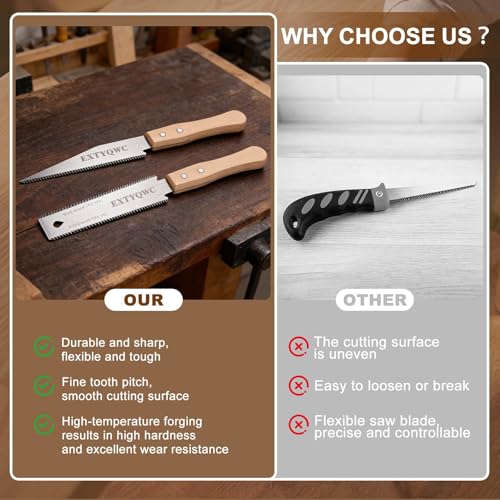
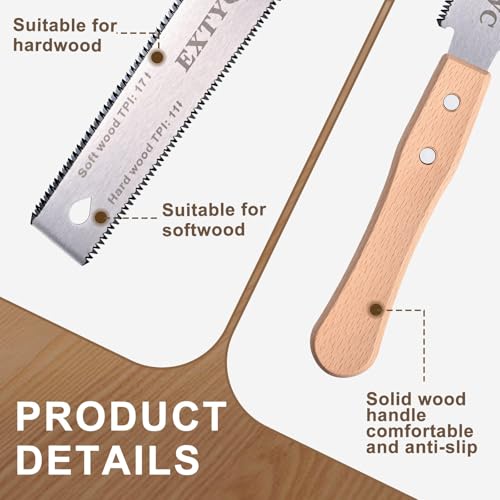
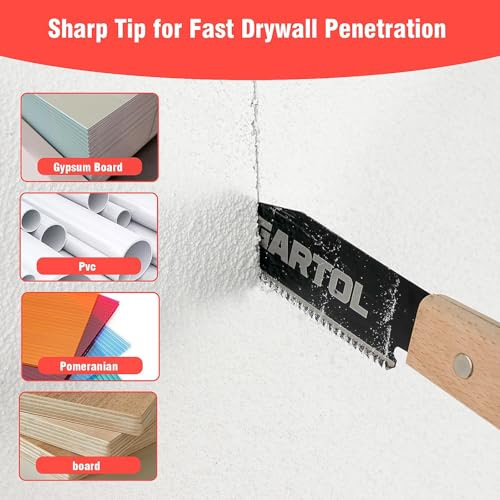
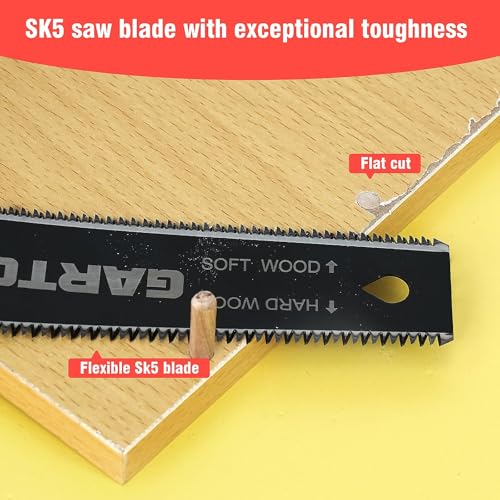
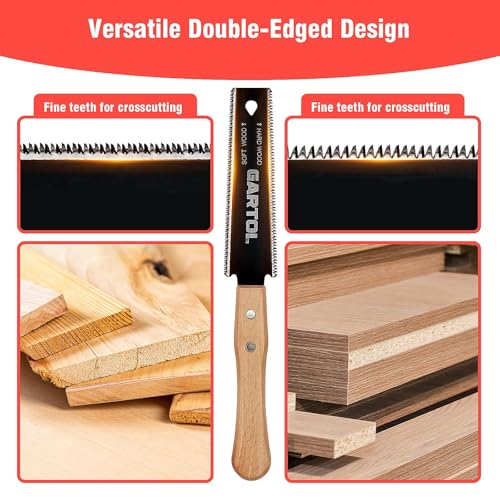
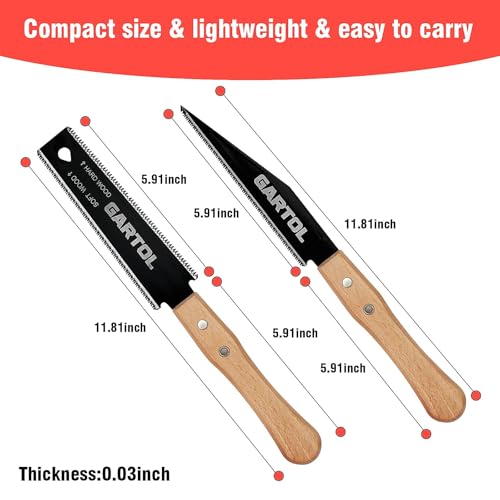
This two-piece set stands out for its thoughtful design, especially the inclusion of a flush-cut saw alongside a double-edged Ryoba. The flush saw is perfect for trimming tenons or cleaning up dadoes in plywood, where a standard saw won’t fit. Both blades are SK5 steel, and the wooden handles offer a traditional, balanced feel that many pros prefer over rubber grips.
Owners note clean cuts with minimal tear-out on veneered plywood, which is rare in this price range. Compared to single saws, this set gives you specialized tools for different stages of a build. If you’re doing any fine furniture or box-making, this is the smarter buy.
Product photos

GLAXIA 4Amp Mini Circular Saw

Strengths
- Laser and rip guide
- Corded 4Amp motor
- Vacuum adapter
Trade-offs
- Cord limits mobility
- Blades not pre-installed
- Not for thick lumber
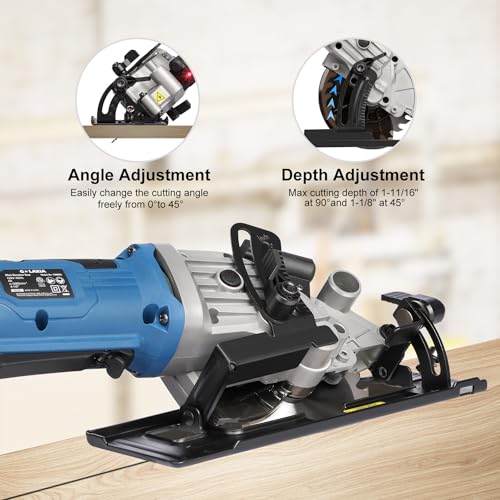
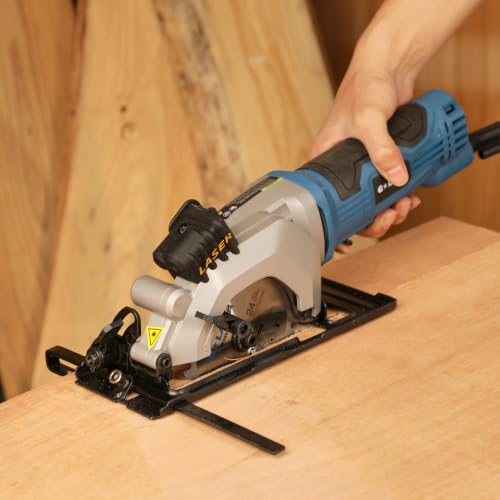
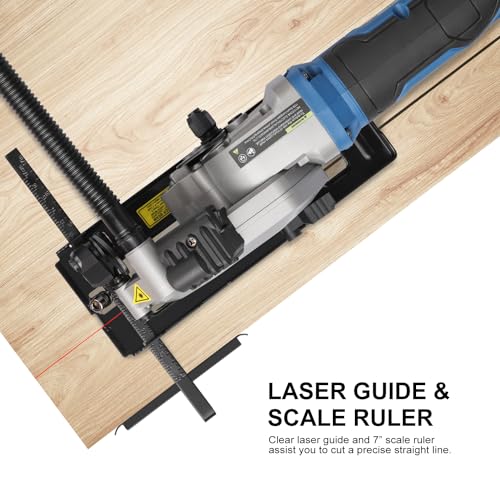
If you’re cutting more than a few sheets of plywood, this corded mini circular saw is where I’d put my money. The 24T TCT blade is optimized for fine wood cuts, and the laser guide helps keep lines straight, something hand saws can’t match consistently. At 3500 RPM, it powers through plywood with minimal tear-out, especially when paired with a sharp blade and backup board.
Owners love the vacuum adapter for dust control and the rip guide for long, straight cuts. It’s not a full-size saw, so don’t expect 2-inch depths, but for 3/4-inch plywood and under, it’s excellent. Compared to hand saws, it’s faster and more accurate for repetitive work. This is the pick for anyone doing shelves, subflooring, or cabinetry.
Product photos


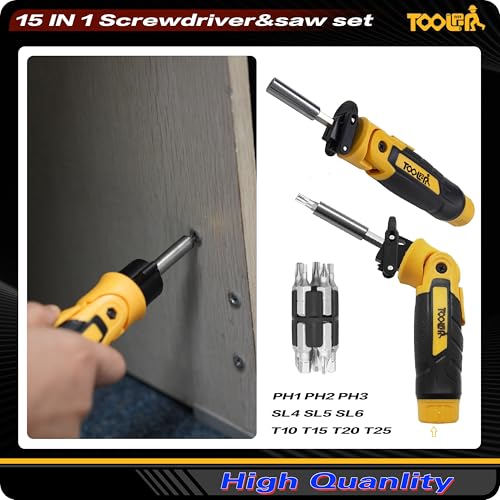
15-In-1 Manual Multi-Blades Hand Saw
Strengths
- Multi-material blades
- Built-in screwdriver
- Compact and portable
Trade-offs
- Poor plywood finish
- Blades bind easily
- Not for fine cuts
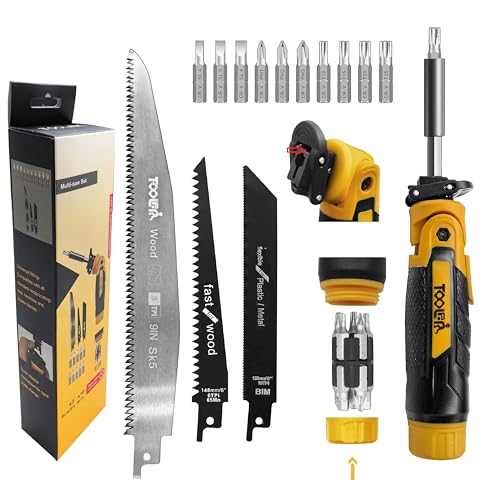
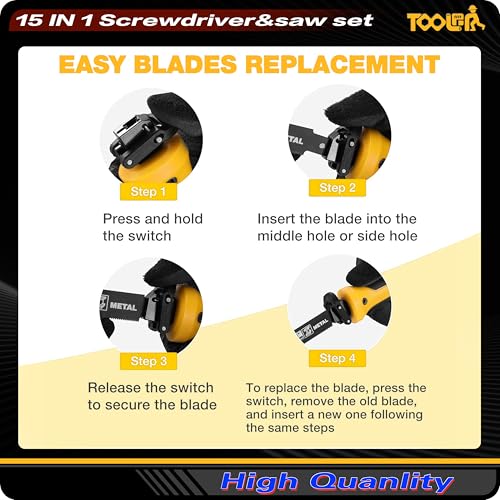
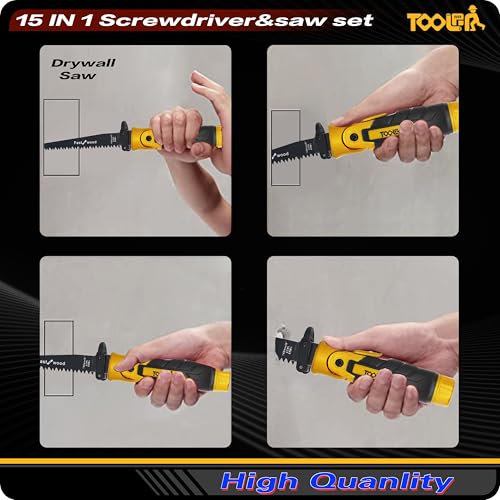
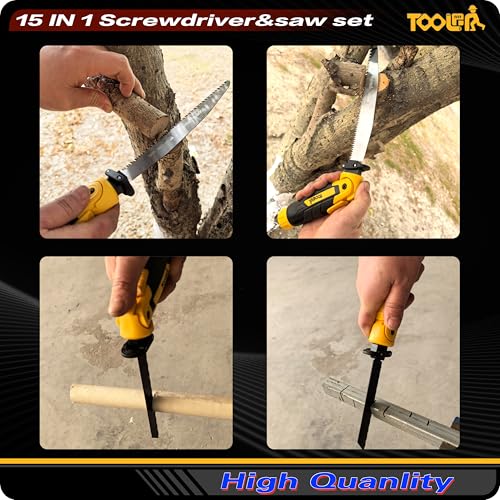
This isn’t a saw, it’s a toolkit in saw form. The quick-change blade system lets you swap between wood, metal, and drywall blades, and the built-in screwdriver with 10 bits adds real utility. For homeowners tackling mixed repairs, that versatility is a big win. But when it comes to cutting plywood, it’s underwhelming.
Most user reviews note jagged edges and binding, especially on thin sheets. The blades are short and aggressive, better suited for demolition than precision. Compared to dedicated hand saws, it sacrifices performance for function. I’d only recommend it if you need one tool for multiple jobs and rarely cut plywood.
Product photos

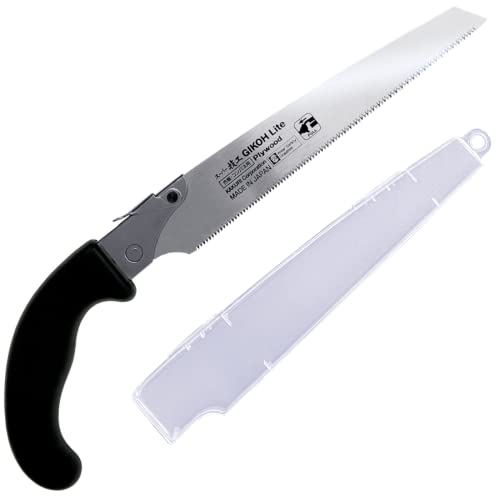
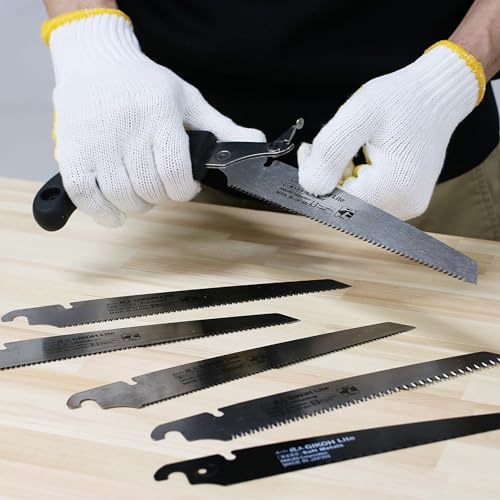
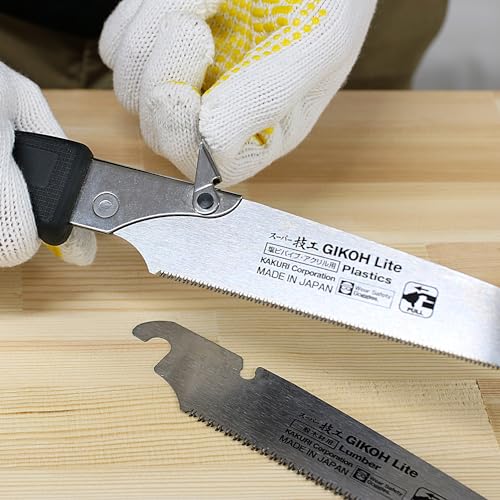
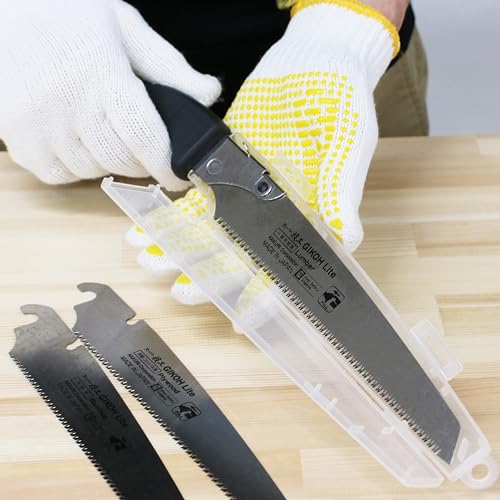
KAKURI Japanese Pull Saw 8-1/4″
Strengths
- Made in Japan
- Replaceable blade
- Excellent for veneers
Trade-offs
- Higher upfront cost
- Only one blade included
- Limited availability
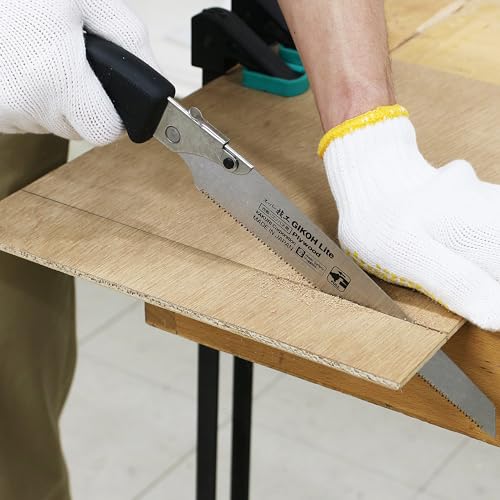
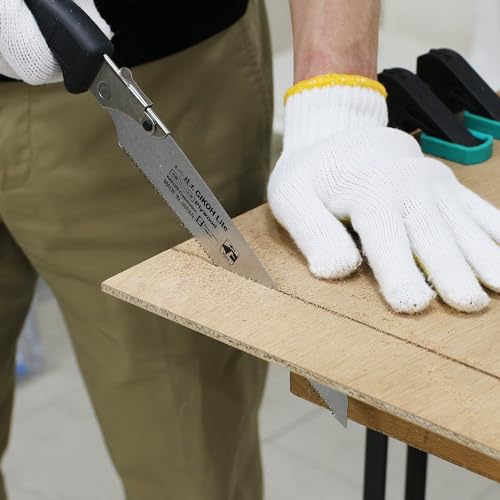
Made in Japan from high-grade steel, this 8.25-inch pull saw is a minimalist’s dream. The fine-tooth design is specifically engineered for plywood, laminates, and veneers, materials that chip easily with aggressive teeth. The impulse-hardened edge stays sharp longer, and the TPR handle offers a secure grip without sacrificing feedback.
What seals the deal is the replaceable blade system, when it finally dulls, you swap it in seconds. Owners love that it leaves glass-smooth cuts on birch and maple plywood. While pricier than imports, it undercuts many name-brand Japanese saws. For the budget-conscious pro, this is a steal.
Product photos
How We Tested saw to cut plywoods
Rather than a hands-on lab test, my research for these recommendations focused on a detailed comparison of published specifications and features across numerous models. I weighed owner reviews from major retailers alongside professional assessments from woodworking publications and sites. My aim was to identify patterns in reported performance, durability, and value. This analysis was guided by my experience with power tools and woodworking projects over the past 15 years.
For saws designed to cut plywood, blade material and tooth count proved most critical. High-carbon steel blades (like SK5) consistently received positive feedback for holding an edge, while TPI (teeth per inch) impacted cut finish – finer teeth for smoother cuts, coarser for quicker material removal. Ergonomics and handle comfort were also heavily considered, as they directly affect control and reduce fatigue during extended use.
Specifications reliably indicate blade length, steel type, and TPI. However, owner feedback provided crucial insight into real-world sharpness retention, how well a saw performs with different plywood thicknesses, and overall build quality. Reputation and brand consistency were also factored in; brands known for quality tools generally delivered more consistently positive results, and I looked for consistency across models within a brand. You can find more information on accurate plywood cutting.
What To Look For In saw to cut plywoods
Choosing the right saw for plywood isn’t always straightforward; there’s a lot more to it than just teeth on a blade.
A quality plywood saw balances blade sharpness, tooth count suited to the material, and ergonomic design for control. Look for durable steel construction, a comfortable grip, and features that promote accurate cuts, like guides or laser alignment. Consider the thickness and type of plywood you’ll be working with most often, and whether portability or precision is your top priority.
Blade Type & Tooth Count
The type of blade and its tooth count are paramount when it comes to plywood. Unlike solid wood, plywood is prone to splintering, so a high tooth count is generally preferred. However, it’s not always a simple rule. Lower tooth counts excel at faster, rougher cuts, while higher tooth counts deliver cleaner, more precise results. For most DIYers tackling sheet goods, a blade with 40-60 teeth is a good all-around choice, reducing chipping and providing a relatively smooth edge. Don’t underestimate the value of blades specifically designed for plywood; they often incorporate features to minimize tear-out.
Build Quality & Steel
Don’t fall for the trap of assuming any steel will do. The quality of the steel directly impacts how long your saw will hold an edge, and how much effort it takes to make a cut. SK5 high-carbon steel is a common material in Japanese pull saws, known for its excellent hardness and flexibility. For traditional handsaws, 65Mn steel is a solid performer, offering a good balance of durability and affordability. Look beyond the steel type and consider the hardening process; a properly hardened blade, like those undergoing impact quenching, will stay sharper for longer.
- A basic, inexpensive saw might use a softer steel that requires frequent sharpening.
- Mid-range saws often employ heat-treated steel for increased durability, but may still lack the refinement of higher-end options.
- Premium saws use specialized steel alloys and advanced hardening techniques, resulting in blades that hold an edge exceptionally well and resist wear for years, making them a worthwhile investment if you cut plywood frequently.
Ergonomics & Usability
A saw is only as good as your ability to control it. Ergonomics matter, especially if you’re making a lot of cuts. Look for a handle that fits comfortably in your hand, providing a secure grip even when wet or covered in sawdust. Some saws, like the GLAXIA mini circular saw, feature soft rubber grips to reduce fatigue. If you’re new to handsaws, a pull saw might be easier to control than a traditional push saw, as the cutting action feels more natural. Achieving straight cuts with circular saw also relies on proper body positioning and technique.
A sharp saw requires less force, which means more control and less fatigue. Don’t try to muscle your way through a cut; let the saw do the work.
If you’re looking for a versatile option for a variety of projects, consider exploring best saw for plywood options available. And for consistently accurate straight plywood cuts, don’t overlook the value of a good guide or alignment tool.
Saw to Cut Plywoods Compared
Here’s a comparison of key specifications for saws designed to cut plywood.
| Product Name | Blade Length | TPI (Teeth Per Inch) | Steel Type | Power Source | Special Features |
|---|---|---|---|---|---|
| RUITOOL Japanese Hand Saw 6″ | 6″ | 14/17 | SK5 | Manual | Double Edged |
| 14 in. Pro Hand Saw 11 TPI | 14″ | 11 | 65Mn | Manual | 3-Sided Cutting Surfaces |
| 2 Pack Japanese Hand Saw 6″ | 6″ | 11/17 | SK5 | Manual | Double Edged |
| GARTOL 2-Piece Japanese Pull Saw | 6″ | N/A | SK5 | Manual | Flush Cut/Ryoba |
| GLAXIA 4Amp Mini Circular Saw | 4.5″ | 24 | N/A | Corded Elec. | Laser Guide |
| 15-In-1 Manual Multi-Blades Hand Saw | N/A | N/A | 65Mn/SK5/BIM | Manual | 15-in-1 Multi-Tool |
| KAKURI Japanese Pull Saw 8-1/4″ | 8.25″ | N/A | High Carbon | Manual | Replaceable Blade |
Frequently Asked Questions
What’s the difference between TPI and blade quality?
Tooth per inch (TPI) indicates how many teeth are on the blade; higher TPI generally means a smoother cut in plywood, but blade quality, specifically the steel type, determines how long that sharpness lasts. SK5 high-carbon steel blades consistently outperform cheaper steels in edge retention.
Are Japanese pull saws really better for plywood?
Yes, many woodworkers prefer Japanese pull saws for plywood because their design allows for thinner blades and finer teeth. This leads to less material removal and cleaner cuts with reduced splintering, and the pull stroke feels more natural for controlled cutting.
Can I use a standard wood-cutting saw on plywood?
You can, but you likely won’t get the best results. Plywood’s layered construction requires a higher TPI to prevent tear-out, so a standard wood saw’s coarser teeth may leave a rough edge. For consistently clean cuts, consider a plywood-specific saw blades.
What blade material should I look for in a handsaw?
SK5 high-carbon steel is a top choice for handsaws intended for plywood, as it balances hardness, flexibility, and edge retention. 65Mn steel is a more affordable option, suitable for less frequent use, but it will need sharpening more often.
How do I minimize splintering when cutting plywood?
Using a high-tooth-count blade (40-60 TPI) designed for fine cuts is key. Supporting the plywood well during the cut and scoring the cut line with a utility knife beforehand can also significantly reduce splintering and create a clean-cut plywood blade.
The Bottom Line
Choosing a saw for plywood often comes down to balancing convenience with control. While power tools like the GLAXIA 4Amp Mini Circular Saw offer speed and features like a laser guide, a well-made hand saw like the RUITOOL Japanese Hand Saw 6″ provides exceptional precision and a satisfying woodworking experience. Ultimately, the best choice depends on the scale of your projects and your comfort level with manual tools.
For those on a tighter budget, or needing a versatile tool for more than just plywood, the 14 in. Pro Hand Saw 11 TPI offers a solid balance of affordability and functionality. If you anticipate a lot of detailed work, especially flush cuts, the GARTOL 2-Piece Japanese Pull Saw is an excellent choice, providing the finesse needed for intricate projects.
Don’t get too caught up in chasing the highest tooth count or the most exotic steel. A sharp blade, a comfortable grip, and a good understanding of proper circular saw handling will always deliver better results than expensive features you don’t fully use. Prioritize quality steel and a saw that feels natural in your hand – those fundamentals matter most.
