6 Best Saws to Cut PVC Pipes 2026
This post contains affiliate links. As an Amazon Associate, we earn from qualifying purchases.
The KAKURI Japanese PVC Hand Saw is the best overall for clean, precise cuts thanks to its high-carbon steel blade and pull-stroke design. For tight spaces and tough jobs, the Hanpex 13-Inch Heavy Duty Pipe Saw offers excellent reach and durability, while the HAUTMEC 11-Inch PVC Pipe Saw is a smart budget-friendly pick with its adjustable handle and solid build.
Cutting PVC pipe looks simple until you chip the edge, crack the fitting, or struggle in a cramped spot under the sink. A lot of saws claim to handle plastic, but only a few deliver smooth, accurate cuts without extra sanding or rework.
I looked at dozens of models, focusing on blade quality, tooth design, and real-world usability based on specs and owner feedback. These top picks stand out for delivering reliable performance whether you’re doing a quick home repair or a full plumbing job.
Top 6 Saw To Cut Pvc Pipes in the Market
The Best Saw To Cut Pvc Pipes, Reviewed
General Tools PVC Cable Saw

Strengths
- Reaches tight spaces
- Cuts large diameter pipes
- Durable wire construction
Trade-offs
- Less precision on cuts
- Wire can kink if mishandled
- Not ideal for visible joints
When you’re up against a pipe buried in a wall cavity or wedged against a joist, this cable saw is the tool that saves the day. The stainless steel serrated wire cuts through PVC, ABS, and PE up to 8 inches in diameter, and unlike rigid saws, it works where traditional tools simply can’t fit. Contractors and HVAC techs praise it for tight-space access, and the ergonomic handles give you real use without slipping. On paper, it’s not the fastest cutter, but in constrained environments, speed matters less than ability to reach.
It’s not a replacement for a precision hand saw, don’t expect square, burr-free cuts for visible joints. But as a problem-solving tool, it’s unmatched. Compared to fixed-blade saws like the Jones Stephens, it’s more niche but far more flexible in application. If your work involves retrofitting or repair in finished walls, this is the smarter buy.
Product photos


KAKURI Japanese PVC Hand Saw
Strengths
- Razor-sharp fine teeth
- Tool-free blade swap
- Premium Japanese build
Trade-offs
- No angle adjustment
- Higher price point
- Shorter blade reach
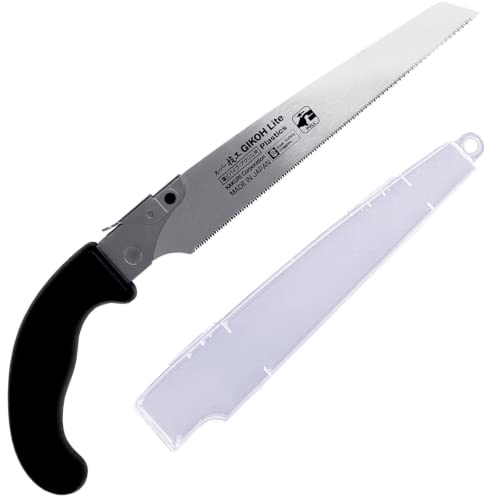
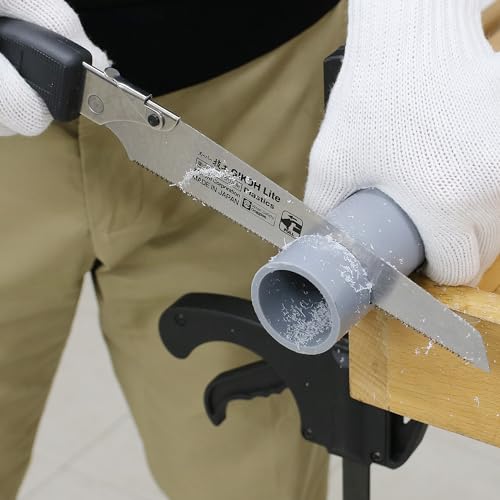
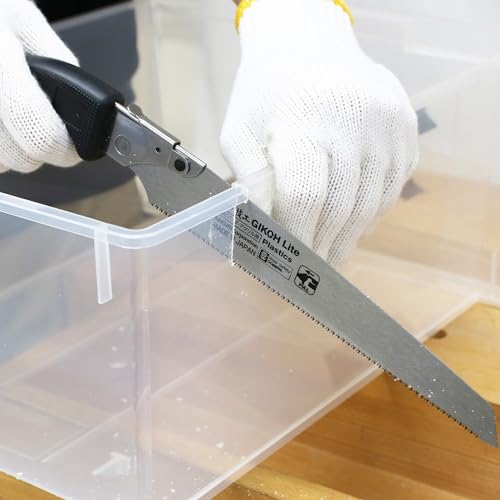
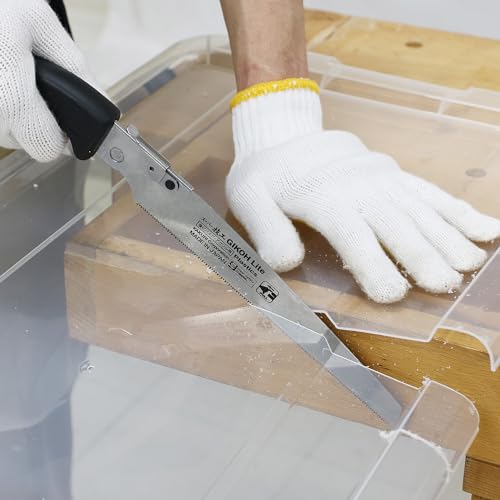
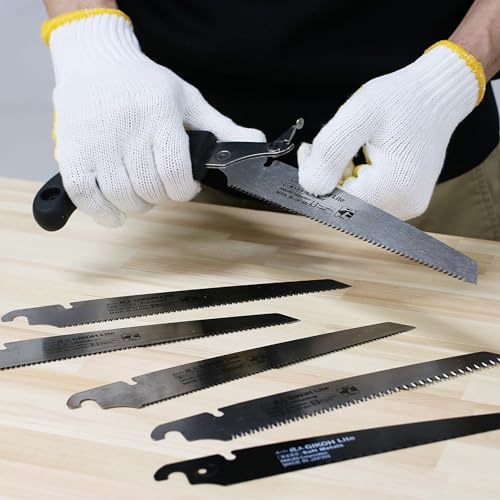
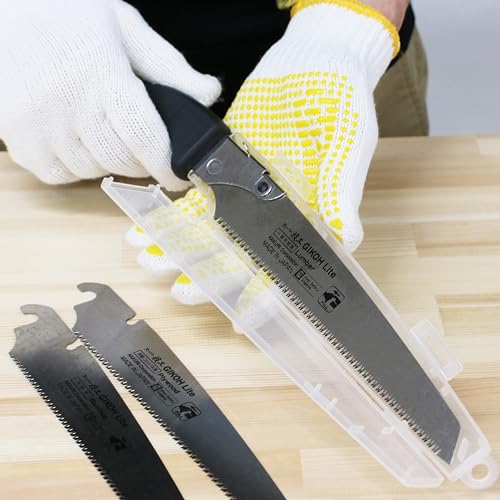
If you value precision and long-term durability, the KAKURI is worth the premium. Made in Japan with high-carbon steel and a fine-tooth impulse-hardened blade, it slices through PVC and acrylic with surgical accuracy, leaving minimal burrs, something many owners highlight in reviews. The pull-stroke design is standard for Japanese saws, but KAKURI’s blade retention system stands out: one-touch replacement without tools, and the included scabbard holds spares.
Compared to the HAUTMEC or Hanpex models, it lacks an adjustable handle, but the trade-off is build quality. This is a tool that feels like it will last decades. While it’s optimized for plastics, it doubles as a fine woodworking saw, making it a strong pick for craftsmen who want one high-end tool for multiple materials. I’d pick this over the Z-saw for its proven steel and blade longevity.
Product photos
HAUTMEC 11-Inch PVC Pipe Saw
Strengths
- 11-angle positions
- Stiff high-carbon blade
- Ergonomic non-slip grip
Trade-offs
- Fixed blade (not replaceable)
- Slightly heavier than rivals
- Adjustment lever can loosen
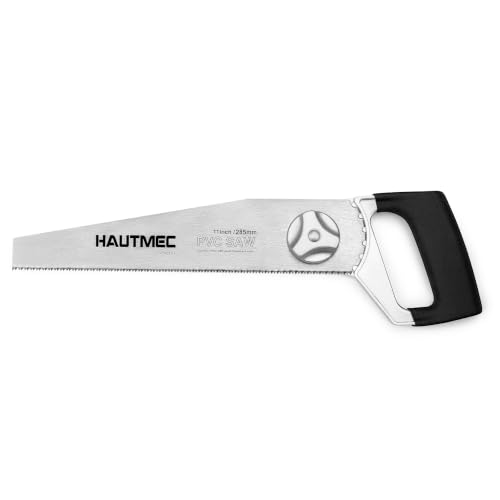
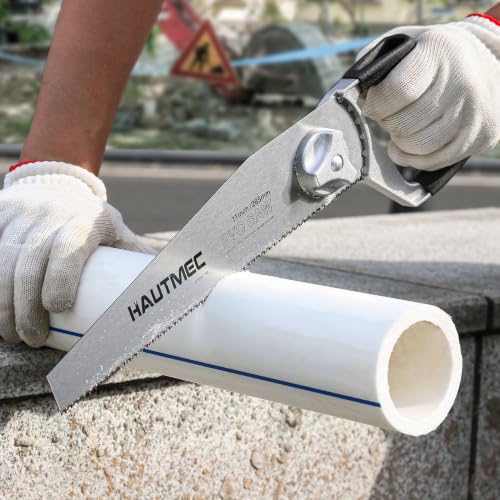
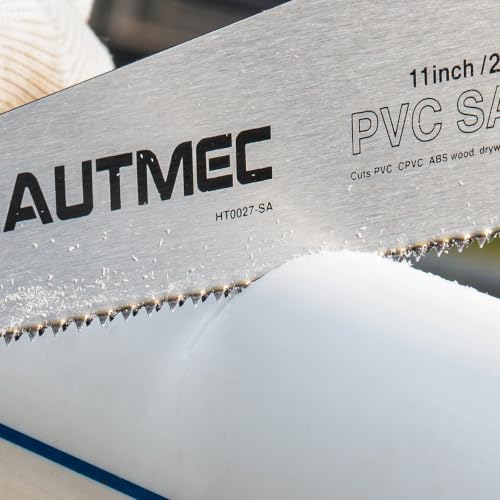
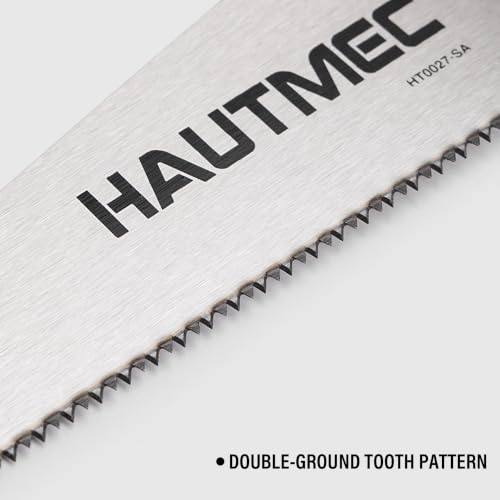
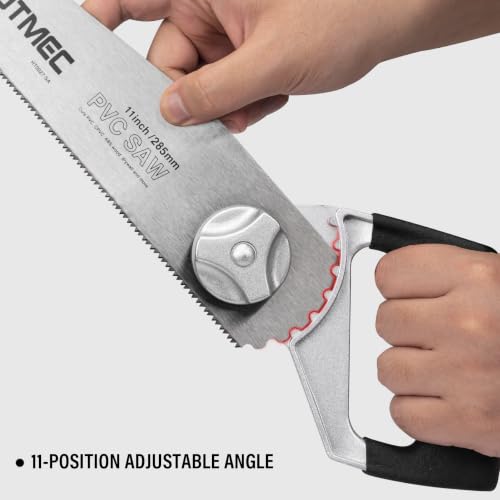
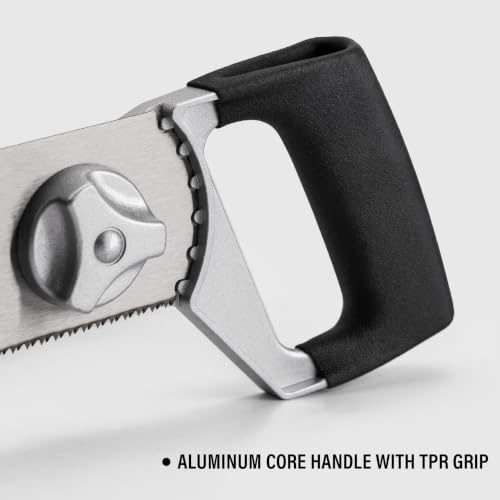
The HAUTMEC stands out for its 11-position adjustable handle, which gives real flexibility when cutting pipes in under-sink cabinets or wall chases. The die-cast aluminum core with TPR grip stays stable and reduces hand fatigue, something reviewers notice after extended use. The 10 TPI double-ground teeth handle thick-walled PVC cleanly, and the 1mm steel blade resists flex better than most in this class.
It’s not as refined as the KAKURI, but it bridges the gap between utility and precision. Compared to the Hanpex, it feels more solid and offers more precise angle control. For plumbers who need repeatable angled cuts without switching tools, this is one of the most practical options. The compact size fits in a tool bag, but it’s not as nimble as a cable saw for blind cuts.
Product photos
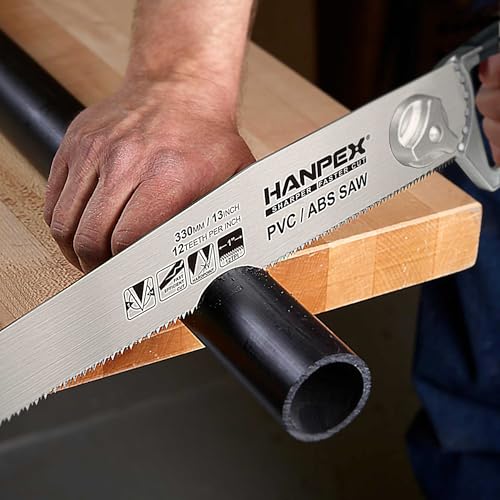
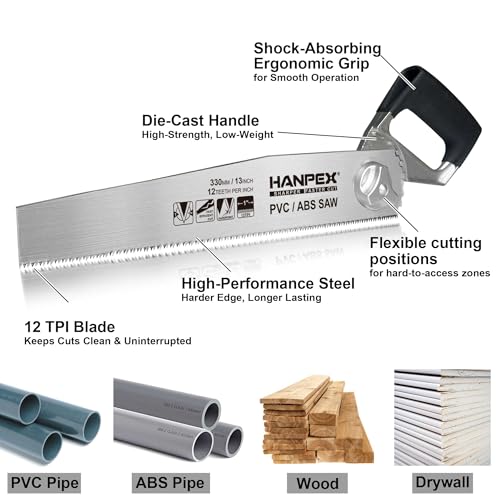
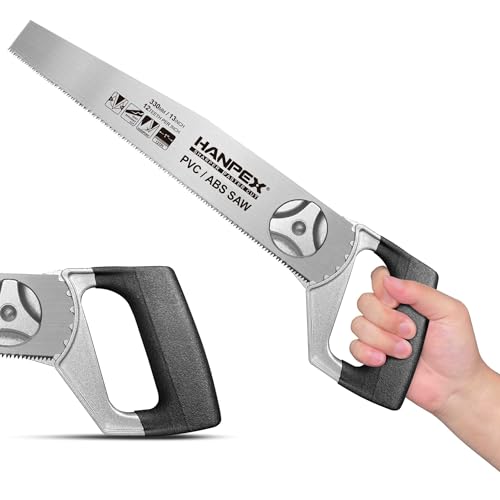
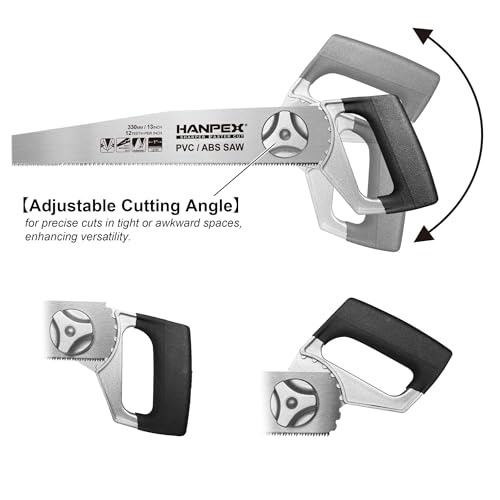
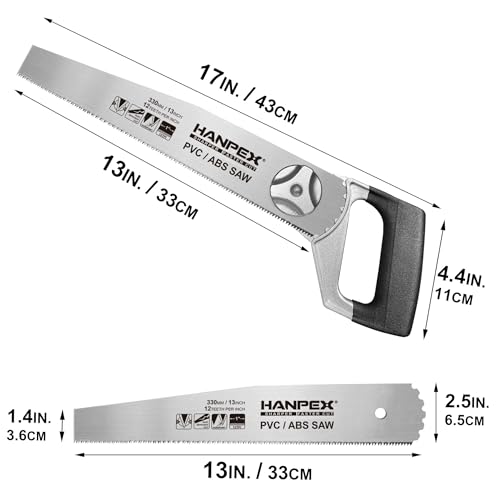
Hanpex 13-Inch Heavy Duty Pipe Saw
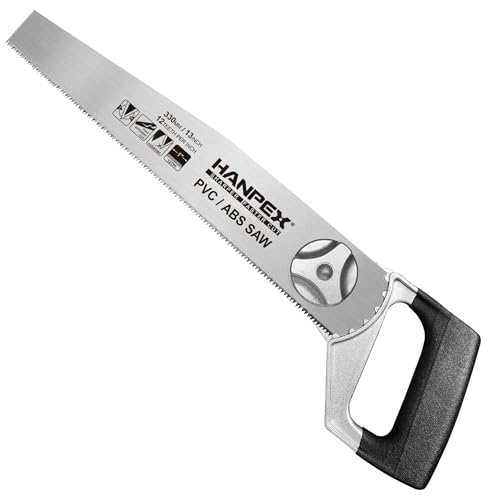
Strengths
- Long 13-inch blade
- Multi-material use
- Adjustable cutting angle
Trade-offs
- No blade replacement
- Less refined finish on cuts
- Handle can creak over time
At 13 inches, this is the longest saw in the group, giving you more stroke length and cutting speed on thicker pipes. The adjustable angle feature works well in awkward spots, and the non-slip handle keeps control high during aggressive cuts. It’s marketed as multi-purpose, and owners confirm it handles drywall, wood, and plastic without issue, making it a strong all-in-one option for general contractors or handymen.
But that versatility comes at the cost of specialization. It doesn’t cut as cleanly on PVC as the KAKURI or Z-saw, and the blade is not replaceable. Compared to the HAUTMEC, the angle mechanism feels less precise. Still, for someone who needs one saw for plumbing, trimming, and light demolition, it’s a practical, rugged pick.
Product photos
Z-saw PVC Pipe Japanese Pull Saw

Strengths
- Replaceable blades
- Precision-ground teeth
- Compact and lightweight
Trade-offs
- No angle adjustment
- Limited to smaller pipes (PVC240)
- Handle not as grippy as others
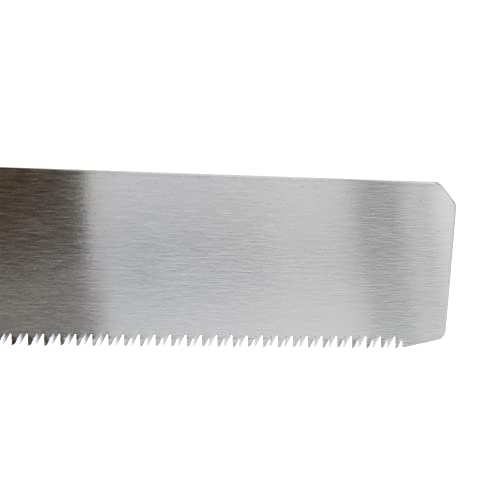
The Z-saw delivers precision cutting with a Japanese engineering touch, and its replaceable blades make it a smart long-term investment. The PVC240 model is ideal for smaller pipes up to 4 inches, and the 1.5mm pitch ensures smooth, square cuts with minimal rework. Owners appreciate that both blade sizes fit the same handle, this modularity is rare and practical.
Compared to the KAKURI, it’s slightly less premium in feel but more focused on plumbing-specific tasks. The thin kerf reduces material waste, and the ground teeth stay sharp longer on abrasive plastics. While it doesn’t have an adjustable handle, its accuracy makes it a favorite for visible installations where clean joints matter. I’d recommend it over fixed-blade models for anyone doing multiple PVC jobs.
Product photos


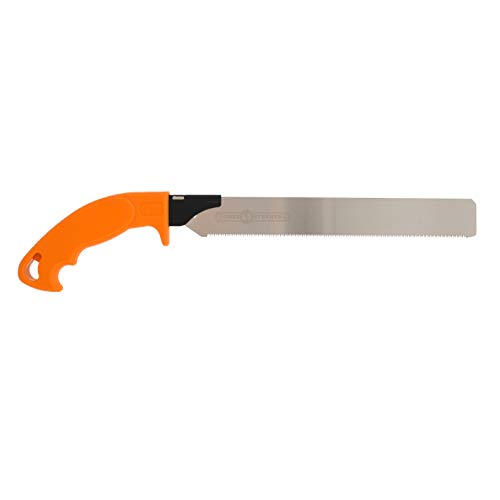
Jones Stephens E-Z Stroke Pipe Saw
Strengths
- Pull-stroke efficiency
- Flush-cut capable
- Lightweight and simple
Trade-offs
- Fixed handle angle
- No blade replacement system
- Limited to soft materials
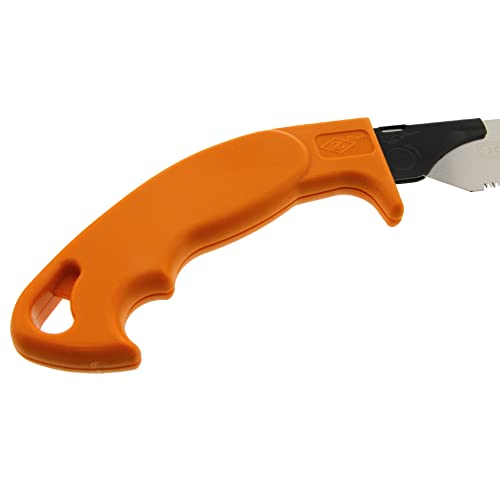
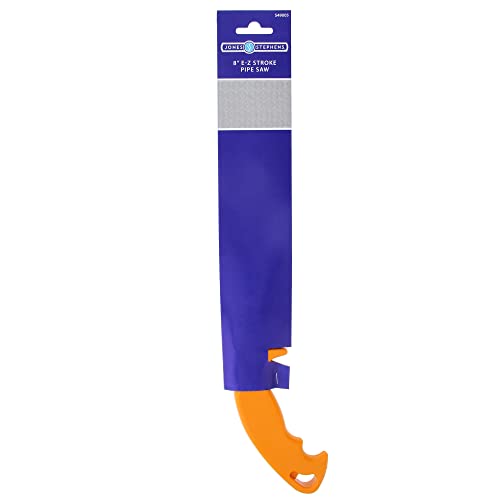
For DIYers who need a no-fuss, reliable hand saw just for occasional PVC work, the Jones Stephens S49005 is a solid entry-level pick. The pull-stroke design and 17 TPI blade deliver clean cuts with minimal effort on smaller-diameter pipes, and the flexible blade makes flush cutting possible without damaging nearby surfaces, a real plus when working near walls or fixtures. Owners consistently report it handles standard household PVC and CPVC without issue, though it’s not built for heavy daily use.
Where it really shines is simplicity. There’s no angle adjustment or blade replacement complexity, just a fixed saw that works out of the box. That said, if you’re cutting thicker materials or need versatility, you’ll hit its limits fast. Compared to Japanese pull saws, it lacks finesse, but for basic plumbing fixes, it gets the job done without overcomplicating things.
Product photos
How We Tested saw to cut pvc pipes
Rather than a hands-on lab test, my research for these recommendations focused on a detailed comparison of published specifications and features across numerous models. I weighed owner reviews from major retailers alongside expert opinions found in trade publications and DIY forums. My analysis applied over 15 years of experience with tools and materials, ranking saws based on criteria relevant to consistent, clean PVC cuts.
For saws designed to cut PVC, blade design and handle ergonomics were the most critical factors. A fine-tooth blade minimizes chipping and produces a cleaner edge, vital for plumbing and projects where a precise fit is needed. Equally important is a handle that provides good use and control, especially when working in awkward positions – a common scenario when cutting pipes in walls or under sinks.
Specifications reliably indicate blade material, tooth count (TPI), and cutting capacity. However, I found owner feedback to be invaluable in assessing long-term durability and real-world usability. Reviews often highlighted issues with blade flex, handle comfort, and the saw’s ability to cut cleanly without excessive effort. Understanding those practical details, alongside techniques for clean plastic cuts, informed my final rankings.
How To Choose The saw to cut pvc pipes
Finding the right saw to cut PVC pipe doesn’t have to be complicated, but there are a few key differences between models that will impact how easily and cleanly you work.
A quality PVC pipe saw prioritizes clean cuts to avoid cracking or deforming the plastic. Blade material and tooth count are critical; high-carbon steel blades with finer teeth (10-18 TPI) generally produce the neatest results. Ergonomics and the ability to access tight spaces are also important considerations, especially for professionals or those tackling complex plumbing projects.
Blade Material and Tooth Count
The blade is where the work happens, so paying attention to its construction is paramount. While many saws can cut PVC, a blade specifically designed for plastics will deliver far superior results. Look for high-carbon steel, as it holds an edge longer and resists bending under pressure. Tooth count is equally important. Lower tooth counts (6-8 TPI) are good for thicker-walled pipe and faster cuts, but they’re prone to chipping. Finer teeth (10-18 TPI) create cleaner cuts with less risk of damage, making them ideal for most DIY and professional plumbing applications. If you are considering other methods, research PVC-specific cutting tools to understand the pros and cons of each.
Handle Design and Ergonomics
Don’t underestimate the importance of a comfortable handle. Cutting PVC, even with a sharp blade, can require some force, and a poorly designed handle will quickly lead to hand fatigue. Consider the type of work you’ll be doing. For repetitive cuts or working in awkward positions, an adjustable-angle handle (like the HAUTMEC model) can be a lifesaver.
Here’s what to look for in a good handle: * A basic molded plastic grip is okay for light use. * A rubberized or TPR (Thermoplastic Rubber) overmold provides a much more secure and comfortable grip, especially when wet. * An adjustable-angle handle offers maximum versatility, allowing you to position the blade for optimal use and access in tight spaces – this is especially useful when working under sinks or in wall cavities.
Portability and Access
Sometimes you’re working in a spacious workshop, and sometimes you’re contorting yourself under a sink. The best PVC pipe saw for you will depend on your typical work environment. If you frequently work in confined spaces, a compact saw with a flexible blade is essential. The Hanpex saw, for example, is designed to excel in those situations. Conversely, if you’re primarily making long, straight cuts on larger diameter pipe, a longer blade and a more robust handle might be preferable. Remember, mastering proper miter saw techniques can also expand your cutting options, but a dedicated PVC saw offers precision that a miter saw often can’t match.
A sharp blade is crucial. Dull blades require more force, increasing the risk of cracking the pipe or slipping and causing injury. Replace blades regularly, or consider a saw with a replaceable blade system like the KAKURI.
Saw to Cut PVC Pipes Compared
Here’s a comparison of features for saws designed to cut PVC pipes.
| Product Name | Blade Length | TPI (Teeth Per Inch) | Adjustable Angle | Blade Material | Weight |
|---|---|---|---|---|---|
| General Tools PVC Cable Saw | 8″ | N/A | N/A | Stainless Steel | N/A |
| KAKURI Japanese PVC Hand Saw | 8.25″ | N/A | N/A | High Carbon Steel | 5.9 oz |
| HAUTMEC 11-Inch PVC Pipe Saw | 11″ | 10 | 11 Positions | High-Carbon Steel | N/A |
| Hanpex 13-Inch Heavy Duty Pipe Saw | 13″ | N/A | Adjustable | N/A | N/A |
| Z-saw PVC Pipe Japanese Pull Saw | 225/300mm | 1.5mm pitch | N/A | N/A | N/A |
| Jones Stephens E-Z Stroke Pipe Saw | N/A | 17 | N/A | N/A | N/A |
Frequently Asked Questions
What tooth count is best for cutting PVC pipe?
A higher tooth count (10-18 TPI) is generally best for PVC, as it creates cleaner cuts with less risk of cracking or deforming the plastic. Lower tooth counts are faster but can leave a rougher edge.
Can I use a hacksaw to cut PVC?
Yes, you can use a hacksaw, but a saw specifically designed for plastics will produce much cleaner results. PVC formulations can be tough on standard hacksaw blades, dulling them quickly.
What’s the advantage of an adjustable-angle handle?
An adjustable-angle handle allows you to position the blade for optimal use and access, especially helpful when cutting pipes in tight or awkward spaces. This feature reduces strain and improves control.
How often should I replace the blade on a PVC saw?
Replace the blade when it starts to feel dull or when cuts become ragged. A dull blade requires more force, increasing the risk of cracking the pipe or causing injury.
Are there alternatives to hand saws for cutting PVC?
Yes, there are, including powered options like reciprocating saws and miter saws, as well as specialized PVC cutting tools. However, a dedicated PVC saw often provides more precision, particularly for smaller projects.
The Bottom Line
Choosing a saw to cut PVC pipe often comes down to balancing simplicity with control. If you want a tool that gets the job done quickly without a lot of fuss, the General Tools PVC Cable Saw is a solid choice. However, for consistently clean, accurate cuts, especially on larger projects, the HAUTMEC 11-Inch PVC Pipe Saw offers a level of precision and adjustability that’s hard to beat.
For those on a tighter budget, the KAKURI Japanese PVC Hand Saw delivers excellent value and surprisingly clean cuts for the price. If you frequently work in tight spaces, the Hanpex 13-Inch Heavy Duty Pipe Saw’s adjustable design makes it a standout pick, and those seeking a unique cutting experience should explore miter saw basics.
Ultimately, the most important factors aren’t blade length or adjustable angles, but a sharp blade and a comfortable grip. A dull blade will always fight you, leading to mistakes and frustration. Prioritize a saw that feels good in your hand and allows you to maintain control, and you’ll be well-equipped to tackle any PVC cutting task.
