8 Best Router Sleds of 2026
This post contains affiliate links. As an Amazon Associate, we earn from qualifying purchases.
The Woodhaven 3000 Planing Sled stands out as the best overall router sled for serious woodworkers, combining rugged aluminum construction with proven accuracy. For those on a tighter budget, the 48 Inch HDPE Router Sled offers a functional entry point, while the Upgrade 58 Inch Router Sled delivers the most versatility with its extended height capacity and solid dust management.
Most router sleds promise precision, but too many fall short when you’re flattening a warped slab or trimming a large glue-up. Flex in the rails, flimsy height adjustments, or poor router fit can turn a simple job into a frustrating mess.
As someone who’s spent years testing tools in real-world conditions, I know that specs only tell half the story. This guide cuts through the noise by combining published data with verified owner feedback to spotlight the sleds that actually perform. We focused on rigidity, adjustability, compatibility, and long-term value, because your time and material are too valuable to waste on gear that can’t deliver.
Top 8 Router Sleds in the Market
The Best Router Sleds, Reviewed
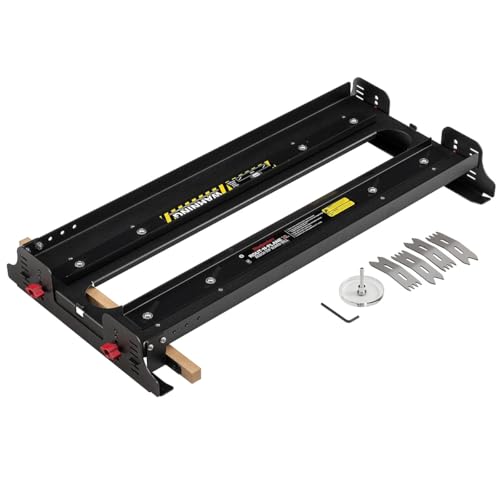
Woodpeckers Rout-N-Plane Board Mill XL
Strengths
- Fits any router
- Precision build
- Lifetime guarantee
Trade-offs
- 24-inch width limit
- Higher cost
- No dust collection
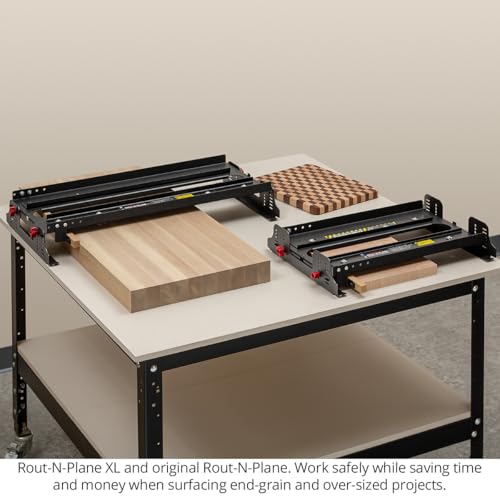
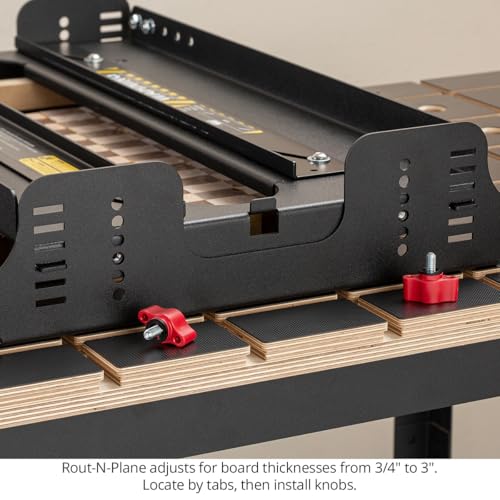
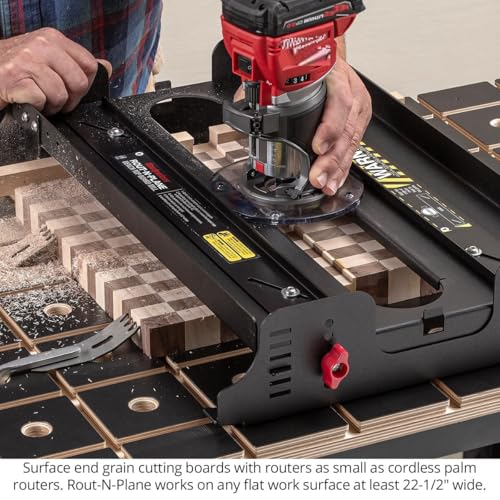
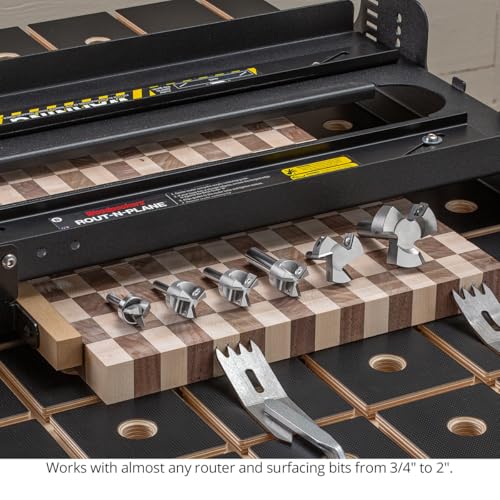
If I had to pick one sled for most home shops, it’d be this. The Woodpeckers Rout-N-Plane XL isn’t the biggest, but it’s the most thoughtfully engineered. At 24 inches wide, it handles cutting boards, glue-ups, and small slabs with ease, and the adjustable design works with any router, from tiny trimmers to full-size 3HP models. Owners love how repeatable the cuts are, thanks to precise height settings and minimal play in the carriage.
Made in Ohio with a lifetime guarantee, the build quality is top-tier. It’s also benchtop-friendly, so you don’t need a massive workspace. The only limitation? It’s not for slabs wider than 24 inches. But for flattening end-grain boards, where precision and safety matter, this is the gold standard.
Product photos

Woodhaven 3000 Planing Sled

Strengths
- Rigid rail system
- NoDrill router plate
- Optimized for planing bit
Trade-offs
- Cross members not included
- No built-in dust brush
- Assembly required
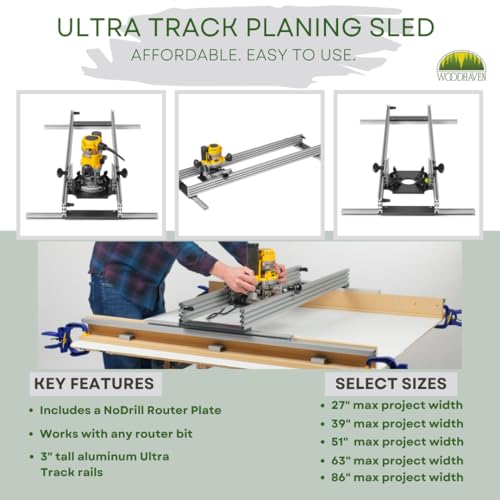
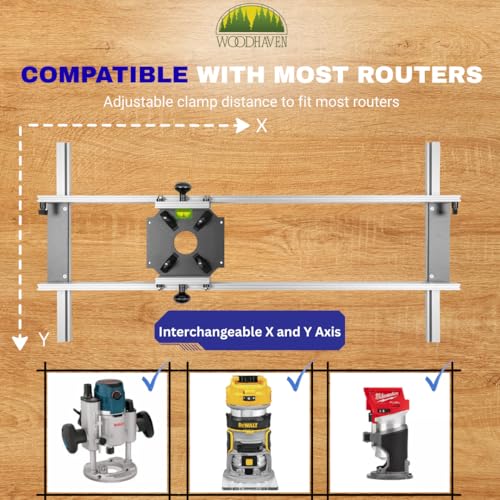
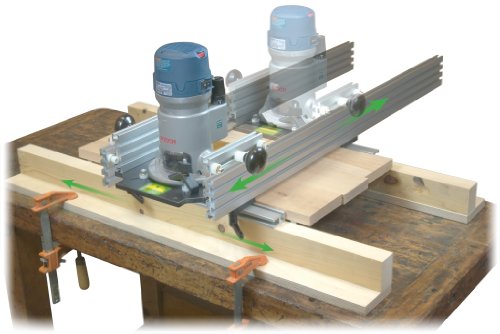
The Woodhaven 3000 is built for one thing, wide slabs, and it does that job exceptionally well. With a 27-inch max width and 3-inch tall Ultra Track rails, it’s stiffer than most competitors, and owners praise its resistance to deflection, even with aggressive cuts. The NoDrill router plate is a standout: it attaches quickly without drilling into your router base, which I appreciate as someone who hates permanent modifications.
It’s also designed to work smoothly with the Woodhaven 13600 planing bit, and reviewers consistently report glass-smooth finishes on live edge wood. The downside? You supply your own cross members, so it’s not fully assembled. But if you’re serious about flattening wide, unstable stock, this is one of the few sleds that won’t flex under pressure.
Product photos
VEVOR 64 Inch Router Sled

Strengths
- 64-inch capacity
- 8 roller system
- Thick aluminum rails
Trade-offs
- Clamp fit issues
- Basic dust management
- Some play in router mount
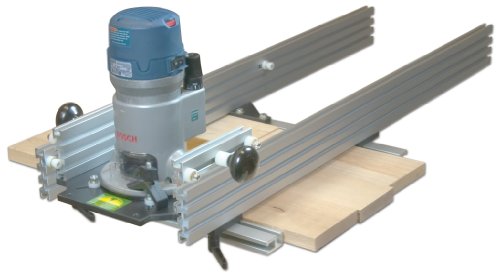
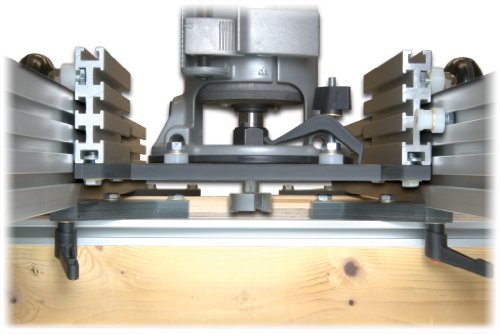
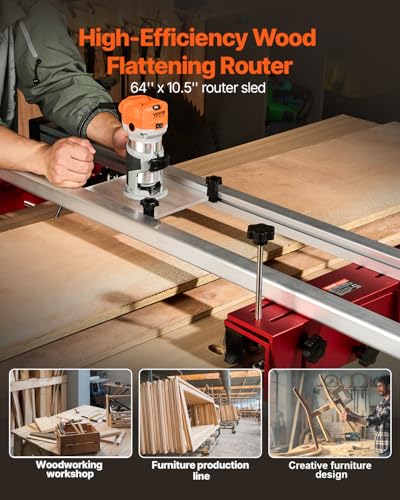
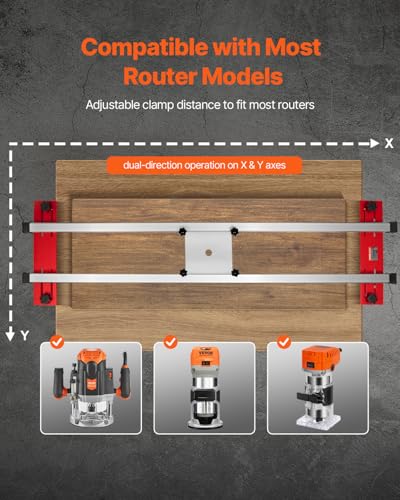
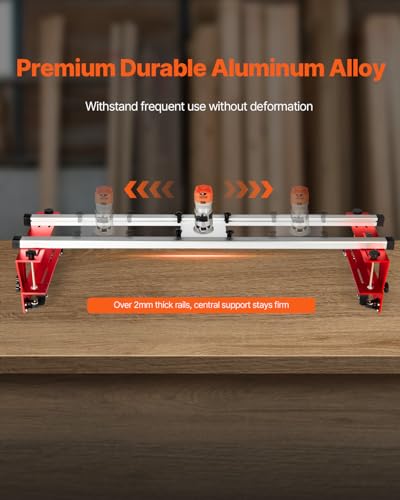
At 64 inches, this is one of the longest sleds on the market, and that’s its main selling point. For anyone working with oversized slabs or full-width table tops, the extended reach is a standout. The 6061 aluminum rails are over 2mm thick, and reviewers note they stay straight even under heavy use, with no sag in the middle, a real issue on flimsier models.
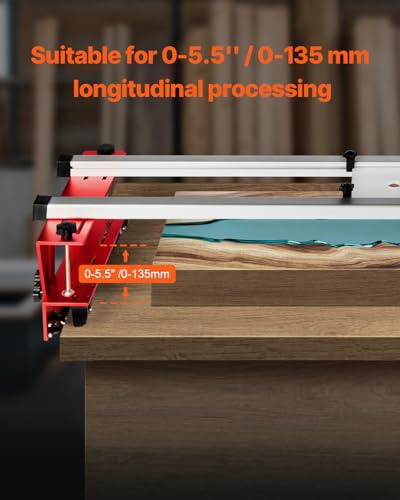
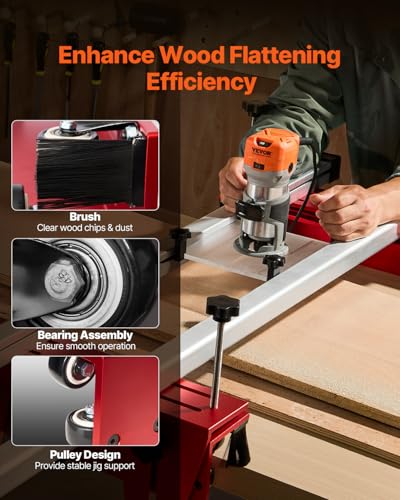
The eight roller system helps with smooth motion, and the height adjustment range (up to 5.5 inches) covers most stock thicknesses. But the adjustable clamping system, while flexible, has some owner complaints about wobble with smaller routers. It’s solid for the price, but the fit and finish aren’t as refined as premium U.S.-made options.
Product photos
vikofan 58″ Router Sled
Strengths
- 5.5-inch height range
- Stable steel supports
- Smooth wheel operation
Trade-offs
- Limited micro-adjustment
- Basic router mount
- No U.S. warranty
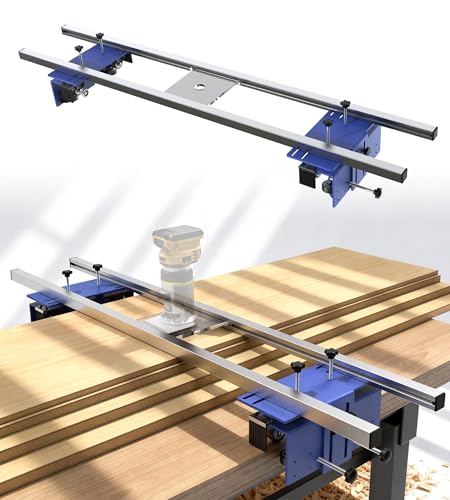
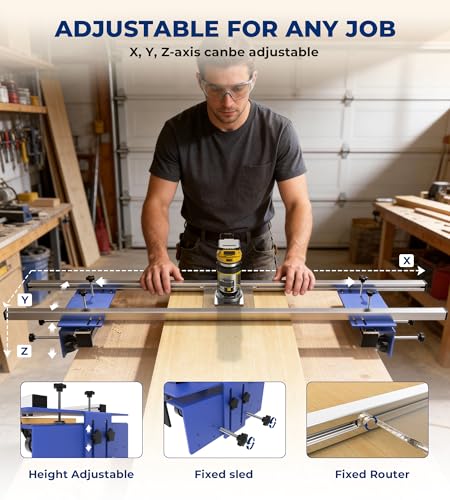
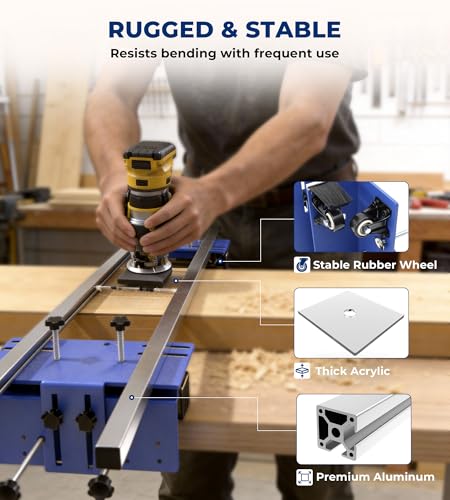
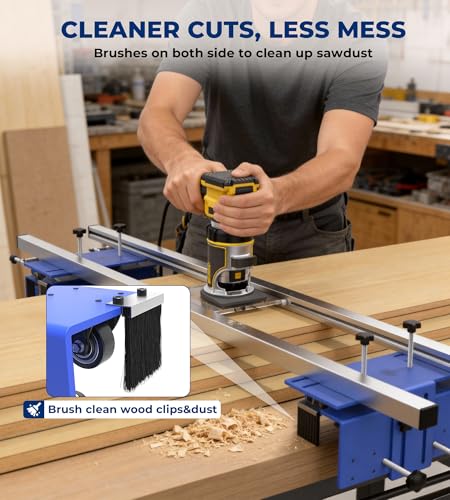
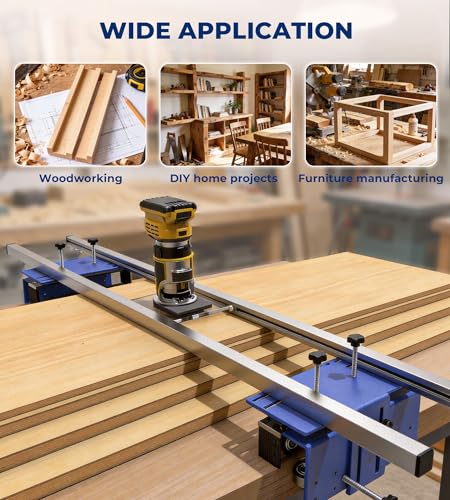
The vikofan 58-inch sled stands out for its 5.5-inch height adjustment, one of the tallest ranges here, making it a strong pick for thick stock like live-edge table blanks. The blue steel supports add rigidity, and owners report stable tracking across long cuts. The smooth-rolling wheels help, too, minimizing drag and reducing the chance of tear-out from uneven motion.
It’s not flashy, but the dust brush does its job, and the aluminum rails hold up well. Where it falls short is in fine-tuning, the adjustment isn’t micro-precise, and the router mount isn’t as secure as Woodpeckers or Woodhaven. But for versatility in handling thick, uneven slabs, the height range alone makes it worth considering.
Product photos

SpeTool 48 Inch Router Sled
Strengths
- Laser-set Z-axis
- Click-adjust height
- Reinforced rails
Trade-offs
- Requires collet extension
- Needs frequent cleaning
- No ultra-wide capacity
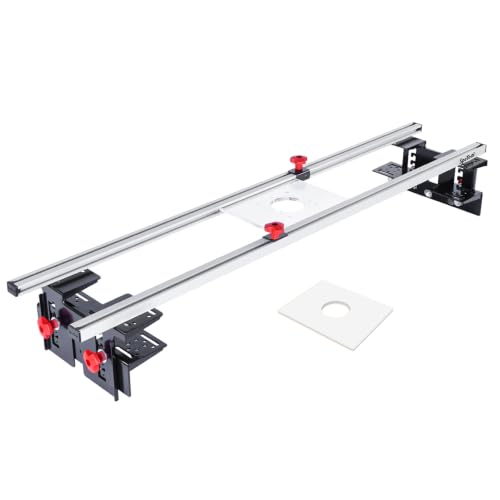
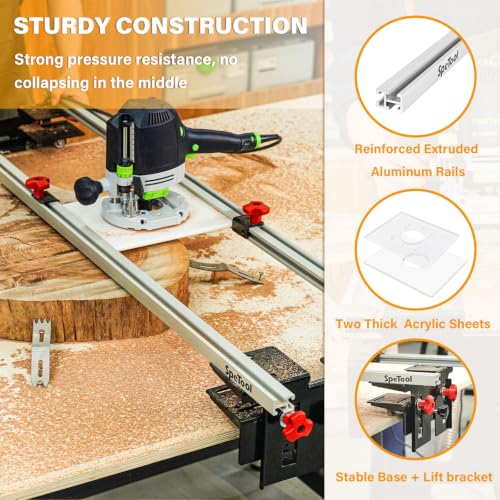
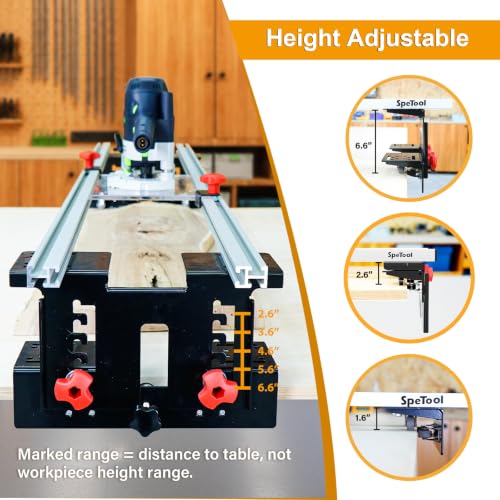
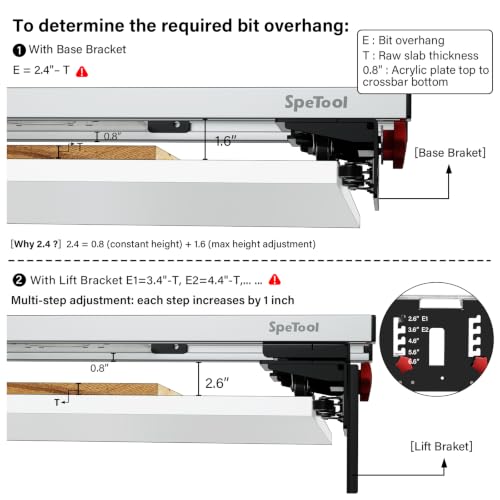
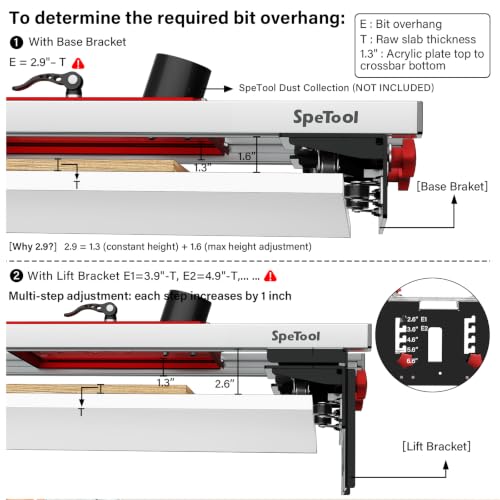
This is a precision-focused sled with thoughtful touches, laser-set Z-axis positions, a click-style height adjustment system, and reinforced 6061 aluminum rails. The preset height brackets eliminate guesswork, and owners say it delivers consistent flatness across multiple passes. It’s also one of the few that includes both pre-drilled and blank router plates, so compatibility isn’t an issue.
The slide-in bracket design speeds up router changes, but some users note minor binding if sawdust builds up on the rollers, a reminder to keep the track clean. It’s not the longest, but for accuracy and repeatability, it’s among the best-engineered options under 50 inches. Pair it with their dust collection add-on, and it’s a complete high-performance system.
Product photos
48 Inch HDPE Router Sled
Strengths
- Low cost
- Smooth HDPE base
- Easy setup
Trade-offs
- Wood rails can warp
- Less rigid than metal
- No dust brush
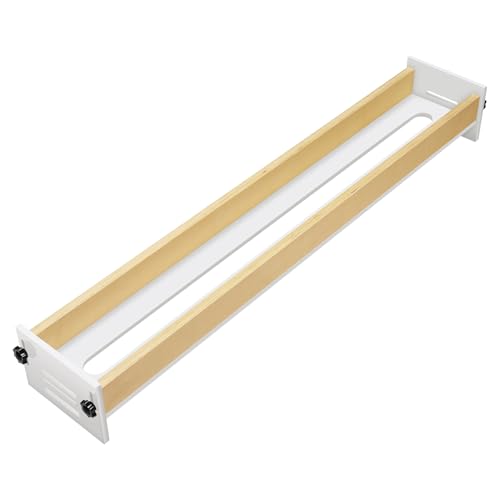
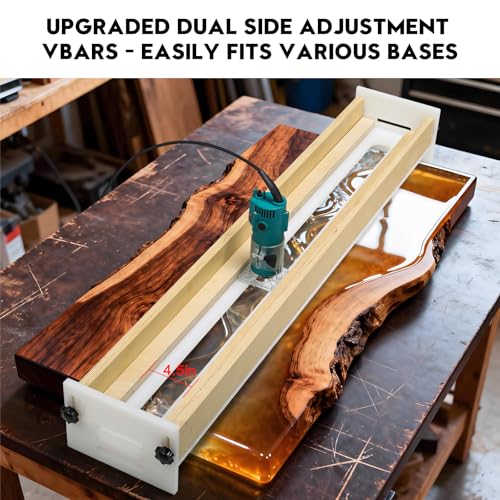
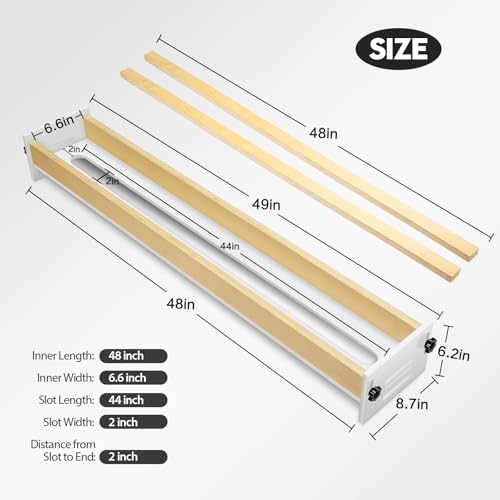
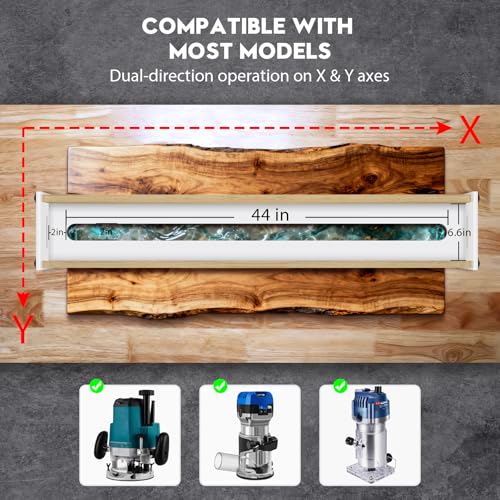
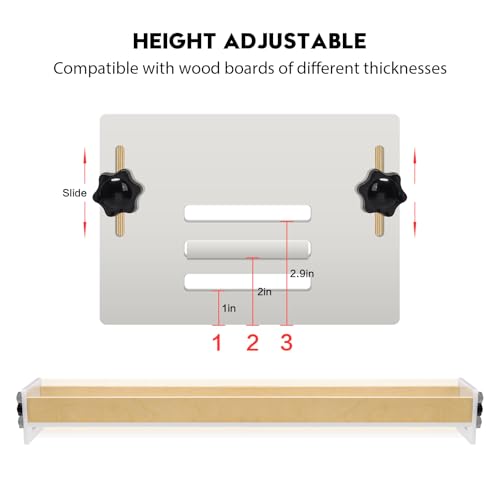
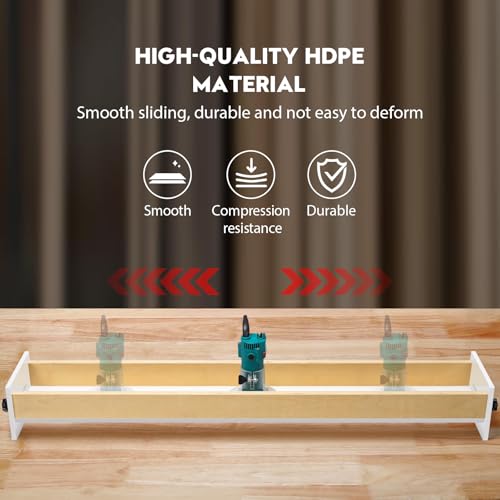
This is the budget pick, and it shows. Made from HDPE plastic with wooden side rails, it glides smoothly and resists binding, thanks to the low-friction base. The three-height adjustment system is simple and works fine for stock under 3 inches thick. For beginners or occasional users, it’s a solid way to test slab milling without a big investment.
But it’s not rigid like aluminum. Owners report slight flex on wide cuts, and the wooden edges can dent over time. It’s also not as stable on uneven benches. Still, for light use and small projects, it delivers decent performance at a fraction of the cost of metal sleds.
Product photos
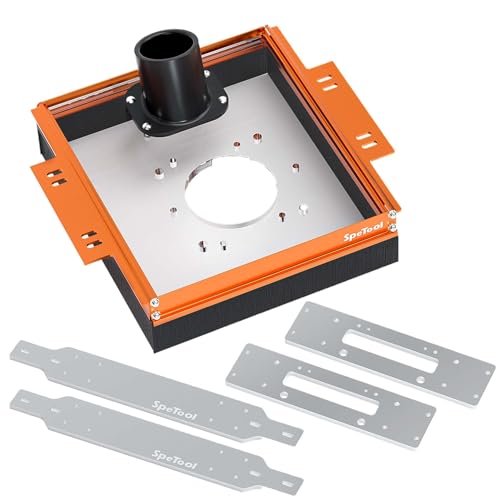
SpeTool Linear Rail Connector
Strengths
- Aluminum build
- Dust collection port
- Router compatibility
Trade-offs
- No rails included
- Requires DIY assembly
- Limited out-of-box use
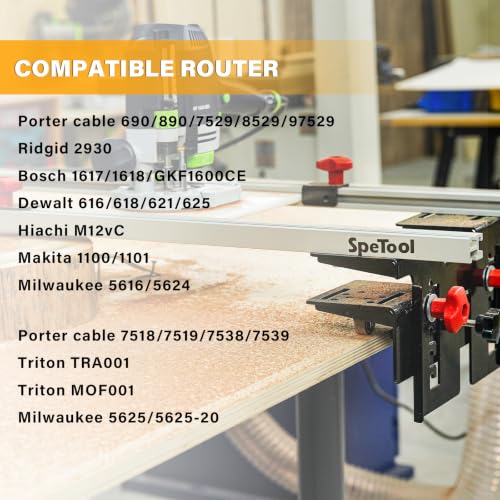
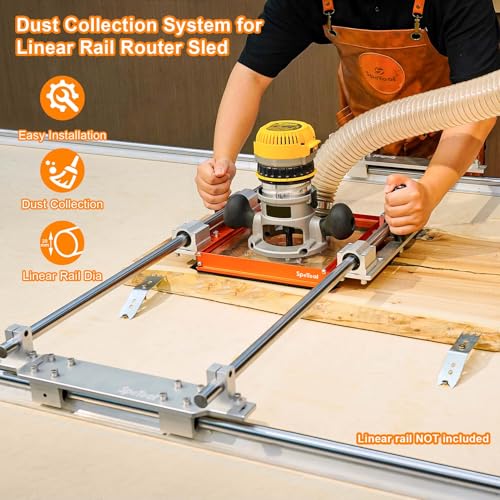
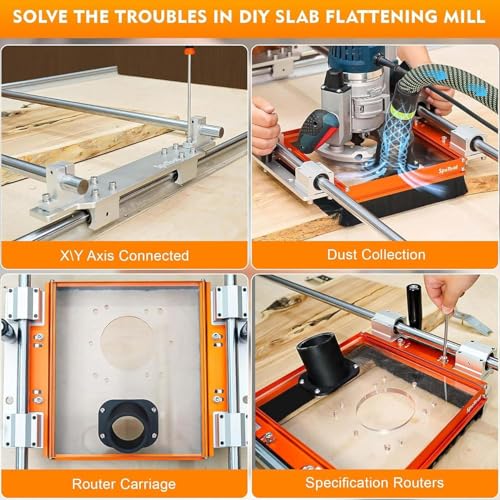
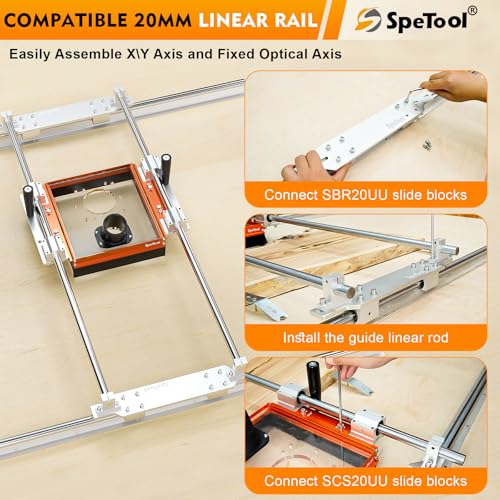
This isn’t a full sled, it’s a connector system meant for custom builds using 20mm linear rails. On paper, it’s ideal for DIYers who already have a rail setup or want to build a high-precision jig from scratch. The inclusion of a pre-drilled acrylic router plate with dust collection is a solid touch, and owners consistently report clean routing passes when paired with compatible SBR20UU or SCS20UU blocks.
Where it stands out is compatibility, it supports most major router brands, and the aluminum construction keeps weight down without sacrificing rigidity. But don’t expect plug-and-play simplicity. You’ll need to source your own rails, slider tape, and likely modify your dust collection setup. It’s a component, not a complete solution.
Product photos

Upgrade 58 Inch Router Sled
Strengths
- Dual router plates
- Brushes on trolleys
- 58-inch capacity
Trade-offs
- Basic height adjustment
- Loose tolerances reported
- No lifetime guarantee
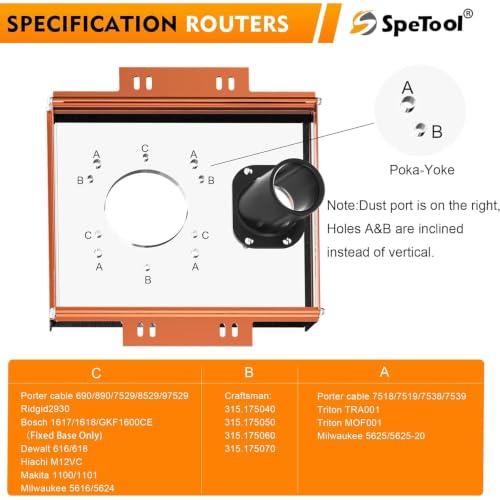
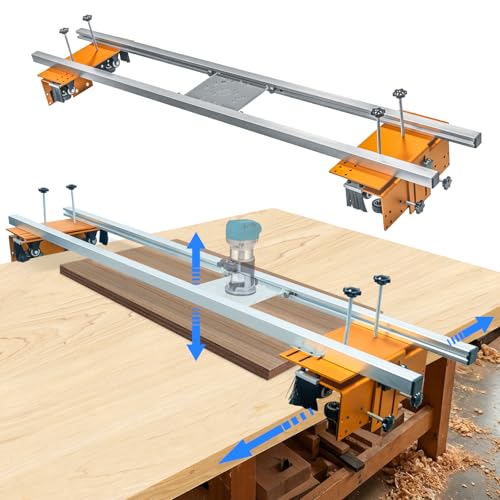
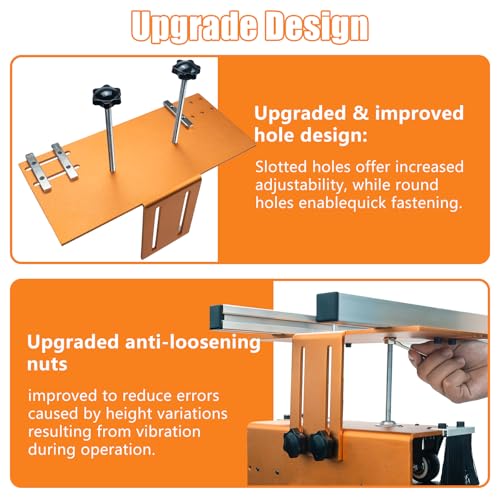
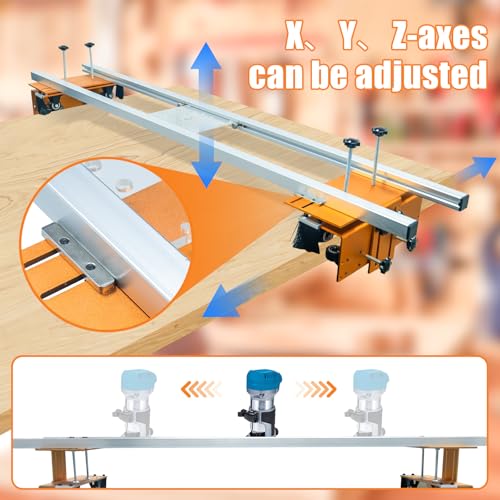
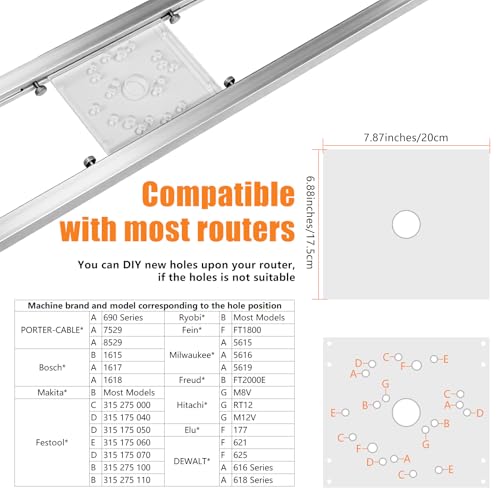
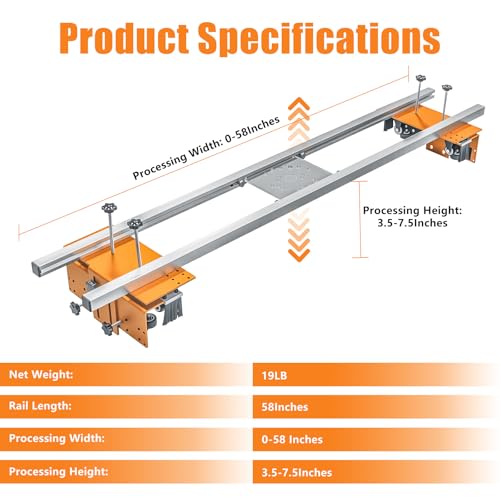
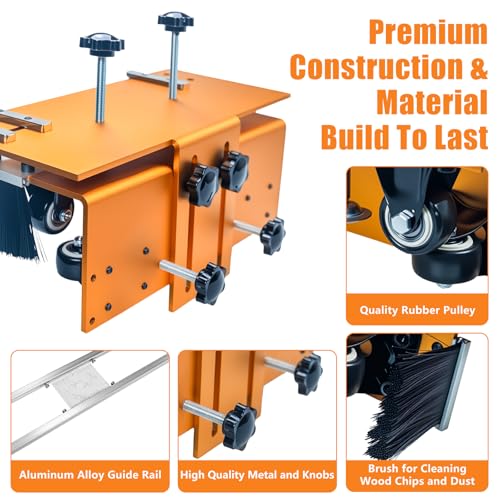
This 58-inch sled markets itself as a high-precision tool, and the dual router plates, one pre-drilled, one blank, make it adaptable to nearly any router. The 2mm aluminum rails are rigid enough for most home shops, and the 58-inch width gives serious reach for large panels. But what really sets it apart is the dual brushes on each trolley, which owners say keep sawdust from jamming the wheels, a small detail that makes a big difference in long sessions.
The height adjustment range (3.5 to 7.5 inches) is generous, though the mechanism isn’t as fine-tuned as some. It’s not the most refined build, but for the balance of size, dust management, and smooth travel, it’s a smart pick in the mid-tier range.
Product photos
How We Chose These router sleds
Rather than a hands-on lab test, this is a research-led comparison of specs and owner feedback. I looked at published specifications – rail material, adjustment ranges, router compatibility – across numerous models. I then weighed owner reviews from major retailers alongside expert opinions found in woodworking forums and publications. My goal was to rank these sleds based on their likely real-world performance and value, applying my experience with woodworking joinery and flattening techniques.
For router sleds, stability and adjustability are paramount. I heavily weighted the thickness and material of the rails; thicker aluminum alloy rails are less prone to deflection during a pass. Precise height adjustment was also critical, as was the flexibility to accommodate different router sizes. A sled that requires significant modification to fit a common routers ideal for table mounting lost points.
Published specs reliably indicate build quality and maximum capacity. However, I relied on owner reviews to gauge smoothness of operation, dust management effectiveness, and the ease of installation. Reputation for customer service and warranty support also influenced my assessment. Specs tell you what a sled can do, but feedback reveals how well it does it.
How To Pick The Right router sleds
A router sled dramatically expands what’s possible in your shop, especially when dealing with large or uneven stock.
A quality router sled prioritizes rigidity in its rails to resist deflection, precise adjustability for consistent depth of cut, and compatibility with a wide range of router sizes. Look for sleds constructed from thick aluminum alloy or robust HDPE, and confirm the router mounting plate will accept your existing tools. Consider dust management features as well, as planing generates significant debris.
Rail Material and Rigidity
The rails are the foundation of any router sled, and their stiffness directly impacts the quality of your results. While HDPE sleds offer a budget-friendly entry point, aluminum rails – particularly those constructed from 6061 alloy – provide superior resistance to bending, especially across wider spans. Deflection leads to uneven cuts, so if you plan to work with large slabs, don’t skimp here. Woodhaven’s 3000 model, for example, uses thick aluminum rails specifically designed to handle wide stock.
Router Compatibility & Adjustment
A sled is useless if your router won’t fit, or if adjusting the cutting depth is a struggle. Most sleds claim broad compatibility, but pay close attention to the mounting plate. Some require you to drill new mounting holes in your router base (SpeTool offers both pre-drilled and blank plates for flexibility), while others use universal mounting systems. Also, consider the range of height adjustment. If you frequently work with varying wood thicknesses, a sled like the Vikofan 58″, offering 5.5″ of vertical adjustment, will be much more versatile.
Here’s what to look for in adjustability: * Simple height settings: basic notched adjustments. * Preset height options: like SpeTool’s click-and-go system for speed. * Fine-tuning capability: for making small adjustments to achieve the perfect cut, especially important when you’re also considering investing in one of the best router tables for more detailed work.
A sled’s capacity is only as good as its ability to hold a consistent depth. Prioritize models with secure locking mechanisms and minimal play in the adjustment system.
Capacity and Value
Router sleds come in a range of sizes and price points. Consider the dimensions of the material you typically work with. A shorter sled, like the 48″ SpeTool, might be sufficient for smaller projects, while the VEVOR 64″ model is built for handling large slabs. Don’t automatically equate price with quality, but be wary of extremely cheap options that may lack the rigidity needed for accurate cuts. If space is a concern, you might find that one of the best benchtop router tables provides a more practical solution, especially for smaller workshops.
Router Sleds Compared
Here is a comparison of key specifications for various router sleds to help you make an informed decision.
| Product Title | Max Width (in) | Max Thickness (in) | Rail Material | Adjustable Height | Dust Management |
|---|---|---|---|---|---|
| Woodpeckers Rout-N-Plane XL | 24 | 3 | N/A | Yes | N/A |
| Woodhaven 3000 Planing Sled | 27 | N/A | Aluminum | Yes | N/A |
| VEVOR 64 Inch Router Sled | 64 | 5.5 | Aluminum | Yes | N/A |
| vikofan 58″ Router Sled | 58 | 5.5 | Aluminum | Yes | Yes |
| SpeTool 48 Inch Router Sled | 48 | N/A | Aluminum | Yes | Yes (w/add-on) |
| 48 Inch HDPE Router Sled | 48 | 2.9 | HDPE | Yes | N/A |
| SpeTool Linear Rail Connector | N/A | N/A | Aluminum | N/A | Yes |
| Upgrade 58 Inch Router Sled | 58 | 7.5 | Aluminum | Yes | Yes |
Frequently Asked Questions
What rail material offers the best performance for a router sled?
Aluminum rails, specifically 6061 alloy, provide the greatest rigidity and resist bending better than HDPE, especially when working with wider stock. This translates to more accurate and consistent cuts, even across large slabs.
Can I use any router with these sleds?
Most sleds claim broad compatibility, but you should verify the mounting plate will accept your router’s base. Some sleds require drilling new holes, while others offer universal mounting or pre-drilled options, like those from SpeTool.
How much adjustment range do I really need in a router sled?
A wider adjustment range, around 5 to 7 inches, is beneficial if you frequently work with varying wood thicknesses. This eliminates the need to constantly reposition or shim the sled for different projects.
What’s the best way to manage dust when using a router sled?
Some sleds, like the Vikofan 58″, incorporate dust ports or are designed to work with shop vacuum attachments. For others, you can often add aftermarket dust collection systems, or consider investing in one of the best router table fences with integrated dust ports.
Are more expensive router sleds always better?
Not necessarily. While a higher price often reflects better materials and construction, a sled’s value depends on your specific needs. A shorter, simpler sled may be sufficient for smaller projects and offer good value, whereas a larger, more adjustable sled is worth the investment for serious woodworkers.
The Bottom Line
Choosing a router sled always involves balancing control with convenience. You can spend more for features like wider capacity and finer adjustments, but for many homeowners, a simpler, well-built sled will suffice. In that regard, the Woodhaven 3000 Planing Sled strikes an excellent balance – it offers robust aluminum rails and reliable adjustability without unnecessary complexity, making it our overall top recommendation.
If you have specific needs, though, other models excel. For those on a tighter budget, the 48 Inch HDPE Router Sled provides a functional entry point, while the VEVOR 64 Inch Router Sled is the clear choice for tackling large-format workpieces. And if you’re looking for maximum versatility and a system that can grow with your skills, explore the modular options offered by SpeTool, especially when paired with one of the best router lift models.
Ultimately, remember that a router sled is a tool to help you achieve flat, consistent surfaces. Prioritize rigidity in the rails, smooth operation of the adjustment mechanisms, and a secure mounting system for your router. Those fundamentals will deliver far more benefit than chasing the latest features or highest published specifications.
