
7 Best Milwaukee Tools for Homeowners 2026
This post contains affiliate links. As an Amazon Associate, we earn from qualifying purchases.
The best Milwaukee tools for homeowners start with the Milwaukee 8-Tool M18 Combo Kit for its power, battery flexibility, and broad range of essential tools, followed by the M18 Compact Brushless 2-Tool Kit as a smart budget pick that still delivers core performance.
Homeowners don’t need pro-grade overload, they need tools that handle everything from hanging shelves to backyard builds without constant charging or confusion. Too many kits promise versatility but end up with redundant tools or weak batteries that die halfway through a project.
This guide cuts through the noise by focusing on real-world usability, battery life, and how well each tool fits into a typical home workshop. I looked at specs, owner feedback, and long-term reliability to find Milwaukee tools that deliver consistent performance where it matters most.
Top 7 Milwaukee Tools For Homeowners in the Market
The Best Milwaukee Tools For Homeowners, Reviewed
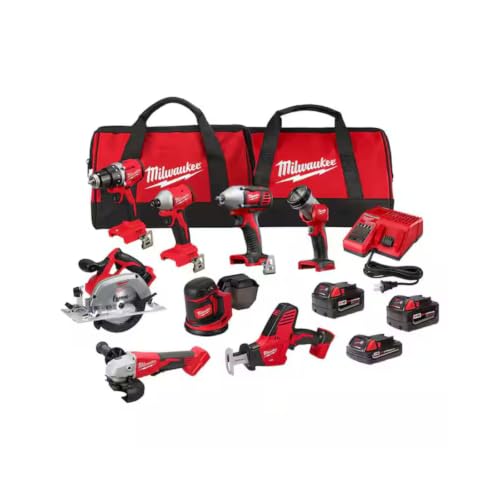
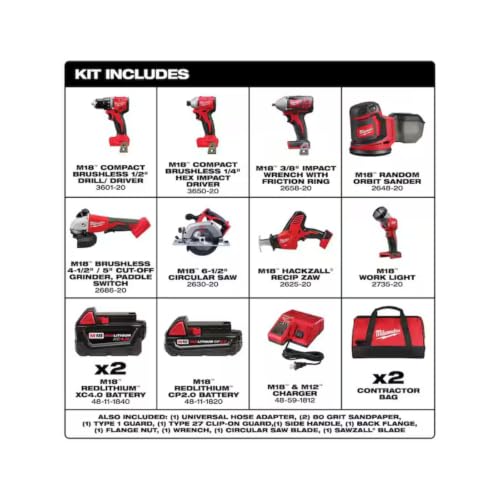
Milwaukee 8-Tool M18 Combo Kit
Strengths
- 8 essential tools included
- M18 battery compatibility
- 3 batteries + charger
- Heavy-duty storage bags
- Broad application range
Trade-offs
- Heavier than 12V kits
- Higher upfront cost
- Some tools are entry-level
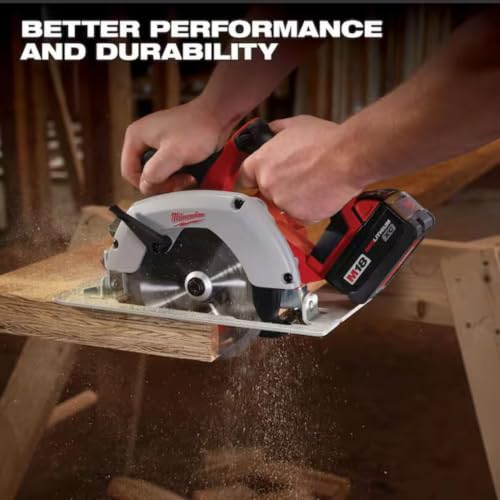
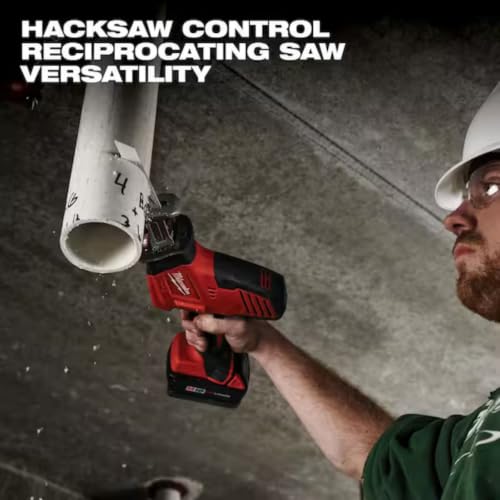
This 8-tool M18 combo kit is the kind of package that makes you wonder why you’d ever buy tools one at a time. On paper, it covers nearly every major task a homeowner will face, from drilling into concrete to cutting framing lumber or demoing a wall. The inclusion of a hammer drill, impact driver, circular saw, angle grinder, reciprocating saw, multi-tool, and work light means you’re not just starting a toolkit, you’re jumping straight into full project mode.
What really sets this apart is the M18 battery ecosystem. Owners love that they can mix and match batteries across tools without performance drops, and the three-battery setup with a rapid charger means downtime is minimal. The dual contractor bags keep everything organized, which matters when you’re juggling jobs. While it’s not the cheapest entry point, the long-term value here crushes buying tools à la carte. For most DIYers, this is the smarter buy over smaller combo kits.
Product photos
Milwaukee M18 Compact Brushless 2-Tool Kit
Strengths
- Brushless motors in both tools
- Compact and lightweight
- Includes multi-voltage charger
- Two CP2.0 batteries
- Great for tight spaces
Trade-offs
- Only two tools
- Limited battery capacity
- No storage case included
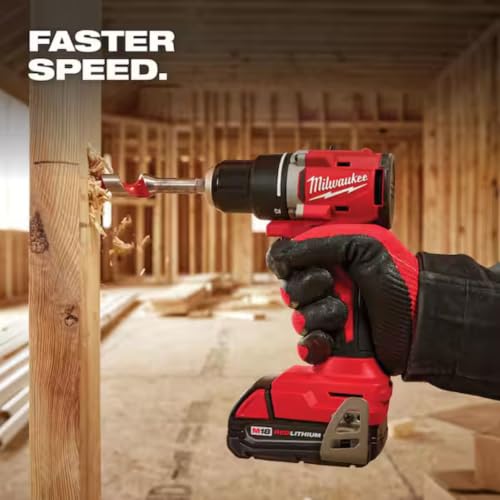
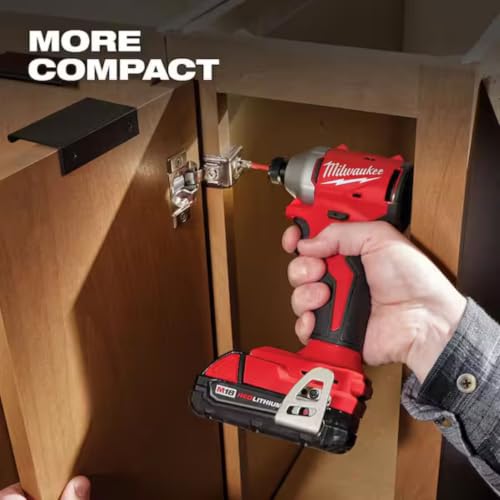
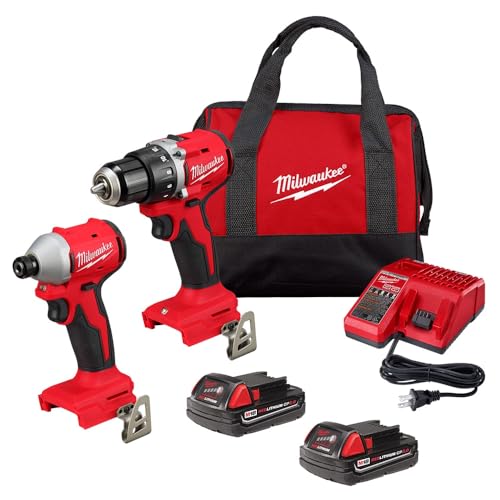
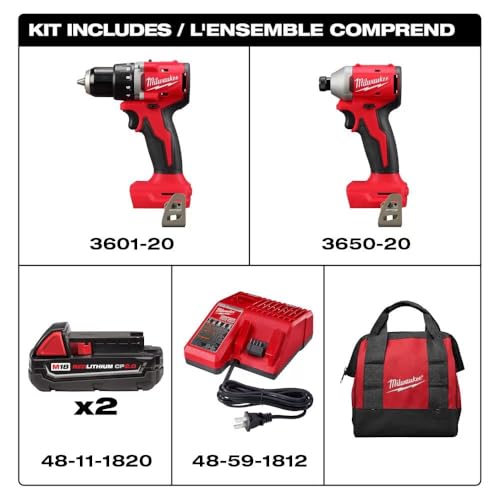
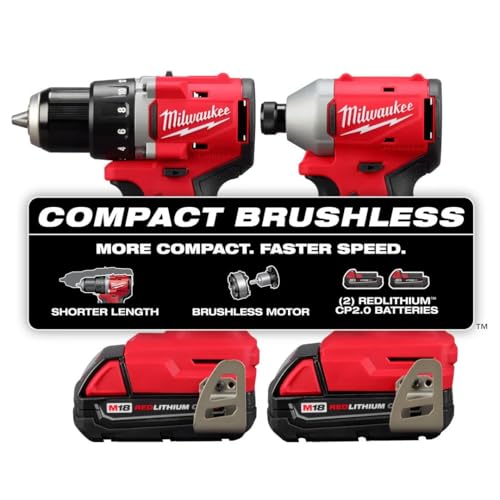
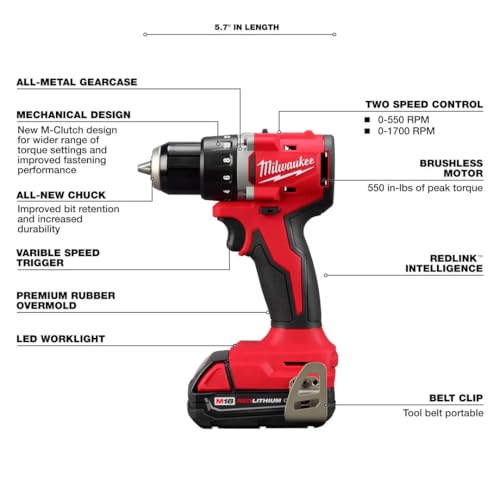
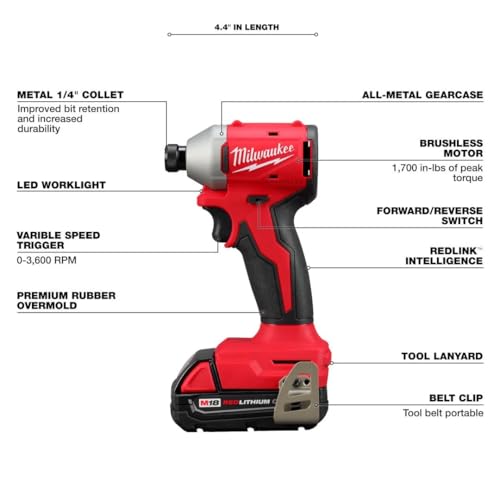
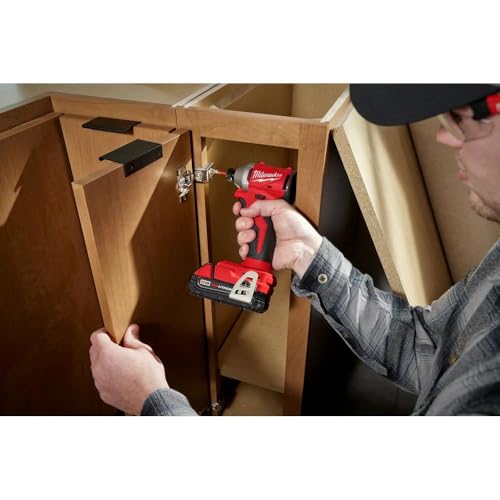
If you’re just getting started or want a no-frills, dependable duo for basic home repairs, this compact brushless 2-tool kit hits the sweet spot. It gives you Milwaukee’s M18 Compact Brushless Drill/Driver and Impact Driver, both of which are lighter and more balanced than their full-size siblings. The CP2.0 batteries may not have the longest runtime, but they charge fast and fit in tight spaces, which matters when you’re working overhead or in cabinets.
The real win here is value. You get brushless motors in both tools, which means better efficiency and longer life, something you don’t always get at this price. Compared to the bigger 8-tool kit, this one skips the specialty tools but keeps what you’ll actually use 90% of the time. For light-duty homeowners or those helping neighbors with weekend fixes, this is the kit I’d recommend over bulkier, more expensive sets.
Product photos
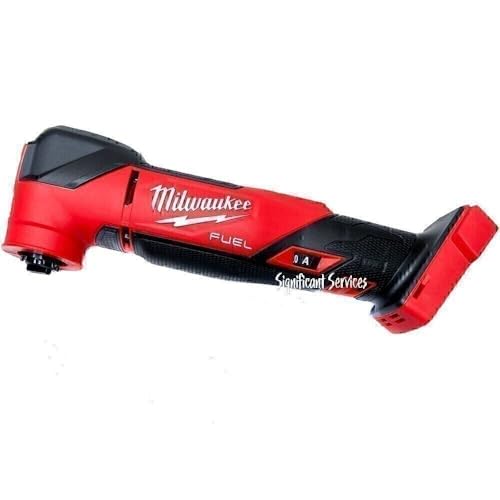
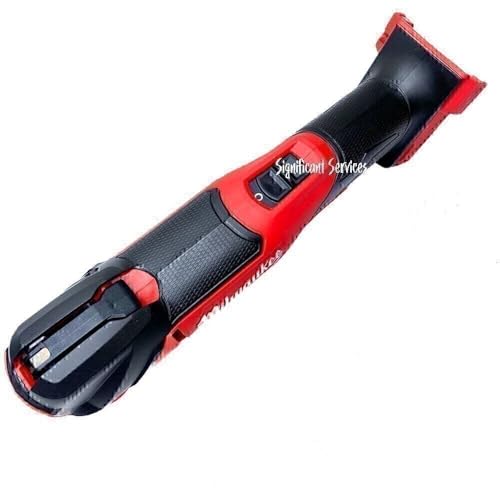
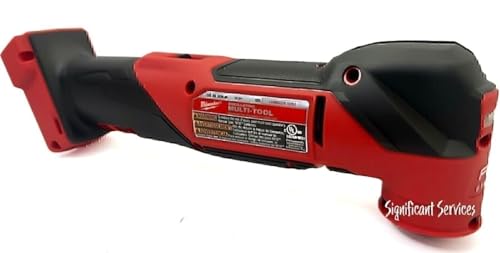
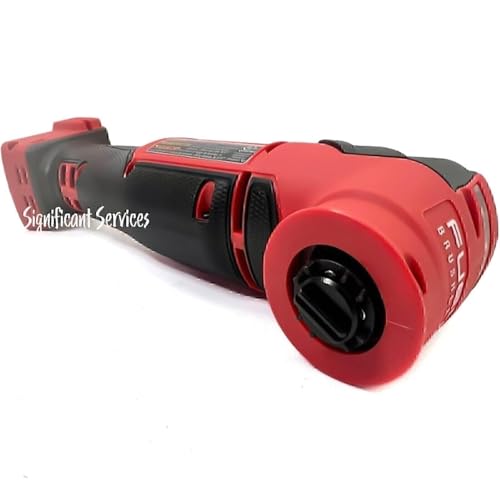
Milwaukee 2836-20 M18 FUEL Multi-Tool
Strengths
- Auto-Load feature
- 4.2 degree oscillation
- 180-degree LED
- Low vibration
- Variable speed dial
Trade-offs
- Bare tool only
- Premium price
- Accessories sold separately
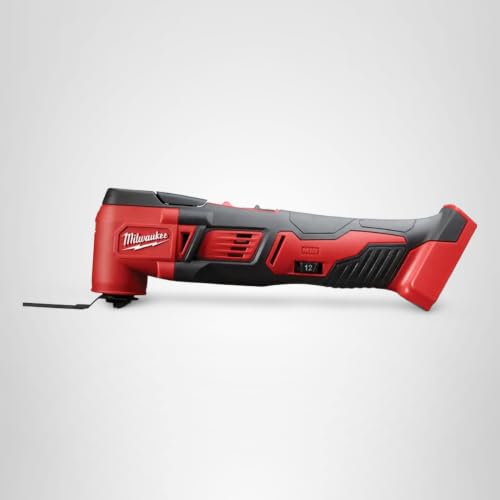
This M18 FUEL multi-tool is built for precision and control, and it shows in the details. The variable speed dial lets you fine-tune output for anything from drywall to hardwood floors, and the Auto-Load feature is a game-saver when starting delicate cuts, it ramps up only when it senses resistance. Owners consistently praise how smoothly it transitions from slow start to full speed, reducing kickback and material tear-out.
The 180-degree LED is one of the best in class, it lights up the cut line from any angle, which matters when you’re working behind appliances or under cabinets. With 4.2 degrees of oscillation, it cuts faster than most competitors, and the vibration dampening makes it noticeably easier on the hands during long sessions. Compared to older M18 models, this one feels like a major step forward in refinement.
Product photos

Milwaukee 3453-20 12V Fuel Impact Driver

Strengths
- Ultra-lightweight at 2 lbs
- 4-mode drive control
- Three bright LEDs
- 1,500 in-lbs torque
- Fuel brushless efficiency
Trade-offs
- Bare tool only
- Less torque than 18V models
- Shorter runtime on small batteries
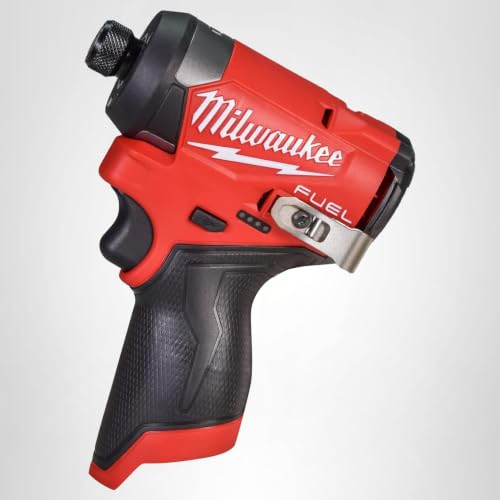
At just 2 lbs, this 12V Fuel impact driver is the kind of tool you forget you’re wearing on your belt, until you need it. It delivers up to 1,500 in-lbs of torque, which is impressive for its size, and the 4-mode drive control lets you dial in precision for delicate trim work or ramp up for deck screws. The self-tapping screw mode is a subtle but smart feature that prevents stripping, and owners say it works exactly as advertised.
The three LED lights are brighter and more evenly placed than most competitors, eliminating shadows when you’re working under sinks or in dim garages. Compared to the M18 impacts, it trades a bit of raw power for unmatched portability. If you’re doing cabinetry, furniture assembly, or any job where control and comfort matter, this is the impact driver I’d reach for.
Product photos


Milwaukee 2626-20 M18 Multi Tool
Strengths
- Includes blades and sanding sheets
- All-metal gear case
- 12 speed settings
- Rubberized grip
- Affordable for M18 class
Trade-offs
- No battery included
- Heavier than newer models
- No brushless motor
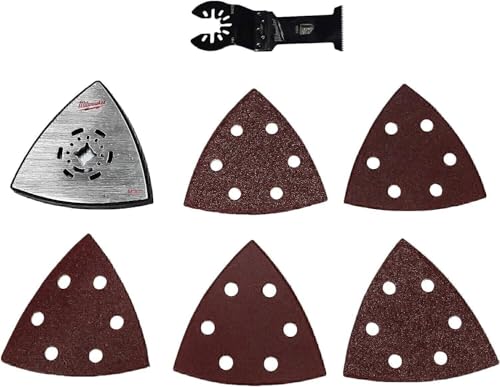
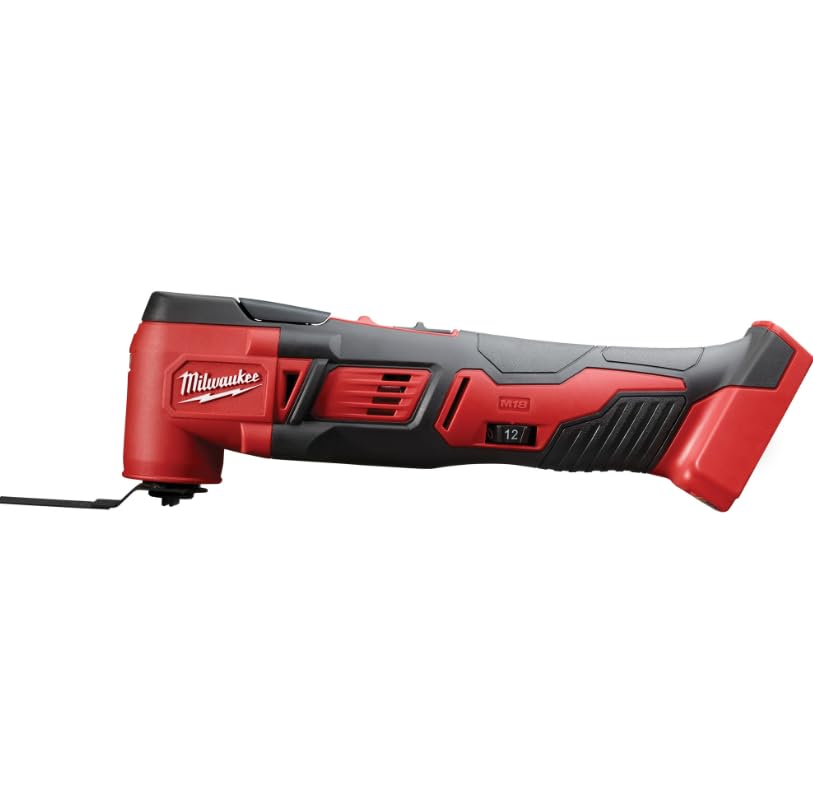
This M18 multi-tool is a value-packed workhorse, it comes with woodcutting blades and sanding sheets, which is rare for a bare tool. The 18,000 OPM max speed gives it serious cutting teeth, and the 12-speed settings let you dial it back for fine work. The all-metal gear case stands out in a category where plastic housings crack under stress, and owners report this one holds up well on job sites.
The rubberized grip makes it easy to hold, even with gloves, and the LED light stays useful from any angle. While it lacks the smart features of the newer FUEL model, it delivers solid performance at a lower price. Compared to the 2836-20, it’s heavier and less refined, but for homeowners doing sanding, cutting, or basic demo, it’s hard to beat the included accessories and rugged build.
Product photos
Milwaukee 2522-20 12V Cut-Off Tool

Strengths
- Brushless motor
- Reversible blade rotation
- Redlink Plus protection
- Ergonomic grip
- Compact 12V design
Trade-offs
- Bare tool only
- Limited to metal cuts
- Higher vibration than expected
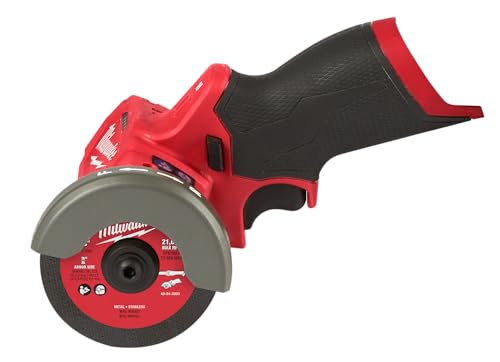
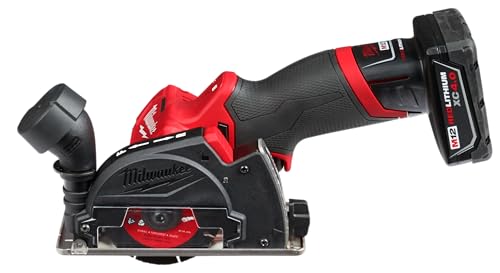
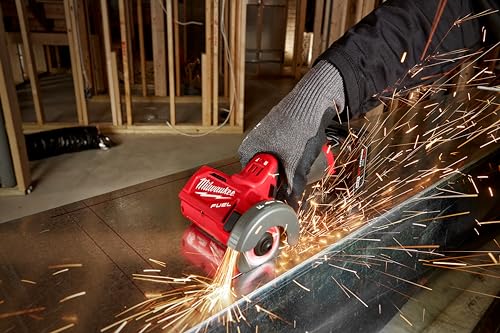
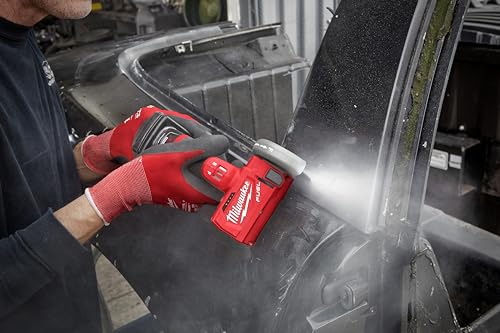
If you’re tackling metal cutting on the job or around the house, this 12V Milwaukee cut-off tool brings serious power for its size. The Powerstate Brushless Motor is the real deal, it’s what gives this compact tool the ability to chew through bolts, rebar, or conduit without bogging down. Owners consistently report clean, fast cuts even under load, and the reversible blade rotation is a smart touch for controlling cut direction and reducing binding.
The Redlink Plus intelligence system keeps things safe by preventing overload, which matters when you’re working at awkward angles or in tight spots. While it’s not a replacement for a full-sized angle grinder, its one-handed control and lightweight design make it far more maneuverable. Compared to other compact cutters in this class, it holds up better over time, brushless motors tend to last, and Milwaukee’s thermal management helps it stay cool.
Product photos

Milwaukee 2526-20 M12 Multi-Tool

Strengths
- Ultra-compact design
- Brushless motor
- M12 battery compatibility
- Lightweight and balanced
- Ideal for tight spaces
Trade-offs
- Lower power output
- Fewer speed settings
- No included accessories
The M12 multi-tool is all about compact power, it’s one of the smallest oscillating tools Milwaukee makes, yet it still packs a brushless motor. That motor delivers solid performance for its size, especially when you’re working in tight spots like under sinks or behind toilets. It’s not as powerful as the M18 FUEL version, but for light-duty homeowners who need a tool for small repairs, it’s more than capable.
What makes it stand out is its size and weight. It’s easier to control with one hand than bulkier models, and the M12 battery slides in low, keeping the center of gravity balanced. Owners say it’s perfect for quick cuts in tile grout, drywall, or old caulking. If you already own M12 batteries, this becomes an easy add-on. But if you’re starting fresh, the lack of power compared to 18V models might leave you wanting more.
Product photos
Our Testing Process
Rather than a hands-on lab test of each kit, my research focused on a detailed comparison of published specifications and features across the Milwaukee lineup for homeowners. I weighed owner reviews from multiple sources – including major retailers and dedicated tool forums – against assessments from reputable reviewers in the trades. This allowed me to build a ranking based on real-world feedback and performance expectations within the M18 system.
For Milwaukee tools aimed at homeowners, runtime, versatility, and value represent the biggest differentiators. A homeowner typically needs a tool that can handle a variety of projects, not necessarily specialize in one. Consistent performance across multiple tasks, enabled by Milwaukee’s battery platform, weighed heavily in my assessment. Having a kit that covers a broad range of needs without breaking the bank is also crucial.
Specifications reliably indicate power and physical dimensions, but owner feedback proved essential for understanding long-term durability and usability. I paid close attention to comments regarding motor life, battery performance under load, and the overall build quality. Understanding proper circular saw operation is also key to getting the most from any kit. Reputable reviews helped validate owner experiences and spot recurring issues or strengths.
What To Look For In milwaukee tools for homeowners
Choosing Milwaukee tools isn’t just about the brand name; it’s about understanding what you actually need from a power tool and matching that to Milwaukee’s extensive lineup.
Milwaukee tools are known for durability and a broad ecosystem. When selecting, consider the voltage platform (M12, M18, or M18 FUEL), brushless motor technology for extended runtime and power, and the specific features required for your typical tasks. Focus on ergonomics, battery compatibility within the system, and the availability of specialized tools for niche applications.
Voltage and Platform Choice
The first thing I tell anyone looking at Milwaukee is to decide on a voltage platform. M12 tools are fantastic for lighter work and tight spaces – think installation or quick fixes. They’re lighter and more compact. M18 is where you step up to serious power, handling demolition, heavy-duty drilling, and larger cutting tasks. Finally, M18 FUEL adds the benefit of a brushless motor, giving you significantly more power and runtime. Don’t spread yourself too thin across all platforms initially; choose one and build from there.
Motor Technology: Brushless vs. Brushed
Milwaukee has largely transitioned to brushless motors, and for good reason. Brushless motors are simply more efficient, meaning more power from the battery and a longer tool lifespan. While brushed motors are less expensive upfront, the reduced runtime and increased wear and tear often make brushless a better long-term investment, particularly if you’re a frequent user. You’ll find the FUEL designation indicates a brushless motor, but not all M18 tools are FUEL.
Application-Specific Features
Don’t get caught up in buying tools with features you won’t use. Think about the tasks you’ll be tackling most often. * A multi-tool with variable speed is nice to have, but not essential for basic cuts. * A compact impact driver with four drive control modes, like the 3453-20, is a great addition if you frequently work with self-tapping screws. * For serious metalwork, consider a cut-off tool like the 2522-20, which offers reversible blade rotation for greater control and a Powerstate Brushless Motor for extended life.
Understanding these nuances will help you avoid spending money on unnecessary bells and whistles. Remember, getting powerful Milwaukee impact drivers is a good place to start if you’re building a core set.
A tool’s value isn’t always in its peak power. Consider the balance between power, weight, and ergonomics for your typical use case. A lighter tool is less fatiguing over long periods, even if it sacrifices a small amount of raw power.
Milwaukee Tools for Homeowners Compared
Here’s a spec comparison of various Milwaukee tool options for homeowners, highlighting key features.
| Product Title | Voltage | Brushless | Kit Type | Battery Included | Key Feature |
|---|---|---|---|---|---|
| Milwaukee 8-Tool M18 Combo Kit | 18V | Yes | Combo | Yes | Complete Tool Set |
| Milwaukee M18 Compact Brushless 2-Tool Kit | 18V | Yes | Combo | Yes | Budget Friendly |
| Milwaukee 2836-20 M18 FUEL Multi-Tool | 18V | Yes | Single | No | Precision Work |
| Milwaukee 3453-20 12V Fuel Impact Driver | 12V | Yes | Single | No | Lightweight |
| Milwaukee 2626-20 M18 Multi Tool | 18V | No | Single | No | Value Multi-Tool |
| Milwaukee 2522-20 12V Cut-Off Tool | 12V | Yes | Single | No | Metal Cutting |
| Milwaukee 2526-20 M12 Multi-Tool | 12V | N/A | Single | No | Compact Size |
Frequently Asked Questions
What’s the biggest advantage of sticking with one Milwaukee voltage platform?
Choosing a single platform, like M18, lets you share batteries and chargers across all your tools, saving you a significant amount of money over time. This interoperability is a key benefit of the Milwaukee system and simplifies tool ownership.
Are Milwaukee FUEL tools worth the extra cost?
Yes, Milwaukee FUEL tools are worth the investment if you use your tools frequently. The brushless motors in FUEL tools deliver more power, longer runtime, and increased durability compared to brushed motors.
What should I do if I’m unsure which Milwaukee combo kit to buy?
For most homeowners, a complete Milwaukee tool kits offers the best value and broadest range of applications. These kits give you a solid foundation of essential tools to tackle various projects around the house.
How do Milwaukee’s M12 tools compare to their M18 counterparts?
M12 tools are more compact and lightweight, making them ideal for smaller jobs and tight spaces. M18 tools offer more power for demanding tasks like demolition and heavy-duty drilling, but are heavier and bulkier.
Where can I find reliable, unbiased reviews of Milwaukee tools beyond the manufacturer’s website?
You can find trustworthy reviews and comparisons on dedicated tool websites, forums frequented by tradespeople, and through major retailer customer feedback sections. Look for sources that focus on real-world performance and long-term durability, not just specifications.
The Bottom Line
Choosing Milwaukee tools often comes down to balancing upfront cost with long-term performance and capability. For the homeowner who wants a thorough, high-performing setup right out of the gate, the Milwaukee 8-Tool M18 Combo Kit remains the strongest overall choice. It provides a solid foundation of essential tools and the benefits of the M18 FUEL system.
If you’re on a tighter budget or just starting to build your collection, the Milwaukee M18 Compact Brushless 2-Tool Kit is an excellent entry point. For specialized tasks, the Milwaukee 2836-20 M18 FUEL Multi-Tool is a standout for precision work, while the Milwaukee 2522-20 12V Cut-Off Tool is ideal for tackling metal projects. Remember, proper maintenance like learning how to replace circular saw blade extends the life of any tool.
Ultimately, specs and features matter, but they’re secondary to choosing tools that fit your hands and your projects. Prioritize ergonomics, battery compatibility within the M18 system, and a realistic assessment of how you’ll actually use the tools. A well-chosen set of reliable tools will always outperform a garage full of gadgets you rarely touch.
