8 Best Ripping Blade Table Saws of 2026
This post contains affiliate links. As an Amazon Associate, we earn from qualifying purchases.
The Freud 10″ Heavy-Duty Rip Blade stands out as the overall best for clean, aggressive ripping, thanks to its 24-tooth flat-top grind and robust .126″ kerf. For budget-conscious DIYers, the FOXBC 10″ 24-Tooth Ripping Blade delivers solid performance with similar specs at a lower price. If you need versatility for both ripping and crosscutting, the Freud 10″ Thin Kerf Glue Line Blade is a strong all-rounder.
Choosing the right ripping blade can make the difference between a smooth, accurate cut and a frustrating mess of splintered wood and motor strain. Too many people grab whatever blade is on hand, not realizing that using the wrong one costs time, wears down their saw, and compromises safety.
This guide cuts through the noise, focusing on real-world performance, key specs, and what actual users report. I looked at tooth count, kerf width, carbide quality, and grind type to identify the top performers for dedicated ripping tasks on a table saw.
Top 8 Ripping Blade Table Saws in the Market
The Best Ripping Blade Table Saws, Reviewed
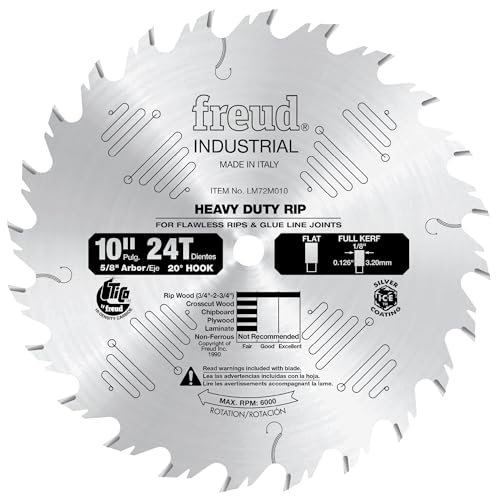
Freud 10″ Heavy-Duty Rip Blade
Strengths
- Smooth rip finish
- Excellent vibration control
- Durable TiCo carbide
Trade-offs
- Higher price point
- Not ideal for crosscuts
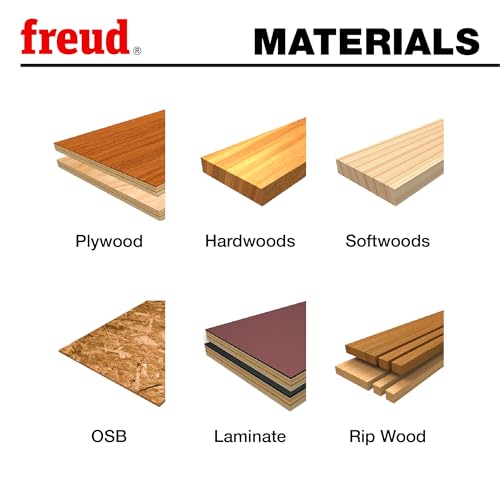
If you’re serious about ripping solid wood and want one blade that delivers both speed and surface quality, this Freud is hard to beat. The 24-tooth flat-top grind with a 20° hook angle is ideal for aggressive feed rates, and the TiCo carbide means the edge stays sharp longer than most, reviewers consistently praise how few passes it takes to get through hardwoods. The laser-cut anti-vibration slots make a noticeable difference in stability, reducing chatter even on less rigid table saws.
The Silver Ice coating isn’t just marketing, it actually cuts down on pitch buildup, which matters when running pine or engineered woods all day. Compared to the Bosch Daredevil, this one leaves a smoother surface, so you’re less likely to reach for the planer. My recommendation? This is the smarter buy if you rip often and care about workflow efficiency.
Product photos
Freud Industrial Glue Line Ripping Blade
Strengths
- Superior edge finish
- Stable, flat cuts
- Excellent heat and pitch resistance
Trade-offs
- Pricier than standard rippers
- Slower feed rate
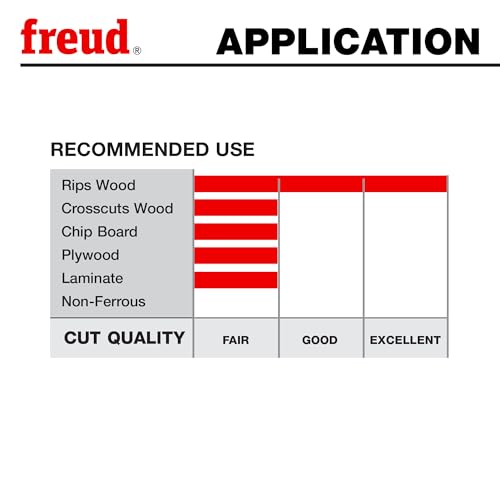
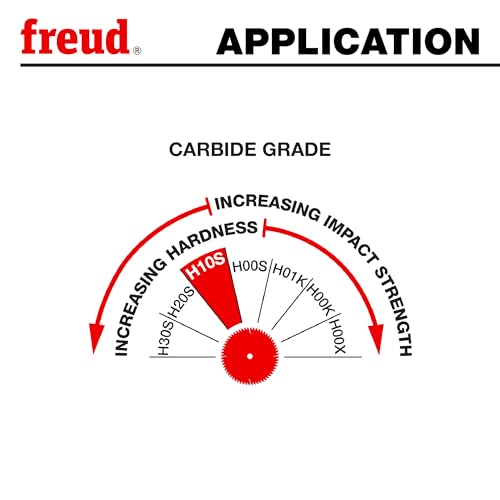
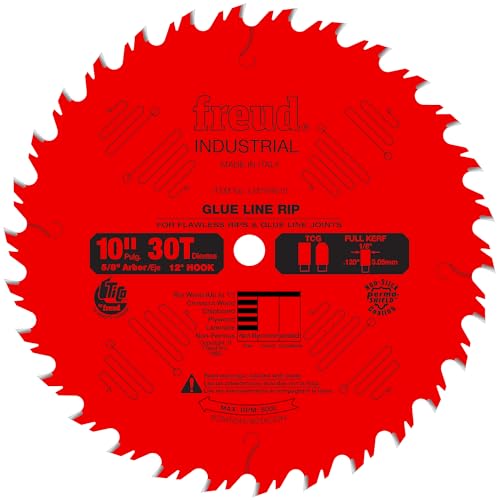
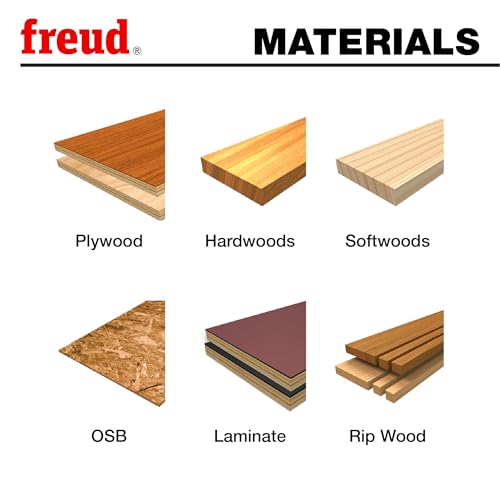
This Freud is engineered for one thing: perfect edges that glue up without sanding. The 30-tooth triple chip grind (TCG) is aggressive yet smooth, leaving a surface so flat and clean that many owners say they skip the jointer entirely. The thick kerf and reinforced plate eliminate flex, even during long rip passes, and the Perma-Shield coating keeps resin at bay, critical when running pine or MDF all day.
It’s not the fastest blade, but speed isn’t the point. Compared to the LM75R010, it’s nearly identical, but some users prefer this version for its slightly stiffer plate. If you’re building high-end furniture or casework, this is the kind of blade that saves hours in finish prep. I’d choose it over combo blades any day for dedicated ripping tasks.
Product photos


CMT Orange Tools 10″ Ripping Blade

Strengths
- Exceptional durability
- Precision tensioning
- PTFE anti-stick coating
Trade-offs
- Heavier plate may strain small saws
- Higher price
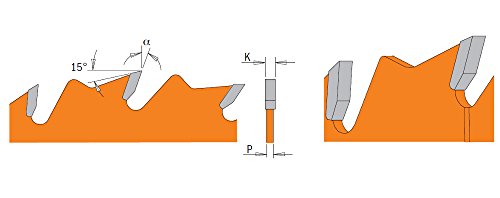
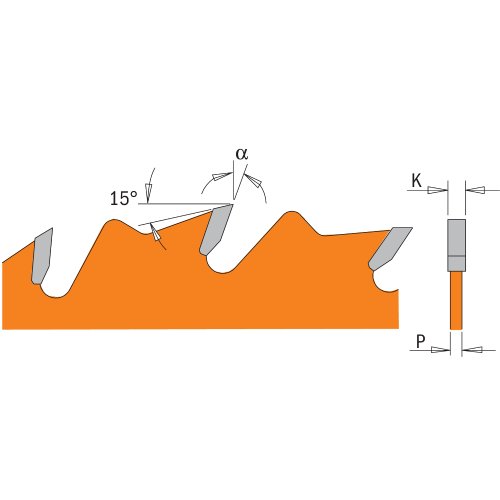
CMT doesn’t cut corners, and this blade shows it, laser-cut expansion slots, tri-metal brazing, and a precision mirror finish on the carbide mean this one’s built for heavy use. The 24-tooth flat grind with a 20° hook angle is standard for ripping, but the industrial chrome carbide and PTFE coating give it an edge in heat and corrosion resistance. Owners using it on stationary saws report long life even when cutting dense exotics or laminated stock.
It’s heavier and stiffer than most, which improves stability but may not suit lighter saws. Compared to the Freud LM72M010, it’s similarly accurate but slightly more durable under continuous load. If you’re running a cabinet shop or doing marathon ripping sessions, this is one of the most dependable options here.
Product photos
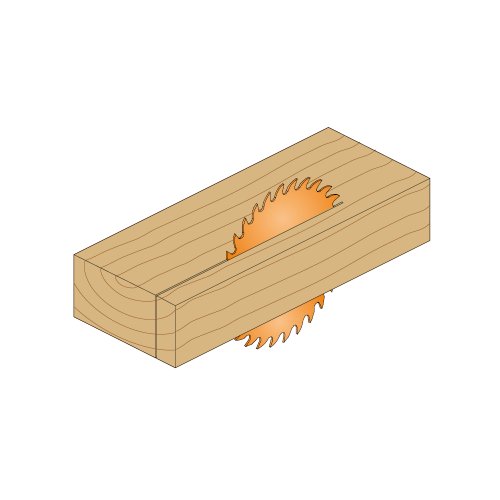
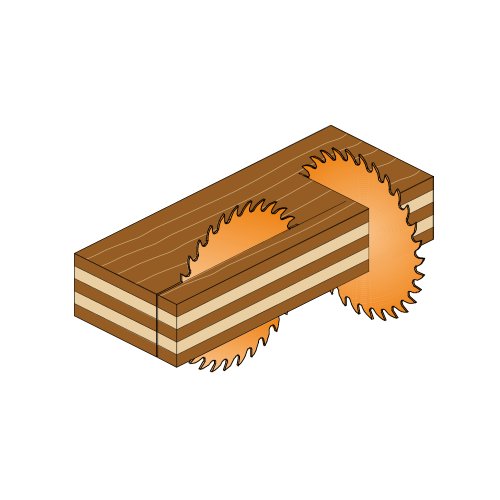
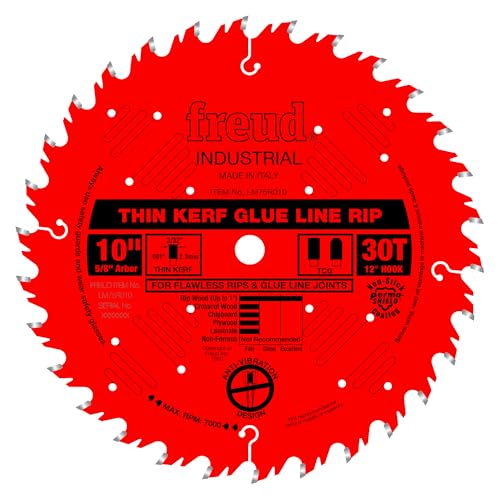
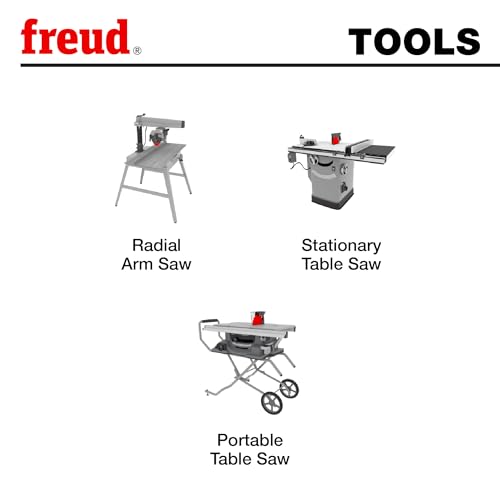
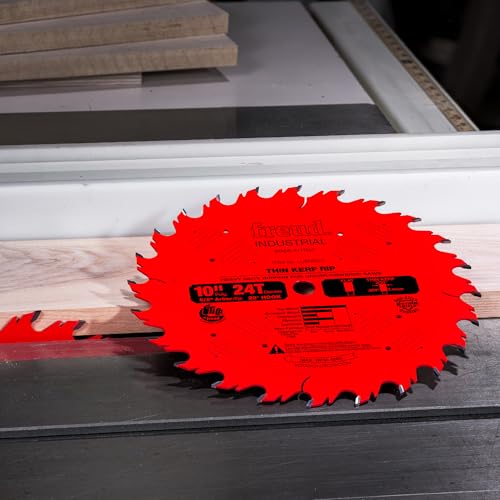
Freud 10″ Thin Kerf Glue Line Blade
Strengths
- Glue-line ready finish
- Thin kerf saves material
- Strong anti-vibration design
Trade-offs
- Slower feed rate
- Higher cost
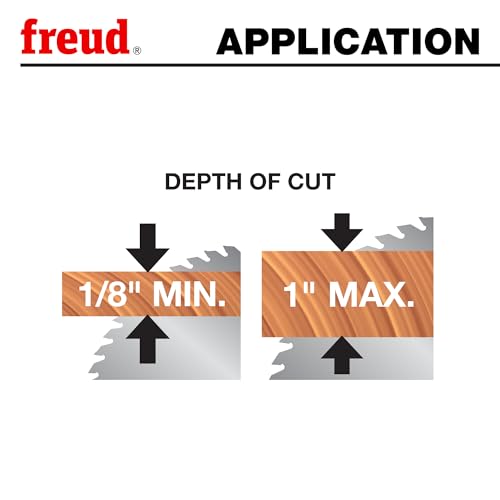
This Freud is built for woodworkers who demand glue-line ready edges straight off the saw. The 30-tooth TCG grind with a 12° hook angle delivers a cleaner cut than standard 24-tooth rippers, and the thin kerf (.091″) means less material waste, a big plus when working with expensive hardwoods. The Perma-Shield coating works well in practice, with owners noting less pitch accumulation even after long runs.
It’s not as aggressive as the LM72M010, so feed speed is slightly slower, but the payoff is in surface quality. The laser-cut anti-vibration slots keep it stable, and the plate thickness helps resist deflection. If you’re building cabinets or fine furniture, this blade reduces or eliminates the need for jointing. My take? It’s the right choice when finish matters more than speed.
Product photos

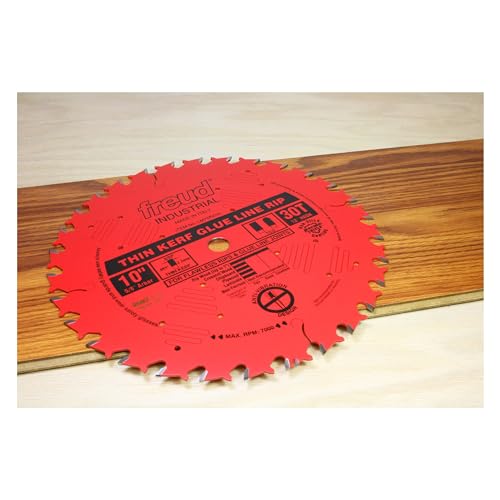

BOSCH 10″ Daredevil Ripping Blade

Strengths
- Fast cutting speed
- Good value
- Thin kerf reduces waste
Trade-offs
- ATB grind less ideal for ripping
- Finish not glue-line ready
Bosch markets this as a fast-ripping blade, and owners confirm it lives up to the name, the thinner kerf and Speed Coat finish let it slice through softwoods and plywood with noticeably less drag. The Brute Carbide formulation holds up well against impact, which helps if you’re cutting reclaimed lumber or boards with hidden nails. It’s also one of the more affordable blades in this list, making it a solid budget pick for weekend warriors.
But there’s a trade-off: the ATB tooth geometry isn’t optimized for pure ripping, so while it’s fast, the edge quality in thick hardwoods isn’t as clean as a flat-top grind like the Freud LM72M010. It’s versatile, yes, but not best-in-class at anything. I’d recommend it as a secondary blade or for those just starting out who don’t want to spend top dollar.
Product photos


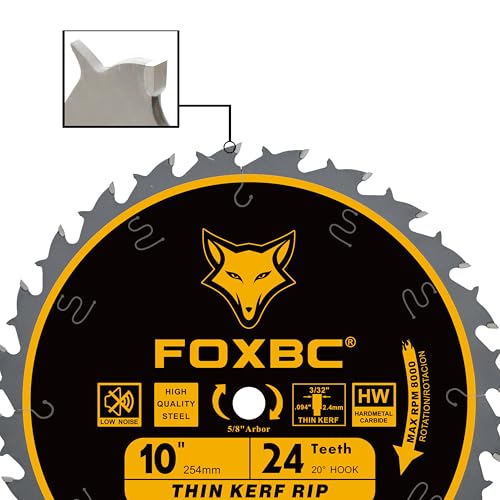
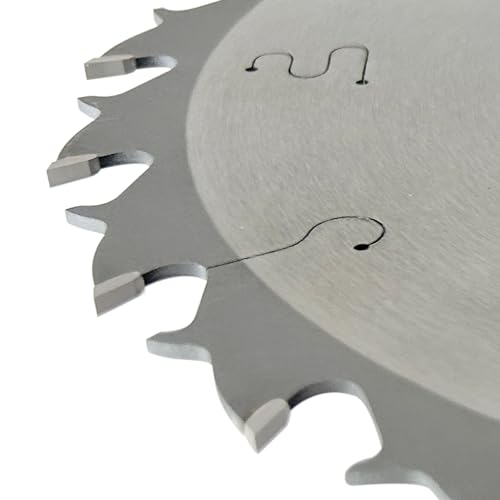
FOXBC 10″ 24-Tooth Ripping Blade

Strengths
- Affordable price
- Fast ripping action
- Thin kerf reduces strain
Trade-offs
- Shorter lifespan in hardwoods
- Inconsistent sharpening
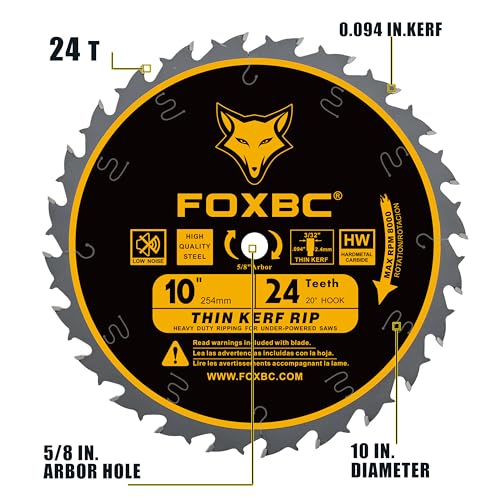
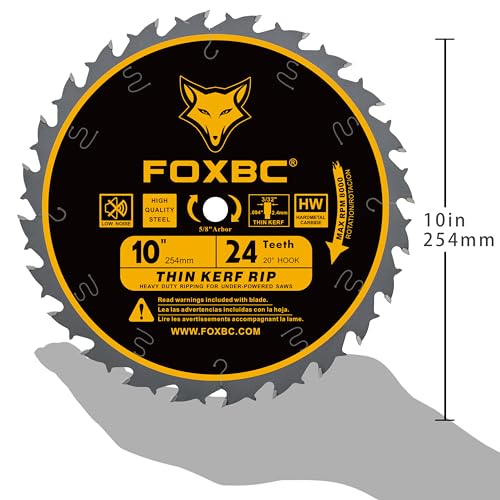
This FOXBC blade punches above its price class in raw performance. With 24 flat-top teeth and a 20° hook angle, it rips through softwoods and plywood quickly, and the thin kerf reduces load on smaller saws, a big plus for DIYers with mid-tier table saws. Owners praise its ability to handle thick stock without bogging down, and the non-stick coating does a decent job resisting pitch.
It’s not made by a legacy brand like Freud or Bosch, but the specs align closely with premium models. Where it lags is longevity, some users report faster dulling in hardwoods. Still, for the price, it delivers solid value. I’d recommend it as a capable workhorse for those who want good performance without the premium cost.
Product photos
Freud 9″ Thin Kerf Rip Blade

Strengths
- Ideal for compact saws
- Reduces motor strain
- Fast feed rate
Trade-offs
- Limited to 9-inch saws
- Shorter lifespan
- Less finish quality
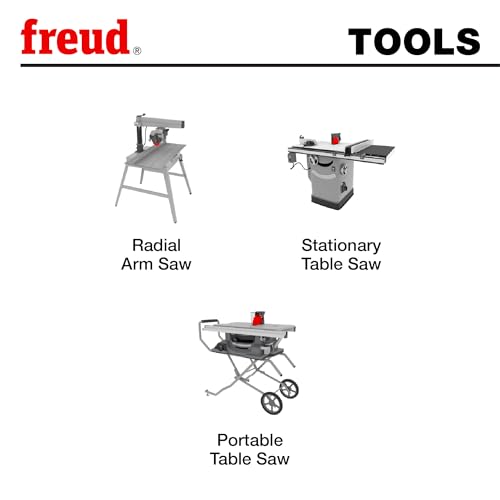
This 9-inch blade is a niche player, but it fills its role perfectly, it’s designed for compact or jobsite table saws that can’t handle a full 10-inch blade. The 22-tooth ATB grind with a 20° hook angle is unusual for a rip blade, but owners say it feeds smoothly and cuts faster than expected. The thin kerf helps lower strain on underpowered saws, which is exactly what you need in a portable setup.
It won’t match the finish of a 10-inch glue-line ripper, but for breaking down sheet goods or ripping dimensional stock on the job site, it’s surprisingly capable. Compared to the CRAFTSMAN 10-inch, it’s less durable but more practical for small saws. I’d recommend it only if you’re running a 9-inch saw, otherwise, step up to a 10-inch model.
Product photos

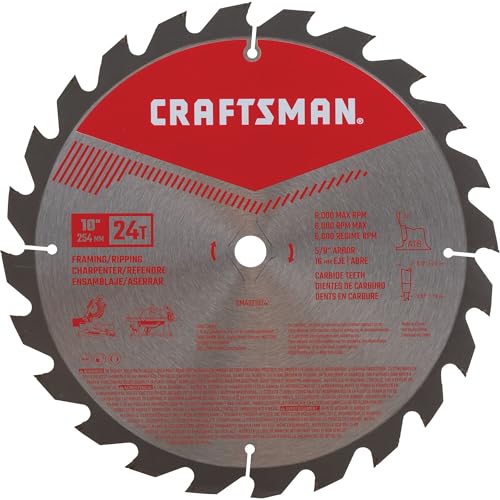
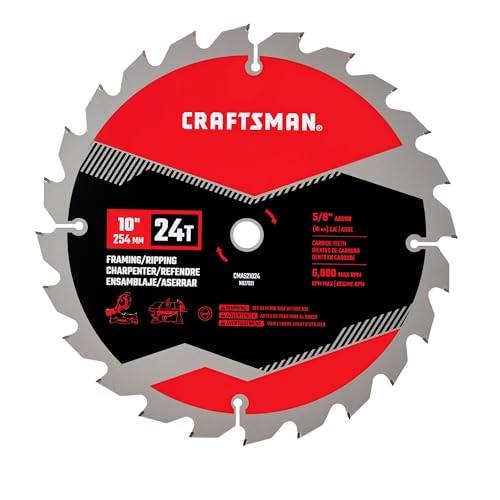
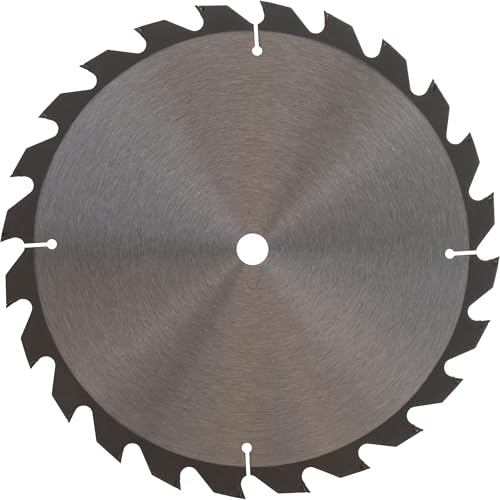
CRAFTSMAN 10″ Framing/Ripping Blade
Strengths
- Durable carbide tips
- Heat-treated plate
- Corrosion resistant
Trade-offs
- Rougher finish
- Not for fine cuts
- Limited versatility
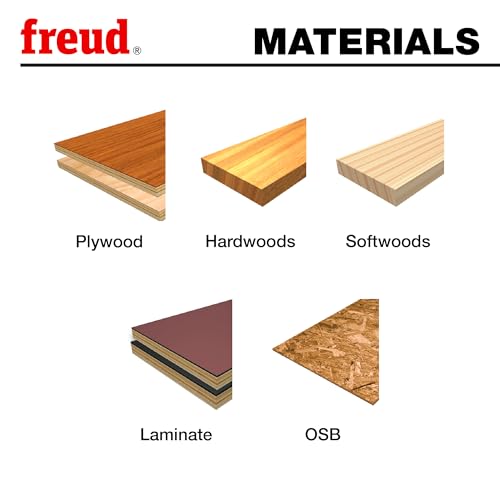
This blade wears the CRAFTSMAN name, which carries weight for DIYers who trust legacy tool brands. On paper, it’s built for framing, 24 teeth, flat grind, 10-inch diameter, and the heat-treated plate is a smart touch to prevent warping under heavy use. Owners consistently report clean, fast rips in dimensional lumber, and the corrosion-resistant coating helps it hold up in damp job sites. It’s not meant for fine woodworking, but for rough cuts in pine or OSB, it does what it promises.
Where it falls short is finish quality. Compared to Freud or CMT, the tooth geometry isn’t optimized for smoothness, so you’ll likely need to sand edges if appearance matters. But for framing walls or building forms, that’s not a dealbreaker. I’d pick this over pricier options if your main work is construction-grade ripping.
Product photos

How We Chose These ripping blade table saws
Rather than a hands-on lab test, my research focused on comparing published specifications and features across numerous ripping blades. I weighed owner reviews from multiple sources, alongside assessments from woodworking publications and reputable tool sites. This allowed me to build a ranking based on real-world feedback and technical details, factoring in intended use cases and price points. It’s about finding the right blade for your needs, not just the most expensive one.
For ripping blades, tooth count, kerf thickness, and carbide quality are paramount. A higher tooth count generally means a smoother finish, but slower cutting. Kerf impacts power demand and waste; thin kerf blades are faster but may sacrifice stability. Ultimately, the quality of the carbide determines how long the blade stays sharp and how well it handles tough wood species. Understanding table saw operation basics is also crucial for getting the most out of any blade.
Specifications reliably indicate physical characteristics like arbor size, blade diameter, and kerf width. However, judging durability, cut quality, and resistance to pitch build-up required analyzing owner feedback. Reputation matters, too; brands known for consistent quality in other blades often deliver similar performance here. I also considered how well a blade’s features aligned with its stated “best for” category, judging whether the marketing claims held up against user experience.
How To Choose The ripping blade table saws
Picking the right ripping blade is crucial for clean, efficient cuts, especially if you’re tackling larger projects.
A quality ripping blade prioritizes straight, splinter-free cuts through the length of the wood. Key specs include tooth count (typically 24-30 for ripping), hook angle (positive angles for aggressive feeding), kerf width (thin kerf for speed, standard for stability), and carbide quality (TiCo is a common premium blend). Vibration reduction features and anti-pitch coatings also extend blade life and improve performance.
Tooth Count and Geometry
Don’t assume more teeth always mean a better cut. For ripping, a lower tooth count (24-30 is common) is generally preferable. Fewer teeth mean larger gullets, which evacuate more wood chips and prevent the blade from clogging, especially in thicker stock. The tooth grind is also vital. A flat-top grind (FTG) is designed specifically for ripping, delivering clean edges along the wood grain. Alternate Top Bevel (ATB) grinds are more versatile, but less efficient for dedicated ripping tasks.
Kerf and Plate Thickness
Kerf width – the width of the cut – impacts both speed and waste. Thin-kerf blades (around .091″) remove less material, requiring less power and reducing waste, but can be less stable. Standard kerf blades (.126″) offer more stability, especially on larger table saws or when ripping wider boards. Plate thickness is equally important. A thicker plate provides stability and resists warping, crucial for maintaining accuracy, and is especially noticeable when working with a maximum rip cut width.
Material and Value Considerations
The type of wood you’ll be ripping most often should heavily influence your choice. If you frequently work with ripping hardwoods blade, look for blades specifically designed for dense materials, often featuring premium carbide blends like TiCo and reinforced plates.
Here’s a quick guide to blade features based on budget:
- Budget-Friendly: Expect a basic carbide grade and a standard kerf. These are fine for occasional use.
- Mid-Range: You’ll see improvements in carbide quality and potentially thin-kerf options, offering a good balance of performance and price.
- Premium: Blades in this category offer the highest-quality carbide, advanced vibration reduction technology, and specialized coatings, translating to longer life and superior cuts.
A dull blade is more dangerous than a sharp one. Invest in a blade sharpening service or learn to sharpen blades yourself to maintain safety and cut quality.
Ripping Blade Table Saws Compared
Here’s a comparison of key specifications for various ripping blade table saws to help you choose the right tool.
| Product Name | Diameter | Teeth | Kerf | Hook Angle | Arbor | Grind |
|---|---|---|---|---|---|---|
| Freud 10″ Heavy-Duty Rip Blade | 10″ | 24 | .126″ | 20° | 5/8″ | FLAT |
| Freud Industrial Glue Line Ripping Blade | 10″ | N/A | N/A | N/A | N/A | TCG |
| CMT Orange Tools 10″ Ripping Blade | 10″ | N/A | N/A | N/A | N/A | N/A |
| Freud 10″ Thin Kerf Glue Line Blade | 10″ | 30 | .091″ | 12° | 5/8″ | TCG |
| BOSCH 10″ Daredevil Ripping Blade | 10″ | N/A | N/A | N/A | N/A | ATB |
| FOXBC 10″ 24-Tooth Ripping Blade | 10″ | 24 | .094″ | 20° | 5/8″ | FLAT |
| Freud 9″ Thin Kerf Rip Blade | 9″ | 22 | .094″ | 20° | 5/8″ | ATB |
| CRAFTSMAN 10″ Framing/Ripping Blade | 10″ | N/A | N/A | N/A | N/A | N/A |
Frequently Asked Questions
What arbor size do most ripping blades require?
The vast majority of ripping blades, including those listed above, use a 5/8-inch arbor. However, it’s crucial to verify compatibility with your specific table saw before purchasing to avoid fit issues.
How does a negative hook angle affect a ripping blade?
A negative hook angle pulls the blade into the wood, requiring more downforce and potentially increasing kickback risk. Ripping blades typically use positive hook angles to aid in aggressive, controlled feeding.
What’s the difference between TCG and ATB tooth grinds for ripping?
TCG (Triple Chip Grind) is specifically designed for ripping, offering clean, splinter-free cuts along the wood grain. ATB (Alternate Top Bevel) is more versatile and better for crosscutting, but less efficient for dedicated ripping applications.
How can I extend the life of my ripping blade?
Regular cleaning to remove pitch buildup is key. Also, avoid ripping treated lumber with a blade intended for untreated wood, as the chemicals accelerate wear and dull the carbide.
Are thin-kerf blades suitable for all ripping tasks?
While thin-kerf blades offer speed and reduced waste, they can be less stable when ripping very wide boards or dense hardwoods. If you frequently work with 10-inch ripping hardwood blade, a standard kerf blade might be a better choice.
The Bottom Line
Choosing a ripping blade always comes down to balancing speed, precision, and your budget. While a premium blade like the Freud 10″ Heavy-Duty Rip Blade offers exceptional performance and durability, it’s not necessarily the best choice for everyone. For most homeowners and DIYers, a well-made mid-range option will deliver more than enough capability for typical projects.
If you’re on a tighter budget, the FOXBC 10″ 24-Tooth Ripping Blade provides a solid entry point into dedicated ripping. For those needing versatility, the Freud 10″ Thin Kerf Glue Line Blade strikes a good balance between speed and accuracy. And if you’re frequently engaged in a variety of woodworking table saw tasks, the BOSCH 10″ Daredevil Ripping Blade is a strong all-around performer.
Ultimately, remember that the blade is only one part of the equation. A properly tuned table saw, sharp blades, and safe work practices are far more important than any single specification. Focus on mastering the fundamentals of table saw operation and understanding the wood you’re working with, that’s where you’ll see the biggest improvements in your results.
